Discover meaningful ways to honor the Jewish New Year for Trees with your children through fun, educational, and eco-friendly projects.
What Is Tu Bishvat and Why Do We Celebrate Trees?
Tu Bishvat, also spelled Tu B’Shevat, falls on the 15th day of the Hebrew month of Shevat. This beloved Jewish holiday is often called the “New Year for Trees” or “Birthday of the Trees.” In 2025, Tu Bishvat begins at sundown on February 12th.
The holiday carries deep ecological significance. It marks the moment when the earliest-blooming trees in Israel begin their new fruit-bearing cycle. For families around the world, it offers a beautiful opportunity to teach children about:
- Environmental stewardship
- Jewish agricultural traditions
- The importance of nature conservation
- Seasonal cycles and plant biology
According to the Jewish Virtual Library, Tu Bishvat has evolved from an ancient tax deadline for fruit trees into a modern celebration of environmental awareness and connection to the Land of Israel.
Why Tu Bishvat Activities for Kids Are Important for Environmental Education
Engaging children in Tu Bishvat activities creates lasting memories while fostering a love for nature. Research from the North American Association for Environmental Education shows that hands-on nature activities help children develop:
| Benefit | How Tu Bishvat Activities Help |
|---|---|
| Environmental Awareness | Children learn about ecosystems, trees, and conservation |
| Fine Motor Skills | Crafts develop hand-eye coordination |
| Cultural Identity | Connects kids to Jewish heritage and traditions |
| Scientific Curiosity | Planting seeds teaches biology basics |
| Responsibility | Caring for plants teaches accountability |
These activities work perfectly for homeschool nature studies, Sunday school programs, Jewish day school curricula, and family celebrations at home.
1. How to Plant Parsley Seeds for Tu Bishvat with Kids
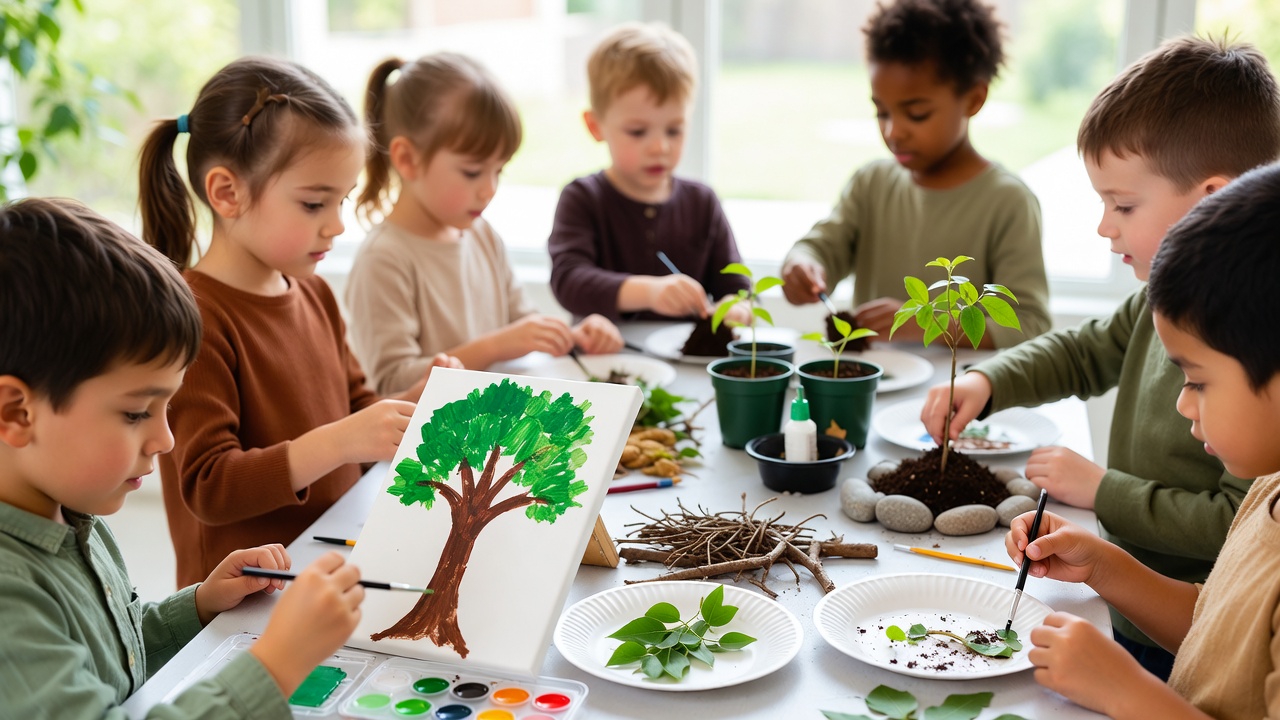
One of the most popular Tu Bishvat planting activities for children involves starting parsley seeds indoors. This activity connects beautifully to both Tu Bishvat and the upcoming Passover Seder, where parsley serves as the karpas.
Materials Needed:
| Item | Purpose |
|---|---|
| Small pots or recycled containers | Growing vessel |
| Potting soil | Growth medium |
| Parsley seeds | The star of the show |
| Spray bottle | Gentle watering |
| Plastic wrap | Creates humidity dome |
| Sunny windowsill | Light source |
Step-by-Step Instructions:
- Fill containers with moist potting soil, leaving 1 inch at the top
- Sprinkle seeds evenly across the surface
- Cover lightly with a thin layer of soil (about ¼ inch)
- Mist gently with the spray bottle
- Cover with plastic wrap to retain moisture
- Place in a warm, sunny spot and wait 14-21 days for germination
- Remove plastic once sprouts appear
Pro Tip: Let children decorate their pots with Tu Bishvat stickers or paint before planting. This personalizes the project and increases their investment in caring for the seedlings.
2. DIY Tu Bishvat Tree Craft Using Recycled Materials
This eco-friendly Tu Bishvat craft teaches children about recycling while creating beautiful artwork. Using items from your recycling bin aligns perfectly with the holiday’s environmental themes.
Supplies for This Nature-Themed Kids’ Craft:
- Brown paper grocery bags (for the trunk)
- Green tissue paper or old magazines (for leaves)
- Cardboard base (cereal boxes work great)
- Non-toxic glue
- Child-safe scissors
- Optional: dried flowers, seeds, or small twigs
How to Make Your Recycled Tree:
- Cut the cardboard into a tree trunk and branch shape
- Tear brown paper into strips and glue onto the trunk
- Crumple small pieces of green paper for 3D leaves
- Attach the leaves to the branches
- Add natural elements like pressed flowers or seeds
- Display proudly during your Tu Bishvat celebration
This craft reinforces the message from the Environmental Protection Agency that reducing, reusing, and recycling protects our planet—a core Tu Bishvat value.
3. Easy Tu Bishvat Seder for Families with Young Children
A kid-friendly Tu Bishvat Seder introduces children to this mystical tradition in an accessible, engaging way. The Seder involves eating fruits and nuts from four categories while drinking four cups of grape juice or wine.
The Four Categories of Tu Bishvat Fruits:
| Category | Description | Examples for Kids |
|---|---|---|
| Fruits with inedible shells | Hard outer layer protects the inside | Walnuts, almonds, pistachios, coconut |
| Fruits with inedible pits | Soft outside, hard core | Dates, olives, cherries, peaches |
| Completely edible fruits | Eat the whole thing | Figs, grapes, blueberries, strawberries |
| Fruits from the Land of Israel | The Seven Species | Wheat, barley, grapes, figs, pomegranates, olives, dates |
Making It Kid-Friendly:
- Create a tasting chart where children rate each fruit
- Tell stories about how each fruit grows
- Use the four cups as white grape juice, light pink, dark pink, and red
- Discuss the symbolism of moving from dormant winter to vibrant spring
- Include chocolate (from the cacao tree!) as a special treat
The My Jewish Learning website offers excellent resources for planning an authentic yet accessible Seder experience.
4. Nature Scavenger Hunt: Outdoor Tu Bishvat Activity for Kids
A Tu Bishvat nature scavenger hunt gets children outside exploring their environment, regardless of climate. This activity works in backyards, local parks, or even urban neighborhoods.
Free Printable Scavenger Hunt Ideas:
Find and observe (don’t pick!):
- [ ] A tree with visible bark patterns
- [ ] Three different types of leaves
- [ ] Something green growing
- [ ] A seed or nut on the ground
- [ ] Evidence of animals living in trees (nests, holes)
- [ ] A tree taller than your house
- [ ] Something from nature that smells good
- [ ] A tree you’d like to hug
- [ ] Something nature-made that’s brown
- [ ] A living thing smaller than your thumb
Learning Extensions:
- Photograph discoveries and create a nature journal
- Research tree species found during the hunt
- Discuss how trees help animals, air quality, and humans
- Compare findings across different seasons
According to Children & Nature Network, regular outdoor exploration improves children’s physical health, mental wellbeing, and academic performance.
5. Tu Bishvat Fruit Kabobs: Healthy Snack Activity for Kids
Combining cooking with kids and Tu Bishvat traditions, fruit kabobs offer a delicious, hands-on activity. This healthy Tu Bishvat snack lets children practice fine motor skills while learning about the holiday’s symbolic foods.
Ingredients for Seven Species Kabobs:
| Ingredient | Connection to Tu Bishvat |
|---|---|
| Dried figs | One of the Seven Species |
| Dates | Traditional Tu Bishvat fruit |
| Grapes | Represent wine in the Seder |
| Pomegranate seeds | Symbol of abundance |
| Dried apricots | Tree fruit from Israel |
| Almonds | Native to the Middle East |
| Banana slices | Fun kid-friendly addition |
Assembly Tips:
- Wash all fresh fruits thoroughly
- Cut larger fruits into bite-sized pieces (adult job)
- Use wooden skewers with tips cut off for safety
- Let children choose their favorite combinations
- Arrange by color for a rainbow effect
- Serve with honey or yogurt dip
Allergy Note: Always check for nut allergies before including almonds or other tree nuts. Substitute with sunflower seeds if needed.
6. How to Make a Tu Bishvat Tree of Life Collage
This meaningful Tu Bishvat art project combines creativity with discussion about what trees provide. The Tree of Life collage helps children understand humanity’s dependence on trees.
Materials for Your Tree of Life Craft:
- Large poster board or cardboard
- Magazines for cutting
- Printed pictures of tree products
- Markers and crayons
- Glue sticks
- Scissors
- Brown and green construction paper
Creating Your Collage:
- Draw or construct a large tree shape in the center
- Brainstorm together all the things trees give us
- Find or draw pictures representing:
- Food: fruits, nuts, maple syrup, chocolate
- Oxygen: pictures of people breathing, exercising
- Shelter: wooden houses, furniture, paper
- Beauty: fall leaves, blossoms, shade
- Wildlife homes: birds, squirrels, insects
- Arrange and glue images around and on the tree
- Add labels identifying each item
This activity reinforces data from the Arbor Day Foundation, which notes that a single mature tree can absorb 48 pounds of carbon dioxide per year while releasing enough oxygen for two people.
7. Indoor Gardening Project: Growing an Avocado from Seed
The avocado seed growing experiment captivates children and provides weeks of observable growth. This indoor gardening activity for Tu Bishvat teaches patience and plant biology.
What You’ll Need:
| Supply | Notes |
|---|---|
| Ripe avocado | Save the pit after eating |
| Three toothpicks | Suspension system |
| Clear glass or jar | See the roots grow |
| Water | Change weekly |
| Sunny window | Essential for growth |
| Potting soil (later) | For transplanting |
Step-by-Step Avocado Growing Guide:
- Remove and clean the avocado pit thoroughly
- Identify the top (slightly pointed) and bottom (flatter)
- Insert three toothpicks around the middle at slight angles
- Suspend over water with the bottom half submerged
- Place in warm, sunny location
- Change water weekly to prevent bacteria
- Wait 2-8 weeks for the pit to crack and sprout
- Transplant to soil when roots are 6 inches long
Science Connection: Discuss how the pit contains everything the baby tree needs to start growing, just like how seeds work in nature. This aligns with standards from the Next Generation Science Standards for elementary life science.
8. Tu Bishvat Blessing Cards: Teaching Gratitude Through Crafts
Creating gratitude cards for Tu Bishvat combines crafting with Jewish learning. These printable blessing cards help children learn the brachot (blessings) said before eating different foods.
Blessings to Include:
| Blessing | Hebrew Transliteration | When to Say It |
|---|---|---|
| Borei Pri Ha’etz | בּוֹרֵא פְּרִי הָעֵץ | Before eating tree fruits |
| Borei Pri Ha’adamah | בּוֹרֵא פְּרִי הָאֲדָמָה | Before eating vegetables/ground fruits |
| Shehecheyanu | שֶׁהֶחֱיָנוּ | For new or seasonal fruits |
Card-Making Instructions:
- Cut cardstock into 3×5 inch rectangles
- Write the blessing in Hebrew and English
- Decorate with drawings of corresponding fruits
- Laminate for durability (optional)
- Punch a hole and connect with a ring
- Use during meals throughout Tu Bishvat
Educational Benefit: This activity teaches children that Jewish tradition encourages mindfulness and gratitude before eating—acknowledging where food comes from.
9. Seed Bomb Making: Eco-Friendly Tu Bishvat Craft for Older Kids
Seed bombs (also called seed balls) offer an exciting hands-on Tu Bishvat activity that combines crafting with environmental action. This project suits children ages 6 and up.
Seed Bomb Recipe and Materials:
| Ingredient | Amount | Purpose |
|---|---|---|
| Air-dry clay | 1 cup | Binding agent |
| Compost or potting soil | 1 cup | Nutrients |
| Wildflower seeds (native) | 1 tablespoon | The plants! |
| Water | As needed | Mixing |
Making Seed Bombs Step-by-Step:
- Mix dry clay and soil in a large bowl
- Add wildflower seeds and combine
- Slowly add water until mixture holds together
- Roll into 1-inch balls
- Let dry completely (24-48 hours)
- Store in paper bags until ready to use
- Throw or place in bare garden spots
Important: Only use native wildflower seeds appropriate for your region. The National Wildlife Federation provides resources for selecting species that support local pollinators.
When to Use Seed Bombs:
- Spring planting season for best results
- In your own garden or with permission
- Never in protected natural areas
10. Tu Bishvat Story Time and Book List for Kids
Combining Tu Bishvat children’s books with read-aloud activities creates a complete holiday experience. These stories reinforce the themes of nature appreciation, environmental responsibility, and Jewish traditions.
Best Tu Bishvat Books for Different Ages:
| Book Title | Author | Best Age | Key Theme |
|---|---|---|---|
| The Tree in the Courtyard | Jeff Gottesfeld | 5-10 | Anne Frank’s chestnut tree |
| Sadie’s Almost Marvelous Menorah | Jamie Korngold | 3-6 | Jewish holiday celebrations |
| The Giving Tree | Shel Silverstein | 4-adult | Trees’ generosity |
| A Tree Is Nice | Janice May Udry | 3-7 | Appreciation of trees |
| The Lorax | Dr. Seuss | 4-10 | Environmental conservation |
| Planting the Trees of Kenya | Claire Nivola | 6-12 | Wangari Maathai’s story |
Story Time Activities:
- Act out the story with dramatic play
- Draw favorite scenes from the book
- Discuss questions about the themes
- Connect to personal experiences with trees
- Write a sequel or alternative ending
The Association for Library Service to Children recommends pairing reading with hands-on activities to deepen comprehension and engagement.
Bonus: Free Tu Bishvat Printables and Resources for Parents and Teachers
Enhance your Tu Bishvat celebration activities with these trusted resources:
Recommended Websites:
- PJ Library — Free Jewish children’s books and activity guides
- BimBam — Animated Jewish educational videos
- Kveller — Parenting advice and holiday ideas
- Jewish Interactive — Digital learning tools
Printable Activity Ideas:
- Tu Bishvat coloring pages featuring the Seven Species
- Tree identification guides for your region
- Blessing cards in Hebrew and English
- Nature journal templates
- Seder plate labels for family celebrations
How to Create Lasting Tu Bishvat Traditions at Home
Building annual Tu Bishvat family traditions creates meaningful memories that children carry into adulthood. Consider establishing these practices:
Yearly Traditions to Start:
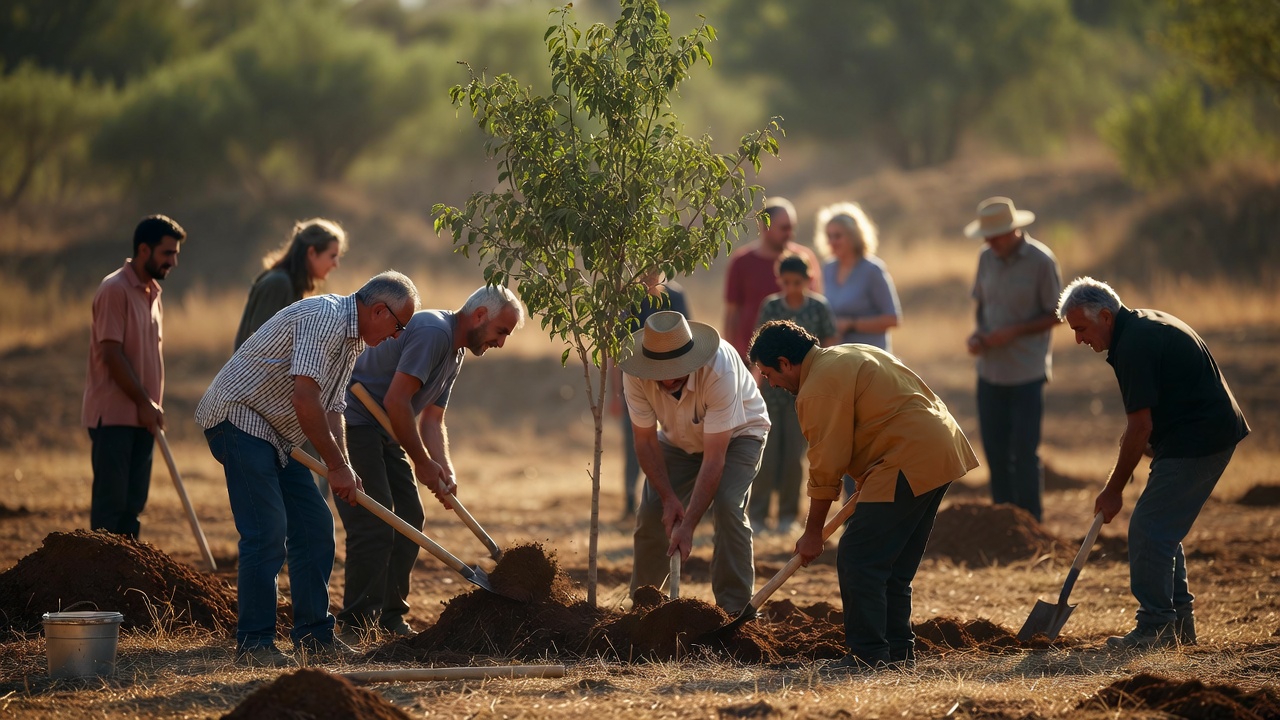
- Plant a tree or donate to plant one in Israel through the Jewish National Fund
- Measure children’s height against a tree in your yard
- Create a photo album of each year’s celebrations
- Try one new fruit every Tu Bishvat
- Volunteer for local environmental cleanups
Discussion Questions for Families:
- What’s your favorite thing about trees?
- How do trees help our planet?
- What can we do to protect nature?
- Which fruits have we never tried before?
- How does caring for plants connect to other values?
Conclusion: Celebrating the Jewish New Year for Trees with Purpose
Tu Bishvat activities and crafts for kids offer far more than entertainment. They provide meaningful opportunities to:
- Connect children to Jewish heritage through hands-on learning
- Foster environmental awareness during formative years
- Create lasting family memories around nature appreciation
- Develop practical skills from gardening to cooking to crafting
- Inspire lifelong eco-consciousness rooted in tradition
Whether you’re planting parsley seeds, conducting a family-friendly Tu Bishvat Seder, or creating a recycled materials tree craft, each activity plants seeds of knowledge and appreciation that will grow throughout your child’s life.
As the ancient Jewish text Pirkei Avot teaches: “If you are planting a tree and someone tells you the Messiah has arrived, first finish planting the tree, then go greet the Messiah.” This wisdom reminds us that caring for nature is among our highest responsibilities.
Chag Tu Bishvat Sameach! Happy Tu Bishvat!
Have you tried any of these Tu Bishvat activities with your children? Share your experiences in the comments below, and don’t forget to pin this post for next year’s celebration!