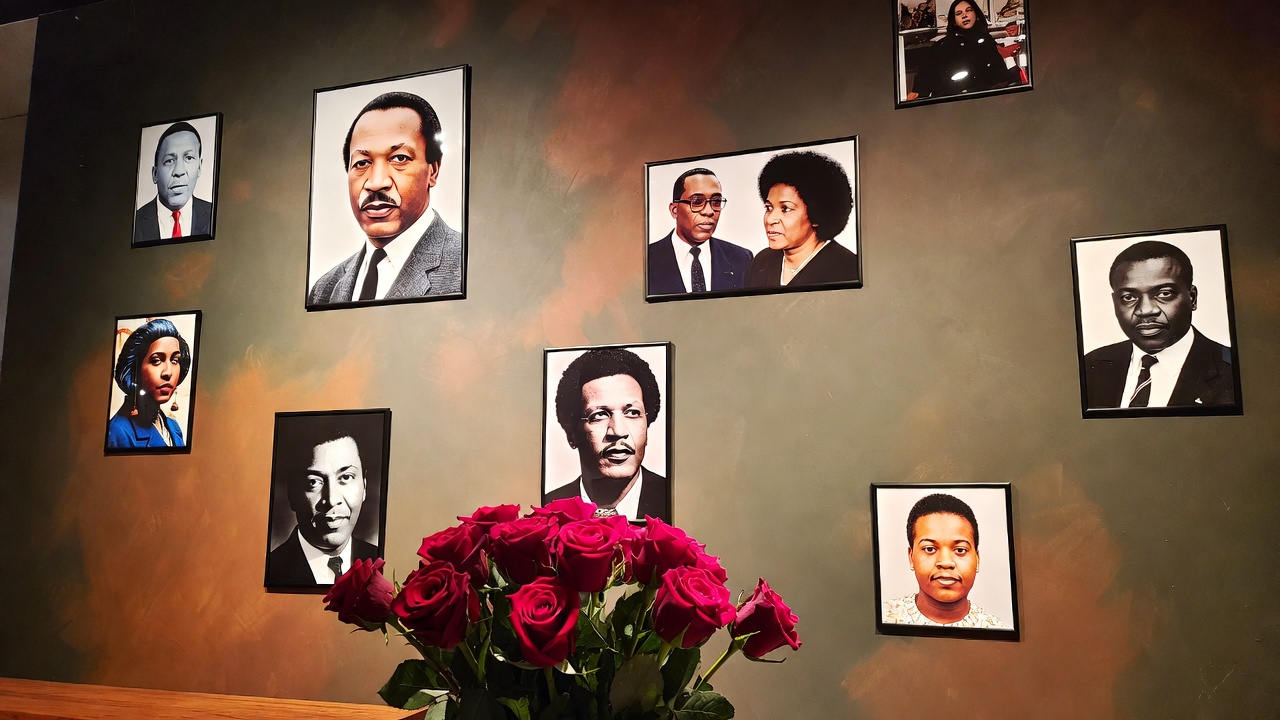
February 2026 marks an extraordinary milestone in American history. This year, we celebrate the 100th anniversary of Black History Month. What began as a single week in 1926 has grown into a global observance that honors the contributions, struggles, and triumphs of Black Americans. For organizations committed to diversity, equity, and inclusion, this centennial provides a powerful opportunity to create meaningful workplace celebrations.
The significance of this moment cannot be overstated. When Dr. Carter G. Woodson launched Negro History Week in 1926, he was confronting a deliberate erasure of Black contributions to American history. Schools taught little to nothing about African American achievements. Textbooks ignored the accomplishments of Black scientists, inventors, artists, and leaders. Public discourse treated Black Americans as having contributed nothing of value to the nation they helped build.
One hundred years later, the landscape has changed dramatically—yet significant challenges remain. Black History Month is now recognized across the United States, Canada, and increasingly around the world. Schools incorporate African American history into curricula. Museums, libraries, and cultural institutions host programming throughout February. Corporations and organizations of all sizes acknowledge the month with events and initiatives.
Yet as we celebrate progress, we must also acknowledge persistent inequities. Black workers still face higher unemployment rates than their white counterparts. Black professionals remain underrepresented in leadership positions. Pay gaps persist across industries. And recent years have seen pushback against diversity, equity, and inclusion initiatives in some quarters.
This comprehensive guide provides ten actionable strategies for creating meaningful Black History Month programming in your workplace. These ideas go beyond surface-level celebrations. They aim to create lasting impact—for Black employees, for organizational culture, and for the communities organizations serve.
Understanding Black History Month 2026: A Century of Commemorations
The year 2026 holds special significance for Black History Month. According to the Association for the Study of African American Life and History (ASALH), the official 2026 theme is “A Century of Black History Month Commemorations.” This theme invites organizations to reflect on 100 years of progress while acknowledging the work that remains.
Dr. Carter G. Woodson, often called the “Father of Black History,” founded what we now know as Black History Month. In 1926, he launched “Negro History Week” through ASALH. Woodson chose the second week of February deliberately. This timing coincides with the birthdays of Abraham Lincoln (February 12) and Frederick Douglass (February 14). Both figures played significant roles in the abolition of slavery.
The observance expanded to a full month in 1976. That year, President Gerald Ford issued the first official Black History Month proclamation. He encouraged Americans to “seize the opportunity to honor the too-often neglected accomplishments of Black Americans in every area of endeavor throughout our history.”
For the centennial celebration, ASALH states: “We have never had more need to examine the role of Black History Month than we do when forces weary of democracy seek to use legislative means and book bans to excise Black history from America’s schools and public culture.”
Why Black History Month Matters in the Modern Workplace
Workplace diversity has become a critical business imperative. The numbers tell a compelling story:
| Statistic | Source |
|---|---|
| 12.8% of the U.S. workforce identifies as Black or African American | Bureau of Labor Statistics |
| 5.6% unemployment rate for Black workers vs. 3.4% for white workers | Bureau of Labor Statistics, February 2024 |
| 8 Fortune 500 companies have Black CEOs as of 2024 | Fortune |
| 40% of Black workers report experiencing workplace discrimination | Pew Research Center |
| 53% of Black workers say diversity is extremely or very important | Pew Research Center |
These statistics highlight both progress and persistent challenges. Black History Month offers organizations an opportunity to demonstrate genuine commitment to equity. It goes beyond symbolic gestures. The month creates space for education, reflection, and meaningful action.
How to Plan Meaningful Black History Month Activities at Work
Before diving into specific ideas, organizations need a strategic approach. Effective Black History Month programming requires thoughtful planning. It must avoid performative gestures that can alienate the very employees the month intends to honor.
Key Planning Principles
Involve diverse voices in planning. According to CultureAlly, “When planning Black History Month events in 2026, organizations are increasingly prioritizing experiences that are educational, respectful, and connected to real workplace learning.”
Do not place the burden on Black employees. Programming should never rely solely on Black team members to educate others. External facilitators, curated resources, and expert-led sessions help distribute this responsibility appropriately.
Compensate external experts fairly. If your organization brings in speakers, educators, or facilitators, compensate them appropriately for their time and expertise.
Connect activities to year-round DEI efforts. Black History Month should be a starting point. It should not be a one-time checkbox. The most impactful organizations use February as a springboard for ongoing initiatives.
Be thoughtful about scope and format. CultureAlly advises: “Not every organization needs a full calendar of events. A small number of well-designed sessions often has more impact than multiple loosely connected activities.”
1. Launch or Strengthen Employee Resource Groups for Black Professionals
Employee Resource Groups (ERGs) represent one of the most impactful ways to support Black employees. These voluntary, employee-led organizations foster diversity, inclusion, and belonging. ERGs provide safe spaces where employees can share experiences and build connections.
The History and Impact of ERGs
ERGs have deep roots in workplace diversity efforts. According to Harvard Business Review, “Xerox pioneered the first corporate ERG—a group for its Black employees—in 1970.” This groundbreaking initiative came in response to racial tensions during the Civil Rights era.
Today, nearly 90% of all Fortune 500 companies have ERGs, according to research from Bentley University. These groups have evolved from simple support networks into strategic business resources.
Benefits of Black Employee Resource Groups
ERGs offer multiple benefits for both employees and organizations:
For Employees:
- Professional development and skill-building opportunities
- Safe spaces to discuss workplace challenges and experiences
- Networking opportunities with colleagues across departments
- Mentorship connections with senior leaders
- A sense of belonging and community
For Organizations:
- Higher employee retention rates
- Improved recruitment of diverse talent
- Valuable insights into market opportunities
- Enhanced innovation through diverse perspectives
- Stronger company culture and employee engagement
According to HBR, AT&T’s Black ERG, The NETwork, has more than 11,000 members. The company reported an 85.6% retention rate for its Black employees—a figure that speaks to the power of ERGs.
How to Strengthen Your ERG in 2026
Secure executive sponsorship. The visibility of senior leadership involvement sends a powerful message. When CEOs attend ERG events or send company-wide messages encouraging participation, it validates the group’s importance. Executive sponsors should meet regularly with ERG leadership, champion their initiatives in leadership meetings, and allocate resources to support their work.
Provide adequate funding. ERGs need resources to host events, bring in speakers, and create programming. Allocate budget that reflects the strategic importance of these groups. According to industry benchmarks, successful ERGs typically receive funding for external speakers, professional development opportunities, community engagement activities, and administrative support.
Create clear charters and goals. According to McKinsey, effective ERGs clearly state their goals and missions. They develop charters detailing strategic objectives and annual plans. A strong charter includes the group’s purpose, membership criteria, governance structure, relationship to organizational DEI goals, and metrics for success.
Compensate ERG leaders. ERG leadership requires significant time and energy. Organizations should recognize this work through additional compensation, professional development opportunities, or protected time. Some organizations provide stipends for ERG leadership roles. Others build ERG leadership into job descriptions and performance evaluations.
Connect ERGs to business outcomes. The most successful ERGs contribute directly to organizational goals. They may provide input on product development, assist with recruiting efforts, advise on marketing to diverse communities, or help identify emerging market opportunities. When ERGs deliver business value, they earn greater organizational investment and support.
Build infrastructure for success. ERGs need more than just budget. They need meeting space, communication channels, administrative support, and access to data. Provide ERGs with the tools they need to operate effectively and measure their impact.
Encourage cross-ERG collaboration. Organizations often have multiple ERGs representing different identity groups. Encourage these groups to collaborate on programming, share best practices, and build intersectional understanding. Joint events can reach broader audiences and model the kind of cross-cultural collaboration organizations seek.
2. Create Mentorship and Sponsorship Programs for Black Employees
Mentorship programs represent a powerful tool for supporting Black professionals’ career development. However, research shows significant gaps in access to these critical relationships.
The Mentorship Gap
According to Together Mentoring Software, Black employees face significant barriers to mentorship:
- Only 31% of Black employees have access to senior leaders, compared to 41% of white employees
- Four out of ten Black employees say they have no clear career path
- 44% of Black employees report being passed over for career advancement
These statistics reveal a troubling pattern. Without intentional intervention, informal mentorship relationships often perpetuate existing inequities.
Types of Mentorship Programs
Traditional One-on-One Mentoring
This classic model pairs a senior professional with a less experienced employee. For Black employees, having a mentor who understands the nuances of navigating predominantly white workplaces can be invaluable.
The Center for Creative Leadership emphasizes: “For Black employees, having a mentor whom they can confide in and seek career advice from without fear of bias or judgement enables a sense of belonging.”
Reverse Mentoring
In this model, junior employees mentor senior leaders. This approach helps executives understand the experiences of underrepresented groups. It also elevates junior voices within the organization.
Sponsorship Programs
Sponsorship goes beyond mentorship. Sponsors actively advocate for their protégés, recommending them for promotions, high-visibility projects, and leadership opportunities.
According to research cited by Together Mentoring Software, “Women get less promotion and advancement in their careers than men because they are under sponsored.”
Group Mentoring Circles
These programs create small cohorts of mentees who learn together. This approach expands access to mentorship and builds peer support networks.
Implementing Effective Mentorship Programs
Make mentorship formal and accessible. Informal mentorship networks often exclude Black employees. Formal programs ensure equitable access to these career-building relationships. Create structured matching processes that consider career goals, development needs, and personal compatibility. Provide program guidelines that clarify expectations for both mentors and mentees.
Train mentors on inclusive practices. Mentors should understand unconscious bias and the unique challenges Black professionals face. This training helps them provide more effective support. Training should cover topics like recognizing microaggressions, understanding the impact of code-switching, navigating organizational politics, and advocating effectively for mentees.
Set measurable goals. Track participation rates, advancement outcomes, and satisfaction levels. Use this data to continuously improve the program. Key metrics might include mentee promotion rates, retention rates for program participants, mentee satisfaction scores, and mentor engagement levels. Compare outcomes for program participants to those who did not participate to assess program effectiveness.
Connect mentorship to Black History Month. Use February to launch or refresh your mentorship program. Highlight successful mentor-mentee partnerships through internal communications. Recruit new participants by showcasing the program’s benefits and impact. Consider hosting a mentorship kickoff event that connects the program to Black History Month themes.
Provide structure without being rigid. Effective mentorship programs provide frameworks while allowing relationships to develop organically. Offer suggested meeting frequencies, discussion topics, and development activities. But allow mentors and mentees flexibility to customize their approach based on individual needs and preferences.
Create accountability mechanisms. Without accountability, participation can wane over time. Build in check-ins with program administrators. Require periodic progress reports. Celebrate milestone achievements. Address concerns or challenges promptly when they arise.
Support the transition to sponsorship. The most impactful mentorship relationships often evolve into sponsorship. Train mentors on how to become effective sponsors. Create opportunities for mentors to advocate for their mentees in talent discussions, succession planning, and project assignments.
3. Support Black-Owned Businesses Through Supplier Diversity Programs
Supporting Black-owned businesses represents a tangible way to create economic impact beyond your workplace walls. Supplier diversity programs expand corporate contracts to include businesses owned by underrepresented groups.
The Business Case for Supplier Diversity
According to Diversity.com, “Black-owned businesses contribute over $150 billion to the U.S. economy annually—yet they receive less than 1% of venture capital funding.”
Supplier diversity addresses this gap. When corporations contract with Black-owned businesses, they help close racial wealth gaps. They also often gain fresh perspectives, innovative solutions, and stronger community relationships.
Practical Steps for Supporting Black-Owned Businesses
Audit your current vendor relationships. Examine your existing suppliers. What percentage are minority-owned? Where are the opportunities for diversification?
Set concrete goals. Consider initiatives like Aurora James’s 15% Pledge, which asks retailers to dedicate 15% of their shelf space to Black-owned businesses.
Make supplier diversity part of procurement processes. Build requirements for diverse vendor consideration into your standard purchasing procedures.
Host Black-owned business pop-ups. Intuit suggests: “Host small business popups at your workplace. Whether in support of a holiday or just because, popups are a great way to introduce new small businesses to employees.”
Pay promptly. Small businesses often struggle with cash flow. According to Intuit, “Instead of waiting 45 to 90 days after project completion for their pay, our vendors receive payment in about 10 days.”
Black History Month Supplier Diversity Ideas
- Source catering for Black History Month events from Black-owned restaurants
- Partner with Black-owned bookstores for reading list purchases
- Contract with Black-owned firms for diversity training
- Feature Black-owned businesses in company newsletters
- Create a directory of Black-owned vendors for employee use
4. Host Educational Workshops on African American History and Culture
Education forms the foundation of meaningful Black History Month observances. Workshops provide structured opportunities for learning about African American history, culture, and contemporary issues.
Types of Educational Programming
Historical Deep Dives
The 2026 centennial offers rich opportunities for historical exploration. Consider workshops on:
- The founding and evolution of Negro History Week to Black History Month
- The Harlem Renaissance and its lasting cultural impact
- The Civil Rights Movement and its workplace legacy
- African American contributions to science, technology, and innovation
- The Great Migration and its influence on American cities
Contemporary Issues Sessions
History connects directly to present-day challenges. Educational workshops can explore:
- Systemic racism and its impact on workplace outcomes
- The intersection of race, gender, and professional advancement
- Microaggressions and how to address them
- Allyship and how to be an effective advocate
- The evolution of DEI in corporate America
Cultural Appreciation Events
Cultural education builds understanding and connection:
- African American art and its influence on American culture
- The history and significance of African American music genres
- Contributions of Black chefs to American cuisine
- African American literature and its themes
- Traditional and contemporary Black fashion
Best Practices for Educational Events
Bring in external experts. Historians, cultural educators, and subject matter experts can provide depth and credibility that internal programming may lack.
Create safe spaces for discussion. Establish ground rules that encourage open dialogue while maintaining respect.
Provide pre-work materials. Distribute readings, videos, or podcasts before workshops so participants come prepared.
Follow up with resources. Share reading lists, documentary recommendations, and ways to continue learning after events conclude.
Compensate speakers fairly. If bringing in external presenters, pay them appropriately for their expertise and time.
5. Organize Virtual and In-Person Black History Month Team Building Events
Team building activities can honor Black History Month while strengthening workplace relationships. These events should be educational, engaging, and respectful of the month’s significance.
Virtual Team Building Ideas
For hybrid and remote teams, virtual programming offers accessibility and flexibility.
Virtual Museum Tours
The National Museum of African American History and Culture offers virtual experiences. In 2026, the museum celebrates its 10th anniversary with special exhibits exploring African American migration patterns and their cultural impact.
Interactive History Games
According to Team Building, “Black History Month: Ultimate Game Show” offers an engaging way for teams to learn. The interactive format combines education with friendly competition.
Virtual Tours of Historic Black Communities
Organizations like Unexpected Virtual Tours offer live-streamed visits to historic Black neighborhoods. Their “Good Trouble Virtual Tour” celebrates the life of John Lewis and shares the story of Black resistance through mass action.
In-Person Team Building Ideas
Local History Walks
Organize guided tours of historic Black neighborhoods, civil rights landmarks, or cultural districts in your city.
Book Club Discussions
Form a Black History Month book club reading works by Black authors. Hold discussion sessions throughout February.
Cooking Classes
Partner with Black chefs to lead cooking classes featuring dishes with cultural significance.
Art Exhibitions
Visit local galleries featuring Black artists or organize an in-office exhibition showcasing work from Black creators.
Making Team Building Meaningful
Avoid performative activities. According to Unexpected Virtual Tours, “The best way to celebrate Black History Month is through education that centers historically accurate narratives and Black voices.”
Create opportunities for reflection. Build in discussion time for participants to process what they’ve learned.
Connect activities to workplace values. Link team building themes to your organization’s stated commitment to diversity and inclusion.
6. Develop Comprehensive Diversity Training Programs for All Employees
Black History Month provides an ideal launching point for comprehensive diversity training. Effective programs address unconscious bias, cultural competence, and inclusive behaviors.
The Case for Diversity Training
According to eLearning Industry, companies with diverse teams make better decisions. They capture new markets more effectively. They generate stronger financial performance.
However, training alone isn’t sufficient. According to McKinsey & Company, companies in the top quartile for racial and ethnic diversity are 36% more likely to outperform their peers financially.
Components of Effective Diversity Training
Unconscious Bias Training
This foundational training helps employees recognize and mitigate hidden biases that affect decision-making. Topics include:
- Understanding how unconscious bias develops
- Recognizing bias in hiring and promotion decisions
- Strategies for interrupting biased thinking
- Creating systems that reduce bias impact
Cultural Competency Development
Cultural competency training builds skills for working effectively across differences:
- Understanding different communication styles
- Recognizing cultural holidays and observances
- Navigating cultural differences in professional settings
- Avoiding stereotypes and generalizations
Bystander Intervention Training
This training empowers employees to interrupt discrimination and harassment:
- Recognizing microaggressions and inappropriate behavior
- Strategies for safely intervening
- Supporting colleagues who experience discrimination
- Reporting processes and resources
Inclusive Leadership Training
For managers and executives, specialized training addresses:
- Leading diverse teams effectively
- Conducting equitable performance reviews
- Creating psychologically safe environments
- Advocating for underrepresented employees
Implementing Training Successfully
Make training ongoing. One-time sessions have limited impact. Build diversity education into regular professional development. Consider annual refreshers, quarterly micro-learning modules, and continuous reinforcement through day-to-day management practices. Research shows that spaced learning and repeated exposure produce more lasting behavior change than one-time interventions.
Tailor content to your organization. Generic training often falls flat. Work with facilitators to address your specific workplace challenges. Use real scenarios from your organization (anonymized appropriately) to make training relevant and applicable. Incorporate your company’s values, industry context, and workforce demographics into curriculum design.
Include all levels. Training should reach every employee, from entry-level to C-suite. Different roles may need different emphasis. Entry-level employees might focus on recognizing and responding to microaggressions. Managers need skills for leading diverse teams and conducting equitable performance reviews. Executives require training on inclusive strategy and organizational accountability.
Measure effectiveness. Track participation, collect feedback, and assess behavioral change over time. Pre- and post-training assessments can measure knowledge gains. Follow-up surveys can assess application of learning. Behavioral observations and 360-degree feedback can identify actual practice changes. Connect training outcomes to broader diversity metrics where possible.
Create safe learning environments. Effective diversity training requires psychological safety. Participants need to feel comfortable asking questions, acknowledging gaps in knowledge, and making mistakes without judgment. Establish ground rules for discussion. Use skilled facilitators who can manage difficult conversations. Provide anonymous channels for questions participants may hesitate to ask publicly.
Integrate training with broader DEI initiatives. Training alone changes little if organizational systems remain unchanged. Connect learning to policy reviews, process improvements, and accountability mechanisms. When employees learn about unconscious bias in hiring, immediately follow with audits of your actual hiring practices and improvements where needed.
Leverage multiple learning formats. Different people learn in different ways. Combine instructor-led sessions with self-paced e-learning, video content, discussion groups, and practical exercises. Multimodal approaches reach more learners effectively and reinforce concepts through repetition in varied formats.
Refresh content regularly. DEI is an evolving field. Best practices change as research advances and society evolves. Review and update training content annually to ensure it reflects current understanding and addresses emerging issues.
7. Invest in Black Leadership Development and Career Advancement Programs
Representation matters at every organizational level. Yet Black professionals remain significantly underrepresented in leadership positions. Leadership development programs help close this gap.
The Leadership Representation Challenge
According to Built In, only eight Fortune 500 companies had Black CEOs as of 2024. This represents just 1.6% of these top companies—despite Black Americans comprising 12.8% of the workforce.
The statistics reveal a troubling pattern at multiple levels:
| Leadership Level | Black Representation |
|---|---|
| Entry-level | Proportionate |
| Manager | Declining |
| Director | Significantly declining |
| VP and above | Severely underrepresented |
| C-Suite | 1.6% of Fortune 500 |
According to diversity statistics compiled by DOIT Software, “Black women are the least promoted group, with just 54 promotions for every 100 males.”
Components of Leadership Development Programs
Executive Coaching
One-on-one coaching helps high-potential Black employees navigate career advancement. Coaches provide personalized guidance on leadership skills, political navigation, and professional presence.
Leadership Cohort Programs
Cohort-based programs bring together groups of emerging leaders for structured development. Participants learn together, build peer networks, and support each other’s advancement.
Stretch Assignments
High-visibility projects and challenging assignments help employees demonstrate leadership capability. These opportunities must be distributed equitably across racial groups.
Board Readiness Programs
For senior leaders, board readiness programs prepare candidates for corporate governance roles. These programs help diversify corporate boards.
Executive Sponsorship
Senior leaders actively champion high-potential Black employees for advancement. Sponsors advocate for their protégés in talent discussions and succession planning.
Connecting Leadership Development to Black History Month
- Launch a new leadership development cohort in February
- Highlight Black leaders’ career journeys through internal communications
- Create “Lunch and Learn” sessions featuring Black executives
- Establish scholarship programs for leadership development
- Recognize and celebrate promotions of Black employees
8. Create Opportunities for Storytelling and Personal Sharing
Storytelling creates powerful human connections. When employees share personal experiences, they build understanding and empathy across the organization.
The Power of Personal Stories
According to Team Building, “Supporting the community and sharing facts about Black History Month is important, and you can create an even greater impact by making things personal.”
Personal storytelling can:
- Humanize abstract diversity concepts
- Build bridges across different experiences
- Create psychological safety for honest conversation
- Inspire others with stories of resilience and success
- Challenge stereotypes and assumptions
Types of Storytelling Events
Panel Discussions
Invite Black employees who choose to participate to share their professional journeys. Panel formats allow multiple voices and perspectives.
Fireside Chats
Intimate conversations between a moderator and one or two speakers create space for depth and vulnerability.
Digital Storytelling
Video stories, podcasts, or written profiles can reach employees across locations and time zones.
Story Circles
Small group formats encourage participation from employees who might not speak in larger settings.
Critical Considerations
Make participation voluntary. Never pressure Black employees to share personal experiences. Some may prefer to listen and learn rather than educate colleagues.
Provide advance notice and support. If employees choose to share, give them time to prepare. Offer coaching or facilitation support as needed.
Create confidential spaces. Some discussions work best in closed groups with established trust.
Compensate participants. If storytelling events require significant preparation, consider compensating participants for their time and emotional labor.
Protect against tokenism. According to Unexpected Virtual Tours, “This can create a situation where employees feel singled out or tokenized. Instead, respect employees’ privacy by focusing on the collective learning and impact your entire team can make.”
9. Launch Community Service and Volunteer Initiatives Supporting Black Communities
Community service extends Black History Month’s impact beyond workplace walls. Volunteer initiatives create meaningful connections with local Black communities and organizations.
Types of Community Service Programs
Skills-Based Volunteering
Employees contribute professional expertise to Black-owned businesses or community organizations. This might include:
- Financial planning and accounting assistance
- Marketing and branding support
- Technology and website development
- Legal services and consultation
- Strategic planning guidance
Direct Service Opportunities
Hands-on volunteer projects address immediate community needs:
- Mentoring programs for Black youth
- Food distribution and meal service
- Habitat for Humanity builds in Black neighborhoods
- School supply and book drives
- Tutoring and educational support
Fundraising Initiatives
Organized fundraising supports organizations serving Black communities:
- Matching gift campaigns for civil rights organizations
- Team fundraising challenges for local nonprofits
- Silent auctions featuring Black artists and businesses
- Company foundation grants to Black-led organizations
Identifying Community Partners
Connect with established organizations serving Black communities:
- NAACP (National Association for the Advancement of Colored People)
- National Urban League
- United Negro College Fund
- Local Black chambers of commerce
- Historically Black Colleges and Universities (HBCUs)
- Community development financial institutions serving Black entrepreneurs
- Local civil rights museums and historical societies
Best Practices for Community Engagement
Build long-term relationships. One-time volunteer events have limited impact. Develop ongoing partnerships with community organizations.
Listen to community needs. Don’t assume what help is needed. Ask partner organizations what would be most valuable.
Avoid “savior” dynamics. Approach community service as mutual exchange rather than charity.
Compensate organizations appropriately. Nonprofits often spend resources managing corporate volunteers. Consider providing monetary support alongside volunteer hours.
Connect service to company values. Help employees understand how community engagement reflects organizational commitments.
10. Review and Strengthen Workplace Equity Policies and Practices
Black History Month provides an ideal opportunity to examine organizational policies through an equity lens. This internal work may be less visible than events and programming, but it creates lasting structural change.
Areas for Policy Review
Hiring and Recruitment
Examine your hiring practices for potential bias:
- Where do you source candidates?
- Who participates in interview panels?
- How do you evaluate candidates?
- What do your applicant demographics look like?
- How do offer acceptance rates vary by race?
Compensation and Benefits
Analyze pay equity across racial groups:
- Are there unexplained pay gaps?
- How does bonus distribution vary by race?
- Do benefits meet the needs of diverse employees?
- Is parental leave adequate and equitable?
Performance Management
Review performance evaluation processes:
- How do ratings distribute across racial groups?
- Are criteria objective and consistently applied?
- Who gets access to developmental feedback?
- How are promotion decisions made?
Workplace Culture
Assess the day-to-day employee experience:
- Do employee survey results vary by race?
- What do retention rates look like across groups?
- Are there hotspots for complaints or concerns?
- How do employees describe the culture?
Creating Accountability for Equity
Set measurable goals. According to The People Space, “There is a saying that you measure what you treasure. A targeted and focused approach to ensuring goals, measures and targets to improve diversity and inclusion are met within your organisation should be pursued.”
Report progress transparently. Share diversity data with employees. Transparency builds trust and accountability.
Tie incentives to outcomes. When management compensation includes DEI metrics, progress accelerates.
Establish feedback mechanisms. Create channels for employees to report concerns and suggest improvements.
Conduct regular audits. Annual reviews of policies and outcomes identify areas for continued improvement.
Making Black History Month Impact Last Beyond February
The most meaningful Black History Month observances don’t end when March arrives. They spark ongoing commitment to diversity, equity, and inclusion throughout the year.
Sustaining Momentum Year-Round
Create an annual calendar of cultural observances. Plan programming for Juneteenth, Martin Luther King Jr. Day, and other significant dates.
Integrate DEI into regular business operations. Diversity shouldn’t be a separate initiative. It should be woven into how work gets done.
Celebrate Black excellence continuously. Don’t wait for February to recognize Black employees’ contributions and achievements.
Maintain community partnerships. Relationships built in February should continue throughout the year.
Track progress and report results. Regular updates on diversity metrics keep equity at the forefront.
Resources for Continued Learning
Books
Consider building a workplace library or reading list featuring works by Black authors:
- The 1619 Project edited by Nikole Hannah-Jones
- How to Be an Antiracist by Ibram X. Kendi
- Between the World and Me by Ta-Nehisi Coates
- Race, Work, and Leadership by Laura Morgan Roberts
- The Warmth of Other Suns by Isabel Wilkerson
Organizations
Connect with organizations that support ongoing learning and action:
- ASALH – The Founders of Black History Month
- National Museum of African American History and Culture
- National Civil Rights Museum
- Equal Justice Initiative
Professional Development
Invest in continued education for employees and leaders:
- Diversity certification programs
- Executive education on inclusive leadership
- Conferences focused on workplace equity
- Professional organization memberships
Conclusion: Honoring a Century of Black History Month
The 2026 centennial of Black History Month invites us to both celebrate progress and recommit to the work ahead. As the ASALH states in its theme explanation: “Black history’s value is not its contribution to mainstream historical narratives, but its resonance in the lives of Black people.”
For organizations, this means moving beyond performative gestures toward substantive action. It means creating workplaces where Black employees can thrive, advance, and bring their full selves to work.
The ten ideas outlined in this guide offer starting points:
- Launch or strengthen Employee Resource Groups to build community and support
- Create mentorship and sponsorship programs to accelerate career advancement
- Support Black-owned businesses through supplier diversity initiatives
- Host educational workshops on African American history and culture
- Organize team building events that honor the month’s significance
- Develop comprehensive diversity training for all employees
- Invest in leadership development for Black professionals
- Create storytelling opportunities that build human connection
- Launch community service initiatives supporting Black communities
- Review and strengthen workplace equity policies for lasting change
Each organization’s path will look different. The key is starting somewhere—and sustaining the commitment long after February ends.
As Dr. Carter G. Woodson wrote: “If a race has no history, it has no worthwhile tradition, it becomes a negligible factor in the thought of the world, and it stands in danger of being exterminated.”
In honoring Black History Month’s centennial, we honor that history. We also commit to creating workplaces and communities where every person’s contributions are recognized, valued, and celebrated—not just in February, but every day of the year.
This comprehensive guide was researched and written to help organizations create meaningful, respectful, and impactful Black History Month programming in 2026. For the most current information about the official theme and resources, visit ASALH.org, the Founders of Black History Month.
Frequently Asked Questions About Black History Month in the Workplace
What is the theme for Black History Month 2026?
The official 2026 theme, designated by ASALH, is “A Century of Black History Month Commemorations.” This theme marks 100 years since Dr. Carter G. Woodson established Negro History Week in 1926.
When is Black History Month observed?
In the United States and Canada, Black History Month is observed throughout February. In the United Kingdom, it is celebrated in October.
Why is Black History Month celebrated in February?
Dr. Carter G. Woodson chose February because it includes the birthdays of two significant figures in African American history: Abraham Lincoln (February 12) and Frederick Douglass (February 14).
How can small businesses celebrate Black History Month?
Small businesses can celebrate through educational lunch-and-learns, supporting Black-owned vendors, creating reading lists of Black authors, and encouraging employees to volunteer with local organizations.
What should organizations avoid during Black History Month?
Organizations should avoid performative gestures, placing the burden of education on Black employees, tokenizing individuals, and treating the month as a one-time initiative rather than part of ongoing DEI work.
How much does workplace diversity impact business performance?
According to McKinsey research, companies in the top quartile for racial and ethnic diversity are 36% more likely to outperform their peers financially. Diverse teams are also 70% more likely to capture new markets.