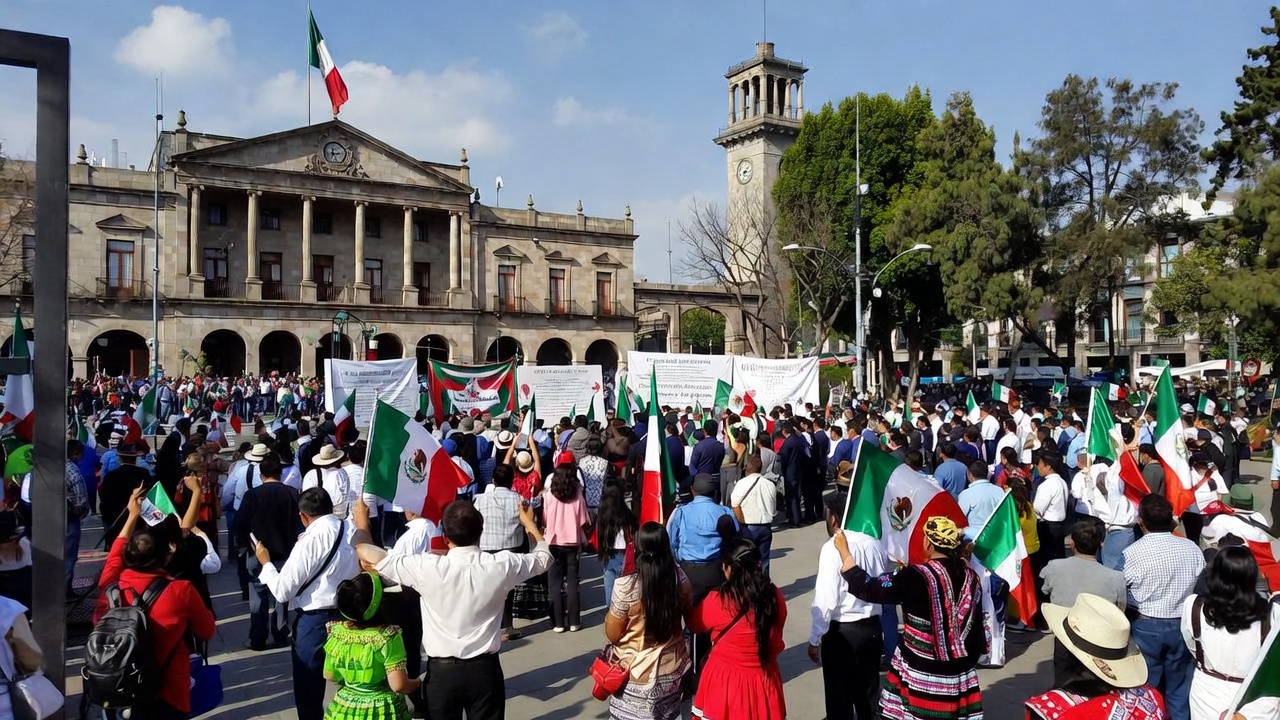
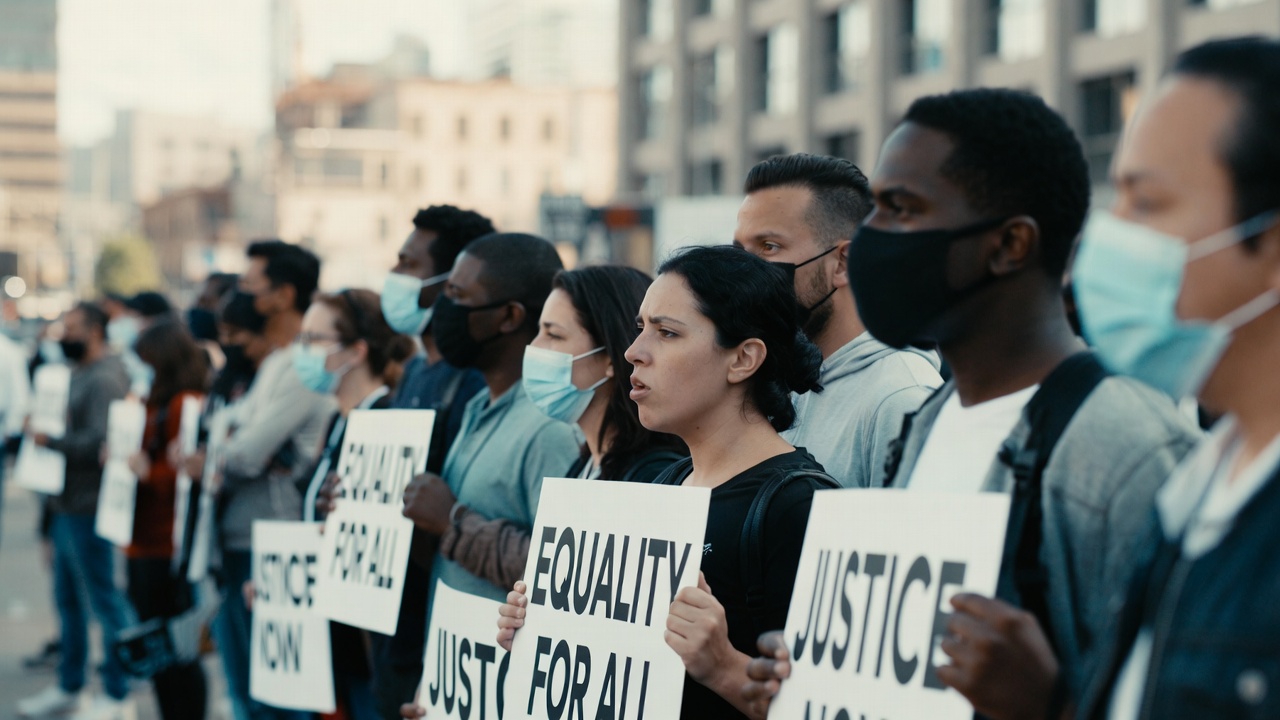
Every year on February 20, people around the globe unite to observe World Day of Social Justice—a powerful reminder that equality, fairness, and human dignity remain aspirational goals for millions. In 2026, this observance takes on renewed urgency. The theme for World Day of Social Justice 2026, “Empowering Inclusion: Bridging Gaps for Social Justice,” calls on governments, organizations, and individuals to address systemic inequality through inclusive policies and robust social protections.
As a folklorist who has spent decades documenting how communities celebrate their values through festivals and customs, I’ve witnessed how collective action transforms awareness into tangible change. This guide explores ten inspiring ways to celebrate World Day of Social Justice 2026, offering practical ideas for individuals, families, educators, and community leaders who want to honor this important day meaningfully.
Understanding the History of World Day of Social Justice and Why It Matters in 2026
Before diving into celebration ideas, understanding the origins of World Day of Social Justice provides essential context for why this observance resonates so deeply across cultures.
The United Nations General Assembly officially designated February 20 as World Day of Social Justice through Resolution 62/10, adopted on November 26, 2007. The first observance took place in 2009. This designation followed the World Summit for Social Development held in Copenhagen in 1995, where world leaders committed to eradicating poverty, promoting full employment, and fostering social integration.
In 2008, the International Labour Organization (ILO) adopted the landmark ILO Declaration on Social Justice for a Fair Globalization, reinforcing the connection between labor rights, human dignity, and global economic fairness.
Why Social Justice Matters More Than Ever in 2026
The numbers tell a sobering story. According to the World Bank’s September 2025 Poverty Update, the global extreme poverty rate stands at approximately 10.1 percent in 2025—meaning roughly one in ten people worldwide lives on less than $3 per day (the updated international poverty line).
The UN Sustainable Development Goals Report 2025 paints an equally challenging picture:
| Key Statistic | Figure |
|---|---|
| People in extreme poverty (2025) | 808 million |
| Global population covered by social protection | 52.4% |
| People without any social protection | 3.8 billion |
| Youth unemployment rate (2024) | ~12.6% |
| Share of extreme poor in Sub-Saharan Africa | 75%+ |
These statistics underscore why celebrating World Day of Social Justice 2026 isn’t merely symbolic—it’s a call to action.
1. Host a Community Forum on Bridging Gaps for Social Justice in Your Neighborhood
One of the most impactful ways to celebrate World Day of Social Justice is organizing a community forum on social inequality and inclusion. These gatherings create space for dialogue, education, and collective problem-solving.
How to Organize a Successful Social Justice Community Forum
Step 1: Choose a Focus Area
The 2026 theme—Empowering Inclusion: Bridging Gaps for Social Justice—offers several angles:
- Economic inequality in your local community
- Access to healthcare for underserved populations
- Educational equity and closing achievement gaps
- Housing justice and preventing homelessness
- Racial and gender equity in the workplace
Step 2: Partner with Local Organizations
Reach out to:
- Community centers and public libraries
- Faith-based organizations
- Local chapters of nonprofits like the ACLU, NAACP, or Amnesty International
- University social work or public policy departments
- Labor unions and worker advocacy groups
Step 3: Structure the Event
| Segment | Duration | Purpose |
|---|---|---|
| Welcome and context | 10-15 min | Set the tone and explain World Day of Social Justice |
| Keynote speaker | 20-30 min | Expert perspective on local/global inequality |
| Panel discussion | 30-45 min | Multiple voices sharing diverse experiences |
| Small group discussions | 20-30 min | Attendee engagement and idea generation |
| Action planning | 15-20 min | Concrete next steps for the community |
Pro Tip: Record the forum and share it on social media with hashtags like #SocialJusticeDay2026 and #EmpoweringInclusion to extend your reach.
2. Volunteer with Organizations Fighting Poverty and Inequality in Your City
Nothing embodies the spirit of social justice like direct service to those facing injustice. February 20, 2026, provides the perfect opportunity to dedicate time to organizations working on the front lines.
Best Social Justice Volunteer Opportunities for World Day of Social Justice 2026
Food Security Organizations
- Food banks and community pantries
- Meals-on-Wheels programs for elderly and homebound individuals
- Community gardens in food deserts
Housing and Homelessness Services
- Homeless shelters needing overnight volunteers
- Organizations building affordable housing (Habitat for Humanity)
- Legal aid clinics helping prevent evictions
Education and Youth Empowerment
- Tutoring programs in underserved schools
- After-school programs for at-risk youth
- Mentorship initiatives like Big Brothers Big Sisters
Legal Aid and Advocacy
- Immigration legal clinics
- Know Your Rights workshops
- Expungement clinics helping people clear records
According to Volunteer Match, nearly 90,000 organizations worldwide seek volunteers for social justice causes. The platform allows you to filter opportunities by location, cause area, and time commitment.
Making Volunteer Impact Last Beyond One Day
While a single day of service matters, consider:
- Committing to monthly volunteering with one organization
- Using your professional skills (accounting, marketing, legal) for pro bono work
- Recruiting friends and family to join you, multiplying your impact
3. Educate Yourself and Others About Global Poverty Statistics and Social Inequality
Knowledge forms the foundation of meaningful action. World Day of Social Justice 2026 offers an ideal moment to deepen your understanding of global and local inequality.
Essential Resources for Learning About Social Justice Issues
Reports and Data Sources:
| Resource | Focus Area | Publisher |
|---|---|---|
| World Social Report 2025 | Global social trends | United Nations |
| Poverty and Inequality Platform | Global poverty data | World Bank |
| World Employment and Social Outlook | Labor market trends | ILO |
| Global Inequality Data | Wealth concentration | Inequality.org |
Key Facts to Share on Social Justice Day:
- 60 percent of the world’s population report “struggling” in life satisfaction surveys, according to the World Social Report 2025
- The richest 1 percent captured 20.3 percent of global income in 2025—up 3.4 percentage points since 1980
- More than one-third of the world’s population lives on between $2.15 and $6.85 per day, vulnerable to falling into poverty with any economic shock
- Only six countries worldwide give women and men equal legal work rights
How to Share Social Justice Education Effectively
- Create infographics using Canva or similar tools
- Host a documentary screening followed by discussion
- Start a book club focused on social justice literature
- Share facts on social media with compelling visuals
4. Support Fair Trade and Ethical Consumer Choices to Promote Economic Justice
Your purchasing power represents a daily opportunity to advance social justice. Supporting fair trade products and ethical businesses ensures that workers throughout global supply chains receive fair compensation and safe working conditions.
Understanding How Fair Trade Promotes Social Justice Worldwide
Fair trade certification guarantees:
- Living wages for producers in developing countries
- Safe working conditions without exploitation
- Environmental sustainability standards
- Community development funds for education and healthcare
- Democratic organization of producer cooperatives
Practical Ways to Shop for Social Justice
Coffee and Tea Look for certifications from Fair Trade USA, Fairtrade International, or Rainforest Alliance. Your morning coffee can support farming communities in Ethiopia, Colombia, or Guatemala.
Chocolate The cocoa industry has long faced criticism for child labor. Brands like Tony’s Chocolonely, Divine Chocolate, and Alter Eco maintain transparent, ethical supply chains.
Clothing Fast fashion often relies on exploitative labor. Consider:
- Secondhand shopping at thrift stores
- Sustainable brands like Patagonia, Eileen Fisher, or People Tree
- Clothing swaps with friends and neighbors
Electronics Look for Fairphone and other manufacturers committed to conflict-free minerals and worker welfare.
Creating a Fair Trade Shopping Guide for Your Community
For World Day of Social Justice 2026, create and distribute a local ethical shopping guide featuring:
- Fair trade coffee shops and grocery stores
- Thrift and consignment stores
- Ethical clothing boutiques
- Social enterprises employing marginalized workers
5. Organize a Fundraiser for Social Justice Nonprofits Making a Difference Globally
Financial contributions amplify the work of organizations tackling poverty, discrimination, and inequality worldwide. A social justice fundraiser combines community building with material support.
Creative Fundraising Ideas for World Day of Social Justice 2026
Virtual Events
- Online auction featuring donated goods and experiences
- Streaming concert or talent show
- Virtual trivia night with social justice themes
In-Person Activities
- Charity run/walk with registration fees benefiting nonprofits
- Bake sale or community dinner
- Art show featuring works by local artists, with proceeds donated
Peer-to-Peer Campaigns
- Facebook fundraisers for your birthday or World Day of Social Justice
- GoFundMe or GiveButter campaigns with personal storytelling
- Employer matching gift programs to double donations
Effective Social Justice Organizations to Support
| Organization | Focus Area | Geographic Reach |
|---|---|---|
| Oxfam | Poverty alleviation | Global |
| CARE International | Women’s empowerment | Global |
| Equal Justice Initiative | Criminal justice reform | United States |
| Kiva | Microfinance | Global |
| Doctors Without Borders | Healthcare access | Global |
| Human Rights Watch | Human rights advocacy | Global |
| Habitat for Humanity | Affordable housing | Global |
| ACLU | Civil liberties | United States |
6. Advocate for Policy Change by Contacting Elected Officials About Social Justice Issues
Individual actions matter—but systemic change requires policy reform. World Day of Social Justice 2026 provides a powerful moment for civic engagement and advocacy.
How to Contact Your Representatives About Social Justice Legislation
Step 1: Identify Your Representatives
- Use USA.gov to find federal, state, and local officials
- Note their positions on relevant committees (labor, health, judiciary)
Step 2: Choose Your Issue Focus on specific, actionable policy asks:
- Minimum wage increases to living wage levels
- Paid family leave legislation
- Healthcare access expansion
- Criminal justice reform measures
- Anti-discrimination protections
- Affordable housing investments
- Immigration reform with pathways to citizenship
Step 3: Craft Your Message
Effective advocacy communications include:
- Personal introduction (constituent status, brief background)
- Specific ask (support/oppose specific bill or policy)
- Personal story connecting you to the issue
- Data or evidence supporting your position
- Clear call to action
Step 4: Deliver Your Message
| Method | Impact Level | Effort Required |
|---|---|---|
| Handwritten letter | Very high | High |
| Phone call | High | Medium |
| Town hall attendance | Very high | High |
| Medium | Low | |
| Social media mention | Low-Medium | Low |
Joining Advocacy Organizations for Ongoing Impact
Single communications matter, but sustained pressure creates change. Join organizations that coordinate advocacy efforts:
- Coalition for Social Justice
- Network Lobby for Catholic Social Justice
- Sojourners
- Local community organizing groups
7. Teach Children and Students About Social Justice Through Educational Activities
Instilling social justice values in young people creates lasting cultural change. Whether you’re a parent, teacher, or youth group leader, World Day of Social Justice 2026 offers teaching opportunities.
Age-Appropriate Social Justice Lessons for Children and Teens
Elementary School (Ages 5-10)
- Fairness circle discussions: “What does fairness mean to you?”
- Picture books about equality, diversity, and kindness
- Simple service projects: collecting food, making cards for seniors
- Community helper interviews: meeting people who help others
Middle School (Ages 11-14)
- Current events analysis: age-appropriate news stories about justice issues
- Historical case studies: civil rights movement, suffrage, labor history
- Service-learning projects: connecting volunteer work to academic content
- Perspective-taking exercises: “Walking in someone else’s shoes”
High School (Ages 15-18)
- Documentary analysis: films about poverty, racism, immigration
- Debate formats: exploring multiple perspectives on policy issues
- Research projects: investigating local inequality and solutions
- Civic action: voter registration drives, advocacy campaigns
Classroom Resources for Teaching Social Justice
Wikipedia’s World Day of Social Justice entry notes that ideal topics for teaching include:
- Childhood poverty and its effects
- Global citizenship and interconnection
- Human rights principles and violations
- Sustainable development and environmental justice
Oxfam’s Education Resources offer lesson plans connecting food systems, global trade, and inequality.
8. Use Social Media to Raise Awareness About World Day of Social Justice 2026
In our connected age, social media advocacy reaches thousands with powerful messages about inequality and justice. Strategic digital activism amplifies World Day of Social Justice visibility.
Creating Effective Social Justice Content for Social Media
Visual Content Best Practices
- Use high-contrast images with readable text
- Include statistics that surprise or inform
- Feature human faces when appropriate (with permission)
- Maintain consistent branding with colors and fonts
Sample Post Ideas for February 20, 2026
- Personal story: Share how social justice issues have affected you or your community
- Stat spotlight: Feature compelling data with source citations
- Action callout: Direct followers to volunteer opportunities or petitions
- Resource sharing: Curate articles, videos, or podcasts on justice topics
- Organization highlight: Profile nonprofits doing important work
- Historical connection: Link current issues to historical movements
Hashtags to Use for World Day of Social Justice 2026
| Primary Hashtags | Secondary Hashtags |
|---|---|
| #WorldDayOfSocialJustice | #SocialJustice |
| #SocialJusticeDay2026 | #EqualityForAll |
| #EmpoweringInclusion | #EndPoverty |
| #BridgingGaps | #HumanRights |
| #February20 | #JusticeMatters |
Avoiding Slacktivism: Making Social Media Engagement Meaningful
Social media raises awareness but shouldn’t replace action. Pair your posts with:
- Donations to featured organizations
- Volunteer commitments you’re making public
- Petition signatures and calls to representatives
- Real conversations with friends and family
9. Participate in or Organize a March for Social Justice and Equality in Your Community
Physical gatherings demonstrate collective commitment to justice. Marches, rallies, and peaceful demonstrations have historically catalyzed social change.
How to Find Social Justice Events Near You on February 20, 2026
Check These Sources:
- Local activist organization websites and social media
- Eventbrite searches for “social justice” events
- Community bulletin boards at libraries and community centers
- University and college announcements
- Faith community calendars
- Local newspaper event listings
Organizing Your Own Community March for Social Justice Day
If no events exist in your area, consider organizing one:
Planning Timeline (Starting 4-6 Weeks Before)
| Week | Tasks |
|---|---|
| Week 1 | Determine route, apply for permits, recruit co-organizers |
| Week 2 | Confirm speakers, create promotional materials |
| Week 3 | Launch social media campaign, contact local media |
| Week 4 | Finalize logistics, coordinate volunteers |
| Week 5 | Send media advisory, confirm all participants |
| Day of | Implement safety protocols, document event |
Essential Considerations:
- Permits: Contact your city or municipality about required permits
- Safety: Coordinate with local authorities, have medical volunteers
- Accessibility: Ensure the route accommodates wheelchairs and mobility devices
- Messaging: Develop clear, unifying messages and chants
- Documentation: Photograph and video for ongoing advocacy
The Power of Collective Action: Historical Examples
According to National Today, approximately 26 million people in the United States participated in Black Lives Matter demonstrations, making it the largest movement in U.S. history. This demonstrates how collective action creates cultural and political momentum.
10. Practice Daily Acts of Justice and Kindness to Embody Social Justice Values Year-Round
While World Day of Social Justice falls on February 20, living social justice requires daily commitment. Small, consistent actions create cultures of fairness and compassion.
Everyday Ways to Practice Social Justice in Your Community
In Your Workplace:
- Advocate for fair wages and benefits for all workers
- Speak up against discrimination or harassment
- Mentor colleagues from underrepresented backgrounds
- Support work-life balance policies
- Question inequitable practices respectfully
In Your Neighborhood:
- Learn neighbors’ names across demographic differences
- Support local businesses owned by marginalized community members
- Attend community meetings and speak up for equity
- Share resources with those facing hardship
- Intervene respectfully when witnessing discrimination
In Your Personal Life:
- Examine your biases through self-reflection and education
- Diversify your media consumption and friendships
- Have difficult conversations about justice with family
- Model inclusive behavior for children
- Give generously of time, money, and attention
Creating a Personal Social Justice Action Plan
| Time Frame | Action Commitment |
|---|---|
| Daily | Practice one act of kindness or justice |
| Weekly | Engage with educational content on inequality |
| Monthly | Volunteer with a social justice organization |
| Quarterly | Make financial contribution to justice causes |
| Annually | Evaluate and expand your commitment |
The Connection Between World Day of Social Justice and the UN Sustainable Development Goals
The 2026 observance directly supports multiple UN Sustainable Development Goals (SDGs), the global framework for addressing humanity’s greatest challenges by 2030.
SDGs Aligned with World Day of Social Justice 2026
| SDG | Title | Connection to Social Justice |
|---|---|---|
| Goal 1 | No Poverty | Core focus of social justice efforts |
| Goal 5 | Gender Equality | Eliminating discrimination against women |
| Goal 8 | Decent Work and Economic Growth | Fair labor standards, living wages |
| Goal 10 | Reduced Inequalities | Addressing wealth gaps within and between nations |
| Goal 16 | Peace, Justice, and Strong Institutions | Building inclusive societies |
By participating in World Day of Social Justice activities, you contribute to this global agenda for transformative change.
Conclusion: Making World Day of Social Justice 2026 the Beginning of Lasting Change
World Day of Social Justice 2026 arrives at a critical moment. With 808 million people still living in extreme poverty, 3.8 billion lacking social protection, and inequality widening in many nations, the call for justice echoes urgently.
The 2026 theme—“Empowering Inclusion: Bridging Gaps for Social Justice”—reminds us that progress requires deliberate action. Inclusive policies don’t emerge spontaneously; they result from organized advocacy, community pressure, and individual commitment.
Whether you host a community forum, volunteer with local organizations, advocate for policy change, educate young people, or simply commit to daily acts of justice, your participation matters. As the UN emphasizes, social development and peace are inextricably linked—we cannot have one without the other.
This February 20, join millions worldwide in declaring that fairness, dignity, and opportunity belong to every human being. The journey toward social justice continues—and each of us plays a vital role.
Frequently Asked Questions About World Day of Social Justice 2026
When is World Day of Social Justice 2026?
World Day of Social Justice 2026 falls on Friday, February 20, 2026. The United Nations has designated this date as an annual observance since 2009.
What is the theme for World Day of Social Justice 2026?
The theme for 2026 is “Empowering Inclusion: Bridging Gaps for Social Justice,” focusing on inclusive policies and social protections to address systemic inequality.
Who established World Day of Social Justice?
The United Nations General Assembly established World Day of Social Justice through Resolution 62/10, adopted on November 26, 2007.
How can I participate in World Day of Social Justice 2026?
You can participate by volunteering, donating to social justice organizations, advocating for policy change, educating others, attending events, using social media for awareness, and practicing daily acts of justice.
What are the main social justice issues in 2026?
Key issues include extreme poverty, economic inequality, lack of social protection, youth unemployment, gender discrimination, racial injustice, housing insecurity, healthcare access, and climate justice.
Share this guide with friends, family, and colleagues committed to creating a more just world. Together, we can make World Day of Social Justice 2026 a catalyst for lasting change.