There is something ancient and deeply human about gathering under a dark sky to release light. Across cultures and continents, lantern festivals have served as rituals of hope, remembrance, and renewal for over two thousand years. What began as a Buddhist tradition during China’s Han Dynasty has evolved into a global constellation of celebrations — each one shaped by the customs, faith, and landscape of the communities that keep them alive.
Whether it is a rice-paper balloon rising over the mountains of northern Thailand, a red silk lantern swaying above a canal in Vietnam, or a glowing hanji sculpture reflected in a Seoul stream, these festivals share a common thread. They remind us that light, even a small one, can hold enormous meaning.
This guide covers the 10 most spectacular lantern festivals around the world in 2026 — with confirmed dates, practical travel tips, cultural context, and insider advice to help you plan a trip that goes beyond the Instagram moment.
1. Chinese Lantern Festival 2026: The Original Celebration That Started It All (March 3, 2026)
No list of the world’s greatest lantern festivals can begin anywhere other than China. The Chinese Lantern Festival (元宵节, Yuánxiāo Jié) is widely considered the oldest and most culturally significant lantern celebration on Earth. It marks the final day of the Chinese New Year period — the first full moon of the new lunar year.
In 2026, the Chinese Lantern Festival falls on March 3. Celebrations take place nationwide, but the largest and most impressive displays are found in Beijing, Shanghai, Nanjing, and Hong Kong.
What Makes It Special
The festival traces its roots back roughly 2,000 years to the Eastern Han Dynasty. Emperor Hanmingdi, an advocate of Buddhism, ordered that all temples, palaces, and households light lanterns on the fifteenth night of the first lunar month to honor the Buddha. Over the centuries, this Buddhist custom grew into one of China’s most beloved public celebrations.
Today, the traditions are rich and layered:
- Lantern displays — City parks and public squares are filled with enormous, elaborate lanterns. Designs range from zodiac animals and mythological figures to modern pop-culture themes.
- Lantern riddles (猜灯谜, cāidēngmí) — Lantern owners attach riddles to their creations. Solve the riddle correctly, and you win a small prize. This tradition dates back to the Song Dynasty.
- Tangyuan (汤圆) — Sweet glutinous rice balls served in warm broth. Their round shape symbolizes family reunion and wholeness.
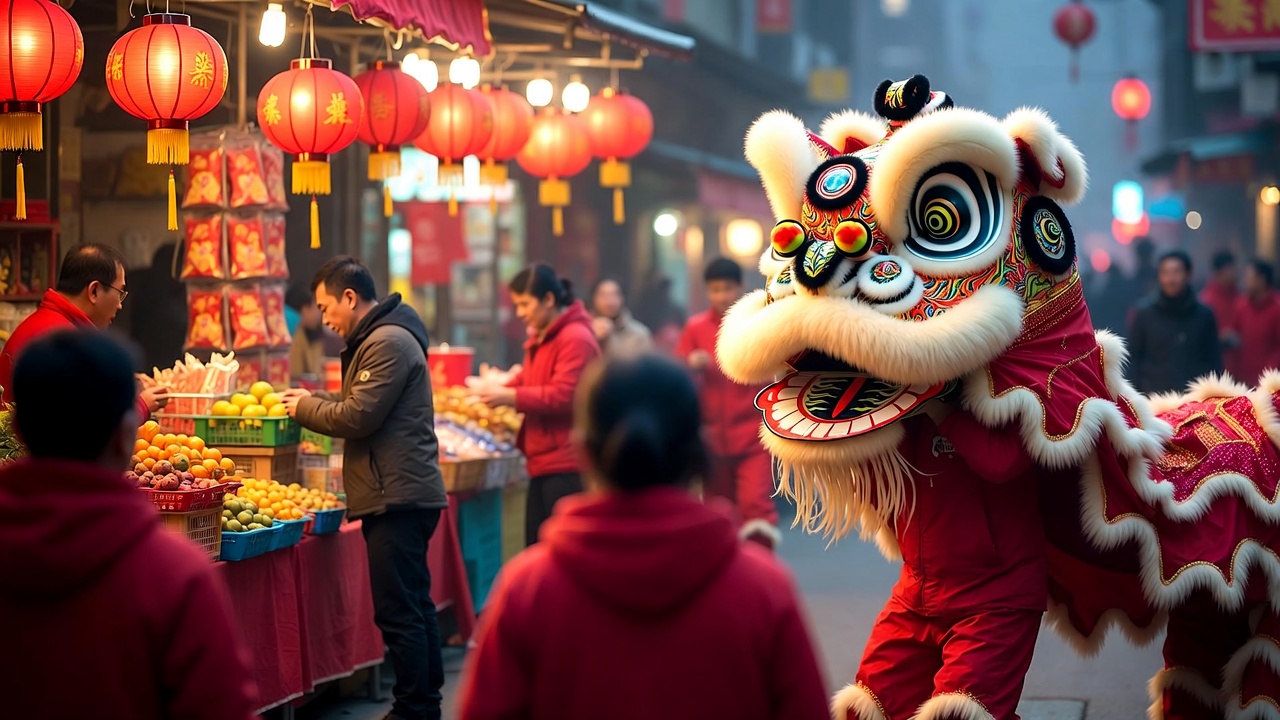
- Dragon and lion dances — Troupes parade through the streets, accompanied by drums and firecrackers.
Travel Tips for 2026
| Detail | Info |
|---|---|
| Date | March 3, 2026 |
| Best cities | Beijing (Yuyuantan Park), Shanghai (Yu Garden), Nanjing (Qinhuai River) |
| Cost | Most outdoor displays are free; some parks charge ¥30–80 (~$4–11 USD) |
| Weather | Cold in northern China (0–5°C); mild in southern cities (10–18°C) |
| Tip | Arrive before sunset to see the lanterns in both daylight and after dark |
The Qinhuai River in Nanjing is a personal favorite. Thousands of lanterns line the riverbanks, and you can board a wooden boat to drift through the illuminated canal — a scene that has barely changed in six centuries.
2. Pingxi Sky Lantern Festival in Taiwan: Where Thousands of Wishes Light Up the Night Sky (February 27 & March 3, 2026)
Few images in travel are as breathtaking as the Pingxi Sky Lantern Festival — hundreds of glowing lanterns rising in unison over a tiny mountain town in northern Taiwan. The Discovery Channel named it one of the best festivals on the planet. National Geographic listed it among the top ten winter trips worldwide.
In 2026, the festival takes place across two nights: February 27 in Pingxi and March 3 in Shifen.
History and Cultural Meaning
Sky lanterns have a long military history in China. The statesman Zhuge Liang is credited with inventing them during the Three Kingdoms period (220–280 AD) as battlefield signaling devices. By the nineteenth century, the practice had arrived in Taiwan, where farmers in the Pingxi district began writing prayers for a good harvest on paper lanterns and sending them skyward.
Today, the tradition has grown into an international event. Visitors write wishes for health (健康), love (愛), peace (和平), or success (成功) on all four sides of a large rice-paper lantern. At coordinated intervals, hundreds of lanterns are released at once. The result is a river of light pouring upward into the darkness.
Practical Information
| Detail | Info |
|---|---|
| Dates | February 27 (Pingxi) and March 3 (Shifen) |
| Time | Main releases: 5:00–8:00 PM |
| Cost | Free entry; lantern participation requires a voucher (limited, first-come-first-served) or NT$200 pre-registration |
| Crowds | Expect 80,000+ people per night |
| Getting there | Festival shuttle from MRT Muzha Station, or TRA train to Ruifang then Pingxi Line |
Insider advice: The 2026 National Taiwan Lantern Festival is also taking place in Chiayi from March 3–15, hosted by the Southern Branch of the National Palace Museum. If your schedule allows, you can experience both events in one trip. The Chiayi event features massive high-tech lantern installations and is free to attend.
3. Yi Peng Lantern Festival Chiang Mai 2026: Thailand’s Most Iconic Sky Lantern Ceremony (November 24–25, 2026)
If the Pingxi Festival is about wishes, the Yi Peng Lantern Festival in Chiang Mai is about spiritual release. Rooted in the Buddhist traditions of the ancient Lanna Kingdom, Yi Peng coincides with the full moon of the twelfth Thai lunar month. It is one of the most photographed events in Southeast Asia.
In 2026, the CAD Khom Loy Sky Lantern Festival — the largest organized sky lantern event in Thailand — takes place on November 24–25 at the CAD Cultural Center Lanna in Mae On District.
The Ritual Behind the Light
During Yi Peng, participants release paper lanterns called khom loy into the sky. Made of rice paper stretched over a bamboo frame with a fuel cell at the base, the lanterns fill with hot air and float upward. In Buddhist belief, releasing a lantern symbolizes letting go of misfortune and suffering. The flame represents wisdom; the rising light represents a cleansed spirit.
What makes Chiang Mai unique is the overlap with Loy Krathong, Thailand’s water lantern festival, celebrated on the same night. Along the Ping River, people float small banana-leaf baskets (krathongs) decorated with flowers, incense, and candles to pay respect to the water goddess. The result is a dual spectacle: thousands of lights rising into the sky above, thousands more drifting on the water below.
Booking and Budget
| Detail | Info |
|---|---|
| Dates | November 24–25, 2026 |
| Venue | CAD Cultural Center Lanna, Mae On District, Chiang Mai |
| Tickets | Required; six tiers from Standard to Elite. Tickets sell out months ahead. |
| Capacity | Over 25,000 attendees per night |
| What’s included | Thai-Lanna buffet dinner, cultural performances (Hilltribe Dance, Muay Thai Dance, Fawn Dab Fai), monk ceremony, and the mass lantern release |
Important note: Releasing sky lanterns within Chiang Mai city is restricted. The only way to participate in a safe, organized mass release is through official ticketed events like the CAD festival. Independent vendors selling lanterns in the city are generally not sanctioned.
4. Hoi An Full Moon Lantern Festival Vietnam: A Monthly Glow Along the Thu Bồn River (Monthly in 2026)
Most lantern festivals happen once a year. The Hoi An Full Moon Lantern Festival happens every single month — on the 14th day of each lunar cycle. That regularity makes it one of the most accessible lantern experiences for travelers.
2026 Dates
The festival falls on the following dates in 2026: January 2, February 1, March 2, April 1, May 30, June 28, July 27, August 26, September 24, October 23, November 22, and December 22.
The Experience
At sundown, homes and businesses across Hoi An’s UNESCO-listed Old Town switch off their electric lights. The narrow alleyways and ancient shophouses are lit almost entirely by hundreds of silk-covered lanterns — hung from balconies, draped over doorways, and strung across the streets in every color.
Vendors along the Thu Bồn River sell small paper lanterns with candles inside. Locals and visitors place them on the water with a personal wish for fortune, health, or happiness. The river fills with dozens, then hundreds of tiny flickering lights, drifting slowly downstream.
The festival is grounded in Buddhist tradition. The full moon is considered an ideal time for meditation, reflection, and honoring ancestors. Many Hoi An residents visit local pagodas to pray and make offerings on this night.
Why You Should Go
- No tickets needed. The entire old town is the venue.
- Year-round availability. No matter when you visit Vietnam, you can time your trip around a Full Moon Festival.
- Intimate atmosphere. Unlike large-scale festivals with tens of thousands of attendees, Hoi An feels personal and quiet.
- Affordability. Lanterns cost roughly 10,000–20,000 VND ($0.40–$0.80 USD).
The best vantage point is along the An Hội Bridge, where you can look out over the river and the lantern-lit Old Town at the same time.
5. Nagasaki Lantern Festival Japan 2026: 15,000 Lanterns in Japan’s Most Multicultural City (February 6–23, 2026)
Nagasaki occupies a singular place in Japanese history. For more than two centuries during Japan’s isolation period (1639–1853), it was the only port open to foreign trade. Chinese merchants — particularly from Fujian Province — settled in the city and brought their customs with them. The Nagasaki Lantern Festival is a living testament to that heritage.
In 2026, the festival runs for 18 days, from February 6 to February 23. This is the first year the festival dates have been fixed to begin on the first Friday of February, making future planning easier.
What to Expect
Over 15,000 colorful lanterns and large sculptural art objects light up the city center. Each venue features different-colored lanterns: yellow along the Nakashima River, pink along the Dōza River, red in Shinchi Chinatown. The main venues include Shinchi Chinatown, Minato Park, and Chūō Park, with displays extending to the historic Meganebashi (Spectacles Bridge) and the Confucius Shrine.
Major events during the 2026 festival include:
- Lighting Ceremony — February 6 at 6:00 PM. All 15,000 lanterns illuminate simultaneously.
- Emperor’s Parade — February 14 and 21. Roughly 150 people in traditional Qing Dynasty costumes process through the streets with flags, instruments, and royal carriages.
- Mazu Goddess Procession — A historical reenactment honoring the Chinese goddess of safe navigation, traveling from the Confucius Temple to Minato Park.
- Dragon and lion dances, Chinese acrobatics, mask-changing performances — Daily at multiple stages.
Getting There and Where to Stay
| Detail | Info |
|---|---|
| Dates | February 6–23, 2026 |
| Cost | Free admission to all venues |
| Light-up hours | 5:00 PM – 10:00 PM daily |
| Transport | Streetcar with ¥500 day pass to Shinchi Chinatown station |
| Accommodation | Book early — weekend and holiday nights sell out quickly |
Nagasaki was selected as one of The New York Times’ “52 Places to Go in 2026,” making this year an especially good time to visit.
6. Loy Krathong Water Lantern Festival Thailand: Floating Lights on Rivers Across the Kingdom (November 25, 2026)
While Yi Peng sends light into the sky, Loy Krathong places it on the water. Celebrated nationwide across Thailand, this festival is one of the most visually poetic events in Southeast Asia.
In 2026, Loy Krathong falls on November 25, the full moon night of the twelfth Thai lunar month.
Origins and Meaning
The word loy means “to float.” A krathong is a small, decorated floating basket — traditionally made from a banana tree trunk or spider lily plant, adorned with folded banana leaves, flowers, three incense sticks, and a candle. Participants light the candle and incense, then gently place the krathong on a river, canal, or lake.
The act symbolizes letting go of grudges, anger, and negativity while paying respect to the water goddess, Phra Mae Khongkha. Thai folklore holds that if your krathong stays lit until it disappears from sight, good fortune will follow.
Best Places to Celebrate Loy Krathong in 2026
| Location | Why go |
|---|---|
| Sukhothai | The birthplace of Loy Krathong. A five-day celebration at the Sukhothai Historical Park with a sound-and-light show among 800-year-old temple ruins. |
| Chiang Mai | Overlaps with Yi Peng. Both sky lanterns and water lanterns in one night. |
| Bangkok | Grand celebrations along the Chao Phraya River. River cruises offer a romantic way to watch the floating lights. |
| Tak Province | Unique tradition of stringing thousands of coconut-shell lanterns along the Ping River. |
Cultural tip: In recent years, environmental awareness has changed the festival. Styrofoam krathongs are increasingly banned. Many communities now encourage krathongs made entirely from bread, ice, or natural materials that dissolve in water without harming marine life.
7. Seoul Lantern Festival South Korea: A Winter Wonderland Along Cheonggyecheon Stream (December 2026 – January 2027)
South Korea’s capital puts on a winter light show that blends 1,200 years of lantern-making tradition with cutting-edge LED technology and pop culture. The Seoul Lantern Festival (서울빛초롱축제) transforms the heart of downtown Seoul into a glowing gallery every December.
The 2026 edition is expected to run from approximately December 11, 2026, to early January 2027 along Cheonggyecheon Stream and Ui Stream.
What Sets It Apart
Since its founding in 2009, the Seoul Lantern Festival has attracted over 2 million visitors per year. What makes it distinct from Asian lantern festivals rooted in Buddhist or Lunar New Year traditions is its boldly modern approach. Displays combine traditional Korean hanji (handmade paper) lanterns with massive LED installations, projection mapping, and interactive zones.
The 2025 edition, for example, featured a Pokémon collaboration with more than 100 Magikarp lanterns crafted in hanji paper — a brilliant fusion of Korean craftsmanship and global pop culture. Each year brings a new theme and new surprises.
The festival stretches roughly 1.3 kilometers from Cheonggye Plaza to Samilgyo Bridge and is typically organized into themed zones. Past themes have included time-travel narratives, Korean history told through lanterns, and fantastical dream worlds.
Visitor Information
| Detail | Info |
|---|---|
| Expected dates | December 11, 2026 – early January 2027 (TBD) |
| Location | Cheonggyecheon Stream and Ui Stream, central Seoul |
| Admission | Free |
| Lighting hours | 6:00 PM – 10:00 PM (sometimes extended to 11:00 PM) |
| Nearest stations | Gwanghwamun Station or Jonggak Station (5-min walk) |
Bonus: If you visit Seoul in May, catch the Lotus Lantern Festival (연등회, Yeondeunghoe), celebrating Buddha’s birthday. The 2026 Grand Lantern Parade is scheduled for May 16–17 along Jongno Street. It is a completely different experience — spiritual, community-driven, and equally beautiful.
8. RISE Lantern Festival in Nevada USA: The World’s Largest Sky Lantern Event in the Mojave Desert
For travelers in North America, the RISE Festival on the Jean Dry Lake Bed outside Las Vegas offers the closest thing to a Yi Peng experience without the transatlantic flight. Billed as the world’s largest sky lantern festival, RISE draws over 10,000 participants who write messages of hope, remembrance, and intention on biodegradable lanterns before releasing them into the desert sky.
The Experience
RISE is structured as a three-part evening:
- Art & Meditation — A spacious exploration of art installations and guided meditation on the strikingly beautiful dry lake bed.
- The Ceremony — The mass lantern release. Thousands of lanterns rising in unison against the desert horizon.
- The Dance — A live music event under the stars.
The festival celebrated its 10th anniversary in 2025. The community ethos is central to the event: participants write deeply personal messages on their lanterns — tributes to lost loved ones, prayers for the future, confessions, and dreams.
Sustainability
RISE takes its environmental responsibilities seriously. After each event, the Buddhist community and festival organizers retrieve all lanterns from the surrounding area. Lanterns are cleaned, repaired, and stored for reuse. The festival team is committed to leaving the desert landscape in better condition than they found it.
Practical Details
| Detail | Info |
|---|---|
| Location | Jean Dry Lake Bed, ~30 minutes south of Las Vegas, Nevada |
| Dates | Typically held in late spring or fall (2026 dates TBD — check risefestival.com for updates) |
| Tickets | Required; sold online in advance |
| What to bring | Warm layers (desert temperatures drop at night), comfortable shoes, a marker for your lantern message |
9. Jinju Namgang Yudeung Festival South Korea: Floating Lanterns on a River of History (October 2026)
While Seoul’s lantern festival leans modern, the Jinju Namgang Yudeung Festival (진주남강유등축제) in the southeastern city of Jinju is steeped in military history and solemn remembrance.
The festival is expected to run in early-to-mid October 2026 (exact dates TBD) along the Namgang River.
A Festival Born from War
This is not simply a decorative event. The tradition traces directly to the Battle of Jinjuseong in 1592, during the Japanese invasions of Korea. Soldiers at Jinju Fortress used lanterns floated on the Namgang River as military signals to coordinate defensive movements and communicate with reinforcements across the water. The lights also served to prevent enemy forces from crossing the river at night.
Today, the festival honors the roughly 70,000 soldiers and civilians who perished during the second battle at Jinju Castle in 1593. It functions simultaneously as a public memorial and a celebration of community resilience.
What You Will See
- Thousands of floating lanterns on the Namgang River, including wish lanterns that visitors can inscribe and release.
- Massive lantern sculptures — detailed scenes from Korean history, mythology, and daily life.
- Cultural performances — Traditional Korean music, dance, and martial arts demonstrations.
- The Jinju Fortress illuminated at night, with the river reflecting an unbroken carpet of light.
The festival draws approximately 2–3 million visitors annually. Despite its scale, it remains far less crowded than the Seoul Lantern Festival and offers a more contemplative atmosphere.
10. Butter Lamp Festival in Tibet: Sacred Light Under the Himalayan Sky (March 3, 2026)
The most spiritually intense lantern festival on this list takes place not in a city square or along a river, but on the high plateau of Tibet, at an elevation of over 3,600 meters.
The Butter Lamp Festival (酥油花灯节, Sūyóu Huā Dēng Jié), also known as Chunga Choepa, is celebrated on the fifteenth day of the first Tibetan lunar month — the same date as the Chinese Lantern Festival. In 2026, this falls on March 3.
A Festival of Sacred Art
For weeks before the festival, monks at Tibetan monasteries sculpt elaborate figures from clarified yak butter (ghee) — flowers, animals, deities, and scenes from Buddhist scripture. These butter sculptures are painstakingly detailed and can stand several meters tall. The act of creating them is itself considered a form of prayer.
On the night of the festival, the sculptures are displayed outdoors alongside thousands of butter lamps — small vessels filled with yak butter and fitted with cotton wicks. The combination of flickering lamplight and the intricate, jewel-toned butter sculptures against the dark Himalayan sky creates a scene unlike anything else in the world.
Where to Experience It
The liveliest celebrations take place in Lhasa, around Barkhor Street and in front of the Jokhang Temple — one of Tibet’s most sacred religious sites. Expect singing, dancing, and even puppet shows alongside the more solemn rituals.
| Detail | Info |
|---|---|
| Date | March 3, 2026 |
| Location | Lhasa (Barkhor Street, Jokhang Temple); also celebrated in Shigatse and other Tibetan towns |
| Temperature | Cold, typically -2°C to 10°C |
| Altitude | 3,650 meters — acclimatize for at least 2 days before |
| Cultural note | This is a deeply religious event. Dress modestly, walk clockwise around sacred sites, and ask before photographing monks or rituals. |
Complete 2026 Lantern Festival Calendar: Dates at a Glance
| Festival | Location | 2026 Dates | Type |
|---|---|---|---|
| Nagasaki Lantern Festival | Nagasaki, Japan | Feb 6 – Feb 23 | Static lantern display |
| Pingxi Sky Lantern Festival | New Taipei City, Taiwan | Feb 27 & Mar 3 | Sky lantern release |
| Chinese Lantern Festival | Nationwide, China | Mar 3 | Traditional celebration |
| Butter Lamp Festival | Lhasa, Tibet | Mar 3 | Butter lamps & sculptures |
| National Taiwan Lantern Festival | Chiayi, Taiwan | Mar 3 – Mar 15 | High-tech lantern installations |
| Lotus Lantern Festival | Seoul, South Korea | May 16–17 | Buddhist lantern parade |
| Jinju Namgang Yudeung Festival | Jinju, South Korea | Early–mid Oct (TBD) | Floating river lanterns |
| Yi Peng / Loy Krathong | Chiang Mai, Thailand | Nov 24–25 | Sky & water lanterns |
| Loy Krathong | Nationwide, Thailand | Nov 25 | Water lanterns |
| Seoul Lantern Festival | Seoul, South Korea | Dec 11 – Jan 2027 (TBD) | LED & hanji lantern display |
| Hoi An Full Moon Festival | Hoi An, Vietnam | Monthly (14th lunar day) | Silk lanterns & river floats |
| RISE Festival | Jean, Nevada, USA | TBD (check official site) | Mass sky lantern release |
How to Choose the Best Lantern Festival for Your Trip
Not every lantern festival suits every traveler. Here is a quick guide:
For spiritual depth: The Butter Lamp Festival in Tibet and Yi Peng in Chiang Mai are rooted in centuries of Buddhist practice. If you are looking for meaning beyond spectacle, these two deliver.
For sheer visual impact: The Pingxi Sky Lantern Festival and Yi Peng produce the most iconic images — thousands of lights rising into darkness at once. These are bucket-list moments.
For cultural immersion: The Nagasaki Lantern Festival and Chinese Lantern Festival offer the deepest connection to food, performance art, and living history. You will eat, drink, and celebrate alongside local communities.
For ease of planning: Hoi An’s Full Moon Festival happens every month. No special tickets, no limited dates, no massive crowds. Just show up.
For families and first-timers: The Seoul Lantern Festival is free, central, accessible by subway, and filled with interactive zones that engage children and adults alike.
For North American travelers: The RISE Festival in Nevada eliminates the need for international flights while delivering a powerful communal lantern release experience.
Final Thoughts: Traveling with Respect at Lantern Festivals Around the World
Lantern festivals are not theme park attractions. They are living cultural practices with deep roots in religion, history, and community identity. When you attend one, you are a guest in someone else’s tradition.
A few principles worth carrying with you:
Learn before you go. Understanding why a lantern is released — whether to honor ancestors, cleanse the spirit, or signal across a river during war — transforms the experience from a pretty photo opportunity into something you carry with you long after.
Respect the environment. Sky lanterns and floating krathongs generate waste. Support festivals and vendors that use biodegradable materials. Participate in cleanup efforts when possible. The RISE Festival and many Thai communities are leading the way on this.
Be patient with crowds. Mass lantern releases involve massive gatherings in small spaces. Embrace the shared experience instead of fighting it.
Support local economies. Buy lanterns from local vendors. Eat at neighborhood food stalls. Stay in locally owned guesthouses. The economic impact of your visit matters to communities that depend on festival tourism.
Light has always been humanity’s first answer to darkness. These ten festivals — from the banks of the Thu Bồn to the Mojave Desert, from a Tibetan monastery to a Seoul stream — are proof that this answer still holds.
Pack your bags. Write your wish. Let it rise.