
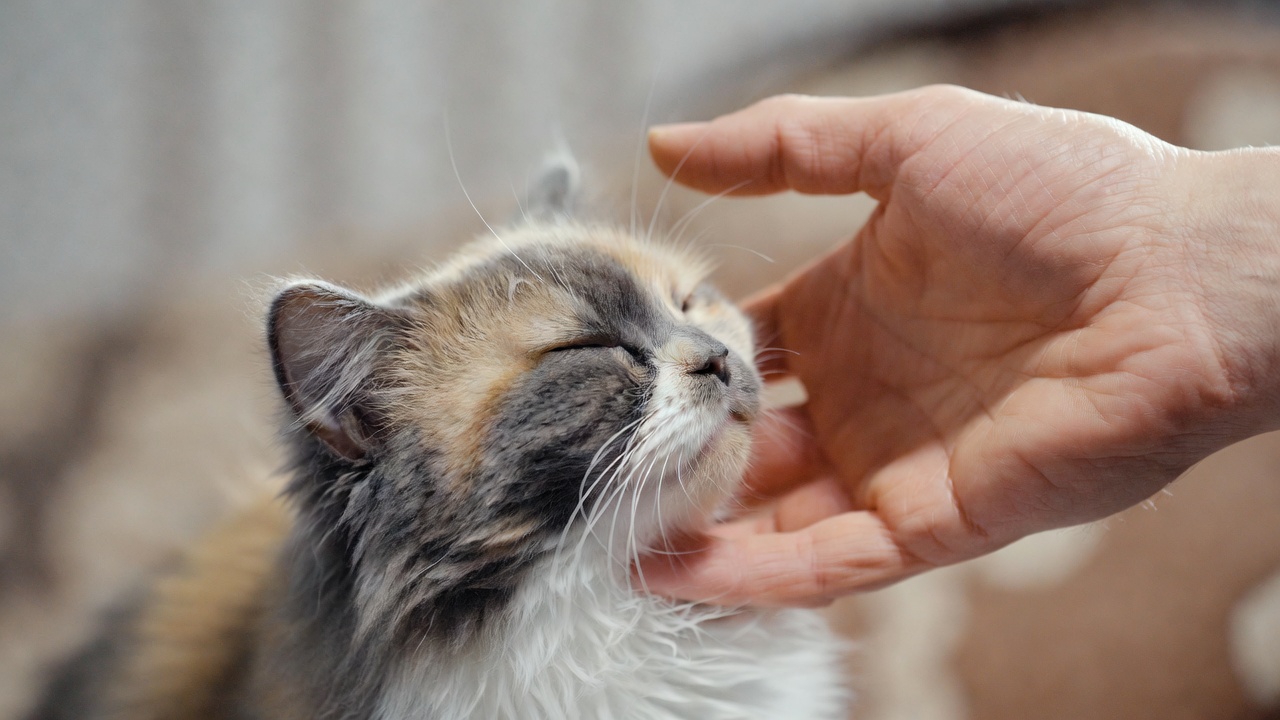
Love Your Pet Day, celebrated annually on February 20th, has become one of the most heartwarming observances in the modern calendar. As someone who has spent decades traveling the world documenting festivals, customs, and the unique ways different cultures honor their animal companions, I can tell you that the bond between humans and cats transcends borders. From the sacred cats of ancient Egypt to the beloved maneki-neko of Japan, felines have held a special place in human hearts for millennia.
But here’s the challenge every cat parent faces: cats are notoriously picky about affection. Unlike dogs, who seem to accept love in virtually any form, our feline friends have very specific preferences. Show your cat love the wrong way, and you might end up with a scratch or a cold shoulder.
In this comprehensive guide, we’ll explore 10 proven ways to show your cat love that they will actually appreciate—not just tolerate. These methods are backed by feline behavior research, veterinary recommendations, and the collective wisdom of cat lovers worldwide.
Understanding How Cats Show and Receive Love: The Science Behind Feline Affection
Before diving into our list, it’s essential to understand how cats perceive and express love. According to research published by the American Association of Feline Practitioners, cats communicate affection very differently than humans or dogs.
Key indicators that your cat loves you include:
- Slow blinking (often called “cat kisses”)
- Head bunting and cheek rubbing
- Kneading with their paws
- Showing their belly (though this isn’t always an invitation to touch!)
- Bringing you “gifts”
- Following you around the house
- Purring in your presence
| Cat Behavior | What It Means | Human Equivalent |
|---|---|---|
| Slow blinking | Trust and affection | Saying “I love you” |
| Head bunting | Marking you as “theirs” | A warm hug |
| Kneading | Comfort and contentment | Feeling at home |
| Exposed belly | Ultimate trust | Complete vulnerability |
| Bringing gifts | Providing for you | Sharing food |
Understanding these behaviors helps us reciprocate love in ways cats actually understand. Now, let’s explore the ten best methods to show your cat genuine affection on Love Your Pet Day—and every day.
1. Master the Art of the Slow Blink: How to Tell Your Cat You Love Them Without Words
One of the most powerful ways to communicate love to your cat is through the slow blink technique. This method, sometimes called “cat kisses” or “kitty kisses,” is a form of non-verbal communication that cats use among themselves to signal trust and affection.
How to perform the perfect slow blink:
- Wait until your cat is relaxed and looking at you
- Make soft eye contact (avoid staring intensely)
- Slowly close your eyes for 2-3 seconds
- Open them gently while maintaining a relaxed facial expression
- Repeat 2-3 times
Research conducted by the Universities of Sussex and Portsmouth found that cats are significantly more likely to approach humans who slow blink at them compared to those who maintain a neutral expression. The study, published in Scientific Reports, confirmed what cat lovers have known intuitively for generations.
Pro tip: Practice this technique daily with your cat. Over time, you’ll notice them slow blinking back at you. This mutual exchange creates a powerful bonding ritual that strengthens your relationship.
2. Create the Perfect Cat-Friendly Environment: Indoor Enrichment Ideas Your Feline Will Love
Cats thrive in environments that cater to their natural instincts. On Love Your Pet Day, consider making permanent improvements to your cat’s living space that will bring them joy for years to come.
Essential Elements of a Cat-Friendly Home
Vertical space is crucial for cats. In the wild, cats climb to survey their territory and escape potential threats. Indoor cats need similar opportunities. Consider investing in:
- Cat trees and towers (at least 5-6 feet tall for most cats)
- Wall-mounted shelves and climbing systems
- Window perches for bird watching
- Cat-safe high spaces on bookshelves or cabinets
| Environmental Enhancement | Benefits | Average Cost |
|---|---|---|
| Tall cat tree | Exercise, territory, scratching | $50-$200 |
| Window perch | Mental stimulation, relaxation | $20-$50 |
| Wall climbing system | Vertical territory, exercise | $100-$300 |
| Cardboard box collection | Hiding, security, play | Free-$20 |
| Heated cat bed | Comfort, joint health for seniors | $30-$80 |
According to the International Cat Care organization, environmental enrichment is one of the most significant factors in feline wellbeing. Cats without adequate stimulation often develop behavioral problems like excessive grooming, aggression, or depression.
Love Your Pet Day project idea: Create a “catio” or enclosed outdoor space where your cat can safely experience fresh air, sunshine, and nature sounds. This gift keeps giving throughout the entire year.
3. Learn Your Cat’s Favorite Petting Spots: Where Do Cats Like to Be Petted Most?
Not all petting is created equal in the feline world. While some cats are cuddle bugs who enjoy extensive handling, others prefer brief, specific touches. Knowing your individual cat’s preferences is the key to showing love through physical affection.
The Science of Cat Petting Zones
Research from the University of Lincoln has mapped out the general preferences most cats share:
Generally Loved Areas:
- Cheeks and chin – Contains scent glands; most cats adore chin scratches
- Base of ears – Highly sensitive area; gentle rubbing is usually welcome
- Top of head – Between the ears is a safe zone for most cats
Proceed with Caution:
- Back/spine – Some cats love this; others find it overstimulating
- Base of tail – Can be pleasurable but may trigger sudden aggression
Usually Disliked:
- Belly – Despite exposure, most cats don’t actually want belly rubs
- Paws – Sensitive area that many cats prefer left alone
- Tail – Generally off-limits for most felines
Important: Every cat is an individual. Pay attention to your cat’s body language while petting. Signs of overstimulation include:
- Tail swishing or thumping
- Skin rippling along the back
- Ears flattening
- Dilated pupils
- Suddenly turning to look at your hand
When you see these signs, stop petting immediately. This prevents the common “petting aggression” that many cat owners experience.
4. Establish Interactive Playtime Routines: Best Ways to Play with Your Cat Daily
Interactive play is one of the most loving things you can do for your cat. It satisfies their hunting instincts, provides essential exercise, and strengthens your bond. On Love Your Pet Day, commit to establishing a consistent play routine that will benefit your cat’s physical and mental health.
Why Daily Play Sessions Matter for Indoor Cats
Indoor cats don’t have the opportunity to hunt, stalk, and catch prey like their outdoor counterparts. This can lead to:
- Obesity and related health problems
- Behavioral issues like nighttime zoomies
- Anxiety and depression
- Aggression toward humans or other pets
The ASPCA recommends at least two 15-minute play sessions daily for most adult cats. Kittens and young cats may need even more.
Best Interactive Cat Toys for Bonding
| Toy Type | Hunting Instinct Satisfied | Engagement Level |
|---|---|---|
| Feather wands | Birds/aerial prey | Very High |
| Laser pointers | Small, fast prey | High (follow with physical toy) |
| Fishing rod toys | Fish/ground prey | Very High |
| Crinkle balls | Small mammals | Medium-High |
| Puzzle feeders | Foraging behavior | Medium-High |
Pro tips for effective play sessions:
- Mimic real prey behavior – Move toys like actual animals would move (erratically, hiding, “escaping”)
- Let your cat “win” – Always end sessions with a successful “catch”
- Follow play with food – This completes the hunt-catch-eat cycle
- Rotate toys – Keep things interesting by not having all toys available at once
- Schedule consistency – Cats thrive on routine; play at the same times daily
Caution: Never use your hands or feet as toys. This teaches cats that biting and scratching humans is acceptable play behavior.
5. Upgrade Your Cat’s Diet: Best High-Quality Cat Food Options for Optimal Health
Nutrition is love. One of the most meaningful ways to show your cat you care is by providing them with optimal nutrition. On Love Your Pet Day, consider evaluating your cat’s diet and making improvements where needed.
What Makes a High-Quality Cat Food?
Cats are obligate carnivores, meaning they require nutrients found primarily in animal tissue. According to the Cornell University College of Veterinary Medicine, essential components of a healthy cat diet include:
- High-quality animal protein as the first ingredient
- Taurine – An essential amino acid cats cannot produce themselves
- Arachidonic acid – A fatty acid vital for feline health
- Vitamin A – Cats cannot convert beta-carotene like humans
- Adequate moisture – Especially important since cats have low thirst drives
Wet Food vs. Dry Food: Which Is Better for Cats?
| Factor | Wet Food | Dry Food |
|---|---|---|
| Moisture content | 75-80% | 10-12% |
| Protein content | Generally higher | Variable |
| Calorie density | Lower | Higher |
| Dental benefits | Minimal | Some evidence |
| Shelf life | Short after opening | Long |
| Cost | Higher | Lower |
| Cat preference | Usually preferred | Convenient |
Many veterinarians recommend a combination of wet and dry food to provide both hydration benefits and dental advantages.
Love Your Pet Day Diet Upgrades
Consider these improvements for your cat’s nutrition:
- Switch to a higher-quality protein source – Look for named meats (chicken, salmon) rather than “meat by-products”
- Add wet food if you primarily feed dry
- Introduce puzzle feeders to make meals more mentally engaging
- Provide fresh water in multiple locations (cats prefer running water—consider a fountain)
- Consult your veterinarian about supplements if needed
Remember: Any diet changes should be made gradually over 7-10 days to prevent digestive upset.
6. Respect Your Cat’s Need for Personal Space: Understanding Feline Body Language and Boundaries
One of the most loving things you can do for your cat is respect their boundaries. Unlike dogs, who are pack animals evolved to seek constant companionship, cats are solitary hunters by nature. They need alone time and personal space.
Signs Your Cat Wants Space
Learning to read your cat’s body language prevents misunderstandings and builds trust. According to feline behavior experts at International Cat Care, watch for these signals:
“Please leave me alone” signals:
- Ears flattened sideways or back – Indicates irritation or fear
- Tail puffed up or thrashing – High arousal, potential aggression
- Dilated pupils – Overstimulation or fear
- Growling, hissing, or spitting – Obvious warnings
- Turning away from you – Polite dismissal
- Hiding – Needs privacy and security
Creating Safe Spaces for Your Cat
Every cat needs at least one private retreat where they feel completely safe. This might be:
- A covered cat bed in a quiet corner
- A high shelf or cat tree platform
- A closet or under-bed space
- A separate room during stressful times
Love Your Pet Day commitment: Promise to always respect when your cat needs space. This builds trust and actually leads to more affectionate interactions when your cat is ready.
The “Cat Consent” Approach to Interaction
Modern feline behaviorists recommend the consent-based interaction method:
- Offer your hand for your cat to sniff
- Wait for them to approach you (not the other way around)
- Pet only if they lean into your hand
- Stop frequently to see if they want more
- End the interaction before they’ve had enough
This approach ensures every interaction is positive, building a foundation of trust and genuine affection.
7. Provide Optimal Scratching Solutions: Best Cat Scratchers to Protect Furniture and Keep Claws Healthy
Scratching is a fundamental feline need, not a behavior problem. Cats scratch to maintain their claws, mark territory, stretch their muscles, and relieve stress. Providing excellent scratching options is a genuine act of love that serves your cat’s physical and emotional wellbeing.
Why Scratching Is Essential for Cat Health
According to the American Veterinary Medical Association, scratching serves multiple purposes:
- Removes dead claw sheaths – Reveals sharp, healthy claws beneath
- Stretches muscles – Full-body stretch for back, shoulders, and paws
- Marks territory – Deposits scent from glands in paw pads
- Relieves stress – Physical outlet for emotional tension
- Exercises – Strengthens forelimb muscles
Types of Cat Scratchers: Finding Your Cat’s Preference
| Scratcher Type | Best For | Surface Options |
|---|---|---|
| Vertical posts | Stretching cats | Sisal rope, carpet, wood |
| Horizontal pads | Ground scratchers | Cardboard, sisal, carpet |
| Angled scratchers | Multiple positions | Cardboard, carpet |
| Cat trees with scratching | Multi-purpose | Sisal, carpet combination |
| Wall-mounted panels | Space-saving | Sisal, wood, carpet |
Key considerations when choosing scratchers:
- Height – Vertical scratchers should be tall enough for full stretching (at least 32 inches for most cats)
- Stability – Must not wobble or tip; cats avoid unstable surfaces
- Material – Most cats prefer sisal rope or cardboard; observe your cat’s preferences
- Location – Place near sleeping areas and territorial boundaries
- Quantity – Provide multiple scratchers throughout your home
Love Your Pet Day project: Observe where your cat currently tries to scratch (furniture, door frames, etc.) and place appropriate scratchers in those exact locations. This redirects the behavior while honoring your cat’s instincts.
8. Maintain Excellent Litter Box Hygiene: How Often Should You Clean Your Cat’s Litter Box?
This might not seem like a romantic way to show love, but maintaining an impeccable litter box is one of the most appreciated things you can do for your cat. Cats are fastidiously clean animals with sensitive noses—a dirty litter box is deeply offensive to them.
The Golden Rules of Litter Box Management
The Humane Society of the United States recommends these litter box best practices:
Daily tasks:
- Scoop solid waste at least once daily (twice is better)
- Check litter depth and add fresh litter as needed
- Wipe down box edges if soiled
Weekly tasks:
- Complete litter change (for non-clumping litter)
- Clean the box with mild soap and water
Monthly tasks:
- Deep clean with enzymatic cleaner
- Inspect for scratches or damage that harbors bacteria
- Replace boxes annually or when damaged
Litter Box Setup Guidelines
| Factor | Recommendation | Why It Matters |
|---|---|---|
| Number of boxes | One per cat plus one | Prevents territorial disputes |
| Size | 1.5x cat’s length | Allows comfortable turning |
| Litter depth | 2-3 inches | Optimal digging and covering |
| Location | Quiet, accessible | Cats need privacy but not isolation |
| Type | Usually uncovered | Most cats prefer open boxes |
Common Litter Box Mistakes That Cats Hate
- Scented litter – Most cats find artificial fragrances overwhelming
- Covered boxes – Trap odors inside where your cat’s nose is
- Wrong location – Near food, in high-traffic areas, or difficult to access
- Punishment – Never punish accidents; this creates negative associations
- Sudden litter changes – Switch gradually over 7-10 days
Love Your Pet Day upgrade: Consider investing in a self-cleaning litter box or committing to more frequent scooping. Your cat will thank you with consistent litter box use and overall better mood.
9. Schedule Regular Veterinary Wellness Checks: How Often Should Cats See the Vet?
Preventive healthcare is an act of love. Many cat owners only visit the vet when something is wrong, but regular wellness checks can catch problems early and extend your cat’s healthy years.
Recommended Veterinary Visit Schedule
According to the American Animal Hospital Association and the American Association of Feline Practitioners, the recommended schedule is:
| Life Stage | Age | Recommended Visits |
|---|---|---|
| Kitten | 0-1 year | Every 3-4 weeks until 16 weeks, then at 6 months and 1 year |
| Adult | 1-10 years | Annually |
| Senior | 10+ years | Every 6 months |
| Geriatric | 15+ years | Every 6 months or as recommended |
What Happens During a Cat Wellness Exam?
A comprehensive wellness visit typically includes:
- Physical examination – Checking eyes, ears, teeth, heart, lungs, and abdomen
- Weight monitoring – Important for detecting health changes
- Vaccination updates – As needed based on lifestyle and risk factors
- Parasite screening – Checking for internal and external parasites
- Bloodwork – Baseline and monitoring for senior cats
- Dental assessment – Oral health affects overall health
- Behavior discussion – Opportunity to discuss any concerns
Making Vet Visits Less Stressful for Cats
Most cats hate going to the vet, but you can reduce stress with these techniques:
- Leave the carrier out year-round – Make it a familiar, safe space
- Practice car rides – Short trips with treats build positive associations
- Use calming pheromones – Spray carrier with Feliway 30 minutes before travel
- Cover the carrier – Reduces visual stimulation during transport
- Choose a cat-friendly practice – Look for AAFP Cat Friendly certification
- Schedule strategically – First appointment of the day means less waiting
Love Your Pet Day commitment: If your cat hasn’t seen a vet in over a year, book that appointment today. Early detection of health issues is one of the greatest gifts you can give your feline companion.
10. Simply Spend Quality Time Together: Best Ways to Bond with Your Cat Every Day
Sometimes, the most loving thing you can do is simply be present. Cats form deep bonds with their humans, and they value your company even when you’re not actively engaging with them.
The Art of “Parallel Time” with Your Cat
Cats often prefer what behaviorists call “parallel activities” – being in the same space, doing separate things, but enjoying each other’s presence. This might look like:
- Reading or working while your cat naps nearby
- Watching TV with your cat on the couch
- Gardening or cooking while your cat supervises
- Taking a nap together – Many cats love sharing sleep time
This low-pressure togetherness respects your cat’s independent nature while fulfilling their need for social connection.
Creating Daily Bonding Rituals
Cats thrive on routine, so establishing daily rituals strengthens your bond:
| Time of Day | Bonding Activity | Duration |
|---|---|---|
| Morning | Breakfast together, gentle petting | 10-15 minutes |
| Midday | Quick play session or treat puzzle | 5-10 minutes |
| Evening | Active play session | 15-20 minutes |
| Night | Calm together time, brushing | 10-15 minutes |
The Power of Your Voice
Talking to your cat is scientifically proven to strengthen your bond. Research from the University of Tokyo found that cats recognize their owner’s voice and respond differently to it compared to strangers’ voices.
- Use a soft, high-pitched tone – Cats respond positively to this
- Use their name frequently – They do recognize it
- Narrate your day – Your cat enjoys the sound of your voice even if they don’t understand the words
- Respond to their vocalizations – This creates a conversation-like exchange
Understanding Your Cat’s Unique Love Language
Every cat is different. Spend time learning what YOUR cat specifically enjoys:
- Does your cat love being brushed or hate it?
- Do they prefer toys that fly or toys that skitter?
- Are they a lap cat or a “sit next to you” cat?
- What’s their favorite treat?
- Do they like being picked up or prefer four paws on the ground?
Love Your Pet Day exercise: Create a “Cat Love Profile” documenting all your cat’s unique preferences. This mindful attention to their individual personality is the ultimate expression of love.
Beyond Love Your Pet Day: Making Every Day a Celebration of Your Cat
While Love Your Pet Day on February 20th provides a wonderful focal point for showing appreciation to our feline companions, the principles we’ve discussed should extend throughout the entire year.
Creating a Cat-Centric Lifestyle
True cat love isn’t about grand gestures—it’s about consistent, thoughtful care that respects your cat’s nature as an independent, complex creature with specific needs and preferences.
Daily expressions of love:
- Fresh water and quality food
- Clean litter box
- Opportunities for play and mental stimulation
- Respect for boundaries and body language
- Quiet companionship and presence
Weekly expressions of love:
- Grooming sessions (if your cat enjoys them)
- Rotating toys for variety
- Checking environmental enrichment
- Quality interactive play time
Ongoing expressions of love:
- Regular veterinary care
- Maintaining a safe, stimulating environment
- Continuous learning about feline behavior and needs
- Adapting to your cat’s changing needs as they age
Frequently Asked Questions About Showing Love to Cats
How do I know if my cat loves me back?
Cats show love differently than humans or dogs. Look for slow blinks, head bunts, kneading, following you around, bringing gifts, and choosing to be near you. These are all feline expressions of affection and trust.
Why does my cat seem to hate being petted sometimes?
Cats can become overstimulated quickly. They may enjoy petting initially but reach a threshold where it becomes uncomfortable. Learn to read your cat’s body language and stop before they’ve had enough.
How much attention do cats really need?
While cats are more independent than dogs, they still need daily interaction and companionship. Most cats benefit from at least 30 minutes of direct engagement daily, including play and affection time.
Is it okay to have just one cat?
Yes, many cats are perfectly happy as single pets, especially if they receive adequate human interaction. However, some cats, particularly social breeds or cats raised with companions, may benefit from feline company.
What’s the best way to introduce new experiences to my cat?
Always introduce changes gradually. Whether it’s new food, a new scratching post, or a new routine, slow introduction with positive associations (treats, praise) helps cats adapt without stress.
Conclusion: The True Meaning of Loving Your Cat
As someone who has traveled the world studying how different cultures celebrate and honor their animal companions, I’ve learned that the most profound expressions of love are often the simplest. From the ancient Egyptians who worshipped cats as sacred beings to modern Japanese cat cafés where felines are treated with utmost respect, the common thread is understanding and honoring the cat’s true nature.
Love Your Pet Day reminds us to pause and appreciate the extraordinary privilege of sharing our lives with cats. These remarkable creatures—independent yet affectionate, mysterious yet knowable, wild yet domestic—enrich our lives in countless ways.
The 10 methods outlined in this guide aren’t just activities for a single day. They represent a philosophy of cat care that prioritizes:
- Understanding feline behavior and communication
- Respecting boundaries and individual preferences
- Providing for physical and emotional needs
- Engaging in meaningful interaction
- Committing to lifelong health and wellbeing
When we approach our relationships with cats from this foundation of respect and understanding, we create bonds that bring joy to both species. Our cats become not just pets, but true companions—partners in the beautiful, sometimes baffling, always rewarding journey of interspecies friendship.
This Love Your Pet Day, make a commitment to see the world through your cat’s eyes. Understand their needs, respect their nature, and love them in ways they can truly appreciate. The reward—a deep, trusting bond with your feline companion—is worth every moment of effort.
Happy Love Your Pet Day to all the cat lovers out there. May your slow blinks be returned, your lap be warm, and your heart be full.