Celebrate World Wetlands Day with the ultimate trivia challenge! Test your knowledge about these vital ecosystems.
Introduction: Why World Wetlands Day Matters
World Wetlands Day falls on February 2nd each year. This global celebration honors our planet’s most productive ecosystems. Wetlands cover approximately 6% of Earth’s surface. Yet they support 40% of all plant and animal species.
Are you planning a World Wetlands Day quiz game? Looking for wetland trivia questions for students? This comprehensive guide has you covered. We’ve compiled 100 carefully researched questions and answers. They span from basic facts to expert-level challenges.
What you’ll find in this guide:
- Easy, medium, and hard difficulty questions
- Topics covering wetland types, wildlife, and conservation
- Perfect for classrooms, eco-tourism events, and nature centers
- Printable format for wetland quiz night activities
Let’s dive into the wonderful world of wetlands!
Section 1: Basic Wetland Facts (Questions 1-15)
These easy wetland quiz questions are perfect for beginners. They cover fundamental concepts about wetland ecosystems.
| # | Question | Answer |
|---|---|---|
| 1 | What is a wetland? | An area where water covers the soil or is present near the surface year-round or seasonally |
| 2 | What percentage of Earth’s surface do wetlands cover? | Approximately 6% |
| 3 | What are the three main characteristics that define a wetland? | Hydrology (water presence), hydric soils, and hydrophytic vegetation |
| 4 | What does “hydric soil” mean? | Soil that is saturated with water long enough to develop anaerobic (oxygen-free) conditions |
| 5 | What is another name for wetland plants? | Hydrophytes or hydrophytic vegetation |
| 6 | Are wetlands found on every continent? | Yes, including Antarctica |
| 7 | What is the water table? | The underground level below which the ground is completely saturated with water |
| 8 | Can wetlands be freshwater, saltwater, or brackish? | Yes, all three types exist |
| 9 | What is brackish water? | Water that is saltier than freshwater but less salty than seawater |
| 10 | What percentage of the world’s species depend on wetlands? | Approximately 40% |
| 11 | How much of the world’s freshwater is held in wetlands? | About 20% |
| 12 | What is the scientific study of wetlands called? | Wetland ecology or limnology (for freshwater systems) |
| 13 | What is a wetland delineation? | The process of identifying and mapping wetland boundaries |
| 14 | Can wetlands be human-made? | Yes, constructed wetlands are created for various purposes |
| 15 | What is the main factor that creates and maintains wetlands? | Water (hydrology) |
Section 2: World Wetlands Day History and Celebration (Questions 16-25)
Understanding the history of World Wetlands Day adds meaning to your celebration. These questions explore the origins of this important observance.
The Ramsar Convention Story
| # | Question | Answer |
|---|---|---|
| 16 | When is World Wetlands Day celebrated? | February 2nd |
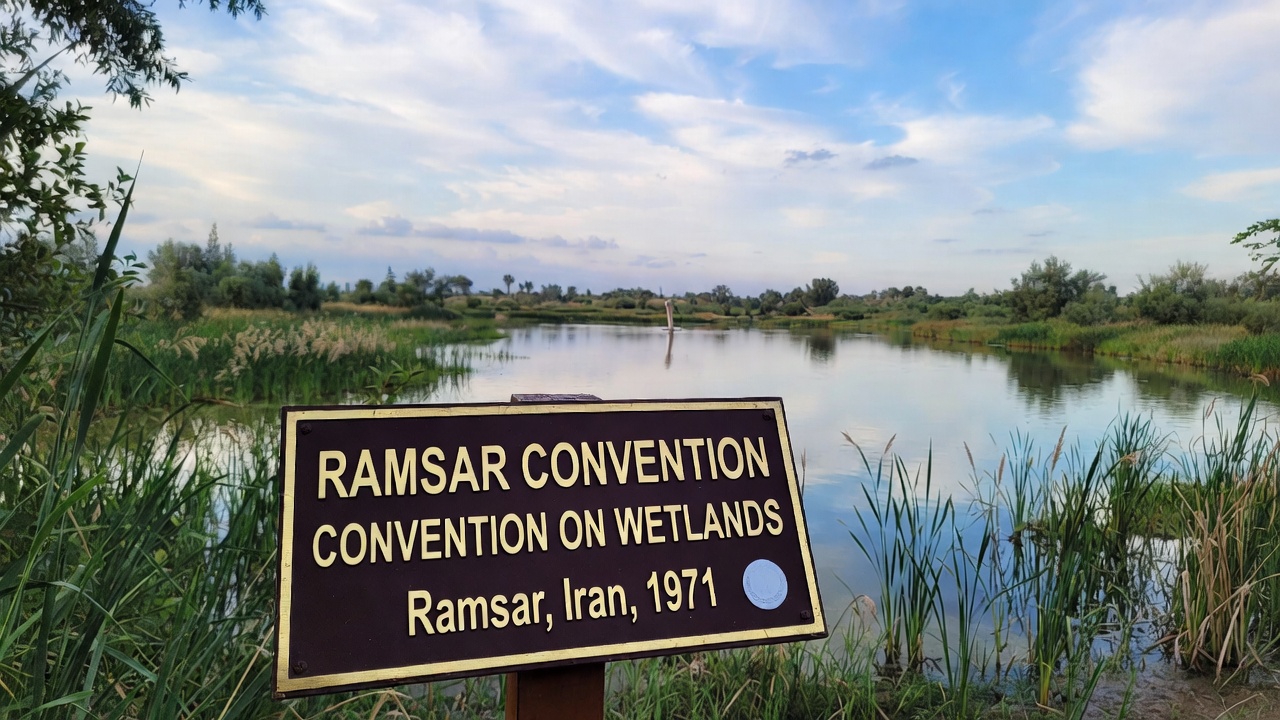
| 17 | What international treaty does World Wetlands Day commemorate? | The Ramsar Convention on Wetlands |
| 18 | In what year was the Ramsar Convention signed? | 1971 |
| 19 | In which country was the Ramsar Convention signed? | Iran (in the city of Ramsar) |
| 20 | What was the first country to join the Ramsar Convention? | Australia (in 1974) |
| 21 | How many countries have signed the Ramsar Convention as of 2024? | Over 170 countries |
| 22 | What is a “Ramsar Site”? | A wetland designated as internationally important under the Ramsar Convention |
| 23 | How many Ramsar Sites exist worldwide? | Over 2,400 sites |
| 24 | When did World Wetlands Day first become an official United Nations observance? | 2021 (UN Resolution adopted August 2021) |
| 25 | What organization serves as the secretariat for the Ramsar Convention? | The Ramsar Convention Secretariat, based in Gland, Switzerland |
Section 3: Types of Wetlands (Questions 26-40)
Different types of wetlands support unique ecosystems. These questions explore the diversity of wetland habitats worldwide.
Freshwater Wetland Types
| # | Question | Answer |
|---|---|---|
| 26 | What is a marsh? | A wetland dominated by herbaceous (non-woody) plants like grasses and sedges |
| 27 | What is a swamp? | A wetland dominated by trees and woody shrubs |
| 28 | What is a bog? | An acidic wetland that accumulates peat and receives water mainly from precipitation |
| 29 | What is a fen? | A peat-forming wetland that receives water from groundwater, making it less acidic than bogs |
| 30 | What is a vernal pool? | A seasonal wetland that fills with water in spring and dries up in summer |
| 31 | What is a prairie pothole? | A shallow, marsh-like pond found in the northern Great Plains of North America |
| 32 | What is a peatland? | A wetland where partially decomposed organic matter (peat) accumulates |
| 33 | What is a floodplain? | Low-lying land adjacent to rivers that floods periodically |
Coastal and Marine Wetland Types
| # | Question | Answer |
|---|---|---|
| 34 | What is a mangrove wetland? | A coastal wetland dominated by salt-tolerant mangrove trees |
| 35 | What is a salt marsh? | A coastal wetland flooded by tidal saltwater |
| 36 | What is a tidal flat? | A muddy or sandy coastal area exposed at low tide |
| 37 | What is a seagrass bed? | An underwater meadow of flowering marine plants |
| 38 | What is an estuary? | A partially enclosed coastal body where freshwater and saltwater mix |
| 39 | What is a lagoon? | A shallow body of water separated from the ocean by barrier islands or reefs |
| 40 | What is a coral reef wetland? | A marine ecosystem built by calcium carbonate-secreting organisms |
Section 4: Wetland Wildlife and Biodiversity (Questions 41-55)
Wetland animals and birds are among the most diverse on Earth. Test your knowledge of wetland wildlife with these questions.
Birds of the Wetlands
| # | Question | Answer |
|---|---|---|
| 41 | What is the most common type of bird found in wetlands? | Waterfowl (ducks, geese, and swans) |
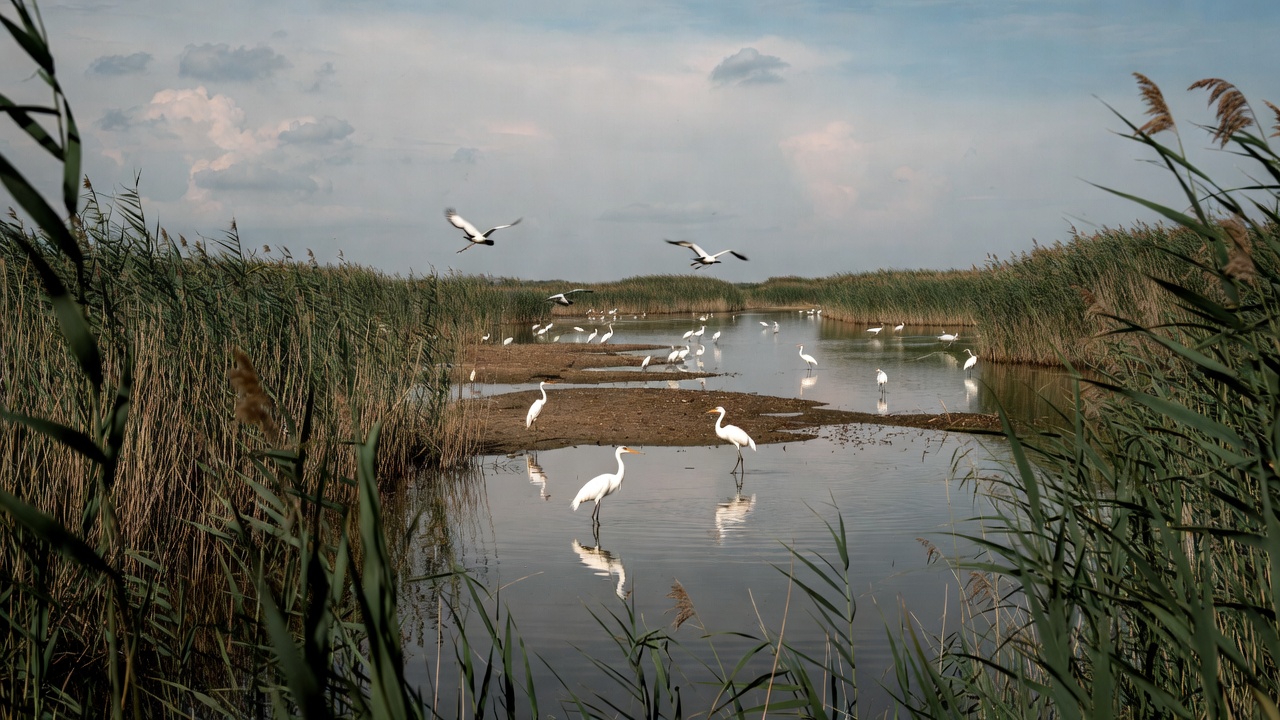
| 42 | What does “wading bird” mean? | Birds with long legs that walk through shallow water, like herons and egrets |
| 43 | Name the world’s tallest flying bird that depends on wetlands. | Sarus Crane (can reach 6 feet tall) |
| 44 | What is the primary food source for flamingos in wetlands? | Algae, small crustaceans, and brine shrimp |
| 45 | Why do many migratory birds depend on wetlands? | For resting, feeding, and breeding during migration |
| 46 | What percentage of North American bird species rely on wetlands? | Over 50% |
Other Wetland Animals
| # | Question | Answer |
|---|---|---|
| 47 | What is the largest rodent in the world, found in South American wetlands? | Capybara |
| 48 | Name a large reptile commonly found in freshwater wetlands. | American Alligator or Crocodile |
| 49 | What amphibian group is most dependent on wetlands for reproduction? | Frogs and salamanders |
| 50 | What is a keystone species in many wetland ecosystems? | Beaver (they create and maintain wetland habitats) |
| 51 | What fish is famous for surviving in oxygen-poor wetland waters? | Lungfish |
| 52 | What is the primary diet of river otters in wetlands? | Fish, crayfish, and other aquatic animals |
| 53 | What endangered cat species lives in mangrove wetlands? | Fishing Cat |
| 54 | What large mammal is nicknamed the “river horse” and lives in African wetlands? | Hippopotamus |
| 55 | What is the world’s smallest wetland mammal? | Etruscan Shrew (also inhabits wetland edges) |
Section 5: Wetland Plants and Vegetation (Questions 56-65)
Wetland plants are specially adapted to waterlogged conditions. These questions explore the fascinating world of wetland flora.
| # | Question | Answer |
|---|---|---|
| 56 | What adaptation allows mangrove trees to survive in saltwater? | Salt-excreting leaves and specialized root systems |
| 57 | What are “pneumatophores”? | Aerial roots that stick up from the water to help mangroves breathe |
| 58 | What is the most widespread wetland plant genus in the world? | Carex (sedges) |
| 59 | What carnivorous plant is commonly found in bogs? | Sundew or Venus Flytrap |
| 60 | What is sphagnum? | A type of moss that forms peat in bogs |
| 61 | What wetland plant is commonly used to make furniture and baskets? | Cattail or Reed |
| 62 | What is the world’s largest wetland flower? | Giant Water Lily (Victoria amazonica) |
| 63 | What makes cypress trees able to survive in swamps? | Their “knees” (pneumatophores) and buttressed trunks |
| 64 | What aquatic plant provides critical habitat for young fish? | Eelgrass or Seagrass |
| 65 | What invasive wetland plant is nicknamed “purple plague”? | Purple Loosestrife |
Section 6: Wetland Ecosystem Services (Questions 66-75)
Benefits of wetlands to humans are enormous. These questions highlight why wetland conservation matters for everyone.
Environmental Benefits
| # | Question | Answer |
|---|---|---|
| 66 | What is the nickname for wetlands based on their water purification ability? | “Nature’s kidneys” |
| 67 | How do wetlands help control flooding? | They absorb and slowly release floodwater like sponges |
| 68 | What role do wetlands play in the carbon cycle? | They store massive amounts of carbon in their soils (carbon sinks) |
| 69 | How much carbon do peatlands store globally? | Twice as much as all the world’s forests combined |
| 70 | How do coastal wetlands protect shorelines? | They buffer against storm surges and reduce wave energy |
| 71 | What pollutants can wetlands remove from water? | Nitrogen, phosphorus, sediments, and some heavy metals |
| 72 | How do wetlands recharge groundwater? | By allowing surface water to slowly infiltrate into aquifers |
Economic and Social Benefits
| # | Question | Answer |
|---|---|---|
| 73 | What is the estimated global economic value of wetland ecosystem services per year? | Over $47 trillion USD |
| 74 | What percentage of commercial fish species depend on coastal wetlands? | Over 75% |
| 75 | Name three recreational activities supported by wetlands. | Birdwatching, fishing, kayaking (also hunting, photography, hiking) |
Section 7: Famous Wetlands Around the World (Questions 76-85)
World-famous wetland destinations attract millions of tourists annually. Test your knowledge of these incredible places.
| # | Question | Answer |
|---|---|---|
| 76 | What is the world’s largest tropical wetland? | The Pantanal (Brazil, Bolivia, Paraguay) |
| 77 | Where is the Okavango Delta located? | Botswana, Africa |
| 78 | What makes the Okavango Delta unique? | It’s an inland delta that never reaches the sea |
| 79 | What is the name of the famous wetland in southern Florida, USA? | The Everglades |
| 80 | What nickname is given to the Florida Everglades? | “River of Grass” |
| 81 | Where is the Sundarbans mangrove forest located? | Bangladesh and India |
| 82 | What famous animal lives in the Sundarbans? | Bengal Tiger |
| 83 | What is the largest wetland in Europe? | Danube Delta (Romania and Ukraine) |
| 84 | Where is the Camargue wetland located? | Southern France |
| 85 | What is the largest peatland complex in the world? | Western Siberian Lowlands, Russia |
Section 8: Wetland Conservation and Threats (Questions 86-95)
Wetland loss and conservation efforts are critical topics. These questions address current challenges and solutions.
Threats to Wetlands
| # | Question | Answer |
|---|---|---|
| 86 | What percentage of the world’s wetlands have been lost since 1700? | Over 85% (some estimates say 87%) |
| 87 | What is the main cause of wetland loss globally? | Drainage for agriculture |
| 88 | What is wetland drainage? | Removing water from wetlands to convert them to dry land |
| 89 | How does climate change affect wetlands? | Through sea level rise, altered precipitation, and increased temperatures |
| 90 | What are invasive species in wetlands? | Non-native plants or animals that outcompete native species |
Conservation Solutions
| # | Question | Answer |
|---|---|---|
| 91 | What is wetland restoration? | Returning degraded or former wetlands to their natural state |
| 92 | What is a “constructed wetland”? | An artificial wetland created for wastewater treatment or habitat |
| 93 | What does “no net loss” mean in wetland policy? | A goal to offset any wetland destruction with creation or restoration |
| 94 | What international agreement protects migratory birds that use wetlands? | The Migratory Bird Treaty Act (and various flyway agreements) |
| 95 | What is “wetland mitigation banking”? | A system where restored wetlands earn credits to offset permitted wetland losses |
Section 9: Wetlands and Climate Change (Questions 96-100)
Wetlands and global warming are deeply connected. These final questions explore this crucial relationship.
| # | Question | Answer |
|---|---|---|
| 96 | Why are peatlands sometimes called “carbon bombs”? | If drained or burned, they release massive amounts of stored carbon dioxide |
| 97 | What greenhouse gas do wetlands naturally emit? | Methane (but intact wetlands are net carbon sinks overall) |
| 98 | How can restoring wetlands help fight climate change? | By capturing and storing atmospheric carbon in plants and soils |
| 99 | What is “blue carbon”? | Carbon captured and stored by coastal and marine ecosystems like mangroves |
| 100 | By 2100, what percentage of coastal wetlands could be lost to sea level rise? | Up to 90% without intervention |
How to Use These World Wetlands Day Quiz Questions
Planning your wetland trivia night or classroom quiz game? Here are some tips:
For Educators
- Group questions by difficulty – Use Section 1 for younger students
- Create team competitions – Divide into groups for collaborative learning
- Add visual elements – Show wetland photos between rounds
- Include local content – Add questions about wetlands in your region
For Event Organizers
- Mix question types – Alternate between categories
- Use a point system – Award more points for harder questions
- Include prizes – Offer nature-themed rewards
- Time limits – Set 30-second response windows for excitement
Printable Quiz Format
Easy Round (Questions 1-25): 1 point each Medium Round (Questions 26-65): 2 points each Hard Round (Questions 66-100): 3 points each
Maximum Score: 230 points
Quick Reference: Wetland Facts at a Glance
| Fact Category | Key Statistic |
|---|---|
| Global wetland coverage | 6% of Earth’s surface |
| Species dependency | 40% of all species |
| Wetland loss since 1700 | Over 85% |
| Ramsar Sites worldwide | 2,400+ |
| Countries in Ramsar Convention | 170+ |
| World Wetlands Day | February 2nd |
| Economic value annually | $47+ trillion |
| Carbon stored in peatlands | More than all forests combined |
| Commercial fish dependency | 75%+ of species |
| North American bird dependency | 50%+ of species |
Conclusion: Celebrate and Protect Our Wetlands
World Wetlands Day reminds us of these extraordinary ecosystems. Wetlands filter our water. They protect our coastlines. They store carbon and support biodiversity. Yet we continue to lose them at alarming rates.
Use these 100 questions to:
- Educate your community about wetland importance
- Engage students in environmental learning
- Inspire action for wetland conservation
- Celebrate the beauty and value of wetlands worldwide
Remember: Every wetland saved is a victory for our planet.
Additional Resources for World Wetlands Day
Official Websites:
- Ramsar Convention: www.ramsar.org
- World Wetlands Day: www.worldwetlandsday.org
Educational Materials:
- Wetland identification guides
- Local Ramsar Site information
- Wetland conservation organizations
Get Involved:
- Visit a local wetland
- Participate in wetland cleanups
- Support wetland conservation organizations
- Share wetland facts on social media using #WorldWetlandsDay
Did you enjoy this World Wetlands Day quiz guide? Share it with fellow nature enthusiasts and educators. Together, we can spread awareness about the vital importance of wetland ecosystems.