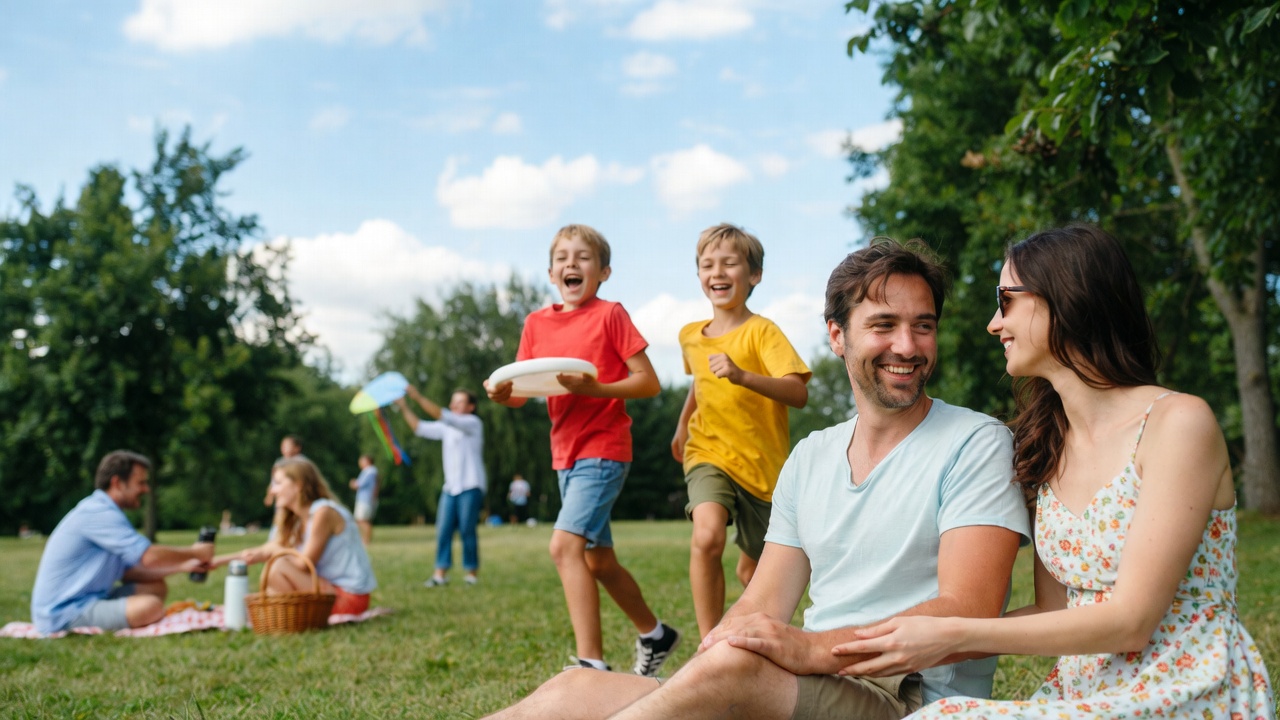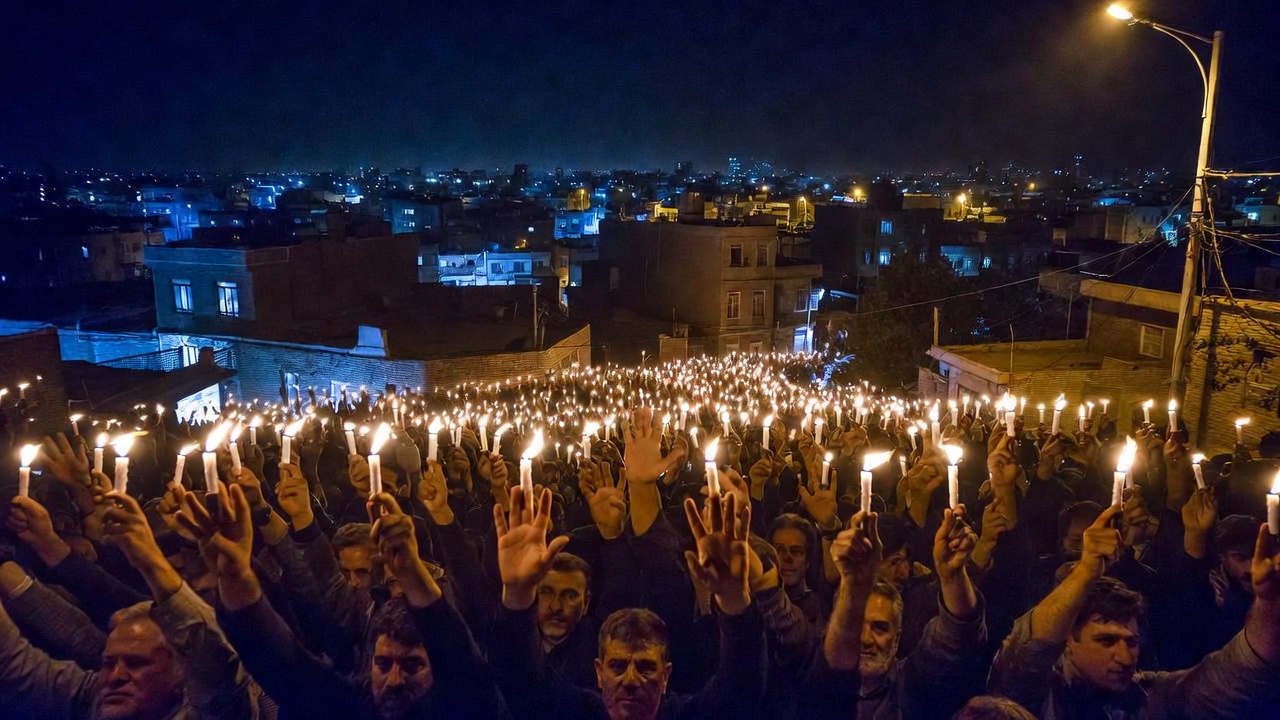
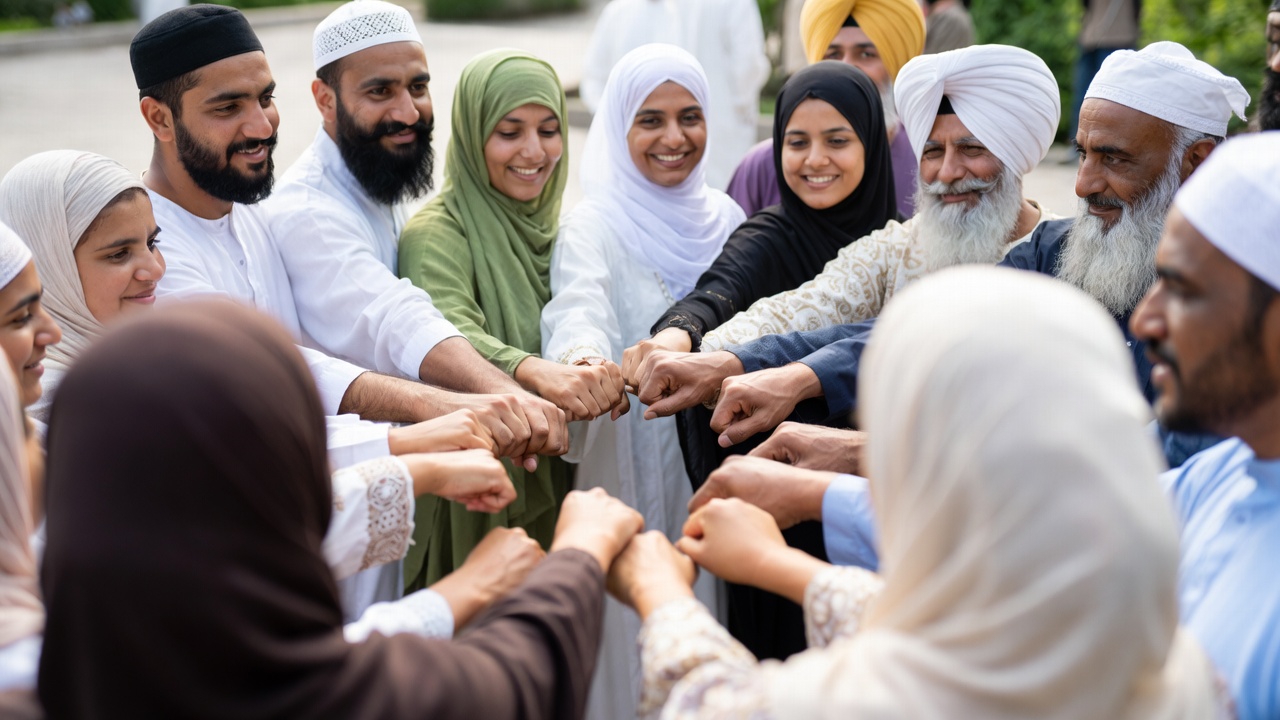
Celebrating unity in diversity through interfaith dialogue, community engagement, and cultural understanding
Introduction: What Is World Interfaith Harmony Week and Why Does It Matter?
World Interfaith Harmony Week takes place during the first week of February every year. The United Nations established this observance in 2010. It promotes mutual understanding between all religions and spiritual traditions.
This global celebration encourages dialogue, respect, and cooperation. Schools and communities worldwide participate in meaningful activities. These events foster peace, tolerance, and cross-cultural connections.
In an increasingly divided world, interfaith harmony week activities for schools have never been more important. They teach children the value of diversity. They show adults the power of unity.
This comprehensive guide explores 20 meaningful activities. Each activity promotes religious tolerance and community bonding. Whether you’re an educator, community leader, or concerned citizen, you’ll find practical ideas here.
Understanding World Interfaith Harmony Week: History and Significance
The Origins of This Global Observance
King Abdullah II of Jordan proposed World Interfaith Harmony Week in 2010. The UN General Assembly unanimously adopted it. Resolution 65/5 designated the first week of February for this purpose.
The initiative builds on the Common Word document of 2007. Religious leaders worldwide endorsed its message of love and understanding.
Why Interfaith Dialogue Matters in Today’s World
| Challenge | How Interfaith Harmony Helps |
|---|---|
| Religious intolerance | Builds mutual respect and understanding |
| Cultural division | Creates bridges between communities |
| Misinformation | Educates about diverse beliefs |
| Social isolation | Fosters meaningful connections |
| Youth radicalization | Provides positive role models |
Religious diversity activities for students help combat prejudice early. Children learn that differences enrich rather than divide.
Activity 1: Organize an Interfaith Prayer or Meditation Session
Creating Sacred Space for All Traditions
An interfaith prayer session brings diverse communities together. Representatives from different faiths share prayers or readings. Participants experience the beauty of various spiritual traditions.
How to organize this activity:
- Invite leaders from local religious communities
- Choose a neutral venue like a school auditorium
- Create a respectful program allowing equal time for each tradition
- Include moments of silence for personal reflection
- Provide printed programs explaining each tradition’s prayer style
This interfaith prayer service for schools works beautifully for morning assemblies. It sets a tone of respect and contemplation.
Activity 2: Host a World Religions Fair
Showcasing Faith Traditions Through Interactive Displays
A world religions fair transforms learning into an immersive experience. Students research different faiths. They create booths with artifacts, foods, and information.
Essential elements for your fair:
- Visual displays showing symbols and sacred texts
- Traditional clothing for dress-up opportunities
- Music samples from various worship traditions
- Food samples representing religious dietary customs
- Interactive quizzes and games
This hands-on religious education activity engages all learning styles. Visual learners appreciate the displays. Kinesthetic learners enjoy the interactive elements.
| Religion | Display Ideas | Food Options | Music Suggestions |
|---|---|---|---|
| Christianity | Cross, Bible, nativity scene | Communion bread, Easter eggs | Hymns, gospel music |
| Islam | Quran, prayer rug, calligraphy | Dates, halal treats | Nasheed, call to prayer |
| Judaism | Menorah, Torah scroll, dreidel | Challah, rugelach | Klezmer, liturgical songs |
| Hinduism | Statues, rangoli, diyas | Samosas, sweets | Bhajans, mantras |
| Buddhism | Buddha statue, prayer flags | Vegetarian dishes | Meditation bells, chants |
| Sikhism | Khanda symbol, turban display | Langar items | Kirtan, shabads |
Activity 3: Launch an Interfaith Book Club
Reading and Discussing Sacred and Secular Texts Together
An interfaith book club promotes deep understanding through literature. Participants read texts from various traditions. Discussion follows in a respectful, curious environment.
Recommended books for interfaith reading groups:
- The World’s Religions by Huston Smith
- A History of God by Karen Armstrong
- The Faith Club by Ranya Idliby, Suzanne Oliver, and Priscilla Warner
- God Is Not One by Stephen Prothero
- The Gifts of the Jews by Thomas Cahill
Monthly meetings allow thorough exploration. Members share personal insights and cultural perspectives.
This interfaith book club activity for adults creates lasting friendships. It builds bridges through shared intellectual exploration.
Activity 4: Create an Interfaith Art Exhibition
Expressing Faith Through Visual Arts
Art transcends language barriers. An interfaith art exhibition showcases religious expression visually. Students and community members contribute pieces reflecting their spiritual journeys.
Categories for submissions:
- Paintings depicting sacred stories
- Photography of religious architecture
- Sculptures representing spiritual concepts
- Textile arts including prayer shawls and vestments
- Digital art exploring modern faith expressions
Judges can include local artists and religious leaders. Awards celebrate creativity and cultural authenticity.
This interfaith art project for students develops both artistic skills and cultural competence. The finished exhibition educates visitors for weeks afterward.
Activity 5: Organize Interfaith Community Service Projects
Uniting Hands Across Faith Lines for the Common Good
Nothing builds community like working together. Interfaith service projects unite diverse groups around shared goals. Participants focus on helping others rather than their differences.
Service project ideas:
| Project Type | Description | Faiths Involved | Impact |
|---|---|---|---|
| Food bank volunteering | Sort and distribute food | All | Feeds hungry families |
| Habitat for Humanity | Build homes together | All | Houses homeless families |
| Environmental cleanup | Clean parks and waterways | All | Improves local environment |
| Elderly visits | Spend time with seniors | All | Reduces isolation |
| Clothing drive | Collect and sort donations | All | Provides warmth and dignity |
This interfaith volunteer opportunity for teens teaches civic responsibility. Young people see faith in action rather than just words.
Activity 6: Host Interfaith Dialogue Panels
Facilitating Respectful Conversations About Belief
Panel discussions allow deep exploration of religious topics. Representatives from various faiths share perspectives. Audiences ask questions in a moderated format.
Effective panel topics:
- How does your faith approach suffering and hardship?
- What does your tradition teach about caring for the environment?
- How do different religions view forgiveness and reconciliation?
- What common values do our faiths share?
- How do young people practice faith in the modern world?
Skilled moderators ensure balanced participation. Ground rules promote respectful exchange.
This interfaith panel discussion format works well for high schools and universities. Students hear directly from practitioners rather than textbooks alone.
Activity 7: Create an Interfaith Calendar of Celebrations
Learning Through the Rhythm of Religious Holidays
An interfaith calendar teaches about diverse celebrations throughout the year. Students research holidays from multiple traditions. The finished product serves as a year-round educational resource.
Major holidays to include:
| Religion | Major Holidays | Approximate Timing |
|---|---|---|
| Christianity | Easter, Christmas | Spring, December |
| Islam | Eid al-Fitr, Eid al-Adha | Varies (lunar calendar) |
| Judaism | Passover, Rosh Hashanah | Spring, Fall |
| Hinduism | Diwali, Holi | Fall, Spring |
| Buddhism | Vesak, Bodhi Day | May, December |
| Sikhism | Vaisakhi, Guru Nanak Gurpurab | April, November |
Students can illustrate each holiday. Brief descriptions explain significance and customs.
This religious holiday calendar project teaches cultural literacy. It helps prevent scheduling conflicts and promotes awareness.
Activity 8: Arrange Interfaith House of Worship Tours
Visiting Sacred Spaces to Understand Different Traditions
Visiting religious buildings creates powerful learning experiences. Participants see where and how others worship. Guides explain architectural symbolism and ritual practices.
Planning tips for successful tours:
- Contact religious leaders well in advance
- Explain the educational purpose clearly
- Review dress codes and etiquette requirements
- Prepare students with background information
- Schedule debriefing discussions afterward
Typical tour circuit might include:
- A church, mosque, and synagogue
- A Hindu temple and Sikh gurdwara
- A Buddhist meditation center
This interfaith field trip for students creates lasting memories. Seeing real worship spaces makes religions feel tangible and real.
Activity 9: Host an Interfaith Potluck Dinner
Breaking Bread Across Religious Boundaries
Food brings people together universally. An interfaith potluck features dishes from various traditions. Participants share recipes and stories behind their contributions.
Guidelines for inclusive interfaith meals:
- Clearly label all dishes with ingredients
- Provide vegetarian and vegan options
- Respect kosher, halal, and other dietary requirements
- Include explanation cards about food significance
- Consider allergies and restrictions
Sample menu considerations:
| Dietary Requirement | Considerations | Accommodations |
|---|---|---|
| Kosher | No mixing meat/dairy, specific preparation | Separate serving utensils |
| Halal | No pork, specific slaughter methods | Clearly labeled meat dishes |
| Vegetarian (Hindu/Buddhist) | No meat | Abundant plant-based options |
| Fasting traditions | Timing considerations | Flexible scheduling |
This interfaith dinner event builds genuine relationships. Sharing meals creates bonds that formal events cannot.
Activity 10: Develop an Interfaith Youth Ambassador Program
Empowering Young People as Bridge Builders
Youth ambassador programs train young people in interfaith leadership. Selected students represent their traditions. They learn dialogue skills and peace-building techniques.
Program components:
- Application and selection process
- Training in active listening and respectful communication
- Education about major world religions
- Practice facilitating small group discussions
- Planning and executing interfaith events
- Mentorship from adult interfaith leaders
Ambassadors can serve for one academic year. They lead activities and model respectful engagement.
This interfaith youth leadership program creates lasting change. Young leaders carry skills into adulthood.
Activity 11: Create Interfaith Storytelling Sessions
Sharing Wisdom Through Narrative Traditions
Every religion has powerful stories. Interfaith storytelling sessions share narratives from diverse traditions. Listeners discover common themes across faiths.
Story categories to explore:
- Creation myths and origin stories
- Tales of prophets, saints, and holy figures
- Parables teaching moral lessons
- Stories of miracles and divine intervention
- Narratives about compassion and service
Storytellers can include religious leaders, community elders, or trained students. Visual aids enhance engagement for younger audiences.
This religious storytelling activity for children teaches values through narrative. Stories stick in memory longer than lectures.
Activity 12: Organize an Interfaith Music Festival
Celebrating Sacred Sounds From Around the World
Music expresses spirituality across all traditions. An interfaith music festival showcases sacred sounds. Performers share hymns, chants, and devotional songs.
Festival programming ideas:
| Tradition | Musical Style | Instruments | Performance Element |
|---|---|---|---|
| Christian | Gospel, hymns | Organ, choir | Congregational singing |
| Islamic | Nasheed, Sufi music | Voice, drums | Whirling dervishes |
| Jewish | Klezmer, liturgical | Clarinet, violin | Dancing |
| Hindu | Bhajans, kirtan | Harmonium, tabla | Call and response |
| Buddhist | Chanting, bells | Singing bowls, gongs | Meditation |
| African traditions | Drumming, spirituals | Drums, shakers | Movement |
Attendees experience the diversity of sacred expression. Brief explanations provide context for each performance.
This interfaith music event for community engagement creates joy. Shared musical experiences build emotional connections.
Activity 13: Launch an Interfaith Pen Pal or Digital Exchange Program
Connecting Young People Across Religious Boundaries
Pen pal programs create personal connections between students. Participants exchange letters or emails. They learn about each other’s faith practices and daily lives.
Program structure:
- Partner with schools serving different religious communities
- Match students by age and interests
- Provide conversation prompts about faith and culture
- Schedule regular exchanges throughout the school year
- Arrange virtual or in-person meetups when possible
Digital platforms expand possibilities. Video calls allow real-time conversation. Shared digital projects foster collaboration.
This interfaith pen pal program for students builds individual friendships. Personal connections humanize religious “others.”
Activity 14: Create an Interfaith Peace Garden
Growing Understanding Through Shared Green Spaces
Gardens symbolize growth, hope, and renewal. An interfaith peace garden provides space for reflection. Different sections can honor various traditions.
Garden design elements:
- Meditation benches for quiet contemplation
- Plants significant to different religions (olive trees, lotus flowers, bodhi trees)
- Stones inscribed with peace messages in multiple languages
- Water features representing purification and life
- Sculptures or symbols from various traditions
Students and community members collaborate on planting and maintenance. The garden serves as a permanent reminder of shared values.
This interfaith garden project for schools beautifies grounds while teaching tolerance. Nature provides common ground for all faiths.
Activity 15: Host Interfaith Film Screenings and Discussions
Using Cinema to Explore Religious Themes
Films provide accessible entry points to religious topics. Interfaith screenings show movies exploring faith themes. Discussions afterward deepen understanding.
Recommended films for interfaith viewing:
- The Passion of the Christ (Christianity)
- Bilal: A New Breed of Hero (Islam)
- Fiddler on the Roof (Judaism)
- Little Buddha (Buddhism)
- Water (Hinduism)
- Gandhi (Interfaith themes)
- The Message (Islam)
- Arranged (Interfaith friendship)
Discussion questions explore how films portray religious practice. Participants share whether representations feel accurate and respectful.
This interfaith film discussion group appeals to visual learners. Movies make abstract concepts concrete and emotional.
Activity 16: Develop Interfaith Lesson Plans for Classroom Use
Integrating Religious Literacy Across Curriculum
Educators need ready-to-use materials. Interfaith lesson plans integrate religious understanding into regular subjects. Academic standards remain the focus.
Cross-curricular integration ideas:
| Subject | Interfaith Connection | Learning Objective |
|---|---|---|
| History | Religious influences on civilizations | Understand historical context |
| Art | Sacred imagery across traditions | Analyze artistic symbolism |
| Music | Devotional music comparison | Appreciate diverse expression |
| Literature | Sacred texts as literary works | Develop analytical skills |
| Geography | Religious demographics worldwide | Understand global distribution |
| Science | Faith and science dialogue | Explore different perspectives |
Lesson plans should meet educational standards while promoting tolerance. Assessment focuses on knowledge and understanding, not personal belief.
This interfaith curriculum resource for teachers saves preparation time. Quality materials ensure consistent, respectful instruction.
Activity 17: Create Interfaith Social Media Campaigns
Spreading Messages of Harmony Online
Social media amplifies interfaith messages. Coordinated campaigns reach young people effectively. Hashtags and shared content build momentum.
Campaign strategies:
- Create a unique hashtag (#InterfaithHarmonyWeek, #FaithInCommon)
- Share daily posts highlighting different traditions
- Feature interfaith friendship stories
- Post quotes about peace from religious leaders
- Create shareable graphics with unity messages
- Encourage participants to share their own stories
Platforms to target include Instagram, TikTok, Twitter/X, and Facebook. Different content works best on each platform.
This interfaith social media campaign for youth meets young people where they are. Digital natives engage naturally with online content.
Activity 18: Organize Interfaith Athletic Events
Building Bridges Through Friendly Competition
Sports bring diverse groups together through shared activity. Interfaith athletic events create positive interactions. Teams mix participants from different faith communities.
Event ideas:
- Soccer tournaments with mixed-faith teams
- Basketball games between religious youth groups
- Charity runs supporting interfaith organizations
- Ultimate frisbee leagues
- Volleyball matches at community centers
Emphasis remains on sportsmanship and friendship rather than winning. Post-game gatherings allow relationship building.
This interfaith sports event for community building appeals to active participants. Physical activity creates bonds through shared experience.
Activity 19: Establish Interfaith Discussion Circles
Creating Safe Spaces for Honest Conversation
Small group discussions allow deeper exploration. Interfaith circles meet regularly for structured dialogue. Participants build trust over time.
Circle guidelines:
- Listen actively without planning responses
- Speak from personal experience rather than generalizing
- Ask curious questions without judgment
- Respect confidentiality within the group
- Seek understanding rather than agreement
Discussion prompts might include:
- What does your faith mean to you personally?
- How has your religious practice changed over time?
- What misconceptions do people have about your tradition?
- What do you wish others understood about your faith?
This interfaith dialogue circle format builds genuine community. Regular meetings develop deep, trusting relationships.
Activity 20: Plan an Interfaith Harmony Week Celebration Assembly
Bringing Everything Together in a Culminating Event
A celebration assembly showcases interfaith harmony week activities. The entire school or community gathers. Presentations highlight learning and growth.
Assembly program elements:
| Segment | Duration | Description |
|---|---|---|
| Welcome and purpose | 5 minutes | Principal or community leader introduction |
| Interfaith invocation | 10 minutes | Representatives from multiple faiths |
| Student presentations | 20 minutes | Reports on week’s activities |
| Musical performances | 15 minutes | Songs from various traditions |
| Art exhibition highlights | 10 minutes | Slideshow of student work |
| Peace pledge | 5 minutes | Collective commitment to harmony |
| Closing benediction | 5 minutes | Interfaith blessing |
Photography and video documentation preserve memories. Media coverage spreads the message further.
This interfaith assembly program for schools creates a powerful finale. Collective experience reinforces individual learning.
Planning Tips for Successful Interfaith Harmony Week Events
Ensuring Inclusive and Respectful Programming
Careful planning ensures meaningful experiences. Consider these essential factors when organizing interfaith events for schools and communities.
Inclusivity checklist:
- [ ] Include representatives from all local faith communities
- [ ] Respect dietary restrictions at all food events
- [ ] Schedule around major religious observances
- [ ] Provide translation services when needed
- [ ] Ensure physical accessibility for all participants
- [ ] Create quiet spaces for those who need breaks
- [ ] Consider gender-based customs and requirements
Avoiding common pitfalls:
- Don’t let one tradition dominate programming
- Avoid superficial treatments that trivialize beliefs
- Don’t force participation in religious practices
- Avoid controversial topics without proper facilitation
- Don’t assume all members of a faith believe identically
Successful interfaith programming requires cultural humility. Organizers must remain learners alongside participants.
Measuring Impact: Assessing Interfaith Harmony Week Success
Evaluating Outcomes and Planning for Future Years
Assessment helps improve future programming. Multiple methods capture different aspects of success.
Assessment approaches:
| Method | What It Measures | When to Use |
|---|---|---|
| Pre/post surveys | Knowledge and attitude change | Before and after events |
| Observation | Engagement and participation | During activities |
| Interviews | Deep understanding of experience | After programming |
| Attendance tracking | Reach and interest | Throughout week |
| Social media metrics | Online engagement | Ongoing |
Questions to include in evaluations:
- What did you learn that surprised you?
- How has your understanding of other faiths changed?
- What would you like to learn more about?
- Would you participate again next year?
- What suggestions do you have for improvement?
Data-driven planning strengthens future interfaith education programs. Evidence demonstrates value to stakeholders and funders.
Resources for Interfaith Harmony Week Planning
Organizations and Materials to Support Your Efforts
Many organizations support interfaith work. These resources help planners find speakers, materials, and guidance.
National and international organizations:
- United Religions Initiative (uri.org)
- Parliament of the World’s Religions (parliamentofreligions.org)
- Interfaith Youth Core (ifyc.org)
- Council for a Parliament of the World’s Religions
- The Pluralism Project (pluralism.org)
Curriculum resources:
- Teaching Tolerance (tolerance.org)
- Tanenbaum Center for Interreligious Understanding
- Religious Freedom Center
- World Affairs Council religious literacy programs
Local councils of churches, interfaith councils, and religious studies departments can connect you with speakers and resources specific to your community.
Conclusion: Building Lasting Interfaith Understanding
Moving Beyond One Week to Year-Round Commitment
World Interfaith Harmony Week provides a focused opportunity. However, true understanding requires ongoing effort. These 20 activities can extend throughout the year.
Keys to lasting impact:
- Build relationships that continue beyond scheduled events
- Integrate interfaith understanding into regular curriculum
- Create ongoing forums for dialogue and exchange
- Celebrate religious holidays throughout the year
- Address conflicts and misunderstandings promptly and respectfully
Schools and communities that embrace religious diversity thrive. Students develop cultural competence for our interconnected world. Adults model respect and curiosity for younger generations.
Start small if necessary. Even one activity makes a difference. Each conversation builds understanding. Every shared meal creates connection.
The world needs interfaith harmony more than ever. Schools and communities can lead the way. These activities provide practical starting points.
Begin planning your World Interfaith Harmony Week celebration today. Reach out to local religious communities. Invite diverse voices to the table. Watch understanding grow.
Together, we build bridges of peace, one activity at a time.