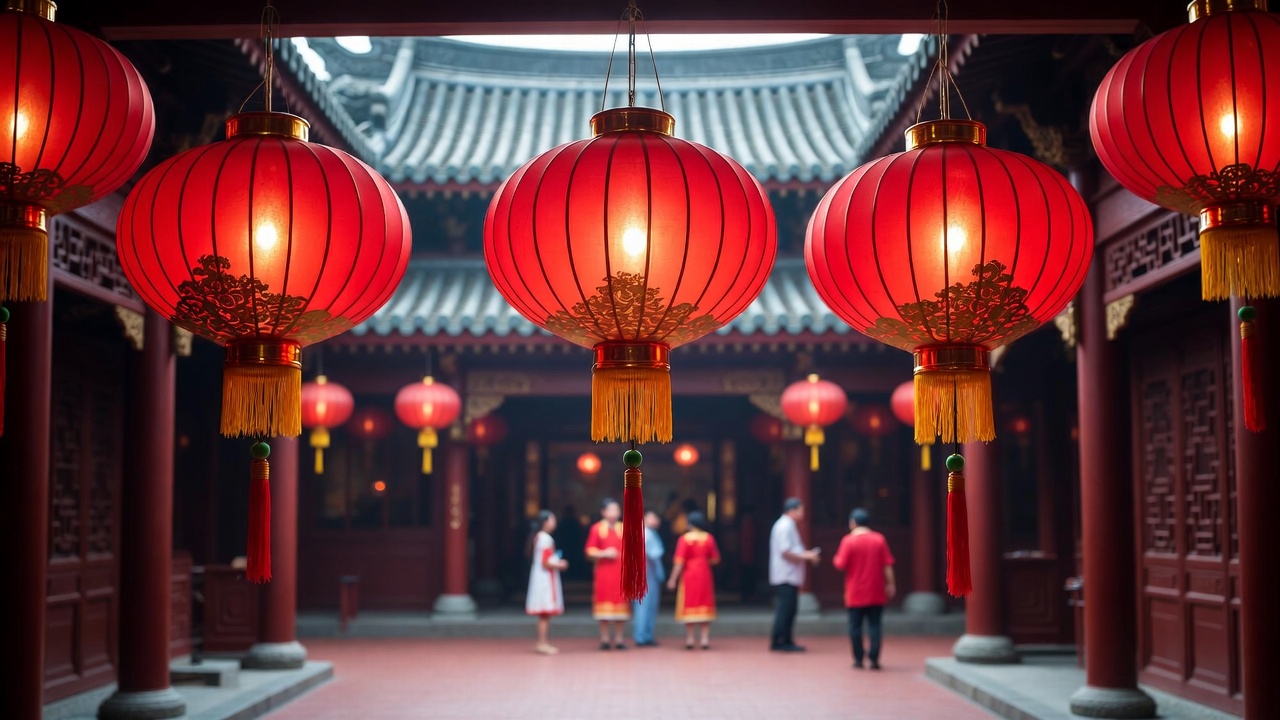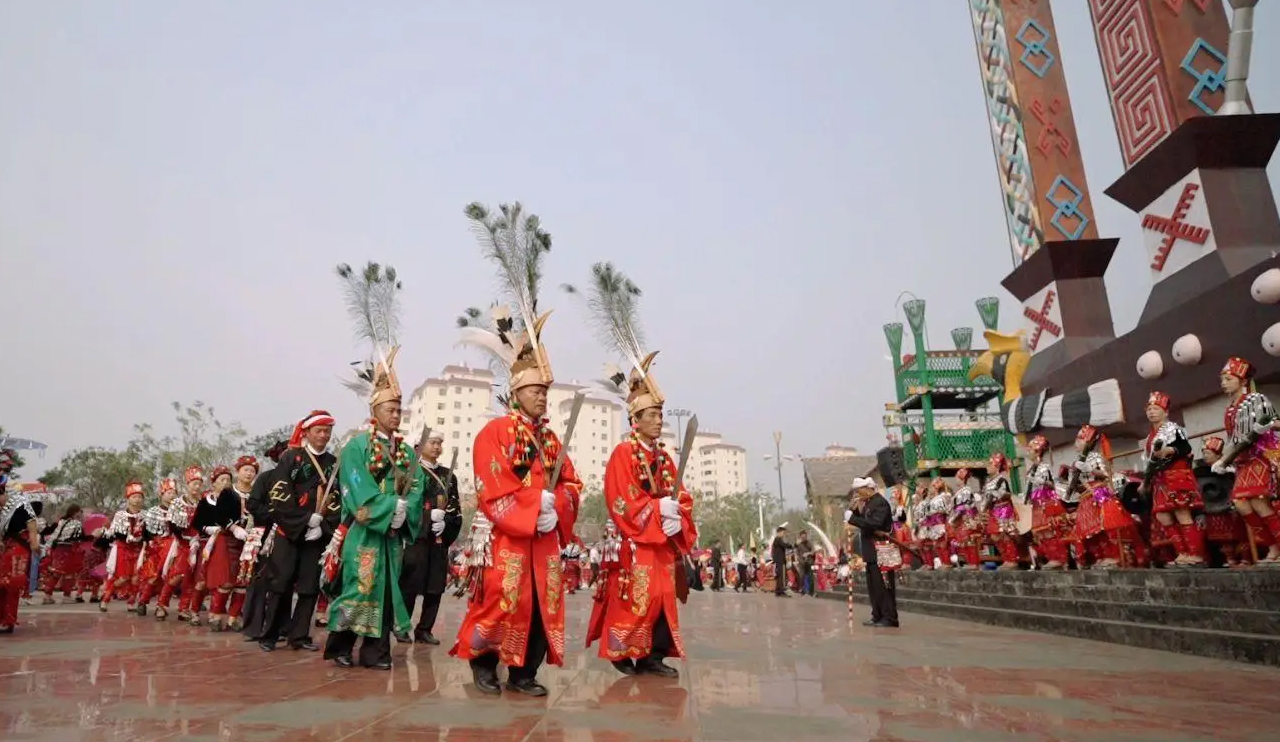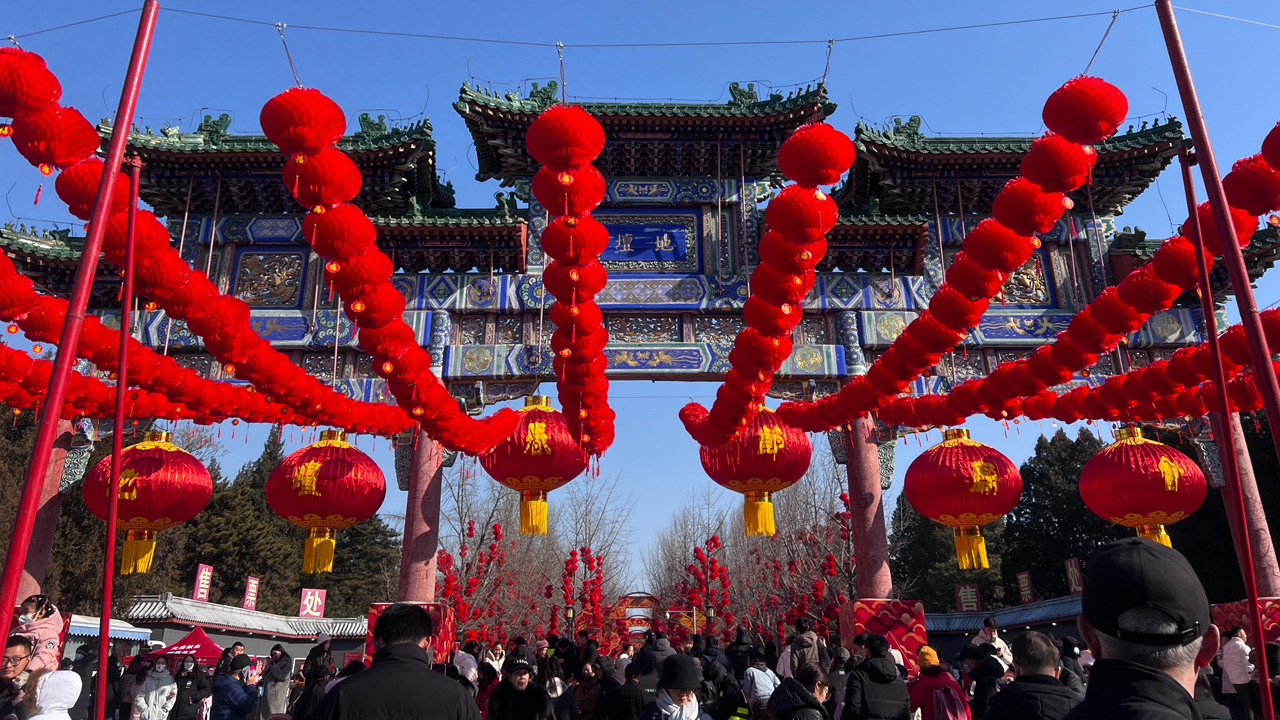
The air is crisp. Red lanterns sway in the winter breeze. The rhythmic beat of drums echoes through ancient parks. Welcome to a Beijing temple fair during Chinese New Year—one of the most immersive cultural experiences any traveler can witness.
For foreign visitors, attending a Beijing temple fair during the 2026 Spring Festival offers an unparalleled window into Chinese traditions that stretch back centuries. This guide will walk you through everything you need to know: the best temple fairs to visit, what to eat, how to get there, and the cultural nuances that will make your experience truly memorable.
Chinese New Year 2026 falls on Tuesday, February 17, marking the beginning of the Year of the Horse. The celebrations extend until the Lantern Festival on March 3, 2026. This year holds special significance. In December 2024, UNESCO inscribed the Spring Festival on the Intangible Cultural Heritage of Humanity list. Your visit in 2026 will be among the first to experience this newly recognized cultural treasure.
When Is Chinese New Year 2026 and Why Should You Visit Beijing Temple Fairs
Chinese New Year, also called the Spring Festival (春节, Chūn Jié), follows the lunar calendar. The date shifts each year, falling between January 21 and February 20. In 2026, the key dates are:
| Event | Date | Significance |
|---|---|---|
| Chinese New Year’s Eve | February 16, 2026 | Family reunion dinner, staying up until midnight |
| Chinese New Year Day 1 | February 17, 2026 | First day of the Year of the Horse |
| Temple Fair Peak Days | February 17-23, 2026 | Most temple fairs are in full swing |
| Lantern Festival | March 3, 2026 | Final celebration, lantern displays, glutinous rice balls |
According to China Briefing, the 2026 Spring Festival holiday is the longest in Chinese history—a full nine consecutive days from February 15 to February 23. The State Council extended the holiday from previous years, giving families more time together. For travelers, this means temple fairs will run at full capacity throughout this period.
Why Beijing? The capital offers the most diverse and authentic temple fair experience in China. While Shanghai glitters with modern celebrations and Guangzhou blooms with flower markets, Beijing preserves the imperial traditions that defined these festivals for over 600 years. The temple fairs here recreate ceremonies once performed by Ming and Qing dynasty emperors. You can witness reenactments of ancient rituals, taste street foods that have been sold at these fairs for generations, and watch folk performances that exist nowhere else.
What Is a Chinese New Year Temple Fair and Its Cultural Significance
A temple fair (庙会, miàohuì) is not simply a market. It is a living museum of Chinese culture. The tradition began during the Han Dynasty (206 BCE – 220 CE) as religious gatherings at Buddhist and Taoist temples. Worshippers came to pray. Merchants followed to serve them. Over centuries, these gatherings evolved into sprawling festivals blending commerce, entertainment, food, and spirituality.
Beijing temple fairs experienced a major revival in the 1980s as part of China’s broader cultural renaissance. During the Cultural Revolution (1967–1976), authorities banned public celebrations. Since the revival, temple fairs have grown each year. Today, according to China Highlights, about one million people visit the Ditan Temple Fair alone during Spring Festival.
The cultural significance runs deep. Temple fairs preserve intangible cultural heritage—traditional crafts, performing arts, and culinary traditions that might otherwise fade. At a temple fair, you might see:
- Artisans demonstrating paper cutting (剪纸, jiǎnzhǐ), an art form dating back 1,500 years
- Shadow puppet shows (皮影戏, píyǐngxì) that once entertained imperial courts
- Sugar painting (糖画, tánghuà) where artists create dragons and phoenixes from molten sugar
- Dough figurines (面塑, miànsù) shaped into characters from Chinese mythology
These are not performances staged for tourists. They are practices passed down through generations, now finding new audiences at temple fairs.
Best Beijing Temple Fairs for International Tourists in 2026
Beijing hosts over a dozen temple fairs each Spring Festival. Some prioritize authenticity and tradition. Others cater to families with children. A few embrace international themes. Here are the most rewarding options for foreign visitors.
Ditan Park Temple Fair: The Most Iconic Temple Fair Experience in Beijing
The Ditan Temple Fair (地坛庙会) stands as Beijing’s most celebrated. It runs annually since 1985 and drew over 37 editions by 2025. The fair takes place in Ditan Park, also known as the Temple of Earth—a sacred site where Ming and Qing dynasty emperors worshipped the God of Earth to pray for national stability and bountiful harvests.
The park itself dates to 1530. Emperor Jiajing of the Ming Dynasty built the Fangze Altar here. From 1531 to 1911, fourteen emperors used this very altar for sacrifices. Today, the temple fair recreates these imperial ceremonies each morning.
What to expect at Ditan Temple Fair:
- Imperial Sacrifice Reenactment: Performers in Qing-dynasty robes recreate the ancient rituals. The procession follows historical texts precisely.
- Intangible Cultural Heritage Square: Over ten heritage artisans demonstrate pottery, paper cutting, shadow play, and weaving.
- Folk Performances: Four stages host lion dances, drum and gong performances from Shanxi, stilt walking, and comedic crosstalk (相声, xiàngsheng).
- Traditional Snacks: Streets lined with vendors selling tanghulu (candied hawthorn), lvdagun (rolling donkey pastry), and Beijing-style lamb skewers.
- Five Blessings Characters: Costumed performers representing fu (福, fortune), lu (禄, prosperity), shou (寿, longevity), xi (喜, happiness), and cai (财, wealth) roam the park for photos.
Practical Information:
| Detail | Information |
|---|---|
| Location | Ditan Park, Andingmenwai Street, Dongcheng District |
| Dates (Expected) | February 17-23, 2026 |
| Hours | 8:30 AM – 5:00 PM |
| Ticket Price | Approximately CNY 30 |
| Transportation | Subway Line 2 or Line 5 to Yonghegong Station, Exit A, walk 250 meters north |
Tip for foreign visitors: Arrive before 9 AM to witness the morning sacrifice ceremony. The crowd thins after lunch, making it easier to browse handicraft stalls.
Longtan Park Temple Fair: Best Temple Fair for Traditional Folk Performances
The Longtan Temple Fair (龙潭庙会) rivals Ditan in popularity but emphasizes different strengths. Running since 1984, it has become Beijing’s premier venue for folk performances and fitness demonstrations.
Longtan Park sits one kilometer east of the Temple of Heaven. The fair sprawls across the park’s lakeside paths and pavilions. What distinguishes Longtan is the sheer variety of performances.
Highlights of Longtan Temple Fair:
- Martial Arts Demonstrations: Professional athletes perform wrestling, judo, taekwondo, and free combat. Visitors can sometimes spar with national players in designated areas.
- Yangko Dancing (秧歌): This northern Chinese folk dance features bright costumes, ribbons, and synchronized movements.
- Stilt Walking: Performers tower over crowds on wooden stilts, sometimes standing several feet tall.
- Dragon and Lion Dances: Multiple troupes compete to display the most acrobatic and dramatic performances.
Food at Longtan Temple Fair leans toward traditional Beijing snacks: chaogan (stir-fried liver), baodu (quick-boiled tripe), and yangzasui (lamb offal soup). These are dishes Beijingers have eaten at temple fairs for generations.
Practical Information:
| Detail | Information |
|---|---|
| Location | Longtan Park, Zuoanmennei Dajie, Dongcheng District |
| Dates (Expected) | February 17-23, 2026 |
| Hours | 8:30 AM – 5:00 PM |
| Ticket Price | Approximately CNY 10-15 |
| Transportation | Subway Line 5 to Tiantandongmen Station, then bus or taxi |
Changdian Temple Fair: The Oldest and Most Prestigious Beijing Temple Fair
The Changdian Temple Fair (厂甸庙会) holds the distinction of being Beijing’s oldest and best-known temple fair. Its history spans over 400 years. The fair was inscribed as a national intangible cultural heritage project.
Located just south of Tian’anmen Square near Hepingmen, Changdian spreads through the historic Liulichang Cultural Street. This area has been a center for art, calligraphy, and antiques since the Ming Dynasty.
What makes Changdian special:
- Authentic Beijing Flavor: Vendors sell paintings, calligraphic works, ink stones, and writing brushes alongside antiques.
- Tanghulu Central: For many Beijingers, the tanghulu (candied hawthorn) sold at Changdian carries special cultural significance. According to CITS, locals consider the tanghulu here the most auspicious.
- Street Performances: Acrobats, Peking Opera troupes, and crosstalk comedians perform throughout the day.
- Book Vendors: Rare books, vintage maps, and traditional scrolls draw collectors from across China.
This fair is particularly enjoyed by foreigners seeking the authentic northern Chinese festival experience. The cultural density per square meter surpasses any other fair.
Practical Information:
| Detail | Information |
|---|---|
| Location | Liulichang Cultural Street, south of Tian’anmen Square |
| Dates (Expected) | February 17-23, 2026 |
| Hours | 9:00 AM – 5:00 PM |
| Ticket Price | Free (street fair) |
| Transportation | Subway Line 2 to Hepingmen Station |
Grand View Garden Temple Fair: Best Temple Fair for Chinese Literature and Culture Lovers
If you have read “Dream of the Red Chamber” (红楼梦)—one of China’s four great classical novels—this fair is for you. The Grand View Garden Temple Fair (大观园庙会) takes place in Daguanyuan, a replica of the magnificent imperial garden described in the 18th-century novel.
The garden was built in the 1980s based on descriptions from the book. The TV adaptation of “Dream of the Red Mansion” was filmed here. During Spring Festival, the fair brings the novel to life.
Unique experiences at Grand View Garden:
- Yuanchun’s Return Parade: The fair opens with a recreation of the novel’s famous scene—Yuanchun returning home after becoming an imperial concubine.
- Hanfu (Traditional Clothing) Photography: Visitors can rent Qing-dynasty costumes and pose throughout the garden’s pavilions and bridges.
- Literary-themed Cuisine: Dishes referenced in the novel appear on special menus.
- Folk Arts: Shadow puppetry, stilt walking, and performances from northeastern China’s “Two-People Show” (二人转) rotate throughout the day.
Practical Information:
| Detail | Information |
|---|---|
| Location | No. 12 Nancaiyuan Street, Xicheng District |
| Dates (Expected) | February 17-21, 2026 |
| Hours | 8:00 AM – 5:00 PM |
| Ticket Price | Approximately CNY 40 |
| Transportation | Bus 59, 122, or 603 to Daguanyuan |
Dongyue Temple Fair: The Best Temple Fair for Authentic Taoist Culture
The Dongyue Temple Fair (东岳庙庙会) dates back to the Yuan Dynasty (1271–1368), making it one of Beijing’s oldest. The temple is dedicated to the God of Mount Tai—the easternmost and holiest of China’s five sacred Taoist mountains.
This fair was recognized as a national intangible cultural heritage in 2008. In 2025, seven lion dance troupes from across China gathered here, showcasing regional variations of this ancient art.
What distinguishes Dongyue Temple Fair:
- Blessing Ceremony: The fair opens with a traditional Taoist blessing ritual. Visitors receive fu cards to take blessings home.
- Fu Culture: The entire temple grounds are decorated with the character 福 (fu, meaning fortune). Interactive activities let visitors write their own blessings.
- Taoist Music Performances: Rarely heard religious music performed by temple practitioners.
- Seven Lion Dance Troupes: Multiple regional styles compete and perform.
Practical Information:
| Detail | Information |
|---|---|
| Location | No. 141 Chaoyangmenwai Dajie, Chaoyang District |
| Dates (Expected) | February 17-23, 2026 |
| Hours | 8:00 AM – 5:00 PM |
| Ticket Price | Approximately CNY 10 |
| Transportation | Subway Line 2 or Line 6 to Chaoyangmen Station |
Gubei Water Town Temple Fair: The Best Temple Fair Near the Great Wall
For visitors who want to combine temple fair culture with Great Wall sightseeing, the Gubei Water Town Temple Fair (古北水镇庙会) offers an ideal solution. This fair takes place at the foot of Simatai Great Wall in Miyun District.
Unique features:
- Great Wall Night View: After the fair closes, you can appreciate the illuminated Great Wall—one of the few places where evening viewing is possible.
- Waterside Setting: The town replicates a traditional water village, unusual for northern China.
- Extended Hours: Open until 10:30 PM on weekdays and 11:00 PM on weekends.
- Yangko and Gong Performances: Traditional music echoes through the stone streets.
Practical Information:
| Detail | Information |
|---|---|
| Location | Simatai Village, Gubeikolu Town, Miyun District |
| Dates (Expected) | January-February 2026 |
| Hours | 9:00 AM – 10:30 PM (11:00 PM on weekends) |
| Ticket Price | Approximately CNY 160 |
| Transportation | Tourist bus from Dongzhimen at 9:00 AM or 1:00 PM |
Traditional Beijing Snacks at Temple Fairs: A Complete Food Guide for Foreign Visitors
No temple fair experience is complete without eating your way through the food stalls. Beijing’s culinary heritage shines brightest at these festivals. Here is a guide to the must-try snacks, organized by type.
Sweet Snacks at Beijing Temple Fairs
Tanghulu (糖葫芦) – Candied Hawthorn Sticks
This is Beijing’s iconic winter snack. Red hawthorn berries are skewered on bamboo sticks and coated in hardened sugar syrup. The coating cracks as you bite through to the tart, slightly sour fruit beneath.
According to Beijing’s official tourism portal, tanghulu originated in northern China but has become Beijing’s unofficial symbol. Modern vendors also offer versions with strawberries, grapes, and kiwi fruit. But traditionalists insist on hawthorn.
Where to find the best: Changdian Temple Fair is considered the spiritual home of tanghulu.
Lvdagun (驴打滚) – Rolling Donkey Pastry
The name translates literally as “donkey rolling.” This snack consists of glutinous rice flour stuffed with red bean paste, then rolled in yellow soybean flour. The yellow coating resembles dust kicked up by a donkey—hence the name.
Lvdagun is soft, chewy, and mildly sweet. It dates to the Qing Dynasty and is considered essential Beijing comfort food in winter.
Aiwowo (艾窝窝) – Steamed Rice Cakes with Sweet Filling
These white, ball-shaped treats are made from glutinous rice stuffed with a mixture of white sugar, sesame seeds, walnut kernels, and melon seeds. The texture is soft and sticky. Aiwowo is a Muslim-origin snack that became a Qing-dynasty palace favorite.
Wandouhuang (豌豆黄) – Pea Flour Cake
A delicate, light-yellow cake made from ground peas. It melts in your mouth with a cool, refreshing sweetness. This snack was beloved by Qing-dynasty royalty and is best enjoyed in spring.
Savory Snacks at Beijing Temple Fairs
Jianbing (煎饼) – Savory Crepes
China’s most famous street food. A thin batter is spread on a griddle, an egg is cracked on top, and crispy wonton strips or youtiao (fried dough) are folded inside with sauce. The result is crunchy, savory, and deeply satisfying.
Baozi (包子) – Steamed Buns
Filled dumplings made with fermented dough. Fillings range from pork and cabbage to vegetarian options with mushrooms. In Beijing, baozi are breakfast staples. Paired with warm soy milk, they fuel morning temple fair explorations.
Chaogan (炒肝) – Stir-Fried Liver
A traditional Beijing breakfast dish. Pork liver and intestines are stewed in a thick, starchy sauce flavored with garlic. The texture is silky, the flavor rich. This is authentic local food—you won’t find it in tourist restaurants.
Baodu (爆肚) – Quick-Boiled Tripe
Thin slices of beef or lamb tripe are blanched briefly in boiling water, then dipped in sesame sauce. The key is timing—overcooking makes the tripe rubbery. When done right, it’s tender with a satisfying chew.
How to Navigate Temple Fair Food Stalls
- Bring cash: While mobile payment dominates Chinese life, some traditional vendors prefer cash. Small bills (CNY 10-20) are useful.
- Watch the lines: Long queues often indicate quality. If Beijingers are waiting, join them.
- Try before committing: Most vendors will let you sample. The phrase “可以尝一下吗?” (Kěyǐ cháng yīxià ma? — May I try?) usually works.
- Pace yourself: Temple fairs stretch across large parks. You’ll walk for hours. Start with lighter snacks and save heavier items for later.
- Hot drinks matter: Beijing in February is cold. Hot soy milk (豆浆, dòujiāng) and sweet fermented rice drink (醪糟, láozāo) will warm you between snack stops.
Traditional Folk Performances at Beijing Temple Fairs: What to See and Understand
The performances at Beijing temple fairs are not mere entertainment. They are living connections to Chinese history. Understanding what you’re watching deepens the experience.
Lion Dance Performances During Chinese New Year
The lion dance (舞狮, wǔshī) is perhaps the most recognizable Chinese folk performance. Two dancers operate one lion—one controls the head, the other the body and tail. The lion leaps, prances, and even blinks to the rhythm of drums and cymbals.
But not all lion dances are the same. The two main styles are:
- Southern Lion (南狮): Originated in Guangdong Province. The lion’s face is colorful with a pronounced forehead and beard. Movements are athletic and acrobatic.
- Northern Lion (北狮): More common in Beijing. The costume includes shaggy fur. Movements are more playful, sometimes comedic. Northern lions often perform in pairs.
The lion dance symbolizes the driving away of evil spirits. According to legend, villagers discovered that the mythical beast Nian feared loud noises and the color red. Lions emerged as protective figures.
In 2024, China and Malaysia jointly nominated the lion dance for UNESCO’s Intangible Cultural Heritage list, highlighting its transnational cultural significance.
Dragon Dance Performances and Their Symbolic Meaning
The dragon dance (舞龙, wǔlóng) requires a team of performers to maneuver a long, serpentine dragon. The dragon’s body can stretch over 100 feet, supported by poles. Synchronized movements make the dragon appear to fly, undulate, and chase a pearl held by a lead dancer.
The dragon represents good luck, strength, and prosperity. Records of dragon dances date back to the Han Dynasty. Unlike Western dragons, Chinese dragons are benevolent creatures associated with rainfall and agricultural abundance.
At night, some temple fairs feature illuminated dragons with LED lights or fire effects.
Stilt Walking at Beijing Temple Fairs
Stilt walking (踩高跷, cǎi gāoqiāo) dates to at least the Spring and Autumn Period—over 2,500 years ago. Performers strap wooden stilts to their legs, elevating themselves several feet above the crowd. They walk, jump, and perform acrobatics.
Beijing’s stilt-walking traditions include several distinct styles:
- Yuquanying Stilt Walkers: Wild and boorish movements
- Dalangfa Stilt Walkers: Story-telling through song and dance
- Wudouzhai Stilt Walkers: Beijing Opera-influenced style
- Dasongbao Stilt Walkers: Humorous and comedic
Performers often dress as characters from Chinese opera or folklore. The visual effect—colorful figures towering above the crowd—is unforgettable.
Yangko Folk Dancing and Its Northern Chinese Origins
Yangko (秧歌) is a collective folk dance originating from rice-planting culture. Dancers wear bright costumes with ribbons tied at their waists. Movements are joyful and synchronized, accompanied by drums, gongs, and suona (a double-reeded horn).
Yangko expresses celebration, gratitude for harvest, and community bonding. During Spring Festival, yangko troupes parade through temple fairs, inviting spectators to join.
The dance has regional variations. Northeastern China’s yangko is particularly vibrant, with exaggerated movements and theatrical elements.
Chinese Crosstalk Comedy Shows at Temple Fairs
Crosstalk (相声, xiàngsheng) is China’s traditional comedic art form. Two performers engage in rapid-fire dialogue filled with puns, wordplay, and social commentary. The humor is sophisticated and deeply rooted in Chinese language.
For foreign visitors, crosstalk presents a challenge—the humor relies on linguistic nuance. But watching the performers’ expressions, timing, and crowd reactions remains entertaining even without full comprehension.
Temple fair stages often feature amateur crosstalk performers alongside professionals. The informal atmosphere encourages improvisation.
Beijing Weather in February 2026: What to Wear at Temple Fairs
Beijing’s February weather demands serious preparation. Without proper clothing, you won’t enjoy the temple fairs—no matter how fascinating.
Temperature and Climate Conditions
According to Travel China Guide, Beijing in February has the following characteristics:
| Condition | Details |
|---|---|
| Average High | 5-6°C (41-43°F) |
| Average Low | -4 to -7°C (19-25°F) |
| Precipitation | Approximately 5mm, scattered over 2-3 snowy days |
| Daylight | 10.5-11 hours |
| Air Quality | Average AQI around 79 (generally good) |
The second half of February is slightly warmer than the first half. Daytime sunshine feels pleasant, but temperatures drop sharply after sunset.
Essential Clothing for Temple Fair Visits
Outerwear:
- Down jacket or heavy padded coat with wind-resistant outer shell
- Scarf that covers neck and can shield your face
- Warm hat covering ears
- Insulated, waterproof gloves
Underlayers:
- Thermal underwear (top and bottom)
- Wool or fleece mid-layer
- Thick socks (consider wool)
Footwear:
- Insulated, waterproof boots with non-slip soles
- Temple fairs involve extensive walking on uneven surfaces
Important notes:
- Beijing is extremely dry in winter. Bring lip balm and moisturizer.
- Indoor spaces have powerful heating. Wear layers you can remove easily.
- Wind chill makes temperatures feel colder than reported.
Health and Comfort Tips
- Stay hydrated: The dry air dehydrates you even if you don’t feel thirsty. Carry a thermos with warm water.
- Bring hand warmers: Disposable packets that generate heat are invaluable during long outdoor hours.
- Consider a face mask: Air quality occasionally drops during the holiday period. A KN95 mask protects against both pollution and cold wind.
- Rest breaks: Temple fair food stalls often have heated indoor seating. Use these to warm up periodically.
- Plan around weather: Check forecasts daily. Light snow is magical at temple fairs. Heavy wind makes outdoor exploration miserable.
How to Get to Beijing Temple Fairs: Transportation Guide for Foreign Visitors
Beijing’s public transportation system is extensive, efficient, and foreigner-friendly. Here’s how to reach the major temple fairs.
Beijing Subway System for Temple Fair Access
The Beijing Subway is the easiest way to reach most temple fairs. With 27 lines covering over 800 kilometers, it connects all major tourist sites.
Temple Fair Subway Stations:
| Temple Fair | Nearest Station | Line(s) |
|---|---|---|
| Ditan Park | Yonghegong | Line 2, Line 5 |
| Longtan Park | Tiantandongmen | Line 5 |
| Changdian (Liulichang) | Hepingmen | Line 2 |
| Dongyue Temple | Chaoyangmen | Line 2, Line 6 |
| Grand View Garden | Caishikou | Line 4, Line 7 |
Subway tips:
- Operating hours: approximately 5:30 AM to 11:00 PM
- Download the Beijing Subway app for English maps and real-time schedules
- Payment: WeChat Pay, Alipay, or rechargeable transit cards
- During Spring Festival, stations near temple fairs may have crowd-control measures
Taxi and Rideshare Services in Beijing
Taxis and DiDi (China’s equivalent to Uber) are widely available. However, during Spring Festival:
- Traffic near temple fairs is extremely congested
- Wait times for DiDi increase significantly
- Some drivers avoid temple fair areas due to traffic
Practical advice:
- Use taxi/DiDi for travel between distant points (e.g., hotel to Gubei Water Town)
- Rely on subway for central Beijing temple fairs
- Have your destination written in Chinese characters to show drivers
Beijing Public Bus Routes to Temple Fairs
Buses reach areas without subway coverage but are slower and more confusing for non-Chinese speakers.
Key bus routes:
- Ditan Park: Bus 18, 75, 104, 108, 113, 119 to West Gate
- Longtan Park: Bus 6, 12, 60, 116, 807
- Grand View Garden: Bus 59, 122, 603
Bus payment accepts transit cards or mobile payment. Cash is rarely accepted.
Spring Festival Travel Rush Considerations
The Chunyun (春运), or Spring Festival Travel Rush, is the world’s largest annual human migration. According to China Discovery, the 2026 travel rush spans February 2 to March 13.
Impact on foreign visitors:
- Train tickets between cities sell out weeks in advance
- Airport security lines lengthen significantly
- Subway crowds peak around temple fair areas
Recommendation: If traveling to Beijing from another city, book transportation at least two weeks in advance. Within Beijing, avoid traveling during rush hours (7-9 AM, 5-7 PM).
China Visa Policy 2026: How Foreign Visitors Can Attend Beijing Temple Fairs
China has significantly relaxed visa requirements for tourists. Multiple pathways now exist for visiting Beijing during Spring Festival.
30-Day Visa-Free Entry for 46 Countries
According to China’s official visa policy updates, citizens of 46 countries can enter China visa-free for up to 30 days until December 31, 2026. These countries include:
Europe: Austria, Belgium, Bulgaria, Croatia, Cyprus, Denmark, Estonia, Finland, France, Germany, Greece, Hungary, Iceland, Ireland, Italy, Latvia, Liechtenstein, Luxembourg, Malta, Monaco, Montenegro, Netherlands, North Macedonia, Norway, Poland, Portugal, Slovakia, Slovenia, Spain, Switzerland
Asia-Pacific: Australia, Japan, New Zealand, South Korea
Americas: Argentina, Brazil, Chile, Peru, Uruguay
Middle East: Bahrain, Kuwait, Oman, Saudi Arabia
Eligible purposes: Business, tourism, family visits, exchange visits, and transit.
240-Hour Visa-Free Transit for 55 Countries
If your country isn’t on the 30-day list, the 240-hour (10-day) visa-free transit provides an excellent alternative. According to the National Immigration Administration:
- Eligible nationalities: 55 countries including USA, UK, Canada, and Russia
- Requirement: You must be transiting through China to a third country (not returning to the country you departed from)
- Entry ports: 65 ports across 24 provinces, including Beijing Capital Airport, Beijing Daxing Airport, and Beijing West Railway Station
- Travel area: You can travel freely within the 24 designated provinces, including crossing provincial borders
Example valid routing: USA → Beijing → Hong Kong or USA → Beijing → Japan
Important: The 240-hour countdown starts at midnight the day after arrival. If you land at 6 AM on February 15, your 10 days begin at midnight on February 16.
Entry Process at Beijing Airports
- Before boarding: Inform your airline you’re using visa-free transit
- On arrival: Complete an Arrival Card (available online via NIA 12367 app since November 2025)
- At immigration: Proceed to the visa-free transit counter and present your passport and onward ticket
- Approval: A stay permit stamp will be placed in your passport indicating your allowed departure date
Accommodation Registration Requirement
All foreign visitors staying in China must register their accommodation with local police within 24 hours of arrival (72 hours in rural areas).
- Hotels handle this automatically when you check in
- Private accommodations (Airbnb, friend’s home): You must register at the local Public Security Bureau or use Beijing’s online registration system
Failure to register can result in fines or being banned from visa-free transit for two years.
Cultural Etiquette for Foreign Visitors at Beijing Temple Fairs
Respecting local customs enhances your experience and builds goodwill with Chinese hosts. Here are essential guidelines.
Essential Chinese New Year Greetings for Foreign Visitors
Learning a few phrases demonstrates respect and often delights locals:
| Phrase | Pinyin | Meaning |
|---|---|---|
| 新年快乐 | Xīnnián kuàilè | Happy New Year |
| 恭喜发财 | Gōngxǐ fācái | Wishing you prosperity |
| 新年好 | Xīnnián hǎo | New Year greeting |
| 谢谢 | Xièxiè | Thank you |
| 多少钱? | Duōshǎo qián? | How much? |
Practice these phrases before your visit. Even imperfect pronunciation earns appreciation.
What to Wear at Beijing Temple Fairs
Red is the color of Chinese New Year. The color symbolizes luck, joy, and protection from evil. Wearing red—a scarf, hat, or jacket—shows you’re participating in the celebration.
Avoid:
- Predominantly black or white clothing (associated with funerals)
- Numbers four on visible items (four sounds like “death” in Chinese)
Temple Fair Behavior Guidelines
- Respect performers: Wait for performances to end before moving in front. Applause is appreciated.
- Ask before photographing: Most people are happy to pose, but asking first (“可以拍照吗?” — Kěyǐ pāizhào ma?) is courteous.
- Bargaining: At craft stalls, polite bargaining is expected. Start at 60-70% of the asking price. Food vendors typically don’t bargain.
- Queue patiently: Lines at popular stalls can be long. Cutting is considered extremely rude.
- Don’t touch temple artifacts: Many temple fair venues include active religious sites. Treat altars, statues, and ritual objects with respect.
Avoiding Cultural Misunderstandings
Gift-giving taboos: If you bring gifts for Chinese friends:
- Avoid clocks (associated with death)
- Avoid pears (the word sounds like “separation”)
- Avoid sharp objects (symbolize severing relationships)
- Avoid white or black wrapping paper
Acceptable gifts: Fruit, quality chocolate, tea, or Western specialty foods are welcomed.
Accepting food: When offered food, refusing repeatedly is polite initially. Accept on the second or third offer to show appreciation without appearing greedy.
Beyond Temple Fairs: Other Chinese New Year Activities in Beijing 2026
Temple fairs are the centerpiece, but Beijing offers many additional Spring Festival experiences.
Lantern Festival Celebrations on March 3, 2026
The Lantern Festival (元宵节, Yuánxiāo Jié) marks the official end of Chinese New Year. On this night, the first full moon of the new year rises. Beijing transforms into a sea of illuminated lanterns.
Key activities:
- Lantern displays: Major parks host elaborate exhibitions with themed lantern installations
- Riddle guessing: Lanterns display riddles. Solving them wins prizes.
- Tangyuan/Yuanxiao: Sweet glutinous rice balls in warm broth symbolize family reunion
- Dragon and lion dances: The most spectacular performances of the season
The Longqing Gorge Ice Lantern Festival continues through early March, combining ice sculptures with lantern art.
Great Wall Visits During Chinese New Year
The Great Wall remains open throughout Spring Festival. Winter visits offer advantages:
- Fewer crowds: Domestic tourism drops outside the holiday peak
- Snow scenery: Fresh snow on the Great Wall creates dramatic photographs
- Clearer views: Cold, dry air improves visibility
Recommended sections:
- Mutianyu: Well-restored, cable car access, heated rest stations
- Badaling: Most accessible, but most crowded
- Simatai: Combined with Gubei Water Town temple fair
Forbidden City and Temple of Heaven During Spring Festival
Both UNESCO World Heritage sites remain open and take on special character during the holiday:
- Forbidden City: Traditional decorations adorn the palace. Evening openings occasionally occur for lantern viewing (check schedules).
- Temple of Heaven: Traditional events and performances during Spring Festival connect to the site’s original purpose—imperial prayers for good harvest.
Planning Your Beijing Temple Fair Visit: Recommended Itineraries
Three-Day Beijing Temple Fair Itinerary for First-Time Visitors
Day 1: Imperial Beijing and Ditan Temple Fair
- Morning: Forbidden City (arrive when gates open at 8:30 AM)
- Lunch: Wangfujing Snack Street
- Afternoon/Evening: Ditan Temple Fair (stay until closing for the best atmosphere)
Day 2: Traditional Culture and Changdian Temple Fair
- Morning: Temple of Heaven
- Lunch: Nanluoguxiang hutong area
- Afternoon: Changdian Temple Fair at Liulichang
- Evening: Hot pot dinner in Xidan
Day 3: Great Wall and Gubei Water Town Temple Fair
- Full day: Simatai Great Wall and Gubei Water Town Temple Fair
- Evening: Return to Beijing (temple fair stays open until 10-11 PM)
One-Week Beijing Temple Fair Itinerary for Culture Enthusiasts
Days 1-2: Central Beijing landmarks (Forbidden City, Temple of Heaven, Summer Palace)
Day 3: Ditan Temple Fair (full day, arrive early for morning ceremony)
Day 4: Longtan Temple Fair and Dongyue Temple Fair
Day 5: Changdian Temple Fair and Grand View Garden Temple Fair
Day 6: Day trip to Mutianyu Great Wall
Day 7: Lantern preparations, shopping, departure
Frequently Asked Questions About Beijing Temple Fairs for Foreign Visitors
Q: Are Beijing temple fairs suitable for children? A: Yes. Temple fairs offer games, treats, and performances that children enjoy. However, crowds can be dense. Consider carrying young children or using a stroller with good wheels for uneven surfaces.
Q: Do I need to speak Chinese to enjoy temple fairs? A: No. Many experiences are visual and sensory. Vendors can show prices on calculators or phones. Translation apps help with complex interactions.
Q: Can I use credit cards at temple fairs? A: Rarely. Mobile payment (WeChat Pay, Alipay) dominates. Foreign visitors should set up one of these apps before arriving or carry sufficient cash.
Q: How crowded are Beijing temple fairs? A: Very crowded, especially on weekends and the first three days of Chinese New Year. Weekday mornings are least crowded.
Q: Are temple fairs accessible for visitors with disabilities? A: Accessibility varies. Ditan and Longtan Parks have paved paths suitable for wheelchairs. However, crowds and some uneven surfaces present challenges. Consider visiting during less busy times.
Q: Is it safe to attend Beijing temple fairs? A: Yes. Beijing is generally safe for tourists. Pickpockets may operate in dense crowds, so secure your belongings. Police maintain visible presence throughout temple fair areas.
Conclusion: Experience the Heart of Chinese Culture at Beijing Temple Fairs
A Beijing temple fair during Chinese New Year is not merely a tourist attraction. It is participation in a tradition that has united communities for centuries. The drumbeats, the incense smoke, the taste of tanghulu, the sight of dancing lions—these experiences connect you to something profound.
The Year of the Horse arrives on February 17, 2026. The horse symbolizes energy, independence, and forward movement. What better way to begin such a year than surrounded by the vibrant traditions of a Beijing temple fair?
Book your flights. Pack your warmest coat. Practice saying “Gōngxǐ fācái.” Beijing awaits.