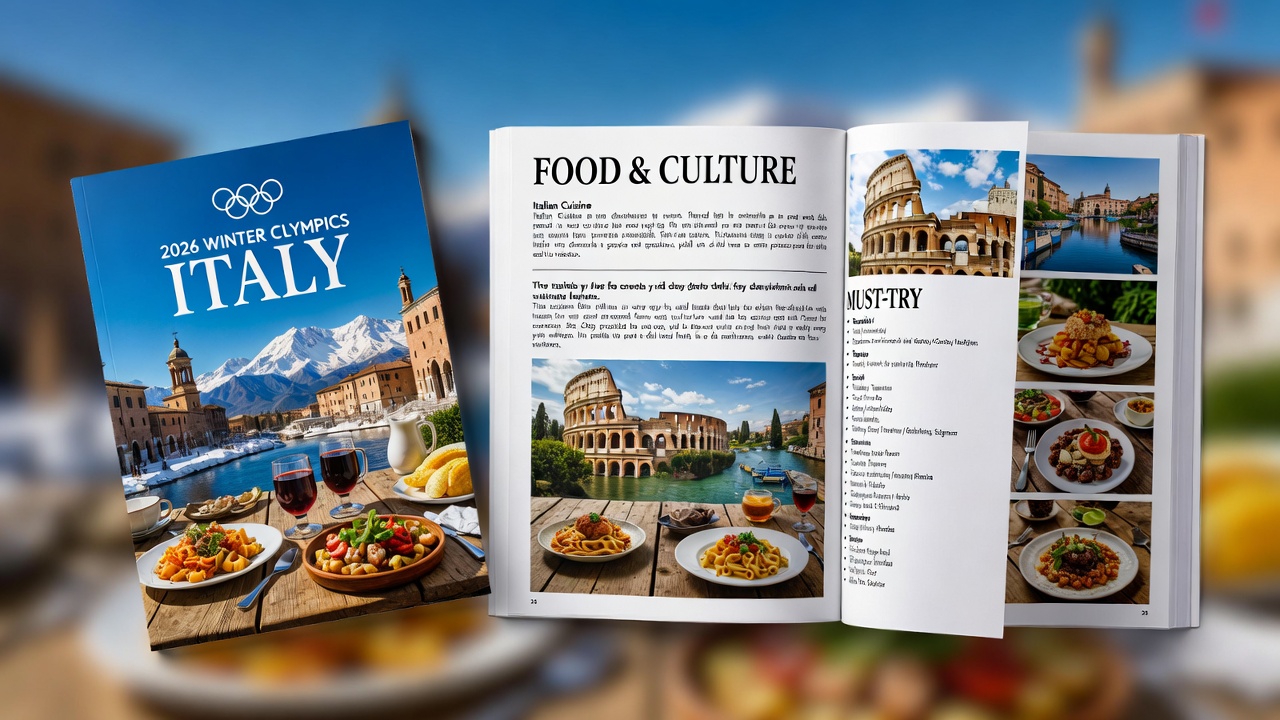
A comprehensive traveler’s guide to experiencing the authentic cuisine, festivals, and traditions of Northern Italy during the Milano Cortina 2026 Winter Olympic Games
The snow-dusted peaks of the Dolomites will soon witness one of the most spectacular sporting events on the planet. From February 6 to 22, 2026, the XXV Olympic Winter Games will transform Northern Italy into a celebration of athletic excellence and cultural immersion. But beyond the medals and podium finishes lies an equally compelling story—one written in saffron-kissed risotto, buckwheat pasta, and centuries-old traditions that have shaped the soul of this remarkable region.
This is not merely a sporting event. It is an invitation to experience la dolce vita at its most authentic, where the warmth of a mountain refuge contrasts beautifully against the crisp Alpine air, and where every meal becomes a journey through history, geography, and the passionate Italian spirit.
Whether you are traveling to witness the breathtaking alpine skiing in Cortina d’Ampezzo, the thrilling ice hockey matches in Milan, or the historic biathlon events in Anterselva, this comprehensive guide will ensure your culinary and cultural experience matches the grandeur of the Games themselves.
What to Know About the Milano Cortina 2026 Winter Olympics Before You Travel
The Milano Cortina 2026 Games represent a historic moment. This marks Italy’s first Winter Olympics since Turin 2006 and the fourth time the nation has hosted the Olympic Games overall. What makes these Games particularly unique is their unprecedented geographic scope—events will be distributed across eight different towns and alpine areas spanning the Lombardy, Veneto, and Trentino-Alto Adige regions.
The opening ceremony will illuminate the legendary San Siro Stadium in Milan on February 6th, while the closing ceremony will transport spectators back in time at the ancient Verona Arena, a Roman amphitheater built in AD 30 that once hosted gladiator battles. Between these bookends lies a tapestry of competition venues woven through some of Europe’s most stunning landscapes.
Key Olympic Venues and Their Regions:
| Venue | Location | Events | Regional Cuisine Highlight |
|---|---|---|---|
| Milano Ice Skating Arena | Milan, Lombardy | Figure Skating, Short Track | Risotto alla Milanese, Panettone |
| San Siro Stadium | Milan, Lombardy | Opening Ceremony | Cotoletta alla Milanese |
| Tofane Alpine Skiing Centre | Cortina d’Ampezzo, Veneto | Women’s Alpine Skiing | Casunziei, Canederli |
| Stelvio Ski Centre | Bormio, Lombardy | Men’s Alpine Skiing, Ski Mountaineering | Pizzoccheri, Sciatt |
| Livigno Snow Park | Livigno, Lombardy | Freestyle Skiing, Snowboard | Bresaola, Polenta Taragna |
| Anterselva Biathlon Arena | South Tyrol, Trentino-Alto Adige | Biathlon | Spätzle, Speck |
| Predazzo Ski Jumping Stadium | Val di Fiemme, Trentino-Alto Adige | Ski Jumping, Nordic Combined | Canederli, Strudel |
| Verona Arena | Verona, Veneto | Closing Ceremony | Bigoli, Amarone wine |
Understanding this geographic spread is essential for planning your culinary adventures. Each cluster offers distinctly different gastronomic traditions, reflecting the diverse cultural influences that have shaped Northern Italy over centuries.
Traditional Italian Winter Food You Must Try During the Olympics
Northern Italian cuisine differs dramatically from the sun-drenched Mediterranean flavors most visitors associate with Italy. Here, butter replaces olive oil, rice dominates over pasta in many dishes, and the cooking traditions reflect centuries of Alpine adaptation. The winter months bring dishes designed to warm the soul and fuel bodies against bitter mountain cold.
The Holy Trinity of Milanese Cuisine
Milan’s culinary identity rests upon three iconic dishes that have earned international recognition while maintaining their authentic roots.
Risotto alla Milanese stands as perhaps the most recognizable symbol of Lombard cooking. This striking golden rice dish owes its luminous color to saffron—once so precious that only the wealthiest Milanese families could afford it. According to legend, the dish was created during the construction of Milan’s Duomo cathedral in the 16th century, either by the master glazier Valerio Diependale or his apprentice, nicknamed “Zafferano” for his love of the expensive spice.
The authentic preparation demands specific attention. Genuine risotto alla Milanese uses Carnaroli or Arborio rice, toasted slowly with onion and butter before being bathed in warm beef broth infused with saffron threads. The rice must achieve the perfect all’onda consistency—flowing like waves when the plate is tilted. Traditionally, bone marrow enriched the dish further, though many modern restaurants omit this ingredient.
Cotoletta alla Milanese has fueled debates for centuries. Is it the original, or did Austrian wiener schnitzel come first? Historical records from Milan’s Sant’Ambrogio Basilica dating to 1148 mention a version of this beloved dish, suggesting the Milanese claim holds water. The authentic version uses a bone-in veal cutlet, pounded thin, coated in breadcrumbs, and fried in butter until golden. The result—crispy exterior yielding to tender, juicy meat—has satisfied Milanese appetites for nearly a millennium.
Ossobuco completes the triumvirate. Cross-cut veal shanks are braised slowly with vegetables, white wine, and broth until the meat falls from the bone. The name means “bone with a hole” in Milanese dialect, referring to the marrow-filled center that gourmands consider the ultimate prize. Traditionally served atop risotto alla Milanese, this combination represents the pinnacle of Lombard comfort food.
Best Regional Dishes in the Dolomites: Cortina d’Ampezzo Food Guide
Cortina d’Ampezzo—the “Queen of the Dolomites”—occupies a unique position where Italian and Tyrolean cultures converge. The local Ampezzo cuisine reflects this borderland heritage, blending Austrian heartiness with Italian elegance.
Casunziei: The Colorful Ravioli of the Dolomites
No visit to Cortina is complete without tasting casunziei, the iconic half-moon shaped ravioli that embody the region’s culinary soul. These delicate parcels come in two traditional versions: red casunziei filled with locally grown beetroot, and green casunziei stuffed with fresh spinach from mountain meadows.
The preparation follows strict tradition. Fresh pasta sheets are filled, folded into crescents, and served simply dressed with melted butter and poppy seeds (semi di papavero). The poppy seeds add a subtle nutty crunch that complements the sweet earthiness of beetroot or the fresh green notes of spinach perfectly.
Local restaurants pride themselves on handmade casunziei, often prepared by nonnas (grandmothers) whose techniques have passed through generations unchanged. During the Olympics, expect these dishes to appear on every menu—but seek out family-run establishments for the most authentic experience.
Canederli: Mountain Bread Dumplings with Soul
Called “chenedi” in the local Ampezzo dialect or “knödel” by German-speaking neighbors, these hefty bread dumplings represent the ultimate Alpine comfort food. Canederli transform stale bread into something magnificent through the addition of eggs, milk, speck (smoked ham), and flour.
The traditional preparation involves mixing day-old bread cubes with binding ingredients, forming balls, and simmering them in rich beef broth. Variations abound—some versions incorporate local cheese, others feature liver or mushrooms. During winter, canederli in brodo (served in broth) provides warming sustenance, while canederli served dry with melted butter suits those craving something more substantial.
Gulasch Ampezzano: Alpine Hearty Stew
The Hungarian influence on Northern Italian cuisine appears most deliciously in gulasch. The Ampezzo version features tender beef chunks slowly braised with onions, paprika, tomatoes, and a splash of local wine until the meat practically dissolves. Served steaming hot alongside creamy polenta, this dish exemplifies the practical mountain cooking that sustained generations through harsh winters.
Valtellina Food Specialties: What to Eat in Bormio and Livigno
The Valtellina valley, home to Olympic venues in Bormio and Livigno, boasts some of Northern Italy’s most distinctive regional cuisine. High-altitude farming traditions and long, snowy winters shaped a culinary heritage built around buckwheat, dairy, and preserved meats.
Pizzoccheri: Italy’s Most Famous Buckwheat Pasta
If Lombardy has a national dish, pizzoccheri claims that title. These short, flat buckwheat noodles originated in Teglio, a village in the heart of Valtellina, where an academy exists solely to preserve and protect the authentic recipe.
The dish combines pizzoccheri pasta with cubed potatoes and savoy cabbage (or Swiss chard in summer), all cooked together in the same pot. The assembled ingredients are then layered with generous amounts of Valtellina Casera cheese and Grana Padano, before being crowned with butter sizzled with garlic and sage. The result is earthy, satisfying, and utterly impossible to replicate anywhere else on Earth.
Authentic pizzoccheri demands specific proportions: 80% buckwheat flour to 20% wheat flour for the pasta. The vegetables must be local and seasonal. The cheese—particularly Valtellina Casera DOP—cannot be substituted. This attention to tradition has earned pizzoccheri protection under Italy’s Traditional Specialty Guaranteed (TSG) designation.
Sciatt: Crispy Cheese-Filled Buckwheat Fritters
The name means “toad” in local dialect, referring to these irregularly shaped fritters’ bumpy appearance. Sciatt have delighted Valtellina inhabitants since the 1600s when buckwheat cultivation became widespread in the valley.
The batter combines buckwheat flour, beer, and a splash of grappa. Cubes of Valtellina Casera cheese hide within each fritter, melting into gooey perfection when fried. Traditionally served on a bed of crisp seasonal greens dressed lightly with local vinegar, sciatt transition effortlessly from appetizer to satisfying meal.
Bresaola della Valtellina: Air-Dried Perfection
Bresaola has earned Protected Geographical Indication (PGI) status, ensuring only authentic Valtellina production can bear the name. This air-dried, salted beef undergoes careful curing in the valley’s unique microclimate—cool, dry Alpine air that creates conditions impossible to replicate elsewhere.
The best bresaola achieves a deep ruby color, tender texture, and delicate flavor enhanced by spices including juniper, cinnamon, and cloves. Served in paper-thin slices drizzled with extra virgin olive oil, lemon juice, and topped with shaved Grana Padano, bresaola represents Valtellina’s most famous culinary export.
Polenta Taragna: Mountain Polenta Reimagined
Standard polenta appears throughout Italy, but polenta taragna belongs exclusively to the Alpine valleys. The addition of buckwheat flour to the traditional cornmeal creates a grayer, earthier version. Fresh butter and Valtellina Casera cheese are stirred into the finished polenta, creating an impossibly rich, stretchy accompaniment to braised meats and game.
The name derives from tarai, the wooden stick used for constant stirring during the lengthy cooking process. Traditional preparation requires over an hour of patient stirring over copper cauldrons—a meditation in itself.
Alto Adige South Tyrol Food and Wine: Discovering German-Italian Fusion Cuisine
The Anterselva biathlon venue lies within South Tyrol (Alto Adige)—a region that remained Austrian until 1919 and retains a distinctly bicultural identity. German and Italian influences merge here in fascinating ways, creating a cuisine unlike anywhere else in Italy.
Speck Alto Adige: The Iconic Smoked Ham
Speck differs significantly from Italian prosciutto. This cured, cold-smoked ham undergoes a specific production process protected by PGI designation. The meat is first cured with salt, juniper, pepper, and other spices, then cold-smoked and aged for a minimum of 22 weeks.
The result combines the delicate sweetness of prosciutto with distinctive smoky notes. Speck appears in countless South Tyrolean dishes—wrapped around breadsticks, layered into dumplings, or simply enjoyed with fresh bread and local cheese. During your Olympic visit, seek out Speckfeste (speck festivals) in smaller villages where producers showcase their family recipes.
Spätzle: The Quintessential Tyrolean Pasta
These small, irregularly shaped egg noodles appear throughout Central Europe, but South Tyrolean versions carry distinctive regional character. Spinach spätzle showcase the vibrant green of mountain-grown greens, while cheese spätzle incorporate local varieties into the dough itself.
Traditional preparation involves pressing soft dough through a specialized spätzle maker directly into boiling water, creating distinctive dumpling-like shapes that capture sauce beautifully. Served with melted butter and fried onions, or alongside rich game stews, spätzle exemplify South Tyrolean comfort food.
Wine Culture in Alto Adige South Tyrol
South Tyrol produces some of Italy’s most exciting cool-climate wines. The region’s distinctive terroir—influenced by Alpine breezes and Mediterranean sun—creates ideal conditions for aromatic white varieties.
Recommended wines to pair with South Tyrolean cuisine:
| Wine | Grape Variety | Ideal Pairing |
|---|---|---|
| Alto Adige Pinot Grigio | Pinot Grigio | Speck, light appetizers |
| Gewürztraminer | Gewürztraminer | Canederli, aged cheeses |
| Lagrein | Lagrein | Game meats, polenta dishes |
| Schiava | Schiava | Bresaola, cold cuts |
| Müller-Thurgau | Müller-Thurgau | Seafood, vegetable dishes |
The Kellerei Bozen winery, among others, has earned international acclaim for wines that balance Alpine freshness with surprising complexity. Wine tourism here rivals the established regions of Tuscany and Piedmont, with cellar tours and tastings available throughout the Olympic period.
Venice Carnival 2026 and the Winter Olympics: Experience Two Italian Celebrations
Fortune favors travelers to Italy in February 2026. The Venice Carnival runs from January 31 to February 17, 2026—overlapping perfectly with the Olympic Games. This extraordinary coincidence allows visitors to experience two of Italy’s most spectacular events in a single trip.
History and Significance of Carnevale di Venezia
Venice’s Carnival tradition dates to the 11th century, reaching its zenith during the 18th-century Baroque period when celebrations could begin as early as October and continue until Lent. The festival served as a great equalizer—behind masks, nobles and commoners mingled freely, social restrictions temporarily suspended.
Today’s Carnival recaptures that spirit of elegant mystery. The 2026 edition carries the theme “Olympus, the Origins of Play”—a direct homage to the Olympic spirit sweeping through Italy. Expect elaborate costumes, theatrical performances, and the unforgettable sight of masked figures gliding silently through Venice’s misty streets.
Essential Venice Carnival Experiences
The Flight of the Angel (Il Volo dell’Angelo) remains the festival’s most anticipated moment. An acrobat in elaborate costume descends from the bell tower of St. Mark’s Basilica, soaring over the crowds gathered in the famous square below.
Grand Masquerade Balls transport attendees into another era. Several historic palazzos host ticketed events where guests in period costumes waltz beneath crystal chandeliers to live orchestral music. While expensive, these balls create memories that last lifetimes.
Traditional Carnival Sweets appear in every Venetian bakery during the festival:
- Frìtole – Fried dough balls studded with raisins and pine nuts, dusted with powdered sugar
- Galani (Crostoli) – Thin, crispy fried ribbons of sweet dough
- Castagnole – Small, round fritters sometimes filled with cream or chocolate
Mask-Making Workshops offer immersive experiences. Venice’s artisan mask-makers (mascherari) continue centuries-old traditions, creating the distinctive bauta, colombina, and medico della peste styles that define Carnival imagery worldwide. Workshops at ateliers like Ca’ Macana in Dorsoduro allow visitors to craft their own wearable souvenirs.
Getting from Olympic Venues to Venice
Venice lies approximately 2.5 hours from Milan by high-speed train and about 1.5 hours from Verona. Given the Olympics’ geographic spread, combining events with Carnival visits requires careful planning but rewards handsomely.
Consider basing yourself in Verona—the Olympic closing ceremony venue—which offers convenient access to both Venice and the Dolomite mountain venues.
Italian Aperitivo Culture: Evening Rituals to Embrace During the Games
Every evening around 6 PM, as the sun paints Alpine peaks in shades of rose and gold, something magical happens across Northern Italy. The ritual of aperitivo begins—a cherished tradition that transcends mere drinking.
Understanding Aperitivo
Aperitivo is not Italian happy hour, despite superficial similarities. The word derives from Latin aperire (to open), referring to the drink’s purpose: opening the appetite before dinner. The accompanying stuzzichini (small bites) are meant to whet hunger, not replace a meal.
In Milan and throughout Lombardy, aperitivo has evolved into a beloved social institution. The city pioneered the concept of “apericena” (aperitivo + dinner)—generous buffets of salads, pasta, cold cuts, and more, included with drink purchases. While purists debate whether this innovation honors or corrupts tradition, visitors benefit either way from remarkably economical evening sustenance.
The Spritz: Official Drink of the Veneto
No drink captures the spirit of Northern Italian evenings quite like the Spritz. This refreshing cocktail originated in the Veneto region during Austrian occupation, when Habsburg soldiers found local wines too strong and requested they be “spritzed” with water.
Modern Spritz combines Prosecco, Aperol (or Campari or Select), and a splash of soda water, served over ice in a large wine glass and garnished with an olive or orange slice. The bitter-sweet, effervescent result perfectly prepares the palate for the meal ahead.
Popular Aperitivo accompaniments:
| Stuzzichini | Description | Region |
|---|---|---|
| Cicchetti | Small Venetian tapas-style bites | Veneto |
| Arancini | Fried rice balls | Lombardy/Sicily |
| Focaccia | Flatbread with various toppings | Throughout |
| Affettati misti | Mixed cured meats | Throughout |
| Grana Padano | Aged hard cheese | Lombardy |
| Gorgonzola | Blue cheese | Lombardy |
| Olive all’Ascolana | Stuffed, fried olives | Throughout |
Best Aperitivo Spots in Milan
Navigli district offers the most authentic Milanese aperitivo experience. This canal-lined neighborhood transforms nightly into a celebration of food, drink, and convivial company. Bars and restaurants line the waterways, their outdoor seating filling rapidly as office workers, students, and visitors gather.
Brera district appeals to those seeking more refined surroundings. Art galleries, antique shops, and elegant cafés characterize this neighborhood near the famous Pinacoteca di Brera museum.
Italian Coffee Culture: From Espresso to Cappuccino Etiquette
Coffee in Italy is not merely a beverage—it is a sacrament, a social ritual, and a point of fierce regional pride. Understanding Italian coffee culture enriches any visit immeasurably.
Essential Coffee Ordering Knowledge
Italian coffee customs differ significantly from what visitors may know:
Un caffè always means espresso. If you want something larger, specify.
Cappuccino is exclusively a breakfast drink. Ordering one after 11 AM (or especially after a meal) immediately marks you as a tourist. Italians consider milk-based coffee drinks incompatible with digestion after eating.
Caffè macchiato (espresso “stained” with a drop of steamed milk) provides an acceptable alternative when you crave something slightly milder.
Caffè corretto (“corrected” coffee) includes a shot of grappa, sambuca, or other spirit—particularly popular in mountain regions after skiing.
Coffee Bar Etiquette
Standing at the bar costs less than sitting at a table. In many traditional establishments, the price difference can be significant. The ritual involves ordering and paying at the cassa (cashier), presenting your receipt to the barista, drinking quickly, and leaving. This efficiency allows Italians to enjoy multiple coffee breaks daily without disrupting productivity.
During the Olympics, expect crowds at popular bars near venues. Embrace the standing tradition—it’s faster, cheaper, and more authentically Italian.
Winter Food Markets in Northern Italy: Where to Find Local Products
Italian markets offer windows into daily life inaccessible through restaurants alone. During the Olympic period, several exceptional markets warrant exploration.
Milan’s Historic Markets
Mercato Centrale Milano at the central train station combines historic architecture with modern gastronomy. Quality vendors sell fresh produce, cured meats, cheeses, fresh pasta, and prepared foods suitable for hotel-room picnics or gifts to bring home.
Mercato del Suffragio operates as a traditional neighborhood market, less polished than tourist-oriented alternatives but offering authentic interactions with local vendors. Practice your Italian here—a few words go far toward warmer welcomes.
Alpine Market Traditions
Mountain villages throughout the Dolomites host weekly markets that become social events. The Cooperativa di Cortina functions as Cortina d’Ampezzo’s most important food shop—locals gather here daily to exchange greetings and gossip while shopping for provisions.
Look for local specialties unavailable elsewhere:
- Fresh mountain cheeses – Directly from local dairy farms
- Wild mushrooms – Porcini and other varieties gathered from surrounding forests (in season)
- Honey – Alpine wildflower varieties with distinctive terroir
- Preserves – Fruit conserves made from local berries
- Grappa – Locally distilled grape spirits with countless variations
Best Restaurants in Cortina d’Ampezzo for the 2026 Olympics
Cortina offers dining options ranging from Michelin-starred temples of gastronomy to cozy mountain refuges accessible only on foot or by ski.
Fine Dining Excellence
Ristorante Tivoli, helmed by chef Graziano Prest, consistently earns Michelin recognition for cuisine that elevates local traditions through modern technique. The tasting menus showcase ingredients sourced from surrounding mountains and valleys—Alpine char, local vegetables, foraged herbs—presented with artistic precision. Reservations are essential, particularly during the Olympics.
San Brite represents a remarkable family story. The Gaspari family operates El Brite de Larieto farm, a cheese factory, and this award-winning restaurant. The Michelin Star and Green Star recognize both culinary excellence and sustainable practices. Expect dishes featuring house-made cheeses, local meats, and vegetables grown meters from the kitchen.
Mountain Refuge Dining
True mountain refuge (rifugio) dining offers experiences impossible to replicate elsewhere. These stone buildings, perched at high altitude along hiking and skiing trails, serve hearty traditional fare alongside spectacular panoramas.
Rifugio Scoiattoli sits dramatically at the base of the Cinque Torri rock formations. After a morning of skiing, nothing surpasses sitting on the sunny terrace, enjoying polenta with deer ragù while gazing at some of Earth’s most stunning mountain scenery.
Malga Ra Stua requires a scenic walk or cross-country ski through forests to reach, but the journey enhances the reward. Fresh mountain cheeses, house-made canederli, and wood-fired polenta taste better when earned through effort.
Traditional Italian Desserts and Sweet Treats for Winter
Italian winter desserts offer perfect fuel for cold-weather adventures and sweet conclusions to memorable meals.
Panettone: Milan’s Gift to the World
This tall, domed Christmas bread has become synonymous with Italian holiday celebrations worldwide. Panettone origins remain disputed—several legends claim credit—but its importance to Milanese identity is beyond question.
Authentic panettone requires patience measured in days. Multiple slow fermentations create the distinctive web of air pockets within the rich, buttery dough. Candied citrus and raisins stud the golden interior. When properly made, panettone’s texture combines lightness with satisfying chew.
Though traditionally a Christmas treat, panettone remains available throughout winter. Quality varies enormously—seek artisanal bakeries (pasticcerie artigianali) rather than industrial supermarket versions.
Apple Strudel: Austrian Heritage
Throughout the Dolomites and South Tyrol, apple strudel (Apfelstrudel) appears on virtually every dessert menu. The Austrian influence is unmistakable—paper-thin pastry wrapped around spiced apples, raisins, and nuts, baked until golden and served warm with vanilla sauce or whipped cream.
Each village, each grandmother, claims the superior recipe. The constant: locally grown apples from orchards that carpet the valley floors, their sweetness concentrated by cool mountain nights.
Torta Sacher: A Taste of Empire
The famous Sachertorte—dense chocolate cake with apricot jam filling beneath glossy chocolate glaze—appears throughout South Tyrol as a reminder of Habsburg connections. While Vienna claims the original, South Tyrolean versions often incorporate local touches like locally distilled fruit brandies.
Fritelle and Nighele: Carnival Treats
During Carnival season, fried sweets dominate bakery windows. Nighele, traditional Ampezzo treats, appear during Carnival week when vendors fry them fresh outside the Cooperativa di Cortina. These crispy, irregularly shaped fritters represent living tradition—recipes unchanged for generations.
Italian Wine Regions Near the Winter Olympics: Valtellina, Alto Adige, and Veneto
Wine accompanies every significant Italian meal. The Olympic regions produce remarkable varieties too often overshadowed by Tuscan and Piedmontese celebrities.
Valtellina Wines: Nebbiolo at Altitude
The terraced vineyards of Valtellina, clinging to steep south-facing slopes, produce stunning wines from Nebbiolo grapes locally called Chiavennasca. The altitude and aspect create unique conditions impossible to replicate elsewhere.
Sforzato di Valtellina ranks among Italy’s most distinctive wines. Grapes partially dry before fermentation (appassimento process), concentrating sugars and flavors. The resulting wines combine Nebbiolo’s characteristic rose and tar aromatics with richer, fuller body.
Valtellina Superiore DOCG encompasses several sub-zones—Grumello, Inferno, Sassella, Valgella—each with distinct personality. These wines pair magnificently with the region’s hearty cuisine, particularly pizzoccheri and braised meats.
Franciacorta: Lombardy’s Champagne
Less than two hours from Milan, the Franciacorta region produces Italy’s finest traditional-method sparkling wines. Made exclusively from Chardonnay, Pinot Noir, and Pinot Blanc using the same techniques as Champagne, these spumante have earned DOCG status and international acclaim.
Excellent Franciacorta offers toast, brioche, and fresh fruit notes with fine persistent bubbles—ideal for celebrating Olympic victories or simply the joy of being in Italy.
Veneto Treasures: From Prosecco to Amarone
The Veneto region surrounding Verona produces an extraordinary range of wines.
Prosecco, from the Glera grape grown in hills north of Venice, provides Italy’s most popular sparkling wine. Fresh, fruity, and unpretentious, Prosecco perfectly accompanies aperitivo and lighter fare.
Valpolicella and its powerful sibling Amarone della Valpolicella showcase the Corvina grape’s versatility. Simple Valpolicella offers cherry-bright refreshment; Amarone, made from partially dried grapes, delivers concentrated complexity rivaling the world’s greatest red wines.
2026 Winter Olympics Transportation Guide: Getting Around Northern Italy
Navigating the most geographically extensive Winter Olympics ever requires planning. The good news: Italy’s transportation infrastructure ranks among Europe’s best.
High-Speed Trains Between Olympic Clusters
Trenitalia’s Frecciarossa high-speed trains connect Milan with other major cities at speeds exceeding 300 km/h. Journey times:
| Route | Duration | Notes |
|---|---|---|
| Milan – Verona | ~1 hour | Access to closing ceremony |
| Milan – Venice | ~2.5 hours | Carnival connection |
| Milan – Bolzano | ~3 hours | Gateway to Anterselva |
Trenord regional trains serve Lombardy, including connections to Tirano in Valtellina. From there, buses continue to Bormio and Livigno. The official Transport Milano Cortina 2026 app integrates all options into a single journey planner.
Mountain Access
Mountain venues require different approaches. Cortina d’Ampezzo lacks direct rail service; buses from Calalzo di Cadore (the nearest train station) or Venice/Mestre provide access. During the Olympics, enhanced shuttle services will operate between venues.
For Livigno and Bormio, regional trains to Tirano connect with dedicated Olympic buses. Anterselva in South Tyrol benefits from the excellent Südtirol Mobil network, with many accommodations providing complimentary guest cards covering public transport.
Driving Considerations
While scenic, driving in the Alps during winter demands respect. Snow chains are mandatory for mountain access; Italian authorities enforce regulations strictly. Traffic restrictions near venues, limited parking, and icy conditions make public transport preferable for most visitors.
If driving, consider basing yourself strategically and using transport to venues:
Recommended base cities for Olympic access:
- Bergamo – International airport, convenient to Milan and mountain venues
- Bolzano – Cultural hub, excellent South Tyrol connections
- Verona – Historic city, train hub, closing ceremony venue
- Trento – Access to Val di Fiemme venues
Where to Stay During the 2026 Winter Olympics in Italy
Accommodation scarcity represents the greatest challenge facing Olympic visitors. With roughly two million spectators expected, booking early isn’t merely advisable—it’s essential.
Milan Accommodation Strategies
Central Milan hotels have long been reserved. Consider alternatives:
Bergamo, 50 km northeast of Milan, offers a stunning historic upper town (Città Alta) and direct rail connections. Its international airport provides an alternative to congested Milan airports.
Como, on the famous lake, combines natural beauty with reasonable Milan access (~45 minutes by train). Off-season lake hotels offer better availability than urban properties.
Monza, home to the Formula One circuit, lies just 15 km from Milan with excellent suburban rail connections.
Mountain Accommodation
Alpine accommodation books fastest. Cortina’s limited hotel inventory—charming but finite—disappeared early for prime Olympic dates. Consider:
San Vito di Cadore, seven miles from Cortina, offers a quieter alternative with good transportation links. The Mesmerizing Lake Mosigo and Ethnographic Museum provide non-sporting diversions.
Alta Badia and Val Gardena, connected to vast Dolomiti Superski networks, provide skiing and gastronomy while offering some available rooms.
Moena in Val di Fassa combines access to Olympic cross-country venues with authentic village atmosphere and the Val di Fassa Guest Card providing discounts and free public transport.
Accommodation Types
| Type | Characteristics | Best For |
|---|---|---|
| Hotels | Full service, convenient | Families, less experienced travelers |
| Agriturismo | Farm stays, authentic atmosphere | Cultural immersion, food lovers |
| Rifugi | Mountain refuges, basic amenities | Adventurers, authentic seekers |
| Apartment rentals | Kitchen access, space | Groups, extended stays |
| B&Bs/Pensioni | Personal service, local hosts | Budget travelers seeking authenticity |
Agriturismi (farm stays) deserve special mention. These working farms offer accommodation alongside food produced on-site. Expect fresh eggs at breakfast, house-made cheeses, and vegetables from gardens visible from dining room windows. Availability may exist where hotels are sold out.
Italian Cultural Etiquette Tips for Olympic Visitors
Understanding local customs enhances any travel experience and earns appreciation from hosts.
Dining Etiquette
Meal timing differs from Anglo-American patterns:
- Breakfast (colazione): Light, typically espresso and cornetto (croissant)
- Lunch (pranzo): Traditionally the main meal, 12:30-2:30 PM
- Dinner (cena): Evening meal, rarely before 7:30 PM, often later
Service expectations vary. Italian restaurants prioritize leisurely dining; rushing guests out for turnover contradicts hospitality values. Your waiter will not bring the bill until requested (Il conto, per favore).
Tipping customs differ from American norms. Service charges (servizio) often appear on bills. Additional tips of 5-10% acknowledge exceptional service but aren’t expected. Leaving €1-2 for counter coffee service shows appreciation.
General Courtesies
Greetings matter. Entering any shop, restaurant, or public space warrants a greeting (Buongiorno before early afternoon, Buonasera after). Leaving without acknowledgment (Arrivederci or Grazie) seems rude.
Dress code awareness applies at religious sites. Shoulders and knees should be covered when entering churches—relevant for visitors exploring Milan’s Duomo or Verona’s numerous historic churches.
Volume consciousness helps. Italians, despite stereotypes, often speak more quietly in restaurants than American visitors. Matching ambient volume levels shows cultural sensitivity.
What to Pack for the 2026 Winter Olympics in Italy
Northern Italian winters demand preparation. February temperatures in Milan hover around 2-8°C (35-46°F), while mountain venues can plunge well below freezing with significant wind chill.
Essential Clothing
Layering system:
- Base layer: Moisture-wicking thermal underwear
- Mid layer: Fleece or down insulation
- Outer layer: Waterproof, windproof jacket and pants
Footwear requires particular attention. Waterproof, insulated boots with good traction prove essential for mountain venues. Pack comfortable walking shoes for urban exploration.
Accessories:
- Warm hat covering ears
- Insulated gloves (consider touchscreen-compatible)
- Scarf or neck gaiter
- Sunglasses (mountain sun is intense)
- Sunscreen (altitude increases UV exposure)
Practical Items
Electrical adapters: Italy uses Type F/L plugs with 230V current.
Compact daypack: Carry layers, water, snacks, and camera to venues.
Reusable water bottle: Italian tap water is safe and high-quality; reduce plastic waste while staying hydrated.
Translation app: While English is widely spoken in tourist areas, smaller villages and markets reward those who attempt Italian.
Budget Planning for the 2026 Winter Olympics Trip to Italy
Costs vary dramatically depending on travel style, accommodation choices, and event ticket selections.
Daily Budget Estimates
| Traveler Type | Daily Budget (EUR) | Includes |
|---|---|---|
| Budget | €80-120 | Hostel/budget hotel, self-catering, public transport |
| Mid-range | €200-350 | Hotel, restaurant meals, mix of transport |
| Luxury | €500+ | Premium hotels, fine dining, private transfers |
Note: These estimates exclude event tickets, which vary from €30 for preliminary rounds to hundreds for finals and ceremonies.
Money-Saving Strategies
Eat like locals: Stand at coffee bars instead of sitting. Choose menù del giorno (daily menus) at lunch when restaurants offer reduced prices. Assemble picnic lunches from markets and delicatessens.
Transport passes: Regional passes like South Tyrol’s Guest Card or Val di Fassa Guest Card include public transport. Olympic-period passes will likely offer similar value.
Off-venue accommodation: Staying slightly outside prime zones dramatically reduces costs while public transport minimizes inconvenience.
Conclusion: Creating Unforgettable Memories at the Milano Cortina 2026 Winter Olympics
The 2026 Winter Olympics offer something rare: a chance to witness world-class athletic competition while immersing yourself in one of Earth’s most celebrated cultures. From the fashion-forward streets of Milan to the pristine Alpine valleys where centuries-old traditions persist, every moment promises discovery.
The food alone justifies the journey. Where else can you breakfast on fresh cappuccino and cornetto in a historic Milanese café, lunch on house-made pizzoccheri in a centuries-old Valtellina trattoria, enjoy aperitivo overlooking the Dolomites as sunset paints the peaks pink, and dine on canederli prepared by a grandmother whose recipe has passed through generations?
Add the athletic drama of Olympic competition, the magical coincidence of Venice’s Carnival, and the warm hospitality that defines Italian character, and you have the ingredients for memories that last lifetimes.
Plan early. Book accommodation immediately—options diminish daily. Purchase event tickets through official channels as they become available. Download the Transport Milano Cortina 2026 app to navigate between venues confidently.
Embrace spontaneity. Leave room in your itinerary for unexpected discoveries—the unmarked trattoria where the chef insists you try grandmother’s recipe, the conversation with a stranger at aperitivo who shares secret local knowledge, the mountain view that stops you mid-stride in wonder.
Respect tradition. The dishes, customs, and celebrations you’ll encounter represent living heritage—communities that have preserved traditions through centuries of change. Approach each experience with curiosity and appreciation rather than expectation.
The Olympic flame will burn for just sixteen days. The memories of your Italian winter adventure can illuminate a lifetime.
Buon viaggio e buon appetito!
Frequently Asked Questions About the 2026 Winter Olympics in Italy
When exactly are the 2026 Winter Olympics? The Olympic Winter Games Milano Cortina 2026 run from February 6 to 22, 2026. The Paralympic Winter Games follow from March 6 to 15, 2026.
Where can I buy official tickets? Tickets are available through the official Milano Cortina 2026 ticketing portal. Hospitality packages with accommodations and premium access are also available through official channels.
What is the best airport for the 2026 Winter Olympics? Milan Malpensa (MXP) is the primary international gateway. Milan Linate (LIN) serves European flights. Venice Marco Polo (VCE) provides good access to Cortina and eastern venues. Bergamo Orio al Serio (BGY) handles budget carriers.
Do I need a visa to visit Italy for the Olympics? U.S., Canadian, UK, and EU citizens generally do not require visas for stays under 90 days. Verify current requirements with your national passport authority. Passports must be valid for at least three months beyond your departure date.
Is it safe to travel to Italy for the Olympics? Italy is generally very safe. Standard travel precautions apply: secure valuables, remain aware of surroundings, follow official guidance at venues. Travel insurance covering medical emergencies and trip interruption is strongly recommended.
What is the weather like in Italy in February? Milan averages highs of 8°C (46°F) and lows near freezing. Mountain venues experience sub-zero temperatures, significant snow, and variable conditions. Pack for cold weather and layer appropriately.
Can I attend both the Venice Carnival and the Olympics? Yes! The 2026 Venice Carnival runs January 31 to February 17, overlapping with the Olympic Games (February 6-22). Venice is approximately 2.5 hours from Milan by train.
This guide was compiled by experienced travel writers with deep knowledge of Italian culture, cuisine, and Olympic history. Information is accurate as of publication but travelers should verify details closer to their trip dates.