Celebrate February 2nd with engaging wetland adventures that educate and inspire young conservationists
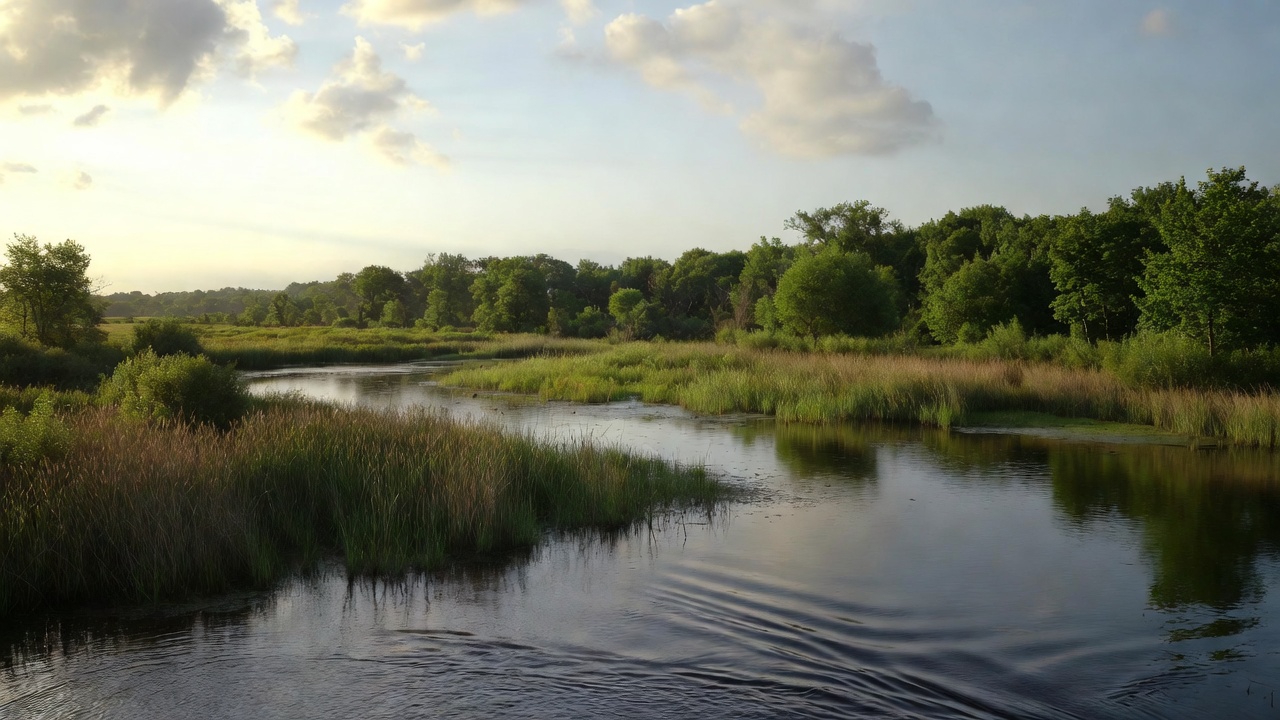
World Wetlands Day falls on February 2nd every year. It marks the adoption of the Ramsar Convention in 1971. This global celebration highlights the importance of wetlands for our planet. Families worldwide participate in World Wetlands Day events. They discover marshes, swamps, bogs, and coastal ecosystems together.
Are you searching for World Wetlands Day activities for kids? You’ve come to the right place. This comprehensive guide offers 30 memorable experiences. Each activity combines fun with environmental education. Your family will gain a deeper appreciation for these vital ecosystems.
Why Wetlands Matter: Teaching Kids About Ecosystem Importance
Wetlands cover approximately 6% of Earth’s land surface. Yet they provide extraordinary benefits to humans and wildlife. Teaching children about wetland conservation for families creates lifelong environmental stewards.
Key wetland benefits to discuss with children:
| Benefit | Explanation for Kids |
|---|---|
| Water Filtration | Wetlands act like giant sponges that clean dirty water |
| Flood Control | They absorb extra rainwater like a bathtub overflow |
| Wildlife Homes | Over 40% of all species live or breed in wetlands |
| Carbon Storage | They trap carbon dioxide from the atmosphere |
| Food Sources | Fish, rice, and cranberries come from wetlands |
Understanding these benefits helps children connect their activities to real-world conservation. Now let’s explore the activities!
Outdoor Wetland Exploration Activities
1. Visit a Local Wetland Reserve
The best World Wetlands Day family activities start with direct experience. Visit your nearest wetland reserve or national wildlife refuge. Many parks offer special February 2nd programming.
What to bring:
- Waterproof boots or waders
- Binoculars for birdwatching
- Field guides for local species
- Camera for documentation
- Notebook for observations
2. Participate in a Guided Wetland Walk
Many nature centers host educational wetland tours for children on World Wetlands Day. Rangers explain local flora and fauna. They share fascinating wetland facts kids remember for years. Check with your local Audubon Society or wildlife refuge for scheduled walks.
3. Go Birdwatching at Dawn
Wetlands attract incredible bird diversity. Early morning offers the best wetland birdwatching experiences for families. Bring binoculars and a bird identification app. Count how many species you spot together.
Common wetland birds to identify:
| Bird Type | Characteristics | Where to Look |
|---|---|---|
| Great Blue Heron | Tall, gray, S-curved neck | Standing in shallow water |
| Red-winged Blackbird | Black with red shoulder patches | Perched on cattails |
| Mallard Duck | Green head (male), brown (female) | Swimming in open water |
| Sandpiper | Small, long-billed, quick movements | Along muddy shores |
| Kingfisher | Blue-gray with large head | Diving from branches |
4. Conduct a Wetland Scavenger Hunt
Create a printable wetland scavenger hunt for kids before your visit. Include items like cattails, dragonflies, lily pads, and animal tracks. This keeps children engaged throughout your excursion. Award prizes for completed lists.
5. Photograph Wetland Wildlife
Photography teaches observation skills. Challenge kids to capture wetland wildlife photos for beginners. Discuss composition and patience. Create a family photo album documenting your World Wetlands Day traditions.
6. Collect and Press Wetland Plants
Gather fallen leaves and non-protected plant specimens. Press them between heavy books at home. Create labeled displays showing wetland plant identification for children. This hands-on activity extends learning beyond the field trip.
7. Listen to Wetland Soundscapes
Sit quietly for ten minutes near the water’s edge. Record the sounds on your phone. You’ll hear frogs, birds, insects, and water movement. This mindful activity helps kids appreciate wetland biodiversity through sensory experiences.
Creative Arts and Crafts Activities
8. Build a Wetland Diorama
Dioramas bring ecosystems to life. Use a shoebox as your base. Add blue paper for water. Create clay animals and paper plants. This wetland diorama project for students reinforces habitat concepts through creativity.
Materials needed:
- Shoebox or plastic container
- Blue cellophane or painted cardboard
- Modeling clay or playdough
- Construction paper
- Small plastic animals
- Real sticks and pebbles
- Hot glue (adult supervision required)
9. Create Frog Lifecycle Crafts
Frogs symbolize wetland health. Craft projects showing frog lifecycle activities for preschoolers teach biology concepts. Use paper plates to show eggs, tadpoles, froglets, and adult frogs.
10. Paint Wetland Watercolors
Watercolors perfectly capture wetland beauty. Set up an outdoor wetland painting session for families. Focus on reflections, mist, and wildlife. Display finished artwork at home to celebrate the day.
11. Make Cattail Paper Crafts
Cattails represent wetland ecosystems. Create easy cattail crafts for kids using brown paper bags and green paper. Stuff the tops with cotton balls. Arrange in a vase for natural decorations.
12. Design Wetland Conservation Posters
Older children enjoy creating environmental awareness posters about wetlands. Research threats like pollution and development. Include facts, drawings, and calls to action. Display posters at school or local libraries.
13. Construct Bird Feeders for Wetland Species
Build feeders that attract wetland-adjacent birds. Use recycled materials like milk cartons or pinecones. This DIY bird feeder project for World Wetlands Day connects crafting with wildlife support.
Scientific Exploration Activities
14. Test Water Quality at Home
Conduct simple water quality experiments for kids using pH strips and observation. Compare tap water, pond water, and bottled water. Discuss why clean water matters for wetland creatures.
| Test | What It Measures | Healthy Range |
|---|---|---|
| pH Level | Acidity/alkalinity | 6.5-8.5 |
| Clarity | Suspended particles | Can see 4+ feet deep |
| Temperature | Water warmth | Varies by season |
| Dissolved Oxygen | Oxygen for fish | 6+ mg/L |
15. Study Wetland Soil Layers
Dig a small soil sample (where permitted). Examine the layers. Wetland soil science activities for children reveal anaerobic conditions. Notice the dark color and sulfur smell of oxygen-poor soil.
16. Observe Aquatic Invertebrates
Use small nets to collect water samples. Place specimens in clear containers. Identify wetland invertebrates for kids to study like dragonfly nymphs, water beetles, and snails. Always return creatures to their habitat.
17. Track Weather Conditions
Wetlands respond to weather patterns. Start a weather tracking journal for young scientists. Record temperature, precipitation, and wind direction. Compare how weather affects your local wetland over time.
18. Create a Mini Wetland Ecosystem
Build a tabletop wetland in a clear container. Add gravel, soil, water, and aquatic plants. This DIY wetland ecosystem project for students demonstrates how wetlands function. Observe changes over several weeks.
Educational Games and Activities
19. Play Wetland Food Chain Games
Understanding food chains builds ecological literacy. Create cards representing wetland food web activities for elementary students. Play matching games connecting predators and prey. Discuss what happens when species disappear.
Sample wetland food chain:
Sun → Algae → Mosquito Larvae → Dragonfly Nymph → Fish → Heron
20. Host a Wetland Trivia Night
Compile fun wetland facts quiz questions for families. Award points for correct answers. Include questions about Ramsar sites, endangered species, and wetland types. This activity works great for older children and teens.
Sample trivia questions:
| Question | Answer |
|---|---|
| What percentage of US original wetlands remain? | About 47% |
| Which continent has the most Ramsar wetlands? | Europe |
| What gas do wetlands absorb? | Carbon dioxide |
| Name a wetland that’s also a US National Park | Everglades |
21. Read Wetland-Themed Books Together
Literature brings wetlands to life. Choose best children’s books about wetlands and marshes appropriate for your child’s age. Discuss characters, settings, and conservation themes after reading.
Recommended titles:
- “About Habitats: Wetlands” by Cathryn Sill (ages 4-8)
- “A Day and Night in the Wetland” by Caroline Arnold (ages 6-10)
- “Marsh Music” by Marianne Berkes (ages 4-7)
- “The Swamp Where Gator Hides” by Marianne Berkes (ages 4-8)
22. Watch Wetland Documentaries
Visual media captures wetland wonders. Stream educational wetland videos for kids from PBS Nature, National Geographic Kids, or BBC Earth. Discuss what you learned afterward.
23. Play Wetland Charades
Act out wetland animals and plants. This fun wetland games for birthday parties also works for World Wetlands Day celebrations. Include creatures like herons, turtles, frogs, and alligators.
Community Engagement Activities
24. Join a Wetland Cleanup Event
Many organizations host World Wetlands Day volunteer opportunities. Pick up trash along waterways. Remove invasive plants under supervision. This teaches children about environmental stewardship through action.
25. Adopt a Local Wetland
Some conservation organizations offer wetland adoption programs. Families make symbolic wetland adoption donations and receive updates. Visit “your” wetland throughout the year. Track changes across seasons.
26. Write Letters to Local Officials
Civic engagement starts young. Help children write letters supporting wetland protection to mayors or representatives. Explain why wetlands matter to your family. Include drawings from younger children.
27. Start a School Wetland Club
Encourage ongoing engagement beyond February 2nd. Help children establish environmental clubs focused on wetland conservation. Plan monthly activities, field trips, and awareness campaigns.
28. Create Social Media Awareness Posts
Older children can design World Wetlands Day social media campaigns. Share photos, facts, and artwork. Use hashtags like #WorldWetlandsDay and #WetlandsMatter. Monitor engagement together.
At-Home Learning Activities
29. Build a Rain Garden
Rain gardens capture runoff like mini wetlands. Design a backyard rain garden project for families. Plant native species that tolerate wet conditions. Watch wildlife discover your new habitat.
Steps to create a simple rain garden:
- Choose a low spot 10+ feet from your house
- Dig a shallow depression 6-8 inches deep
- Amend soil with compost for drainage
- Plant native wetland species
- Mulch around plants
- Direct downspout or runoff toward garden
30. Cook a Wetland-Inspired Meal
End your celebration with food! Prepare dishes using wetland-sourced ingredients for family cooking. Wild rice, cranberries, and fish all come from wetland ecosystems. Discuss where each ingredient originated.
Wetland-inspired recipe ideas:
| Course | Dish | Key Ingredient |
|---|---|---|
| Appetizer | Crab cakes | Blue crab from coastal marshes |
| Main Course | Wild rice pilaf | Wild rice from northern wetlands |
| Side Dish | Cranberry sauce | Cranberries from bog ecosystems |
| Dessert | Rice pudding | Rice from wetland paddies |
Planning Your World Wetlands Day Celebration
Creating a Schedule That Works
Combine several activities for a full day of learning. Here’s a sample World Wetlands Day activity schedule for families:
| Time | Activity | Location |
|---|---|---|
| 8:00 AM | Sunrise birdwatching | Local wetland |
| 10:00 AM | Guided nature walk | Nature center |
| 12:00 PM | Picnic lunch | Park pavilion |
| 1:00 PM | Water quality testing | Pond or stream |
| 3:00 PM | Arts and crafts | Home |
| 5:00 PM | Documentary viewing | Living room |
| 6:30 PM | Wetland-themed dinner | Kitchen |
Adapting Activities for Different Ages
Not every activity suits every age group. Consider these age-appropriate wetland activities modifications:
Toddlers (ages 2-4):
- Simple scavenger hunts with pictures
- Splashing in puddles with boots
- Basic animal sounds games
- Playdough wetland creatures
Early Elementary (ages 5-7):
- Guided nature walks
- Simple crafts like cattail projects
- Picture book reading sessions
- Basic birdwatching with help
Upper Elementary (ages 8-11):
- Water quality experiments
- Detailed diorama building
- Food chain games
- Photography challenges
Middle School (ages 12-14):
- Citizen science projects
- Social media campaigns
- Letter writing to officials
- Advanced identification activities
Wetland Types to Explore Near You
Different wetland types offer unique experiences. Search for types of wetlands to visit with family in your region:
| Wetland Type | Characteristics | Best Activities |
|---|---|---|
| Marshes | Grassy, shallow water | Birdwatching, wading |
| Swamps | Forested, standing water | Wildlife photography |
| Bogs | Acidic, spongy ground | Plant identification |
| Fens | Groundwater-fed, mineral-rich | Wildflower viewing |
| Estuaries | Where rivers meet ocean | Marine life observation |
| Vernal Pools | Seasonal, temporary | Amphibian studies |
Resources for Continued Learning
Organizations Supporting Wetland Education
Connect with groups offering wetland education resources for homeschool families and classroom teachers:
- Ramsar Convention: Official World Wetlands Day resources and toolkits
- Ducks Unlimited: Wetland conservation and education programs
- National Audubon Society: Bird-focused wetland activities
- EPA Wetlands: Government resources and mapping tools
- World Wildlife Fund: Global wetland conservation information
Online Learning Platforms
Extend learning with free wetland curriculum for teachers and parents:
- Project WET (Water Education for Teachers)
- National Wildlife Federation Eco-Schools
- Nature Explore outdoor learning resources
- iNaturalist species identification app
Making World Wetlands Day a Family Tradition
Annual traditions create lasting memories. Consider establishing yearly World Wetlands Day family rituals:
- Visit the same wetland annually — Document changes through photos
- Create a scrapbook — Add new pages each February 2nd
- Invite friends — Expand your celebration community
- Set conservation goals — Track family environmental impact
- Donate together — Support wetland organizations annually
These traditions teach children that conservation requires ongoing commitment. They see how their efforts connect to global movements protecting these precious ecosystems.
Conclusion: Inspiring the Next Generation of Wetland Protectors
World Wetlands Day offers incredible opportunities for family bonding and environmental education. These 30 activities range from outdoor adventures to creative projects. Each one deepens appreciation for marshes, swamps, bogs, and coastal ecosystems.
Start planning your celebration today. Choose activities matching your family’s interests and your children’s ages. Remember that the goal isn’t perfection—it’s connection. Every splash in a puddle, every bird identified, and every craft created builds environmental awareness.
Your family’s World Wetlands Day activities contribute to a global movement. Millions of families celebrate annually on February 2nd. Together, we’re raising a generation that understands why wetlands matter. These young conservationists will protect these vital ecosystems for decades to come.
Which activity will your family try first? Share your World Wetlands Day adventures on social media. Tag your photos with #WorldWetlandsDay. Inspire other families to discover the magic of wetland ecosystems.
Happy World Wetlands Day! May your family’s adventures be muddy, memorable, and meaningful.
Frequently Asked Questions About World Wetlands Day
When is World Wetlands Day celebrated? World Wetlands Day occurs annually on February 2nd. This date commemorates the signing of the Ramsar Convention in 1971.
What is the theme for World Wetlands Day 2024? Themes change yearly. Visit the Ramsar Convention website for current themes and official resources.
Are World Wetlands Day events free? Many events are free. Nature centers and wildlife refuges often host complimentary programming. Check local listings for details.
Can toddlers participate in World Wetlands Day activities? Absolutely! Adapt activities to their developmental level. Simple nature walks, puddle splashing, and basic crafts work wonderfully.
How do I find wetlands near me? Use the EPA’s National Wetlands Inventory map. Search for local nature preserves, wildlife refuges, and state parks with wetland habitats.
What should I wear to visit a wetland? Wear waterproof boots, long pants, and layers. Bring rain gear and sun protection. Avoid open-toed shoes and white clothing.