February 11, 2026, marks a significant anniversary. Forty-seven years ago, the streets of Tehran erupted in celebration as Shah Mohammad Reza Pahlavi’s monarchy crumbled. Ayatollah Ruhollah Khomeini returned from exile. The Islamic Republic of Iran was born. This seismic political shift did more than redraw the map of Middle Eastern power. It transformed the very fabric of Persian daily life—from what Iranians eat to how they create art to how the outside world experiences their ancient land.
As someone who has dedicated decades to studying global cultures and festivals, I find Iran’s story particularly compelling. Here is a civilization that stretches back over 2,500 years. It survived Alexander the Great, Genghis Khan, and the Arab conquest. Now, nearly half a century after the revolution, Persian culture continues to evolve in ways both expected and surprising.
This article explores three interconnected dimensions of that evolution: cuisine, art, and travel. Each tells a different story about adaptation, resistance, and the remarkable resilience of cultural identity.
The Iranian Revolution 1979: Understanding the Seismic Cultural Shift
Before diving into specific cultural transformations, we must understand what happened in 1979 and why it mattered so deeply.
The revolution was not simply a political event. It was, as the regime’s leaders envisioned it, a complete social and spiritual reformation. According to Britannica, after the revolution, Iran was declared an Islamic republic under Ayatollah Khomeini’s guidance as rahbar (supreme leader). The clerical class then systematically sidelined left-wing, nationalist, and intellectual allies. They enforced conservative social values. They suppressed Western influence.
The Cultural Revolution (1980-1987) saw universities close temporarily. Curriculum was rewritten. Art was redefined. Music was restricted. Women’s dress became regulated. Alcohol was banned. The regime sought to create what it called an “authentic Islamic identity.”
This was not gradual change. It was transformation by decree.
Key facts about the 1979 revolution:
| Aspect | Pre-Revolution | Post-Revolution |
|---|---|---|
| Government | Monarchy under Shah | Islamic Republic |
| Legal System | Mix of secular and Islamic | Sharia-based |
| Women’s Dress | Optional hijab | Mandatory hijab |
| Alcohol | Legal and common | Prohibited |
| Music | Thriving pop scene | Initially banned |
| Art | Western-influenced | Islamized standards |
Understanding this backdrop is essential. Every cultural change we discuss below stems from these foundational shifts.
How Did the 1979 Islamic Revolution Transform Persian Cuisine?
Persian cuisine is one of the world’s great culinary traditions. It influenced the food of the Arab world, the Ottoman Empire, and the Mughal courts of India. After 1979, this ancient food culture entered a new chapter.
Persian Food Culture Before and After the Revolution: The Alcohol Question
The most obvious change concerned wine and alcohol. Iran had a sophisticated wine culture stretching back thousands of years. The city of Shiraz gave its name to a grape variety still celebrated today. Rosewater wine was once exported to China. Wine appears throughout Persian poetry, from Hafez to Omar Khayyam.
After 1979, alcohol became illegal for Muslims. According to Wikipedia, since the revolution, alcoholic beverages have been prohibited in Iran. Only non-Muslim recognized minorities—Christians, Jews, and Zoroastrians—are permitted to produce alcoholic beverages for their own use. An underground alcohol culture persists, but official banquets, public celebrations, and restaurant dining became alcohol-free.
This shifted the beverage landscape toward tea, which had already been popular, and doogh (a yogurt drink), fruit juices, and sharbat (traditional sweet drinks).
Traditional Iranian Food Ingredients: Continuity Amid Change
Remarkably, the core of Persian cuisine remained intact. The fundamental characteristics that make Iranian food distinctive persisted through political upheaval.
What stayed the same:
- Rice (berenj) remained the centerpiece of meals
- The khoresh tradition (meat and vegetable stews) continued
- Hot and cold food philosophy from traditional Persian medicine
- Use of saffron, turmeric, dried lime, and herbs
- The art of tahdig (the golden rice crust)
- Fesenjan, ghormeh sabzi, and other classic dishes
The revolution did not target cuisine directly. Food proved largely immune to ideology because eating traditions were already aligned with Islamic principles of halal preparation.
How Pork Prohibition Shaped Modern Iranian Cuisine
While pork was never mainstream in Iran due to Muslim and Jewish populations, a small Christian community had produced pork products before 1979. According to food historians, after the revolution, any remaining pork production ceased entirely. Cold cuts and sausages shifted to beef and chicken substitutes.
This was less dramatic than it might seem. Lamb had always dominated Persian cooking. Beef gained popularity through Westernization in the mid-20th century but was traditionally considered inferior—Persian royalty reportedly looked down on Europeans for eating it.
Persian Restaurant Culture and Home Cooking Traditions
Here is a fascinating paradox. Iran never developed the strong restaurant culture found in Western countries. As Christian Science Monitor noted, Persian food is traditionally eaten at home, while restaurants carried foreign foods like pizza and hamburgers.
This meant the revolution’s restrictions affected public eating less than private dining. Family cooking traditions—passed through generations of mothers and grandmothers—continued largely unchanged within homes.
The domestic space became even more important after 1979. Unable to socialize freely in public, Iranians intensified their home hospitality culture. Dinner parties became elaborate affairs. The tradition of taarof (the complex etiquette of hosting and being hosted) if anything deepened.
Nowruz Food Traditions: How Persian New Year Cuisine Survived
Nowruz—the Persian New Year—predates Islam by over 2,500 years. It posed an ideological challenge to the new regime. According to Wikipedia, following the 1979 revolution, some radical elements from the Islamic government attempted to suppress Nowruz, considering it a pagan holiday and a distraction from Islamic holidays.
They failed.
Nowruz proved too deeply embedded in Persian identity. The regime eventually accommodated it, using state media to elevate Islamic holidays while allowing Nowruz to continue. The Haft-Sin table—with its seven symbolic items—remains central to Iranian homes each March.
Traditional Nowruz foods that survived unchanged:
- Sabzi polo ba mahi (herb rice with fish)
- Kuku sabzi (herb frittata)
- Ash reshteh (noodle soup)
- Dolmeh (stuffed grape leaves)
- Samanu (sweet wheat pudding)
The 2025 Nowruz celebrations occurred amid Iran’s economic crisis, with food prices surging dramatically. Yet families still prepared traditional spreads despite costs.
The Iranian Diaspora and Global Persian Cuisine Movement
The revolution created a massive Iranian diaspora. Over a million Iranians settled in Los Angeles alone—so many that locals call it “Tehrangeles.” Exile communities also flourished in London, Toronto, Vancouver, and Sydney.
These communities became custodians of pre-revolutionary food culture. Persian restaurants in Los Angeles served dishes exactly as they were made in 1970s Tehran. Some preserved recipes and techniques that evolved differently inside Iran.
This created an interesting dynamic. Inside Iran, cuisine adapted to new economic conditions and ingredient availability. Outside Iran, diaspora communities sometimes “froze” traditions at the moment of departure.
Today, Persian food is experiencing a global renaissance. According to Foodex Iran, classic dishes like kebabs, ghormeh sabzi, and fesenjan have transcended ethnic restaurant menus. They occasionally appear in modern international restaurants as representatives of rich Middle Eastern or Persian flavors.
Traditional Persian Cooking Techniques That Survived the Revolution
Several cooking techniques unique to Persian cuisine have been preserved through generational transmission:
Tahdig mastery remains the hallmark of skilled Persian cooks. This golden, crispy rice crust forms at the bottom of the pot through careful temperature control and patience. Different variations use bread, potatoes, or lettuce as the crust base. Every Iranian family has their own tahdig secrets, passed from mother to daughter.
Slow-cooked stews (khoresh) continue the tradition of layering flavors over hours of gentle simmering. The philosophy holds that great Persian food cannot be rushed. A proper khoresh might simmer for three to four hours as ingredients meld together.
Fruit-meat combinations distinguish Persian cooking from neighboring cuisines. Fesenjan pairs pomegranate and walnut with chicken or duck. Khoresht-e aloo esfenaj combines spinach with prunes. This sweet-savory balance traces back to Sassanid-era palace cuisine.
Herb usage remains distinctive. Fresh fenugreek, mint, parsley, coriander, and chives are used in quantities uncommon in Western cooking. The herb rice dishes—sabzi polo, baghali polo—require bundles of fresh greens. Women gather in family kitchens to clean and chop mountains of herbs for holiday meals.
Saffron preparation follows centuries-old methods. The precious threads are ground with a cube of sugar, then bloomed in hot water. This saffron water colors rice golden and perfumes entire households. Iran produces over 90% of the world’s saffron, mostly from Khorasan province.
Persian Street Food Culture and Modern Iranian Cafes
Street food evolved significantly after the revolution. Traditional kebab stands continued operating. New additions reflected economic pressures and global influences.
Popular street foods in modern Iran:
| Food | Description | Where to Find |
|---|---|---|
| Ash-e doogh | Yogurt soup with herbs | Northern Iran |
| Lavashak | Fruit leather snacks | Everywhere |
| Falafel | Adopted from Arab neighbors | Southern cities |
| Samosa/samboseh | Triangular meat or vegetable pastries | Street vendors |
| Bastani sonnati | Traditional saffron ice cream | Traditional ice cream shops |
| Jigar (liver kebab) | Grilled lamb liver | Tehran bazaar |
| Balal | Grilled corn | Street carts |
The café culture has emerged as a significant development in recent decades. Despite restrictions on socializing between unrelated men and women, cafés proliferated in major cities. They became spaces for young people to gather, study, and—to the extent possible—socialize.
These cafés serve Iranian coffee (qahve), but tea remains dominant. Traditional teahouses (chaikhanes) coexist with modern coffee shops offering espresso drinks. The latter represent a quiet form of cultural exchange with the West that the government tolerates.
Regional Persian Cuisine Variations Across Iran
Iran’s geographic diversity produces remarkable culinary variations:
Northern Iran (Gilan and Mazandaran): Caspian Sea region features fish-based dishes, sour flavors from unripe grapes and pomegranates, and rice paddies that make the area Iran’s rice bowl. Mirza Ghasemi (smoky eggplant with eggs) is a regional specialty.
Southern Iran (Khuzestan and Hormozgan): Persian Gulf influences bring seafood, dates, and spicier flavors. The cuisine shows Arab and Indian influences from centuries of maritime trade.
Azerbaijan (Northwest): Turkish influences appear in meatball dishes (kufteh), dumplings (dushbara), and the use of dried fruit. The city of Tabriz is known for distinctive sweets.
Kurdistan (West): Mountain cuisine features hearty soups, flatbreads, and simple grilled meats. Chickpea-based dishes are common.
Isfahan and Central Iran: Court cuisine traditions remain strongest here. Elaborate rice dishes, sophisticated sweets, and complex stews reflect the city’s history as Safavid capital.
Yazd: The Zoroastrian heritage survives in unique sweets like baghlava and qottab. The desert climate shaped preservation techniques and water management affecting food production.
Iranian Art After the 1979 Revolution: Transformation and Resistance
If cuisine proved relatively resilient, the art world experienced more dramatic upheaval.
How the Cultural Revolution Transformed Iranian Visual Arts
The 1979 revolution and subsequent Cultural Revolution fundamentally changed what could be created, displayed, and sold in Iran.
According to the Metropolitan Museum of Art, after the Islamic takeover, museums and galleries enjoyed far less latitude. Most paintings of the early 1980s were idealized portraits of Ayatollah Khomeini and other religiously inspired themes.
Many pre-revolutionary artists faced impossible choices. Some were banned from working. Others were imprisoned. Still others fled into exile. According to MoMA, regardless of their political beliefs and activities, many Iranian filmmakers shared the same fate after 1979: they were banned from making new work or driven into exile.
The regime explicitly attempted to Islamize art. The Farabi Cinema Foundation was established in 1983 to promote film culture based on Islamic values. The Ministry of Culture and Islamic Guidance controlled censorship. Artists needed state approval at multiple stages.
Contemporary Iranian Artists: Exile, Identity, and Global Recognition
Paradoxically, these restrictions produced some of the most celebrated Iranian art of the modern era.
Shirin Neshat, born in 1957, left Iran before the revolution and could not return for years. Her work grapples with exile and identity. Her “Women of Allah” series and video installations address subjects the regime considers forbidden: Islam, revolution, women, femininity, and violence. According to the Met, Neshat’s work is compelling precisely because of its juxtaposition of conflicting elements—the veil and the gun, poetry and violence.
Shirazeh Houshiary, who settled in London, creates paintings that appear blank from a distance but reveal intricate webs of graphite markings up close. Her work suggests a quest for self in physical form.
Inside Iran, artists developed sophisticated strategies of allegory and indirection. They learned to say what could not be said openly.
Persian Calligraphy and Islamic Art in Modern Iran
One art form thrived: calligraphy. Because the written word holds sacred significance in Islam, calligraphic arts received state support and encouragement.
The Saqqakhaneh movement, which had emerged in the 1960s, combined traditional Shi’a Islamic imagery with modern painting techniques. After the revolution, elements of this movement were co-opted by the state. Artists who drew on religious symbolism found their work welcomed rather than suppressed.
According to research published in ResearchGate, fourth-generation graphic designers achieved distinctive aesthetics through sophisticated use of Iranian calligraphy. They merged traditional forms with contemporary design sensibilities.
Iranian Cinema Golden Age: How Restrictions Bred Creativity
Here is the great irony of post-revolutionary Iranian culture. Cinema flourished.
Many predicted that new restrictions would kill Iranian film. The opposite occurred. According to Asia Times, despite constraints, filmmakers achieved global acclaim, becoming unofficial ambassadors of the people.
Asghar Farhadi won two Academy Awards for Best Foreign Language Film—for “A Separation” (2012) and “The Salesman” (2017). He is one of the only Middle Eastern filmmakers to garner such international recognition.
Other internationally celebrated Iranian directors include:
- Abbas Kiarostami (Palme d’Or winner)
- Jafar Panahi (despite being banned from filmmaking in Iran)
- Mohsen Makhmalbaf
- Majid Majidi (Oscar-nominated for “Children of Heaven”)
- Bahman Ghobadi
How did this happen? According to scholars interviewed by Asia Times, restrictions actually sparked creativity. Iranian cinema “found its own voice and learned to maneuver around restrictions. The end result was a brilliant display of ideas cloaked in speech and pictures.”
Unable to show physical intimacy, filmmakers developed psychological depth. Unable to criticize the regime directly, they mastered allegory. Unable to depict pre-revolutionary glamour, they focused on ordinary people facing moral dilemmas.
The constraints became creative fuel.
Persian Music After the Revolution: From Ban to Revival
Music faced perhaps the harshest restrictions.
According to Euronews, after the 1979 revolution, music was criminalized in Iran. Western songs were forbidden. Record shops vanished. Concert halls fell silent. Anyone caught with music deemed “un-Islamic” could be fined, lashed, or imprisoned.
Pop music was banned for almost two decades. According to Wikipedia, women were banned from singing as soloists for male audiences.
Yet music did not die. It went underground. Cassette tapes were smuggled in. Black markets flourished. Young Iranians risked punishment to listen to forbidden artists.
Persian classical music actually experienced a renaissance. According to Songlines, the immediate post-revolutionary period was nothing short of a renaissance for classical Iranian music. Led by younger musicians, it breathed new life into traditional repertoire.
Musicians like Mohammad Reza Shajarian, Shahram Nazeri, and instrumentalists including Hossein Alizadeh and Kayhan Kalhor became international stars. Traditional music was acceptable to the state because of its spiritual associations with Sufi poetry and Islamic mysticism.
In the 1990s, restrictions gradually eased. Pop music returned in a modified form. Today, Iran has a thriving domestic music scene, though female solo singing for mixed audiences remains restricted.
The Underground Music Scene in Modern Tehran
Despite restrictions, Tehran developed a vibrant underground music scene. Young Iranians create rock, metal, hip-hop, and electronic music in home studios. They share tracks through Telegram channels and private social media groups.
This underground scene exists in constant tension with authorities. Concerts are sometimes raided. Musicians face arrest. Yet the scene persists and even thrives.
Key characteristics of Iran’s underground music:
- Hip-hop addresses social issues that cannot be discussed openly
- Rock and metal bands perform at private parties and clandestine venues
- Electronic music producers have gained international followings
- Women singers record vocals and distribute tracks online despite performance bans
Some underground artists have achieved international recognition. Producers like Ata Ebtekar (Sote) have performed at electronic music festivals worldwide.
Persian Traditional Instruments and Their Continued Practice
Traditional instruments continue to be taught and performed:
| Instrument | Description | Status Today |
|---|---|---|
| Tar | Long-necked lute | Primary string instrument |
| Setar | Four-stringed lute | Popular among Sufi practitioners |
| Santur | Hammered dulcimer | Widely taught |
| Ney | Bamboo flute | Associated with mysticism |
| Tombak | Goblet drum | Primary percussion |
| Kamancheh | Bowed spike fiddle | UNESCO recognized |
| Daf | Frame drum | Used in Sufi ceremonies |
Music conservatories continue training young musicians in these traditional forms. The Center for Preservation and Propagation of Traditional Music supports research and performance.
Women in Iranian Arts: Navigating Restrictions and Finding Voice
The situation for women artists requires special attention. The revolution imposed significant restrictions on women’s public presence and self-expression.
Challenges women artists face:
- Women cannot sing solo for mixed-gender audiences
- Dress code requirements affect performance and visual arts
- Subject matter depicting women is heavily regulated
- Female filmmakers face additional censorship scrutiny
Yet women have found remarkable ways to create powerful art within these constraints. Female filmmakers like Tahmineh Milani, Rakhshan Bani-Etemad, and Samira Makhmalbaf have won international recognition. Their films often address women’s issues through allegory and careful framing.
Visual artists like Shirin Neshat (working from exile) directly address gender and religion. Inside Iran, artists use abstraction and symbolism to explore women’s experience.
Musicians have found niches. Women can perform in all-female ensembles for female audiences. They can play instruments in mixed groups even if they cannot sing. Traditional music offers more space than pop for women’s participation.
UNESCO Persian Cultural Heritage: What Survives and What Transforms
Traditional handicrafts have been consistently supported by the state. They represent economic opportunity, tourist appeal, and cultural pride without ideological complications.
According to UNESCO, the traditional skills of carpet weaving in Kashan and Fars province were inscribed on the Intangible Cultural Heritage list in 2010.
Iran today ranks first globally for UNESCO World Craft Cities, with 14 cities and villages registered. Isfahan is recognized as a hub for crafts and folk art, with 1.5 million inhabitants and specialized craftspeople in 167 different disciplines.
Persian miniature painting, Minakari (enamel work), Ghalamzani (metal engraving), and other traditional arts continue to thrive.
Travel to Iran in 2026: What Has Changed for International Tourists
The revolution transformed not just Iranian culture but how outsiders experience it.
Iran Tourism Statistics and Recovery: Post-Pandemic Trends
After decades of isolation, sanctions, and political tension, Iran has worked to rebuild its tourism sector.
According to Visit Our Iran, in 2024, Iran welcomed around 4.16 million foreign tourists, showing a 24% increase compared to the previous year. This brought Iran closer to its highest tourism record of 8.8 million in 2019.
According to WANA, Iran’s Minister of Cultural Heritage, Tourism, and Handicrafts announced that tourist arrivals surpassed 7 million in 2024, with a 20% increase over the previous year.
Most visitors come from neighboring countries. The largest group came from Iraq (over 2.2 million), followed by Afghanistan (967,000) and Turkey (411,000). Western tourists remain a small minority but generate significant interest.
Iran Dress Code for Female Tourists: What You Need to Know
The most visible cultural difference for visitors involves dress requirements.
According to travel guides, all women in Iran—regardless of nationality or religion—must wear hijab (head covering) and modest clothing in public spaces. This requirement begins the moment you step off the plane.
However, as Visit Our Iran explains, the rules are more flexible for tourists than the stereotype suggests. Many Iranian women only cover the top of their head, letting hair show from front or back. Colorful clothing is acceptable. The feared “morality police” are less strict with obvious foreigners.
Inside private homes and hotel rooms, no dress code applies. In women-only spaces like gyms or beauty salons, hijab can be removed.
Practical dress code summary:
| Situation | Women | Men |
|---|---|---|
| Outdoors/Public | Hijab required, loose clothing covering arms and legs | Long pants, no sleeveless shirts |
| Hotel rooms | No restrictions | No restrictions |
| Restaurants | Hijab required | Long pants |
| Mosques | Chador often provided | Modest clothing |
Best Time to Visit Iran: Seasonal Travel Guide
Iran offers diverse climates and experiences throughout the year.
Spring (March-May): Ideal for most destinations. Nowruz celebrations in late March bring cultural festivities but also domestic crowds.
Summer (June-August): Hot in central deserts but pleasant in northern mountains and Caspian coast. Good for trekking in the Alborz range.
Autumn (September-November): Excellent weather across the country. Fewer tourists than spring.
Winter (December-February): Skiing in the mountains. Cold in Tehran but milder in southern cities like Shiraz.
UNESCO World Heritage Sites in Iran: Must-See Cultural Destinations
Iran boasts 28 UNESCO World Heritage sites—more than most countries.
Top cultural sites:
- Persepolis – The ancient Achaemenid capital, founded by Darius the Great
- Isfahan’s Naqsh-e Jahan Square – One of the world’s largest public squares, surrounded by magnificent Safavid architecture
- Yazd Historic City – Ancient desert city with Zoroastrian heritage
- Tabriz Historic Bazaar – One of the oldest bazaars in the Middle East
- Golestan Palace – Tehran’s royal Qajar complex
- Pasargadae – Tomb of Cyrus the Great
- Susa – Ancient Elamite capital
- Shushtar Historical Hydraulic System – Ancient water engineering marvel
Is Iran Safe for Tourists? Addressing Common Concerns
Travel advisories from Western governments classify Iran at high-risk levels. The U.S. State Department maintains a Level 4 “Do Not Travel” warning.
However, traveler experiences often differ from official warnings. According to tour operators, most tourists who follow local guidelines and stay in tourist areas report positive experiences. Iranians are renowned for their hospitality toward foreign visitors.
Key considerations for 2026 travel:
- Ongoing political tensions following the 2025-2026 protests
- Economic instability affecting services
- Limited banking access (no international credit cards work)
- Internet restrictions requiring VPN use
- No American consular services inside Iran
Travelers should verify current conditions before planning trips.
Tehran Travel Guide: Navigating Iran’s Capital City
Tehran presents a complex first impression. A sprawling metropolis of over 8 million people, it offers world-class museums, vibrant bazaars, and unexpected cultural riches.
Must-see Tehran attractions:
- Golestan Palace – Qajar-era royal complex and UNESCO World Heritage site
- Grand Bazaar – One of the world’s oldest and largest covered markets
- National Museum of Iran – Archaeological treasures spanning 7,000 years
- Treasury of National Jewels – Spectacular crown jewels collection
- Tehran Museum of Contemporary Art – Houses important Western works including Picasso, Warhol, and Pollock (acquired before the revolution)
- Tajrish Bazaar – Traditional northern Tehran market
- Darband and Darakeh – Mountain villages offering hiking and traditional restaurants
- Sa’dabad Complex – Former royal summer palace
Practical Tehran tips:
- Traffic is notorious; use the metro when possible
- Air pollution can be severe; check conditions
- Altitude affects some visitors (1,200 meters)
- Northern neighborhoods are more liberal in atmosphere
- Southern areas tend more traditional
Isfahan Travel Guide: Half the World in One City
The Persian saying “Isfahan nesf-e jahan” means “Isfahan is half the world.” This former Safavid capital remains Iran’s most beautiful city.
Essential Isfahan experiences:
- Naqsh-e Jahan Square – UNESCO-listed plaza, one of the world’s largest historical squares
- Imam Mosque – Masterpiece of Persian architecture
- Sheikh Lotfollah Mosque – Intimate masterwork with stunning tilework
- Ali Qapu Palace – Safavid royal pavilion with music room
- Chehel Sotoun – Pavilion of Forty Columns with stunning frescoes
- Si-o-se-pol Bridge – Historic 33-arch bridge over Zayandeh River
- Bazaar-e Bozorg – Magnificent covered bazaar connected to the square
- Armenian Quarter (Jolfa) – Historic Christian neighborhood with Vank Cathedral
Isfahan’s artisan traditions make it ideal for handicraft shopping. Look for metalwork (ghalamzani), enamel (minakari), and hand-painted textiles.
Shiraz Travel Guide: City of Poets and Gardens
Shiraz represents Persian culture at its most refined. This is the city of Hafez and Saadi, of gardens and wine (historically), of poetry and philosophy.
Shiraz highlights:
- Tomb of Hafez – Pilgrimage site for lovers of Persian poetry
- Tomb of Saadi – Another great poet’s final resting place
- Eram Garden – UNESCO World Heritage Persian garden
- Nasir al-Mulk Mosque – “Pink Mosque” with famous stained glass
- Vakil Complex – Bazaar, mosque, and bathhouse
- Shah Cheragh – Spectacular mirror-covered shrine
- Persepolis – Ancient capital (60 km from city)
- Pasargadae – Tomb of Cyrus the Great (130 km from city)
Shiraz serves as the gateway to Iran’s most important ancient sites. Budget at least three days to explore the city and nearby attractions.
Yazd Travel Guide: Desert City and Zoroastrian Heritage
Yazd offers a unique window into Iran’s pre-Islamic past. This UNESCO World Heritage city preserves remarkable Zoroastrian heritage alongside Islamic architecture.
What to see in Yazd:
- Historic City Center – Mud-brick architecture with windcatchers
- Jameh Mosque – Ancient mosque with stunning tilework
- Atash Behram (Fire Temple) – Zoroastrian fire burning since 470 CE
- Towers of Silence – Ancient Zoroastrian burial site
- Amir Chakhmaq Complex – Impressive Hussainiya structure
- Water Museum – Explains qanat irrigation systems
- Traditional Houses – Merchant homes with gardens and pools
Yazd’s climate requires planning. Summer temperatures can exceed 40°C (104°F). Spring and autumn are ideal.
Iranian Hospitality Culture: What Tourists Should Know
Persian hospitality (mehmandari) is legendary. It may be the most distinctive aspect of the travel experience for many visitors.
What to expect:
- Strangers may invite you for tea or meals
- Hosts will insist repeatedly that you eat more
- Refusing once or twice is polite; eventually accept graciously
- Small gifts for hosts are appreciated but not expected
- Photography requests are usually welcomed enthusiastically
Taarof is the complex system of social politeness governing hospitality. It involves ritual offers, refusals, and acceptances. The host will insist you take more food. You should initially decline modestly. They will insist again. Eventually you accept.
This can confuse Western visitors. The key is understanding that taarof is a dance, not a literal exchange. When someone offers something three times with increasing insistence, they usually mean it.
Currency and Banking for Iran Tourists 2026
One of the biggest practical challenges involves money.
Critical facts:
- No international credit or debit cards work in Iran
- Bring sufficient cash (euros or US dollars)
- Exchange at official exchange offices or banks
- Keep exchange receipts for currency reconversion on departure
- The rial has experienced severe devaluation (100,000+ rials per dollar in 2026)
- Many Iranians quote prices in tomans (1 toman = 10 rials)
The government has introduced “tourist cards” to ease these challenges. These prepaid cards can be loaded with foreign currency at exchange points and used for purchases within Iran.
The Persian Diaspora Effect: How 6 Million Iranians Abroad Shaped Culture
The revolution created something historically unprecedented: a massive, educated diaspora that maintained close cultural ties to the homeland while developing independent cultural production.
Iranian Communities in Los Angeles, London, and Toronto
An estimated 6 million people of Iranian descent live outside Iran. The largest communities are in:
- Los Angeles, California – Approximately 1 million+
- London, United Kingdom – Approximately 150,000+
- Toronto, Canada – Approximately 250,000+
- Sydney, Australia – Approximately 100,000+
- Germany – Approximately 100,000+
These communities developed their own media ecosystems. Persian-language satellite television broadcasts from Los Angeles into Iranian homes. Music banned inside Iran is produced and distributed from abroad.
How Iranian Artists Abroad Preserve Pre-Revolutionary Culture
Diaspora artists operate with freedoms impossible inside Iran. They can address politics directly. Women can perform publicly. Subjects like sexuality, regime criticism, and religious doubt can be explored.
This creates a fascinating dual cultural production. Inside Iran, artists work within restrictions, developing sophisticated indirect approaches. Outside Iran, expatriate artists create openly but often grapple with disconnection from the homeland.
Some of the most celebrated Iranian artists—Shirin Neshat, Marjane Satrapi (creator of “Persepolis”), musician Googoosh (after she left in 2000)—work primarily from diaspora.
Persian Pop Music in Exile: From Googoosh to Contemporary Artists
Googoosh, Iran’s most beloved pop star of the pre-revolutionary era, remained silent inside Iran for over 20 years after the revolution. According to This is Beirut, the 1979 political upheaval changed everything. Artists like Googoosh were forced into silence.
She finally left Iran in 2000 and resumed performing internationally. Her concerts in Los Angeles and other diaspora centers drew thousands of emotional fans.
Today, a new generation discovers pre-revolutionary Iranian pop through vinyl reissues and digital platforms. Labels like Now-Again Records have released compilations of banned tracks, introducing global audiences to Iran’s forgotten musical golden age.
Looking Forward: Persian Culture in the 21st Century
As we mark 47 years since the revolution, what does the future hold?
The 2022-2026 Protests and Cultural Expression
The death of Mahsa Amini in September 2022 triggered the largest protests since 1979. The movement, rallying around the slogan “Woman, Life, Freedom” (Zan, Zendegi, Azadi), combined political demands with cultural expression.
Women publicly removed hijabs. Protest songs went viral. Artists created works documenting the moment.
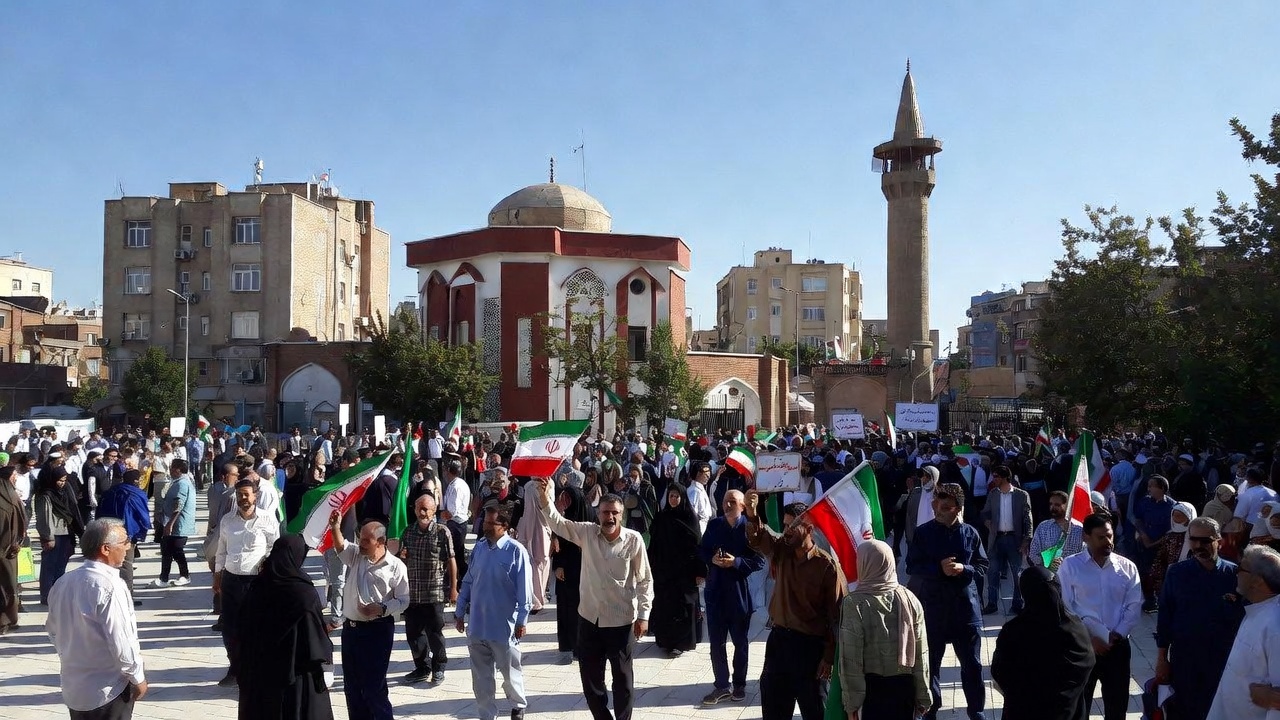
The protests continued into 2025-2026 with massive demonstrations across Iranian cities. According to Wikipedia, beginning in December 2025, demonstrations erupted across multiple cities amid nationwide unrest against the Islamic Republic government and deepening economic crisis.
Young Iranians and Cultural Identity in the Digital Age
Despite internet restrictions, young Iranians are more connected to global culture than ever. VPNs are ubiquitous. Instagram was, until recently, the most popular social platform. TikTok videos penetrate despite bans.
According to scholars at American University, Iranian youth are increasingly adopting cosmopolitan values. They have participated in impressive social movements—the women’s movement, for example—and there are protests all the time in Iran.
This generation has no memory of the Shah. They know only the Islamic Republic. Yet they are often its most vocal critics.
The Future of Persian Tourism and Cultural Exchange
Tourism represents both economic opportunity and ideological challenge for the Iranian government. Foreign visitors bring hard currency but also outside influences.
The government has ambitious plans. According to Wikipedia, Iran’s “20-Year Vision” document projects investment of over $32 billion in the tourism sector and targets 20 million tourists by 2025. That target was not met, but tourism continues to grow.
Recent initiatives include a “tourist card” system to ease currency exchange for visitors. Iran participates in international tourism exhibitions and has expanded visa-free access for certain nationalities.
Whether tourism growth continues depends heavily on political stability and international relations.
Conclusion: The Enduring Spirit of Persian Culture
Forty-seven years is a long time. A child born the day the Shah fell is now nearly fifty. Generations have grown up knowing only the Islamic Republic.
Yet Persian culture has proven remarkably resilient. The same civilization that absorbed Alexander’s Greeks, the Arab conquest, and Mongol invasion has incorporated—and in many ways outlasted—the ideological pressures of the revolutionary state.
Cuisine continues its ancient traditions in homes across Iran and diaspora communities worldwide. The Haft-Sin table still appears each Nowruz. Saffron still perfumes the rice. Grandmothers still teach granddaughters to make tahdig.
Art has found ways to speak even under censorship. Iranian cinema is celebrated at festivals from Cannes to Venice. Underground music scenes thrive. Persian calligraphy and miniature painting carry forward techniques developed over centuries.
Travel remains challenging but rewarding for those who undertake it. Iran’s UNESCO sites draw visitors from around the world. The famous Persian hospitality welcomes strangers as honored guests.
What the next 47 years will bring, no one can predict. The protests of 2022-2026 suggest deep currents of change. Economic pressures mount. Young Iranians connect with global culture despite restrictions.
But if history teaches anything about Persian civilization, it is this: the culture endures. It adapts. It absorbs new influences while maintaining its essential character.
That golden tahdig, crunchy and perfect, will still emerge from the pot. The poet Hafez will still be read. The carpets of Kashan will still be woven, knot by patient knot.
And travelers will still stand before Persepolis, gazing at the stone reliefs that have watched over Persia for 2,500 years, through empire and revolution alike.
Practical Resources for Travelers and Culture Enthusiasts
Further Reading
- Batmanglij, Najmieh. Food of Life: Ancient Persian and Modern Iranian Cooking and Ceremonies
- Keshmirshekan, Hamid. Contemporary Iranian Art: New Perspectives
- Naficy, Hamid. A Social History of Iranian Cinema (4 volumes)
Cultural Events
- Nowruz celebrations – March 20-April 1 annually
- Fajr Film Festival – Tehran, February annually
- Diaspora Nowruz festivals – Los Angeles, Washington DC, Toronto
Travel Planning
- Verify current travel advisories before planning
- Arrange visas well in advance
- Consider guided tours for first-time visitors
- Download VPN before arrival
- Carry sufficient cash (international cards don’t work)