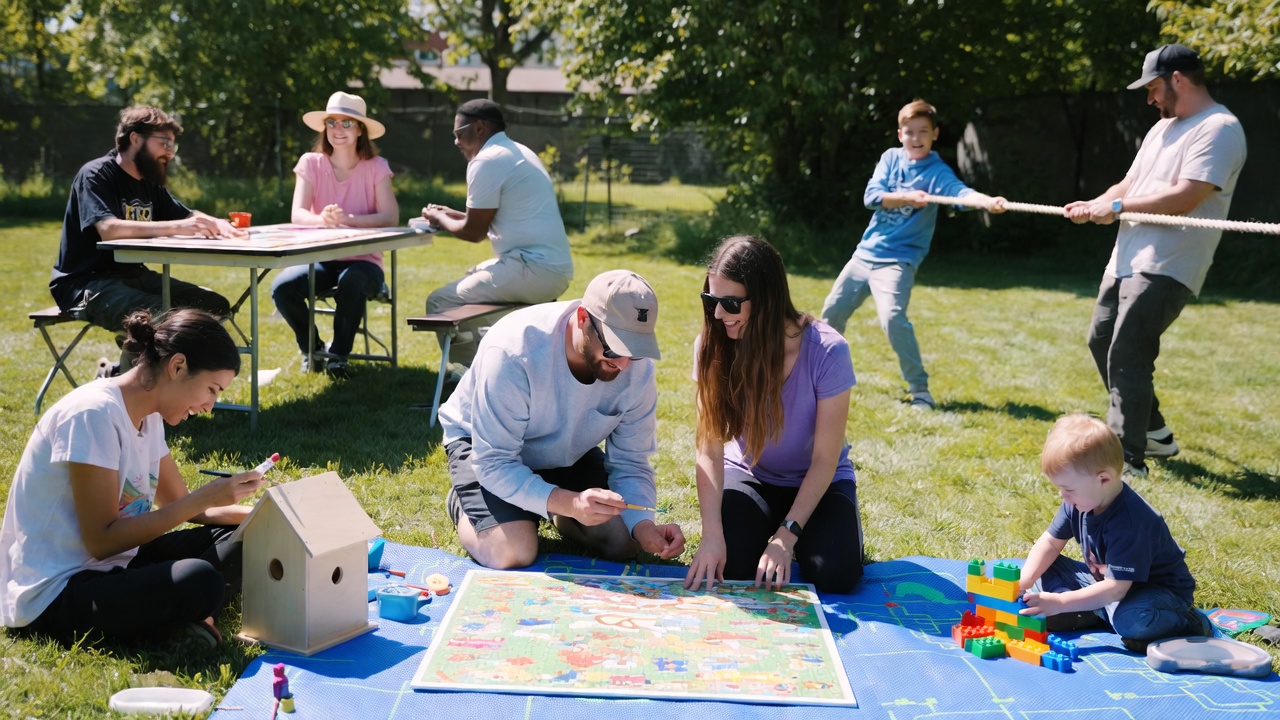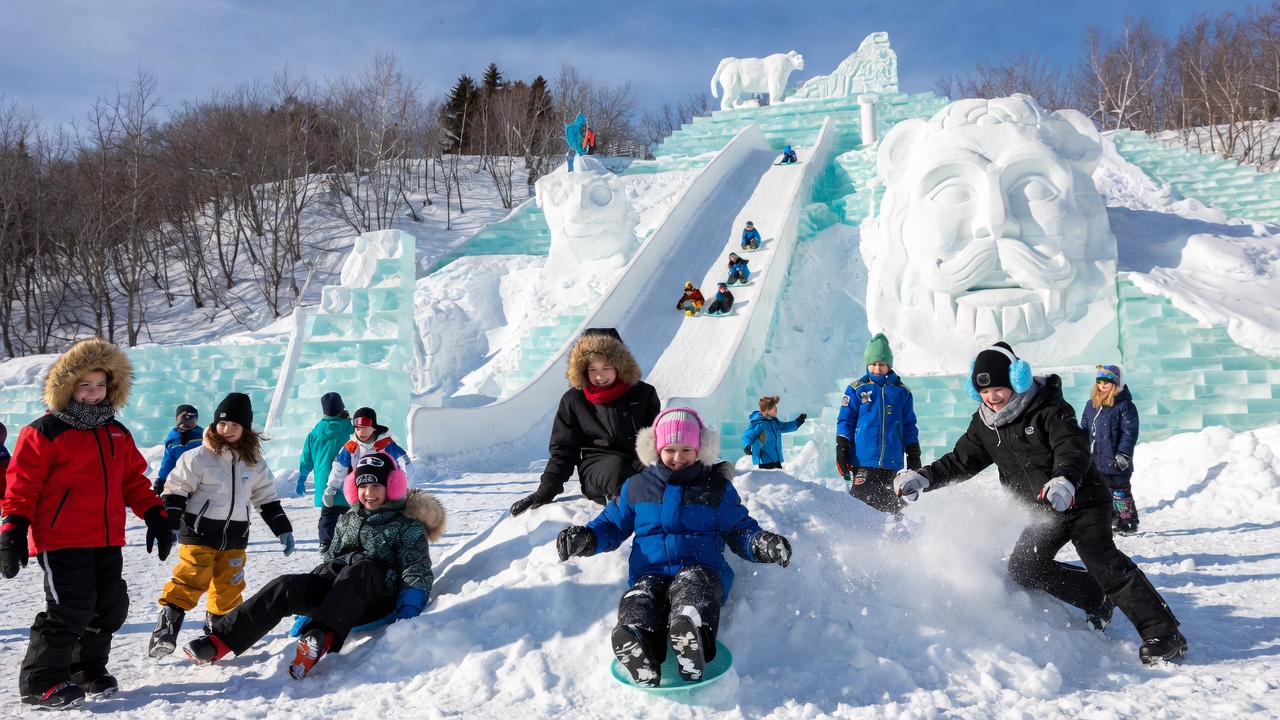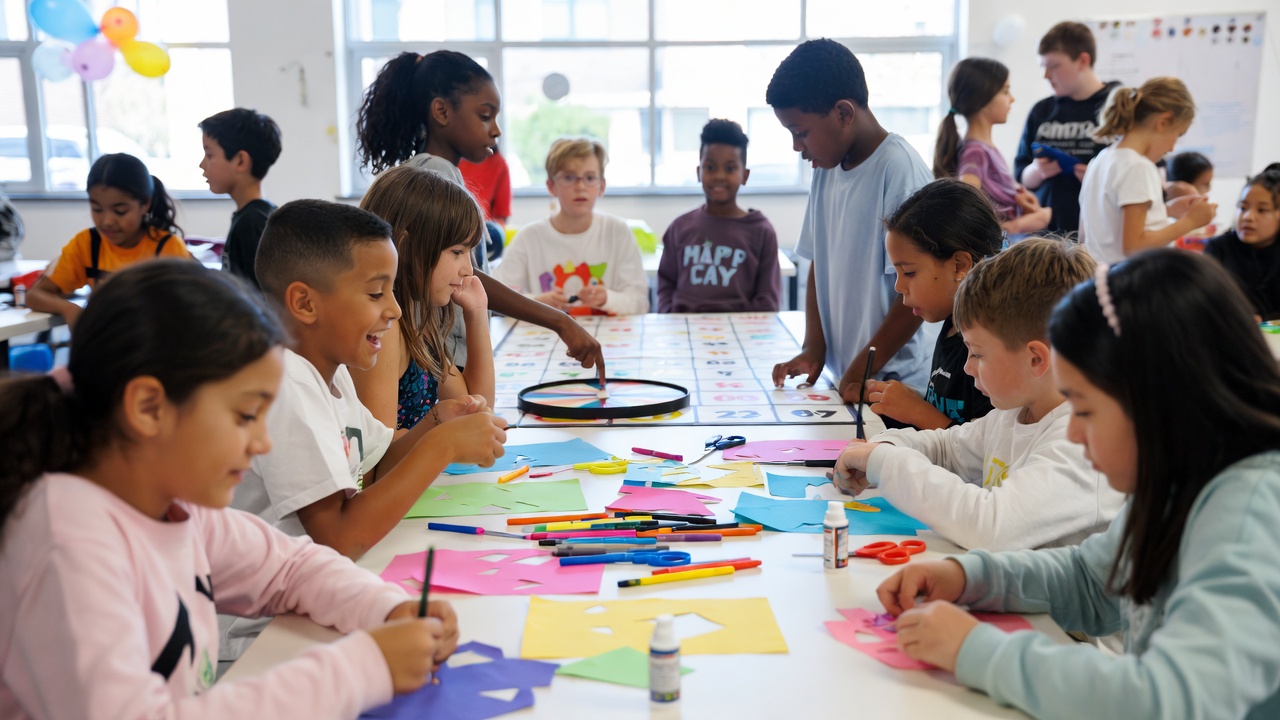
There is something magical about a day set aside purely for family togetherness. Family Day, celebrated across North America and beyond, offers that rare gift of unhurried time with the people who matter most. Whether you observe Family Day in February like families in Alberta, British Columbia, Ontario, and Saskatchewan, or celebrate similar occasions throughout the year, one truth remains constant: children thrive when families play together.
This comprehensive guide brings you more than 50 carefully curated games and crafts designed to spark joy, encourage creativity, and build lasting memories. From toddler-friendly finger painting to challenging brain games for tweens, every activity here has been selected with one goal in mind—bringing your family closer through shared experiences.
Pull up a chair. Gather your little ones. Family Day 2026 is about to become your most memorable one yet.
Why Family Day Activities Matter for Child Development
Before diving into our activity list, let’s explore why intentional family time carries such weight for children’s growth.
Research consistently shows that children who engage in regular family activities develop stronger emotional bonds with caregivers. According to the American Academy of Pediatrics, structured play and creative activities support cognitive development, emotional regulation, and social skills in children of all ages.
Family activities deliver measurable benefits:
- Emotional security — Children feel valued when parents dedicate uninterrupted time to them
- Communication skills — Games and crafts create natural opportunities for conversation
- Problem-solving abilities — Many activities require children to think creatively
- Motor skill development — Crafts strengthen fine motor control; active games build gross motor skills
- Self-esteem — Completing projects gives children a sense of accomplishment
Family Day provides the perfect framework for these developmental benefits. With no school obligations and (ideally) no work commitments, families can truly be present with each other.
Indoor Games for Families on a Cold Winter Day
Family Day falls in February across most Canadian provinces, which often means cold temperatures and snowy conditions. These indoor games keep energy levels high without requiring anyone to bundle up.
Classic Board Games That Never Get Old
Sometimes the best entertainment comes in a cardboard box. Board games teach patience, strategy, and good sportsmanship—lessons that extend far beyond game night.
| Game | Best Age Range | Players | Average Play Time |
|---|---|---|---|
| Candy Land | 3-6 years | 2-4 | 15-20 minutes |
| Chutes and Ladders | 4-7 years | 2-4 | 20-30 minutes |
| Monopoly Junior | 5-8 years | 2-4 | 30-45 minutes |
| Ticket to Ride: First Journey | 6-10 years | 2-4 | 15-30 minutes |
| Catan Junior | 6-10 years | 2-4 | 30 minutes |
| Classic Monopoly | 8+ years | 2-6 | 60-120 minutes |
| Settlers of Catan | 10+ years | 3-4 | 60-90 minutes |
| Codenames | 10+ years | 4-8 | 15-30 minutes |
Pro tip: For younger children, consider modifying game rules to shorten play time and reduce frustration. The goal is fun, not rigid adherence to instructions.
Active Indoor Games That Burn Energy
Kids have energy to spare. These movement-based games channel that energy productively while keeping everyone entertained.
1. Indoor Obstacle Course
Transform your living room into an adventure zone. Use couch cushions as stepping stones, chairs to crawl under, and blankets as tunnels. Time each family member and see who can complete the course fastest.
Materials needed:
- Couch cushions
- Chairs
- Blankets or sheets
- Pillows for soft landings
- Timer or smartphone
2. Freeze Dance Party
Play upbeat music and encourage everyone to dance. When the music stops, everyone must freeze. Anyone caught moving sits out until the next round. This game works beautifully for mixed-age groups.
3. Balloon Volleyball
Blow up a balloon and use string or yarn to create a “net” across your living room. The slow movement of balloons makes this accessible for younger children while still challenging for older kids.
4. Indoor Bowling
Stack empty plastic bottles or toilet paper rolls as pins. Use a soft ball to knock them down. Keep score on paper for math practice.
5. Simon Says with a Twist
Put a Family Day spin on this classic by making commands family-themed. “Simon says hug your brother.” “Simon says tell Mom something you appreciate about her.”
Easy Family Day Crafts for Toddlers and Preschoolers
Little hands love to create. These crafts work well for children ages two through five, though older siblings often enjoy joining in.
Simple Paper Plate Crafts for Young Children
Paper plates serve as the perfect craft foundation. They are sturdy, inexpensive, and readily available.
1. Paper Plate Family Portrait Holder
Create a frame celebrating your family. Children decorate the rim of a paper plate while you glue a family photo in the center. Add yarn at the top for hanging.
Materials:
- Paper plate
- Family photo
- Crayons, markers, or paint
- Glue stick
- Yarn
- Hole punch
2. Paper Plate Sun Craft
Perfect for dreaming of warmer days. Children paint the plate yellow, then glue yellow tissue paper strips or construction paper rays around the edges. Add a simple face with markers.
3. Paper Plate Animals
Let children choose their favorite animal. Cut plates in half for simpler shapes. A half-plate makes an excellent hedgehog body, rainbow arc, or alligator head.
Finger Painting Projects Perfect for Messy Play
Finger painting remains one of the most developmentally beneficial activities for young children. The sensory experience strengthens neural pathways while allowing creative expression.
1. Handprint Family Tree
Paint a brown tree trunk on a large sheet of paper. Each family member adds their handprint as a “leaf” in a different color. Write names and dates below each handprint.
This craft becomes a cherished keepsake. Many families create a new handprint tree each Family Day to track how children grow.
2. Heart Painting for Family Day
Cut heart shapes from thick cardboard or foam. Children dip the heart stamps into paint and press onto paper. Create patterns or abstract designs—there is no wrong way to do this.
3. Texture Painting
Gather household items with interesting textures: bubble wrap, sponges, crumpled foil, cotton balls. Let children experiment with pressing these into paint and then onto paper.
Creative Arts and Crafts Ideas for Elementary School Kids
Children ages six through twelve have developed fine motor skills that allow for more complex projects. These crafts challenge them appropriately while still being achievable in a single afternoon.
DIY Family Day Memory Jar Craft Project
A memory jar captures beautiful moments throughout the year. This craft creates both an immediate activity and an ongoing family practice.
Materials:
- Mason jar or clean glass jar with lid
- Acrylic paint or Mod Podge with tissue paper
- Small slips of paper
- Colored pens or markers
- Ribbon or twine for decoration
Instructions:
- Decorate the jar. Children can paint the outside with acrylic paint, apply tissue paper with Mod Podge, or use paint markers to add designs.
- Create a label. Design a label reading “Family Memories 2026” or something similar.
- Cut paper slips. Prepare small pieces of paper for writing memories throughout the year.
- Establish the practice. Commit as a family to adding memory notes regularly. Read them together on New Year’s Eve or next Family Day.
Why this works: Memory jars encourage mindfulness about positive experiences. Children become more aware of good moments when they know they will write them down.
Homemade Picture Frame Ideas Using Recycled Materials
Crafts that repurpose household items teach children about sustainability while creating useful objects.
Popsicle Stick Picture Frame
Materials:
- 4-8 popsicle sticks (craft sticks work too)
- Wood glue or hot glue (adult supervision required)
- Paint, markers, or washi tape
- Photo
- Cardboard backing
- Magnet strip or ribbon for hanging
Steps:
- Arrange sticks in a square or rectangle, overlapping at corners
- Glue sticks together securely
- Decorate with paint, markers, stickers, or tape
- Cut cardboard to fit behind the frame
- Glue photo to cardboard
- Attach cardboard to back of frame
- Add magnet or ribbon for display
Cardboard Tube Frame
Slice cardboard tubes (paper towel or toilet paper rolls) into rings. Glue rings around a circular photo to create a flower-like frame. Paint as desired.
Making Personalized Family Day Cards and Keepsakes
Handmade cards carry meaning that store-bought cards cannot match. Children take pride in giving something they created themselves.
Pop-Up Heart Card
Materials:
- Cardstock (two sheets in coordinating colors)
- Scissors
- Glue
- Markers or colored pencils
Instructions:
- Fold one sheet of cardstock in half for the card base
- Cut a heart from the second sheet
- Cut a small strip of cardstock
- Fold the strip accordion-style
- Glue one end of the accordion strip to the heart
- Glue the other end inside the card so the heart “pops” when opened
- Decorate and write a message
Fingerprint Art Cards
Use ink pads or washable paint to create fingerprint art. Turn fingerprints into animals, flowers, or abstract designs. These cards are especially charming from very young children.
Best Outdoor Winter Activities for Family Day Celebrations
When weather permits, outdoor activities offer fresh air and open space that indoor play cannot replicate. The Canadian Paediatric Society recommends children get at least 60 minutes of physical activity daily, and outdoor play often provides the most engaging way to achieve this goal.
Backyard Snow Games and Sculpture Building Activities
Snow transforms ordinary backyards into winter wonderlands. These activities make the most of winter conditions.
1. Snow Sculpture Contest
Move beyond basic snowmen. Challenge family members to create snow animals, vehicles, or imaginary creatures. Provide food coloring in spray bottles to add color to sculptures.
2. Snow Maze
After a fresh snowfall, stomp out a maze pattern in your yard. Younger children can try to navigate through while older kids time themselves.
3. Snow Angels with Personality
Everyone knows basic snow angels. Add creativity by making “accessorized” angels. Bring out old scarves, hats, and sticks to decorate your angel impressions.
4. Frozen Bubble Fun
When temperatures drop below -10°C (14°F), soap bubbles freeze before popping. Watch in amazement as delicate ice crystals form. This activity works best early in the morning when temperatures are coldest.
Recipe for better frozen bubbles:
- 3 cups water
- 1 cup dish soap
- 1/2 cup corn syrup
The corn syrup strengthens the bubble mixture, helping it freeze more reliably.
5. Winter Scavenger Hunt
Create a list of winter items for children to find outdoors: a pinecone, three different kinds of tracks, something red, an icicle, a bird, and similar items appropriate for your area.
Nature Walk Ideas and Winter Wildlife Observation Tips
A simple walk becomes an adventure with the right mindset.
Before your walk:
- Print or draw a wildlife bingo card featuring animals you might see
- Bring a small notebook for observations
- Pack warm drinks in thermoses
- Ensure everyone has proper winter gear
During your walk:
- Look for animal tracks and try to identify them
- Listen for bird calls
- Notice how trees look different without leaves
- Collect interesting natural items (pinecones, interesting sticks, rocks)
- Take photos of things that catch your eye
After your walk:
- Research any unidentified tracks or birds
- Create a nature journal page about your discoveries
- Display collected items on a “nature table”
Screen-Free Family Game Night Ideas That Everyone Will Love
Screens dominate modern life. Family Day offers an opportunity to disconnect from devices and connect with each other.
Card Games Suitable for Different Age Groups
A simple deck of cards provides hundreds of hours of entertainment.
Games for Younger Children (4-7 years):
- Go Fish — Classic matching game teaching memory and social skills
- Old Maid — Simple elimination game with lots of giggles
- War — Pure luck game that teaches number comparison
- Snap — Fast-paced matching game building attention skills
Games for Older Children (8-12 years):
- Crazy Eights — Strategic card shedding game
- Rummy — Set collection game teaching pattern recognition
- Spoons — Fast-paced game combining cards with physical competition
- Slap Jack — Reflex-based game suitable for mixed ages
Games for Teens and Adults:
- Hearts — Trick-avoidance game with strategic depth
- Poker (with chips, not money) — Teaches probability and reading people
- Euchre — Popular in Ontario and the American Midwest
- Cribbage — Math-heavy game with a distinctive board
Charades, Pictionary, and Family-Friendly Party Games
These games encourage creativity and create hilarious moments.
Family-Friendly Charades Topics:
- Animals
- Occupations
- Movies (keep them age-appropriate)
- Sports
- Household activities
- Book characters
Tips for playing with young children:
- Allow verbal hints for those under six
- Act out scenes together rather than individually
- Focus on broad categories children recognize
- Celebrate effort over success
DIY Pictionary:
Create your own drawing game without purchasing anything.
- Write words on small slips of paper
- Divide into teams
- One player draws while teammates guess
- Set a timer for 60 seconds
- Rotate until all words are used
Category ideas: Animals, food, places, actions, things in your house, family members, favorite activities
Educational Games and Learning Activities for Family Day
Play and learning need not be separate. These activities disguise education as entertainment.
STEM Activities and Science Experiments for Kids at Home
Science comes alive through hands-on experiments. These require only common household items.
1. Baking Soda Volcano
A classic for good reason. Build a volcano from playdough, clay, or papier-mâché. Pour in baking soda, add a few drops of dish soap and food coloring, then pour in vinegar. Watch the “eruption” begin.
The science: The reaction between baking soda (a base) and vinegar (an acid) produces carbon dioxide gas, creating the fizzy eruption.
2. Rainbow Walking Water
Materials:
- 7 clear cups or glasses
- Water
- Red, yellow, and blue food coloring
- Paper towels
Setup:
- Arrange cups in a row
- Fill cups 1, 3, 5, and 7 with water
- Add red dye to cups 1 and 7
- Add yellow dye to cup 3
- Add blue dye to cup 5
- Fold paper towels into strips
- Place strips connecting each cup
What happens: Water travels up the paper towels through capillary action. Colors mix in the empty cups, creating orange, green, and purple.
3. Static Electricity Experiments
Rub a balloon on hair or wool, then try these activities:
- Stick the balloon to a wall
- Make a tissue paper “ghost” dance without touching it
- Bend a thin stream of water from a faucet
- Pick up small pieces of paper
4. Egg Drop Challenge
Materials per participant:
- 1 raw egg
- Household materials: cardboard, tape, cotton balls, bubble wrap, straws, rubber bands, newspaper, egg cartons, etc.
Challenge: Build a container that will protect the egg when dropped from increasing heights. Start at waist height and work up to a second-story window (if available).
This activity teaches engineering principles while creating healthy competition.
Building Blocks, Construction Sets, and Architecture Play
Construction toys develop spatial reasoning, planning skills, and patience.
Activities with LEGOs or similar building blocks:
1. Build Your Dream Room Children design their ideal bedroom using available blocks. Encourage them to include furniture, decorations, and creative elements.
2. Collaborative Family House Each family member builds one room of a shared house. Connect rooms to create a family compound.
3. Challenge Cards Write challenges on index cards: “Build a bridge that spans 12 inches,” “Create a tower using only red and blue blocks,” “Build something with exactly 50 pieces.” Draw cards and compete to complete challenges.
4. Blindfolded Building One person gives verbal instructions while another builds with eyes closed. This activity builds communication skills dramatically.
How to Plan the Perfect Family Day Schedule
A loose schedule prevents the day from slipping away while maintaining flexibility for spontaneity.
Sample Family Day Activity Timeline and Planning Tips
Suggested Schedule for Families with Young Children:
| Time | Activity | Notes |
|---|---|---|
| 8:00 AM | Wake up naturally | No alarms on Family Day |
| 9:00 AM | Leisurely family breakfast | Cook together as an activity |
| 10:00 AM | Morning craft project | Choose one larger project |
| 11:30 AM | Active indoor game | Burn energy before lunch |
| 12:00 PM | Lunch | Keep it simple |
| 12:30 PM | Quiet time/naps | Essential for young ones |
| 2:00 PM | Outdoor activity | Weather permitting |
| 3:30 PM | Snack and free play | Unstructured time matters too |
| 4:30 PM | Second craft or game | Shorter activity |
| 5:30 PM | Family dinner preparation | Children help with age-appropriate tasks |
| 6:30 PM | Dinner | Share highlights from the day |
| 7:00 PM | Movie or game night | Cozy end to the day |
| 8:30 PM | Bedtime routine | Maintain normal schedule |
Suggested Schedule for Families with Older Children:
| Time | Activity | Notes |
|---|---|---|
| 9:00 AM | Brunch together | Teen-friendly wake-up time |
| 10:30 AM | Family meeting | Discuss activity options together |
| 11:00 AM | Collaborative project | Something requiring teamwork |
| 1:00 PM | Lunch | Order delivery as a treat |
| 2:00 PM | Competitive games | Board games, card games, video games together |
| 4:00 PM | Outdoor activity | Even reluctant teens enjoy some options |
| 6:00 PM | Cook dinner together | Teens take lead on a recipe |
| 7:30 PM | Family movie | Let children choose |
| 9:30 PM | Dessert and conversation | Share appreciation for each family member |
Planning principles:
- Involve children in planning. They engage more deeply with activities they helped choose.
- Balance active and quiet times. Young children especially need this rhythm.
- Leave margin. The schedule serves you, not the reverse.
- Prepare materials in advance. Gather craft supplies the day before.
- Expect interruptions. Flexibility preserves joy.
Budget-Friendly Family Day Activities That Cost Almost Nothing
Meaningful family time does not require expensive outings or elaborate supplies.
Free and Low-Cost Games Using Items You Already Have
1. Cardboard Box Creations
Large boxes become cars, houses, rockets, or whatever imagination suggests. Smaller boxes make excellent dollhouses, garages, or obstacle course elements.
2. Pillow Fort Building
Strip beds and sofas. Build the most elaborate fort possible. Bring flashlights, snacks, and books for reading inside.
3. Kitchen Disco
Turn on favorite music and dance in the kitchen. No equipment needed beyond a way to play music.
4. Paper Airplane Contest
Fold paper airplanes using online tutorials or books. Compete for distance, accuracy, and tricks. This activity costs only paper.
5. Flashlight Tag
Play tag in the dark using flashlights. The beam serves as the “tag.” This works well on winter evenings when darkness comes early.
6. Treasure Hunt with Clues
Write clues leading from one location to another, ending at a small “treasure” (candy, a small toy, or a special privilege). Older children can write clues for younger siblings.
7. Family Talent Show
Each person prepares a brief performance: song, dance, magic trick, joke, or skill demonstration. Create “tickets” from paper and popcorn from the cupboard.
8. Story Cubes
Write words or draw pictures on paper cubes (or just slips of paper in a bowl). Pull out several and create stories using those elements.
DIY Game Ideas and Homemade Toy Projects
1. Sock Puppets
Old socks gain new life as puppets. Add button eyes, yarn hair, and felt accessories. Put on a puppet show after creation.
2. Homemade Playdough
Recipe:
- 1 cup flour
- 1/2 cup salt
- 2 tablespoons cream of tartar
- 1 tablespoon vegetable oil
- 1 cup water
- Food coloring
Combine dry ingredients in a pot. Add oil, water, and coloring. Cook over medium heat, stirring constantly, until mixture forms a ball. Knead when cool. Stores for weeks in an airtight container.
3. Indoor Bowling Set
Decorate empty plastic bottles with paint or stickers. Fill slightly with water or sand for stability. Use any soft ball.
4. Ring Toss Game
Cut the center from paper plates to create rings. Set up bottles or paper towel tubes as targets. Assign point values.
5. Bean Bag Toss
Fill clean socks with dried beans and tie closed. Cut holes in a cardboard box for targets. Label holes with different point values.
Sensory Play Activities for Children with Special Needs
Sensory activities benefit all children, but they hold particular value for children with sensory processing differences, autism spectrum conditions, or developmental delays.
Calming Sensory Bin Ideas and Tactile Play Activities
Sensory bins provide controlled sensory input. Children can engage at their own pace and intensity level.
Calming Sensory Bin Ideas:
1. Rice and Beans Fill a container with dried rice and beans. Add measuring cups, funnels, and small toys to discover. The sound and feel of the grains provides soothing input.
2. Cloud Dough Mix 8 cups flour with 1 cup vegetable oil. The resulting mixture feels like soft sand but molds like dough. Add cookie cutters and molds for extended play.
3. Water Beads These gel beads absorb water and become smooth, squishy spheres. They provide unique tactile input. Note: Supervise closely to prevent ingestion, especially with young children.
4. Kinetic Sand Commercial kinetic sand or homemade versions (fine sand mixed with cornstarch and dish soap) offer moldable, flowing sensory experiences.
5. Shaving Cream Play Spray shaving cream on a rimmed baking sheet. Children can draw, write, or simply manipulate the foam. Add food coloring for visual interest.
Sensory activity tips:
- Offer choices. Let children decide whether to participate.
- Respect aversions. Never force engagement with disliked textures.
- Provide tools. Spoons, tongs, and cups let children engage without direct touch if preferred.
- Establish boundaries. “This stays in the container” helps children understand expectations.
- Prepare for mess. Use tablecloths or take activities outside when possible.
Cooking and Baking Activities to Do Together as a Family
The kitchen provides rich learning opportunities alongside delicious results.
Kid-Friendly Recipes Perfect for Family Day Baking
1. No-Bake Energy Balls
Even young children can help with this recipe.
Ingredients:
- 1 cup rolled oats
- 1/2 cup peanut butter (or alternative)
- 1/3 cup honey
- 1/2 cup chocolate chips
- 1/2 cup ground flaxseed
Method:
- Mix all ingredients in a large bowl
- Refrigerate for 30 minutes
- Roll into small balls
- Store in refrigerator
Children can: measure ingredients, stir the mixture, roll the balls
2. Personal Pizzas
Ingredients:
- English muffins, naan bread, or pre-made pizza dough
- Pizza sauce
- Shredded mozzarella cheese
- Toppings of choice
Method:
- Spread sauce on bread base
- Add cheese
- Let each person add their preferred toppings
- Bake at 400°F (200°C) until cheese melts
Children can: spread sauce, sprinkle cheese, choose and add toppings
3. Decorated Sugar Cookies
Ingredients:
- Refrigerated sugar cookie dough (or homemade)
- Powdered sugar icing
- Food coloring
- Sprinkles and decorations
Method:
- Roll out dough and cut shapes
- Bake according to package directions
- Cool completely
- Decorate with icing and sprinkles
Children can: use cookie cutters, decorate cooled cookies
4. Fruit Kabobs
Ingredients:
- Various fruits: grapes, strawberries, melon chunks, pineapple, blueberries
- Wooden skewers (trim sharp tips for young children)
Method:
- Wash and prepare fruit
- Thread onto skewers in desired patterns
Children can: choose fruits, create patterns, thread onto skewers
Teaching Kids Cooking Skills Through Fun Food Activities
Age-appropriate kitchen tasks:
| Age | Appropriate Tasks |
|---|---|
| 2-3 years | Washing produce, stirring, tearing lettuce, adding pre-measured ingredients |
| 4-5 years | Measuring with supervision, spreading, mixing, rolling dough, cracking eggs (with practice) |
| 6-7 years | Simple cutting with kid-safe knives, reading recipes with help, using measuring cups and spoons independently |
| 8-10 years | Following recipes more independently, using the stovetop with supervision, meal planning input |
| 11-12 years | Most cooking tasks with minimal supervision, baking independently, basic knife skills |
Kitchen safety rules to establish:
- Always ask before using heat or sharp objects
- Wash hands before starting
- Wear appropriate clothing (no loose sleeves near flames)
- Turn pot handles inward
- Clean as you go
- Never leave heat sources unattended
Creative Writing and Storytelling Games for the Whole Family
Stories connect us. These activities encourage narrative skills and creative thinking.
Collaborative Story Building Activities
1. Round-Robin Stories
One person begins a story with a single sentence. The next person adds one sentence. Continue around the circle. Stories often take unexpected and hilarious turns.
Variation: Use a timer. Each person speaks for 30-60 seconds before passing the story along.
2. Story Prompt Jars
Fill a jar with story starters written on slips of paper:
- “The dragon had never seen a pizza before…”
- “When I opened the closet, I discovered…”
- “The talking dog explained that…”
- “On the moon, everything was different because…”
Pull a prompt and develop the story together.
3. Story Cubes or Cards
Roll image dice or draw picture cards. Incorporate all shown elements into a single story.
4. Family Story Recording
Record family members telling stories about their lives—childhood memories, how parents met, funny incidents. These recordings become treasured family archives.
Creating Family Books and Journals Together
Family Memory Book
Materials:
- Blank book or scrapbook
- Photos
- Decorative paper
- Markers and stickers
- Glue
Contents might include:
- Photo pages from important events
- Drawings by children
- Ticket stubs and other memorabilia
- Written memories
- Family recipes
- Family tree pages
- Annual interviews with children (asking the same questions each year)
Start on Family Day and add to it throughout the year.
Music and Dance Activities That Bring Families Together
Music engages the brain differently than any other activity. Research from Harvard Medical School indicates that music activates multiple brain regions simultaneously, supporting cognitive development and emotional processing.
DIY Musical Instrument Crafts for Kids
1. Rice Shakers
Fill empty plastic eggs, bottles, or containers with rice, beans, or pasta. Seal securely. Decorate if desired.
2. Rubber Band Guitar
Stretch rubber bands of varying thicknesses around an open shoebox or tissue box. Pluck to produce different tones.
3. Drum Set
Empty containers of various sizes become drums. Use wooden spoons as drumsticks. Arrange in a “kit” configuration.
4. Paper Plate Tambourine
Staple two paper plates together, rim to rim, with dried beans inside. Punch holes around the edge and add ribbon or streamers.
5. Kazoo
Fold wax paper over one end of an empty toilet paper tube. Secure with a rubber band. Hum into the open end.
Dance Party Games and Musical Activities
1. Freeze Dance Variations
- Statue Dance: When music stops, strike a pose. Leader chooses the best statue.
- Animal Dance: When music stops, leader calls an animal. Everyone dances like that animal.
- Emotion Dance: Dance according to how the music makes you feel.
2. Musical Chairs Alternatives
- Musical Hugs: When music stops, hug someone near you
- Musical Numbers: When music stops, leader calls a number. Form groups of that size.
- Musical Islands: Lay pillows or towels on the floor. Remove one each round.
3. Choreography Challenge
Learn a dance together from online tutorials. TikTok dances work well for families with older children; nursery rhyme dances suit younger families.
How to Create Family Day Traditions Your Children Will Remember
Traditions anchor families. They create anticipation, build identity, and form memories that last decades.
Starting Meaningful Annual Family Day Customs
Ideas for Family Day traditions:
1. Annual Family Photo
Take a family photo in the same spot each year. The collection shows how your family grows and changes.
2. Time Capsule
Each Family Day, each family member contributes an item or letter to a time capsule. Open capsules from previous years.
3. Interview Recording
Record each child answering standard questions: favorite food, best friend, what you want to be, happiest memory from the past year. These recordings become precious as children grow.
4. Pancake Breakfast Tradition
Let children choose pancake shapes, flavors, or toppings. Make the same special breakfast each Family Day.
5. Gratitude Circle
Go around sharing specific appreciations for each family member. This practice strengthens bonds and develops emotional vocabulary.
6. New Activity Rule
Try one activity you have never done before each Family Day. Build a catalog of shared experiences.
7. Family Movie Marathon
Watch the same beloved film or series each year. Children find comfort in the familiarity.
10 Quick and Easy Craft Ideas for Last-Minute Family Day Plans
Sometimes Family Day arrives before preparation happens. These crafts require minimal supplies and setup.
1. Paper Chain Family
Cut strips of paper. Each person decorates strips representing themselves, then links them together to form a family chain.
2. Bookmark Making
Cut cardstock into rectangles. Decorate with markers, stickers, or collage. Laminate with clear tape if desired.
3. Friendship Bracelets
Use embroidery floss, yarn, or even cut-up plastic bags to create simple braided bracelets.
4. Nature Collage
Collect natural items from the yard (or use items from previous walks). Glue onto paper to create art.
5. Envelope Puppets
Decorate small envelopes as faces. Insert your hand to make the “mouth” move.
6. Rock Painting
Collect smooth rocks. Paint with acrylic paints or paint pens. Create characters, patterns, or inspirational words.
7. Gratitude Flowers
Cut flower shapes from paper. Write things you appreciate on each petal. Display in a “gratitude bouquet.”
8. Paper Airplanes
Fold planes from scrap paper. Decorate before flying.
9. Coloring Pages
Print free coloring pages from the internet or draw your own simple outlines.
10. Memory Drawing
Each person draws a favorite family memory. Share and discuss.
Family Day Activities for Different Family Structures
Every family looks different. These suggestions adapt to various situations.
Ideas for Single Parents, Multigenerational Families, and Large Family Groups
Single-Parent Families:
- Focus on connection over elaborate activities
- Choose activities manageable for one adult
- Invite extended family or friends to join
- Give yourself grace; quality matters more than quantity
- Let children lead sometimes
Multigenerational Families:
- Choose activities accessible across age ranges
- Assign roles that suit abilities (Grandpa reads the story; children act it out)
- Share oral histories and family stories
- Create collaborative art where everyone contributes
- Card games and board games often bridge generational gaps well
Large Families:
- Team-based games divide naturally
- Assembly-line crafts move efficiently
- Older children can lead activities for younger ones
- Potluck-style meals let everyone contribute
- Rotate “special helper” roles
Blended Families:
- Focus on activities that build new shared memories
- Avoid comparisons to “how we used to do it”
- Create new traditions unique to your current family
- One-on-one time with each child remains important
- Team activities build cooperation between step-siblings
Digital Resources and Printable Activity Guides
While the goal is screen-free connection, technology can support planning and provide helpful resources.
Recommended Websites and Apps for Family Day Planning
Free Printable Resources:
The websites below offer free printable activities suitable for Family Day:
- Education.com provides thousands of free printable worksheets and activity sheets organized by age and subject
- Crayola offers free coloring pages and craft instructions
- Local library websites often provide printable activity guides
Activity Planning Resources:
- Pinterest boards curated for “Family Day activities” provide endless inspiration
- YouTube tutorials demonstrate craft techniques visually
- Library databases offer digital access to activity books
Apps That Support (Rather Than Replace) Family Time:
- Timer apps for games and challenges
- Music apps for dance parties
- Camera apps for documenting activities
Frequently Asked Questions About Family Day Games and Crafts
What age can children start doing crafts?
Children can engage in simple sensory activities from about 18 months. Finger painting, playdough, and sticker activities work well for toddlers. More structured crafts become appropriate around age three, with complexity increasing as fine motor skills develop.
How do I keep children of different ages engaged in the same activity?
Modify expectations. In a craft project, a three-year-old might paint with broad strokes while a ten-year-old adds intricate details. In games, pair younger children with older partners. Give older children leadership roles.
What if my children argue during activities?
Some conflict is normal. Establish ground rules before beginning. Take breaks when frustration rises. Consider whether competition is appropriate for your particular children—cooperative games might work better.
How long should family activities last?
Attention spans vary by age. Young children rarely sustain focus beyond 15-20 minutes. Older children can manage 30-60 minutes. Build in natural transition points so activities can end when interest wanes.
What if my child does not want to participate?
Offer choices rather than mandates. “Would you rather do the painting or the building activity?” If a child truly resists all options, respect that. Forced participation undermines the purpose.
How do I handle mess from crafts?
Preparation prevents stress. Lay down newspapers or plastic. Use smocks or old clothes. Have cleanup supplies ready. Accept that some mess is part of the process.
Conclusion: Making Family Day 2026 Unforgettable
Family Day stands apart from ordinary weekends. It carries official recognition of something families have always known: time together matters.
The activities in this guide offer starting points, not prescriptions. Your family might discover that homemade playdough becomes an annual tradition. Or perhaps snow sculpture competitions become your defining Family Day activity. Maybe simple board games around the kitchen table create the memories your children carry into adulthood.
What matters is not the complexity or expense of your activities. What matters is presence—being fully there with the people you love.
As you plan your Family Day 2026 celebration, remember:
- Start simple. One or two activities create more meaningful time than a packed schedule.
- Follow their lead. Children know what brings them joy.
- Embrace imperfection. Lopsided crafts and chaotic games make the best stories later.
- Put devices away. True connection requires attention.
- Document the day. Photos and memory jars capture what otherwise fades.
Whether you gather in Alberta’s cold February morning or celebrate family togetherness at another time of year, may your Family Day overflow with laughter, creativity, and the quiet contentment of being together.
Happy Family Day 2026 to your family from ours.