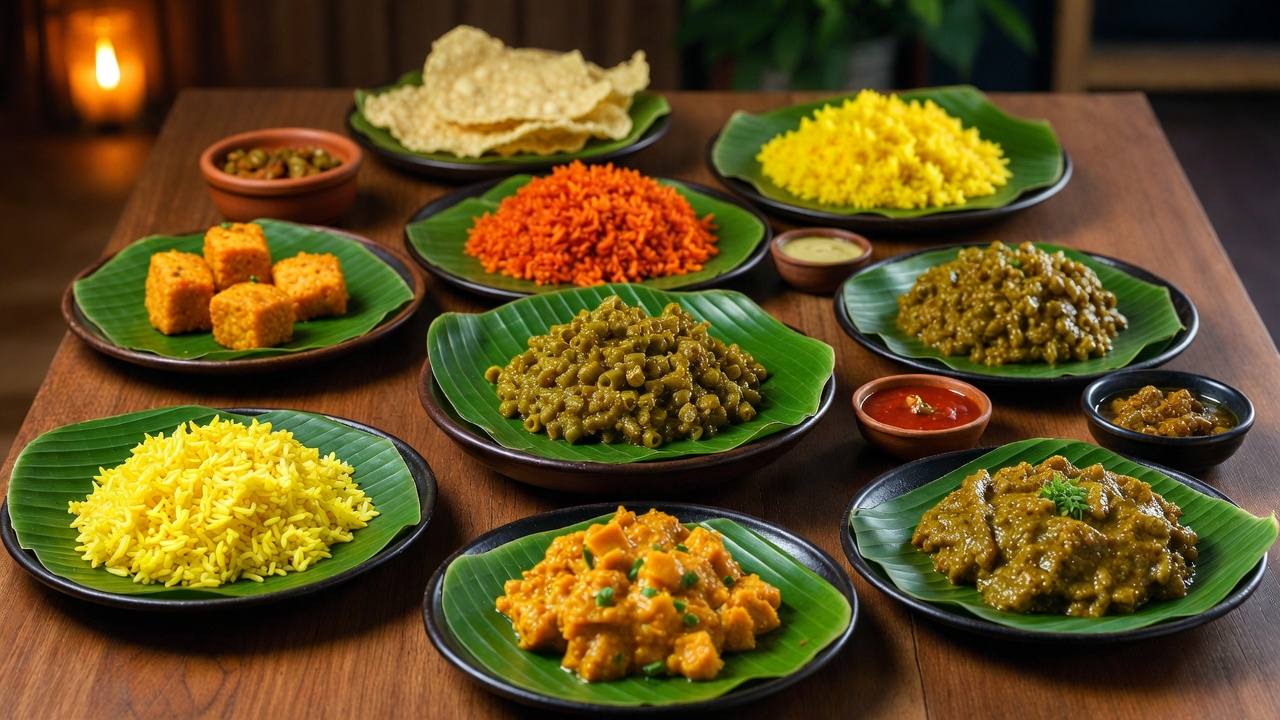
A Complete Guide to Authentic Sri Lankan Celebration Cuisine, Festive Dishes, and Cultural Food Traditions
Introduction: Celebrating Sri Lankan Independence Day Through Food
Sri Lankan Independence Day falls on February 4th each year. This national holiday commemorates freedom from British colonial rule in 1948. Food plays a central role in these celebrations across the island nation.
Traditional Sri Lankan Independence Day foods reflect the country’s rich cultural heritage. Families gather to prepare authentic recipes passed down through generations. These festive dishes showcase the unique flavors of Sri Lankan cuisine.
This comprehensive guide explores 50+ traditional Sri Lankan Independence Day foods and recipes. You will discover authentic Sri Lankan celebration dishes, easy recipes to try at home, and the cultural significance behind each meal.
The Cultural Significance of Food in Sri Lankan Celebrations
Why Food Matters During Sri Lankan National Holidays
Food is more than sustenance in Sri Lankan culture. It represents unity, gratitude, and national pride. Independence Day celebrations bring communities together through shared meals.
Sri Lankan festive food traditions date back centuries. Many recipes have roots in ancient Sinhalese and Tamil cooking methods. Colonial influences also shaped the island’s unique culinary identity.
Key cultural elements include:
- Offering food at temples and kovils before family meals
- Sharing dishes with neighbors and extended family
- Preparing specific foods that symbolize prosperity and good fortune
- Using traditional cooking methods and clay pots
Traditional Sri Lankan Rice Dishes for Independence Day
Rice forms the foundation of Sri Lankan cuisine. These traditional rice dishes are essential for Independence Day celebrations.
1. Kiribath (Milk Rice)
Kiribath is the most important Sri Lankan Independence Day food. This creamy milk rice symbolizes prosperity and new beginnings.
Traditional Kiribath Recipe:
| Ingredient | Quantity |
|---|---|
| White rice (samba or kekulu) | 2 cups |
| Thick coconut milk | 2 cups |
| Salt | 1 tsp |
| Water | 2 cups |
Instructions:
- Wash rice thoroughly and cook with water until half done
- Add thick coconut milk and salt
- Stir gently and cook on low heat
- Allow to set in a flat dish
- Cut into diamond shapes when cooled
2. Yellow Rice (Kaha Bath)
Yellow rice is a staple at Sri Lankan celebration meals. Turmeric gives this dish its vibrant golden color.
Why Yellow Rice is Popular:
- Represents prosperity and good fortune
- Pairs perfectly with traditional curries
- Easy to prepare for large gatherings
- Beautiful presentation for festive tables
3. Ghee Rice (Ghee Bath)
Ghee rice offers a richer alternative to plain rice. This aromatic dish features whole spices and clarified butter.
Traditional Ghee Rice Ingredients:
| Spice | Purpose |
|---|---|
| Cardamom pods | Aromatic flavor |
| Cinnamon sticks | Warmth and sweetness |
| Cloves | Depth of flavor |
| Pandan leaves | Fragrance |
| Curry leaves | Authentic taste |
4. Red Rice (Rathu Kekulu Hal)
Red rice is the traditional rice variety of Sri Lanka. It offers superior nutrition and authentic taste.
5. Coconut Rice (Pol Bath)
Coconut rice highlights Sri Lanka’s abundant coconut resources. This simple dish complements spicy curries perfectly.
Sri Lankan Independence Day Curry Recipes
No Sri Lankan celebration is complete without an array of flavorful curries. These traditional curry recipes showcase authentic Sri Lankan cooking techniques.
6. Chicken Curry (Kukul Mas Curry)
Sri Lankan chicken curry differs from Indian versions. It features roasted spices and coconut milk.
Authentic Sri Lankan Chicken Curry Recipe:
| Ingredient | Quantity |
|---|---|
| Chicken pieces | 1 kg |
| Roasted curry powder | 3 tbsp |
| Coconut milk | 400 ml |
| Onions (sliced) | 2 large |
| Tomatoes | 2 medium |
| Green chilies | 4-5 |
| Garlic | 6 cloves |
| Ginger | 1 inch piece |
| Curry leaves | 1 sprig |
| Pandan leaves | 2 pieces |
| Cinnamon stick | 1 piece |
| Cardamom pods | 3 |
| Goraka (garcinia) | 1 piece |
| Salt | To taste |
Cooking Steps:
- Marinate chicken with curry powder, turmeric, and salt
- Sauté onions until golden brown
- Add garlic, ginger, and green chilies
- Add spices and curry leaves
- Add chicken and cook until sealed
- Pour in thin coconut milk and simmer
- Add thick coconut milk at the end
- Adjust seasoning and serve
7. Fish Curry (Malu Curry)
Fish curry is a coastal Sri Lankan specialty. Each region has its unique variation.
Popular Fish Curry Varieties:
- Ambulthiyal (sour fish curry)
- Malu Mirisata (fish in chili paste)
- Malu Hodda (fish in coconut gravy)
- Canned fish curry (budget-friendly option)
8. Mutton Curry (Elu Mas Curry)
Mutton curry is reserved for special occasions. This rich dish requires slow cooking for tender results.
9. Pork Curry (Uru Mas Curry)
Pork curry is popular in certain Sri Lankan communities. Black pepper and vinegar create its distinctive taste.
10. Beef Curry (Harak Mas Curry)
Beef curry features prominently in Sri Lankan Muslim cuisine. Slow-cooked beef becomes incredibly tender.
11. Egg Curry (Bittara Curry)
Egg curry offers a protein-rich vegetarian option. Hard-boiled eggs simmer in spiced coconut gravy.
Vegetable Curries and Side Dishes
Sri Lankan meals always include multiple vegetable dishes. These traditional vegetable curries add variety and nutrition.
12. Dhal Curry (Parippu)
Dhal curry is essential to every Sri Lankan meal. Red lentils cook quickly into a creamy, comforting dish.
Simple Dhal Curry Recipe:
| Ingredient | Quantity |
|---|---|
| Red lentils | 1 cup |
| Coconut milk | 1 cup |
| Turmeric powder | ½ tsp |
| Onion (sliced) | 1 medium |
| Green chilies | 2 |
| Curry leaves | 1 sprig |
| Mustard seeds | ½ tsp |
| Cumin seeds | ½ tsp |
| Dried red chilies | 2 |
| Salt | To taste |
13. Jackfruit Curry (Polos Curry)
Young jackfruit curry is a beloved Sri Lankan dish. It has a meaty texture that satisfies vegetarians.
14. Ash Plantain Curry (Alu Kesel Curry)
Ash plantain curry showcases this Sri Lankan staple. The starchy fruit absorbs curry flavors beautifully.
15. Drumstick Curry (Murunga Curry)
Drumstick curry features these nutritious seed pods. They are rich in vitamins and minerals.
16. Potato Curry (Ala Curry)
Potato curry offers familiar comfort. Sri Lankan spices transform simple potatoes into something special.
17. Brinjal Curry (Wambatu Curry)
Eggplant curry comes in various preparations. Wambatu moju (sweet and sour eggplant) is particularly popular.
18. Pumpkin Curry (Wattakka Curry)
Pumpkin curry provides natural sweetness. It balances spicier dishes on the celebration table.
19. Snake Gourd Curry (Pathola Curry)
Snake gourd curry is a traditional Sri Lankan favorite. This light curry aids digestion.
20. Bitter Gourd Curry (Karavila Curry)
Bitter gourd curry offers health benefits. Proper preparation reduces its bitterness.
21. Ladies Finger Curry (Bandakka Curry)
Okra curry is common in Sri Lankan homes. Quick cooking prevents the vegetable from becoming slimy.
Traditional Sri Lankan Sambols
Sambols are essential condiments in Sri Lankan cuisine. These spicy accompaniments elevate every meal.
22. Pol Sambol (Coconut Sambol)
Pol sambol is the most famous Sri Lankan condiment. Fresh coconut combines with chili and onion.
Classic Pol Sambol Recipe:
| Ingredient | Quantity |
|---|---|
| Fresh grated coconut | 2 cups |
| Red chili flakes | 2 tbsp |
| Red onion (finely chopped) | 1 medium |
| Lime juice | 2 tbsp |
| Maldive fish flakes | 2 tbsp |
| Salt | To taste |
Method:
- Combine all ingredients in a bowl
- Mix thoroughly with your hands
- Adjust seasoning to taste
- Serve fresh alongside rice and curry
23. Seeni Sambol (Caramelized Onion Sambol)
Seeni sambol features slow-cooked onions. Sweet and spicy flavors combine perfectly.
24. Lunu Miris
Lunu miris is a stone-ground chili paste. It accompanies kiribath traditionally.
Lunu Miris Ingredients:
- Dried red chilies
- Red onion
- Maldive fish
- Lime juice
- Salt
25. Katta Sambol
Katta sambol is extremely spicy. This fiery condiment is for heat lovers only.
26. Gotukola Sambol
Gotukola sambol features pennywort leaves. This nutritious sambol offers unique freshness.
27. Mallum (Mallung)
Mallum is a dry vegetable preparation. Finely shredded greens combine with coconut.
Popular Mallum Varieties:
| Green Vegetable | Health Benefits |
|---|---|
| Gotukola (pennywort) | Brain health |
| Mukunuwenna | Iron-rich |
| Kankun (water spinach) | Vitamins A and C |
| Kathurumurunga | Protein content |
Sri Lankan Hoppers and String Hoppers
Hoppers are iconic Sri Lankan breakfast foods. They also appear at celebration meals.
28. Plain Hoppers (Appa)
Plain hoppers are bowl-shaped rice flour pancakes. The crispy edges contrast with soft centers.
29. Egg Hoppers (Bittara Appa)
Egg hoppers feature a whole egg in the center. This protein-rich option is popular at breakfast.
30. Milk Hoppers (Kiri Appa)
Milk hoppers are thicker and sweeter. Coconut milk creates their distinctive texture.
31. String Hoppers (Idiyappam)
String hoppers are delicate rice noodle nests. They pair perfectly with coconut milk and curry.
String Hopper Accompaniments:
- Kiri hodi (coconut milk gravy)
- Chicken curry
- Sothi (mild coconut curry)
- Pol sambol
- Lunu miris
32. Pittu
Pittu combines rice flour and coconut. This steamed cylinder-shaped dish is distinctly Sri Lankan.
Traditional Sri Lankan Sweets and Desserts
Sri Lankan celebration sweets are legendary. These traditional desserts showcase the island’s sweet-making heritage.
33. Kavum
Kavum is a deep-fried oil cake. This diamond-shaped sweet is essential for Sri Lankan New Year and Independence Day.
Traditional Kavum Recipe:
| Ingredient | Quantity |
|---|---|
| Rice flour | 2 cups |
| Treacle (kithul or coconut) | 1 cup |
| Coconut milk | ½ cup |
| Cardamom powder | ½ tsp |
| Salt | Pinch |
| Coconut oil | For deep frying |
34. Kokis
Kokis are crispy, lacy cookies. Dutch colonial influence inspired these festive treats.
35. Aluwa
Aluwa is a fudge-like sweet. Rice flour, treacle, and cashews combine deliciously.
36. Aggala
Aggala are sweet rice balls. Treacle binds roasted rice flour and coconut.
37. Kiri Toffee
Kiri toffee is Sri Lankan milk toffee. This creamy sweet melts in your mouth.
Easy Kiri Toffee Recipe:
| Ingredient | Quantity |
|---|---|
| Sugar | 2 cups |
| Full cream milk | 1 cup |
| Butter | 2 tbsp |
| Cashew nuts (chopped) | ½ cup |
| Vanilla essence | 1 tsp |
Instructions:
- Combine sugar and milk in a heavy pan
- Cook on medium heat, stirring constantly
- Add butter when mixture thickens
- Continue stirring until it reaches soft ball stage
- Add cashews and vanilla
- Pour into greased tray
- Cut into squares when cool
38. Watalappan
Watalappan is a Malay-influenced coconut custard. This spiced dessert uses jaggery for sweetness.
39. Bibikkan
Bibikkan is a dark, dense cake. Coconut, semolina, and treacle create this Christmas and celebration favorite.
40. Dodol
Dodol is a sticky coconut confection. This labor-intensive sweet requires hours of stirring.
41. Pani Walalu
Pani walalu are crispy jaggery rings. These deep-fried sweets resemble golden coils.
42. Athirasa
Athirasa comes from ancient Sri Lankan traditions. Rice flour and treacle form these flat, sweet cakes.
43. Undu Walalu
Undu walalu are similar to pani walalu. Black gram flour gives them a distinctive taste.
44. Mung Kavum
Mung kavum features green gram flour. This variation offers a nuttier flavor profile.
Sri Lankan Snacks and Appetizers
These savory snacks complete the Independence Day spread. They serve as perfect appetizers or tea-time treats.
45. Cutlets (Vegetable and Fish)
Sri Lankan cutlets feature spiced fillings. Breadcrumb coating creates a crispy exterior.
Popular Cutlet Varieties:
| Type | Main Ingredient |
|---|---|
| Fish cutlets | Canned or fresh fish |
| Vegetable cutlets | Mixed vegetables |
| Egg cutlets | Boiled eggs |
| Mutton cutlets | Minced mutton |
46. Rolls (Chinese Rolls)
Sri Lankan rolls are not Chinese at all. These cylindrical snacks feature spiced meat or vegetable fillings.
47. Patties
Patties are flaky pastry parcels. Curried fillings hide inside golden crusts.
48. Isso Wade (Prawn Fritters)
Isso wade are crispy prawn fritters. These coastal delicacies feature whole prawns.
49. Ulundu Wade
Ulundu wade are savory lentil fritters. Black gram creates their distinctive texture.
50. Achcharu (Pickles)
Achcharu are spicy Sri Lankan pickles. These tangy condiments aid digestion.
Common Achcharu Varieties:
- Mango achcharu
- Pineapple achcharu
- Date achcharu
- Ambarella achcharu
- Mixed vegetable achcharu
Sri Lankan Beverages for Celebrations
Traditional drinks complement festive foods. These beverages are essential for complete celebrations.
51. Plain Tea (Ceylon Tea)
Ceylon tea is Sri Lanka’s most famous export. Serve it black with sugar or milk.
52. Faluda
Faluda is a rose-flavored milk drink. Basil seeds and jelly add texture.
53. King Coconut Water (Thambili)
King coconut water is naturally refreshing. This bright orange coconut variety is unique to Sri Lanka.
54. Wood Apple Juice
Wood apple juice offers a unique sour-sweet taste. This traditional drink is highly nutritious.
55. Ginger Beer
Sri Lankan ginger beer is non-alcoholic. This spicy-sweet beverage is perfect for celebrations.
Special Independence Day Food Traditions
Regional Variations Across Sri Lanka
Different regions celebrate with unique dishes. Local ingredients and traditions influence celebration foods.
Regional Food Specialties:
| Region | Specialty Dish |
|---|---|
| Jaffna (North) | Jaffna crab curry, Jaffna style pittu |
| Colombo (West) | Lamprais, biriyani |
| Kandy (Central) | Kandyan style curries |
| Galle (South) | Seafood specialties |
| Eastern Province | Muslim influenced biriyani |
Temple and Kovil Food Offerings
Religious observances include food offerings. Families prepare special dishes for temples before eating.
Common Offering Foods:
- Kiribath (milk rice)
- Fresh fruits
- Traditional sweets
- Flowers and incense
Tips for Cooking Authentic Sri Lankan Food
Essential Sri Lankan Spices and Ingredients
Stock your pantry with these essential items. Authentic ingredients make all the difference.
Must-Have Sri Lankan Ingredients:
| Category | Items |
|---|---|
| Spices | Curry powder, turmeric, cumin, coriander, fenugreek, mustard seeds |
| Aromatics | Curry leaves, pandan leaves, lemongrass, rampe |
| Coconut products | Fresh coconut, coconut milk, coconut oil |
| Specialty items | Maldive fish, goraka, tamarind, jaggery |
Traditional Cooking Methods
Sri Lankan cooking employs specific techniques. These methods develop authentic flavors.
Key Techniques:
- Dry roasting spices before grinding
- Tempering with mustard seeds and curry leaves
- Slow cooking curries for depth
- Using clay pots for traditional taste
- Fresh grinding of spices when possible
Modern Adaptations for Home Cooks
Not everyone has access to all traditional ingredients. These substitutions help achieve similar results.
Helpful Substitutions:
| Traditional | Substitute |
|---|---|
| Goraka | Tamarind paste |
| Maldive fish | Dried shrimp or fish sauce |
| Pandan leaves | Vanilla (for sweets) |
| Kithul treacle | Maple syrup or honey |
| Fresh curry leaves | Dried curry leaves |
Planning Your Sri Lankan Independence Day Menu
Sample Menu for 10-15 Guests
Planning a celebration meal requires organization. This sample menu ensures variety and balance.
Suggested Independence Day Menu:
Rice Options:
- Kiribath (milk rice) – essential
- Yellow rice
Main Curries:
- Chicken curry
- Fish curry
Vegetable Dishes:
- Dhal curry
- Potato curry
- Pumpkin curry
Sambols:
- Pol sambol
- Seeni sambol
- Lunu miris
Sweets:
- Kavum
- Kokis
- Kiri toffee
Beverages:
- Ceylon tea
- King coconut water
Timeline for Preparation
Start preparations early for stress-free celebrations. This timeline ensures everything comes together smoothly.
3 Days Before:
- Shop for dry ingredients and spices
- Make pickles and chutneys
2 Days Before:
- Prepare sweets that keep well (kavum, kokis)
- Make kiri toffee
1 Day Before:
- Marinate meat for curries
- Prepare vegetable curries that improve overnight
- Make seeni sambol
Day Of:
- Cook rice fresh
- Make kiribath
- Prepare pol sambol
- Finish cooking curries
- Arrange platters and serve
Frequently Asked Questions About Sri Lankan Independence Day Foods
What is the most important food for Sri Lankan Independence Day?
Kiribath (milk rice) is the most important traditional food. It symbolizes prosperity and new beginnings. Every Sri Lankan household prepares kiribath for Independence Day celebrations.
Can I make Sri Lankan curries vegetarian?
Yes, many Sri Lankan curries are naturally vegetarian. Dhal curry, vegetable curries, and jackfruit curry offer delicious meat-free options. Simply substitute vegetable stock for meat-based broths.
What makes Sri Lankan curry different from Indian curry?
Sri Lankan curries typically use roasted curry powder. They feature more coconut milk and unique ingredients like goraka and Maldive fish. The spice blend differs significantly from Indian varieties.
How spicy is traditional Sri Lankan food?
Sri Lankan food can be quite spicy. However, you can adjust chili levels to your preference. Remove seeds from chilies to reduce heat while maintaining flavor.
Where can I buy Sri Lankan ingredients?
Look for Sri Lankan ingredients at Asian grocery stores. Online retailers also stock specialty items. Some supermarkets carry basic Sri Lankan spices.
Conclusion: Embracing Sri Lankan Food Traditions
Sri Lankan Independence Day celebrations center around food. These 50+ traditional dishes represent centuries of culinary heritage. Each recipe tells a story of cultural identity and national pride.
Whether you prepare a full feast or try one new dish, you honor Sri Lankan traditions. The flavors of coconut, spice, and love connect generations. Food brings families and communities together in celebration.
Start with kiribath and pol sambol for an authentic experience. Gradually explore more complex curries and sweets. Your Sri Lankan Independence Day table will overflow with delicious traditions.
Happy Sri Lankan Independence Day! Ayubowan!