Celebrate the Jewish New Year of Trees with these delicious, meaningful dishes honoring the biblical bounty of Israel
Introduction: What is Tu Bishvat and Why Do the Seven Species Matter?
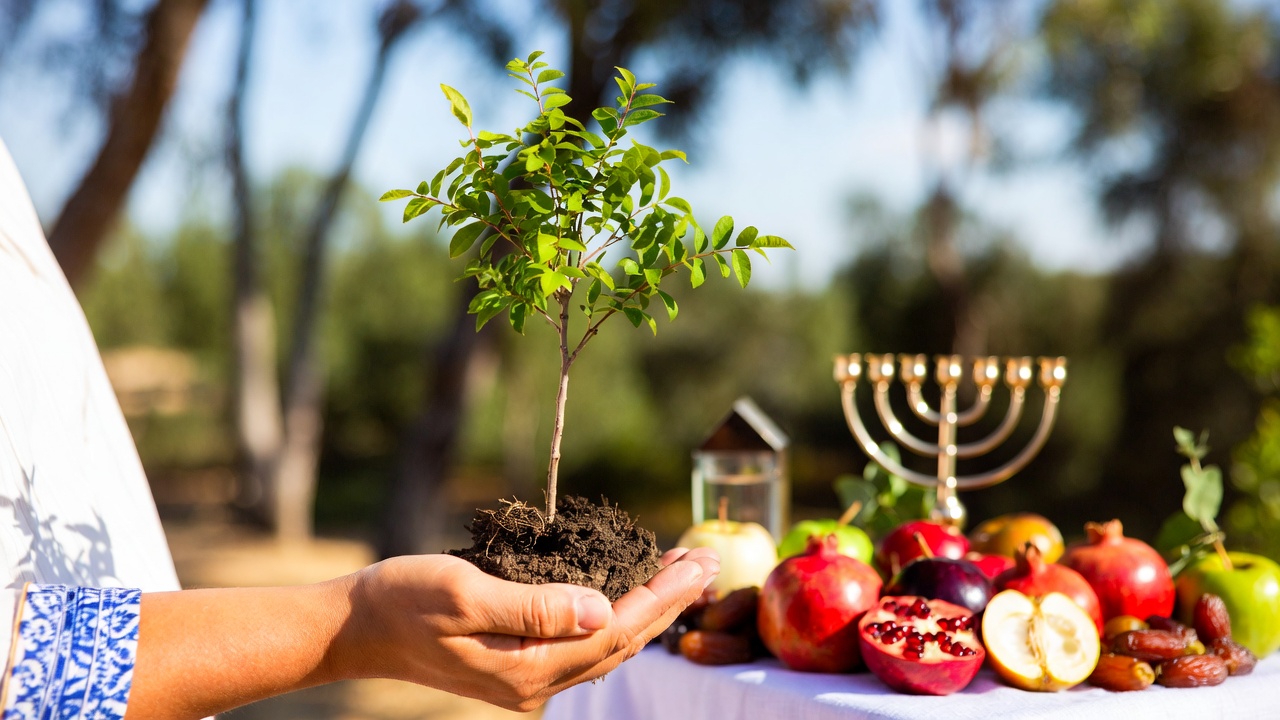
Tu Bishvat (also spelled Tu B’Shevat or Tu BiShvat) is the Jewish “New Year of the Trees,” celebrated on the 15th day of the Hebrew month of Shevat. This beautiful holiday connects modern celebrants to ancient agricultural traditions and the natural bounty of the Land of Israel.
The holiday originated in the Talmud as a date for calculating the agricultural cycle of taking tithes from trees. According to Wikipedia, Tu BiShvat appears in the Mishnah as one of the four new years in the Jewish calendar. Today, it serves as both an ecological awareness day and a celebration of Jewish heritage.
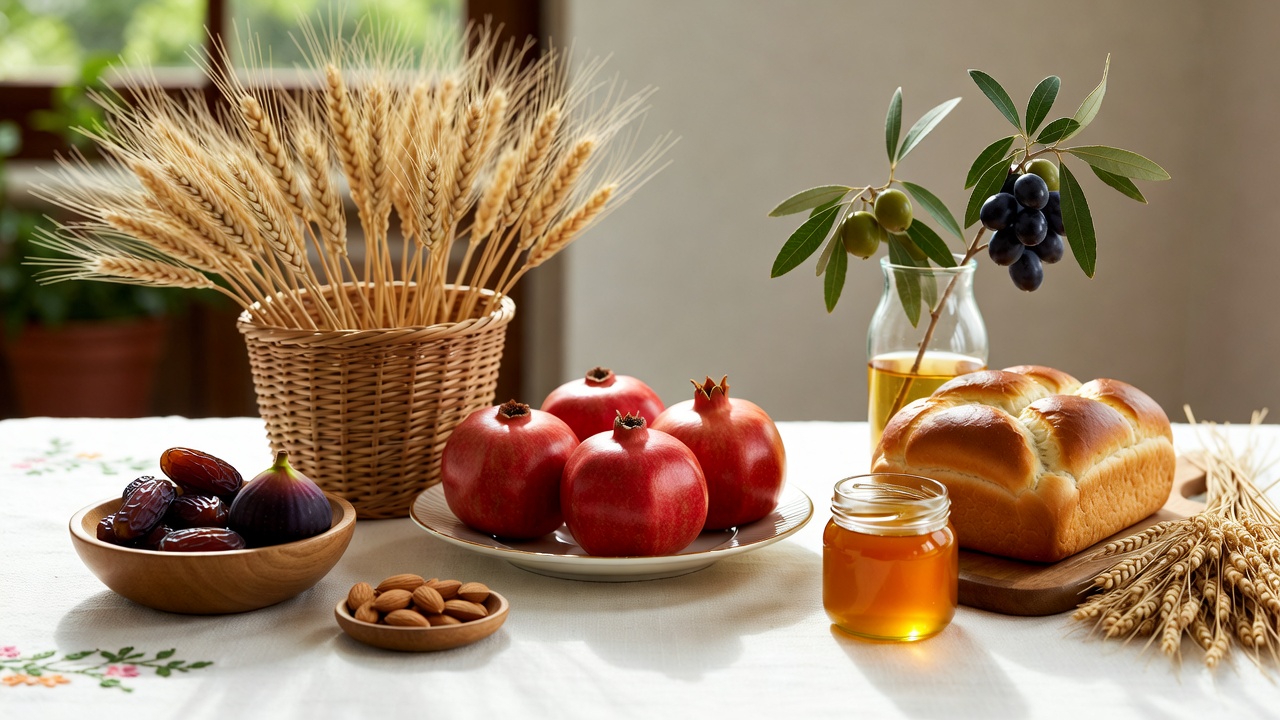
Central to Tu Bishvat celebrations are the Seven Species (Shivat Haminim in Hebrew). These are the seven agricultural products specifically listed in the Torah as special to the Land of Israel:
“A land of wheat and barley, of vines, figs, and pomegranates, a land of olive trees and honey” — Deuteronomy 8:8
Understanding the Seven Species: A Quick Reference Guide
Before diving into our Tu Bishvat recipes, let’s understand each of the Seven Species and their significance.
| Species | Hebrew Name | Form Typically Used | Symbolic Meaning |
|---|---|---|---|
| Wheat | Chitah | Bread, challah, cakes | Physical and spiritual nourishment |
| Barley | Se’orah | Soups, salads, pilaf | Strength and sustenance |
| Grapes | Gefen | Wine, juice, raisins | Joy and celebration |
| Figs | Te’enah | Fresh or dried | Endurance and longevity |
| Pomegranates | Rimon | Seeds, juice | Abundance (said to have 613 seeds) |
| Olives | Zayit | Olive oil, whole olives | Peace and light |
| Dates | Tamar | Fresh, dried, date honey (silan) | Sweetness and righteousness |
According to Chabad.org, these species are unique because they provide all the necessary nutrients for sustenance and the Land of Israel is the only place where all these diverse species naturally grow in close proximity.
Recipe #1: Honey-Wheat Challah with Date Syrup Glaze
Perfect for Tu Bishvat Seder starters
This traditional Tu Bishvat bread recipe incorporates two of the Seven Species—wheat and dates—creating a stunning centerpiece for your celebration table.
Why This Recipe Works for Tu Bishvat
Wheat represents the first of the Seven Species, and as Aish.com notes, the Tu Bishvat seder traditionally begins with bread or cake. When Tu Bishvat falls on Shabbat, wheat challah becomes even more significant.
Ingredients
- 4 cups whole wheat flour (or a blend with all-purpose)
- 1½ cups warm water
- 2 packets active dry yeast
- ½ cup date honey (silan) plus extra for glazing
- ¼ cup olive oil
- 2 eggs (plus 1 for egg wash)
- 1½ tsp salt
- Sesame seeds for topping
Instructions
- Activate the yeast. Combine warm water, yeast, and 1 tbsp date honey. Let sit for 10 minutes until foamy.
- Mix the dough. Add flour, remaining date honey, oil, eggs, and salt. Knead for 8-10 minutes until smooth.
- First rise. Cover and let rise for 1-2 hours until doubled.
- Braid the challah. Divide into three strands and braid. Place on a parchment-lined baking sheet.
- Second rise. Let rise for 30 minutes.
- Bake at 350°F (175°C) for 30-35 minutes until golden.
- Glaze immediately with warm date honey while still hot.
Pro Tip: The “honey” mentioned in Deuteronomy 8:8 refers to date honey (silan), not bee honey. According to Wikipedia’s Seven Species article, dates were traditionally boiled into a thick, long-lasting syrup for use as a sweetener.
Recipe #2: Mediterranean Barley Salad with Pomegranate Vinaigrette
A stunning Tu Bishvat grain salad bursting with color
This healthy Tu Bishvat recipe features three of the Seven Species—barley, pomegranates, and olive oil—in a refreshing, nutrient-dense salad.
Health Benefits of This Dish
According to Healthline, the fruits in the Seven Species are rich in fiber, antioxidants, and essential minerals. Barley provides 6 grams of fiber per cup, while pomegranate seeds deliver powerful polyphenol antioxidants.
Ingredients
For the Salad:
- 2 cups pearl barley, cooked and cooled
- 1 cup pomegranate arils (seeds)
- ½ cup diced cucumber
- ½ cup chopped fresh parsley
- ¼ cup chopped fresh mint
- ¼ cup crumbled feta cheese (optional)
For the Pomegranate Vinaigrette:
- ¼ cup pomegranate juice
- 3 tbsp extra virgin olive oil
- 1 tbsp red wine vinegar
- 1 tbsp date honey
- Salt and pepper to taste
Instructions
- Cook the barley according to package directions. Drain and cool completely.
- Make the vinaigrette. Whisk together all dressing ingredients until emulsified.
- Assemble the salad. Combine barley with cucumber, herbs, and most of the pomegranate arils.
- Dress and serve. Toss with vinaigrette, top with remaining pomegranate arils and feta.
Serving Suggestion: This salad can be served warm or cold, making it perfect for Tu Bishvat meal prep.
Recipe #3: Pomegranate-Glazed Chicken with Fig Reduction
An elegant Tu Bishvat main course
This festive Tu Bishvat dinner recipe showcases the complex flavors of pomegranates and figs—two fruits deeply connected to Jewish tradition.
The Significance of Pomegranates
According to The Israel Forever Foundation, the pomegranate is reputed to have 613 seeds, corresponding to the 613 mitzvot (commandments) in the Torah. Eating pomegranates symbolizes the aspiration to become “full of mitzvot.”
Ingredients
For the Chicken:
- 4 bone-in chicken thighs
- Salt and pepper
- 2 tbsp olive oil
- Fresh rosemary sprigs
For the Pomegranate-Fig Glaze:
- 1 cup pomegranate juice
- ½ cup dried figs, roughly chopped
- 2 tbsp date honey
- 2 tbsp balsamic vinegar
- 1 cinnamon stick
Instructions
- Season the chicken generously with salt and pepper.
- Sear the chicken in olive oil over medium-high heat, skin-side down, until golden (5-7 minutes). Flip and cook another 3 minutes.
- Make the glaze. In a small saucepan, combine pomegranate juice, figs, date honey, vinegar, and cinnamon. Simmer until reduced by half.
- Braise the chicken. Transfer chicken to a baking dish, pour glaze over, add rosemary.
- Bake at 375°F (190°C) for 25-30 minutes until cooked through.
- Rest and serve with pan juices spooned over top.
Recipe #4: Olive Oil Cake with Dried Fig and Date Compote
A moist, Mediterranean-inspired Tu Bishvat dessert
This traditional Tu Bishvat cake recipe highlights olive oil—the liquid gold of the Seven Species—alongside sweet figs and dates.
Why Olive Oil Matters
Olive oil was essential in ancient Israel for food, lighting, sacrificial offerings, and anointing. According to the Judaica Webstore Blog, olives represent peace and the transformation of bitterness into something beautiful.
Ingredients
For the Cake:
- 1½ cups all-purpose flour
- ¾ cup sugar
- ½ tsp baking soda
- ½ tsp baking powder
- ¼ tsp salt
- ¾ cup extra virgin olive oil
- 3 large eggs
- ½ cup Greek yogurt
- Zest of 1 orange
- 1 tsp vanilla extract
For the Compote:
- 1 cup dried figs, quartered
- 1 cup Medjool dates, pitted and chopped
- 1 cup sweet red wine
- ½ cup water
- 2 tbsp date honey
- 1 cinnamon stick
- 1 star anise
Instructions
For the Compote:
- Combine all compote ingredients in a saucepan.
- Simmer for 20 minutes until fruit is soft and liquid is syrupy.
- Remove spices and cool.
For the Cake:
- Preheat oven to 350°F (175°C). Grease a 9-inch round pan.
- Whisk dry ingredients together in one bowl.
- Whisk wet ingredients in another bowl.
- Combine wet into dry, mixing until just smooth.
- Pour into pan and bake 35-40 minutes until golden.
- Serve warm with fig-date compote spooned over each slice.
According to Aish.com, dried fruit compote is a classic Tu Bishvat accompaniment, traditionally simmered with wine, sugar, vanilla, and cinnamon.
Recipe #5: Stuffed Grape Leaves with Barley and Herbs
A savory appetizer featuring the vine
This Tu Bishvat appetizer recipe uses grape leaves to represent the vine—one of the Seven Species often celebrated through wine.
The Significance of the Vine
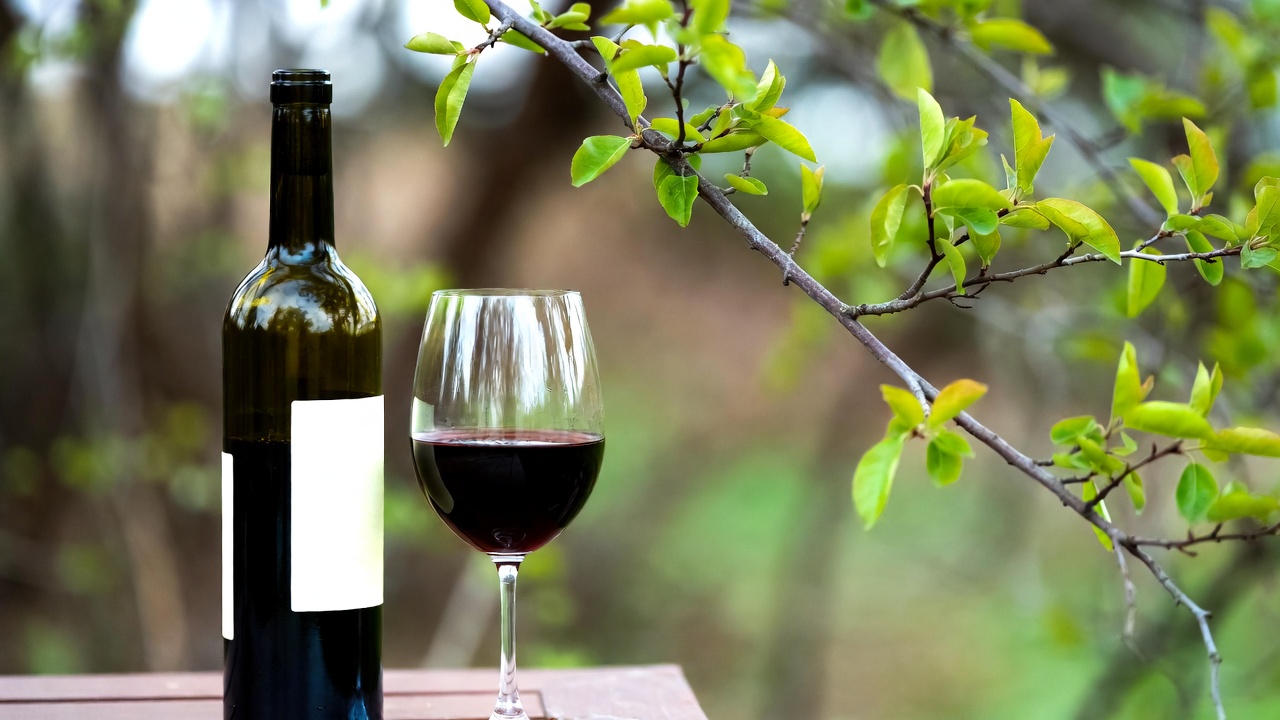
Grapes are consumed during Tu Bishvat as wine, juice, or dried fruit (raisins). According to Remitly, the traditional Tu Bishvat seder includes drinking both red and white wines to symbolize the transition from winter to spring.
Ingredients
- 1 jar grape leaves (about 30 leaves), rinsed
- 1 cup pearl barley, cooked
- ¼ cup olive oil (plus more for finishing)
- 1 small onion, finely diced
- 3 cloves garlic, minced
- ¼ cup pine nuts, toasted
- ¼ cup dried currants (from grapes!)
- 2 tbsp fresh dill, chopped
- 2 tbsp fresh mint, chopped
- Juice of 1 lemon
- Salt and pepper to taste
Instructions
- Sauté the aromatics. Cook onion in olive oil until soft. Add garlic and cook 1 minute more.
- Mix the filling. Combine cooked barley with sautéed vegetables, pine nuts, currants, herbs, and half the lemon juice. Season well.
- Roll the grape leaves. Place 1 tbsp filling on each leaf, fold in sides, and roll tightly.
- Arrange in pot. Layer rolls seam-side down in a pot lined with extra grape leaves.
- Cook covered with water and remaining lemon juice for 45 minutes over low heat.
- Serve at room temperature drizzled with olive oil.
Recipe #6: Seven Species Trail Mix for Tu Bishvat Snacking
The easiest Tu Bishvat recipe for all ages
This simple Tu Bishvat snack makes it easy to enjoy all Seven Species in one nutritious, portable mix.
Nutritional Powerhouse
According to research published in the National Institutes of Health (PMC), dietary supplementation with pomegranates, figs, and dates can provide significant health benefits, including anti-inflammatory properties.
| Ingredient | Amount | Key Nutrients |
|---|---|---|
| Dried figs | 1 cup | Fiber, calcium, magnesium |
| Medjool dates, chopped | 1 cup | Potassium, B vitamins |
| Raisins (dried grapes) | ½ cup | Iron, antioxidants |
| Dried pomegranate seeds | ½ cup | Vitamin C, polyphenols |
| Wheat germ | ¼ cup | Vitamin E, protein |
| Barley nuggets (puffed) | ½ cup | Fiber, selenium |
| Olive oil-roasted almonds | ½ cup | Healthy fats, vitamin E |
Instructions
- Combine all ingredients in a large bowl.
- Toss gently to distribute evenly.
- Store in an airtight container for up to 2 weeks.
- Serve in small bowls during the Tu Bishvat seder or pack for snacks.
Dietary Note: One Green Planet reports that figs offer more fiber, iron, magnesium, and calcium than dates, while containing 15% fewer calories—making this mix both nutritious and balanced.
Recipe #7: Roasted Vegetable Platter with Seven Species Drizzle
A show-stopping Tu Bishvat side dish
This vegetable Tu Bishvat recipe incorporates the Seven Species into a spectacular drizzle that elevates simple roasted vegetables.
Creating the Seven Species Drizzle
This unique sauce combines olive oil, date honey, fig balsamic, pomegranate molasses, and toasted wheat berries for a truly symbolic finishing touch.
Ingredients
For the Roasted Vegetables:
- 2 cups butternut squash, cubed
- 2 cups cauliflower florets
- 1 cup Brussels sprouts, halved
- 2 cups root vegetables (carrots, parsnips)
- 3 tbsp olive oil
- Salt, pepper, za’atar
For the Seven Species Drizzle:
- ¼ cup extra virgin olive oil
- 2 tbsp date honey (silan)
- 1 tbsp fig balsamic vinegar
- 1 tbsp pomegranate molasses
- 2 tbsp cooked wheat berries
- 2 tbsp cooked barley
- Pinch of flaky sea salt
Instructions
For the Vegetables:
- Preheat oven to 425°F (220°C).
- Toss vegetables with olive oil, salt, pepper, and za’atar.
- Spread on baking sheets in a single layer.
- Roast 30-35 minutes until caramelized, stirring once.
For the Drizzle:
- Whisk together olive oil, date honey, fig balsamic, and pomegranate molasses.
- Stir in cooked wheat berries and barley.
- Season with sea salt.
To Serve: Arrange roasted vegetables on a large platter and drizzle generously with the Seven Species sauce. Garnish with pomegranate arils and fresh herbs.
Tips for Planning Your Tu Bishvat Seder Menu
Building a Complete Tu Bishvat Feast
According to Jamie Geller, Tu Bishvat is “a festival bursting with nature’s splendor and the vibrancy of life.” Here’s how to structure your meal:
Suggested Menu Flow:
| Course | Recommended Recipe | Species Featured |
|---|---|---|
| Blessing Bread | Honey-Wheat Challah | Wheat, Dates |
| Appetizer | Stuffed Grape Leaves | Grapes, Barley, Olives |
| Salad | Barley Pomegranate Salad | Barley, Pomegranates, Olives |
| Main Course | Pomegranate-Glazed Chicken | Pomegranates, Figs |
| Side Dish | Roasted Vegetables with Drizzle | All Seven Species |
| Dessert | Olive Oil Cake with Compote | Olives, Figs, Dates |
| Snacks/Seder | Seven Species Trail Mix | All Seven Species |
The Four Cups Tradition
Like the Passover seder, many Tu Bishvat celebrations include four cups of wine or grape juice. According to Wikipedia’s Tu BiShvat seder article, the tradition involves drinking various proportions of red and white wine, progressing from white to red to symbolize the transition from winter to spring.
Health Benefits of the Seven Species
Nutritional Comparison Table
| Species | Calories (per 100g) | Key Nutrients | Health Benefits |
|---|---|---|---|
| Wheat | 340 | Fiber, B vitamins | Sustained energy |
| Barley | 354 | Fiber, selenium | Heart health, digestion |
| Grapes (raisins) | 299 | Iron, potassium | Antioxidant protection |
| Figs (dried) | 249 | Calcium, fiber | Bone health, digestion |
| Pomegranates | 83 | Vitamin C, K | Anti-inflammatory |
| Olives | 115 | Healthy fats | Heart health |
| Dates | 282 | Potassium, B6 | Brain health, energy |
According to MedicineNet, dates are particularly beneficial for brain health due to their rich antioxidant content, while figs help regulate blood pressure and support healthy bones through their high calcium content.
Frequently Asked Questions About Tu Bishvat Cooking
What is the best date for Tu Bishvat 2026?
Tu Bishvat 2026 begins at sundown on Sunday, February 1 and continues through Monday, February 2. This is the perfect time to prepare your Seven Species feast!
Can I prepare Tu Bishvat recipes in advance?
Yes! Many Tu Bishvat dishes improve with time:
- Trail mix: Keeps 2 weeks in airtight container
- Fig-date compote: Can be refrigerated up to 1 week
- Barley salad: Best made 1 day ahead for flavors to meld
- Stuffed grape leaves: Can be frozen for up to 3 months
What if I can’t find all Seven Species?
Focus on what’s available! As Vered’s Israeli Cooking notes, you can gather whatever Seven Species are available fresh or dried. The important thing is intention and celebration.
Is Tu Bishvat food kosher?
Most Seven Species ingredients are naturally kosher. However, according to Aish.com, you should check fruits for insects (especially figs, dates, and dried apricots) before eating, as bugs are not kosher.
Conclusion: Celebrating Nature’s Bounty Through Food
Tu Bishvat offers a beautiful opportunity to connect with Jewish heritage, ecological awareness, and the simple joy of eating nature’s finest foods. By incorporating the Seven Species into your celebration, you’re participating in a tradition that Reform Judaism describes as evidence of both the land’s great bounty and spiritual connection.
Whether you prepare an elaborate seder with all seven recipes or simply enjoy a bowl of dried figs and dates, the essence of Tu Bishvat remains the same: gratitude for the earth and its gifts.
As the St. Louis Jewish Light beautifully states, seven is the number of completeness and wholesomeness in Judaism. May your Tu Bishvat feast be complete with all the flavors, traditions, and joy this holiday offers.
Chag Sameach! Happy Tu Bishvat! 🌳
Looking for more Jewish holiday recipes? Explore our guides to Passover cooking, Rosh Hashanah foods, and Shabbat meal planning.