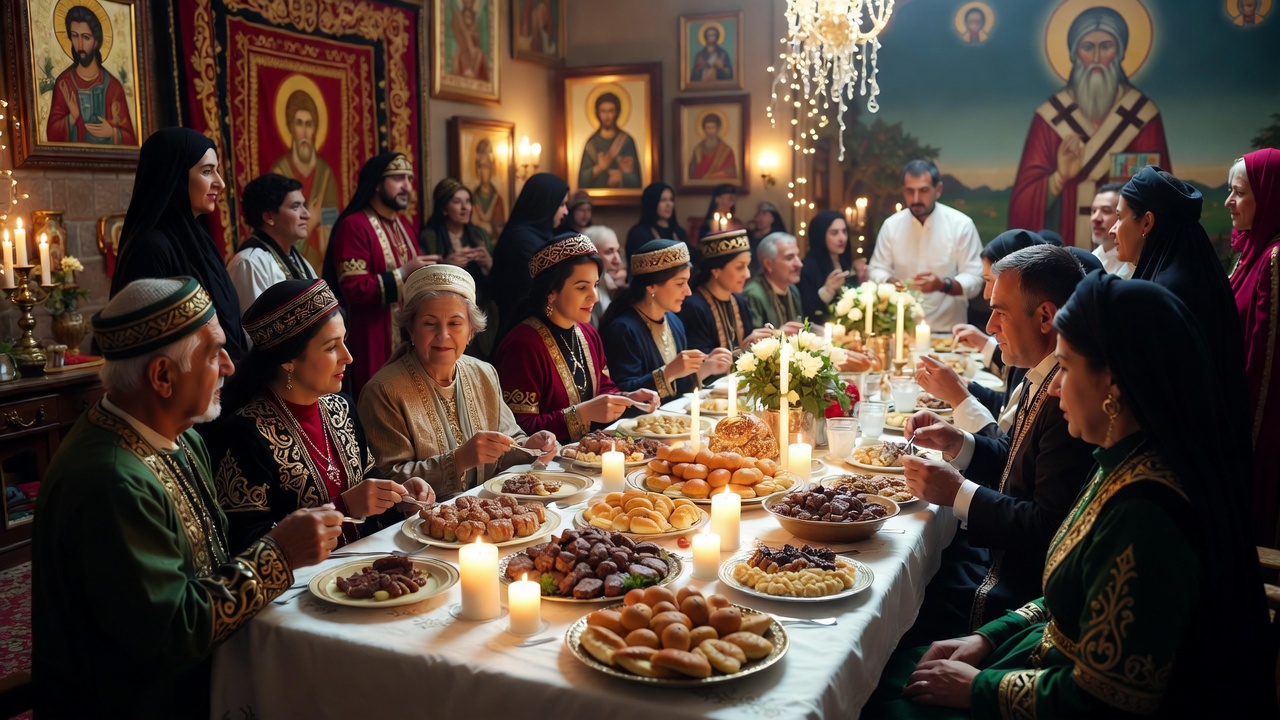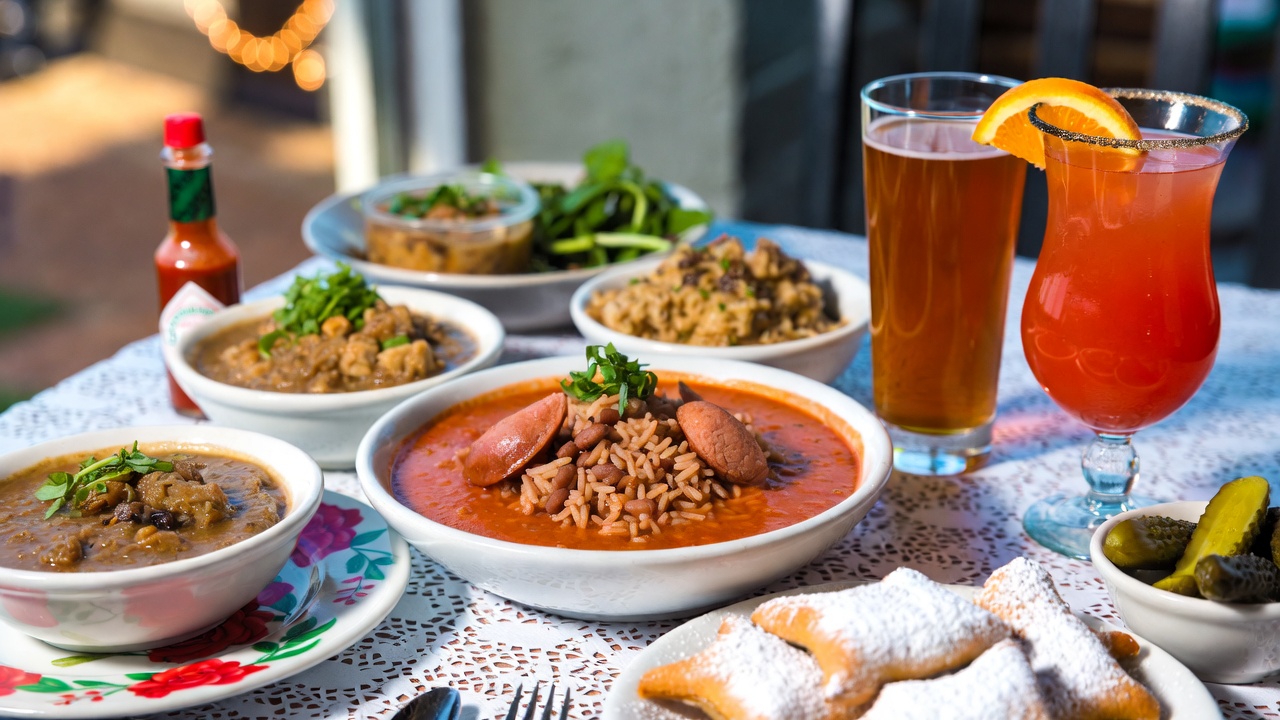
There’s something magical about the final hours before Lent begins. Streets fill with music, masks glitter under lamplight, and tables groan under the weight of foods so rich, so indulgent, that they could only exist in the fleeting moment before forty days of fasting. Fat Tuesday—known as Mardi Gras in French, Martedi Grasso in Italian, and Fastnacht in German—represents humanity’s universal impulse to celebrate abundance before a season of sacrifice.
I’ve spent two decades chasing these celebrations across continents. From the sugar-dusted streets of New Orleans to the candlelit bakeries of Warsaw, from the lemon-scented kitchens of Cornwall to the cardamom-perfumed cafés of Stockholm, I’ve discovered that every culture facing Lent developed its own answer to the same question: How do we use up all the butter, eggs, sugar, and fat before the fasting begins?
The answers they found tell us everything about who they are.
This guide will take you through seven essential Fat Tuesday foods from around the world, complete with authentic recipes, cultural context, and the stories that make each bite meaningful. Whether you’re planning your own Mardi Gras feast, curious about global traditions, or simply hungry for something delicious, these are the foods you absolutely must experience before the Lenten season arrives.
What Is Fat Tuesday and Why Do We Eat Special Foods?
The History Behind Mardi Gras Feasting Traditions
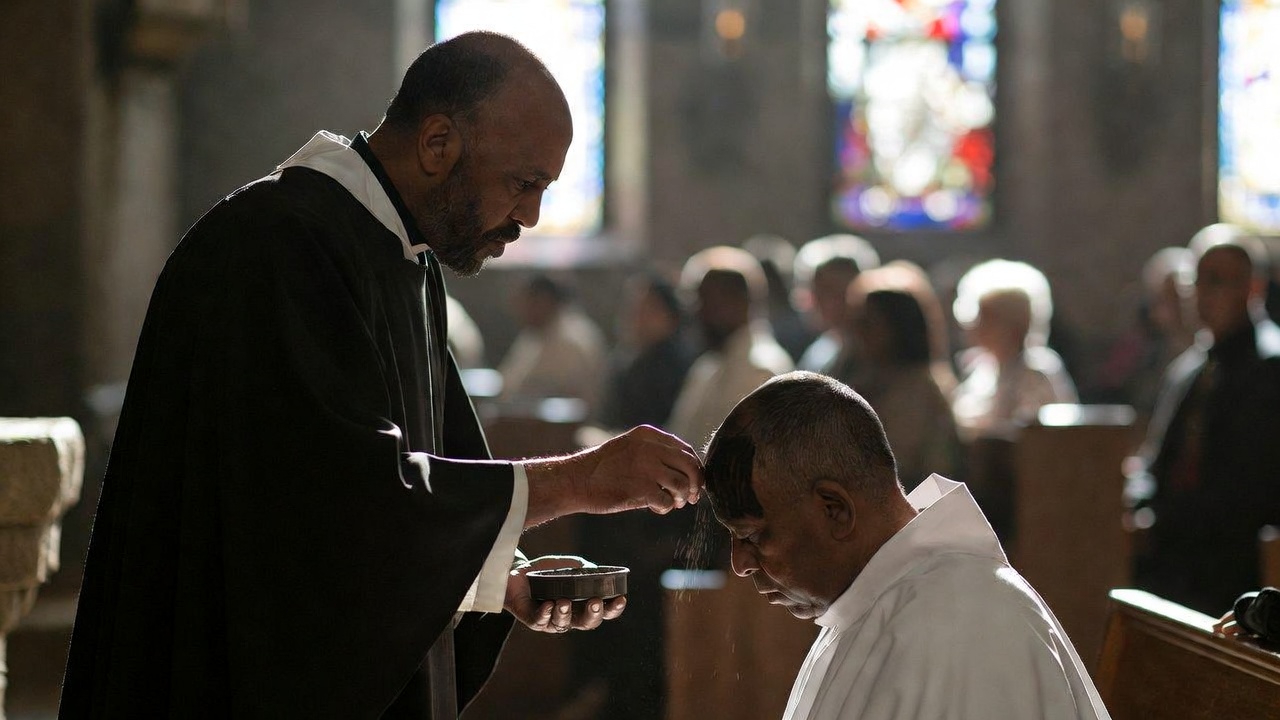
Fat Tuesday falls on the day before Ash Wednesday, marking the final day of the Carnival season and the last opportunity for indulgence before the 40-day Lenten fast begins. The date shifts each year based on the Easter calendar, typically landing somewhere between February 3 and March 9.
The name itself reveals the day’s purpose. “Fat” refers to the practice of using up all the fats, oils, and rich ingredients that would be forbidden during Lent. In medieval Europe, this meant finishing off:
| Forbidden Lenten Ingredients | How They Were Used Up |
|---|---|
| Butter and lard | Rich pastries and fried doughs |
| Eggs | Custards, cakes, and enriched breads |
| Sugar | Sweet confections and desserts |
| Milk and cream | Rich sauces and filled pastries |
| Meat drippings | Savory pies and fried foods |
The tradition of Carnival feasting dates back to ancient Rome, where the festival of Saturnalia featured similar excesses before periods of religious observance. When Christianity spread across Europe, these pagan traditions merged with the Christian liturgical calendar, creating the Carnival celebrations we recognize today.
Why Traditional Fat Tuesday Recipes Matter Today
Even if you don’t observe Lent, these foods carry profound cultural significance. They represent centuries of culinary ingenuity, community celebration, and the human need to mark transitions with meaningful rituals. Each recipe encodes the flavors, ingredients, and techniques of its homeland.
When you bite into a Polish pączki, you’re tasting the same recipe that sustained Warsaw families through harsh winters and war. When you flip a British pancake, you’re participating in a tradition older than the English language itself. These aren’t just recipes—they’re edible history.
1. King Cake: The Crown Jewel of New Orleans Mardi Gras
What Is King Cake and Where Did It Originate?
No discussion of Fat Tuesday food traditions can begin anywhere but New Orleans, and no New Orleans Mardi Gras is complete without King Cake. This oval-shaped, brioche-style cake, decorated in the traditional Mardi Gras colors of purple, gold, and green, has become the undisputed symbol of Louisiana’s Carnival season.
The King Cake tradition traces its roots to 12th-century France, where a similar cake called Gâteau des Rois celebrated the Feast of the Epiphany on January 6th. French settlers brought the tradition to Louisiana in the 18th century, where it evolved into something distinctly American while retaining its European soul.
The colors carry specific meanings:
- Purple represents justice
- Gold symbolizes power
- Green stands for faith
Hidden inside every King Cake is a tiny plastic baby (historically, a dried bean or pecan), representing the baby Jesus. Whoever finds the baby in their slice must host the next King Cake party or bring the next cake—a tradition that keeps the celebrations rolling throughout the Carnival season, from Epiphany through Fat Tuesday.
The Cultural Significance of King Cake in Louisiana
In New Orleans, King Cake season is serious business. Local bakeries like Dong Phuong, Haydel’s, and Gambino’s produce hundreds of thousands of cakes each season. The flavors have evolved far beyond the traditional cinnamon-sugar, now including cream cheese, praline, strawberry, and even savory versions with boudin or crawfish.
According to data from the New Orleans Convention and Visitors Bureau, the city sells an estimated 500,000 King Cakes during each Carnival season. It’s not just a food—it’s an economic engine and a cultural institution.
Authentic New Orleans King Cake Recipe
Prep Time: 45 minutes (plus rising time)
Cook Time: 25-30 minutes
Servings: 12-16
Ingredients for the Dough:
- 1 cup whole milk, warmed to 110°F (43°C)
- 2¼ teaspoons active dry yeast (one packet)
- ½ cup granulated sugar, divided
- 4 cups all-purpose flour, plus more for kneading
- 2 teaspoons ground cinnamon
- 1 teaspoon freshly grated nutmeg
- 1 teaspoon fine sea salt
- 4 large egg yolks, room temperature
- 1 teaspoon pure vanilla extract
- Zest of one lemon
- ½ cup unsalted butter, softened and cut into pieces
Ingredients for the Cinnamon Filling:
- ½ cup unsalted butter, softened
- 1 cup packed light brown sugar
- 1 tablespoon ground cinnamon
Ingredients for the Icing and Decoration:
- 3 cups powdered sugar, sifted
- 3-4 tablespoons whole milk
- 1 teaspoon pure vanilla extract
- Purple, gold, and green sanding sugars
Step-by-Step Instructions:
Step 1: Activate the Yeast
Combine warm milk, yeast, and 1 tablespoon of sugar in a large bowl. Let stand for 10 minutes until foamy. This bloom tells you your yeast is alive and ready to work.
Step 2: Make the Dough
In a separate bowl, whisk together flour, remaining sugar, cinnamon, nutmeg, and salt. Add egg yolks, vanilla, and lemon zest to the yeast mixture. Gradually incorporate the flour mixture, stirring until a shaggy dough forms.
Turn onto a floured surface and knead for 8-10 minutes, adding butter one piece at a time as you knead. The dough should become smooth, elastic, and slightly tacky but not sticky.
Step 3: First Rise
Place dough in a greased bowl, cover with plastic wrap, and let rise in a warm place for 1½ to 2 hours, until doubled in size.
Step 4: Shape and Fill
Punch down the dough and roll into a large rectangle, approximately 22 x 14 inches. Spread softened butter across the surface, leaving a 1-inch border. Mix brown sugar and cinnamon, then sprinkle evenly over the butter.
Starting from the long edge, roll the dough into a tight log. Form into an oval ring, pinching the ends together. Place on a parchment-lined baking sheet.
This is when you hide the plastic baby—push it into the dough from the bottom so it’s completely concealed.
Step 5: Second Rise
Cover loosely and let rise for another 45 minutes to 1 hour. Preheat oven to 350°F (175°C) during the final 20 minutes of rising.
Step 6: Bake
Bake for 25-30 minutes until golden brown and the internal temperature reaches 190°F (88°C). Cool completely before decorating.
Step 7: Decorate
Whisk powdered sugar, milk, and vanilla until smooth. Drizzle generously over the cake. While icing is wet, sprinkle alternating sections with purple, gold, and green sanding sugars.
Pro Tip from the French Quarter: True New Orleans bakers let their King Cakes cool overnight before icing. This prevents the colors from bleeding and keeps the icing from sliding off. Patience makes perfection.
2. Pączki: Poland’s Beloved Fat Thursday Doughnuts
The Rich History of Polish Pączki Doughnuts
While Americans celebrate Fat Tuesday, Poles mark Tłusty Czwartek (Fat Thursday)—the last Thursday before Lent—with an almost religious devotion to pączki (pronounced POONCH-key). These aren’t your average doughnuts. Pączki are denser, richer, and more decadent than anything you’ll find at your local doughnut shop, filled with rose hip jam, custard, or sweet cheese and fried to golden perfection.
The tradition dates back to medieval Poland, when cooks needed to use up all their lard, sugar, and eggs before the Lenten fast. What began as practical economy became cultural obsession. Today, Polish bakeries report selling up to 100 times their normal doughnut volume on Fat Thursday.
According to the Polish Cultural Institute, the average Pole consumes 2.5 pączki on Fat Thursday alone. In cities like Warsaw, Kraków, and Gdańsk, lines at renowned bakeries like Blikle or A. Blikle stretch around the block, with some customers arriving before dawn to secure their share.
What Makes Authentic Pączki Different from Regular Doughnuts?
The secret to authentic pączki lies in three key differences:
- The dough contains alcohol. Traditional recipes include a splash of grain alcohol (spirytus) or rum, which helps the dough absorb less oil during frying and creates an incredibly light interior.
- The fat content is extraordinary. Pączki dough contains significantly more egg yolks and butter than American doughnut recipes, producing a brioche-like richness.
- The filling is unexpected. While Americans might expect custard or jelly, traditional Polish pączki feature rose hip jam (powidła z dzikiej róży)—a tart, floral preserve that cuts through the richness beautifully.
Traditional Polish Pączki Recipe with Rose Hip Jam
Prep Time: 1 hour (plus rising time)
Cook Time: 20 minutes
Yield: 16-18 pączki
Ingredients for the Dough:
- 4 cups all-purpose flour
- ⅓ cup granulated sugar
- 2¼ teaspoons instant yeast
- ½ teaspoon fine salt
- ¾ cup whole milk, warmed
- 6 large egg yolks
- 1 whole large egg
- ½ cup unsalted butter, softened
- 2 tablespoons rum or grain alcohol
- 1 teaspoon pure vanilla extract
- Zest of one orange
For Frying and Finishing:
- 2 quarts vegetable oil or lard (traditional)
- Rose hip jam, thick custard, or prune butter for filling
- Powdered sugar or fondant icing for coating
Step-by-Step Instructions:
Step 1: Create the Dough
Combine flour, sugar, yeast, and salt in the bowl of a stand mixer. Add warm milk, egg yolks, whole egg, vanilla, orange zest, and alcohol. Mix with the dough hook on low speed until combined.
Increase speed to medium and knead for 10 minutes. Add softened butter, one tablespoon at a time, allowing each addition to incorporate fully. Continue kneading until the dough is smooth, elastic, and pulls away from the bowl’s sides. This process takes 15-20 minutes total.
Step 2: First Rise
Transfer dough to a greased bowl, cover tightly, and let rise in a warm place for 1½ hours or until doubled.
Step 3: Shape
Turn dough onto a lightly floured surface. Roll to ½-inch thickness. Using a 3-inch round cutter, cut circles and place on parchment-lined baking sheets, spacing 2 inches apart. Cover and let rise 45 minutes until puffy.
Step 4: Fry
Heat oil or lard to 350°F (175°C) in a deep pot or Dutch oven. Carefully lower 3-4 pączki at a time into the hot oil. Fry for 2-3 minutes per side until deep golden brown. The distinctive pale band around the middle indicates proper rising and frying technique.
Drain on paper towels and cool slightly before filling.
Step 5: Fill and Finish
Using a piping bag fitted with a long, thin tip, inject approximately 2 tablespoons of rose hip jam into the center of each pączek. Roll in powdered sugar or dip in thin fondant icing.
A Note on Authenticity: In Poland, bakeries use a special double-frying technique, partially frying the pączki, letting them rest, then finishing them. This creates the characteristic band and ensures even cooking. For home cooks, maintaining consistent oil temperature is the key to achieving similar results.
3. British Pancakes: The Shrove Tuesday Classic
Why Do the British Eat Pancakes on Fat Tuesday?
Cross the English Channel, and Fat Tuesday transforms into Shrove Tuesday—a day defined by one thing: pancakes. Unlike their fluffy American cousins, British pancakes are thin, delicate crêpes, served simply with lemon juice and sugar. This seemingly humble tradition actually represents one of the oldest continuous food customs in the Western world.
The word “Shrove” comes from the old English word shrive, meaning to confess sins. Shrove Tuesday was historically the day Christians went to confession before Lent began. But before they could focus on their souls, they had practical matters to address: the eggs, milk, and butter in their larders needed using up.
The solution? Pancakes. Simple, satisfying, and capable of consuming large quantities of soon-to-be-forbidden ingredients in a single delicious package.
Pancake Races: The Most British Tradition Imaginable
The town of Olney in Buckinghamshire has held an annual Pancake Race since 1445, making it one of the longest-running sporting events in history. According to local legend, a housewife was so busy making pancakes that she lost track of time. When she heard the church bells calling her to confession, she ran to the church still carrying her frying pan, pancake and all.
Today, competitors must be female residents of Olney, wear an apron and headscarf, and flip their pancake at both the start and finish of the 415-yard race. The winner receives a kiss from the verger and a prayer book. The Olney Pancake Race has inspired similar events worldwide, including a “sister” race in Liberal, Kansas, with which Olney has competed since 1950.
Traditional British Shrove Tuesday Pancakes Recipe
Prep Time: 10 minutes (plus 30 minutes resting)
Cook Time: 20 minutes
Servings: 8-10 pancakes
Ingredients:
- 4¼ ounces (120g) plain flour
- Pinch of fine sea salt
- 2 large eggs
- 7 fluid ounces (200ml) whole milk
- 2¾ fluid ounces (75ml) water
- 2 tablespoons unsalted butter, melted, plus more for the pan
- Fresh lemons, cut into wedges
- Caster sugar for serving
Method:
Step 1: Make the Batter
Sift flour and salt into a large mixing bowl. Create a well in the center and crack in the eggs. Add half the milk and whisk from the center outward, gradually incorporating the flour. Once smooth, add remaining milk, water, and melted butter. The batter should be the consistency of single cream.
Step 2: Rest
Cover and let the batter rest at room temperature for 30 minutes. This allows the flour to hydrate fully and the gluten to relax, resulting in more tender pancakes.
Step 3: Cook
Heat an 8-inch non-stick frying pan or well-seasoned crêpe pan over medium-high heat. Add a small knob of butter and swirl to coat. Pour approximately 2 tablespoons of batter into the pan, immediately tilting to spread it into a thin, even layer.
Cook for 1-2 minutes until the edges turn golden and begin to curl. This is the flip moment. Use a palette knife to loosen the edges, then either flip with confidence or use the “toss” method if you’re feeling brave.
Cook the second side for another 30-45 seconds until golden spotted.
Step 4: Serve Immediately
British pancakes wait for no one. Serve immediately with a generous squeeze of fresh lemon juice and a sprinkle of caster sugar. Roll or fold as you prefer.
The Perfect Flip: The secret to the toss is confidence. Loosen the pancake completely, give the pan a gentle shake to ensure it’s sliding freely, then flick your wrist upward and slightly toward you. The pancake should flip approximately 180 degrees and land squarely in the pan. Practice with cold pancakes first—and perhaps keep a mop handy.
4. Portuguese Malasadas: From the Azores to Hawaii
The Journey of Malasadas Across the Pacific
Malasadas represent one of the most remarkable culinary migrations in Fat Tuesday history. These yeasted, sugar-coated doughnuts originated in the Azores and Madeira Islands of Portugal, where they were traditionally made to use up lard and sugar before Lent. In the late 19th century, Portuguese laborers brought the tradition to Hawaii, where malasadas became an integral part of the islands’ multicultural food identity.
Today, Malasada Day (the Tuesday before Ash Wednesday) is a genuine Hawaiian holiday. Bakeries like Leonard’s Bakery in Honolulu, founded by Portuguese immigrants in 1952, sell thousands of malasadas daily during the Carnival season. The lines stretch out the door and down the block, filled with locals and tourists alike seeking these pillowy, sugar-crusted spheres of perfection.
According to Leonard’s Bakery, they produce over 10,000 malasadas per day during peak season—and still run out.
What Makes Hawaiian Malasadas Different from Portuguese Originals?
The Hawaiian adaptation introduced several innovations:
| Feature | Portuguese Original | Hawaiian Style |
|---|---|---|
| Filling | Unfilled | Often filled with custard, haupia (coconut), or guava |
| Coating | Plain sugar | Flavored sugars including li hing mui and cinnamon |
| Size | Tennis ball size | Slightly larger |
| Texture | Denser | Lighter, more airy |
Both versions share the characteristic crispy exterior and soft, eggy interior that defines a perfect malasada.
Authentic Malasadas Recipe (Hawaiian-Portuguese Style)
Prep Time: 30 minutes (plus 2 hours rising)
Cook Time: 25 minutes
Yield: 24 malasadas
Ingredients:
- 1 cup whole milk, warmed to 110°F
- ½ cup granulated sugar, divided
- 2¼ teaspoons active dry yeast
- 4 cups bread flour
- ½ teaspoon fine sea salt
- 6 tablespoons unsalted butter, melted and cooled
- 4 large eggs, lightly beaten
- 1 teaspoon pure vanilla extract
- Vegetable oil for frying (about 2 quarts)
- 1½ cups granulated sugar for coating
Instructions:
Step 1: Activate Yeast
Combine warm milk, 1 tablespoon sugar, and yeast. Let stand 10 minutes until foamy and fragrant.
Step 2: Mix Dough
In a large bowl or stand mixer, combine flour, remaining sugar, and salt. Add yeast mixture, melted butter, eggs, and vanilla. Mix with the dough hook on medium speed for 8-10 minutes until the dough is smooth and elastic but still quite soft and sticky. Do not add additional flour—the sticky texture is essential for light, tender malasadas.
Step 3: First Rise
Cover bowl with plastic wrap and let rise in a warm place for 1½ to 2 hours until doubled in size.
Step 4: Shape
Turn the sticky dough onto a well-floured surface. With floured hands, pull off golf ball-sized portions and gently shape into rounds. Place on parchment-lined baking sheets, cover, and let rise 30 minutes.
Step 5: Fry
Heat oil to 350°F (175°C) in a deep pot. Carefully add 4-5 dough balls at a time. Fry for 2-3 minutes per side until deep golden brown. The malasadas should puff significantly during frying.
Step 6: Coat
Drain briefly on paper towels, then immediately roll in granulated sugar while still hot. Serve warm.
For Filled Malasadas: Let malasadas cool slightly, then use a chopstick to poke a hole in one side. Pipe in haupia (coconut pudding), chocolate custard, or guava jam using a pastry bag with a round tip.
Island Wisdom: In Hawaii, malasadas are always served fresh and warm. Locals say that a malasada more than two hours old has lost its soul. Plan to eat them immediately—this won’t be difficult.
5. Pennsylvania Dutch Fasnachts: America’s German Heritage
The History of Fasnacht Day in Pennsylvania
In the rolling farmland of Lancaster County, Pennsylvania, Fat Tuesday is known simply as Fasnacht Day—and it’s celebrated with a very specific doughnut that bears little resemblance to anything you’d find at a chain coffee shop.
Fasnachts (also spelled fastnachts) are the culinary legacy of German immigrants who settled Pennsylvania in the 17th and 18th centuries. These settlers, often called the Pennsylvania Dutch (a corruption of “Deutsch,” meaning German), brought with them the Alemannic Carnival traditions of southwestern Germany, where Fastnacht was the most important celebration of the year.
The Pennsylvania Dutch fasnacht is distinctively potato-based, using mashed potatoes in the dough to create an unusually moist, tender texture. They’re typically cut into rectangular or square shapes rather than rounds, and they often feature a distinctive slit in the center to help them cook evenly.
Why Fasnachts Are Different from Other Doughnuts
| Characteristic | Pennsylvania Dutch Fasnacht | Standard American Doughnut |
|---|---|---|
| Main ingredient | Mashed potatoes in dough | Flour-based only |
| Shape | Rectangular with center slit | Round with hole |
| Texture | Dense, moist, slightly chewy | Light, cakey or fluffy |
| Sweetness | Subtle, often unsweetened | Very sweet |
| Traditional topping | Plain or light sugar dusting | Heavy glazes, icings |
The addition of mashed potatoes serves a practical purpose: it keeps the fasnachts fresh longer and prevents them from becoming dry or stale as quickly as standard doughnuts.
Traditional Pennsylvania Dutch Fasnachts Recipe
Prep Time: 45 minutes (plus 2½ hours rising)
Cook Time: 30 minutes
Yield: About 24 fasnachts
Ingredients:
- 1 pound russet potatoes, peeled and cubed
- 1 cup potato cooking water, cooled to lukewarm
- 2¼ teaspoons active dry yeast
- 1 cup granulated sugar
- 1 cup whole milk, scalded and cooled to lukewarm
- 6 cups all-purpose flour, divided
- 2 large eggs, beaten
- 4 tablespoons unsalted butter, softened
- 1 teaspoon fine sea salt
- ½ teaspoon ground nutmeg
- Lard or vegetable oil for frying
- Powdered sugar or granulated sugar for dusting (optional)
Instructions:
Step 1: Prepare Potatoes
Boil potatoes until very tender, about 20 minutes. Drain, reserving 1 cup of the cooking water. Mash potatoes until completely smooth—any lumps will create uneven texture. Let cool to room temperature.
Step 2: Activate Yeast
In a large bowl, combine lukewarm potato water, yeast, and 1 teaspoon of the sugar. Let stand 10 minutes until foamy.
Step 3: Make Sponge
Add 2 cups flour to the yeast mixture and stir well. Cover and let rise in a warm place for 1 hour. This sponge method develops flavor and ensures a good rise.
Step 4: Complete Dough
Add mashed potatoes, remaining sugar, lukewarm milk, eggs, butter, salt, nutmeg, and remaining flour to the sponge. Mix until a soft dough forms. Knead for 8-10 minutes until smooth and elastic but still slightly soft.
Step 5: Second Rise
Place in a greased bowl, cover, and let rise 1½ hours until doubled.
Step 6: Shape
Roll dough on a floured surface to ½-inch thickness. Cut into rectangles approximately 2 x 3 inches. Make a 1-inch slit in the center of each rectangle. Place on parchment-lined sheets, cover, and let rise 30 minutes.
Step 7: Fry
Heat lard or oil to 365°F (185°C). Fry fasnachts 2-3 at a time for about 2 minutes per side until golden brown. Drain on paper towels.
Step 8: Finish
Serve warm, plain or with a light dusting of powdered or granulated sugar. True Pennsylvania Dutch purists eat them plain, appreciating the subtle potato flavor and tender texture.
From a Lancaster County Kitchen: My grandmother always said that fasnachts made without potato weren’t fasnachts at all—they were just “fancy doughnuts trying too hard.” The potato is the soul of the recipe.
6. Swedish Semla: The Cream-Filled Lenten Bun
The Sacred Tradition of Semla in Scandinavia
In Sweden, the approach to Fat Tuesday is altogether different—elegant, restrained, and utterly delicious. The semla (plural: semlor) is a cardamom-spiced wheat bun, hollowed out and filled with almond paste and mountains of fresh whipped cream, then topped with its own lid dusted in powdered sugar.
The semla has been a Swedish tradition since at least the 1500s, though early versions were simpler—just a plain wheat bun soaked in warm milk. The almond paste and cream fillings developed over the centuries as Sweden’s prosperity grew. Today, Swedes consume an estimated 40 million semlor during the Lenten season, according to statistics from the Swedish Food Federation.
Fettisdagen (Fat Tuesday) is the traditional day for semlor, though modern Swedes begin eating them right after Christmas and continue through Easter. The “semla season” has become a full two months of cream-filled joy.
The Tragic Tale of King Adolf Frederick
The semla holds a notorious place in Swedish royal history. In 1771, King Adolf Frederick died after consuming a massive meal that concluded with fourteen semlor served in hot milk (hetvägg, the traditional preparation). While historians debate whether the semlor actually caused his death or merely accompanied his general overindulgence, the king is forever remembered as “the king who ate himself to death.”
Rather than diminishing the semla’s popularity, this story has only enhanced its legendary status. If a king was willing to die for these buns, they must be extraordinary.
Traditional Swedish Semla Recipe
Prep Time: 1 hour (plus rising and cooling time)
Cook Time: 15 minutes
Yield: 12 semlor
Ingredients for the Buns:
- 1 cup whole milk
- ½ cup unsalted butter
- ¼ cup granulated sugar
- 2¼ teaspoons active dry yeast
- 1 teaspoon ground cardamom (freshly ground is best)
- ½ teaspoon fine sea salt
- 1 large egg
- 3½ to 4 cups bread flour
Ingredients for the Filling:
- 7 ounces (200g) almond paste (not marzipan)
- 3-4 tablespoons milk
- Reserved bun centers, crumbled
- 1½ cups cold heavy whipping cream
- 2 tablespoons powdered sugar
- ½ teaspoon pure vanilla extract
For Finishing:
- Powdered sugar for dusting
Instructions:
Step 1: Make the Dough
Heat milk and butter until butter melts. Cool to 110°F (43°C). Stir in sugar, yeast, and cardamom. Let stand 5 minutes.
In a large bowl, combine 3 cups flour, salt, and egg. Add the milk mixture and stir until a shaggy dough forms. Gradually add remaining flour until dough is soft but not sticky. Knead 8-10 minutes until smooth and elastic.
Step 2: First Rise
Place in a greased bowl, cover, and let rise 1½ hours until doubled.
Step 3: Shape
Divide dough into 12 equal pieces. Shape each into a smooth, tight ball, tucking edges underneath. Place on parchment-lined baking sheets, spacing 3 inches apart. Cover and let rise 45 minutes.
Step 4: Bake
Preheat oven to 400°F (200°C). Brush buns lightly with beaten egg. Bake 12-15 minutes until golden brown. Cool completely before filling—this is essential.
Step 5: Prepare Almond Filling
Cut the tops off each cooled bun and set aside. Scoop out most of the interior (leaving a shell about ½-inch thick) and crumble into a bowl.
Grate or finely chop the almond paste. Combine with crumbled bun centers and enough milk to create a thick, spreadable paste. The texture should be like cookie dough.
Step 6: Whip Cream
Beat cold heavy cream with powdered sugar and vanilla until stiff peaks form.
Step 7: Assemble
Fill each bun cavity with a generous spoonful of almond paste mixture, pressing gently to flatten. Top with an extravagant mound of whipped cream—don’t be shy; the cream should be at least 2 inches tall.
Place the reserved lid on top at a jaunty angle. Dust generously with powdered sugar.
Step 8: Serve Traditionally
Semlor can be served as-is or the traditional way: hetvägg style, placed in a bowl of warm milk and eaten with a spoon. Modern Swedes typically prefer them on a plate with coffee.
A Stockholm Secret: The cardamom is everything. Use whole green cardamom pods, crack them open, and grind the seeds fresh. Pre-ground cardamom loses its floral, citrusy notes quickly. This single ingredient separates a good semla from an extraordinary one.
7. New Orleans Beignets: French Quarter Perfection
The History of Beignets in Louisiana Cuisine
We return to New Orleans for our final Fat Tuesday essential: the beignet (pronounced ben-YAY). These square, hole-less French doughnuts, buried under avalanches of powdered sugar, have become synonymous with Louisiana culture—and they’re the perfect way to end any Mardi Gras celebration.
The beignet’s roots trace to 16th-century France, where similar fried doughs were popular. French colonists brought the recipe to Louisiana, where it evolved alongside the region’s unique food culture. The Ursuline nuns who arrived in New Orleans in 1727 are often credited with introducing beignets to the city, teaching the recipe to young girls in their care.
In 1862, Café Du Monde opened in the French Market, serving beignets and café au lait 24 hours a day, seven days a week (closing only for Christmas and the occasional hurricane). Over 160 years later, they’ve served billions of beignets and become one of America’s most beloved culinary destinations.
According to Café Du Monde, they use approximately 7,500 pounds of powdered sugar per week during peak season. That’s nearly 4 tons of sugar, floating through the French Quarter air like edible snow.
The Art of the Perfect Beignet
A great beignet achieves a specific balance:
- Exterior: Light, crispy crust from the hot oil
- Interior: Soft, slightly chewy, with visible air pockets
- Shape: Square or rectangular, never round
- Topping: Powdered sugar so thick you can’t see the beignet underneath
The beignet is traditionally served in orders of three, always hot from the fryer, always accompanied by café au lait (coffee with hot milk, traditionally made with chicory-laced New Orleans coffee).
Classic New Orleans Beignets Recipe
Prep Time: 20 minutes (plus 2 hours rising)
Cook Time: 20 minutes
Yield: 24-30 beignets
Ingredients:
- 1 cup warm water (110°F/43°C)
- ¼ cup granulated sugar
- 1 package (2¼ teaspoons) active dry yeast
- ½ cup evaporated milk
- 1 large egg, beaten
- 1 teaspoon fine sea salt
- 4 cups bread flour, plus more for rolling
- ¼ cup vegetable shortening
- Vegetable oil for frying
- Powdered sugar (at least 2 cups—you’ll need more than you think)
Instructions:
Step 1: Activate Yeast
Combine warm water, sugar, and yeast in the bowl of a stand mixer. Let stand 10 minutes until foamy.
Step 2: Make Dough
Add evaporated milk, egg, and salt to the yeast mixture. With the dough hook attached, add flour one cup at a time, mixing on low speed. Add shortening and continue kneading on medium speed for 5-7 minutes until smooth and elastic.
The dough should be soft and slightly tacky. If it’s too sticky to handle, add flour one tablespoon at a time until workable.
Step 3: Rise
Cover bowl with plastic wrap and let rise in a warm place for 2 hours, or refrigerate overnight for better flavor development. (Cold dough is also easier to handle.)
Step 4: Roll and Cut
On a generously floured surface, roll dough to ¼-inch thickness. Using a sharp knife or pizza cutter, cut into 2½-inch squares. Do not re-roll scraps—simply stretch and cut them as-is. Re-rolled dough produces tough beignets.
Step 5: Fry
Heat oil to 360°F (182°C) in a deep pot or Dutch oven. The oil depth should be at least 3 inches.
Carefully slide 3-4 beignets at a time into the hot oil. They should sink briefly, then float and puff dramatically. Fry for 2-3 minutes, flipping once, until golden brown on both sides.
Step 6: The Sugar Burial
Drain beignets briefly on paper towels, then immediately transfer to a plate. Using a fine-mesh sieve, pile powdered sugar over the beignets until they’re completely buried. You should not be able to see any brown surface.
Serve immediately with café au lait.
The Café Du Monde Secret: The powdered sugar must be applied while the beignets are still hot from the fryer. The heat slightly melts the sugar into the crust, creating a crackling sweetness that cold sugar can’t replicate. And yes—you’re supposed to get sugar all over yourself. It’s part of the experience.
How to Plan the Ultimate Fat Tuesday Food Celebration at Home
Creating Your Own Mardi Gras Feast Menu
With these seven traditional recipes in hand, you’re equipped to create an authentic Fat Tuesday celebration that honors culinary traditions from around the world. Here’s how to plan your feast:
For a Seated Dinner Party:
| Course | Dish | Origin |
|---|---|---|
| Appetizer | Beignets with café au lait | New Orleans, USA |
| Main Course | King Cake (savory version with crawfish) | Louisiana, USA |
| Dessert 1 | Pączki with rose hip jam | Poland |
| Dessert 2 | Swedish Semlor | Sweden |
For a Casual Brunch:
- British Pancakes with various toppings (station-style)
- Malasadas, plain and filled
- Fasnachts with local honey and butter
- Fresh fruit and strong coffee
For a Doughnut-Focused Party:
Set up a global doughnut bar featuring:
- Polish Pączki
- Hawaiian Malasadas
- Pennsylvania Dutch Fasnachts
- New Orleans Beignets
Provide various toppings, fillings, and dipping sauces so guests can customize their experience.
Tips for Making Fat Tuesday Foods Ahead of Time
Most Fat Tuesday foods are best served fresh, but with proper planning, you can reduce day-of stress:
Can Be Made 1-2 Days Ahead:
- King Cake (store wrapped at room temperature; ice day-of)
- Semla buns (store in airtight container; fill day-of)
- Pancake batter (refrigerate; bring to room temperature before cooking)
Can Be Made Morning-Of:
- Pączki (best within 6 hours)
- Malasadas (best within 4 hours)
- Fasnachts (best within 8 hours)
- Beignets (must be served within minutes)
Pro Tip: If you’re making multiple fried items, start with the less sweet doughs (fasnachts, beignets) and end with the sweeter ones (pączki, malasadas). Sugar in the oil can cause earlier burning.
Understanding Fat Tuesday Food Symbolism and Cultural Significance
Why These Foods Matter Beyond Taste
Every Fat Tuesday food carries meaning beyond mere indulgence:
Eggs represent new life and resurrection—central themes to the Easter story that follows Lent.
Butter and fat symbolize prosperity and abundance, reminding communities of their blessings before entering a period of sacrifice.
Sugar represents the sweetness of life, to be savored before the austerity ahead.
Circular and ring shapes (King Cake, doughnuts) symbolize the eternal nature of the divine and the never-ending cycle of seasons.
Hidden objects (like the King Cake baby) represent the hidden nature of fate and fortune, reminding us that blessings come unexpectedly.
When you bite into a Fat Tuesday pastry, you’re participating in a ritual that’s been repeated for centuries—a communal acknowledgment that life is both fleeting and sweet, that abundance and scarcity are intertwined, and that celebration makes the fasting meaningful.
Respecting Cultural Traditions While Celebrating at Home
As you explore these recipes, remember that food traditions belong to communities. Approach them with respect:
- Learn the correct pronunciations (pączki, semla, beignet)
- Understand the religious and cultural context
- Acknowledge the origins when sharing with others
- Support bakeries and restaurants from these communities when possible
Food is one of humanity’s most generous gifts. These recipes have been shared across generations and continents, adapted and adopted, because people want others to experience the joy they bring. Accept that gift with gratitude and share it forward.
Frequently Asked Questions About Fat Tuesday Foods
What is the most popular food eaten on Fat Tuesday?
The most popular Fat Tuesday food varies by region. In New Orleans and Louisiana, King Cake dominates. In Poland, pączki are supreme. In the United Kingdom, pancakes are traditional. In Sweden, semlor outsell all other pastries. Globally, however, some form of fried dough—doughnuts, beignets, or fritters—is the most common Fat Tuesday food, as frying uses the fats traditionally forbidden during Lent.
Why is King Cake purple, green, and gold?
The colors represent justice (purple), faith (green), and power (gold). These became associated with Mardi Gras in 1872 when the Rex parade chose them as the official carnival colors. The choice may have been influenced by the Russian Grand Duke Alexis Alexandrovich, who was visiting New Orleans at the time, as these colors appeared in his family’s coat of arms.
What is the difference between Mardi Gras and Fat Tuesday?
They are the same day. “Mardi Gras” is simply the French term for Fat Tuesday (mardi means Tuesday; gras means fat). The French name is used in Louisiana and francophone regions, while “Fat Tuesday” is the English translation used elsewhere.
Can I make these recipes if I don’t observe Lent?
Absolutely. These foods are delicious regardless of religious observance. Many people who don’t observe Lent celebrate Mardi Gras as a cultural festival or simply enjoy the seasonal treats. The foods have transcended their religious origins to become beloved cultural traditions in their own right.
How far in advance can I make Fat Tuesday foods?
Most fried doughs are best eaten within hours of preparation. King Cake keeps well for 2-3 days at room temperature. Semla buns can be baked a day ahead but should be filled the day of serving. See the detailed storage guidelines in the menu planning section above.
Conclusion: Embracing the Spirit of Fat Tuesday Through Food
Fat Tuesday stands at a crossroads of the sacred and the sensual, the communal and the personal. It’s a day when cultures around the world acknowledge that pleasure and abstinence, abundance and scarcity, celebration and solemnity are not opposites but partners in a meaningful life.
These seven traditional foods—King Cake, pączki, British pancakes, malasadas, fasnachts, semlor, and beignets—represent humanity’s universal genius for transforming practical necessity into joyful ritual. Our ancestors needed to use up their butter and eggs; they created masterpieces. They faced forty days of fasting; they invented reasons to feast together first.
Whether you make one recipe or all seven, whether you observe Lent religiously or simply appreciate great food, I hope these traditions bring sweetness to your table and meaning to your celebrations. Laissez les bons temps rouler—let the good times roll.
And when the powdered sugar settles on your shirt and the last bite of King Cake disappears, remember: you’ve joined a celebration that spans continents and centuries. You’ve eaten what your great-great-grandparents ate. You’ve participated in something larger than yourself.
That’s the real gift of Fat Tuesday food. It connects us—to each other, to our ancestors, and to the rhythms of a world that still knows how to celebrate.
Did you make any of these recipes? Share your Fat Tuesday celebrations in the comments below, and don’t forget to save this post for next year’s Mardi Gras feast!