By a wanderer of American memory
There is something about February in Washington that feels almost sacred. The crowds have thinned since the inauguration’s spectacle, the cherry blossoms have not yet drawn their pilgrims, and the city settles into a contemplative quiet befitting the month that honors our greatest leaders. Presidents’ Day weekend transforms the capital into a living classroom, where the ghosts of Lincoln and Washington seem to walk more freely among the marble monuments. I have wandered these streets in every season, but February—cold, spare, honest February—remains my favorite time to trace the footsteps of the commanders-in-chief who shaped this improbable nation.
Best Presidential Monuments to Visit in Washington D.C. During Winter
The monuments stand differently in winter light. Without the softening effect of summer foliage or the distraction of milling tourists, they appear as their architects intended: solemn, monumental, eternal. The Lincoln Memorial, that great temple to American redemption, takes on particular gravity when you climb its steps in the February chill, your breath visible before you like a small prayer ascending.
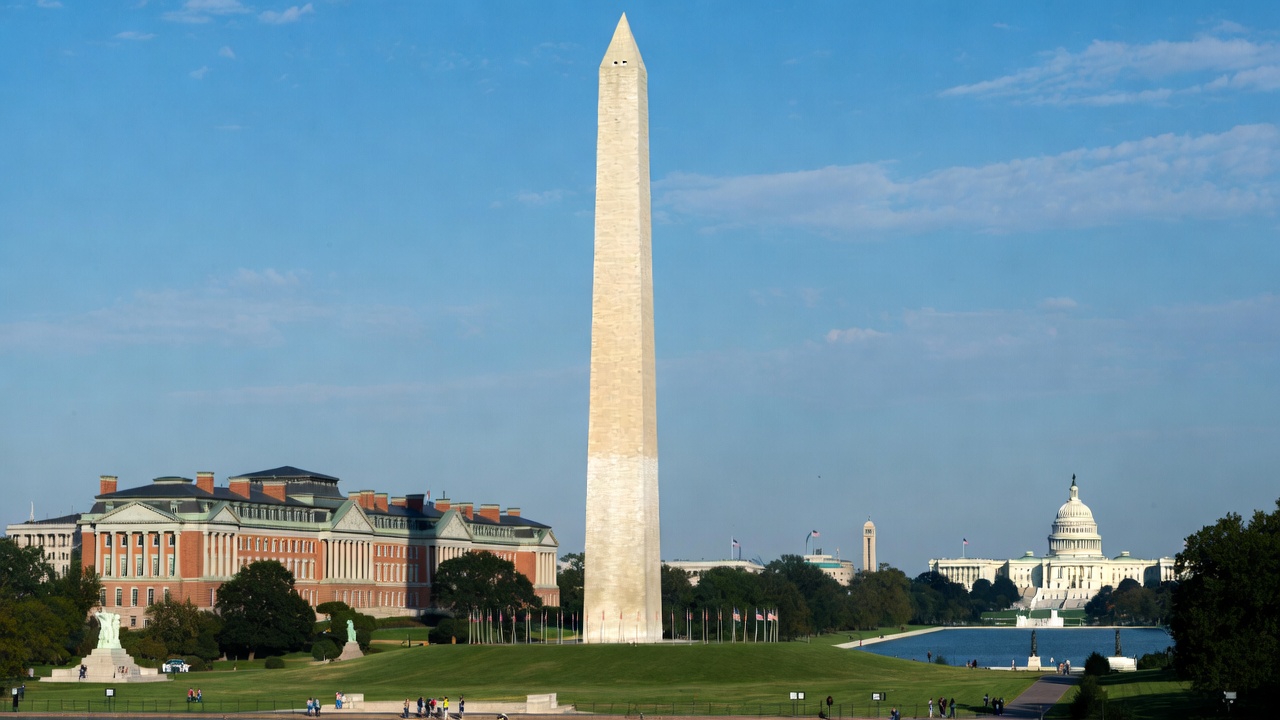
I recommend beginning any presidential tour at dawn, when the rising sun catches the white marble and transforms it into something almost alive. The stillness at this hour allows for the kind of reflection these spaces demand. Stand where Martin Luther King Jr. stood and delivered his dream to a quarter million souls. Look out across the Reflecting Pool toward the Washington Monument, that great exclamation point on the National Mall, and feel the weight of what this experiment in democracy has cost and continues to demand.
| Monument | Best Time to Visit | Average Visit Duration | Accessibility |
|---|---|---|---|
| Lincoln Memorial | Sunrise or late evening | 30-45 minutes | Fully accessible, elevator available |
| Washington Monument | Early morning (fewer crowds) | 1-2 hours (with tour) | Elevator to observation deck |
| Jefferson Memorial | Afternoon light | 30-45 minutes | Fully accessible |
| FDR Memorial | Midday | 45-60 minutes | Fully accessible, designed with accessibility in mind |
| Martin Luther King Jr. Memorial | Any time | 20-30 minutes | Fully accessible |
How to Plan a Presidents’ Day Weekend Trip to Washington D.C.
Planning a Presidents’ Day pilgrimage requires the strategic mind of a general and the patience of a saint. The federal holiday falls on the third Monday of February, creating a three-day weekend that draws families, history enthusiasts, and schoolchildren by the busload. Yet with proper planning, you can navigate the crowds and discover moments of genuine connection with our national story.
Book accommodations early—I cannot stress this enough. Hotels near the National Mall fill quickly, and prices surge like the Potomac after spring rains. Consider staying in nearby Arlington or Alexandria, where the Metro provides easy access to downtown and the evening offerings prove more varied and less tourist-trapped. The King Street corridor in Old Town Alexandria, in particular, offers colonial charm and excellent dining within a short ride of the capital’s monuments.
Essential Planning Checklist:
- Reserve Smithsonian museum tickets online (free but timed entry required)
- Book Washington Monument tickets 30 days in advance at recreation.gov
- Check White House tour availability through your congressional representative (requests must be submitted 21-90 days ahead)
- Download the National Mall app for self-guided tours
- Pack layers—February temperatures range from 30°F to 50°F
- Bring comfortable walking shoes (expect 4-8 miles of walking daily)
- Consider purchasing a SmarTrip card for Metro access
Free Things to Do in Washington D.C. for History Lovers
Perhaps no city in America offers such riches to the budget-conscious traveler. The Smithsonian Institution alone comprises seventeen museums, all free, all extraordinary. For the presidential enthusiast, the National Museum of American History houses treasures that make the heart quicken: the top hat Lincoln wore to Ford’s Theatre, the portable desk upon which Jefferson drafted the Declaration, George Washington’s uniform from the Revolutionary War.
The National Archives, that secular cathedral of democracy, displays the original Declaration of Independence, Constitution, and Bill of Rights. To stand before these documents—the actual parchment upon which founders placed their signatures, pledging their lives, their fortunes, their sacred honor—is to understand that democracy is not an abstraction but a commitment made in ink and blood.
Wander through the halls of the Library of Congress, the largest library in the world, where Jefferson’s personal book collection forms the cornerstone of a repository containing millions of items. The main reading room, with its soaring dome and encircling statues of great thinkers, inspired my own love of letters more than any writing workshop ever could.
| Free Presidential Attractions | Location | Hours (February) | Pro Tip |
|---|---|---|---|
| National Archives | Constitution Ave NW | 10am-5:30pm | Visit first thing to avoid lines at the Rotunda |
| Smithsonian American History | Constitution Ave NW | 10am-5:30pm | Presidential gallery on the third floor |
| Library of Congress | Capitol Hill | 8:30am-4:30pm Mon-Sat | Free tours every hour |
| U.S. Capitol Visitor Center | Capitol Hill | 8:30am-4:30pm | Book free tour online |
| Ford’s Theatre (exterior) | 10th St NW | Always accessible | Museum and theatre require timed tickets |
Walking Tour of Presidential Sites on the National Mall
The Mall stretches two miles from the Capitol to the Lincoln Memorial, and walking its length feels like traversing the American timeline itself. I have a route I return to each February, a pilgrimage of sorts that takes roughly four hours and covers the essential presidential sites.
Begin at the Capitol, that dome which has witnessed inaugurations, impeachments, and the peaceful transfer of power that remains our democracy’s most remarkable achievement. Walk west along the gravel paths, pausing at the Grant Memorial, where the general-turned-president sits astride his horse, forever surveying the scene of his greatest political triumph.
Continue toward the Washington Monument, that 555-foot obelisk that took four decades to complete, its construction interrupted by civil war and funding failures. The change in marble color about a third of the way up marks where construction resumed after the war—a visible scar, like those the nation itself still bears.
Recommended Walking Route:
- U.S. Capitol → Start at the east front, where presidents take their oaths
- Grant Memorial → Five-minute walk west
- Washington Monument → Continue west, 15-minute walk
- World War II Memorial → Brief detour south
- Lincoln Memorial → The emotional climax, 20 minutes west
- Korean War Veterans Memorial → Southeast of Lincoln
- FDR Memorial → Continue along the Tidal Basin
- Jefferson Memorial → Across the Tidal Basin (add 20 minutes)
- Martin Luther King Jr. Memorial → Return north along the basin
Best Museums for Presidential History in Washington D.C.
Beyond the Smithsonian’s offerings, Washington harbors smaller museums that reward the dedicated presidential scholar. The National Portrait Gallery maintains the only complete collection of presidential portraits outside the White House, including the striking Obama portraits by Kehinde Wiley and Amy Sherald that drew record crowds upon their unveiling.
Ford’s Theatre, where Lincoln drew his last breath, operates as both a working theatre and a museum of the assassination. The basement museum traces Lincoln’s presidency and the conspiracy that ended it, while across the street, the Petersen House—where Lincoln died the morning after being shot—has been preserved as it appeared on that terrible April night in 1865. I find visiting in February, near Lincoln’s birthday, particularly affecting; the crowds are smaller, the reverence more palpable.
The Newseum has closed, alas, but the International Spy Museum offers fascinating insights into presidential intelligence operations, from Washington’s spy networks during the Revolution to modern cybersecurity challenges. For those interested in the darker chapters of presidential power, it proves an illuminating counterpoint to the triumphalist narratives of the monuments.
Where to See the White House and Tips for White House Tours
The White House tour remains the holy grail of presidential tourism, and obtaining tickets requires persistence worthy of a campaign. Requests must be submitted through your congressional representative’s office 21 to 90 days in advance, and approval is never guaranteed. The self-guided tour covers the public rooms of the East Wing and ground floor, including the State Dining Room, the Blue Room, and the Green Room where so much history has unfolded.
If a tour eludes you—and for many visitors, it will—the White House Visitor Center on Pennsylvania Avenue offers an excellent alternative. Interactive exhibits explore the building’s history, its architecture, and the daily lives of its inhabitants. The center’s film provides views of rooms closed to public tours, and knowledgeable rangers answer questions with the passion of true believers.
For exterior views, position yourself along the north fence on Pennsylvania Avenue or, for a less crowded vantage, along the South Lawn fence near the Ellipse. The White House glows beautifully at night, and evening offers the best photography conditions without the harsh midday shadows.
White House Visit Quick Reference:
| Option | Lead Time Required | Duration | What You’ll See |
|---|---|---|---|
| Official Tour | 21-90 days | 45-60 min | East Wing, Ground & State floors |
| Visitor Center | None | 30-45 min | Exhibits, artifacts, film |
| North Fence View | None | 10-15 min | North facade, fountain |
| Ellipse/South Lawn | None | 10-15 min | South facade, gardens |
Hidden Gems and Lesser-Known Presidential Sites in D.C.
The well-trodden paths lead to the monuments, but the city holds quieter treasures for those willing to wander. The Woodrow Wilson House in the Kalorama neighborhood preserves the home where Wilson retired after his presidency, his body broken by stroke, his League of Nations dream shattered by Senate rejection. The house remains as it was when he died in 1924, a time capsule of post-war America and one man’s tragic idealism.
President Lincoln’s Cottage, on the grounds of the Armed Forces Retirement Home, served as Lincoln’s summer retreat during the Civil War. Here, away from the swampy heat and the pressures of the White House, Lincoln drafted the Emancipation Proclamation. The cottage requires a short drive or bus ride from downtown, but the journey rewards with intimate insights into Lincoln’s private struggles and the weight of wartime leadership.
In Georgetown, the Tudor Place mansion housed Martha Washington’s descendants for six generations and contains Washington family heirlooms. The Oak Hill Cemetery nearby holds the remains of several figures from presidential history, its Victorian landscape offering a contemplative escape from the Mall’s grandeur.
Hidden Presidential Gems:
- Woodrow Wilson House — 2340 S Street NW, Kalorama
- President Lincoln’s Cottage — Armed Forces Retirement Home, Petworth
- Tudor Place — 1644 31st Street NW, Georgetown
- Decatur House — Lafayette Square, near White House
- Congressional Cemetery — Historic burial ground with presidential connections
- Frederick Douglass National Historic Site — Anacostia (insights into Lincoln-era Washington)
Best Restaurants Near Presidential Monuments in Washington D.C.
A pilgrim must eat, and Washington offers sustenance worthy of the journey. Near the monuments, options range from humble food trucks to establishments where deals are brokered and history whispered over expense account dinners.
For a quick lunch between monuments, the pavilion near the Washington Monument hosts rotating food trucks, while the National Gallery of Art’s Garden Café offers refined fare in a garden setting. The Mitsitam Native Foods Café in the National Museum of the American Indian serves indigenous cuisines from across the Americas—a meaningful choice given the complex history of presidential policies toward Native peoples.
For dinner, the restaurants along Pennsylvania Avenue between the Capitol and White House have fed politicians, lobbyists, and journalists for generations. The Occidental Grill, with its walls covered in photographs of presidents and power brokers, feels like dining inside history. Old Ebbitt Grill, the city’s oldest saloon, has operated near the White House since 1856 and maintains a clubby atmosphere that channels the capital’s gilded age.
| Restaurant | Distance from Mall | Price Range | Known For |
|---|---|---|---|
| Mitsitam Café | On the Mall | −$ | Indigenous cuisines, museum setting |
| Garden Café (National Gallery) | On the Mall | $$ | Elegant lunch, art surroundings |
| Old Ebbitt Grill | 2 blocks from White House | −$ | Historic atmosphere, oysters |
| The Occidental | Pennsylvania Ave | $-$$ | Power dining, presidential photos |
| Founding Farmers | Near World Bank | −$ | Farm-to-table American |
| A Baked Joint | Near Archives | $ | Coffee, pastries, casual |
February Events and Presidents’ Day Activities in Washington D.C.
The capital comes alive during Presidents’ Day weekend with events honoring Washington and Lincoln, whose birthdays bookend the month. At Mount Vernon, Washington’s estate across the Potomac, the annual birthday celebration includes free admission, a wreath-laying ceremony at Washington’s tomb, and Revolutionary War reenactments. The experience of standing at Washington’s final resting place, the brick vault where he and Martha lie together, closes the distance between monument and man.
The Lincoln Memorial hosts a wreath-laying ceremony on Lincoln’s birthday (February 12), a simple, moving event that attracts surprisingly few visitors given its significance. The Abraham Lincoln Birthday Celebration at Ford’s Theatre features readings, music, and dramatic presentations exploring Lincoln’s legacy.
Throughout the month, the Smithsonian museums offer special programs on presidential history, many designed for children but enriching for visitors of all ages. Check the individual museum websites for current programming, as offerings change annually.
February Presidential Events Calendar:
- February 12 — Lincoln’s Birthday wreath-laying, Lincoln Memorial (morning)
- February 12 — Ford’s Theatre birthday celebration (evening)
- Presidents’ Day Weekend — Mount Vernon birthday celebration (free admission)
- Presidents’ Day Weekend — Special Smithsonian programming
- Throughout February — Extended evening hours at select monuments
Practical Tips for Visiting Washington D.C. in February Weather
February tests the pilgrim’s resolve. Temperatures hover between freezing and the mid-forties, with occasional spikes into the fifties that feel like false spring. Snow falls perhaps twice monthly, rarely accumulating more than a few inches, but enough to transform the monuments into scenes of haunting beauty.
Dress in layers—the museums are well-heated, but the walks between them expose you to the Potomac wind that sweeps across the Mall like a cold blade. A warm hat, gloves, and a scarf prove more valuable than the most elegant coat. Waterproof boots guard against slush and unexpected showers. I carry hand warmers in my pockets for the longer walks, a small comfort that makes the difference between misery and meditation.
The upside of February weather is sparse crowds. Lines that stretch for hours in summer shrink to minutes. The museums feel almost private. You can stand before the Declaration of Independence without someone’s smartphone intruding into your sightline. The monuments, designed for contemplation, finally allow it.
February Packing Essentials:
- Layered clothing (thermal base layer, fleece mid-layer, weatherproof outer shell)
- Warm hat covering ears
- Insulated, waterproof gloves
- Scarf or neck gaiter
- Waterproof walking boots
- Hand and toe warmers
- Small backpack (large bags require checking at museums)
- Portable phone charger (cold drains batteries)
- Refillable water bottle
Final Thoughts: Why Every American Should Visit Presidential Washington
I return to Washington each February not from obligation but from need. In a nation increasingly fractured, increasingly uncertain of its own story, these monuments and museums offer something irreplaceable: the physical evidence of our continuity. Whatever our divisions, we remain heirs to the same complicated inheritance—the soaring ideals and the terrible failures, the founders’ genius and their blind spots, the long arc of progress and the stubborn persistence of injustice.
To stand before the Lincoln Memorial is to stand before the question Lincoln posed at Gettysburg: whether a nation conceived in liberty and dedicated to equality can long endure. The question remains open. Perhaps it will always remain open, and perhaps that is the point. Democracy is not a destination but a process, not a monument but a motion.
Visit Washington in February. Brave the cold. Walk the Mall at dawn, when the monuments emerge from darkness like promises. Read the words carved in stone—all men are created equal, government of the people, by the people, for the people—and ask yourself what they demand of you. This is not a city of dead presidents but of living ideas, and ideas only live when we remember them, wrestle with them, and carry them forward into our own uncertain times.
The monuments will wait for you, patient as democracy itself, white against the winter sky.
Have you visited presidential sites in Washington D.C.? Share your experiences and recommendations in the comments below.