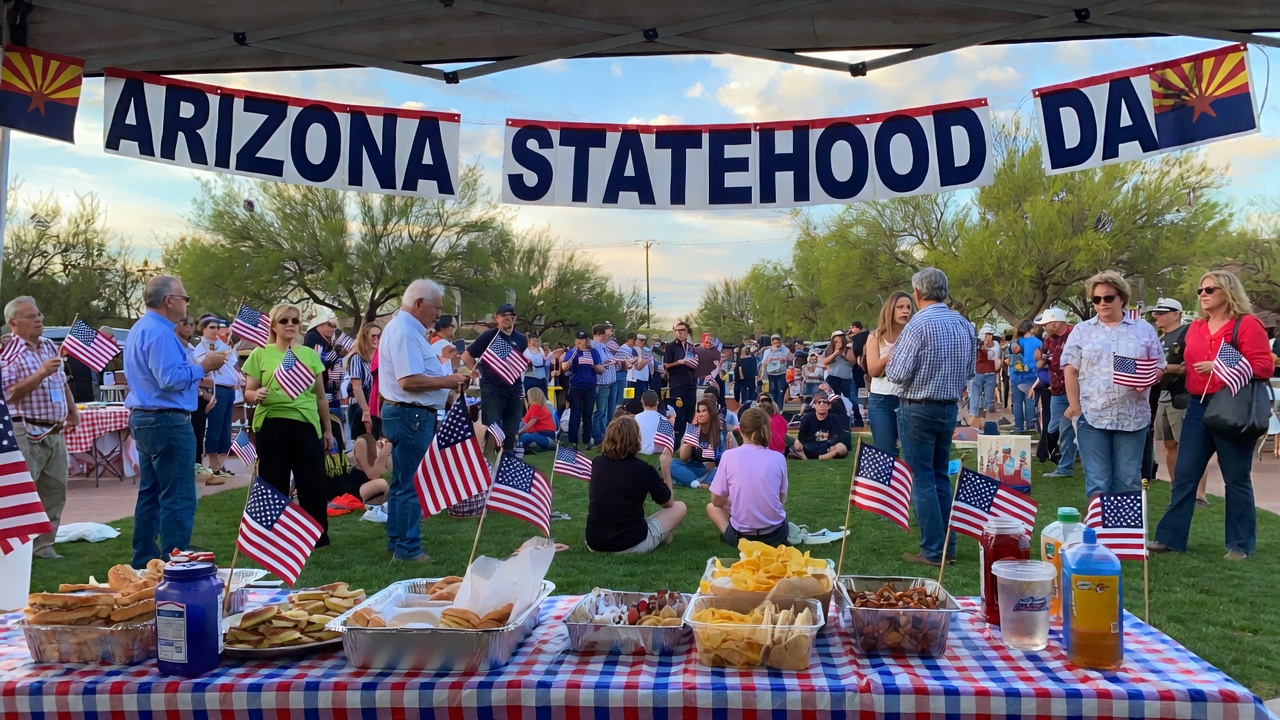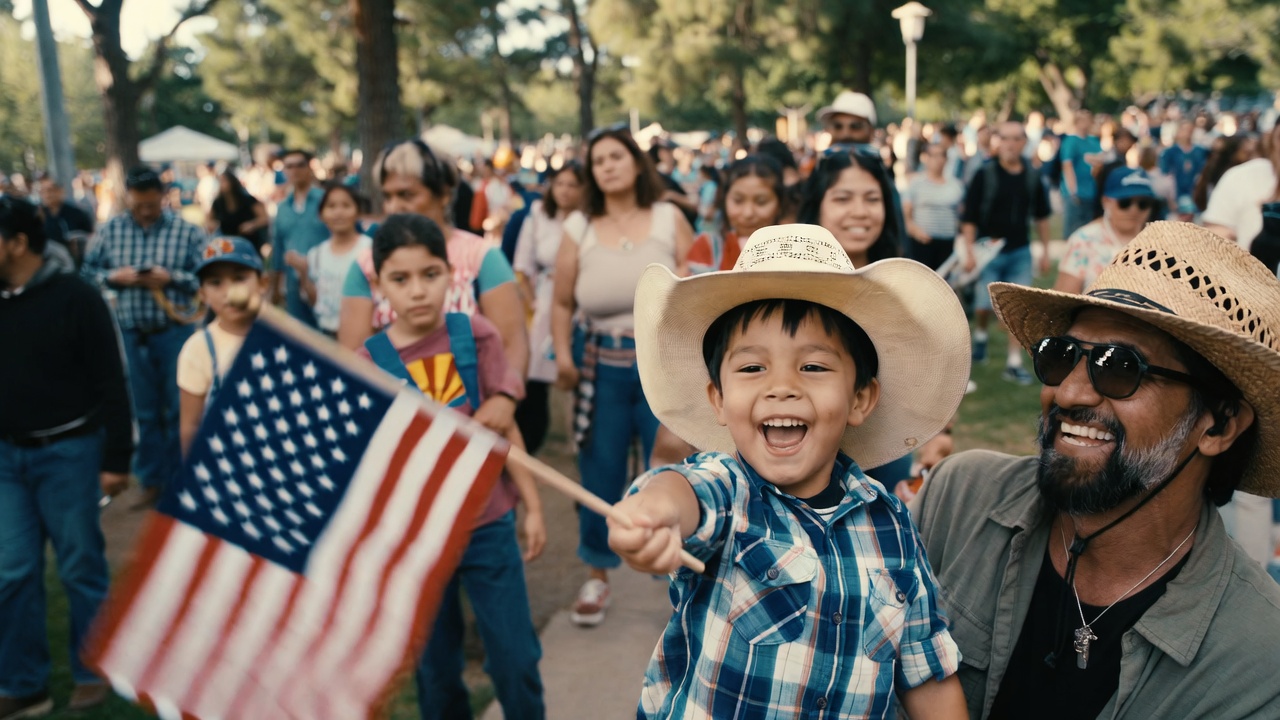
Every February 14, most of America reaches for roses and candy. But here in Arizona, we split our hearts in two. Half goes to the usual Valentine’s sweetness. The other half belongs to something older and deeper — Arizona Statehood Day, the birthday of the 48th state admitted to the Union.
On February 14, 1912, President William Howard Taft signed the proclamation that brought Arizona into the fold as the last of the contiguous 48 states. That makes 2026 the 114th anniversary of Arizona statehood — and this year, the celebration falls on a Saturday, giving families the full day to mark the occasion together.
Whether you are a lifelong Arizonan looking for fresh ways to teach your kids about home, or a visitor curious about this unique desert holiday, this guide covers every family-friendly activity, event, and tradition worth your time in 2026. Let’s get into it.
What Is Arizona Statehood Day and Why Does It Matter for Families?
Arizona Statehood Day is an official state observance that marks the anniversary of Arizona becoming the 48th U.S. state. It is not a federal holiday, but it is recognized across the state with community events, school programs, and cultural celebrations.
For families, the day is a rare opportunity. It turns history from a textbook subject into a lived experience. Kids can touch the original state Constitution, watch living history demonstrations, and explore museums for free — all in a single Saturday.
A quick snapshot of what makes Arizona Statehood Day special:
| Detail | Fact |
|---|---|
| Date | February 14, every year |
| 2026 Day of Week | Saturday |
| Anniversary in 2026 | 114th |
| Year of Statehood | 1912 |
| Order of Admission | 48th state (last in continental U.S.) |
| President Who Signed | William Howard Taft |
| State Nickname | The Grand Canyon State |
| State Motto | Ditat Deus (“God Enriches”) |
The timing is also perfect. February in Arizona means mild daytime temperatures, clear skies, and desert wildflowers beginning to stir. This is outdoor-adventure weather at its finest.
History of Arizona Statehood Day: A Story Kids Can Understand
Before you plan activities, it helps to know the story. And it is a good one — full of stubbornness, persistence, and a refusal to settle.
Long before European contact, the land that is now Arizona was home to thriving Native American civilizations. The Hohokam built vast irrigation canals in the Salt River Valley. The Ancestral Puebloans (sometimes called Anasazi) carved cliff dwellings into canyon walls. The Mogollon people shaped pottery and farmed the mountain highlands.
Spanish explorers arrived in the 1500s, many chasing the legend of Cíbola — the mythical Seven Cities of Gold. They never found gold cities, but they left a lasting mark on the land. The region passed through Spanish, then Mexican, then American control.
After the Mexican-American War ended in 1848, much of present-day Arizona became U.S. territory. The southern strip was added through the Gadsden Purchase of 1853. On February 24, 1863, President Abraham Lincoln signed the act creating the separate Arizona Territory, splitting it off from New Mexico.
But becoming a territory and becoming a state are two very different things. Arizona’s road to statehood lasted nearly 50 years. Congress tried to force Arizona and New Mexico to join as a single state. Arizona voters rejected this idea in 1906 by a huge margin. They wanted their own star on the flag — or none at all.
That stubbornness paid off. On February 14, 1912, Arizona finally earned statehood on its own terms.
Why tell kids this story? Because it teaches them about democracy, self-determination, and patience. Arizona didn’t accept a bad deal. It held out for the right one. That’s a lesson worth celebrating every February 14.
Official Arizona Statehood Day Events in 2026: Where to Go With Kids
State Capitol Ceremony in Phoenix
The Arizona Secretary of State’s Office hosts a ceremonial event each year at the State Historic Capitol Rotunda in Phoenix. In recent years, Secretary of State Adrian Fontes has led a recitation of the original statehood proclamation issued by President Taft and displayed the original Arizona State Constitution for public viewing.
The event typically includes:
- Cake and coffee reception for attendees
- Children’s activities connected to Arizona history
- Preview of America250 events tied to the nation’s 250th anniversary
This is a free event. It is open to all ages. For kids, seeing the actual document that made Arizona a state is a powerful, tangible connection to history.
Arizona Historical Society Open House in Tucson
The Arizona Historical Society is hosting a Statehood Day Open House on February 14, 2026, at the Arizona History Museum in Tucson from 10:00 AM to 3:00 PM. Admission is free.
In past years, the open house has featured:
- Kids’ crafts and hands-on activities
- Scavenger hunts through the museum
- Hands-on history stations where children can interact with artifacts
This is one of the best family-friendly Statehood Day events in southern Arizona. The museum’s permanent exhibits cover everything from Arizona’s mining heritage to its territorial days, so there is plenty for curious kids to explore even beyond the special programming.
Living History Day at the Presidio Museum in Tucson
The Presidio San Agustín del Tucson Museum brings the territorial era to life with demonstrations that fascinate children. Traditional activities include:
- Blacksmithing demonstrations
- Soldier drills and cannon firing (a four-pound bronze cannon — loud and unforgettable)
- Children’s period games
- Handmade tortilla tastings
The museum recreates what life felt like inside the Presidio during the late 18th century and the Territorial period. For kids who learn best by doing, this is the highlight of Statehood Day.
Arizona PBS Statehood Day Programming
Can’t make it out? Arizona PBS runs a special lineup of Arizona-related programming every Statehood Day. Documentaries cover the state’s geology, Native American heritage, mining history, wildlife, and astronomy. Content is available free on the PBS app, making it accessible to families statewide.
Best Family-Friendly Museums to Visit on Arizona Statehood Day
Museums across the state often offer free or reduced admission around February 14. Even when they don’t, these museums are the best places to bring kids for a Statehood Day outing.
The Heard Museum — Phoenix
The Heard Museum is one of the premier institutions in the country for Native American art, culture, and history. Interactive exhibits and storytelling sessions make it genuinely engaging for children. Seasonal events often include hands-on crafts and cultural activities designed for younger visitors. On Statehood Day, exploring the Heard Museum helps kids understand the deep indigenous roots that predate Arizona’s statehood by thousands of years.
Address: 2301 N. Central Avenue, Phoenix, AZ 85004
Arizona Capitol Museum — Phoenix
The Arizona Capitol Museum, located in the original 1901 territorial capitol building, is a natural fit for Statehood Day. Exhibits include artifacts from Arizona’s journey to statehood, the original Senate and House chambers, and rotating displays on state history. Admission is always free.
Address: 1700 W. Washington Street, Phoenix, AZ 85007
Arizona Heritage Center at Papago Park — Tempe
Run by the Arizona Historical Society, this museum covers the full sweep of Arizona history from ancient times through the modern era. In past years, the center has offered free Statehood Day admission with kids’ activities and scavenger hunts.
Address: 1300 N. College Avenue, Tempe, AZ 85281
Fun Arizona Statehood Day Activities to Do at Home With Kids
Not every great celebration requires a drive across town. Some of the most memorable Statehood Day traditions happen at the kitchen table, in the backyard, or on the living room floor.
Bake an Arizona Birthday Cake
Arizona is turning 114 in 2026. That calls for cake. Let the kids decorate it with Arizona themes: a copper star, a saguaro cactus outline in green icing, or the state flag’s red and yellow sunset rays. The official ceremony at the Capitol includes cake, so you will be in good company.
Create a State Symbols Scavenger Hunt
Arizona’s official state symbols are vivid and fun. Build a scavenger hunt around them. Give each child a checklist and have them find pictures, draw, or learn one fact about each symbol.
| Symbol Category | Arizona’s Official Symbol |
|---|---|
| State Bird | Cactus Wren |
| State Flower | Saguaro Cactus Blossom |
| State Tree | Palo Verde |
| State Mammal | Ringtail |
| State Reptile | Arizona Ridge-Nosed Rattlesnake |
| State Amphibian | Arizona Tree Frog |
| State Fish | Apache Trout |
| State Butterfly | Two-tailed Swallowtail |
| State Gem | Turquoise |
| State Fossil | Petrified Wood |
| State Metal | Copper |
| State Neckwear | Bola Tie |
That last one always gets a laugh from kids. Yes, Arizona has an official neckwear — the bola tie. Try making one out of cord and a painted rock as a craft project.
Draw or Color the Arizona State Flag
The Arizona state flag is one of the most distinctive in the country. The bottom half is a deep blue, representing liberty. The top half features 13 alternating red and yellow rays — symbolizing the original 13 colonies and the western setting sun. The colors are drawn from the Spanish flag that Coronado carried into the region. At the center sits a copper star, honoring Arizona’s status as the largest copper-producing state in the nation.
Hand kids a blank sheet of paper and a set of crayons. Drawing the flag is a simple but effective way for younger children to connect with state identity.
Read Books About Arizona History
For families who love storytime, several children’s books make Arizona history come alive:
- “A is for Arizona” — a classic alphabet book covering state symbols and landmarks
- “Arizona Facts and Symbols” by Emily McAuliffe — written for grades 3–4 and perfect for report writing or casual learning
- “The Three Little Javelinas” by Susan Lowell — a Southwestern retelling of the Three Little Pigs, set in the desert
Check your local library. Many Arizona libraries participate in the Read250 program in 2026, which challenges readers of all ages to read 25 books or 250 minutes as part of the America250 celebration.
Outdoor Arizona Statehood Day Activities for Adventurous Families
February weather in Arizona is nearly perfect for outdoor exploration. Daytime highs in Phoenix typically sit in the mid-60s to low 70s°F. Tucson is similar. Even Flagstaff, while cooler, offers crisp winter hiking.
Visit a State Park and Earn a Junior Ranger Badge
Arizona State Parks offers Junior Ranger programs at nearly every park for children ages 6–12. Kids pick up an activity sheet at the visitor center, complete tasks during their visit, and present the finished sheet to a park ranger. After taking the Junior Ranger pledge, they earn a Junior Ranger button.
Some standout parks for a Statehood Day visit:
- Lost Dutchman State Park (Apache Junction) — ranger-led hikes about saguaro ecology
- Catalina State Park (Tucson) — guided tours of the 1,000-year-old Hohokam Romero ruin site
- Red Rock State Park (Sedona) — creek-side trails among stunning red sandstone formations
- Kartchner Caverns State Park (Benson) — underground cave tours and one of only two Arizona State Parks designated as International Dark Sky Parks
Explore the Desert Botanical Garden — Phoenix
The Desert Botanical Garden sits on 140 acres in Papago Park and showcases more than 50,000 desert plants. For Statehood Day, walking the trails among towering saguaros is a direct encounter with Arizona’s most iconic landscape. Kids especially enjoy the Butterfly Pavilion (seasonal) and the hands-on activities in the Schilling Learning Gallery.
Address: 1201 N. Galvin Parkway, Phoenix, AZ 85008
Hike to a Historic Site
Arizona is packed with accessible historic sites that give kids a real sense of the state’s layered past:
- Montezuma Castle National Monument (Camp Verde) — a five-story cliff dwelling built by the Sinagua people around 700 years ago
- Hubbell Trading Post National Historic Site (Ganado) — the oldest continuously operating trading post on the Navajo Nation
- Tuzigoot National Monument (Clarkdale) — a hilltop Sinagua pueblo overlooking the Verde Valley
These sites turn Statehood Day into more than a birthday party. They remind families that Arizona’s story stretches back thousands of years before 1912.
Arizona’s America250 Connection: Extra Reasons to Celebrate in 2026
Statehood Day 2026 carries extra weight. The entire nation is building toward July 4, 2026 — the 250th anniversary of the Declaration of Independence. Arizona’s celebrations are woven into this larger story through the Arizona America250 Commission.
Several programs are especially relevant for families and kids:
Passport250 — A digital mobile pass that guides visitors to over 250 destinations and experiences across Arizona. Categories include Hike250, Dine250, Treasures250, Birding250, and Dark Skies250. Track your stops and celebrate your progress. It turns exploration into a game — perfect for kids.
Read250 — Arizona libraries are challenging readers of all ages to read 25 books or 250 minutes in 2026. Participants can earn prizes like stickers and bookmarks. Visit your local library for details.
America’s Field Trip — A nationwide contest inviting students in grades 3–12 to submit original artwork or writing answering the question, “What does America mean to you?” Winners earn experiences at historic and cultural sites across the country.
Operation Freedom March — A year-long initiative (July 4, 2025 through July 4, 2026) in partnership with the Arizona Trail Association. Families can hike, ride, or horseback through sections of the Arizona National Scenic Trail as a tribute to service and unity.
Several Arizona cities — including Mesa, Chandler, Surprise, and Fountain Hills — are also running their own America250 programming with family events, contests, and celebrations throughout 2026. The Fountain Hills Visual Arts Contest invites K–12 students to create original artwork inspired by local history and culture.
Starting Statehood Day with these programs gives your family a running start on a year full of historic celebrations.
Arizona Statehood Day Crafts and DIY Projects for Kids
Hands-on crafts help young children connect with abstract ideas like “statehood” and “heritage.” Here are several projects that tie directly to Arizona’s identity.
Saguaro Cactus Paper Craft
The saguaro cactus blossom is Arizona’s state flower. Use green construction paper to cut out a tall saguaro shape. Add white tissue-paper blossoms at the top. Glue it onto a blue background for a desert sky. This is a quick project suitable for kids ages 4 and up.
Copper Star Sun Catcher
Copper is Arizona’s state metal, and the copper star sits at the center of the state flag. Cut a star shape from cardboard, wrap it in copper-colored foil or paint it with metallic paint, and hang it in a sunny window. In a state where sunshine fills roughly 85 percent of all days, it will catch plenty of light.
Paper Plate Ringtail Mask
The ringtail is Arizona’s state mammal — a cat-sized creature with a long, black-and-white-banded tail and enormous eyes. Use a paper plate as the base, add large round eye cutouts, and attach a striped paper tail. Kids can wear their masks while you read about ringtails together.
Turquoise Jewelry Craft
Turquoise is Arizona’s state gem and holds deep cultural significance in the Southwest, particularly among many Native American communities. Use air-dry clay to form simple bead or pendant shapes, then paint them turquoise blue once dry. String them on cord for a necklace. This is a respectful and fun way to introduce kids to the importance of turquoise in Arizona culture.
Arizona State Flag Collage
Gather red, yellow, blue, and copper-colored materials — construction paper, fabric scraps, tissue paper, foil. Let kids build a collage-style state flag on a large poster board. Talk about what each element represents as they work. The 13 rays, the blue field, and the copper star each tell part of Arizona’s story.
Where to Eat: Arizona-Themed Family Dining on Statehood Day
Food is culture. And Arizona’s food culture is something special — shaped by Sonoran Mexican traditions, Native American ingredients, and cowboy-era ranch cooking.
Here are a few ways to make your Statehood Day meal an event:
Cook Sonoran hot dogs at home. These bacon-wrapped hot dogs topped with pinto beans, onions, tomatoes, mustard, and jalapeño sauce are a Tucson street-food legend. Kids love them because they are messy, flavorful, and fun to build.
Try a family breakfast at Matt’s Big Breakfast in Phoenix. A local favorite known for farm-fresh ingredients and a menu that kids can actually enjoy. Fuel up before a day of Statehood Day exploring.
Make fry bread together. Fry bread is an important food across many Native American communities in Arizona. Simple ingredients — flour, salt, baking powder, water, and oil — create a golden, puffy flatbread that kids can help shape and cook (with adult supervision at the stove). Top it with honey, powdered sugar, or savory toppings like beans and cheese for an Indian taco.
Visit a local panadería. Mexican bakeries are found throughout Arizona’s cities and towns. Pick up conchas, cuernos, and empanadas for a Statehood Day dessert that reflects the state’s Sonoran heritage.
How Teachers Can Use Arizona Statehood Day in the Classroom
For educators looking to bring Statehood Day into lesson plans, here are practical ideas organized by age group:
Grades K–2
- Draw the state flag and label its parts
- Read “A is for Arizona” or a similar picture book aloud
- Sing the Arizona March Song (the state anthem, written by Margaret Rowe Clifford in 1915)
- Birthday party format: bake cupcakes, wear blue and gold (the state colors), count to 114 together
Grades 3–5
- State symbols research project: assign each student a different symbol to present
- Timeline activity: chart major dates from 1863 (territorial creation) to 1912 (statehood)
- Geography mapping: locate Arizona on a U.S. map, label Phoenix, Tucson, Flagstaff, and the Grand Canyon
- Writing prompt: “If you could have been at the statehood signing ceremony in 1912, what would you have seen?”
Grades 6–8
- Primary source analysis: examine the original statehood proclamation and the Arizona Constitution
- Debate simulation: recreate the 1906 vote where Arizona rejected joint statehood with New Mexico
- Compare and contrast: how is Arizona’s path to statehood different from other states?
- America250 essay contest: encourage students to participate in the national “What does America mean to you?” contest for grades 3–12
Resources like Twinkl and Teachers Pay Teachers offer printable worksheets, coloring pages, and activity packs designed for Arizona Statehood Day.
Planning Your Arizona Statehood Day Weekend: A Sample Family Itinerary
Since Statehood Day 2026 falls on a Saturday, families have the full weekend to celebrate. Here is a suggested two-day plan for a Phoenix-area family:
Saturday, February 14 — Statehood Day
| Time | Activity | Location |
|---|---|---|
| 9:00 AM | Attend the Secretary of State’s ceremony | State Capitol, Phoenix |
| 10:30 AM | Explore the Arizona Capitol Museum | 1700 W. Washington St. |
| 12:00 PM | Lunch at a local spot | Downtown Phoenix |
| 1:30 PM | Visit the Heard Museum | 2301 N. Central Ave. |
| 3:30 PM | Walk through the Japanese Friendship Garden | 1125 N. 3rd Ave. |
| 5:00 PM | Bake an Arizona birthday cake at home | Your kitchen |
Sunday, February 15 — Outdoor Adventure Day
| Time | Activity | Location |
|---|---|---|
| 8:00 AM | Morning hike at Lost Dutchman State Park | Apache Junction |
| 10:30 AM | Complete a Junior Ranger activity sheet | Park visitor center |
| 12:30 PM | Picnic lunch | Park picnic area |
| 2:00 PM | Desert Botanical Garden | Papago Park, Phoenix |
| 4:00 PM | Arizona state symbols craft session | At home |
This itinerary blends civic ceremony, cultural education, outdoor adventure, and hands-on creativity. Adjust it to fit your family’s pace and interests.
Frequently Asked Questions About Arizona Statehood Day 2026
Is Arizona Statehood Day a public holiday? It is a recognized state observance, but it is not a federal public holiday. Most businesses follow regular hours. Some government offices and schools may close or hold special programs.
When is Arizona Statehood Day 2026? Saturday, February 14, 2026. It falls on the same date every year — February 14.
What year did Arizona become a state? Arizona became a state on February 14, 1912, making it the 48th state admitted to the Union.
Is Arizona Statehood Day the same as Valentine’s Day? Yes, they share the same date. Many Arizonans celebrate both. You will see “Happy Birthday, Arizona!” signs alongside Valentine’s Day decorations across the state.
Are there free events for families on Arizona Statehood Day? Yes. The Secretary of State’s ceremony in Phoenix and the Arizona Historical Society Open House in Tucson are both free. The Arizona Capitol Museum also offers free admission year-round.
What is the Passport250 program? Passport250 is a digital mobile pass that highlights over 250 destinations across Arizona as part of the America250 anniversary. Categories include hiking, dining, cultural treasures, birding, and dark-sky viewing. It is free to use and perfect for families.
Final Thoughts: Why Arizona Statehood Day Deserves a Place in Your Family Traditions
Arizona Statehood Day is not just a date on the calendar. It is an invitation. An invitation to step outside, learn something real, and feel connected to the place you call home — or the place you’re visiting.
For kids, it is a chance to see that history is not just old photographs and dusty documents. It is living. It is the copper star on the flag. It is the saguaro blossom opening in the desert sun. It is the sound of a four-pound bronze cannon firing at the Presidio while they eat a fresh tortilla.
In 2026, with the nation building toward its 250th anniversary and Arizona blowing out 114 candles, there has never been a better time to start a family tradition around this day.
Happy birthday, Arizona. Here’s to another year under that big desert sky. 🌵