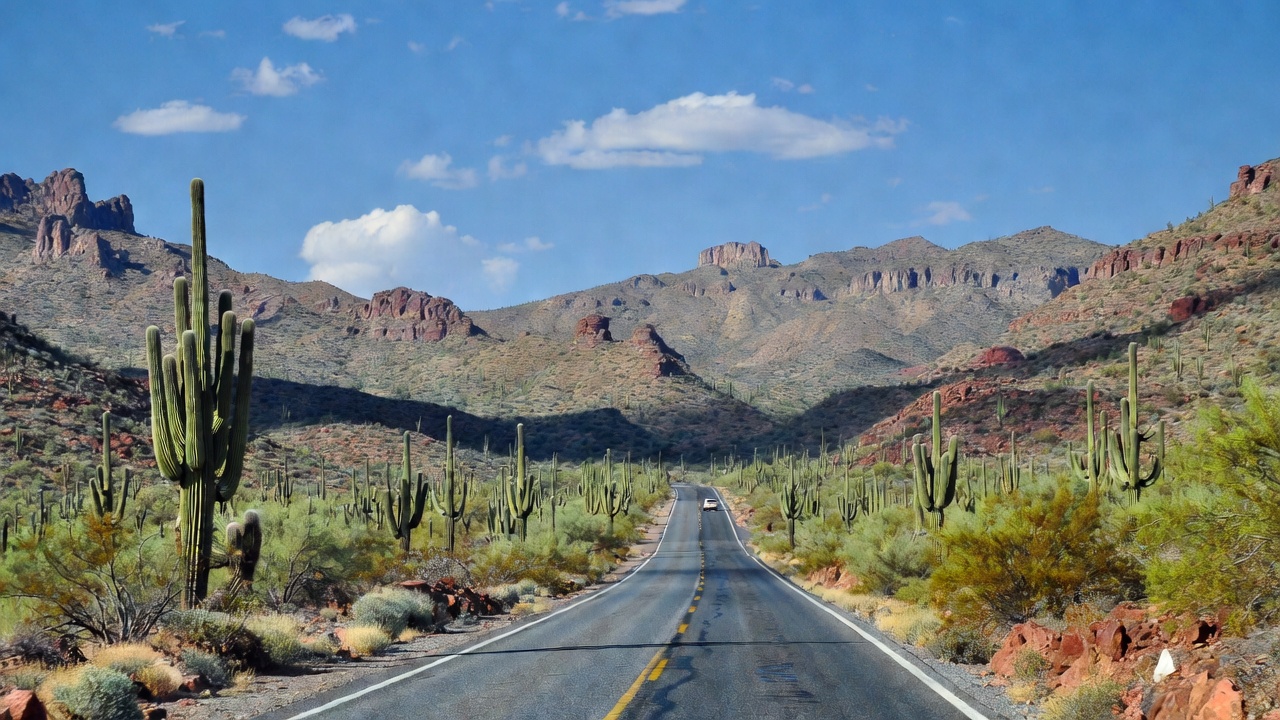
Every February 14, while most of the country reaches for heart-shaped chocolates, Arizona does something different. Arizonans celebrate Statehood Day — the anniversary of the moment their desert homeland officially joined the Union as the 48th state in 1912. In 2026, the Grand Canyon State marks its 114th birthday, and there is no better way to honor that occasion than with the food that tells Arizona’s story.
This is not ordinary party food. Arizona Statehood Day recipes carry centuries of history in every bite. They reflect the Sonoran Desert, the Native American nations, the Spanish missions, the Mexican border, and the pioneering ranchers who all shaped this land. Tucson alone earned the distinction of becoming the first UNESCO City of Gastronomy in the United States in 2015, a recognition of over 4,000 years of continuous food cultivation in the region.
So pull up a chair. Grab a napkin. Let’s cook through Arizona’s history together.
What Is Arizona Statehood Day and Why Do People Celebrate with Food?
Arizona Statehood Day falls on February 14 every year. On that date in 1912, President William Howard Taft signed the proclamation admitting Arizona to the Union. It was the last of the contiguous 48 states to receive statehood, ending one of the longest statehood struggles in American history.
Today, celebrations include parades, museum open houses, and community gatherings across the state. The Arizona Historical Society hosts a free open house at the Arizona History Museum in Tucson each year. In Phoenix, the Secretary of State’s Office holds a ceremony at the State Historic Capitol Rotunda, complete with a recitation of the original statehood proclamation.
But food is always at the center. Arizona’s culinary identity is inseparable from its cultural identity. The state sits at the crossroads of Native American, Mexican, Spanish colonial, and Anglo-American traditions. Each group brought ingredients, techniques, and recipes that blended over centuries into what we now call Southwestern cuisine. Celebrating Statehood Day with these dishes is not just about flavor. It is about remembering the people and stories that built Arizona.
Traditional Southwestern Ingredients You Need for Arizona Statehood Day Cooking
Before diving into recipes, it helps to understand the pantry staples that make Southwestern cooking unique. Arizona’s cuisine is built on a handful of essential ingredients, many of which have been cultivated in the Sonoran Desert for thousands of years.
| Ingredient | Origin | Common Uses |
|---|---|---|
| Corn (maize) | Native American (cultivated 4,000+ years) | Tamales, tortillas, posole, blue corn mush |
| Tepary beans | Tohono O’odham Nation, Sonoran Desert | Soups, stews, side dishes |
| Prickly pear (nopal) | Native to Sonoran Desert | Salads, syrups, jellies, margaritas |
| Dried chiles (ancho, guajillo, New Mexico) | Mexico and the Southwest | Sauces, marinades, stews |
| Mesquite | Arizona desert landscape | Grilling wood, mesquite flour |
| Squash | Native American (one of the “Three Sisters”) | Calabacitas, roasted sides |
| Lard | Spanish colonial introduction | Tamales, fry bread, refried beans |
| Flour tortillas | Sonoran Mexican tradition | Burritos, cheese crisps, chimichangas |
The “Three Sisters” — corn, beans, and squash — form the backbone of Southwestern cooking. These three crops were grown together by Native American peoples for centuries because they support each other in the soil. Corn provides a stalk for beans to climb. Beans fix nitrogen in the soil. Squash leaves shade the ground and retain moisture.
Understanding these ingredients is the first step toward cooking authentic Arizona food for Statehood Day.
How to Make Navajo Fry Bread: Arizona’s Most Iconic Statehood Day Recipe
No conversation about Arizona food begins without Navajo fry bread. It is arguably the most recognized dish in the state, and its history is both powerful and painful.
The Story Behind the Bread
Fry bread traces its origins to 1864 and the tragic period known as the “Long Walk.” The United States government forced thousands of Navajo (Diné) people to march roughly 300 miles from their ancestral homelands in northern Arizona to Bosque Redondo in eastern New Mexico. Hundreds died during the journey and the years of internment that followed.
Far from familiar lands where they could hunt, forage, and grow traditional crops, the Navajo were given government rations of white flour, salt, and lard — ingredients they had never used before. From these unfamiliar staples, they created fry bread. It kept them alive. As the Smithsonian Magazine has documented, fry bread became both a survival food and a cultural symbol that endures to this day.
After an 1868 treaty allowed the Navajo to return to a reduced portion of their homeland, fry bread traveled with them. Today, it appears at powwows, feast days, rodeos, and family tables across Arizona and far beyond.
Navajo Fry Bread Recipe (Serves 6–8)
Ingredients:
- 3 cups all-purpose flour
- 1 tablespoon baking powder
- 1 teaspoon salt
- 1¼ cups warm water (or warm milk for a richer bread)
- Oil or shortening for frying (about 1 inch deep in a heavy skillet)
Instructions:
- Mix the dry ingredients. In a large bowl, combine flour, baking powder, and salt.
- Add warm water gradually. Stir with your hands until a soft, slightly sticky dough forms. Do not overwork the dough.
- Rest the dough. Cover with a clean cloth and let it sit for 20 minutes. This step is essential for a tender texture.
- Shape the bread. Divide the dough into 6–8 equal pieces. On a lightly floured surface, pat or gently stretch each piece into a flat disc about ½ inch thick. Poke a small hole in the center with your thumb — this helps the bread cook evenly.
- Heat the oil. Bring oil to approximately 375°F in a deep, heavy skillet or Dutch oven.
- Fry until golden. Carefully slide each disc into the hot oil. Cook for 1–2 minutes per side until puffy and golden brown. Drain on paper towels.
Serving suggestions: Drizzle with honey for a sweet treat. Or pile high with seasoned ground beef, pinto beans, shredded lettuce, diced tomato, and cheese for a Navajo taco — the ultimate fry bread meal.
Cultural note: Fry bread carries deep significance for many Native American communities. Enjoying it with awareness of its history is a way to honor that heritage respectfully.
Authentic Arizona Chimichanga Recipe for Statehood Day Celebrations
If fry bread is Arizona’s soul food, the chimichanga is its signature invention. This deep-fried burrito is a point of fierce local pride — and lively debate about who made the first one.
The Origin Story
The most widely told version centers on Monica Flin, the founder of El Charro Café in Tucson. Established in 1922, El Charro holds the distinction of being the nation’s oldest Mexican restaurant in continuous operation by the same family.
According to family legend, Flin accidentally dropped a burrito into a vat of hot oil while cooking. Startled by the splashing grease, she nearly shouted a Spanish expletive beginning with “chi—” but caught herself around her young nieces and nephews. She changed course to “chimichanga” — roughly the Spanish equivalent of “thingamajig.” The crispy result was delicious, and a new dish was born.
A competing claim comes from Macayo’s Mexican Restaurant in Phoenix, which says owner Woody Johnson created the chimichanga in 1946 by deep-frying unsold burritos. The debate between Tucson and Phoenix over chimichanga bragging rights has never been settled — and frankly, both cities are happy to keep arguing about it.
Classic Arizona Chimichanga Recipe (Serves 4–6)
Ingredients:
- 2 cups shredded beef, chicken, or carne seca (dried beef)
- 1 can (15 oz) pinto beans, drained and lightly mashed
- 1 cup shredded Monterey Jack or Cheddar cheese
- 1 small onion, diced
- 2 cloves garlic, minced
- 1 teaspoon ground cumin
- 1 teaspoon chili powder
- Salt and pepper to taste
- 6 large flour tortillas (burrito size)
- Oil for deep frying
For topping:
- Sour cream
- Guacamole
- Salsa verde or red enchilada sauce
- Shredded lettuce and diced tomatoes
Instructions:
- Prepare the filling. Sauté the onion and garlic in a tablespoon of oil until soft. Add the shredded meat, beans, cumin, chili powder, salt, and pepper. Stir and cook for 5 minutes until heated through.
- Assemble the burritos. Place a generous scoop of filling in the center of each tortilla. Add a handful of cheese. Fold the sides in, then roll tightly from bottom to top. Secure with toothpicks if needed.
- Heat the oil. Fill a deep pan with about 2 inches of oil and heat to 375°F.
- Fry seam-side down first. Carefully lower each chimichanga into the oil. Fry for 2–3 minutes per side until deep golden brown and crispy.
- Drain and serve. Remove toothpicks. Serve topped with sour cream, guacamole, salsa, lettuce, and tomato.
Pro tip from locals: For a lighter version, brush the assembled burritos with oil and bake at 425°F for 15–20 minutes, turning once, until crisp. Many Arizona home cooks use this oven method during the week and save the deep-fried version for celebrations like Statehood Day.
Easy Sonoran Hot Dog Recipe: Arizona’s Beloved Street Food
Walk through any neighborhood in Tucson or Phoenix on a warm evening and you will smell them before you see them — Sonoran hot dogs sizzling on a griddle, wrapped in bacon, and loaded with every topping you can imagine.
Why Sonoran Hot Dogs Belong on Your Statehood Day Menu
The Sonoran hot dog was born in Hermosillo, the capital of Sonora, Mexico, and migrated north across the border into Arizona. It became a street food phenomenon in Tucson starting in the 1990s and has since spread across the state. The dish represents the living, breathing cultural exchange that defines Arizona’s border region.
In 2018, Tucson’s El Guero Canelo — one of the city’s most beloved Sonoran hot dog stands — received a James Beard America’s Classics Award, putting this humble street food on the national culinary map.
How to Make Sonoran Hot Dogs at Home (Serves 6)
Ingredients:
- 6 quality beef hot dogs
- 6 strips of bacon
- 6 bolillo rolls (Mexican bread rolls, split)
- 1 cup pinto beans, cooked and warm
- 1 large tomato, diced
- 1 small white onion, diced
- Jalapeño sauce (or your preferred hot sauce)
- Yellow mustard
- Mayonnaise
- Crumbled cotija cheese (optional)
Instructions:
- Wrap each hot dog in a strip of bacon, spiraling from end to end.
- Grill or griddle the bacon-wrapped dogs over medium heat, turning frequently, until the bacon is crispy on all sides — about 8–10 minutes.
- Toast the bolillo rolls lightly on the grill, cut side down.
- Assemble. Place a hot dog in each roll. Spoon warm pinto beans on top. Add diced tomato and onion. Drizzle with jalapeño sauce, mustard, and mayo. Finish with crumbled cotija cheese.
The key to an authentic Sonoran dog is not skimping on the toppings. This is a maximalist sandwich. Every layer matters.
Classic Arizona Posole Recipe: A Hearty Stew for February Gatherings
Posole (also spelled pozole) is one of the oldest dishes in the Americas. Its roots reach back to pre-Columbian civilizations. In Arizona, posole is a celebration dish — the kind of meal that appears at family gatherings, holidays, and yes, Statehood Day parties.
Red Posole Rojo — Arizona Style (Serves 8)
Ingredients:
- 2 lbs pork shoulder, cut into 1-inch cubes
- 2 cans (29 oz each) white hominy, drained and rinsed
- 4 dried guajillo chiles, stemmed and seeded
- 2 dried ancho chiles, stemmed and seeded
- 1 large onion, quartered
- 4 cloves garlic
- 1 tablespoon dried oregano (Mexican oregano preferred)
- Salt to taste
- 8 cups water or chicken broth
For the garnish table:
- Shredded green cabbage
- Thinly sliced radishes
- Diced white onion
- Dried oregano
- Crushed red chile flakes
- Lime wedges
- Tostadas or tortilla chips
Instructions:
- Toast the dried chiles in a dry skillet for 1–2 minutes per side until fragrant. Transfer to a bowl, cover with hot water, and soak for 20 minutes.
- Simmer the pork. Place pork, quartered onion, and garlic in a large pot with 8 cups of water. Bring to a boil, then reduce heat and simmer for 1 hour, skimming any foam that rises.
- Blend the chile sauce. Drain the soaked chiles and blend with ½ cup of the pork broth until smooth. Strain through a fine-mesh sieve.
- Combine everything. Add the chile sauce and drained hominy to the pot with the pork. Stir in oregano and salt. Simmer for another 30–45 minutes until the pork is very tender and the flavors have melded.
- Serve with a garnish spread. Set out all the toppings in separate bowls. Each person builds their own bowl. This communal serving style is an important part of the posole tradition.
What makes Arizona posole different? The abundance of fresh garnishes. In Arizona, the garnish table is as important as the stew itself. The shredded cabbage adds crunch. The radishes add peppery bite. The lime juice brightens everything. No two bowls look the same.
How to Make Arizona Cheese Crisps: The Original Southwestern Appetizer
If you have never heard of cheese crisps, you have probably never spent time in Arizona. This dish is essentially an open-faced quesadilla — a large, thin flour tortilla baked or griddled until crispy and covered in melted cheese. It sounds simple. It is. And it is wonderful.
Cheese crisps are a Tucson original, closely tied to the Sonoran-style Mexican food tradition that defines southern Arizona. They appear on menus at virtually every Mexican restaurant in the state.
Arizona Cheese Crisp Recipe (Serves 2–4)
Ingredients:
- 2 large flour tortillas (the biggest you can find — 12-inch or larger)
- 1 tablespoon butter, softened
- 2 cups shredded Cheddar, Monterey Jack, or a combination
- Roasted green chiles (Hatch chiles if available), sliced
- Optional: diced tomatoes, sliced jalapeños, crumbled chorizo
Instructions:
- Preheat your oven to 400°F. Place a large baking sheet inside.
- Butter both sides of the tortilla lightly. This promotes even crisping.
- Place the tortilla on the hot baking sheet. Bake for 2–3 minutes until the bottom begins to crisp.
- Flip the tortilla. Add the shredded cheese evenly across the surface. Top with green chile strips and any other desired toppings.
- Bake for another 3–5 minutes until the cheese is bubbly and the tortilla edges are golden and crisp.
- Slice into wedges like a pizza and serve immediately.
Local wisdom: The tortilla should be thin and crispy, not soft and floppy. A cheese crisp done right shatters slightly when you bite into it. The cheese should be melted into a golden, lacy layer.
Prickly Pear Margarita Recipe: Arizona’s Signature Statehood Day Cocktail
No Arizona Statehood Day table is complete without something made from prickly pear — the fruit of the cactus that grows wild across the Sonoran Desert. The prickly pear fruit, called “tuna” in Spanish, ripens in late summer and produces a vivid magenta juice that tastes like a cross between watermelon and bubblegum.
The University of Arizona Extension identifies 18 different varieties of prickly pear cactus in the Sonoran Desert region alone. Both the pads (nopales) and the fruit have been used in cooking and traditional medicine for centuries.
Prickly Pear Margarita Recipe (Serves 4)
Ingredients:
- 4 oz prickly pear syrup (store-bought or homemade — see below)
- 8 oz quality silver tequila
- 4 oz fresh lime juice
- 2 oz orange liqueur (Cointreau or Triple Sec)
- Ice
- Lime wheels and coarse salt for rimming
For homemade prickly pear syrup:
- 4 prickly pear fruits (tunas), peeled and chopped (use gloves and tongs)
- ½ cup sugar
- ½ cup water
Simmer the fruit, sugar, and water together for 15 minutes. Strain through a fine-mesh sieve to remove seeds. Cool before using.
Instructions for the margarita:
- Run a lime wedge around the rim of each glass and dip in coarse salt.
- In a shaker filled with ice, combine tequila, lime juice, orange liqueur, and prickly pear syrup.
- Shake vigorously for 15 seconds.
- Strain into the prepared glasses over fresh ice.
- Garnish with a lime wheel.
The result is a striking magenta cocktail that tastes like the desert sunset looks — bold, sweet, tart, and unmistakably Arizona.
Southwestern Tamales Recipe: A Statehood Day Tradition Passed Down Through Generations
Tamales are perhaps the most communal food in all of Southwestern cuisine. Making them is rarely a solo endeavor. Across Arizona, families gather for tamaladas — tamale-making parties where grandmothers teach grandchildren the proper way to spread masa on a corn husk, and everyone has an assigned station.
Tamales predate the arrival of Europeans in the Americas by thousands of years. In Arizona, they carry the influence of both Sonoran Mexican and Native American culinary traditions.
Arizona-Style Pork Tamales Recipe (Makes approximately 24 tamales)
Ingredients for the filling:
- 2 lbs pork shoulder
- 4 dried New Mexico red chiles, stemmed and seeded
- 2 dried guajillo chiles, stemmed and seeded
- 3 cloves garlic
- 1 teaspoon ground cumin
- Salt to taste
Ingredients for the masa:
- 4 cups masa harina (corn flour for tamales)
- 2½ cups warm pork broth (from cooking the pork)
- 1 cup lard or vegetable shortening, whipped until fluffy
- 1 teaspoon baking powder
- 1 teaspoon salt
Also needed:
- 1 package dried corn husks, soaked in warm water for at least 1 hour
Instructions:
- Cook the pork. Simmer the pork shoulder in salted water for 2–3 hours until very tender. Reserve the broth. Shred the pork.
- Make the chile sauce. Toast the dried chiles in a dry skillet. Soak in hot water for 20 minutes. Blend with garlic, cumin, salt, and ½ cup pork broth until smooth. Strain. Simmer the shredded pork in this sauce for 15 minutes.
- Prepare the masa. Whip the lard until fluffy — about 3 minutes with an electric mixer. Gradually add the masa harina, warm broth, baking powder, and salt. Beat until the dough is light and spreadable. The masa is ready when a small ball of it floats in a glass of water.
- Assemble. Lay a soaked corn husk flat. Spread about 2 tablespoons of masa in a thin, even layer over the wide end, leaving a border on the sides. Place a spoonful of the pork filling down the center. Fold the sides of the husk over the filling, then fold the narrow bottom up.
- Steam. Arrange the tamales upright (open end up) in a steamer. Steam for 1 to 1½ hours until the masa pulls away cleanly from the husk.
- Rest. Let tamales sit for 10 minutes after steaming. This allows the masa to set properly.
Statehood Day tip: Make tamale-making a group activity. Invite neighbors and friends. Set up the ingredients assembly-line style. Put on some Tucson conjunto music. This is how Arizona does it.
Arizona Statehood Day Desserts: Sopaipillas and Prickly Pear Jelly
Every good celebration ends with something sweet. In Arizona, that usually means one of two things: sopaipillas or something made with prickly pear.
Sopaipillas (Serves 8–10)
Sopaipillas are deep-fried pastry pillows that puff up dramatically and are typically drizzled with honey. They are a staple at Mexican restaurants across the Southwest.
Ingredients:
- 2 cups all-purpose flour
- 1 teaspoon baking powder
- ½ teaspoon salt
- 2 tablespoons shortening or butter
- ¾ cup warm water
- Oil for frying
- Honey for serving
Instructions:
- Combine flour, baking powder, and salt. Cut in the shortening until the mixture resembles coarse crumbs.
- Add warm water and mix until a smooth dough forms. Cover and rest for 20 minutes.
- Roll the dough out to about ¼-inch thickness on a floured surface. Cut into squares or triangles.
- Fry in oil heated to 375°F for about 1 minute per side. They should puff up like pillows and turn golden.
- Drain on paper towels and serve immediately with a generous drizzle of honey.
Quick Prickly Pear Jelly
If you can find prickly pear juice or syrup at a Southwestern grocery store (or online), making jelly is straightforward:
- 3 cups prickly pear juice
- ¼ cup fresh lemon juice
- 5 cups sugar
- 1 package (1.75 oz) powdered pectin
Combine prickly pear juice, lemon juice, and pectin in a large pot. Bring to a rolling boil. Add sugar all at once and return to a boil for 1 minute. Pour into sterilized jars and seal. The result is a jewel-toned, sweet-tart jelly that pairs beautifully with warm fry bread or sopaipillas.
Complete Arizona Statehood Day Menu Plan: What to Serve on February 14
Planning a full Statehood Day dinner party or potluck? Here is a complete menu drawn from the recipes above, organized for a balanced and manageable cooking schedule.
| Course | Dish | Prep Time |
|---|---|---|
| Appetizer | Arizona Cheese Crisps with green chiles | 15 minutes |
| Drink | Prickly Pear Margaritas | 10 minutes |
| Soup | Red Posole Rojo | 2 hours |
| Main Course | Chimichangas (oven-baked or fried) | 45 minutes |
| Side | Sonoran Hot Dogs (for a casual spread) | 20 minutes |
| Bread | Navajo Fry Bread (savory, with toppings) | 30 minutes |
| Dessert | Sopaipillas with honey | 25 minutes |
| Dessert/Spread | Prickly Pear Jelly on warm bread | Varies |
Timeline tip: Make the posole and tamale filling the day before. On the day of the party, focus on frying, assembling, and enjoying the celebration.
Where Arizona Statehood Day Food Culture Comes From: A Brief Culinary History
Arizona’s food is a living timeline. Each dish on a Statehood Day table tells a chapter of the state’s story.
Over 4,000 years ago, the Hohokam people developed irrigation canals along the Salt and Gila Rivers. They grew corn, tepary beans, squash, and cotton. The Tohono O’odham Nation continues to cultivate traditional crops like tepary beans and desert-adapted ingredients to this day.
In the 16th century, Spanish missionaries and explorers arrived. They brought cattle, wheat, dairy, and citrus. These ingredients merged with the native crops to create entirely new dishes.
In the 19th century, Mexico’s independence and the subsequent Mexican-American War reshaped borders, but the food traditions flowing north from Sonora, Mexico, continued uninterrupted. The flour tortilla, the chile-stewed meat, the sun-dried carne seca — these Sonoran staples became Arizona staples.
In the 20th and 21st centuries, Arizona’s food culture continued to evolve. Chinese immigrants brought wok techniques and stir-fried flavors. The Sonoran hot dog emerged as a border innovation. And in 2015, UNESCO recognized Tucson’s unbroken 4,000-year food heritage by naming it a Creative City of Gastronomy — the first in the United States.
When you cook these recipes for Statehood Day, you participate in that story. You connect with the Hohokam farmer, the Navajo grandmother, the Sonoran street vendor, and the Tucson café owner who all contributed to what Arizona food is today.
Tips for Hosting an Authentic Arizona Statehood Day Dinner Party in 2026
Ready to throw a Statehood Day gathering? Here are practical tips drawn from the way Arizonans actually celebrate.
Set the mood. February in Arizona is mild and beautiful — highs in the 60s and 70s in the Phoenix and Tucson areas. If you are in Arizona, host the party outdoors. If you are elsewhere, bring the Southwest indoors with desert-colored table linens, cactus centerpieces, and Southwestern pottery.
Make it communal. Arizona food culture is communal by nature. Set up a taco bar with fry bread, seasoned meats, beans, and toppings. Let guests build their own Navajo tacos. Have a garnish station for the posole. Let people assemble their own cheese crisps.
Include a history moment. Before the meal, share a brief toast to Arizona’s 114 years of statehood. Mention the people — the Native nations, the Mexican families, the ranchers and miners — who shaped the state. Food tastes better when you know its story.
Support local producers. If you are in Arizona, shop at local farmers’ markets for fresh chiles, handmade tortillas, and prickly pear products. Organizations like Native Seeds/SEARCH in Tucson sell heirloom seeds and products that directly support Southwestern food heritage.
Respect the traditions. These are not “trendy fusion” recipes. They come from real communities with real histories, some of them painful. Cook with gratitude and awareness, especially when preparing dishes like Navajo fry bread.
Frequently Asked Questions About Arizona Statehood Day Recipes
What is the most traditional food to eat on Arizona Statehood Day? There is no single official Statehood Day dish. However, tamales, posole, fry bread, and chimichangas are the most culturally significant Southwestern foods commonly served at Arizona celebrations.
When is Arizona Statehood Day in 2026? Arizona Statehood Day falls on Saturday, February 14, 2026. It marks 114 years since Arizona became the 48th state on February 14, 1912.
What is Arizona’s official state food? The prickly pear cactus holds deep cultural significance in Arizona. Both the pads (nopales) and the fruit (tunas) are widely used in cooking throughout the state.
Is Tucson really a UNESCO City of Gastronomy? Yes. In December 2015, Tucson became the first city in the United States to receive UNESCO’s City of Gastronomy designation, recognizing its 4,000-year agricultural history and rich culinary traditions.
Can I make these recipes outside of Arizona? Absolutely. Most ingredients — dried chiles, masa harina, pinto beans, flour tortillas — are available at well-stocked grocery stores or online. Prickly pear syrup and products can be ordered from Southwestern specialty retailers.
What drink pairs best with Arizona Statehood Day food? A prickly pear margarita is the quintessential choice. For a non-alcoholic option, try agua de Jamaica (hibiscus iced tea) or prickly pear lemonade — both are refreshing, colorful, and deeply rooted in the region.
Final Thoughts: Cooking as a Way to Honor Arizona’s Living Heritage
Arizona Statehood Day is more than a date on the calendar. It is a reminder that the Grand Canyon State is a place where cultures meet, blend, and create something extraordinary — on the plate and beyond.
Every recipe in this guide carries the weight of history. The fry bread recalls the endurance of the Navajo people. The chimichanga embodies the creative spirit of Tucson’s border cuisine. The posole brings families together the way it has for centuries. The prickly pear connects us to the desert itself.
In 2026, as Arizona celebrates its 114th birthday, the best way to join the celebration is simple. Cook something. Share it. Tell the story.
Happy Arizona Statehood Day. Now pass the salsa.