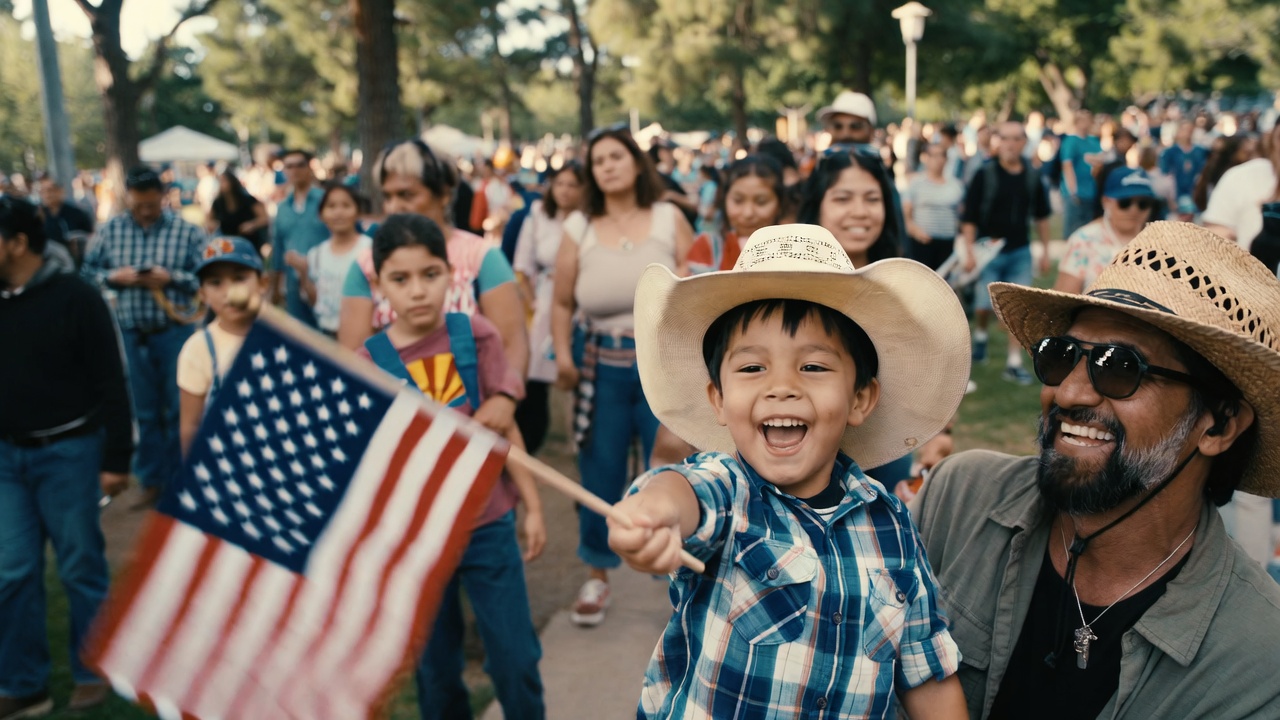
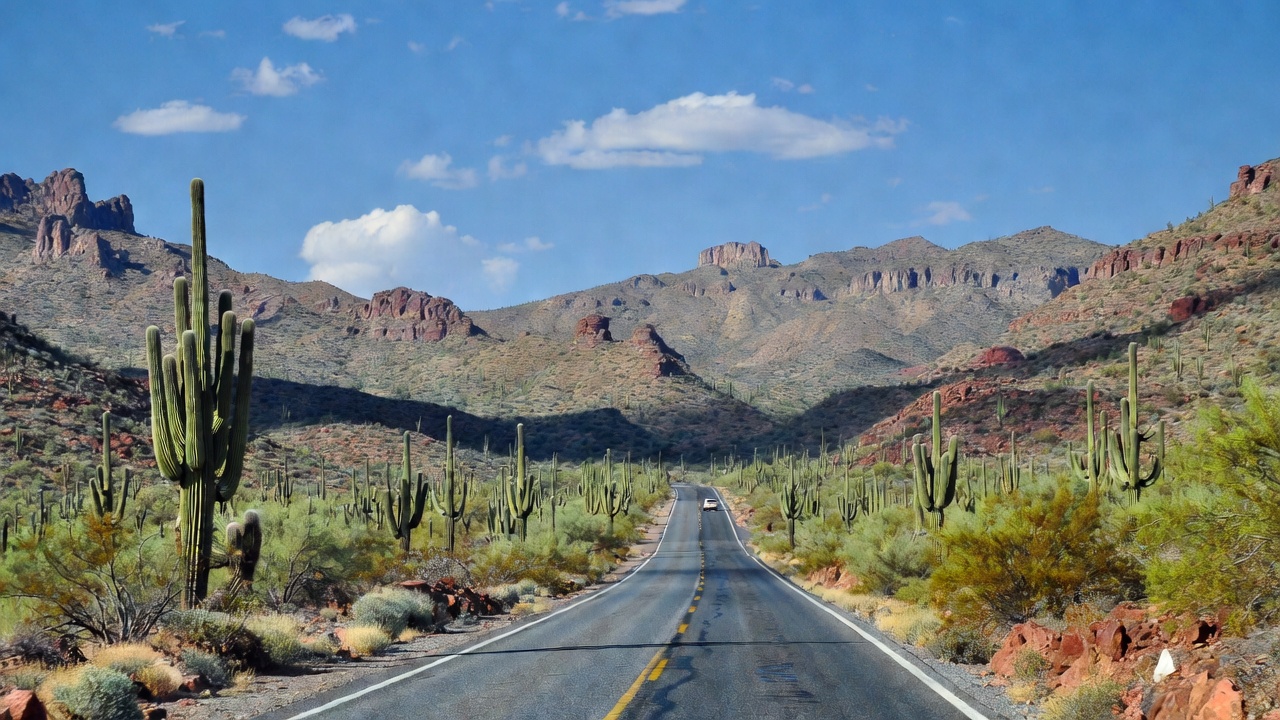
Every February 14, while most of the country exchanges valentines, Arizona throws itself a birthday party. Arizona Statehood Day marks the anniversary of the day President William Howard Taft signed the proclamation that made Arizona the 48th state to enter the Union — on February 14, 1912. In 2026, Arizona turns 114, and this year’s celebrations carry extra weight. The entire nation is in the middle of the America250 Semiquincentennial, honoring 250 years since the Declaration of Independence. Arizona has seized that momentum with its own statewide Passport250 program, themed events, and a renewed spotlight on the places where the state’s story was written in adobe, copper, and sandstone.
If you are planning a trip around Statehood Day — or any time during 2026 — this guide will walk you through the best historical sites in Arizona that connect directly to the state’s long road to statehood and its layered cultural past. From ancient cliff dwellings to Wild West saloons, from Spanish colonial missions to the copper-domed Capitol, these sites are more than tourist stops. They are chapters of a story that stretches back thousands of years.
What Is Arizona Statehood Day and Why Does It Matter in 2026?
Arizona Statehood Day is observed every year on February 14. It celebrates the moment Arizona officially joined the United States after one of the longest statehood battles in American history. The territory had been pushing for admission since the 1860s. Rejection after rejection came — partly because of concerns about its population size, partly because of political disputes over its progressive constitution.
When statehood finally arrived in 1912, Arizona’s first governor, George W.P. Hunt, addressed a crowd from the balcony of the State Capitol in Phoenix. Parades wound through the streets. It was a day of deep civic pride, and that pride has never faded.
In 2026, the celebration is bigger than usual. The Arizona America250 Commission — created by the Arizona State Senate through Senate Bill 1497 — is coordinating a year of commemorative events statewide. The commission’s Passport250 digital pass guides visitors to more than 250 destinations across the state, including historical landmarks, cultural institutions, restaurants, stargazing spots, and anniversary events. There are themed tracks like Treasures250, Hike250, Dine250, and Dark Skies250 that turn the whole state into an interactive adventure.
On Statehood Day itself, the Arizona Historical Society hosts an open house at the Arizona History Museum in Tucson from 10:00 AM to 3:00 PM, with free admission. The Arizona Secretary of State’s Office holds a ceremony at the Historic Capitol Rotunda in Phoenix, featuring a recitation of the original statehood proclamation issued by President Taft and a public display of Arizona’s original State Constitution.
Arizona Capitol Museum in Phoenix: Where Statehood Was Born
If there is a single building that embodies Arizona’s statehood story, it is the Arizona Capitol in downtown Phoenix. Originally completed in 1901, this building served as the seat of the territorial government. When statehood arrived in 1912, it became the new state’s Capitol. Legislators met here, governors worked here, and the early machinery of Arizona’s democracy turned within its walls until the government outgrew the building in the 1970s.
Today, the restored building is the Arizona Capitol Museum, and it offers free admission every day. The museum spans four floors of exhibits covering Arizona’s territorial days, its path to statehood, and its evolving government. Visitors can see the restored Senate and House chambers, the Governor’s office, and exhibits about the USS Arizona and the Buffalo Soldiers.
One standout exhibit is an Arizona state flag made from 113,998 LEGO bricks — one for each square mile of the state. Another traces the fierce constitutional debates that almost derailed statehood entirely.
| Detail | Information |
|---|---|
| Address | 1700 W. Washington St., Phoenix, AZ 85007 |
| Hours | Mon–Fri: 9:00 AM – 4:00 PM; Sat: 10:00 AM – 2:00 PM; Closed Sunday |
| Admission | Free |
| Phone | (602) 926-3620 |
| Website | azcapitolmuseum.gov |
The building itself is worth admiring from outside. Its copper dome nods to Arizona’s status as a leading copper-producing state. The walls are built from native granite and malapai stone, materials pulled from the land the building governs. Thick masonry walls and high ceilings were designed to manage the desert heat long before air conditioning arrived. If you visit during Statehood Day, you may catch the Secretary of State’s annual ceremony right on the Capitol grounds.
Insider tip: After touring the museum, walk through Wesley Bolin Memorial Plaza next door. It is home to dozens of monuments honoring Arizona’s veterans, first responders, and historical figures — a quiet, powerful outdoor history lesson.
Tombstone Historic District: Best Wild West Town to Visit in Arizona
No Arizona history trip is complete without a stop in Tombstone. Tucked into the southeast corner of the state, this silver-mining boomtown earned its nickname — “The Town Too Tough to Die” — during the rough-and-tumble 1880s. Today, Tombstone’s entire downtown is a National Historic Landmark, and it functions as a living open-air museum where the boardwalks still creak underfoot and actors in period dress roam the streets.
The star attraction is the O.K. Corral on Allen Street. This is where the legendary 30-second gunfight between the Earps, Doc Holliday, and the Clanton-McLaury gang erupted on October 26, 1881. Daily reenactments bring that moment back to life in vivid, smoky detail. Inside the O.K. Corral complex, you can see original photographs by C.S. Fly, whose studio sat just feet from the gunfire.
Beyond the Corral, Tombstone is packed with genuine historical attractions:
- Bird Cage Theatre — Opened on Christmas Eve, 1881. Its original poker table hosted what is said to be the longest continuous poker game in Arizona Territory. Open daily with evening ghost tours.
- Boothill Graveyard — Founded in 1878, this is the final resting place of gunslingers, outlaws, and ordinary citizens of a wild era. The grave markers are legendary. (“Here lies Lester Moore, four slugs from a .44, no Les no more.”)
- Tombstone Courthouse State Historic Park — The 1882 courthouse is free to explore from outside and offers rich context about frontier justice.
- Good Enough Mine Tour — Head underground into a real silver mine beneath the town streets for a guided tour of the tunnels that made Tombstone rich.
| Detail | Information |
|---|---|
| Location | Tombstone, AZ (about 70 miles southeast of Tucson) |
| Getting there | Take I-10 East from Tucson, then AZ-80 South |
| Best time to visit | October through April (mild desert weather) |
| Trolley tours | Tombstone Trolley offers 30-minute narrated tours covering 66+ landmarks |
If you want to go deeper, book a walking tour with a local historian. Companies like Tombstone Gunfighter & Ghost Tours offer 90-minute, unscripted history walks led by researchers who have spent years digging through the town’s archives. Evening tours add a paranormal twist, complete with EMF meters and infrared lasers.
Getting around: Tombstone is small enough to explore on foot. Stagecoach rides and carriage tours are also available along the dirt roads for those who want to experience the town the way its original residents did.
Mission San Xavier del Bac: Oldest European Structure in Arizona
About nine miles south of downtown Tucson, on the Tohono O’odham San Xavier Indian Reservation, stands a building that has watched over this desert for more than two centuries. Mission San Xavier del Bac — often called the “White Dove of the Desert” — is the oldest intact European structure in Arizona and one of the finest examples of Spanish Colonial architecture in the United States.
The mission was originally founded in 1692 by Jesuit missionary Father Eusebio Francisco Kino at the site of an existing O’odham village. The present church was built by Franciscan fathers between 1783 and 1797 using labor provided by the O’odham people and funding from a Sonoran rancher. Its design blends late Baroque and Moorish-inspired elements. The gleaming white stucco exterior, with its twin bell towers (one famously incomplete), stands out against the brown desert landscape like a mirage.
Step through the massive carved mesquite-wood doors, and the interior will stop you in your tracks. The walls and ceilings are alive with elaborately painted murals, carved saints, gilded altarpieces, and frescoes created by at least three different artists. The dome above the transept rises 52 feet overhead. This is not a ruin or a relic — San Xavier remains an active parish church, still serving the Tohono O’odham community just as it has for centuries.
| Detail | Information |
|---|---|
| Address | 1950 W. San Xavier Rd., Tucson, AZ 85746 |
| Church hours | Daily, 9:00 AM – 4:00 PM |
| Museum & Mausoleum | 9:00 AM – 4:00 PM |
| Gift shop | 8:00 AM – 5:00 PM |
| Admission | Free (donations welcome) |
| Docent tours | Free, donation-based; typically Mon–Sat mornings |
The Patronato San Xavier, a nonprofit conservation group, offers docent-led tours of the mission grounds. These volunteers are trained in the history, architecture, and culture of the mission and its surroundings. Tours last about 30 minutes and require no advance registration.
Cultural note: The mission sits on tribal land. Visitors should be respectful of this. Photography is welcome in most areas, but always check posted signs. There is no air conditioning inside the church — it was built with thick adobe walls that naturally stay cool, but in summer, come prepared for heat.
The adjacent San Xavier Plaza often has food vendors selling traditional fry bread and Indian tacos. Grab a plate, sit outside, and take in the view. It is one of those rare places where centuries of Native American, Spanish, Mexican, and American history overlap in a single, quiet courtyard.
Montezuma Castle National Monument: Best Ancient Cliff Dwelling Near Phoenix
If the missions tell the story of European arrival, Montezuma Castle tells a far older one. Nestled into a limestone cliff near Camp Verde, about 90 minutes north of Phoenix on I-17, this five-story, 20-room dwelling was built by the Sinagua people over the course of roughly 300 years, beginning around 1100 AD.
Despite its name, the site has nothing to do with the Aztec emperor Montezuma. Early European settlers, amazed by the scale and sophistication of the structure, assumed it must have been built by the Aztecs. In reality, it is the work of a resourceful desert culture that thrived along Beaver Creek for centuries before abandoning the area around 1400 AD — for reasons that remain a mystery.
The dwelling sits about 90 feet above the valley floor, tucked into a natural limestone alcove. The position was strategic: it protected residents from flooding, extreme heat, and potential threats. The only way up was by ladder, which could be pulled in at night.
Today, visitors can no longer enter the structure itself — public access was closed in 1951 to prevent further damage — but the view from the paved trail below is spectacular. A short, accessible one-third-mile loop winds along the base of the cliff, with interpretive signs explaining Sinagua agriculture, trade networks, and daily life. The visitor center houses a small museum with original artifacts, including farming tools, pottery, baskets, clothing, and jewelry.
| Detail | Information |
|---|---|
| Location | Camp Verde, AZ (I-17, Exit 289) |
| Hours | Daily, 8:00 AM – 5:00 PM (closed Christmas and New Year’s Day) |
| Admission | $10 per adult (ages 16+); free for children 15 and under |
| Passes accepted | America the Beautiful Pass |
| Nearby | Montezuma Well (11 miles north; free entry) |
Pro tip: Your $10 admission ticket also covers entry to Tuzigoot National Monument, another Sinagua site about 25 miles away. If you have a full day, visiting both gives you a much richer picture of how these ancient communities lived. Also consider bringing binoculars — you can spot details in the upper rooms of the cliff dwelling that are invisible to the naked eye.
Montezuma Castle was one of the first four sites designated as a National Monument by President Theodore Roosevelt in 1906. It remains one of the best-preserved cliff dwellings in North America.
Casa Grande Ruins National Monument: Ancient Hohokam History in Southern Arizona
About an hour south of Phoenix, in the small city of Coolidge, stands one of the most mysterious structures in the American Southwest. Casa Grande Ruins National Monument preserves the remains of a massive Hohokam Great House dating to approximately 1350 AD. It was the first archaeological site in the United States to receive federal protection, designated in 1892 — twenty years before Arizona even became a state.
The Great House rises four stories tall, built from caliche, a natural concrete-like material found in the desert soil. Its walls are more than two feet thick. What makes this structure truly remarkable is its alignment. Certain openings in the walls line up precisely with the sun and moon at key moments of the year, suggesting the Hohokam had a sophisticated understanding of astronomy. Whether the building served as an observatory, a ceremonial center, or an administrative hub remains debated among archaeologists.
The surrounding compound includes the remains of a walled village, irrigation canals, and a ball court. The Hohokam were master irrigators who built a canal network spanning hundreds of miles across the Salt River Valley — an engineering achievement that later settlers would build upon to create modern-day Phoenix.
| Detail | Information |
|---|---|
| Address | 1100 W. Ruins Dr., Coolidge, AZ 85128 |
| Hours | Daily, 9:00 AM – 5:00 PM (closed Thanksgiving and Christmas) |
| Admission | $10 per adult; free for children 15 and under |
| Passes accepted | America the Beautiful Pass |
A large protective canopy shelters the Great House from rain and sun — it has been there since 1932 and gives the site a distinctive silhouette. The visitor center offers a detailed film and exhibits about Hohokam culture, including their remarkable pottery and extensive trade connections that reached as far as Mesoamerica.
Heard Museum Phoenix: Best Museum for Native American Art and History
Back in Phoenix, the Heard Museum offers one of the most thoughtful, well-curated experiences of Indigenous art and culture anywhere in the country. Founded in 1929 by Dwight and Maie Bartlett Heard, the museum started as a way to house their personal collection. Nearly a century later, it holds more than 40,000 items and draws approximately 250,000 visitors per year. It is a Smithsonian Affiliate.
What sets the Heard apart is its commitment to telling stories from a first-person Indigenous perspective. Exhibits are developed in close collaboration with Native American artists and tribal communities, particularly those from the Southwest. The result is an experience that avoids the feel of a distant anthropology exhibit and instead places living cultures front and center.
The museum’s signature permanent gallery, “HOME: Native People in the Southwest,” is a sprawling, immersive walk through the art, traditions, and lived experiences of the region’s Indigenous peoples. Another highlight is the Katsina Doll collection, featuring hundreds of these sacred Hopi figures. The gallery dedicated to the Indian boarding school era is one of the most important and moving exhibits in any American museum.
| Detail | Information |
|---|---|
| Address | 2301 N. Central Ave., Phoenix, AZ 85004 |
| Hours | Mon–Sun: 10:00 AM – 4:00 PM |
| Admission | Adults: $20; Seniors (65+): $17; Students: $9; Children under 5: Free |
| Parking | Free on-site |
| Transit | Valley Metro Light Rail — Encanto/Central stop |
Free docent-led tours run daily at 10:30 AM, noon, 1:00 PM, and 2:30 PM. The Courtyard Café serves Southwestern-inspired dishes and is a lovely spot for lunch. The renovated Museum Shop sells hundreds of authentic pieces bought directly from Native American artists — a meaningful alternative to generic souvenirs.
Annual events to watch for: The Heard Museum Guild Indian Fair & Market (typically held in early March) and the World Championship Hoop Dance Contest (usually in early February) are two of the museum’s flagship events and both draw large crowds.
Jerome Ghost Town Arizona: A Copper Mining Town Reborn
Perched on the side of Cleopatra Hill in the Black Hills of central Arizona, Jerome is one of the most dramatic small towns in the American West. At its peak in the 1920s, this copper mining town had a population of about 15,000. When the mines closed in 1953, the population plummeted to fewer than 100. Jerome was officially designated a ghost town.
But Jerome refused to stay dead. Artists, craftspeople, and entrepreneurs gradually moved in, drawn by cheap real estate and unforgettable views. Today, Jerome has a population of about 450 and functions as a thriving arts community wrapped around the bones of a Wild West mining town. It is listed on the National Register of Historic Places and calls itself “The Largest Ghost Town in America.”
Walking Jerome’s steep, winding streets is a workout and a history lesson. Key stops include:
- Jerome State Historic Park — housed in the 1916 mansion of mining magnate James S. Douglas. The museum tells the full story of Jerome’s mining era.
- Gold King Mine & Ghost Town — an open-air collection of historic mining equipment, antique vehicles, and old buildings on the hill above town.
- The Sliding Jail — Jerome’s old town jail literally slid downhill due to ground subsidence from the mines below. It now sits about 225 feet from its original foundation.
The town is about a two-hour drive from Phoenix, accessible via AZ-89A. This same route connects Jerome to Sedona and some of the most spectacular red-rock scenery in the Southwest. Many visitors combine Jerome and Sedona into a single day trip.
Yuma Territorial Prison Historical State Park: A Window Into Frontier Justice
On the banks of the Colorado River in Arizona’s far southwestern corner sits one of the most storied prisons in the American West. The Yuma Territorial Prison operated from 1876 to 1909, housing over 3,000 inmates during its 33-year run. Convicts included cattle rustlers, stagecoach robbers, polygamists, and even a few murderers. Twenty-six women were among the inmates.
The prison was considered remarkably advanced for its time. It had electricity (before the town of Yuma itself did), ventilated cells, a hospital, and a library. Inmates could shorten their sentences through good behavior and education. Still, the desert heat was brutal, and the nickname “Hell Hole” stuck.
Today, the prison is a beautifully maintained Arizona State Park. Visitors can walk through the original cell blocks, peer into the dark room solitary confinement cell, and explore the guard tower. The museum is packed with artifacts, photographs, and stories of individual inmates — the exhibits are well organized and genuinely absorbing.
| Detail | Information |
|---|---|
| Address | 220 N. Prison Hill Rd., Yuma, AZ 85364 |
| Hours | Daily, 9:00 AM – 5:00 PM (hours may vary seasonally) |
| Admission | $10 per adult |
| Highlights | Original cell blocks, museum, Colorado River views |
The views of the Colorado River from the prison grounds are beautiful and worth lingering over. The prison sits on a hill, and on a clear day, you can see across the river into California and Mexico.
How to Plan the Perfect Arizona Statehood Day History Road Trip
Arizona is a big state — the sixth largest in the country — and its historical sites are spread across hundreds of miles of desert, mountain, and canyon. A well-planned road trip can connect many of these sites into a logical loop.
Here is a suggested 5-day Arizona history road trip starting and ending in Phoenix:
| Day | Route | Key Stops |
|---|---|---|
| Day 1 | Phoenix | Arizona Capitol Museum, Heard Museum, Wesley Bolin Memorial Plaza |
| Day 2 | Phoenix → Camp Verde → Jerome | Montezuma Castle, Tuzigoot National Monument, Jerome State Historic Park |
| Day 3 | Jerome → Sedona → Coolidge | Scenic AZ-89A drive, Casa Grande Ruins National Monument |
| Day 4 | Coolidge → Tucson → Tombstone | Mission San Xavier del Bac, Tombstone Historic District, O.K. Corral |
| Day 5 | Tombstone → Tucson → Phoenix | Arizona History Museum (Tucson), return to Phoenix |
Driving tips for February: Arizona in mid-February is a dream for road-tripping. Daytime temperatures in the southern lowlands typically range from the mid-60s to low 70s°F (18–22°C). Northern elevations near Flagstaff and Jerome will be cooler, sometimes near freezing at night. Pack layers.
Passport250 bonus: If you download the Passport250 digital pass, you can check in at many of these sites and track your progress. It is a free, fun way to add a layer of discovery to your trip — and you will find hidden gems along the way that even seasoned Arizona travelers miss.
Tips for Visiting Arizona Historical Sites During Statehood Day Weekend
Statehood Day 2026 falls on a Saturday, February 14. That means the whole weekend is prime time for travel. Here are some practical tips:
- Book lodging early. Phoenix and Tucson hotels fill up in February, which is peak tourist season in the Sonoran Desert. Smaller towns like Tombstone, Jerome, and Yuma have limited options — reserve ahead.
- Carry water everywhere. Even in February, the desert air is dry. Bring a reusable water bottle to every site.
- Respect tribal land. Several sites, including Mission San Xavier del Bac, sit on Native American reservations. Follow all posted guidelines. Ask before taking photographs of people or ceremonies.
- Check holiday schedules. Some state museums and parks adjust hours on Statehood Day itself. The Arizona Capitol Museum is typically closed on state holidays — call (602) 926-3620 to confirm before visiting.
- Use the America the Beautiful Pass. If you plan to visit multiple National Park Service sites (Montezuma Castle, Casa Grande, Tuzigoot), the $80 annual pass pays for itself quickly.
- Support local. Buy from Native American artists at the Heard Museum Shop or the San Xavier Plaza market. Eat at locally owned restaurants in Tombstone and Jerome. Your dollars go directly to the communities keeping Arizona’s history alive.
Why Arizona Statehood Day Is More Than Just a Holiday
Arizona Statehood Day is not just a date on the calendar. It is a reminder of how many cultures, conflicts, and compromises shaped this corner of the world. The Hohokam irrigated this desert a thousand years before any European set foot here. The Sinagua built apartment buildings into cliff faces that still stand. The O’odham, Navajo, Apache, and Hopi nations maintained (and maintain) living traditions that predate the United States by millennia. Spanish missionaries raised white-walled churches in the wilderness. American prospectors chased silver and copper through the mountains. Cowboys, outlaws, lawmakers, and dreamers all left their marks.
Walking through Arizona’s historical sites in 2026, you are not just sightseeing. You are tracing the threads of a story that is still being written. As Secretary of State Adrian Fontes put it during the 2025 Statehood Day ceremony: “Arizona’s journey as a state is a story of resilience, diversity, and community.”
That story deserves to be visited, walked, touched, and understood. So lace up your boots, fill your water bottle, and go meet Arizona where its history lives — not behind glass, but under open sky.
Have you visited any of these Arizona historical sites? Planning a Statehood Day trip? Share your experience in the comments below.