
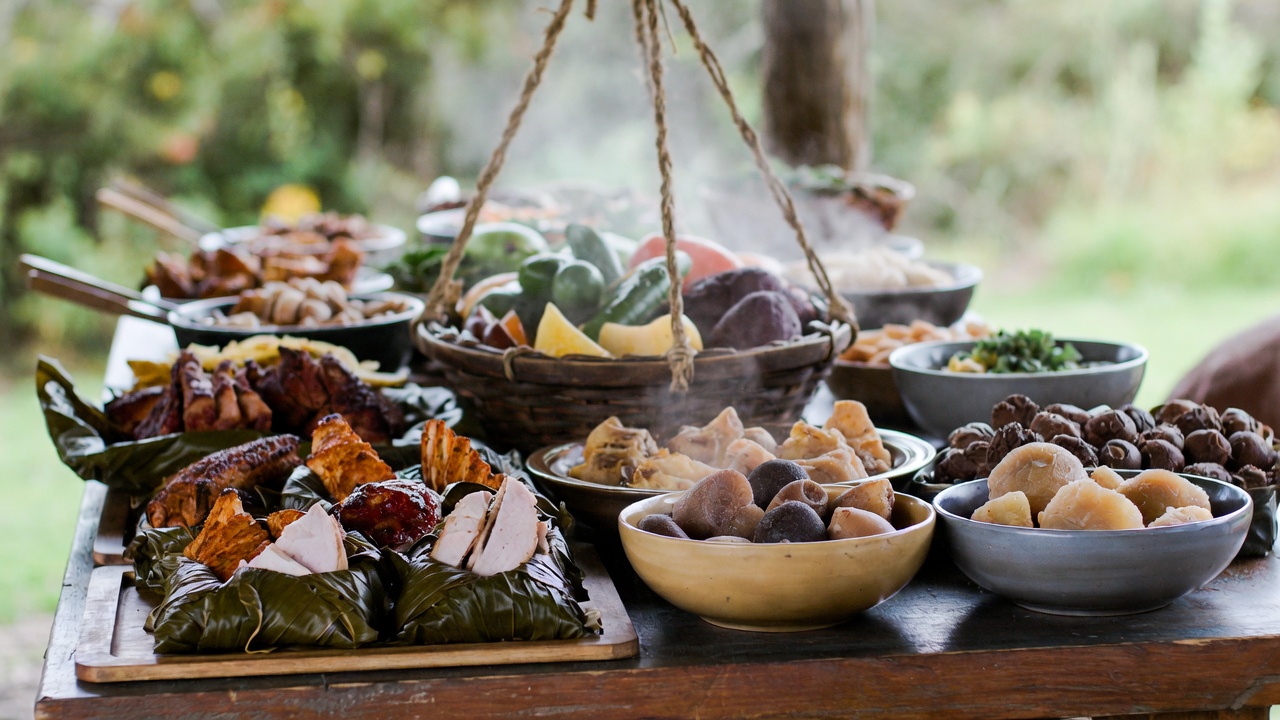
Discover New Zealand’s most sacred feast cooked beneath the earth
Every February 6th, New Zealand comes alive. Flags wave. Songs echo across marae. Families gather. It’s Waitangi Day—the nation’s founding celebration. And at the heart of this day lies something extraordinary: food cooked underground for hours, infused with smoke and tradition.
Welcome to the world of the Hāngī.
If you’re planning a trip to New Zealand around Waitangi Day, understanding traditional Māori cuisine isn’t just about filling your stomach. It’s about touching something ancient. Something real.
What Is Waitangi Day and Why Does Food Matter?
Waitangi Day commemorates the signing of the Treaty of Waitangi in 1840. This document shaped the relationship between Māori and the British Crown. Today, it’s a public holiday filled with ceremonies, performances, and—most importantly—communal feasting.
For Māori, food is never just sustenance. It carries mana (spiritual power). Sharing a meal connects you to ancestors, land, and community. The Hāngī embodies all of this.
Quick Facts: Waitangi Day
| Detail | Information |
|---|---|
| Date | February 6th |
| Location of Treaty Signing | Waitangi, Bay of Islands |
| Public Holiday Since | 1974 |
| Traditional Foods | Hāngī, rewena bread, seafood |
| Significance | National day of reflection and celebration |
What Is a Hāngī? The Traditional Māori Earth Oven Explained
A Hāngī (pronounced “hung-ee”) is an underground oven. It’s been used by Māori for centuries. The method transforms simple ingredients into something unforgettable.
Here’s the magic: hot stones buried in a pit cook food slowly through radiant heat and steam. The result? Meat so tender it falls apart. Vegetables infused with smoky, earthy sweetness. A taste you simply cannot replicate in a conventional kitchen.
How Is Traditional Hāngī Prepared Step by Step?
Preparing a Hāngī is a labor of love. It takes planning, teamwork, and patience. Here’s how it unfolds:
- Digging the pit – A hole is dug about half a meter deep
- Heating the stones – Volcanic rocks are placed over a wood fire for several hours
- Preparing the baskets – Wire baskets lined with cloth hold the food
- Layering the food – Meat goes on the bottom, vegetables on top
- Covering with wet cloths – Dampened fabric creates steam
- Burying everything – Earth seals in the heat completely
- Waiting – Cooking takes 3-4 hours underground
- The reveal – Uncovering the Hāngī is a moment of anticipation and celebration
The entire process is communal. Everyone has a role. This is not fast food. This is slow food with soul.
Traditional Hāngī Ingredients: What Foods Are Cooked Underground?
Wondering what goes into an authentic Hāngī feast? The ingredients are hearty, simple, and deeply satisfying.
Meats Commonly Used in Hāngī Cooking
| Meat | Notes |
|---|---|
| Chicken | Whole or in pieces; absorbs smoky flavor beautifully |
| Lamb | Traditional favorite; often shoulder cuts |
| Pork | Becomes incredibly tender after hours underground |
| Beef | Less common but equally delicious |
| Muttonbird (Tītī) | A delicacy from the South Island |
Vegetables in a Traditional Māori Earth Oven
- Kūmara (sweet potato) – The star vegetable; native to New Zealand Māori cuisine
- Potato – Fluffy and infused with smoky notes
- Pumpkin – Caramelizes beautifully underground
- Cabbage – Adds freshness and absorbs the meat juices
- Carrots – Sweet and earthy
- Watercress – Sometimes added for a peppery bite
The vegetables sit above the meat. As the cooking progresses, meat juices drip down while steam rises up. Every layer benefits.
What Does Hāngī Food Taste Like? A Flavor Unlike Any Other
First-time tasters often struggle to describe it. The closest comparison? Imagine barbecue meets slow-roasted perfection meets something entirely unique.
The smoky flavor comes from the wood fire. The earthy undertone comes from the ground itself. The tenderness comes from hours of gentle steam. Everything mingles together in the pit.
Chicken skin turns golden-bronze. Kūmara becomes almost creamy. Lamb practically melts.
One bite tells you: this food carries centuries of tradition.
“You don’t just eat a Hāngī. You experience it.” — Common saying among Māori hosts
Other Authentic Māori Foods to Try on Waitangi Day
The Hāngī is the main event. But traditional Māori cuisine offers much more. Here are other dishes to seek out during your Waitangi Day celebrations.
Rewena Bread: The Fermented Māori Potato Bread
This isn’t ordinary bread. Rewena uses a fermented potato starter called a “bug.” The fermentation creates a slightly tangy, dense loaf. It’s perfect for soaking up Hāngī juices.
Kina: Fresh Sea Urchin from New Zealand Waters
Kina is sea urchin—raw, fresh, and briny. You crack it open and scoop out the golden roe. It’s an acquired taste. Bold travelers love it.
Pāua: Abalone with Stunning Iridescent Shells
Pāua is New Zealand abalone. The meat is chewy and flavorful. Often minced into fritters or eaten raw. The shells become iconic souvenirs.
Whitebait Fritters: A Seasonal Delicacy
Tiny translucent fish bound with egg and fried golden. Whitebait season is eagerly anticipated. The fritters are crispy, delicate, and utterly addictive.
Boil-Up: A Hearty Māori Comfort Dish
A simple pot of pork bones, watercress, kūmara, and dumplings called “doughboys.” It’s home cooking at its finest. Warm, filling, unpretentious.
Traditional Māori Dishes at a Glance
| Dish | Main Ingredients | Taste Profile |
|---|---|---|
| Hāngī | Meat, root vegetables | Smoky, earthy, tender |
| Rewena Bread | Potato starter, flour | Tangy, dense |
| Kina | Sea urchin roe | Briny, rich |
| Pāua | Abalone | Chewy, oceanic |
| Whitebait Fritters | Whitebait, egg | Delicate, crispy |
| Boil-Up | Pork, greens, kūmara | Hearty, comforting |
Where to Experience Hāngī in New Zealand: Best Locations for Travelers
Planning to try a Hāngī during your New Zealand trip? Here’s where to find authentic experiences.
Rotorua: The Geothermal Heart of Māori Culture
Rotorua is the epicenter. Multiple cultural villages offer Hāngī dinners combined with traditional performances. Some even use natural geothermal heat for cooking.
Top Rotorua Hāngī experiences:
- Tamaki Māori Village
- Mitai Māori Village
- Te Puia
- Whakarewarewa Living Māori Village
Waitangi Treaty Grounds: The Most Significant Location
On Waitangi Day itself, the Treaty Grounds in Northland host celebrations. Public Hāngī are sometimes available. The atmosphere is unmatched.
Marae Visits Throughout New Zealand
A marae is a Māori meeting ground. Some marae welcome visitors for overnight stays that include Hāngī meals. These immersive experiences require respectful protocol.
Waitangi Day Hāngī Etiquette: How to Respectfully Enjoy Māori Food
Sharing a Hāngī is a privilege. A few guidelines will help you honor the tradition.
Do:
- Wait to be invited to eat
- Thank your hosts sincerely
- Try everything offered
- Ask questions respectfully
- Remove shoes when entering a meeting house
Don’t:
- Sit on tables where food will be placed
- Start eating before the karakia (blessing)
- Waste food—take only what you’ll finish
- Touch the top of someone’s head (it’s tapu/sacred)
Māori hospitality is generous. Reciprocate with genuine appreciation.
Can You Make Hāngī at Home? Tips for a Backyard Earth Oven
Curious travelers sometimes want to recreate the experience. It’s possible—with effort.
Essential Requirements for Home Hāngī
- Space – You need a yard where you can dig safely
- Volcanic rocks – Regular rocks can explode when heated
- Plenty of firewood – Several hours of burning required
- Wire baskets – Custom-made or repurposed
- Wet burlap sacks – For creating steam
- Time – Start early; this is an all-day project
- Helpers – Hāngī is meant to be communal
Safety note: Never use river stones or wet rocks. They can shatter dangerously.
Some New Zealand suppliers sell “Hāngī kits” with proper stones and instructions. If you’re serious, these are worth investigating.
The Spiritual Meaning Behind Hāngī: More Than Just Cooking
Understanding the Hāngī goes beyond technique. There’s profound spiritual significance.
The earth represents Papatūānuku—the Earth Mother. Burying food in her body connects the meal to creation itself. The fire represents energy and transformation. The steam carries prayers upward.
When a Hāngī is uncovered, it’s a moment of thanksgiving. The karakia (prayer) acknowledges ancestors, land, and the labor of those who prepared the feast.
Eating this food means participating in something sacred.
Planning Your Waitangi Day Food Experience: Practical Tips
Ready to plan your culinary adventure? Here’s what to keep in mind.
Best Time to Book Hāngī Experiences
Book Rotorua cultural evenings at least two weeks ahead during peak season (December–February). Waitangi Day events book up fast.
What to Wear
Casual and comfortable. Outdoor Hāngī sites can be uneven. Flat shoes recommended. Evenings can be cool—bring a light jacket.
Dietary Restrictions
Most operators can accommodate vegetarians with advance notice. The vegetable basket is substantial. Gluten-free and vegan requests may be possible—always ask ahead.
Budget Expectations
| Experience Type | Approximate Cost (NZD) |
|---|---|
| Cultural village + Hāngī dinner | $120–$180 per adult |
| Marae overnight stay | $80–$150 per person |
| Public Waitangi Day events | Often free |
Final Thoughts: Why Every Traveler Should Try Hāngī on Waitangi Day
New Zealand offers countless experiences. Bungy jumping. Glowworm caves. Stunning landscapes. But nothing connects you to the soul of this country like sharing a Hāngī.
On Waitangi Day, you’re not just a tourist. You’re a guest at a table set by centuries of tradition. You’re tasting history. You’re honoring a culture that believes food should nourish more than the body.
The smoke rises. The earth gives up its treasure. The community gathers.
And you understand: some meals change you.
Related Posts You Might Enjoy:
- Best Māori Cultural Experiences in Rotorua for First-Time Visitors
- Complete Guide to New Zealand Public Holidays for Travelers
- Understanding Māori Protocol: A Respectful Visitor’s Guide
Have you experienced a Hāngī feast? Share your story in the comments below!