Introduction to Taj Mahotsav Festival Food Culture
Every February, the ancient city of Agra transforms into a living tapestry of colors, sounds, and most importantly, aromas. The Taj Mahotsav, held annually from February 18-27 at Shilpgram near the eastern gate of the iconic Taj Mahal, represents far more than a cultural festival. It stands as India’s grandest celebration of culinary heritage.
For ten magnificent days, this festival draws over 400 master craftsmen and culinary artisans from every corner of the subcontinent. They bring with them recipes passed down through generations. Secret family formulas. Cooking techniques perfected over centuries.
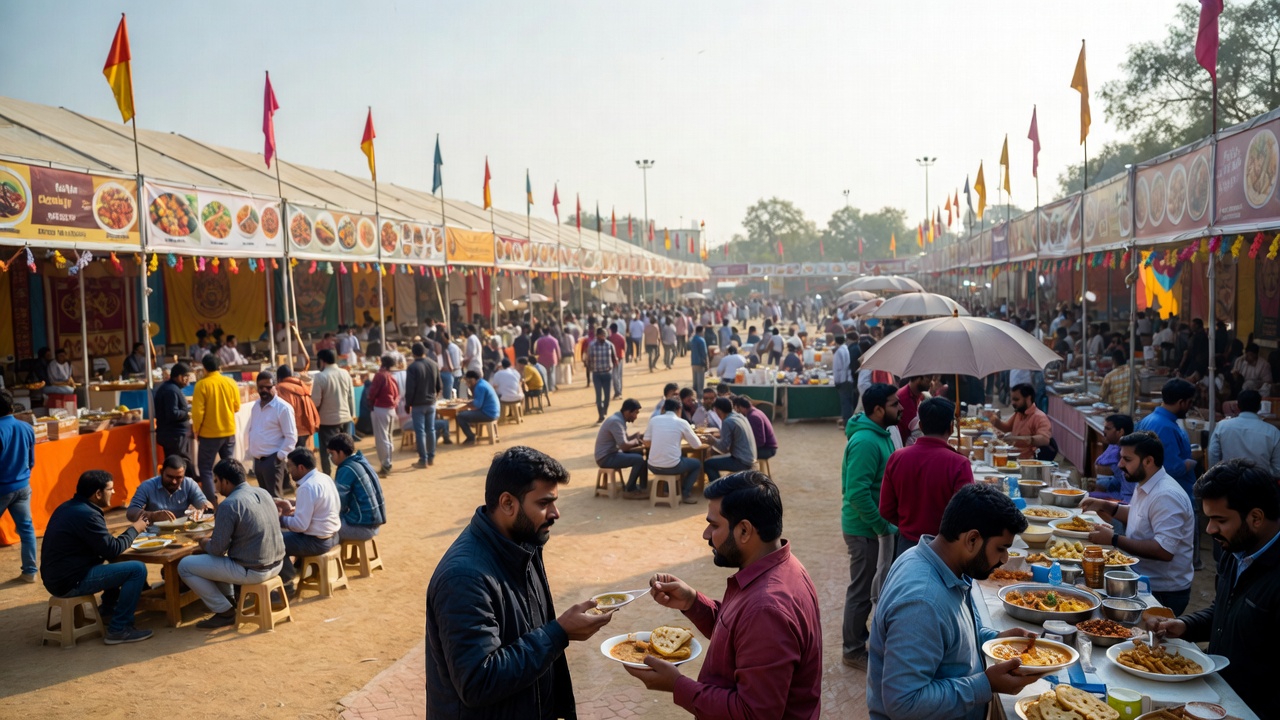
Walking through the festival grounds feels like embarking on a gastronomic pilgrimage across India without ever leaving Agra. The Uttar Pradesh Tourism Department orchestrates this annual spectacle with meticulous attention to authenticity. Every food stall tells a story. Every dish carries the weight of tradition.
This comprehensive guide will take you through the best food experiences at Taj Mahotsav. We’ll explore regional specialties, hidden gems, must-try dishes, and practical tips for making the most of your culinary adventure at this extraordinary Indian food festival.
The Rich History Behind Taj Mahotsav Traditional Food Heritage
The Taj Mahotsav began in 1992 as an initiative to showcase India’s artistic and cultural wealth against the backdrop of the world’s most famous monument of love. However, the festival’s food heritage draws from a much deeper well of history.
Mughal Culinary Legacy in Agra
Agra served as the capital of the Mughal Empire for over a century. Emperor Akbar, Jahangir, and Shah Jahan all held court here. Their royal kitchens, known as “Bawarchikhanas,” employed hundreds of specialized cooks. These masters created what we now call Mughlai cuisine.
The emperors were notorious gourmands. Shah Jahan, the builder of the Taj Mahal, reportedly employed thirty-two distinct categories of cooks. Each specialist focused on one type of dish:
| Cook Category | Specialty |
|---|---|
| Nanbai | Bread making |
| Rakabdar | Meat dishes |
| Halwai | Sweets and desserts |
| Shorba-dar | Soups and gravies |
| Qorma-chi | Slow-cooked curries |
| Kababi | Grilled meats |
| Sherbet-dar | Beverages |
This legacy lives on at Taj Mahotsav. The festival deliberately preserves these culinary traditions by inviting descendants of royal cooks and traditional food families to showcase their inherited expertise.
How Food Became Central to Taj Mahotsav Celebrations
Initially, the festival focused primarily on handicrafts and performing arts. Food played a supporting role. By the early 2000s, organizers recognized that cuisine represents culture as powerfully as any art form.
Today, approximately 40% of the festival grounds are dedicated to food stalls, cooking demonstrations, and culinary experiences. The Uttar Pradesh Tourism website notes that food has become “the heartbeat of Taj Mahotsav,” drawing visitors specifically for gastronomic exploration.
What Makes Taj Mahotsav Street Food Unique and Authentic
The street food at Taj Mahotsav differs fundamentally from what you might find at ordinary Indian food festivals. The organizers implement a rigorous selection process. Vendors must demonstrate authentic preparation methods. No shortcuts. No commercial adaptations.
Authenticity Standards for Festival Food Vendors
Every food vendor at Taj Mahotsav undergoes evaluation by a cultural committee. The criteria include:
- Traditional cooking methods (no microwave or modern shortcuts)
- Authentic recipes verified through regional food authorities
- Hygiene standards meeting tourism department requirements
- Cultural representation ensuring diverse regional presence
- Ingredient sourcing with preference for local and organic materials
This vetting process ensures visitors experience genuine Indian culinary heritage. The biryani at the Lucknow stall actually comes from a family that has served this dish in the City of Nawabs for six generations. The chaat vendor from Delhi’s Chandni Chowk brings recipes unchanged since the 1940s.
The Sensory Experience of Festival Food Courts
Describing the Taj Mahotsav food court experience requires engaging all five senses. Upon entering the food zone, smoke from dozens of clay tandoors creates a fragrant haze. The crackling of oil in iron kadais provides rhythmic accompaniment. Vendors call out their specialties in regional dialects and languages.
The visual spectacle proves equally compelling. Mountains of orange jalebi glisten with syrup. Copper pots of saffron-tinged korma bubble gently. Towers of multicolored sweets from Bengal create edible architecture. Whole goats rotate slowly over charcoal pits for raan preparation.
Pro tip: Visit between 4 PM and 7 PM for the most active food preparation. Many dishes require hours of cooking and reach peak quality during evening service.
Must-Try Mughlai Cuisine Dishes at Taj Mahotsav Agra
Given Agra’s historical significance as a Mughal capital, the Mughlai cuisine at Taj Mahotsav deserves special attention. These dishes represent centuries of culinary refinement in the royal courts that once stood within miles of the festival grounds.
The Legendary Agra Petha: Sweet Heritage of the Taj City
No discussion of Taj Mahotsav food specialties can begin without acknowledging Agra Petha. This translucent sweet made from ash gourd (winter melon) holds Geographical Indication (GI) status from the Government of India, recognizing its unique connection to the region.
The origins of petha intertwine with the Taj Mahal itself. Legend holds that Shah Jahan commissioned confectioners to create a sweet as white and pure as the marble monument he was building for Mumtaz Mahal. The result was the crystalline, melt-in-your-mouth petha.
Modern petha varieties at Taj Mahotsav include:
- Angoori Petha – Tiny, grape-sized pieces with intense sweetness
- Kesar Petha – Infused with saffron strands
- Paan Petha – Flavored with betel leaf
- Chocolate Petha – Contemporary fusion variety
- Coconut Petha – Coated with desiccated coconut
- Dry Petha – Less syrupy, ideal for gifting
The most renowned petha vendors at the festival come from establishments along Agra’s Noori Gate, where this sweet has been produced since the 17th century.
Authentic Kebab Varieties You Must Sample
The kebabs at Taj Mahotsav showcase the extraordinary diversity of this single category of Mughlai cooking. Each regional variation tells a story of local ingredients, climate adaptation, and cultural preference.
Lucknowi Galawati Kebab
The Galawati kebab exemplifies royal culinary innovation. According to historical accounts, an aging Nawab of Lucknow could no longer chew regular meat due to lost teeth. His cooks developed a kebab so tender it would literally dissolve on the tongue.
The secret lies in a spice blend containing over 150 ingredients, including raw papaya as a tenderizing agent. At Taj Mahotsav, the Lucknow stalls guard their galawati recipes jealously. Each vendor claims authenticity through family lineage.
What to look for: The kebab should hold its shape when lifted but collapse instantly upon contact with your palate. The exterior should show slight charring from the tawa (flat griddle).
Seekh Kebab: The Classic Minced Meat Preparation
Unlike the complex galawati, the seekh kebab celebrates simplicity. Minced lamb or goat meat, mixed with minimal spices, is molded onto metal skewers and grilled over charcoal.
The quality depends entirely on:
- Meat quality – Fresh, locally sourced is best
- Fat ratio – Approximately 20% fat ensures juiciness
- Charcoal skill – Even heat distribution requires expertise
- Timing – Overcooking by seconds ruins the dish
Kakori Kebab: The Aristocrat’s Choice
Named after the town of Kakori near Lucknow, this kebab variety represents the pinnacle of refinement. The meat undergoes such extensive processing that it achieves an almost mousse-like consistency.
At Taj Mahotsav, authentic Kakori kebab vendors use traditional stone grinders rather than electric mincers. This slow processing develops flavors that modern equipment cannot replicate.
Biryani Styles Representing Different Indian Regions
The biryani stalls at Taj Mahotsav transform a single dish into a geography lesson. Each regional variety reflects local history, available ingredients, and cultural preferences.
| Biryani Style | Origin | Key Characteristics |
|---|---|---|
| Lucknowi (Awadhi) | Lucknow, UP | Slow-cooked dum style, lighter spicing, saffron-scented |
| Hyderabadi | Hyderabad | Raw meat layered with rice, intense spices, kachchi style |
| Kolkata | West Bengal | Includes potatoes, subtler flavors, egg accompaniment |
| Malabar | Kerala | Coconut-influenced, short-grain rice, coastal spices |
| Memoni | Gujarat | Extremely spicy, minimal color, distinctive heat |
Festival insider tip: The Lucknowi biryani stalls near the main stage typically serve the most authentic preparations. Look for vendors using traditional deg (large copper pots) sealed with dough to create proper dum cooking conditions.
Royal Korma and Slow-Cooked Delicacies
The korma dishes at Taj Mahotsav demonstrate patience as a culinary virtue. These slow-braised preparations often require 6-8 hours of gentle cooking. The festival’s korma specialists begin their work at dawn.
Navratan Korma, named for the “nine jewels” of mixed vegetables and nuts, represents the vegetarian option in this category. Mughal emperors kept vegetarian days, driving their cooks to develop meat-free dishes of equal sophistication.
Mutton Korma from the Awadhi tradition uses:
- Reduced yogurt for tangy richness
- Ground cashews for creamy texture
- Slow-fried onions for sweetness
- Saffron and kewra water for fragrance
Best North Indian Food Stalls at Taj Mahotsav Festival
Beyond the specifically Mughlai offerings, the North Indian food at Taj Mahotsav encompasses incredible diversity. The states of Punjab, Rajasthan, Gujarat, and others contribute their distinct culinary identities.
Punjabi Dhaba Style Cooking Demonstrations
The Punjabi food stalls recreate the experience of highway dhabas – roadside eateries that have fed travelers for generations. These stalls prioritize heartiness and bold flavors.
Signature Punjabi dishes to try:
- Sarson da Saag with Makki di Roti – Mustard greens with cornmeal flatbread, topped with white butter
- Dal Makhani – Black lentils slow-cooked overnight with cream and butter
- Chole Bhature – Spiced chickpeas with fried bread
- Amritsari Kulcha – Stuffed flatbread from the holy city of Amritsar
- Lassi – Churned yogurt drink, sweet or salted
The Punjabi cooking demonstrations draw large crowds. Watching a tandoor master slap naan dough against the clay oven’s inner walls provides entertainment as compelling as any stage performance.
Rajasthani Desert Cuisine: Unique Flavors and Techniques
The Rajasthani food stalls at Taj Mahotsav showcase how desert conditions inspired culinary innovation. With limited water and fresh vegetables, Rajasthani cooks developed techniques to create flavorful, long-lasting dishes.
Dal Baati Churma represents the quintessential Rajasthani meal:
- Baati – Hard wheat balls baked in charcoal
- Dal – Five-lentil mixture with tempering
- Churma – Crushed baati sweetened with jaggery
This combination provides complete nutrition for desert travelers and laborers. At the festival, Rajasthani vendors bake baati in traditional clay ovens, creating authentic smoky flavors.
Gatte ki Sabzi – gram flour dumplings in spiced yogurt gravy – demonstrates the ingenuity of cooking without fresh vegetables. The dish has sustained Rajasthani households through harsh desert summers for centuries.
Ker Sangri, made from desert beans and berries, offers a unique tangy-spicy taste found nowhere else in India. The dried ingredients can survive months without refrigeration, making them essential to traditional desert pantries.
South Indian Delicacies Available at Taj Mahotsav
The South Indian food stalls at Taj Mahotsav transport visitors thousands of kilometers to the tropical southern states. These cuisines emphasize rice, coconut, curry leaves, and complex spice blends.
Dosa and Idli: Fermented Rice Creations
The South Indian breakfast stations operate from early morning, offering fresh fermented delicacies. The fermentation process, requiring overnight preparation, means these vendors work through the night.
Dosa varieties available typically include:
| Dosa Type | Description | Filling |
|---|---|---|
| Plain Dosa | Thin, crispy rice crepe | None |
| Masala Dosa | Crispy crepe with spiced potato | Potato curry |
| Mysore Dosa | Spread with red chutney | Potato curry |
| Rava Dosa | Semolina batter, lacy texture | Optional |
| Ghee Roast | Extra-crispy, ghee-enriched | Optional |
| Paper Dosa | Extremely thin, large | None |
Idli – steamed rice cakes – demonstrate how fermentation transforms simple ingredients into nutritious, easily digestible food. The sourness indicates proper fermentation. Truly fresh idli should be pillowy and slightly tangy.
Accompaniments matter enormously:
- Sambar – Vegetable-lentil stew with tamarind
- Coconut Chutney – Fresh-ground, creamy
- Tomato Chutney – Tangy and spiced
- Gun Powder – Dried spice-lentil mixture
Kerala Cuisine: Coconut-Based Coastal Flavors
The Kerala food stalls stand out through their extensive use of coconut in all forms – oil, milk, cream, and grated flesh. This coastal state’s cuisine reflects both its tropical abundance and historical spice trade connections.
Appam with Stew offers a distinctive experience. The appam – a fermented rice pancake with crispy edges and soft center – soaks up the mild coconut milk stew perfectly. The dish shows Syrian Christian culinary influences in Kerala.
Malabar Parotta, though technically a bread, becomes a meal when paired with Kerala Beef Fry or Chicken Curry. The layered, flaky parotta requires significant skill to prepare. Watch the vendors stretch and flip the dough in mesmerizing displays.
Karimeen Pollichathu – pearl spot fish wrapped in banana leaves and pan-fried – represents Kerala’s freshwater culinary traditions. The banana leaf imparts subtle flavor while keeping the fish incredibly moist.
Best Vegetarian Food Options at Taj Mahotsav India
India’s long vegetarian tradition ensures that vegetarian food at Taj Mahotsav rivals non-vegetarian options in variety, complexity, and flavor. Religious and cultural factors make vegetarianism central to Indian cuisine rather than an afterthought.
Pure Vegetarian Stalls and Jain Food Options
The festival includes dedicated pure vegetarian zones where no meat, fish, or eggs are prepared. These stalls display green markers for easy identification.
Jain food options take vegetarianism further by excluding root vegetables (onions, garlic, potatoes, carrots). Jain philosophy prohibits harming organisms living underground. This restriction drove innovation in creating flavorful dishes without these common ingredients.
Popular Jain-friendly dishes at the festival:
- Jain Dal Tadka – Lentils without garlic or onion
- Paneer Tikka (Jain style) – Using alternative spice blends
- Khichdi – Rice and lentil comfort food
- Steamed vegetable preparations
Paneer Preparations from Various Indian States
Paneer – Indian cottage cheese – serves as the protein centerpiece of vegetarian meals. The paneer dishes at Taj Mahotsav showcase regional variations on this versatile ingredient.
Paneer Tikka from North India features marinated, grilled cheese cubes. The marinade typically includes yogurt, red chili, and garam masala. Look for vendors using charcoal tandoors rather than gas grills for authentic smoky flavor.
Paneer Butter Masala (often called “Paneer Makhani”) presents cheese cubes in rich tomato-cream gravy. This dish originated in Delhi’s restaurant scene but has become pan-Indian.
Kadai Paneer uses a distinctive preparation method – cooking in a handled iron kadai with bell peppers and freshly ground spices. The dish should taste of coriander and cumin more prominently than chili.
Shahi Paneer represents the royal (“shahi”) tradition with nuts, cream, and mild spicing. The gravy should be white to pale orange, never red.
Chaat: India’s Beloved Street Food Tradition
The chaat stalls at Taj Mahotsav create some of the most exciting flavor combinations in Indian cuisine. Chaat emphasizes contrast – sweet, sour, spicy, crunchy, soft – in every bite.
Gol Gappe (Pani Puri) provides the most interactive chaat experience. Hollow, crispy spheres are filled with spiced water, chickpeas, and potato, then consumed in a single bite. The flavor explosion is intense and immediate.
Regional names for this dish:
- Pani Puri – Maharashtra
- Gol Gappe – North India
- Puchka – West Bengal
- Gupchup – Odisha
Aloo Tikki Chaat features crispy potato patties topped with yogurt, chutneys, and garnishes. The Delhi-style preparation is particularly renowned.
Bhel Puri offers a drier alternative – puffed rice mixed with chutneys, onions, and crunchy elements. Mumbai’s version typically includes raw mango for extra tartness.
Dahi Bhalla (or Dahi Vada) presents soft lentil dumplings soaked in sweetened yogurt, topped with tamarind chutney. The temperature contrast – cool yogurt, room-temperature dumpling – adds another dimension.
Traditional Indian Sweets and Desserts at Taj Mahotsav
The dessert stalls at Taj Mahotsav represent India’s extraordinary sweet-making traditions. Indian confectioners (halwais) undergo years of apprenticeship. Their craft combines chemistry, artistry, and cultural knowledge.
Bengali Sweets: Milk-Based Delicacies from the East
Bengali sweets hold special status in India’s culinary hierarchy. The region’s expertise in milk-based confections developed over centuries. The introduction of chhena (fresh cheese) by Portuguese colonizers transformed Bengali sweet-making.
Rasgulla – spongy cheese balls in light sugar syrup – originated in Odisha but reached perfection in Bengal. At Taj Mahotsav, Bengali stalls demonstrate the precise kneading technique that creates rasgulla’s characteristic spongy texture.
Sandesh showcases chhena shaped and flavored in countless ways:
- Nolen Gurer Sandesh – Made with date palm jaggery (seasonal)
- Kanchagolla – Dense, intense version
- Jol Bhora – Liquid-filled
- Mold-pressed – Shaped into flowers, shells, fruits
Mishti Doi – sweetened set yogurt – requires specific clay pot preparation. The clay pot absorbs excess moisture, creating thick, caramelized yogurt. True mishti doi cannot be replicated in glass or metal containers.
Chomchom presents an elongated alternative to rasgulla, often colored yellow and coated with coconut or khoya (reduced milk solids).
Halwa Varieties: Grain-Based Sweet Preparations
The halwa stalls at Taj Mahotsav demonstrate the diversity possible within a single sweet category. Halwa refers broadly to dense, sweet preparations cooked in ghee.
Gajar Ka Halwa (carrot halwa) reaches its peak during winter months when red carrots are sweetest. At the festival, massive kadais of carrots slow-cook in milk for hours. The final product should be:
- Intensely carrot-flavored
- Rich but not greasy
- Studded with nuts and khoya
- Served warm
Moong Dal Halwa requires extensive preparation – soaking, grinding, and frying yellow lentils before adding sugar and ghee. Rajasthani halwais specialize in this labor-intensive sweet.
Suji (Semolina) Halwa offers simpler but no less satisfying pleasure. Temple offerings (prasad) often take this form. The texture should be smooth, not granular.
Regional Sweet Specialties Worth Discovering
Beyond the famous sweets, regional confections at Taj Mahotsav offer discovery opportunities.
Mysore Pak from Karnataka creates dense, ghee-laden squares that dissolve on the tongue. The authentic version uses enormous amounts of ghee – creating richness that modern imitations cannot match.
Peda from Mathura (just 50 kilometers from Agra) comes in multiple varieties:
- Kesar Peda – Saffron-flavored
- Mathura Peda – Traditional brown variety
- White Peda – Milder, less cooked
Barfi – milk solid fudge – appears in dozens of varieties:
- Kaju Barfi – Cashew-based
- Pista Barfi – Pistachio-based
- Besan Barfi – Chickpea flour-based
- Coconut Barfi – Desiccated coconut variety
Jalebi – pretzel-shaped fried sweets soaked in sugar syrup – requires tremendous skill. The batter fermentation and frying technique determine whether jalebi is merely good or transcendent. Look for crispy exterior, soft interior, and immediate service.
Traditional Indian Beverages to Try at Taj Mahotsav
The beverages at Taj Mahotsav extend far beyond tea and water. Indian drink traditions encompass dairy, fruits, spices, and regional specialties that complement and contrast with food.
Lassi and Chaas: Yogurt-Based Refreshments
Lassi – churned yogurt drink – provides perfect counterpoint to spicy festival food. The traditional preparation uses a wooden churner (madhaani) that incorporates air and creates superior texture.
Sweet lassi includes sugar and sometimes cardamom or rose water. Salt lassi uses cumin and black salt. Mango lassi blends seasonal fruit for tropical sweetness.
Chaas (also called mattha or buttermilk) is thinner than lassi, more refreshing, and typically savory. Cumin, curry leaves, and green chilies flavor this digestive drink.
Festival beverage tip: Lassi and chaas help cool the palate after spicy dishes and aid digestion. Indian wisdom suggests drinking these during or after meals rather than with food.
Masala Chai: The Iconic Indian Tea Experience
Though tea arrived in India through British colonialism, Indians transformed it into something entirely their own. The masala chai at Taj Mahotsav showcases regional variations.
Cutting chai – served in small glasses – offers concentrated flavor. The tea is boiled (not steeped) with milk and sugar, creating a drink unrecognizable to Western tea drinkers.
Masala additions vary by region:
- Ginger – Common everywhere, aids digestion
- Cardamom – Fragrant, cooling
- Cinnamon – Warming, sweet
- Black pepper – Stimulating, rarely used alone
- Cloves – Intense, used sparingly
Kulhad chai – served in unfired clay cups – provides distinctive earthy flavor. The clay absorbs some liquid, concentrating the tea. After drinking, the cup is discarded and biodegrades naturally.
Sharbat and Thandai: Traditional Cooling Drinks
Sharbat – concentrated fruit or flower syrups diluted with water – predates modern soft drinks by centuries. Mughal emperors enjoyed sharbat made from rose, sandalwood, and lotus.
Rose sharbat (Rooh Afza-style) combines rose essence, cooling seeds (khus khus, basil seeds), and sugar. The pink drink provides genuine cooling in hot weather through ingredients with cooling properties in Ayurvedic tradition.
Thandai holds special festival significance. This almond-milk-based drink traditionally contains:
- Almonds and cashews (ground)
- Melon seeds
- Fennel seeds
- Cardamom and black pepper
- Saffron
- Rose petals
During Holi festival, thandai sometimes includes bhang (cannabis), but the Taj Mahotsav versions remain family-friendly.
Aam Panna – raw mango drink – appears seasonally if the festival timing aligns with early mango availability. The tart, sweet, cumin-spiced drink prevents heat stroke in Indian folk medicine tradition.
Food Photography Tips for Capturing Taj Mahotsav Cuisine
The visual beauty of Taj Mahotsav food deserves documentation. However, festival conditions challenge even experienced photographers. These tips help capture Instagram-worthy images.
Best Times and Locations for Food Photography
Golden hour (approximately 5-6 PM in February) provides warm, flattering light throughout the food zones. Morning light (7-9 AM) works well for breakfast items.
Location considerations:
- Stalls facing east catch morning light
- Stalls facing west catch evening light
- Central zones become crowded; periphery offers better angles
- Cooking demonstrations provide dynamic shots
Technical Approaches for Festival Food Shots
Smartphone tips:
- Use portrait mode for shallow depth of field
- Avoid flash; natural light always looks better
- Clean your lens frequently (greasy food environments)
- Shoot slightly above the dish, not directly overhead
Camera recommendations:
- Fast lens (f/1.8 or wider) for low-light conditions
- Macro capability for detail shots
- Avoid tripods; they block foot traffic
Composition ideas:
- Include hands serving food for human element
- Capture steam rising from hot dishes (requires fast shutter)
- Show scale with familiar objects
- Document the cooking process, not just final dishes
Respectful Photography Etiquette
Always ask permission before photographing vendors, especially during active cooking. Most appreciate the attention and will pose happily. Some religious vendors may decline – respect this immediately.
Avoid photographing food that other customers have purchased. Focus on vendor displays or your own purchases.
Buy before photographing is good practice. Vendors who see customers purchasing first become far more cooperative subjects.
Practical Guide: How to Plan Your Taj Mahotsav Food Experience
Making the most of the culinary offerings at Taj Mahotsav requires strategic planning. The festival’s scale can overwhelm first-time visitors without preparation.
Best Days and Times to Visit for Food Enthusiasts
The festival runs February 18-27 annually (dates occasionally shift based on local calendars). For food-focused visits:
Weekdays (Monday-Thursday): Smaller crowds allow easier access to popular stalls. Vendors have more time for conversation and recommendations.
Weekends (Friday-Sunday): Maximum energy and all vendors operating at full capacity. However, long queues form at famous stalls.
Opening weekend: Some vendors still adjusting; possible limited menus.
Final weekend: Best variety but extreme crowds; arrive early.
Daily timing strategy:
| Time | Experience |
|---|---|
| 10 AM – 12 PM | Breakfast items, light crowds |
| 12 PM – 2 PM | Lunch rush, long queues |
| 2 PM – 4 PM | Lull period, good for exploring |
| 4 PM – 7 PM | Peak preparation, best food quality |
| 7 PM – 9 PM | Evening crowds, festive atmosphere |
| 9 PM – 10 PM | Closing discounts at some stalls |
Budget Planning for Festival Food Experiences
The Taj Mahotsav food budget varies based on appetite and interests. General guidelines:
Budget visitor (₹500-800 / $6-10):
- Focus on chaat and street food
- Share larger dishes
- Stick to one main meal
Moderate explorer (₹1,500-2,500 / $18-30):
- Sample multiple cuisines
- Include sweets and beverages
- Try one premium item (biryani or kebab plate)
Complete experience (₹3,000+ / $36+):
- Extensive sampling
- Premium stalls and demonstrations
- Full sweet assortment
- Multiple beverages
Payment notes: Many stalls accept UPI payments through apps like Google Pay, PhonePe, and Paytm. However, carry cash for smaller vendors who may not have digital payment infrastructure.
Essential Health and Safety Tips for Festival Eating
Enjoying street food safely at Taj Mahotsav requires reasonable precautions:
Hydration: February in Agra can reach 25-30°C (77-86°F). Carry water and drink regularly, especially when eating spicy food.
Pacing: The temptation to try everything leads to overeating. Small portions at multiple stalls beat large servings at few.
Observation: Watch stalls before ordering. Active cooking (versus pre-prepared, sitting food) indicates freshness. Busy stalls have higher turnover and fresher food.
Allergies: Communicate clearly in Hindi or show written cards. Many Indian dishes contain nuts, dairy, and gluten. Cross-contamination is possible in crowded cooking environments.
Spice levels: Ask for “thoda kam mirch” (a little less chili) if you’re sensitive to spice. Most vendors will accommodate without judgment.
Hand washing: Facilities are limited. Carry hand sanitizer and wet wipes.
Cultural Significance of Food Sharing at Indian Festivals
Understanding the cultural context of festival food in India enriches the Taj Mahotsav experience. Food in Indian tradition carries meanings far beyond nutrition.
Atithi Devo Bhava: The Guest as God Philosophy
The Sanskrit phrase “Atithi Devo Bhava” translates as “the guest is equivalent to God.” This philosophy permeates Indian hospitality, including food service at festivals.
At Taj Mahotsav, vendors often offer small tastes before purchase. This isn’t primarily sales technique – it reflects the duty to feed guests. Accepting these offerings graciously honors the tradition.
Similarly, sharing food with strangers at communal tables carries social significance. Indian festivals traditionally blur boundaries between family and community. Eating together creates temporary kinship.
Prasad Tradition: Food as Spiritual Offering
Many foods at Indian festivals begin as prasad – offerings to deities that become blessed when shared with devotees. While Taj Mahotsav is primarily cultural rather than religious, the prasad tradition influences food behaviors.
Temple stalls at the festival distribute prasad (usually sweets or simple preparations) freely. Accepting with the right hand and consuming immediately shows respect for the spiritual dimension of this food.
Langar – community kitchens serving free meals regardless of caste, creed, or economic status – sometimes operate at the festival. Originating in Sikh tradition, langar represents radical equality: everyone sits on the ground together, eating the same simple, nourishing food.
Seasonal Eating Philosophy in Indian Culinary Tradition
Indian food wisdom emphasizes eating with the seasons. The February timing of Taj Mahotsav coincides with late winter, a season calling for:
- Warming foods: Ginger, garlic, black pepper feature prominently
- Rich preparations: Ghee and cream provide caloric density
- Root vegetables: Carrots, turnips, radishes at peak quality
- Certain sweets: Gajar halwa, gajak (sesame brittle)
Vendors at Taj Mahotsav typically adjust their offerings to align with seasonal wisdom. Winter specialties may not appear at other festivals held in different seasons.
Beyond Food: Complete Taj Mahotsav Festival Experience
While this guide focuses on culinary aspects of Taj Mahotsav, food exists within a larger festival context that enhances the eating experience.
Performing Arts and Cultural Programs
Live performances run continuously on multiple stages. Musical traditions from across India – classical, folk, and contemporary – provide soundtrack to your food exploration.
Cultural programs to catch:
- Classical dance performances (Kathak, Bharatanatyam, Odissi)
- Regional folk music and dance
- Qawwali (Sufi devotional music with Agra connections)
- Puppet shows and storytelling
Timing meals around performance schedules allows combining sensory experiences. Eating biryani while listening to ghazals from the Lucknow tradition creates multidimensional cultural immersion.
Handicraft Markets and Artisan Demonstrations
The original purpose of Taj Mahotsav – showcasing Indian handicrafts – remains central. Wandering through craft stalls between food stops provides digestive intervals and shopping opportunities.
Agra specialties to look for:
- Marble inlay work (pietra dura) similar to Taj Mahal decoration
- Leather goods – Agra is a historic leather-working center
- Zardozi embroidery – gold thread work on fabric
- Carpets and rugs
Many artisans demonstrate their techniques. These displays offer similar fascination to food preparation – watching skilled hands create beauty from raw materials.
Taj Mahal Viewing: The Festival’s Iconic Backdrop
The proximity to Taj Mahal distinguishes this festival from all others. The monument’s eastern gate stands mere minutes from the festival grounds.
Festival-enhanced Taj viewing strategy:
- Arrive at festival grounds by 8 AM
- Enjoy South Indian breakfast while crowds are light
- Walk to Taj Mahal for 9 AM entry (before peak heat)
- Return to festival by noon for lunch exploration
- Evening: Cultural programs and dinner
The sunset view of the Taj Mahal through the festival grounds creates magical photographic opportunities – especially with food stalls in the foreground.
Planning Your Taj Mahotsav Trip: Accommodation and Transport
Successful food tourism at Taj Mahotsav requires practical logistics beyond the festival grounds.
Where to Stay Near Taj Mahotsav Festival Grounds
Shilpgram, the festival venue, lies near the eastern gate of Taj Mahal. Accommodation options within walking distance include:
Luxury options:
- The Oberoi Amarvilas (5-star, Taj views)
- ITC Mughal (5-star, extensive grounds)
- Radisson Blu Agra (5-star, modern amenities)
Mid-range options:
- Trident Agra (4-star, good value)
- Crystal Sarovar Premiere (4-star, near station)
- Howard Plaza The Fern (4-star, central location)
Budget options:
- Various guesthouses in Taj Ganj neighborhood
- Hostels catering to backpackers
- Homestays through booking platforms
Booking advice: Reserve accommodation well in advance for festival dates. Agra hotels fill quickly, and prices increase significantly during Taj Mahotsav.
Transportation Options to and Within Agra
Reaching Agra:
- Train: Gatimaan Express from Delhi (100 minutes) offers fastest rail connection
- Road: Delhi to Agra takes 3-4 hours via Yamuna Expressway
- Air: Agra Airport (Kheria) has limited domestic flights
Within Agra:
- Auto-rickshaws: Negotiate fares before boarding
- Cycle-rickshaws: Good for short distances, support local economy
- App-based cabs: Ola and Uber operate in Agra
- Walking: Festival grounds are walkable from many hotels
Festival-specific transport: Free shuttle buses often operate between major hotels and Shilpgram during festival days. Confirm availability with your accommodation.
Conclusion: Why Taj Mahotsav Offers India’s Best Festival Food Experience
The culinary journey through Taj Mahotsav represents far more than eating. It’s education, entertainment, and cultural immersion compressed into ten extraordinary days.
Where else can you taste authentic Lucknowi galawati kebab prepared by families who served Nawabs? Where else do Bengali sweet masters and Rajasthani halwais set up neighboring stalls, allowing direct comparison of regional techniques? Where else does the backdrop of the world’s most famous monument add historical weight to every meal?
The festival’s curation ensures quality. The vendors’ pride ensures authenticity. The setting ensures magic.
For food enthusiasts, Taj Mahotsav belongs on the bucket list alongside Bangkok street food tours, Tokyo’s Tsukiji market, and Barcelona’s La Boqueria. Perhaps even above them – because Indian culinary diversity compressed into one festival may exceed what any single city can offer year-round.
Start planning now. The next Taj Mahotsav approaches quickly. Your taste buds deserve this adventure.
Frequently Asked Questions About Taj Mahotsav Food
What are the must-try dishes at Taj Mahotsav?
Essential dishes include: Agra Petha (local sweet), Lucknowi biryani, galawati kebab, various chaats, regional thalis, and traditional beverages like thandai and masala chai.
Is vegetarian food easily available at Taj Mahotsav?
Yes, extensively. India’s vegetarian traditions ensure abundant meat-free options. Dedicated vegetarian zones, Jain-friendly stalls, and countless paneer, vegetable, and chaat preparations cater to vegetarian visitors.
What is the entry fee for Taj Mahotsav?
General admission ranges from ₹50-100 for Indian nationals and ₹500-750 for foreign tourists (prices subject to change). Some premium areas or special programs may have additional charges.
Can I buy food items to take home from Taj Mahotsav?
Absolutely. Sweets (especially Agra Petha), spice blends, pickles, and dry snacks travel well. Vendors pack items for transport upon request.
Are there options for people with food allergies at Taj Mahotsav?
Limited but possible. Communicate allergies clearly. Staff at established stalls generally understand common restrictions. However, cross-contamination remains a risk in crowded cooking environments.
What are the typical food prices at Taj Mahotsav?
Prices range widely: Street food items (₹30-100), main dishes (₹150-400), thalis (₹200-500), sweets (₹50-200 per portion), beverages (₹30-150). Cash and UPI payments accepted.
Is the food at Taj Mahotsav hygienic and safe?
Generally yes. The festival maintains hygiene standards for vendors. Choose stalls with active cooking, high turnover, and clean appearance. Basic precautions (hand washing, staying hydrated) ensure safe enjoyment.
Have you visited Taj Mahotsav? Share your favorite food discoveries in the comments below. Your recommendations help fellow travelers plan their culinary adventures.
For the latest festival updates, visit the official Uttar Pradesh Tourism website.