
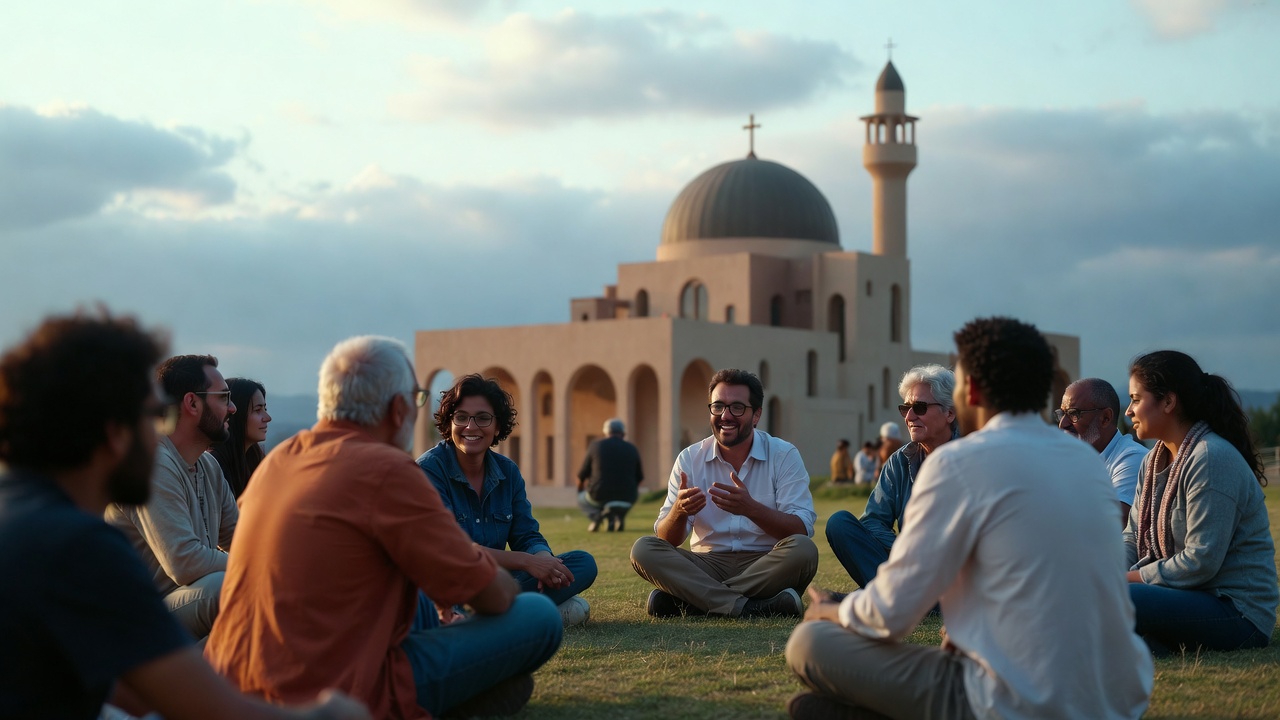
Discover meaningful ways to celebrate religious diversity and build bridges between faith communities during World Interfaith Harmony Week.
What Is World Interfaith Harmony Week and Why Does It Matter?
World Interfaith Harmony Week takes place during the first week of February every year. The United Nations General Assembly established this observance in 2010. King Abdullah II of Jordan proposed the resolution. This annual celebration promotes mutual understanding between religious communities.
The week encourages dialogue between different faiths. It emphasizes the common values shared by major world religions. Love of God and love of neighbor unite believers across traditions. These principles form the foundation of interfaith cooperation.
Religious tolerance has never been more important. Global conflicts often have religious dimensions. Understanding different faith traditions reduces prejudice. It builds stronger, more cohesive communities.
The History and Significance of World Interfaith Harmony Week
Origins of the Interfaith Harmony Movement
The modern interfaith movement began in the late 19th century. The 1893 World Parliament of Religions in Chicago was a landmark event. Religious leaders from East and West gathered for unprecedented dialogue. This spirit continues today through World Interfaith Harmony Week.
UN Resolution A/RES/65/5
The United Nations adopted Resolution A/RES/65/5 on October 20, 2010. It designated the first week of February as World Interfaith Harmony Week. The resolution received unanimous support from member states. This demonstrates global commitment to religious harmony.
| Key Milestone | Year | Significance |
|---|---|---|
| World Parliament of Religions | 1893 | First major interfaith gathering |
| Parliament of World Religions Revival | 1993 | Renewed global interfaith dialogue |
| A Common Word Initiative | 2007 | Muslim-Christian dialogue framework |
| UN Resolution A/RES/65/5 | 2010 | Official World Interfaith Harmony Week |
| First Official Celebration | 2011 | Global participation begins |
Top Interfaith Harmony Resources for Religious Communities
Official Organizations and Websites
Finding reliable interfaith resources can be challenging. These organizations provide excellent materials for World Interfaith Harmony Week activities.
Essential Interfaith Organizations:
- World Interfaith Harmony Week Official Website – Event registration and global activities
- United Religions Initiative (URI) – Grassroots interfaith cooperation network
- Parliament of the World’s Religions – Major interfaith events and resources
- Interfaith Youth Core – Youth-focused interfaith programming
- Religions for Peace – International coalition of religious communities
- The Interfaith Center of New York – Educational resources and training
Educational Materials for Interfaith Learning
Quality educational materials enhance interfaith understanding. These resources help communities learn about different religious traditions.
| Resource Type | Best For | Recommended Source |
|---|---|---|
| Curriculum Guides | Schools and youth groups | Interfaith Youth Core |
| Discussion Guides | Adult study groups | URI Cooperation Circles |
| Documentary Films | Community screenings | Interfaith Film Festival |
| Children’s Books | Family education | Diverse BookFinder |
| Online Courses | Self-paced learning | Harvard Divinity School |
| Podcast Series | Commuters and individuals | Interfaith Voices |
Creative Ideas for World Interfaith Harmony Week Events
Community Gathering Ideas That Bring People Together
Successful interfaith events require thoughtful planning. These ideas work for communities of all sizes.
Interfaith Dialogue Circles
Small group discussions create intimate connections. Participants share personal faith journeys. Trained facilitators guide respectful conversations. These circles build lasting relationships.
Multi-Faith Prayer Services
Joint worship experiences honor different traditions. Each faith community contributes prayers or readings. Music from various traditions enriches the service. These gatherings demonstrate unity in diversity.
Interfaith Community Service Projects
Working together builds bonds faster than talking. Food bank volunteering welcomes all faiths. Habitat for Humanity builds unite diverse groups. Environmental cleanups attract interfaith participation.
Engaging Interfaith Activities for Schools and Youth
Young people shape future interfaith relations. These activities engage students meaningfully.
- Faith Tradition Show and Tell – Students share objects representing their beliefs
- Interfaith Art Projects – Create collaborative murals celebrating diversity
- Sacred Space Field Trips – Visit mosques, temples, churches, and synagogues
- Interfaith Pen Pals – Connect students from different faith backgrounds
- World Religion Research Projects – Explore traditions beyond one’s own
- Interfaith Story Circles – Share folktales from different cultures
Planning Your World Interfaith Harmony Week Celebration
Step-by-Step Event Planning Guide
Successful interfaith events require careful preparation. Follow this timeline for best results.
Three Months Before:
- Form a diverse planning committee
- Identify potential partner organizations
- Secure venue and date
- Apply for any necessary permits
Two Months Before:
- Finalize event format and program
- Invite speakers or facilitators
- Begin promotional activities
- Arrange catering considerations for dietary restrictions
One Month Before:
- Confirm all participants and speakers
- Finalize printed materials
- Intensify social media promotion
- Prepare name tags and signage
Week Of:
- Confirm final attendance numbers
- Brief all volunteers
- Test audio-visual equipment
- Prepare contingency plans
Budget Considerations for Interfaith Events
| Expense Category | Budget Range | Cost-Saving Tips |
|---|---|---|
| Venue Rental | $0-$500 | Partner with houses of worship |
| Catering | $5-$15/person | Organize potluck meals |
| Marketing | $50-$200 | Use free social media platforms |
| Speaker Fees | $0-$1,000 | Invite local religious leaders |
| Materials/Supplies | $25-$100 | Request donations from partners |
| Decorations | $25-$75 | Create interfaith symbol displays |
Interfaith Harmony Activities for Families and Children
Age-Appropriate Interfaith Education Ideas
Teaching children about religious diversity starts at home. These activities make learning engaging.
For Young Children (Ages 3-7):
- Read picture books about different holidays
- Cook simple recipes from various cultures
- Learn songs from different faith traditions
- Create art inspired by religious symbols
- Play games from around the world
For Older Children (Ages 8-12):
- Research a world religion together
- Attend services at different houses of worship
- Interview family friends about their beliefs
- Create a family interfaith calendar
- Start a comparative religion journal
For Teenagers:
- Participate in interfaith youth groups
- Volunteer with diverse community organizations
- Attend interfaith summer camps
- Lead younger children in interfaith activities
- Organize school interfaith awareness events
Family-Friendly Interfaith Traditions to Start
Building family traditions reinforces interfaith values. Consider adopting these practices.
- Monthly Sacred Space Visits – Explore one new house of worship each month
- Interfaith Holiday Celebrations – Acknowledge major holidays from different traditions
- Family Service Projects – Volunteer with organizations serving diverse populations
- Interfaith Book Club – Read and discuss books about different religions together
- Cultural Cooking Nights – Prepare meals associated with different faith traditions
Online Interfaith Resources and Virtual Celebration Ideas
Digital Platforms for Interfaith Connection
Technology enables interfaith dialogue across distances. These platforms facilitate virtual connections.
Social Media Hashtags to Follow:
- #WorldInterfaithHarmonyWeek
- #InterfaithDialogue
- #ReligiousHarmony
- #FaithInHumanity
- #InterfaithUnity
- #WIHW2024
Virtual Event Ideas:
- Zoom interfaith panel discussions
- Live-streamed multi-faith services
- Online interfaith book clubs
- Virtual sacred space tours
- Webinars on religious literacy
- Podcast listening parties with discussion
Recommended Interfaith Documentaries and Films
Visual media powerfully conveys interfaith messages. These films inspire meaningful conversations.
| Film Title | Year | Focus |
|---|---|---|
| The Sultan and the Saint | 2016 | Francis of Assisi and Sultan al-Kamil |
| Briars in the Cotton Patch | 2015 | Clarence Jordan’s interfaith community |
| Three Faiths One God | 2005 | Judaism, Christianity, and Islam |
| With God on Our Side | 2010 | Religion and politics |
| Coexist | 2018 | Youth interfaith dialogue |
| The Interfaith Amigos | 2015 | Rabbi, pastor, and imam friendship |
Interfaith Harmony in the Workplace
Creating Inclusive Religious Environments at Work
Workplace religious diversity requires thoughtful policies. These practices support all employees.
Best Practices for Religious Inclusion:
- Establish clear anti-discrimination policies
- Accommodate religious holiday observances
- Provide quiet spaces for prayer or meditation
- Offer flexible scheduling for religious practices
- Include religious diversity in DEI training
- Celebrate World Interfaith Harmony Week officially
Corporate Interfaith Harmony Week Initiatives
Companies can meaningfully observe World Interfaith Harmony Week. Consider these workplace activities.
- Lunch and Learn Sessions – Employees share about their faith traditions
- Interfaith Employee Resource Groups – Create spaces for ongoing dialogue
- Community Service Days – Volunteer together across religious lines
- Guest Speaker Series – Invite local religious leaders
- Cultural Potluck Events – Share foods from different traditions
- Religious Literacy Training – Educate staff on major world religions
Local Interfaith Council Resources and How to Get Involved
Finding Interfaith Organizations in Your Area
Local interfaith councils coordinate community efforts. Finding them opens doors to meaningful involvement.
How to Locate Local Interfaith Groups:
- Search “interfaith council [your city]” online
- Contact local houses of worship for referrals
- Check community center bulletin boards
- Ask at public libraries
- Search United Religions Initiative’s website
- Contact local colleges’ religious studies departments
Ways to Contribute to Interfaith Efforts
Everyone can support interfaith harmony. Choose involvement levels that fit your circumstances.
| Involvement Level | Time Commitment | Examples |
|---|---|---|
| Minimal | 1-2 hours/month | Attend interfaith events |
| Moderate | 5-10 hours/month | Join interfaith council |
| Significant | 15+ hours/month | Organize events |
| Leadership | Ongoing | Chair interfaith initiatives |
Interfaith Harmony Resources for Religious Leaders
Clergy Training and Professional Development
Religious leaders benefit from interfaith education. These resources support professional growth.
Recommended Training Programs:
- Interfaith Leadership Institute courses
- Auburn Seminary programs
- Hartford Seminary interfaith studies
- Claremont Lincoln University certificates
- KAICIID Dialogue Centre training
- Dialogue Institute leadership development
Sample Interfaith Sermon Topics
World Interfaith Harmony Week provides preaching opportunities. These themes resonate across traditions.
- The Golden Rule across world religions
- Sacred hospitality in different faiths
- Prophets and teachers of peace
- Shared values, diverse expressions
- Building bridges in divided times
- Love of neighbor as spiritual practice
Measuring Impact: Evaluating Interfaith Harmony Initiatives
Assessment Tools for Interfaith Programs
Effective programs require evaluation. These methods measure interfaith initiative success.
Quantitative Measures:
- Event attendance numbers
- Social media engagement metrics
- Survey completion rates
- Volunteer participation hours
- Partnership growth over time
Qualitative Measures:
- Participant feedback forms
- Focus group discussions
- Personal story collection
- Media coverage analysis
- Long-term relationship tracking
Success Stories from World Interfaith Harmony Week
Communities worldwide report positive outcomes. These examples inspire continued efforts.
- Singapore – Annual interfaith harmony walks attract thousands
- Australia – Schools integrate interfaith curricula nationwide
- Kenya – Interfaith councils reduce community tensions
- United States – Campus interfaith programs multiply yearly
- Jordan – Royal family sponsors major interfaith events
- Indonesia – Youth interfaith movements gain momentum
Overcoming Challenges in Interfaith Work
Common Obstacles and Solutions
Interfaith work faces predictable challenges. Prepare for these common issues.
| Challenge | Cause | Solution |
|---|---|---|
| Low participation | Lack of awareness | Increase publicity efforts |
| Theological conflicts | Doctrinal differences | Focus on shared values |
| Cultural misunderstandings | Limited exposure | Provide education first |
| Leadership resistance | Fear of syncretism | Emphasize dialogue, not merger |
| Sustainability issues | Volunteer burnout | Distribute responsibilities |
| Funding shortfalls | Limited resources | Seek diverse funding sources |
Building Trust Across Religious Differences
Trust develops through consistent engagement. These practices accelerate trust-building.
- Start with shared concerns – Address common community issues first
- Practice deep listening – Understand before seeking to be understood
- Acknowledge painful history – Recognize past interfaith conflicts honestly
- Celebrate authentically – Honor traditions without appropriation
- Maintain regular contact – Build relationships beyond annual events
- Admit limitations – Recognize what you don’t know about other faiths
World Interfaith Harmony Week Around the Globe
International Celebrations and Traditions
Different regions observe World Interfaith Harmony Week uniquely. These approaches offer inspiration.
Regional Celebration Styles:
- Europe – Academic conferences and dialogue forums
- Middle East – Royal patronage and diplomatic gatherings
- Asia – Multi-faith festivals and temple visits
- Africa – Community peace walks and reconciliation events
- Americas – Service projects and educational programs
- Oceania – Indigenous-included interfaith ceremonies
Global Interfaith Tourism Opportunities
World Interfaith Harmony Week can inspire meaningful travel. These destinations offer rich interfaith experiences.
| Destination | Interfaith Significance | Best Time to Visit |
|---|---|---|
| Jerusalem | Three Abrahamic faiths’ holy city | Year-round |
| Varanasi, India | Hindu-Buddhist-Jain sacred sites | October-March |
| Córdoba, Spain | Historic Jewish-Christian-Muslim coexistence | April-June |
| Amritsar, India | Sikh Golden Temple welcomes all | Year-round |
| Assisi, Italy | Interfaith peace gathering site | September |
| Haifa, Israel | Bahá’í World Centre | Year-round |
Continuing the Spirit of Interfaith Harmony Year-Round
Building Sustainable Interfaith Relationships
World Interfaith Harmony Week is just the beginning. Sustaining momentum requires ongoing effort.
Monthly Interfaith Activities:
- Attend one interfaith event monthly
- Read one book about another religion quarterly
- Share one interfaith meal monthly
- Follow interfaith organizations on social media
- Subscribe to interfaith newsletters
- Support interfaith organizations financially
Creating Your Personal Interfaith Action Plan
Individual commitment drives collective change. Develop your personal plan for interfaith engagement.
Personal Reflection Questions:
- What faith traditions do I know least about?
- What prejudices do I need to examine?
- How can I build interfaith friendships?
- What skills can I contribute to interfaith work?
- How will I continue learning after this week?
Conclusion: Your Role in Building Interfaith Harmony
World Interfaith Harmony Week offers a powerful opportunity. It invites us to bridge religious divides. The resources and ideas in this guide provide starting points. True harmony requires ongoing commitment.
Every conversation across faith lines matters. Every shared meal builds connection. Every collaborative service project strengthens community bonds. Your participation makes a difference.
Start small if necessary. Attend one event. Read one book. Have one conversation. Small steps lead to significant change. The world needs more bridge-builders. World Interfaith Harmony Week invites you to become one.
Additional Resources and Further Reading
Books for Deeper Interfaith Understanding
- The Faith Club by Ranya Idliby, Suzanne Oliver, and Priscilla Warner
- Getting to the Heart of Interfaith by Don Mackenzie, Ted Falcon, and Jamal Rahman
- Interfaith Leadership by Eboo Patel
- The World’s Religions by Huston Smith
- God Is Not One by Stephen Prothero
- Abraham: A Journey to the Heart of Three Faiths by Bruce Feiler
Interfaith Organizations Directory
| Organization | Focus Area | Website |
|---|---|---|
| World Interfaith Harmony Week | UN-sponsored annual observance | worldinterfaithharmonyweek.com |
| United Religions Initiative | Grassroots interfaith cooperation | uri.org |
| Parliament of World Religions | Major interfaith gatherings | parliamentofreligions.org |
| Interfaith Youth Core | Youth interfaith leadership | ifyc.org |
| Religions for Peace | International religious coalition | rfp.org |
| KAICIID | Interreligious dialogue center | kaiciid.org |
May this World Interfaith Harmony Week inspire lasting connections across all faith traditions. Together, we can build a more harmonious world.