
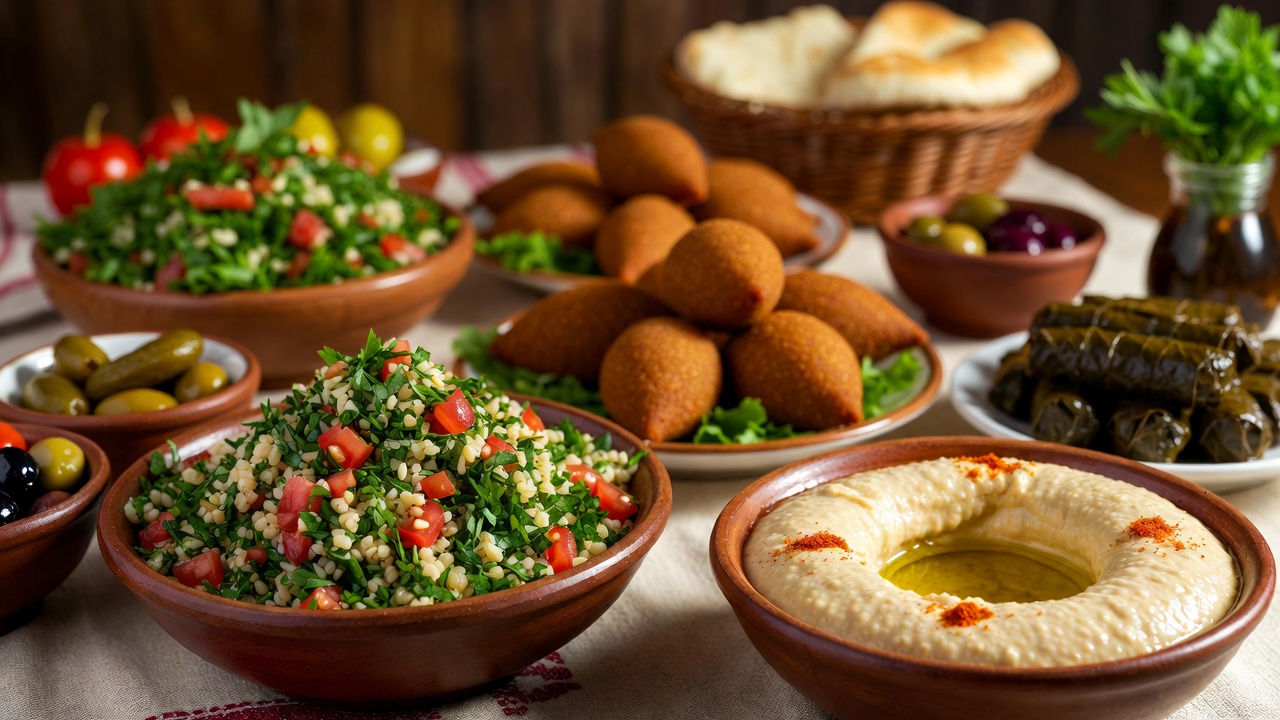
Every year on February 9th, Lebanon pauses to honor its patron saint. Saint Maroun’s Day 2026 falls on a Monday, giving Lebanese families a wonderful opportunity to gather around tables laden with traditional dishes. This national holiday celebrates the 5th-century monk who founded the Maronite Church. The day blends religious devotion with culinary tradition in ways that make Lebanese cuisine truly shine.
Whether you are Maronite Christian, part of Lebanon’s diverse religious tapestry, or simply someone who loves exceptional Mediterranean food, this guide will help you create an unforgettable feast. From silky hummus to golden baklawa, these recipes represent centuries of culinary heritage passed down through generations.
Who Was Saint Maroun and Why Do Lebanese Celebrate This Holiday?
Saint Maroun was born around 345 AD in what is now modern-day Syria. He chose a life of prayer and asceticism. He transformed an ancient temple into a Christian sanctuary on a mountaintop near Antioch. His teachings attracted many followers who would later establish the Maronite Church.
According to Office Holidays, Saint Maroun’s Day is an important holiday for Lebanese Maronite Christians who account for about 22% of the total population of Lebanon. The Maronite Church is the largest Christian denomination in Lebanon, representing roughly 37% of Christians and 17% of the overall population.
Key facts about Saint Maroun’s Day:
| Fact | Detail |
|---|---|
| Date | February 9th every year |
| 2026 Date | Monday, February 9th |
| Type | National public holiday in Lebanon |
| Origin | Originally celebrated January 5th, moved to February 9th in the 17th century |
| Significance | Honors the founder of the Maronite Church |
The celebration begins with special masses held in churches throughout Lebanon. The most significant ceremonies take place at St. Maroun Monastery in Annaya and throughout the sacred Qadisha Valley, a UNESCO World Heritage Site. Following religious observances, families gather for elaborate feasts featuring beloved Lebanese dishes.
How to Plan an Authentic Saint Maroun’s Day Feast Menu
Planning a Lebanese feast requires balance. Traditional Lebanese dining follows the mezze style. This approach features many small plates that allow guests to sample various flavors and textures. A proper Saint Maroun’s Day menu should include:
Appetizers and Dips (Mezze):
- Hummus
- Baba Ganoush
- Labneh (strained yogurt)
- Muhammara (red pepper walnut dip)
Salads:
- Tabbouleh
- Fattoush
- Lebanese Salata (simple green salad)
Main Dishes:
- Kibbeh (Lebanon’s national dish)
- Warak Enab (stuffed grape leaves)
- Mujadara (lentils and rice)
- Shish Tawook (marinated chicken)
Breads:
- Fresh pita bread
- Manakish (flatbread with za’atar)
Desserts:
- Baklawa
- Maamoul cookies
- Namoura (semolina cake)
This guide covers the most essential recipes in detail. Each recipe has been adapted for home cooks while respecting authentic Lebanese techniques.
Authentic Lebanese Hummus Recipe: The Perfect Creamy Mezze Dip
No Lebanese feast begins without hummus. This chickpea dip represents the heart of Mediterranean cuisine. The word “hummus” means “chickpeas” in Arabic. Lebanese hummus stands apart from store-bought versions through its exceptional creaminess and balanced flavors.
Ingredients for Traditional Lebanese Hummus
| Ingredient | Amount | Notes |
|---|---|---|
| Dried chickpeas | 1 cup | Or 2 cans (15 oz each) |
| Baking soda | 1 teaspoon | For cooking chickpeas |
| Tahini | ½ cup | Quality sesame paste |
| Fresh lemon juice | ¼ cup | About 2 lemons |
| Garlic | 2-3 cloves | Fresh, minced |
| Salt | ¾ teaspoon | Adjust to taste |
| Ice cubes | 3-4 | Secret to smoothness |
| Extra virgin olive oil | For serving | High quality |
| Paprika | For garnish | Sweet paprika |
Step-by-Step Instructions for Lebanese Hummus
Day Before:
- Rinse dried chickpeas and pick through for debris.
- Soak chickpeas overnight in plenty of water with ½ teaspoon baking soda.
- The baking soda softens the chickpeas. This step is essential for smooth hummus.
Cooking Day:
- Drain and rinse the soaked chickpeas thoroughly.
- Place chickpeas in a pot with fresh water covering them by 2 inches.
- Add remaining baking soda.
- Bring to boil, then reduce heat and simmer for 45-60 minutes.
- Chickpeas are ready when they crush easily between your fingers.
- The skins should be falling off. This indicates perfect tenderness.
The Secret to Ultra-Smooth Hummus:
Lebanese grandmothers know that removing chickpea skins creates the smoothest hummus. Place cooked chickpeas in a bowl of warm water. Rub them gently between your hands. The skins float to the surface. Skim them off with a slotted spoon.
Blending:
- Reserve ½ cup of chickpea cooking water with ice cubes.
- Add warm chickpeas to a food processor.
- Blend until they form fine crumbs (about 30 seconds).
- Add tahini, lemon juice, garlic, and salt.
- Blend for 4-5 minutes. Scrape down sides periodically.
- Stream in iced chickpea water while blending until silky smooth.
Serving:
Transfer hummus to a shallow bowl. Create a well in the center with the back of a spoon. Drizzle generously with extra virgin olive oil. Sprinkle paprika around the edges. Serve with warm pita bread.
Pro Tips for Perfect Lebanese Hummus
- Use quality tahini. Lebanese tahini should contain only sesame seeds. Stir it well before measuring.
- Blend longer than you think. Five minutes of blending creates restaurant-quality smoothness.
- Ice cubes are the secret. They help achieve a lighter, fluffier texture.
- Taste and adjust. Lebanese hummus balances tahini, lemon, and garlic. Adjust to your preference.
Traditional Lebanese Tabbouleh Salad: The Ultimate Herb Salad Recipe
Tabbouleh is one of Lebanon’s most famous culinary exports. This refreshing salad showcases fresh parsley as the star ingredient. Many Western versions make the mistake of using too much bulgur. Authentic Lebanese tabbouleh is an herb salad with just a touch of grain.
Essential Ingredients for Lebanese Tabbouleh
| Ingredient | Amount | Preparation |
|---|---|---|
| Fresh flat-leaf parsley | 4 large bunches | Finely chopped |
| Fresh mint | ½ cup | Finely chopped |
| Fine bulgur (#1 grind) | 3 tablespoons | Rinsed |
| Ripe tomatoes | 2 medium | Diced small |
| Green onions | 4-5 | White and light green parts only |
| Fresh lemon juice | ½ cup | About 4 lemons |
| Extra virgin olive oil | ½ cup | Best quality available |
| Salt | 1 teaspoon | Or to taste |
| Ground allspice | ¼ teaspoon | Optional but traditional |
How to Make Authentic Lebanese Tabbouleh
Preparing the Bulgur:
Fine bulgur (#1 grind) is essential. This variety looks like couscous. It needs no cooking. Rinse the bulgur in cold water. Squeeze out excess moisture. Place it in a bowl and toss with 2 tablespoons of lemon juice. Let it sit while you prepare other ingredients. The acid softens the grain perfectly.
Preparing the Parsley:
- Wash parsley bunches in cold water. Shake off excess water.
- Dry thoroughly using a salad spinner or clean towels.
- Remove all stems. Use only the leaves.
- Chop parsley very finely using a sharp knife. Work in batches.
- A mezzaluna (curved chopping blade) speeds this process significantly.
Assembling the Salad:
- Place chopped parsley in a large bowl.
- Add finely chopped mint and green onions.
- Add diced tomatoes.
- Mix in the softened bulgur.
- Combine lemon juice, olive oil, and salt in a small bowl.
- Pour dressing over the salad.
- Toss gently but thoroughly.
- Taste and adjust seasoning.
Serving Suggestions:
Tabbouleh tastes best fresh. Serve it immediately with romaine lettuce leaves. Lebanese tradition uses these leaves as scoops. Grape leaves also work beautifully as edible cups.
Tips for the Best Tabbouleh
- Parsley should dominate. If you see more bulgur than parsley, you have added too much grain.
- Dry the parsley well. Wet parsley makes soggy tabbouleh.
- Chop finely. Coarse chopping results in a different, less elegant texture.
- Use ripe tomatoes. They provide sweetness that balances the lemon.
- Make the dressing lemony. Lebanese tabbouleh should taste bright and citrusy.
Lebanese Fattoush Salad Recipe: Crispy Pita Bread Salad for Your Feast
Fattoush is the second most beloved Lebanese salad after tabbouleh. This bread salad originated in northern Lebanon. Farmers created it to use leftover pita bread. Today it graces every mezze spread and special occasion table.
The word “fattoush” comes from the Arabic “fatteh,” meaning “crumbs.” This refers to the crispy pita pieces that define the dish.
Fattoush Ingredients List
For the Salad:
| Ingredient | Amount | Notes |
|---|---|---|
| Romaine lettuce | 1 head | Chopped |
| Persian cucumbers | 3 medium | Sliced into half-moons |
| Ripe tomatoes | 2 large | Cut into chunks |
| Radishes | 5-6 | Sliced thin |
| Green bell pepper | 1 medium | Diced (optional) |
| Green onions | 4-5 | Sliced |
| Fresh mint | ¼ cup | Leaves torn |
| Fresh parsley | ¼ cup | Roughly chopped |
| Lebanese pita bread | 2 rounds | For frying or baking |
For the Dressing:
| Ingredient | Amount | Notes |
|---|---|---|
| Fresh lemon juice | ¼ cup | About 2 lemons |
| Sumac | 1 tablespoon | Essential Lebanese spice |
| Pomegranate molasses | 1 tablespoon | Adds sweet-tart depth |
| Garlic | 1 clove | Minced |
| Dried mint | 1 teaspoon | Amplifies fresh mint |
| Salt | ¾ teaspoon | Adjust to taste |
| Extra virgin olive oil | ⅓ cup | Quality matters |
Making Crispy Pita Chips for Fattoush
Fried Method (Traditional):
- Split pita bread into two thin rounds.
- Cut or tear into 1-inch pieces.
- Heat 1 inch of vegetable oil to 350°F (175°C).
- Fry pita in batches until golden and crispy.
- Drain on paper towels.
- Season immediately with salt and sumac.
Baked Method (Healthier Option):
- Preheat oven to 400°F (200°C).
- Split and cut pita into pieces.
- Arrange on a baking sheet in single layer.
- Drizzle with olive oil.
- Sprinkle with salt and sumac.
- Bake 8-10 minutes until golden and crisp.
How to Assemble Perfect Fattoush
Making the Dressing:
- Whisk together lemon juice, sumac, pomegranate molasses, garlic, dried mint, and salt.
- Slowly stream in olive oil while whisking.
- The dressing should be tangy and slightly sweet.
Assembling the Salad:
- Combine lettuce, cucumbers, tomatoes, radishes, and pepper in a large bowl.
- Add green onions, fresh mint, and parsley.
- Just before serving, add most of the pita chips.
- Pour dressing over the salad.
- Toss gently but thoroughly.
- Top with remaining pita chips for extra crunch.
Important Notes About Fattoush
- Add pita chips last. They lose crispness quickly once dressed.
- Serve immediately. Fattoush does not keep well.
- Sumac is essential. This lemony red spice defines fattoush flavor.
- Don’t skip pomegranate molasses. It adds complexity that makes fattoush special.
How to Make Lebanese Kibbeh: The National Dish of Lebanon
Kibbeh holds the distinction of being Lebanon’s national dish. This speaks to its importance in Lebanese culture. At its core, kibbeh combines finely ground meat with bulgur wheat and aromatic spices. The result is rich, savory, and deeply satisfying.
Lebanese families prepare kibbeh in many forms. Baked kibbeh (kibbeh bil sanieh) works best for home cooks and feeds a crowd easily.
Understanding Different Types of Lebanese Kibbeh
| Type | Description | Cooking Method |
|---|---|---|
| Kibbeh Bil Sanieh | Layered casserole style | Baked |
| Kibbeh Balls | Torpedo-shaped croquettes | Fried |
| Kibbeh Nayeh | Raw kibbeh | Served uncooked |
| Kibbeh Labanieh | Kibbeh in yogurt sauce | Simmered |
This guide focuses on baked kibbeh, the most approachable version for home preparation.
Ingredients for Lebanese Baked Kibbeh
For the Kibbeh Mixture (Shell):
| Ingredient | Amount | Notes |
|---|---|---|
| Extra-lean ground beef | 1½ pounds | Or lamb |
| Fine bulgur (#1) | 1 cup | Soaked |
| Yellow onion | 1 large | Pureed |
| Ground allspice | 1 teaspoon | Essential |
| Ground cinnamon | ½ teaspoon | Traditional |
| Salt | 1½ teaspoons | Adjust to taste |
| Black pepper | ½ teaspoon | Freshly ground |
| Ice water | ¼ cup | For texture |
For the Hashweh (Filling):
| Ingredient | Amount | Notes |
|---|---|---|
| Ground beef | 1 pound | 80/20 blend works well |
| Yellow onion | 1 large | Finely diced |
| Pine nuts | ⅓ cup | Toasted |
| Ground allspice | ½ teaspoon | Matches the shell |
| Ground cinnamon | ¼ teaspoon | Subtle warmth |
| Salt | ¾ teaspoon | To taste |
| Olive oil | 2 tablespoons | For cooking |
| Clarified butter | ¼ cup | For drizzling |
Step-by-Step Baked Kibbeh Instructions
Preparing the Bulgur:
- Place fine bulgur in a bowl.
- Cover with cold water and let soak for 15 minutes.
- Drain thoroughly using a fine-mesh sieve.
- Squeeze out excess water with your hands.
Making the Hashweh (Filling):
- Heat olive oil in a large skillet over medium heat.
- Add diced onions. Cook until soft and golden, about 8 minutes.
- Add ground beef. Break it up with a wooden spoon.
- Cook until browned, about 10 minutes.
- Season with allspice, cinnamon, and salt.
- Stir in toasted pine nuts.
- Set aside to cool.
Making the Kibbeh Shell Mixture:
- Puree the onion in a food processor until smooth.
- Add drained bulgur and process briefly.
- Add lean beef, allspice, cinnamon, salt, and pepper.
- Process until very smooth, about 2-3 minutes.
- Drizzle in ice water while processing.
- The mixture should be paste-like and smooth.
Assembling the Kibbeh:
- Preheat oven to 375°F (190°C).
- Grease a 9×13 inch baking pan with butter or oil.
- Divide the kibbeh shell mixture in half.
- Wet your hands with cold water (this prevents sticking).
- Press half the mixture into the pan. Create an even layer about ½ inch thick.
- Spread the cooled hashweh evenly over this layer.
- Press remaining kibbeh mixture on top. Smooth the surface.
- Using a sharp knife, score the top into diamond shapes.
- Pour melted clarified butter over the entire surface.
Baking:
- Bake for 35-40 minutes until golden brown.
- The top should be crisp and the edges pulling away from the pan.
- Let rest 10 minutes before serving.
Serving Lebanese Baked Kibbeh
Traditionally, kibbeh is served with:
- Cucumber yogurt sauce (laban bi khyar)
- Fresh labneh
- Fattoush or tabbouleh salad
- Warm pita bread
Cut along the scored lines to create neat diamond portions.
Expert Tips for Perfect Kibbeh
- Use very lean beef. Fat makes the kibbeh mixture difficult to work with.
- Keep everything cold. Cold meat processes more smoothly.
- Toast pine nuts properly. Watch carefully; they burn quickly.
- Wet your hands frequently. The mixture is sticky. Cold water helps.
- Score before baking. This ensures clean portions and better butter distribution.
Lebanese Stuffed Grape Leaves Recipe: Warak Enab for Your Feast
Stuffed grape leaves rank among the most beloved Mediterranean dishes. In Lebanon, they are called warak enab (ورق عنب), meaning simply “grape leaves.” Every Lebanese family has their treasured recipe passed through generations.
Making warak enab requires patience. The rolling process takes time. However, the reward is worth every minute.
Two Versions of Lebanese Stuffed Grape Leaves
| Version | Filling | Character |
|---|---|---|
| With Meat | Rice, ground beef or lamb, spices | Hearty, served hot |
| Vegetarian (bi zeit) | Rice, tomatoes, parsley, onions | Light, served cold |
This guide covers the traditional meat version. It suits Saint Maroun’s Day celebrations perfectly.
Ingredients for Stuffed Grape Leaves with Meat
For the Filling:
| Ingredient | Amount | Notes |
|---|---|---|
| Short-grain rice | 1 cup | Rinsed |
| Ground beef or lamb | 1 pound | Lean preferred |
| Ground allspice | 1 teaspoon | Essential flavor |
| Ground cinnamon | ½ teaspoon | Subtle warmth |
| Salt | 1½ teaspoons | Adjust to taste |
| Black pepper | ½ teaspoon | Freshly ground |
| Melted butter | 2 tablespoons | For richness |
For Cooking:
| Ingredient | Amount | Notes |
|---|---|---|
| Grape leaves | 1 jar (16 oz) | About 50 leaves |
| Lamb chops | 4-6 pieces | Optional but traditional |
| Fresh lemon juice | ½ cup | About 3-4 lemons |
| Water or broth | As needed | To cover leaves |
| Salt | 1 teaspoon | For cooking liquid |
| Garlic cloves | 4-5 | Sliced (optional) |
Preparing Grape Leaves for Stuffing
Using Jarred Leaves:
- Drain the brine from the jar completely.
- Carefully unroll the leaves. They come tightly packed.
- Place leaves in a large bowl of cool water.
- Gently swish to remove excess salt.
- Drain and repeat with fresh water.
- Lay leaves flat on a clean towel. Pat dry.
- Trim any tough stems with scissors.
Using Fresh Leaves:
- Select young, tender leaves from grape vines.
- Remove stems completely.
- Blanch in boiling water for 2-3 minutes.
- Immediately transfer to ice water.
- Drain and pat dry.
How to Roll Perfect Lebanese Grape Leaves
Rolling Technique:
- Place one leaf shiny side down on your work surface.
- Position the leaf with the stem end facing you.
- Place about 1 tablespoon of filling near the stem end.
- Shape filling into a small log.
- Fold the bottom of the leaf over the filling.
- Fold both sides toward the center.
- Roll tightly toward the tip of the leaf.
- The finished roll should resemble a small cigar.
Important Rolling Tips:
- Do not overstuff. The rice expands during cooking.
- Roll firmly but not too tight. Leaves can tear.
- Smaller leaves can be overlapped to create larger surfaces.
- Save torn or very small leaves for lining the pot.
Cooking Stuffed Grape Leaves
Setting Up the Pot:
- If using lamb chops, season with salt.
- Place lamb chops in the bottom of a heavy pot.
- Alternatively, line the bottom with torn grape leaves or sliced potatoes.
- This prevents sticking and adds flavor.
Arranging the Rolls:
- Place stuffed grape leaves seam-side down.
- Arrange them tightly in concentric circles.
- Stack additional layers on top.
- Nestle garlic cloves between the layers (optional).
Cooking:
- Place a heat-safe plate upside down over the grape leaves.
- The plate prevents floating and keeps rolls tight.
- Mix lemon juice, water, and salt.
- Pour liquid into the pot until it reaches just below the plate.
- Bring to a boil over high heat.
- Reduce heat to low. Cover tightly.
- Simmer for 45-60 minutes.
- Check doneness by testing one roll. Rice should be fully cooked.
Serving Warak Enab
Remove the plate carefully. Invert the pot onto a serving platter. The grape leaves should unmold in a beautiful dome. Serve with:
- Plain yogurt or labneh
- Lemon wedges
- Fresh mint leaves
Stuffed grape leaves taste wonderful hot, warm, or at room temperature. Leftovers refrigerate well for up to 5 days.
Classic Lebanese Mujadara Recipe: Comfort Food Lentils and Rice
Mujadara represents Lebanese comfort food at its finest. This humble dish combines lentils, rice, and deeply caramelized onions. The name comes from an Arabic word meaning “pockmarked.” This describes how the lentils appear scattered among the rice grains.
Despite its simplicity, mujadara delivers incredible flavor. It is naturally vegan and packed with protein and fiber.
Mujadara Ingredients
| Ingredient | Amount | Notes |
|---|---|---|
| Brown or green lentils | 1 cup | Not red lentils |
| Long-grain white rice | 1 cup | Basmati works well |
| Large onions | 3 medium | Thinly sliced |
| Olive oil | ½ cup | For caramelizing |
| Ground cumin | ½ teaspoon | Optional |
| Salt | 1½ teaspoons | Adjust to taste |
| Black pepper | ¼ teaspoon | Freshly ground |
| Water | 4 cups | For cooking |
Making Perfect Mujadara
Caramelizing the Onions:
This step cannot be rushed. Proper caramelization takes 35-45 minutes.
- Slice all onions into thin half-moons.
- Heat olive oil in a large, wide pan over medium heat.
- Add onions and stir to coat with oil.
- Cook for the first 5 minutes on medium heat, stirring occasionally.
- Reduce heat to low.
- Continue cooking, stirring every few minutes.
- Onions will gradually turn golden, then deep brown.
- The final color should be dark mahogany.
- Remove half the onions for garnish. Drain on paper towels.
Cooking the Lentils:
- Rinse lentils and pick through for debris.
- Place lentils in a pot with 4 cups water.
- Bring to boil, then reduce heat and simmer.
- Cook for 15-20 minutes until lentils are nearly tender.
- They should still have slight firmness.
Adding the Rice:
- Rinse rice until water runs clear.
- Add rice to the pot with lentils.
- Add remaining caramelized onions from the pan.
- Season with salt, pepper, and cumin (if using).
- Stir gently to combine.
- Add more water if needed (liquid should barely cover rice).
- Bring to boil, then reduce to lowest heat.
- Cover tightly and cook for 15-18 minutes.
- Do not lift the lid during cooking.
Resting:
- Remove from heat.
- Keep covered for 5 minutes.
- Fluff gently with a fork.
Serving Mujadara
Transfer to a serving platter. Top generously with reserved crispy onions. Serve with:
- Plain yogurt or labneh on the side
- Cucumber salad
- Fresh tomato and onion salad
- Pita bread
Mujadara tastes excellent hot, warm, or at room temperature. Many Lebanese families eat it with a simple cabbage salad.
Lebanese Baba Ganoush Recipe: Smoky Eggplant Dip
Baba ganoush stands alongside hummus as Lebanon’s most beloved dip. This smoky eggplant preparation showcases the magic of charred vegetables. The name humorously translates to “spoiled father” in Arabic.
The secret to authentic baba ganoush lies in properly charring the eggplant. This creates the distinctive smoky flavor that defines the dish.
Baba Ganoush Ingredients
| Ingredient | Amount | Notes |
|---|---|---|
| Large eggplants | 2 | About 1 pound each |
| Tahini | 3 tablespoons | Good quality |
| Fresh lemon juice | 3 tablespoons | About 1 large lemon |
| Garlic | 2 cloves | Minced or pressed |
| Salt | ¾ teaspoon | To taste |
| Extra virgin olive oil | For serving | |
| Fresh parsley | For garnish | Chopped |
How to Char Eggplant for Baba Ganoush
The charring method dramatically affects flavor. Choose your preferred approach:
Gas Stovetop Method:
- Pierce each eggplant several times with a fork.
- Place eggplant directly on gas burner grates.
- Turn flame to medium-high.
- Char eggplant on all sides, turning with tongs.
- The skin should be completely blackened.
- Interior should be completely soft.
- Total time: 15-20 minutes.
Grill Method:
- Prepare a hot charcoal or gas grill.
- Place pierced eggplants on grates.
- Grill, turning occasionally, until collapsed.
- This method produces the smokiest flavor.
- Total time: 20-30 minutes.
Oven Method:
- Preheat oven to 450°F (230°C).
- Pierce eggplants and place on foil-lined baking sheet.
- Roast until completely collapsed, about 40-50 minutes.
- For smoke flavor, add ½ teaspoon liquid smoke to dip.
Making Baba Ganoush
After Charring:
- Transfer charred eggplant to a colander.
- Let cool until handleable.
- Peel away all charred skin.
- Scoop flesh into a strainer set over a bowl.
- Let drain for 10 minutes to remove excess liquid.
Mixing:
- Place drained eggplant flesh in a bowl.
- Add tahini, lemon juice, garlic, and salt.
- Mash with a fork until mostly smooth.
- Some texture is desirable. Avoid pureeing completely.
- Taste and adjust seasonings.
Serving:
- Transfer to a shallow serving bowl.
- Make swirls with the back of a spoon.
- Drizzle generously with olive oil.
- Sprinkle with chopped parsley.
- Serve with warm pita bread.
Tips for Best Baba Ganoush
- Char thoroughly. The smokier, the better.
- Drain the eggplant well. Excess liquid makes watery dip.
- Remove seeds if bitter. Seedy eggplants can taste bitter.
- Let flavors meld. Refrigerate for 30 minutes before serving.
- Bring to room temperature before serving. Cold dulls flavors.
Lebanese Baklawa Recipe: Traditional Diamond-Shaped Pastries
Baklawa is the Lebanese spelling and pronunciation of this beloved pastry. It differs from Greek baklava primarily in its syrup. Lebanese baklawa uses orange blossom or rose water syrup rather than honey.
This pastry brings celebration to every Lebanese gathering. Its presence on the Saint Maroun’s Day table is essential.
Understanding Lebanese Baklawa
| Component | Lebanese Version | Greek Version |
|---|---|---|
| Syrup | Sugar, water, orange blossom water | Honey-based |
| Nuts | Walnuts or pistachios | Usually walnuts |
| Spices | None | Cinnamon, cloves |
| Shape | Diamond cuts | Various shapes |
Baklawa Ingredients
For the Pastry:
| Ingredient | Amount | Notes |
|---|---|---|
| Phyllo dough | 1 pound | Thawed properly |
| Clarified butter or ghee | 1 cup | Melted |
| Walnuts | 2 cups | Coarsely chopped |
| Sugar | ¼ cup | Mixed with nuts |
For the Ater (Syrup):
| Ingredient | Amount | Notes |
|---|---|---|
| Sugar | 2 cups | Granulated |
| Water | 1 cup | |
| Fresh lemon juice | 1 tablespoon | Prevents crystallization |
| Orange blossom water | 1 tablespoon | Essential flavor |
| Rose water | 1 teaspoon | Optional |
Step-by-Step Lebanese Baklawa Instructions
Making the Syrup First:
- Combine sugar and water in a saucepan.
- Bring to boil over medium-high heat.
- Reduce heat and simmer for 10 minutes.
- Add lemon juice.
- Simmer another 5 minutes until slightly thickened.
- Remove from heat.
- Stir in orange blossom water (and rose water if using).
- Let cool completely. The syrup must be cold.
Preparing Components:
- Remove phyllo from refrigerator 2 hours before using.
- Melt clarified butter and keep warm.
- Mix chopped walnuts with sugar.
- Preheat oven to 350°F (175°C).
Assembling the Baklawa:
- Brush a 9×13 inch baking pan with butter.
- Trim phyllo sheets to fit your pan if necessary.
- Layer 10 sheets of phyllo, brushing each with butter.
- Spread nut mixture evenly over phyllo.
- Layer remaining phyllo sheets on top, brushing each with butter.
- Cut into diamonds before baking. This is essential.
- Use a very sharp knife to cut through all layers.
- First cut parallel lines. Then cut diagonal lines to create diamonds.
Baking:
- Pour remaining butter over the entire surface.
- Bake for 45-50 minutes until deep golden brown.
- The baklawa should be crisp and the layers visible.
Applying Syrup:
- Remove baklawa from oven.
- Immediately pour cold syrup evenly over hot pastry.
- You will hear a satisfying sizzle.
- Let cool completely in the pan.
Tips for Perfect Lebanese Baklawa
- Cold syrup on hot pastry. This rule is crucial. It prevents sogginess.
- Use clarified butter. Regular butter contains milk solids that can burn.
- Keep phyllo covered. It dries out quickly. Use a damp towel.
- Cut before baking. Cutting after baking shatters the layers.
- Be patient. Let baklawa cool completely before serving.
Lebanese Maamoul Cookies: Date and Walnut Filled Treats
Maamoul cookies represent Lebanese hospitality at its sweetest. These filled cookies appear at every celebration. Traditional molds create their distinctive patterns.
Maamoul Filling Options
| Filling | Shape Tradition | Character |
|---|---|---|
| Dates | Flat or domed | Sweet and caramel-like |
| Walnuts | Round | Crunchy and aromatic |
| Pistachios | Oval | Elegant and buttery |
Basic Maamoul Dough
| Ingredient | Amount | Notes |
|---|---|---|
| Fine semolina | 2 cups | Main flour |
| All-purpose flour | 1 cup | For structure |
| Clarified butter | 1 cup | Melted and cooled |
| Sugar | ½ cup | Powdered |
| Rose water | 2 tablespoons | Aromatic |
| Orange blossom water | 1 tablespoon | Traditional |
| Warm water | ¼ cup | As needed |
Date Filling for Maamoul
| Ingredient | Amount | Notes |
|---|---|---|
| Medjool dates | 2 cups | Pitted |
| Butter | 2 tablespoons | Softened |
| Ground cinnamon | ½ teaspoon | Optional |
- Process dates in food processor until smooth paste forms.
- Add butter and cinnamon.
- Process until combined.
- Roll into small balls (about 1 teaspoon each).
Walnut Filling for Maamoul
| Ingredient | Amount | Notes |
|---|---|---|
| Walnuts | 2 cups | Finely chopped |
| Sugar | ½ cup | Granulated |
| Orange blossom water | 1 tablespoon | |
| Ground cinnamon | ½ teaspoon |
- Mix all ingredients together.
- The mixture should hold together when pressed.
Shaping and Baking Maamoul
- Take a portion of dough (about 2 tablespoons).
- Roll into a ball.
- Create a well in the center with your thumb.
- Place filling inside.
- Seal the dough around the filling.
- Press into a maamoul mold if available.
- Tap out gently onto parchment-lined baking sheet.
- Bake at 350°F (175°C) for 15-18 minutes.
- Cookies should remain pale with golden bottoms.
- Cool completely before dusting with powdered sugar.
Complete Saint Maroun’s Day Feast Timeline and Menu Planning
Planning a Lebanese feast requires organization. This timeline helps you prepare without stress.
Three Days Before the Feast
- Make the ater (syrup) for baklawa
- Prepare maamoul dough and fillings
- Soak chickpeas for hummus
Two Days Before the Feast
- Cook and cool chickpeas
- Make hummus (flavors improve overnight)
- Bake baklawa
- Bake maamoul cookies
One Day Before the Feast
- Prepare kibbeh filling (hashweh)
- Make baba ganoush
- Prepare stuffed grape leaves (can refrigerate uncooked)
- Caramelize onions for mujadara
Morning of the Feast
- Assemble and bake kibbeh
- Cook mujadara
- Cook stuffed grape leaves
- Prepare salad vegetables (keep separate)
One Hour Before Guests Arrive
- Make tabbouleh
- Prepare fattoush (add pita at last minute)
- Arrange mezze on platters
- Warm pita bread
Traditional Lebanese Feast Menu for 8-10 Guests
Mezze Spread:
- Hummus with olive oil and paprika
- Baba ganoush with pita
- Labneh with za’atar and olive oil
- Olives and pickles
Salads:
- Tabbouleh
- Fattoush
Main Dishes:
- Kibbeh bil sanieh (baked kibbeh)
- Warak enab (stuffed grape leaves)
- Mujadara
Accompaniments:
- Fresh pita bread
- Cucumber yogurt sauce
- Fresh mint and vegetables
Desserts:
- Baklawa
- Maamoul cookies
- Fresh fruit
- Arabic coffee
Frequently Asked Questions About Lebanese Saint Maroun’s Day Cooking
What is the most important dish for a Saint Maroun’s Day feast?
Kibbeh holds the highest honor as Lebanon’s national dish. Its presence on the holiday table is essential. However, a complete mezze spread with multiple dishes reflects proper Lebanese hospitality.
Can I prepare Lebanese dishes in advance?
Yes. Many Lebanese dishes actually improve with time. Hummus, baba ganoush, and stuffed grape leaves taste better the next day. Baklawa keeps for weeks stored properly.
What if I cannot find certain Lebanese ingredients?
Specialty ingredients like sumac, pomegranate molasses, and orange blossom water are increasingly available. Check Middle Eastern grocery stores, international food sections of supermarkets, or online retailers.
Is Lebanese food suitable for dietary restrictions?
Lebanese cuisine naturally accommodates many dietary needs. Mezze includes many vegan and gluten-free options. Mujadara provides complete protein without meat. Most dips are naturally plant-based.
How do I serve a Lebanese meal traditionally?
Lebanese dining is communal. Place all dishes in the center of the table. Guests serve themselves from shared platters. Pita bread functions as an eating utensil. The meal proceeds leisurely with conversation between courses.
Conclusion: Celebrating Saint Maroun’s Day Through Food and Family
Saint Maroun’s Day 2026 offers a beautiful opportunity to honor Lebanese heritage through food. These recipes represent centuries of culinary wisdom. Each dish carries meaning beyond mere nourishment.
When families gather on February 9th to share kibbeh, tabbouleh, and baklawa, they participate in living tradition. The Maronite community has preserved these culinary treasures through generations. Today, people around the world can experience this rich heritage.
Whether you prepare a full feast or choose just one recipe to try, you honor the spirit of Lebanese hospitality. Saint Maroun taught his followers about community and caring for others. There is no better expression of these values than gathering loved ones around a table filled with lovingly prepared food.
Sahteen! (To your health!)
This guide was compiled using authentic Lebanese recipes and traditions. All recipes have been tested and adapted for home cooks while respecting traditional techniques. Special thanks to the Lebanese culinary community for preserving these treasures.