What Is World Wetlands Day and Why Does It Matter?
World Wetlands Day falls on February 2nd every year. This global celebration marks the anniversary of the Ramsar Convention. The convention was adopted in 1971 in Ramsar, Iran. It remains the only international treaty dedicated to a single ecosystem type.
Wetlands are among Earth’s most valuable ecosystems. They filter water naturally. They prevent flooding. They sequester carbon at remarkable rates. They provide habitat for countless species.
Yet we lose wetlands faster than forests. Over 35% of global wetlands disappeared between 1970 and 2015. The rate of loss continues to accelerate.
This guide explores how to participate in World Wetlands Day activities near you. Whether you seek hands-on volunteer opportunities or educational experiences, options abound.
Understanding Wetland Ecosystems: Types and Importance
Before diving into conservation activities, understanding wetlands helps. Not all wetlands look the same. Each type offers unique ecological benefits.
Common Wetland Types Around the World
| Wetland Type | Characteristics | Key Locations | Primary Benefits |
|---|---|---|---|
| Marshes | Soft-stemmed plants, standing water | Everglades, Camargue | Water filtration, bird habitat |
| Swamps | Tree-dominated, flooded forests | Louisiana, Sundarbans | Carbon storage, storm protection |
| Bogs | Acidic, peat-forming, nutrient-poor | Scotland, Finland | Carbon sequestration, rare species |
| Fens | Groundwater-fed, mineral-rich | East Anglia, Poland | Groundwater recharge, biodiversity |
| Mangroves | Coastal, salt-tolerant trees | Florida, Indonesia | Coastal protection, nurseries for fish |
| Coastal wetlands | Tidal influence, brackish water | Wadden Sea, Chesapeake Bay | Fisheries support, erosion control |
Why Wetland Ecosystems Need Protection Now
Wetlands provide ecosystem services worth trillions annually. Consider these facts:
- Wetlands store approximately 30% of global soil carbon despite covering only 6% of land
- Coastal wetlands reduce hurricane damage by billions of dollars annually
- One acre of wetland can store 1.5 million gallons of floodwater
- Over 40% of all species depend on freshwater wetlands for survival
- Wetlands support livelihoods for over one billion people worldwide
Understanding these benefits motivates action. Conservation becomes personal when we recognize our dependence on these ecosystems.
Top 10 Ways to Celebrate World Wetlands Day 2025
World Wetlands Day celebration ideas range from individual actions to community events. The 2025 theme focuses on wetlands and human wellbeing. This theme connects environmental health to our own.
1. Join a Local Wetland Cleanup Event
Wetland cleanup volunteer opportunities peak around February 2nd. Organizations coordinate trash removal events nationwide.
How to find cleanup events:
- Check your local Audubon Society chapter
- Contact nearby wildlife refuges
- Search Meetup.com for environmental groups
- Visit the World Wetlands Day official website event map
- Reach out to university environmental clubs
What to expect:
- Events typically last 2-4 hours
- Gloves and bags usually provided
- Wear waterproof boots and layers
- Bring water and snacks
- Groups often provide educational components
2. Participate in Citizen Science Projects
Wetland citizen science programs need volunteers year-round. Data collection supports research and policy decisions.
| Program Name | Focus Area | Time Commitment | Skill Level |
|---|---|---|---|
| eBird | Bird observations | Flexible | Beginner |
| iNaturalist | All species | Flexible | Beginner |
| FrogWatch USA | Amphibian calls | Spring evenings | Intermediate |
| Water Quality Monitoring | Chemical testing | Monthly | Trained volunteers |
| Wetland Bird Survey | Waterfowl counts | Monthly | Intermediate |
These programs transform casual nature visits into meaningful contributions. Your observations become scientific data.
3. Attend Educational Wetland Programs and Tours
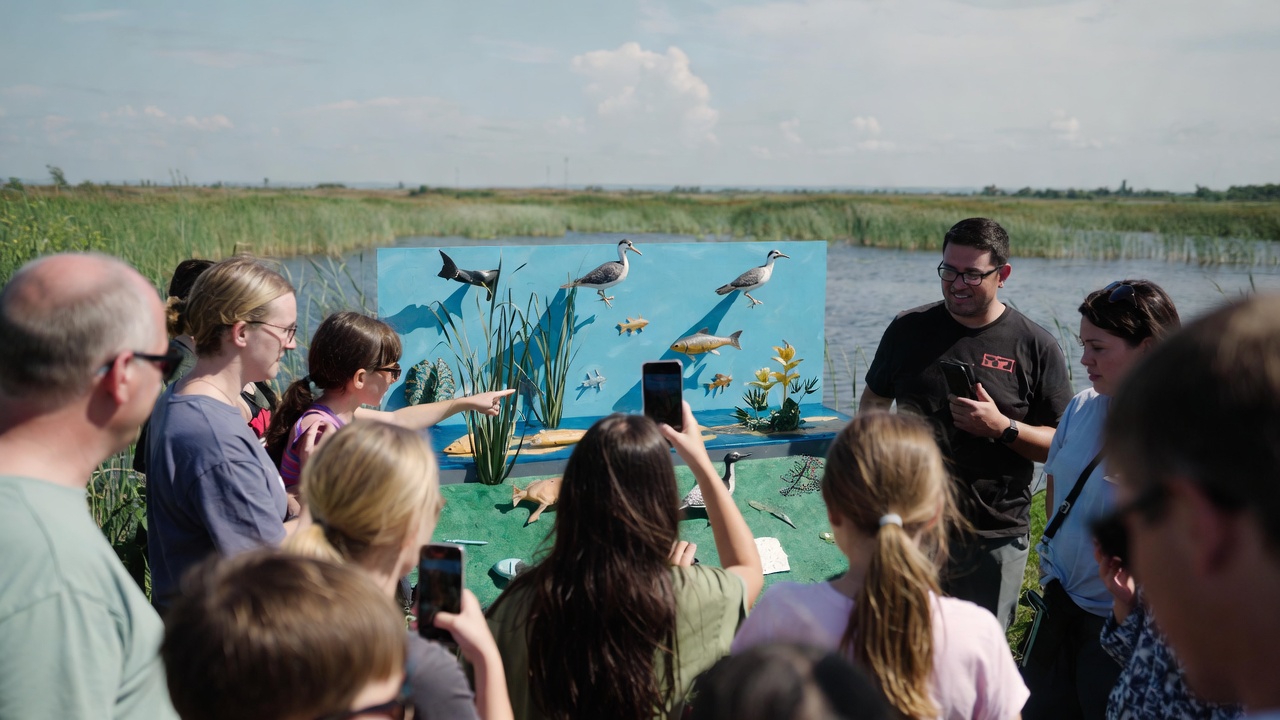
Many parks offer guided wetland tours on World Wetlands Day. Rangers and naturalists share expertise. These programs suit all ages.
Types of educational programs available:
- Guided nature walks through wetland trails
- Bird watching excursions at dawn
- Photography workshops in wetland settings
- Interactive programs for children and families
- Evening talks about wetland ecology and conservation
- Virtual webinars for remote participation
Contact your nearest national wildlife refuge or state park. Many schedule special programming around February 2nd.
4. Plant Native Wetland Species
Native wetland plant restoration projects welcome volunteers during planting seasons. Some organizations hold symbolic plantings on World Wetlands Day itself.
Popular native wetland plants to support:
- Sedges and rushes for erosion control
- Native willows for riparian restoration
- Marsh marigolds for pollinator habitat
- Cattails for wildlife shelter
- Native water lilies for aquatic biodiversity
Even small-scale efforts matter. Backyard rain gardens using native plants extend wetland habitat into urban areas.
5. Advocate for Wetland Protection Policies
Wetland conservation advocacy creates lasting change. February 2nd provides an excellent hook for outreach.
Effective advocacy actions:
- Write letters to elected officials supporting wetland protections
- Attend public hearings on wetland permit applications
- Share social media content about wetland value
- Sign petitions supporting wetland legislation
- Join environmental organization mailing lists
- Testify at local planning meetings about development impacts
Your voice matters. Decision-makers respond to constituent engagement.
Family-Friendly World Wetlands Day Activities for Kids
Wetland activities for children and families create lifelong environmental stewards. Kids learn best through experience.
Nature Scavenger Hunts in Wetland Areas
Create a checklist before visiting. Children search for items while learning about ecosystems.
Sample wetland scavenger hunt items:
- A bird that walks in shallow water
- Three different shaped leaves
- An insect near the water’s edge
- Animal tracks in mud
- Something that floats
- A sound made by wildlife
- A plant growing in water
- Evidence of animal homes
Wetland Art Projects Using Natural Materials
Collect fallen materials responsibly. Create art while discussing wetland ecology.
Project ideas for kids:
- Leaf print greeting cards
- Pressed flower bookmarks
- Nature journals with sketches
- Bird feeders from pinecones
- Mud sculptures (at appropriate locations)
Storytelling and Cultural Traditions
Many cultures revere wetlands. Share these stories with children.
| Culture | Wetland Significance | Associated Stories |
|---|---|---|
| Celtic | Sacred wells and bogs | Offerings to water spirits |
| Indigenous American | Life-giving waters | Crane clan stories |
| Japanese | Rice paddy heritage | Frog and pond folklore |
| African | River systems | Crocodile and hippo tales |
| Australian Aboriginal | Billabongs as creation sites | Rainbow Serpent narratives |
Stories connect children emotionally to ecosystems. This connection motivates future conservation action.
How to Support Wetland Conservation Financially
Not everyone can volunteer in person. Donating to wetland conservation organizations provides crucial support.
Leading Wetland Conservation Organizations to Support
| Organization | Focus | Geographic Reach | Rating |
|---|---|---|---|
| Ducks Unlimited | Waterfowl habitat | North America | Highly rated |
| Wetlands International | Global wetland networks | Worldwide | Highly rated |
| The Nature Conservancy | Land protection | Global | Highly rated |
| Ramsar Convention Secretariat | Policy and recognition | International | Governmental |
| Local land trusts | Regional preservation | Varies | Check local |
Creative Fundraising Ideas for World Wetlands Day
Wetland conservation fundraising events engage communities while raising money.
- Host a wetland-themed dinner party with donation requests
- Organize a “wade-a-thon” where sponsors pledge per minute in water
- Create and sell wetland photography or art
- Run a social media fundraising campaign
- Coordinate a local business matching gift drive
- Plan a wetland trivia night with entry fees donated
Small amounts add up. Even modest contributions support important work.
Virtual Ways to Participate in World Wetlands Day Events
Online World Wetlands Day activities connect global communities. Distance no longer limits participation.
Live Webcam Wetland Watching
Many wildlife refuges stream live footage. Watch birds, mammals, and aquatic life in real-time.
Popular wetland webcams:
- Osprey nest cameras during breeding season
- Alligator monitoring stations
- Waterfowl flyway observation points
- Beaver dam activity feeds
- Wading bird rookery streams
Virtual Tours and Educational Webinars
Organizations offer virtual wetland experiences for remote participants. These programs suit those unable to visit in person.
Benefits of virtual participation:
- Access wetlands globally without travel
- Learn from expert researchers directly
- Participate regardless of physical ability
- Reduce carbon footprint of transportation
- Connect with international conservation community
Check the World Wetlands Day website for scheduled virtual events each year.
Creating Wetland Habitat in Your Own Backyard
How to build a backyard wetland garden brings conservation home. Small-scale habitat provides real benefits.
Step-by-Step Rain Garden Installation
Rain gardens capture stormwater runoff. They filter pollutants naturally.
Materials needed:
- Shovel or excavator for digging
- Native wetland plants appropriate to your region
- Sand and gravel for drainage layer
- Organic mulch for moisture retention
- Overflow outlet materials
Installation process:
- Choose a location 10 feet from building foundations
- Dig a shallow depression 4-8 inches deep
- Create a berm on the downslope side
- Add drainage layer if needed
- Amend soil with compost
- Plant native species in zones by moisture tolerance
- Mulch thoroughly
- Direct downspouts or runoff toward garden
Small Pond Creation for Wildlife
Even tiny ponds attract wildlife. Container water gardens work in limited spaces.
Pond benefits:
- Provides drinking water for birds and mammals
- Supports amphibian breeding
- Attracts dragonflies and damselflies
- Creates micro-habitat for aquatic plants
- Adds aesthetic value to landscapes
Avoid introducing fish unless the pond is large enough. Fish eat amphibian eggs and larvae.
Photography and Art at World Wetlands Day Events
Wetland photography tips for World Wetlands Day help capture these ecosystems beautifully.
Best Times for Wetland Photography
| Time of Day | Lighting Quality | Wildlife Activity | Recommended Subjects |
|---|---|---|---|
| Dawn | Golden, soft | Very high | Wading birds, mist, reflections |
| Morning | Bright, clear | High | Insects, plants, general scenes |
| Midday | Harsh, direct | Low | Underwater subjects, details |
| Afternoon | Warming | Moderate | Landscapes, vegetation |
| Dusk | Golden hour | Very high | Silhouettes, flying birds |
Ethical Wildlife Photography Guidelines
Respect wildlife while documenting. Follow these principles:
- Maintain safe distances from animals
- Never bait or call wildlife repeatedly
- Stay on designated trails
- Avoid nesting areas during breeding season
- Do not trample vegetation for better angles
- Leave no trace of your visit
Great photographs come from patience. Ethical practices protect the subjects we love.
Corporate and Workplace World Wetlands Day Initiatives
Business wetland conservation partnerships demonstrate corporate environmental responsibility.
Team Building Through Wetland Volunteering
Companies increasingly organize corporate wetland volunteer days. Benefits extend beyond conservation.
Advantages for businesses:
- Team bonding in meaningful outdoor settings
- Employee morale improvement
- Corporate social responsibility demonstration
- Community goodwill development
- Marketing and public relations opportunities
Sustainable Business Practices That Protect Wetlands
Daily operations impact wetlands indirectly. Consider these improvements:
- Reduce impervious surfaces in parking areas
- Install bioswales on company property
- Eliminate unnecessary pesticide use
- Implement stormwater management systems
- Support wetland mitigation banking
- Choose wetland-friendly suppliers
Small changes across many businesses create cumulative benefits.
World Wetlands Day Events and Festivals Worldwide
International World Wetlands Day celebrations showcase global commitment to these ecosystems.
Notable Annual Events by Region
| Region | Event Name | Activities | Best For |
|---|---|---|---|
| Australia | Wetland Discovery Days | Guided walks, indigenous programs | Families |
| Europe | Ramsar Site Celebrations | Cross-border events, workshops | Educators |
| Asia | Migratory Bird Festivals | Bird watching, cultural events | Bird enthusiasts |
| Africa | World Wetlands Day Walks | Community cleanups, education | Local communities |
| Americas | Wetland Awareness Weeks | Multi-day programming, citizen science | All participants |
Planning a Wetland-Focused Trip
Wetland ecotourism destinations for conservation travelers combine vacation with purpose.
Top wetland travel destinations:
- Everglades National Park, Florida, USA
- Okavango Delta, Botswana
- Pantanal, Brazil
- Camargue, France
- Kakadu, Australia
- Sundarbans, India/Bangladesh
Choose tour operators committed to conservation. Ask about their environmental policies before booking.
How Schools Can Celebrate World Wetlands Day
World Wetlands Day lesson plans for teachers bring environmental education into classrooms.
Age-Appropriate Activities by Grade Level
| Grade Level | Activity Type | Learning Objectives | Materials Needed |
|---|---|---|---|
| K-2 | Wetland habitat dioramas | Identify wetland animals | Shoeboxes, craft supplies |
| 3-5 | Water filtration experiments | Understand wetland functions | Bottles, gravel, sand, soil |
| 6-8 | Wetland mapping projects | Learn geography and ecology | Maps, computers, GPS |
| 9-12 | Policy debate simulations | Analyze conservation tradeoffs | Research materials |
Field Trip Planning to Local Wetlands
Many wetland education centers offer school programs. Book early for February dates.
Field trip planning checklist:
- Identify nearest wetland preserve or refuge
- Contact education department for availability
- Confirm program alignment with curriculum
- Arrange transportation and permissions
- Prepare students with background knowledge
- Plan follow-up activities for classroom
- Evaluate experience for future visits
Outdoor learning creates lasting impressions. Students remember hands-on experiences.
Long-Term Wetland Conservation Commitment Beyond February 2nd
World Wetlands Day sparks interest. Year-round wetland conservation involvement creates lasting impact.
Monthly Conservation Actions Calendar
| Month | Action | Impact |
|---|---|---|
| January | Plan February events | Preparation ensures success |
| February | Participate in World Wetlands Day | Peak engagement period |
| March | Support amphibian crossing patrols | Protect breeding migrations |
| April | Earth Day wetland connections | Broader environmental awareness |
| May | Migratory bird celebrations | Highlight wetland-dependent species |
| June | Summer solstice wetland visits | Enjoy peak biodiversity |
| July | Water quality monitoring | Contribute citizen science data |
| August | Back-to-school education prep | Prepare materials for teachers |
| September | Coastal cleanup connections | Link to ocean conservation |
| October | Fall bird migration observation | Document seasonal changes |
| November | Giving Tuesday donations | Financial support for organizations |
| December | Year-end reflection and planning | Assess impact, set new goals |
Building a Personal Wetland Conservation Practice
Sustainable commitment requires realistic goals. Start small.
Habits for everyday conservation:
- Reduce water usage at home
- Avoid single-use plastics that pollute waterways
- Choose phosphate-free cleaning products
- Support local agriculture that protects wetlands
- Share wetland knowledge with friends and family
- Vote for candidates supporting environmental protection
- Make annual donations to trusted organizations
Consistency matters more than intensity. Small daily actions accumulate over time.
Conclusion: Your Role in Wetland Conservation This World Wetlands Day
World Wetlands Day 2025 offers countless ways to get involved in protecting wetlands. From hands-on volunteering to virtual participation, options suit every lifestyle.
These ecosystems need advocates now more than ever. Climate change intensifies threats. Development pressures continue.
Yet hope remains. Conservation successes demonstrate that committed communities can reverse wetland loss. Your participation matters.
Choose one action from this guide. Mark February 2nd on your calendar. Take the first step toward becoming a wetland steward.
The wetlands are waiting. Will you answer their call?
Quick Reference: World Wetlands Day Resources
Official websites:
- World Wetlands Day: worldwetlandsday.org
- Ramsar Convention: ramsar.org
- Society of Wetland Scientists: sws.org
Finding local events:
- Search “World Wetlands Day events near me”
- Contact local Audubon chapters
- Check national wildlife refuge calendars
- Visit state park websites
Educational materials:
- Ramsar educational toolkits
- EPA wetland educational resources
- National Wildlife Federation wetland guides
Social media hashtags:
- #WorldWetlandsDay
- #WetlandsMatter
- #Ramsar
- #WetlandConservation
This guide was written to support wetland conservation efforts worldwide. Share it with others who care about protecting these vital ecosystems.
Frequently Asked Questions About World Wetlands Day
What is the theme for World Wetlands Day 2025? The 2025 theme focuses on wetlands and human wellbeing, emphasizing the connection between healthy wetlands and healthy communities.
How can I find World Wetlands Day events in my area? Search online for local environmental organizations, wildlife refuges, nature centers, and parks. Many post February 2nd events on their websites and social media pages.
Can I participate in World Wetlands Day if I live far from wetlands? Absolutely. Virtual events, online education programs, advocacy, and donations all support wetland conservation regardless of your location.
What should I wear to a wetland cleanup event? Wear waterproof boots, layered clothing appropriate for weather, and clothes you don’t mind getting dirty. Bring a hat, sunscreen, and water.
Are World Wetlands Day activities suitable for children? Many events specifically welcome families. Contact organizers in advance to confirm age-appropriate programming and any safety considerations.
How can businesses participate in World Wetlands Day? Companies can organize team volunteer events, sponsor conservation programs, implement wetland-friendly practices, and raise awareness through their marketing channels.