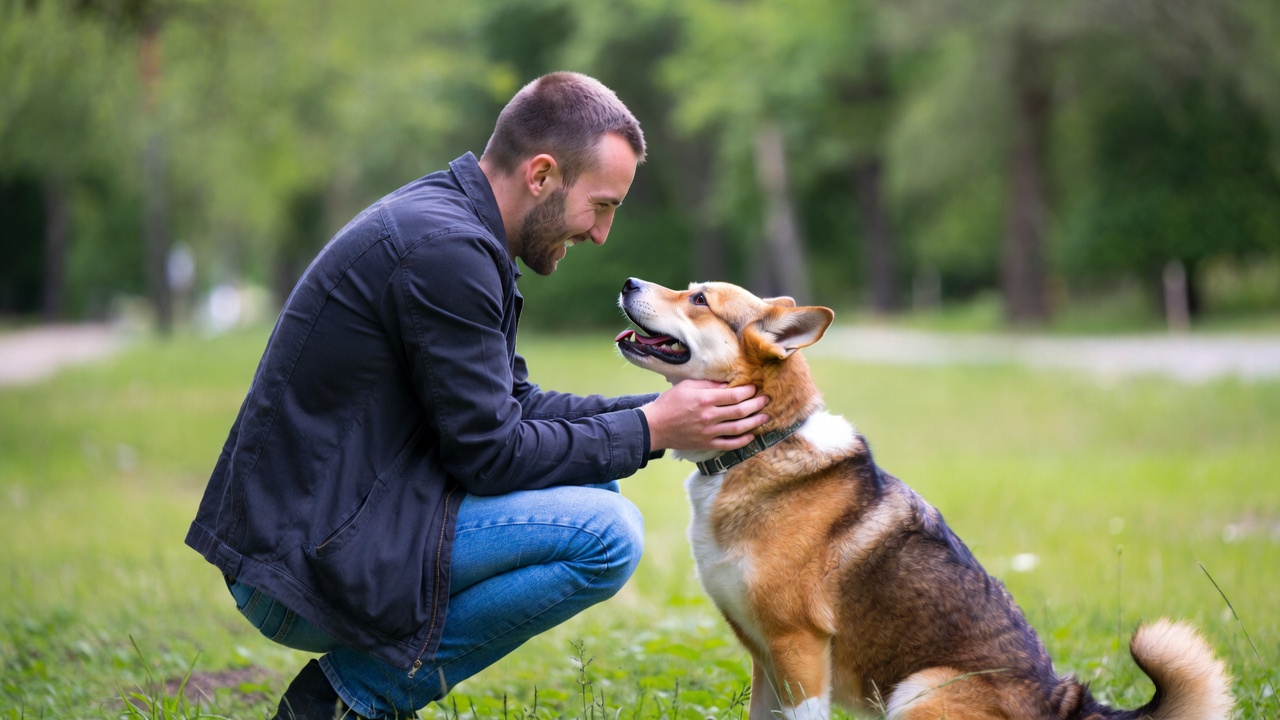
Discover meaningful ways to celebrate your furry friend and build an unbreakable bond that lasts a lifetime.
Every pet owner knows that familiar rush of joy. Your dog’s tail wags furiously when you come home. Your cat purrs against your leg. These moments remind us why we share our lives with animals. Love Your Pet Day, celebrated annually on February 20th, offers the perfect opportunity to deepen these connections.
But here’s the thing. Many pet owners limit their bonding to daily walks and feeding routines. This guide explores creative activities and meaningful traditions that go far beyond the leash. Whether you have a playful pup, a curious cat, or an exotic companion, these strategies will transform your relationship with your beloved pet.
What Is Love Your Pet Day and Why Do We Celebrate It?
Love Your Pet Day is an unofficial holiday dedicated to appreciating our animal companions. Unlike National Pet Day in April, this February celebration focuses specifically on strengthening the human-animal bond. The day encourages pet owners to pause their busy lives. It asks us to truly connect with the creatures who offer unconditional love.
The origins remain somewhat mysterious. No single organization claims credit for establishing the day. What we know is this: the celebration has grown exponentially through social media. Millions of pet owners now share photos, stories, and tributes each February 20th.
According to the American Pet Products Association (APPA), approximately 66% of U.S. households own a pet. That’s roughly 86.9 million homes. This staggering number explains why pet-focused holidays resonate so deeply with modern society.
| Pet Ownership Statistics (2024) | Number |
|---|---|
| Total U.S. Households with Pets | 86.9 million |
| Dogs | 65.1 million households |
| Cats | 46.5 million households |
| Freshwater Fish | 11.1 million households |
| Birds | 6.1 million households |
| Small Animals | 6.7 million households |
| Reptiles | 6.0 million households |
The celebration matters for several reasons:
- Mental health benefits for both humans and animals
- Reinforcement of positive behaviors through quality time
- Prevention of neglect by encouraging intentional care
- Community building among pet lovers worldwide
The Science Behind Human-Animal Bonding and Emotional Connection
Understanding why we bond with pets helps us appreciate these relationships more deeply. The connection isn’t merely emotional. It’s biochemical.
When you interact positively with your pet, your brain releases oxytocin. This “love hormone” creates feelings of trust and attachment. Studies from Frontiers in Psychology confirm that mutual gazing between dogs and owners triggers oxytocin release in both species. This mirrors the bonding mechanism between human mothers and infants.
Dr. Meg Daley Olmert, author of “Made for Each Other: The Biology of the Human-Animal Bond,” explains this phenomenon eloquently. The bond evolved over thousands of years of co-domestication. Humans and animals developed neurological pathways specifically designed for cross-species connection.
Key Hormones Involved in Pet Bonding
| Hormone | Function | Triggered By |
|---|---|---|
| Oxytocin | Creates feelings of love and trust | Eye contact, physical touch, play |
| Dopamine | Produces pleasure and reward | Successful training, games, treats |
| Serotonin | Regulates mood and happiness | Routine care, companionship |
| Endorphins | Reduces stress and pain | Exercise with pets, laughter |
Research published in the journal Science demonstrates that dogs have evolved specific facial muscles to communicate with humans. The “puppy dog eyes” expression triggers nurturing responses in people. This adaptation occurred over 33,000 years of domestication.
For cat owners, the news is equally fascinating. A study in Current Biology revealed that cats form secure attachments to their owners similar to infant-caregiver bonds. Despite their reputation for independence, cats genuinely need and appreciate human connection.
Creative Indoor Activities to Bond with Your Dog at Home
Indoor bonding activities become essential during winter months. They’re also perfect for apartment dwellers or those with limited outdoor space. These activities stimulate your dog mentally and physically while strengthening your relationship.
Hide and Seek Games for Mental Stimulation
Dogs possess incredible scenting abilities. Tap into this natural talent with hide-and-seek games. Start by having your dog stay while you hide. Call their name and reward enthusiastically when found. Gradually increase difficulty by hiding in challenging spots.
Benefits of hide and seek:
- Reinforces recall commands
- Provides mental exhaustion
- Builds confidence in timid dogs
- Creates positive associations with your voice
DIY Puzzle Toys and Enrichment Ideas
Commercial puzzle toys can be expensive. Create your own using household items. Here are some simple ideas:
- Muffin Tin Game: Place treats in muffin tin cups and cover with tennis balls
- Towel Twist: Roll treats inside a towel and let your dog unroll it
- Box Maze: Arrange cardboard boxes with hidden treats throughout
- Snuffle Mat: Tie fleece strips to a rubber mat and hide kibble within
The American Kennel Club (AKC) emphasizes that mental stimulation is equally important as physical exercise. 15 minutes of puzzle-solving can tire a dog as much as a 30-minute walk.
Indoor Agility and Obstacle Courses
Transform your living room into an agility course. Use household items creatively:
| Household Item | Agility Use |
|---|---|
| Chairs | Weave poles |
| Broomsticks | Jump bars |
| Blankets | Tunnels |
| Hula hoops | Jump-through circles |
| Cardboard boxes | Crawl tunnels |
| Cushions | Balance challenges |
Start with simple obstacles. Reward your dog generously for attempting new challenges. The goal isn’t perfection. It’s shared adventure and trust-building.
Meaningful Ways to Strengthen Your Bond with Cats
Cats require different bonding approaches than dogs. Their independent nature doesn’t mean they’re less affectionate. They simply express love differently. Understanding feline body language and preferences unlocks deeper connections.
Understanding Cat Communication and Body Language
Before bonding effectively, learn what your cat is telling you. Cats communicate primarily through body language and vocalizations.
Signs of a relaxed, bonded cat:
- Slow blinks (the “cat kiss”)
- Exposed belly (showing trust)
- Head bunting
- Kneading behavior
- Following you room to room
- Bringing you “gifts”
Signs of stress or discomfort:
- Flattened ears
- Dilated pupils
- Twitching tail
- Hissing or growling
- Hiding behavior
The International Cat Care organization recommends letting cats initiate contact. This respect for boundaries actually strengthens trust over time.
Interactive Play Sessions for Indoor Cats
Cats are natural hunters. Interactive play satisfies predatory instincts while bonding with you. The key is mimicking prey movement.
Effective play techniques:
- Move toys away from your cat, never toward
- Alternate between fast and slow movements
- Allow your cat to “catch” the prey regularly
- End sessions with a treat to complete the hunt cycle
The best play sessions happen in 15-20 minute increments. Multiple short sessions trump one long marathon. This mirrors natural hunting patterns in wild felines.
Creating Vertical Spaces and Cat-Friendly Environments
Cats feel safest in elevated positions. Creating vertical territory shows you understand their needs.
Consider these additions:
- Cat trees near windows
- Wall-mounted shelves for climbing
- Window perches for bird-watching
- Cozy hiding spots at various heights
When you design spaces specifically for your cat, they recognize this effort. The environment becomes a constant expression of your love.
Outdoor Adventure Ideas for Active Pet Owners
For those blessed with good weather and adventurous spirits, outdoor activities offer unparalleled bonding opportunities. These experiences create lasting memories and strengthen physical health for both species.
Hiking with Your Dog Safely and Responsibly
Hiking together ranks among the most rewarding pet activities. However, proper preparation ensures safety and enjoyment.
Essential hiking checklist:
- Collapsible water bowl and extra water
- Dog-specific first aid kit
- Identification tags and microchip registration
- Appropriate leash (4-6 feet recommended)
- Poop bags (leave no trace)
- Weather-appropriate gear
The Leave No Trace Center emphasizes responsible pet hiking. Keep dogs on trails to protect wildlife. Respect leash regulations. Pack out all waste.
Trail difficulty considerations:
| Dog Size/Type | Recommended Trail Type | Maximum Distance |
|---|---|---|
| Small breeds | Flat, well-maintained | 2-3 miles |
| Medium breeds | Moderate elevation | 5-7 miles |
| Large, athletic breeds | Challenging terrain | 10+ miles |
| Senior dogs | Flat, short loops | 1-2 miles |
| Brachycephalic breeds | Shaded, cool trails | 1-2 miles |
Beach Days and Water Activities with Pets
Water activities provide excellent exercise and mental stimulation. Not all dogs swim naturally, though. Never assume your dog can swim safely.
Introducing dogs to water:
- Start in shallow, calm water
- Use a canine life jacket initially
- Enter the water with your dog
- Never force or throw your dog into water
- Praise and reward all positive interactions
For cats, water activities look different. Some cats enjoy watching running water or playing with dripping faucets. A small tabletop fountain can provide hours of entertainment.
Camping with Pets: Tips for First-Time Adventures
Camping creates extended bonding time away from daily distractions. Prepare thoroughly for success.
Pet camping essentials:
- Familiar bedding from home
- Secure containment (crate or tie-out)
- Extra food and treats
- Copies of vaccination records
- Flashlight for nighttime bathroom breaks
- Towels for wet weather
Research pet-friendly campgrounds in advance. Recreation.gov provides information about pet policies at federal recreation areas. Many state parks also welcome well-behaved pets.
Wellness Activities to Improve Your Pet’s Health and Happiness
Physical wellness directly impacts emotional bonding. A healthy pet is a happy pet. These activities promote longevity while deepening your connection.
DIY Pet Massage Techniques for Relaxation
Massage benefits pets similarly to humans. It reduces anxiety, improves circulation, and relieves muscle tension. Most importantly, it requires focused, loving touch.
Basic dog massage technique:
- Start with gentle petting to relax
- Use flat palm strokes along the spine
- Apply gentle circular pressure to large muscle groups
- Avoid pressing directly on the spine or joints
- Watch for signs of discomfort
Cat massage approach:
- Let your cat settle in a comfortable position
- Use fingertips for gentle strokes
- Focus on areas they enjoy being petted
- Keep sessions brief (5-10 minutes)
- Stop immediately if they show stress
The University of Tennessee College of Veterinary Medicine notes that regular massage can help pet owners detect lumps, bumps, or sore spots early.
Grooming as a Bonding Ritual
Regular grooming transcends hygiene. It establishes trust and reinforces your role as caregiver.
Grooming benefits:
- Distributes natural skin oils
- Removes loose fur and prevents matting
- Provides opportunity for health checks
- Mimics social grooming in animal groups
- Creates predictable, comforting routines
Make grooming sessions positive. Offer treats throughout. Use calm, reassuring voices. Never rush or force the process.
Dental Care and Health Maintenance Activities
Dental health often gets overlooked. Yet periodontal disease affects 80% of dogs and 70% of cats by age three, according to the American Veterinary Medical Association (AVMA).
Daily dental routine ideas:
- Gradual introduction to tooth brushing
- Dental treats and chews
- Water additives for oral health
- Regular professional cleanings
Approach dental care as bonding time. Start slow. Reward cooperation generously. Over time, your pet may actually enjoy the routine.
Training Sessions That Strengthen the Human-Pet Relationship
Positive reinforcement training builds communication, trust, and mutual respect. It’s not about obedience alone. It’s about creating a shared language.
Clicker Training Basics for Dogs and Cats
Clicker training uses a small device that makes a distinct clicking sound. This sound marks the exact moment your pet performs a desired behavior.
Why clicker training works:
- Provides precise communication
- Eliminates confusion about what earned the reward
- Works for virtually any animal
- Keeps sessions fun and engaging
Both dogs and cats respond excellently to clicker training. Cats can learn tricks, respond to their names, and even navigate obstacle courses.
Teaching New Tricks to Elderly Pets
Senior pets can and should learn new things. Mental stimulation prevents cognitive decline. It keeps their minds sharp and spirits high.
Age-appropriate trick ideas:
- Touch (nose to hand target)
- Spin in a circle
- Wave goodbye
- Ring a bell for bathroom needs
- Identify toys by name
Adjust expectations for physical limitations. Shorter sessions work better. Patience becomes even more important.
Building Confidence in Shy or Anxious Animals
Some pets struggle with fear and anxiety. Bonding activities can transform their emotional wellbeing over time.
Confidence-building strategies:
- Create predictable daily routines
- Use desensitization techniques for triggers
- Reward brave behavior generously
- Never force interactions
- Provide safe retreat spaces
The ASPCA Behavioral Science Team recommends counter-conditioning techniques. Pair frightening stimuli with delicious treats. Over time, negative associations transform into positive ones.
Special Celebrations and Traditions for Love Your Pet Day
Creating annual traditions makes Love Your Pet Day memorable. These rituals become cherished parts of your family culture.
Planning a Pet-Friendly Photo Shoot
Professional-quality pet photos capture precious moments. You don’t need expensive equipment.
DIY pet photography tips:
- Use natural lighting near windows
- Get down to your pet’s eye level
- Use treats or toys to capture attention
- Take many shots; select the best
- Include yourself for bonding portraits
Create a themed photo shoot each Love Your Pet Day. Document your pet’s growth over the years. These images become treasured keepsakes.
Preparing Homemade Treats and Special Meals
Cooking for your pet demonstrates love in a primal way. Simple homemade treats can be healthier than commercial options.
Simple dog treat recipe:
| Ingredient | Amount |
|---|---|
| Whole wheat flour | 2 cups |
| Natural peanut butter (xylitol-free) | 1/2 cup |
| Eggs | 2 |
| Water | As needed |
Mix ingredients, roll out dough, cut into shapes, and bake at 350°F for 15-20 minutes.
Cat-friendly treat idea: Bake small pieces of plain chicken or fish. Cats appreciate these protein-rich snacks. Avoid seasonings and oils.
Always consult resources like Pet Poison Helpline before introducing new foods. Many common human foods are toxic to pets.
Creating Memory Books and Pet Journals
Document your journey together. Memory books preserve moments that might otherwise fade.
What to include:
- Adoption day photos and story
- First vet visit records
- Training milestones
- Funny stories and quirky habits
- Paw prints and nose prints
- Annual Love Your Pet Day celebrations
These journals become especially precious when pets age or pass away. They celebrate lives well-lived and loved.
Understanding Different Pet Species and Their Bonding Needs
Not everyone shares their home with dogs or cats. Exotic pets, birds, and small animals require specialized bonding approaches.
Bonding with Pet Birds and Parrots
Birds are highly intelligent and social. They form deep attachments to their human flock members.
Bird bonding techniques:
- Speak softly and frequently to your bird
- Offer treats by hand
- Allow supervised out-of-cage time
- Learn your bird’s body language
- Provide appropriate toys for mental stimulation
Parrots especially require significant daily interaction. They can become depressed without adequate socialization.
Creating Connections with Small Animals
Rabbits, guinea pigs, hamsters, and other small pets bond differently than predator species.
Key bonding principles:
- Move slowly and predictably
- Let them approach you first
- Use food as a positive association
- Provide floor time in safe spaces
- Speak in calm, quiet tones
Small prey animals instinctively fear large creatures. Earning their trust requires patience and consistency.
Reptile and Fish Care as Bonding
Even animals that don’t cuddle can provide meaningful connections. Caring for reptiles and fish creates different but valid bonds.
Reptile owners often describe meditative qualities in their care routines. Feeding, habitat maintenance, and observation become bonding rituals. Some reptiles, like bearded dragons, do show individual recognition of their owners.
Fish keeping offers contemplative bonding. Creating beautiful aquatic environments demonstrates love through action. Watching fish reduces stress and blood pressure in humans.
The Long-Term Benefits of Strong Pet Relationships
Investing in your pet relationship pays dividends for years. The benefits extend far beyond momentary happiness.
Health Benefits of Pet Ownership and Regular Bonding
Research consistently demonstrates physical and mental health improvements among pet owners.
| Health Benefit | Research Finding |
|---|---|
| Lower blood pressure | Pet owners show 3-point average reduction |
| Reduced heart disease risk | 36% lower risk of cardiovascular events |
| Decreased loneliness | Significantly lower rates of depression |
| Increased physical activity | Dog owners walk 22 minutes more daily |
| Improved immunity | Children with pets have stronger immune systems |
The Centers for Disease Control and Prevention (CDC) acknowledges these benefits while emphasizing responsible pet ownership.
Building Resilience Through Animal Companionship
Pets help humans navigate difficult times. They provide non-judgmental presence during grief, illness, and life transitions.
Emotional support benefits:
- Unconditional acceptance
- Routine maintenance during depression
- Physical comfort through touch
- Reason to get out of bed daily
- Social connection through pet communities
Children who grow up with pets often demonstrate higher empathy and emotional intelligence. The lessons learned through animal care transfer to human relationships.
Creating Lasting Memories with Your Beloved Pet
Our pets’ lifespans are shorter than ours. This reality makes intentional bonding even more precious.
Every Love Your Pet Day becomes an opportunity. It’s a chance to pause. To appreciate. To create memories that will comfort us long after our pets have passed.
Photograph everything. Write down funny stories. Save collar tags and favorite toys. These tangible memories become irreplaceable treasures.
Planning Your Perfect Love Your Pet Day Celebration
Ready to celebrate? Here’s how to make this Love Your Pet Day extraordinary.
Sample Love Your Pet Day Schedule
| Time | Activity |
|---|---|
| Morning | Special breakfast and extended cuddle time |
| Mid-morning | New toy or puzzle introduction |
| Noon | Homemade treat baking |
| Afternoon | Outdoor adventure or extended play session |
| Evening | Photo shoot and grooming session |
| Night | Movie night together with cozy blankets |
Budget-Friendly Celebration Ideas
Meaningful bonding doesn’t require spending lavishly.
Free or low-cost ideas:
- Extended one-on-one time
- Visit a new dog-friendly location
- Learn a new trick together
- Create DIY toys from household items
- Write your pet a letter expressing gratitude
- Give extra belly rubs and ear scratches
The best gift is your undivided attention. Put away phones. Forget chores. Be fully present with your pet.
Involving the Whole Family in Pet Appreciation
Love Your Pet Day celebrations strengthen human family bonds too.
Family activity ideas:
- Each family member teaches one new command
- Collaborative pet portrait painting
- Family hike with the dog
- Children write stories about the pet
- Create a pet appreciation ceremony
These shared experiences create family traditions that span generations.
Conclusion: Making Every Day Love Your Pet Day
Love Your Pet Day reminds us to prioritize these important relationships. But the lessons shouldn’t be limited to February 20th.
Every day offers opportunities for connection. A few extra minutes of play. A mindful grooming session. A quiet moment of mutual appreciation.
Our pets don’t care about grand gestures. They care about presence. Consistency. Love expressed through action.
The bond between humans and animals represents something profound. It crosses species boundaries. It defies logic. It enriches our lives immeasurably.
This Love Your Pet Day, commit to deepening that bond. Try one new activity. Establish one new tradition. Create one lasting memory.
Your pet is waiting. They’ve been loving you unconditionally all along. Now it’s time to show them just how much that love is returned.
Did you find this guide helpful? Share your Love Your Pet Day celebration ideas and photos on social media using #LoveYourPetDay. Let’s build a global community of pet lovers committed to strengthening the human-animal bond.
Frequently Asked Questions About Love Your Pet Day
When is Love Your Pet Day celebrated? Love Your Pet Day is celebrated annually on February 20th. It’s an unofficial holiday dedicated to appreciating our animal companions.
How is Love Your Pet Day different from National Pet Day? Love Your Pet Day (February 20th) focuses on bonding and appreciation, while National Pet Day (April 11th) emphasizes pet adoption and rescue awareness.
Can I celebrate Love Your Pet Day with any type of pet? Absolutely! Love Your Pet Day celebrates all animal companions, including dogs, cats, birds, fish, reptiles, small mammals, and exotic pets.
What are the best gift ideas for Love Your Pet Day? The best gifts include quality time, new toys, special treats, grooming sessions, and new experiences like trips to dog parks or nature walks.
How can I make Love Your Pet Day special on a budget? Focus on free activities like extended playtime, DIY toys, learning new tricks, extra cuddles, and exploring new outdoor locations together.