Experience the magic of the Persian fire-jumping festival that welcomes spring and the New Year
As the last rays of the winter sun dip below the horizon on Tuesday, March 17, 2026, millions of Iranians and Persian communities worldwide will gather around blazing bonfires. The air will fill with the crackle of flames, the aroma of roasted nuts, and the joyful chant: “Zardi-ye man az to, sorkhi-ye to az man!” — “My paleness is yours, your redness is mine!”
This is Chaharshanbe Suri (چهارشنبهسوری), the Persian Festival of Fire. It is one of the most spectacular and meaningful celebrations in Iranian culture. The festival marks the beginning of Nowruz festivities. It serves as a powerful symbol of renewal, purification, and the triumph of light over darkness.
Whether you are of Persian heritage, a curious traveler, or someone fascinated by world cultures, this guide will take you deep into the heart of Chaharshanbe Suri. You will discover its ancient origins, sacred rituals, traditional foods, and how communities around the world keep this 3,000-year-old tradition alive.
What Is Chaharshanbe Suri and Why Do Iranians Celebrate It?
Chaharshanbe Suri, also spelled Charshanbe Suri or Chahar Shanbeh Soori, translates to “Scarlet Wednesday” or “Red Wednesday” in Persian. The name combines two words: “Chaharshanbe” (چهارشنبه), meaning Wednesday, and “Suri” (سوری), which can mean either “red” or “festive.”
The festival takes place on the eve of the last Wednesday before Nowruz, the Persian New Year. Since the Persian week begins on Saturday, this means celebrations happen on Tuesday evening. For 2026, this falls on the night of March 17th, just three days before Nowruz arrives on March 20th at precisely 5:33 PM UTC.
Chaharshanbe Suri serves several important purposes:
- It marks the transition from the old year to the new
- It symbolizes the purification of body, mind, and spirit
- It honors the ancient reverence for fire as a sacred element
- It brings families and communities together before Nowruz celebrations
- It represents the victory of light over darkness and good over evil
According to Wikipedia, the festival is the first celebration in the Nowruz season. It sets the tone for the two-week Persian New Year festivities that follow.
The Ancient Zoroastrian Origins of the Persian Fire Festival
The roots of Chaharshanbe Suri stretch back over 3,000 years to ancient Persia. During this time, Zoroastrianism was the dominant religion. Understanding these origins helps explain why fire remains central to the celebration today.
Fire as a Sacred Symbol in Zoroastrian Tradition
Zoroastrianism, founded by the prophet Zoroaster (Zarathustra), is one of the world’s oldest monotheistic religions. Its followers believed in Ahura Mazda, the supreme god of wisdom and light. Within this faith, fire held profound significance.
Fire was not worshipped directly. Instead, it was revered as a physical representation of divine truth and purity. Zoroastrians believed fire possessed unique qualities. It could never be corrupted or polluted. It always rose upward toward the heavens. It provided warmth, light, and protection.
The Encyclopaedia Iranica notes that according to scholar E. Pūr-Dāwūd, Chaharshanbe Suri likely derives from the ancient Zoroastrian feast of Hamaspathmaedaya. This celebration honored the spirits of the dead during the final days of the year. Bonfires were lit to welcome departed souls and guide them home for reunion with their families.
The Legend of Prince Siavash and the Fire Ordeal
One of the most beloved origin stories for Chaharshanbe Suri comes from the Shahnameh (Book of Kings). This epic poem was written by the Persian poet Ferdowsi around 1000 CE.
The story tells of Prince Siavash, the noble son of King Keikavoos. His stepmother Sudabeh fell in love with him and tried to seduce him. When Siavash rejected her advances, she accused him of improper behavior.
To prove his innocence, Siavash volunteered to walk through a corridor of blazing fire. Ancient Persians believed fire would never harm an innocent person. On the last Tuesday of the year, the prince rode his horse through the flames. He emerged completely unharmed.
King Keikavoos declared a great celebration the following day — the last Wednesday of the year. This became known as Chaharshanbe Suri, marking both Siavash’s purity and the cleansing power of fire.
Evolution Through Centuries of Persian History
While some consider Chaharshanbe Suri a purely Zoroastrian tradition, the reality is more complex. Modern historians note that the way Iranians celebrate today has evolved significantly over millennia.
According to TAP Persia, the festival dates back to at least 1700 BCE. It has absorbed influences from various cultures and religions throughout Persian history. The celebrations survived the Arab conquest, the spread of Islam, and numerous political changes.
Today, Chaharshanbe Suri transcends religious boundaries. Iranians of all backgrounds — Muslim, Zoroastrian, Jewish, Christian, and secular — participate in these festivities. The tradition represents Persian cultural identity rather than any single religious practice.
When Is Chaharshanbe Suri 2026? Mark Your Calendar
For those planning to participate in or witness this spectacular festival, here are the key dates for 2026:
| Event | Date | Day of Week | Notes |
|---|---|---|---|
| Chaharshanbe Suri 2026 | March 17, 2026 | Tuesday (evening) | Main fire festival |
| Nowruz 2026 | March 20, 2026 | Friday | Persian New Year begins at spring equinox |
| Sizdah Bedar 2026 | April 1, 2026 | Wednesday | 13th day — outdoor picnic celebration |
The celebrations begin at sunset on Tuesday, March 17th. They continue into the night. Most activities occur between approximately 6:00 PM and midnight, though celebrations in some areas may last until the early morning hours.
Why Tuesday evening for a “Wednesday” festival?
In the Persian calendar, each day begins at sunset rather than midnight. Therefore, “Wednesday eve” actually falls on Tuesday evening by Western time-keeping standards. This explains why you’ll see celebrations happening on Tuesday night.
The Sacred Ritual of Jumping Over Fire: Meaning and Traditions
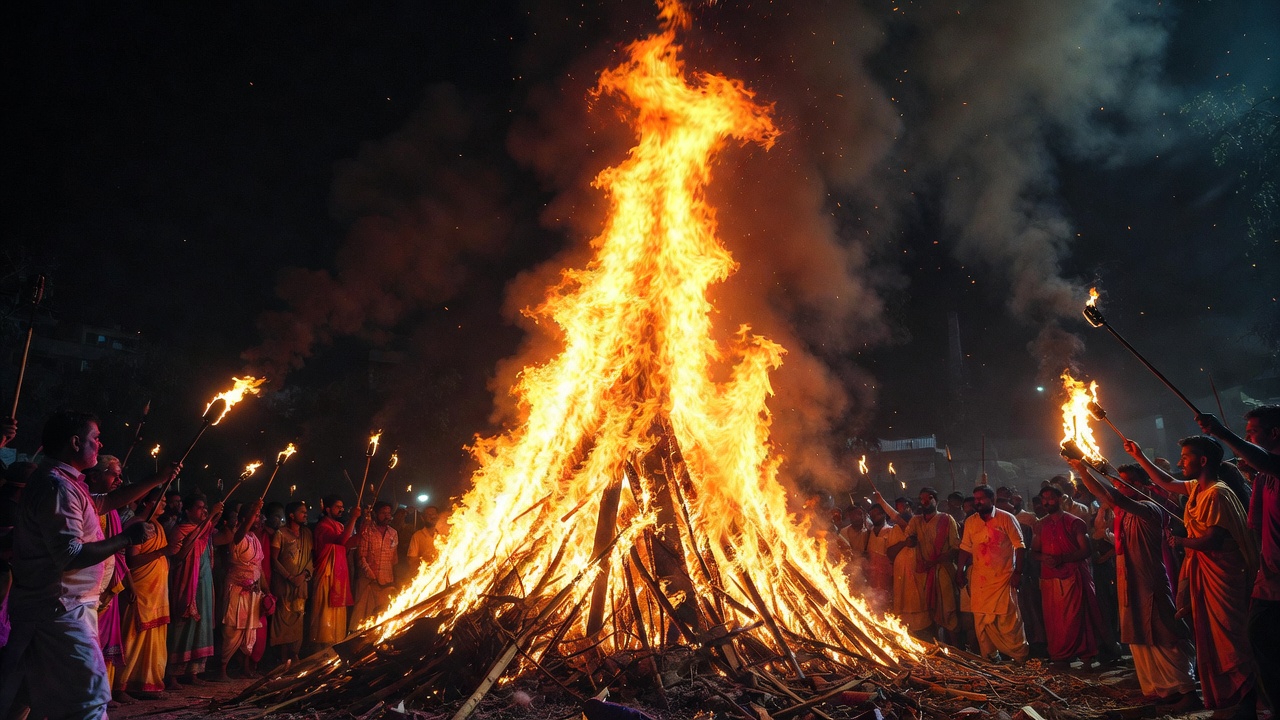
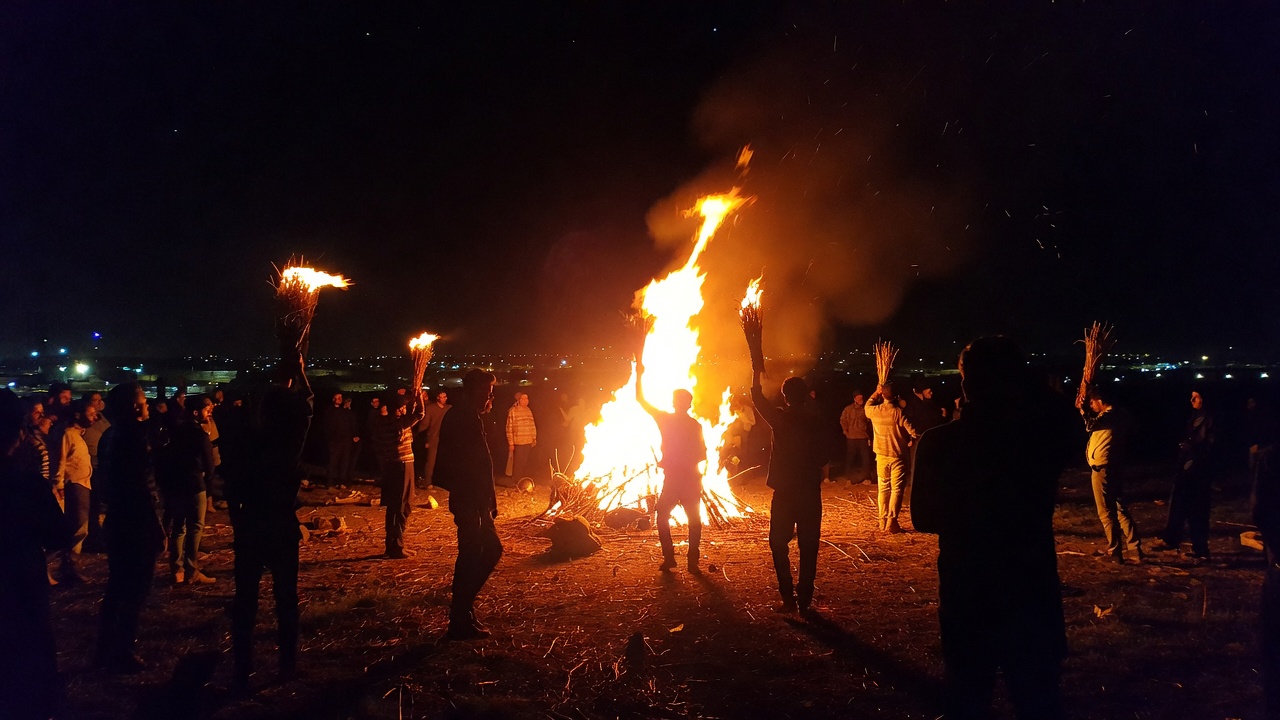
The most iconic element of Chaharshanbe Suri is the practice of jumping over bonfires. This ritual has captivated observers for thousands of years. It continues to bring communities together in a powerful symbolic act of transformation.
How the Fire-Jumping Ceremony Works
As twilight descends, families and communities begin preparing their bonfires. In Iran, people gather brushwood, dried shrubs, and other combustible materials. They arrange these in open spaces — backyards, courtyards, streets, parks, and rooftops.
The number of bonfires varies by family and region. Some traditions call for seven small fires arranged in a row. Others prefer a single larger bonfire. The flames should be of sufficient height to jump over but not so high as to pose danger.
As the fires are lit, participants line up and take turns leaping over the flames. While jumping, they recite the traditional chant:
“Sorkhi-ye to az man, zardi-ye man az to!”
(سرخی تو از من، زردی من از تو)
This translates to: “Your redness is mine, my paleness is yours!” or more poetically, “Give me your beautiful red color, and take my sickly yellow pallor!”
The Deep Symbolism Behind the Chant
This seemingly simple phrase carries profound meaning. In Persian culture, redness (سرخی) represents:
- Health and vitality
- Warmth and energy
- Strength and vigor
- The life force of fire
- Prosperity and good fortune
Yellowness or paleness (زردی) symbolizes:
- Sickness and weakness
- Fatigue and exhaustion
- Misfortune and bad luck
- The struggles of the past year
- Negative energy and evil spirits
By jumping over the fire and reciting this chant, participants symbolically transfer their burdens to the flames. The fire absorbs their problems, illnesses, and negative energy. In return, they receive the fire’s warmth, vitality, and positive energy.
This exchange represents a fresh start. Participants enter the New Year cleansed, purified, and renewed.
Who Participates in the Fire-Jumping Ritual?
Everyone is welcome to join! Young children, teenagers, adults, and elderly family members all participate. Of course, practical considerations apply. Very young children may need assistance, while elderly or mobility-impaired individuals might opt for smaller symbolic fires.
In traditional celebrations, even babies are sometimes gently passed over the flames by their parents. This act is believed to protect them and bring good health in the coming year.
Some families create special smaller fires for children. These allow young ones to participate safely while learning the traditions their ancestors have practiced for millennia.
Ghashogh Zani: The Persian Trick-or-Treat Tradition
One of the most charming customs of Chaharshanbe Suri is Ghashogh Zani (قاشقزنی), which translates to “spoon banging.” This tradition bears remarkable similarity to Halloween’s trick-or-treating.
How Ghashogh Zani Works
As evening falls on Chaharshanbe Suri, children and young adults don disguises. They cover their faces with scarves, masks, or traditional clothing to avoid recognition. Armed with spoons and bowls (or pots and pans), they venture into their neighborhoods.
Going door to door, participants bang their spoons against their bowls or pans. The rhythmic clatter announces their presence. When neighbors open their doors, they find the disguised visitors holding out their bowls expectantly.
Homeowners then fill the bowls with treats. Traditional offerings include:
- Ajil (mixed nuts and dried fruits)
- Noghl (sugar-coated almonds)
- Fresh fruits
- Sweets and candy
- Sometimes coins or small gifts
The trick lies in remaining unrecognized. If the homeowner correctly identifies the disguised visitor, playful teasing ensues. The tradition creates community bonds while adding an element of mystery and fun to the evening.
Origins and Symbolism of Spoon Banging
The exact origins of Ghashogh Zani remain somewhat mysterious. Some historians believe the noise was meant to ward off evil spirits on this transitional night. The clamor of spoons on metal would drive away malevolent forces, clearing the path for good fortune.
Others suggest the tradition developed as a way for the poor to receive food and charity before the New Year. Families would share their abundance, ensuring everyone could celebrate Nowruz with full bellies.
The disguises may relate to ancient beliefs about spirits walking among the living during this time. By disguising themselves, participants could move freely among both the living and spirit worlds.
Traditional Chaharshanbe Suri Foods: What to Eat During the Fire Festival
Persian cuisine is legendary for its complexity, fragrance, and symbolism. During Chaharshanbe Suri, specific foods take center stage. Each dish carries meaning and tradition.
Ajil-e Chaharshanbe Suri: The Essential Festival Snack
No Chaharshanbe Suri celebration is complete without Ajil (آجیل). This traditional Persian trail mix combines roasted nuts, seeds, and dried fruits. The specific ingredients vary by family and region.
Common components of Chaharshanbe Suri Ajil include:
| Ingredient | Persian Name | Symbolism |
|---|---|---|
| Pistachios | پسته (Peste) | Prosperity and wealth |
| Almonds | بادام (Badam) | Longevity and health |
| Hazelnuts | فندق (Fandogh) | Protection and wisdom |
| Walnuts | گردو (Gerdu) | Brain health and intelligence |
| Chickpeas (roasted) | نخود (Nokhod) | Sustenance and nourishment |
| Raisins | کشمش (Keshmesh) | Sweetness in life |
| Dried mulberries | توت (Toot) | Abundance and fertility |
| Watermelon seeds | تخمه هندوانه | Recreation and joy |
| Pumpkin seeds | تخمه کدو | Health and renewal |
| Dried apricots | زردآلو خشک | Golden happiness |
| Dried figs | انجیر خشک | Fertility and abundance |
According to Persian tradition, eating Ajil on Chaharshanbe Suri helps wishes come true. The mix of sweet and sour flavors represents the balance of life’s experiences.
Some families follow the tradition of unsalted Ajil for this night. The absence of salt is believed to prevent bad luck. Salt was traditionally associated with tears and sorrow — not what you want before the New Year!
Ash Reshteh: The Lucky Noodle Soup
Ash Reshteh (آش رشته) is perhaps the most significant food of Chaharshanbe Suri. This thick, hearty soup brims with symbolic meaning.
Cooking with Ayeh describes Ash Reshteh as a “one pot Persian Noodle soup filled with fresh herbs, leafy greens, legumes and noodles.” The dish has been passed down through generations.
Key ingredients include:
- Reshteh noodles — thin, flat Persian soup noodles
- Fresh herbs — parsley, cilantro, green onions, spinach, dill
- Legumes — chickpeas, kidney beans, lentils
- Kashk — fermented whey that adds creamy tanginess
- Dried mint and turmeric — for flavor and golden color
- Caramelized onions — for garnish
The symbolism of Ash Reshteh is profound:
The noodles represent the many winding paths life spreads before us. Eating them before the New Year symbolizes hopes for choosing the right path. The legumes represent abundance and sustenance. The herbs connect us to nature’s renewal in spring.
Traditionally, families make large batches of Ash Reshteh to share with relatives, neighbors, and even strangers. This sharing builds community bonds and ensures everyone enters Nowruz well-nourished.
Other Traditional Chaharshanbe Suri Dishes
Different regions of Iran prepare their own special foods for the festival:
Reshteh Polo — Rice cooked with toasted Persian noodles. Often served with meatballs and raisins. Popular throughout Iran.
Kuku Sabzi — An herb-filled frittata or egg dish. The abundance of green herbs symbolizes spring’s renewal.
Polo Haft Rang — Literally “seven-colored rice.” Ancient Iranians prepared seven different types of colorful pilaf. These included rice flavored with dill, cumin, raisins, dates, lentils, and other ingredients.
Samanu — A sweet pudding made from sprouted wheat. Symbolizes renewal, fertility, and the patience required for growth.
Regional soups — In some areas, families prepare special regional soups like Ash-e Abu Darda. This soup is particularly made when someone in the household is ill. The hope is the New Year will bring healing.
Fortune Telling and Divination Traditions During Chaharshanbe Suri
The mystical atmosphere of Chaharshanbe Suri makes it an ideal time for fortune telling and divination. Several traditions help Iranians glimpse what the coming year might hold.
Fal-e Hafez: Poetry Divination
One beloved tradition involves seeking fortunes from the poetry of Hafez, the great 14th-century Persian poet. His collection of ghazals (lyric poems), known as the Divan of Hafez, holds almost sacred status in Persian culture.
The practice works as follows:
- A participant holds a copy of the Divan and concentrates on a question or wish
- They open the book randomly
- The first poem they see is interpreted as guidance from Hafez
- A knowledgeable person interprets the poem’s meaning for the seeker
This tradition, called Fal-e Hafez (فال حافظ), continues year-round but holds special significance on Chaharshanbe Suri. The transition between years creates a liminal space where the veil between present and future thins.
Fal-e Kuze: Jug Fortune Telling
According to Wikipedia, another popular practice is Fal-e Kuze (فال کوزه), or fortune telling from a jug.
The ritual proceeds as follows:
- Everyone present places a personal item in a wide-mouthed jug. These items include rings, bracelets, or earrings.
- Slips of paper with written fortunes or poetic verses are added to the jug. The number of slips must equal the number of participants.
- A young child reaches into the jug and pulls out one slip of paper.
- The child then pulls out one piece of jewelry.
- The most learned person present reads the fortune aloud.
- The owner of the jewelry learns their fate for the coming year.
In Isfahan and other central Iranian cities, families use verses from Hafez’s Divan rather than pre-written fortunes.
Fal-Gush: Eavesdropping Divination
Fal-Gush (فالگوش) is perhaps the most intriguing fortune-telling tradition. The name means “ear fortune” or “eavesdropping divination.”
Participants, especially young women, stand outside walls, behind windows, or in streets. They make a wish and then listen to the first conversation they overhear. Whatever strangers happen to say is interpreted as an omen about the wish’s fulfillment.
The random nature of overheard conversations adds mystery and excitement. The interpretation requires creativity and often sparks lively family discussions.
Kuze Shekani: Breaking the Jug
In some regions, Kuze Shekani involves throwing pottery jars from rooftops. These jars are filled with symbolic items:
- Coal — representing ill fate
- Salt — representing the evil eye
- Coins — representing poverty (to be cast away)
As the jar smashes on the ground below, participants believe they are literally breaking apart last year’s misfortunes. The shattered pieces carry away bad luck, clearing space for new blessings.
Regional Variations: How Different Parts of Iran Celebrate
Iran’s diverse geography and ethnic composition create rich regional variations in Chaharshanbe Suri celebrations. While fire-jumping unites all observances, local customs add distinctive flavors.
Tehran and Major Cities
In Iran’s capital and other major urban centers, Chaharshanbe Suri has evolved significantly. The festivals often feature:
- Large public gatherings in parks and squares
- Organized bonfire areas with safety supervision
- Fireworks and firecracker displays
- Street vendors selling Ajil, kabobs, and corn-on-the-cob
- Live music and spontaneous dancing
- Modern additions like laser shows at some events
Urban celebrations can draw enormous crowds. Thousands gather in popular locations to participate in the communal ritual.
East Azerbaijan Province
In the Turkic-speaking regions of northwestern Iran, Chaharshanbe Suri takes on unique characteristics. According to Persian Language Online:
- Family members splash rose water on one another for happiness and luck
- The groom’s family sends a khonche (decorated platter) of sweets and Ajil to the bride’s family
- In Urmia, families bring their special Ajil mixture to the oldest family member’s home
The Azerbaijani name for the festival is Axır Çərşənbə.
Kurdistan Province
Kurdish regions celebrate with their own distinctive traditions:
- The festival is known as Kola Čowāršamba or Čowāršama Kolī
- The last Shah of Iran, Mohammad Reza Pahlavi, famously participated in fire-jumping celebrations in Piranshahr in Kurdistan
- Traditional Kurdish music and dancing often accompany the festivities
Isfahan and Central Iran
Isfahan, Iran’s cultural heart, maintains especially refined traditions:
- Spinsters traditionally climbed through holes in rocks near certain villages to seek husbands
- The festival is locally called Čāršambe Sorxī (Red Wednesday)
- Fortune telling using Hafez’s poetry is particularly popular
- The city’s stunning historical architecture provides dramatic backdrops for celebrations
Bushehr and Coastal Regions
Along the Persian Gulf coast, water joins fire in the celebrations:
- After jumping over bonfires, participants head to the sea
- Some take boats out on the water
- Others dip their feet in the ocean
- This combination of fire and water symbolizes complete purification
Yazd and Zoroastrian Communities
In Yazd, home to Iran’s remaining Zoroastrian community, celebrations connect most directly to ancient roots:
- Women traditionally gather at a bazaar intersection where a bell hangs from the ceiling
- They jump to ring the bell, seeking good fortune
- Zoroastrians visit fire temples for more formal observances
- Some villages maintain the tradition of lighting fires on rooftops at dawn
Chaharshanbe Suri Safety Tips: Celebrating Responsibly
While Chaharshanbe Suri brings immense joy, it also presents safety concerns. The combination of fire, fireworks, and large crowds requires caution. Unfortunately, injuries occur every year.
Understanding the Risks
According to WANA News, safety concerns have increased in recent years. Modern celebrations have evolved from simple bonfire jumping to include industrial fireworks and homemade explosives. This shift has resulted in numerous injuries annually.
Anadolu Agency reported that recent celebrations in Iran resulted in thousands of injuries from firework-related accidents. These incidents have prompted authorities to launch safety awareness campaigns.
Essential Safety Guidelines
For Fire-Jumping:
- Keep fires at a manageable height — no taller than knee-height is safest
- Jump only when flames have settled somewhat, not at their peak
- Avoid loose, flowing clothing that could catch fire
- Remove scarves, shawls, and dangling accessories before jumping
- Keep hair tied back securely
- Have water or fire extinguishers readily available
- Never add accelerants like gasoline to fires
- Ensure children are supervised at all times
- Create smaller, separate fires for young children
For Fireworks and Firecrackers:
- Purchase only from licensed, reputable vendors
- Never attempt to make homemade explosives
- Maintain safe distances from firework launches
- Never hold fireworks in your hands when lighting
- Keep a bucket of water nearby
- Do not allow unsupervised children access to fireworks
- Follow all local laws and regulations
General Safety:
- Attend organized public events when possible — these often have professional safety measures
- Inform someone of your plans and whereabouts
- Carry a charged mobile phone
- Know the location of the nearest hospital or emergency services
- If celebrating in unfamiliar areas, stay aware of your surroundings
Safer Alternatives for Celebrating
Cultural organizations and safety advocates recommend several alternatives:
- LED torches and lanterns can create the visual effect of fire without danger
- Candle-lighting ceremonies at home offer safe fire symbolism
- Attending organized events with professional fire management
- Celebrating in designated areas approved by local authorities
- Small, symbolic fires in fire-safe containers
The essence of Chaharshanbe Suri lies in its meaning, not the danger level of its fires. A safe celebration is always a better celebration.
Chaharshanbe Suri Around the World: Global Diaspora Celebrations
The Persian diaspora has carried Chaharshanbe Suri traditions to every corner of the globe. From Los Angeles to London, from Toronto to Sydney, Iranian communities gather each year to keep this flame alive.
Chaharshanbe Suri in Los Angeles and California
California hosts the largest Persian-speaking community outside Iran. The greater Los Angeles area, sometimes called “Tehrangeles,” is home to hundreds of thousands of Iranian Americans.
Major Chaharshanbe Suri events take place throughout Southern California:
- Public parks transform into festival grounds
- Community organizations coordinate fire-jumping opportunities
- Persian restaurants offer special menus
- Cultural centers host music, dance, and educational programs
San Francisco’s Bay Area also hosts significant celebrations, including events in Marin County organized by groups like iPersian.
Chaharshanbe Suri in Canada: Toronto, Vancouver, and Beyond
Canada’s large Iranian diaspora maintains vibrant Chaharshanbe Suri traditions:
Vancouver Area: According to Vancouver’s Best Places, West Vancouver’s Ambleside Park hosts one of North America’s largest fire festivals. Between 10,000 and 15,000 people have attended in some years. The event features multiple bonfire rows, Persian music, and cultural performances.
Other Vancouver-area celebrations occur in Coquitlam’s Town Centre Park and at the Shipyards District in North Vancouver.
Toronto: The Greater Toronto Area hosts numerous events, from traditional community gatherings to large-scale nightclub celebrations. According to Chef Reza Persian Grill, Toronto, Vancouver, and Los Angeles all offer public Chaharshanbe Suri events through local Persian communities.
Chaharshanbe Suri in New York City
New York’s Lower East Side has hosted remarkable Chaharshanbe Suri celebrations. More Gardens Fund has organized community garden fire festivals for over 16 years.
According to the Chaharshanbe Suri NYC official site, these events bring together Iranian Americans, members of the Persian diaspora, and community gardeners from diverse backgrounds. The celebrations feature:
- Traditional fire-jumping with FDNY safety oversight
- Live traditional and contemporary music
- Fire dancing performances
- Collective art-making and theater
- Traditional food and refreshments
Chaharshanbe Suri in Europe
Stockholm, Sweden: The Eldfesten annual festival is one of the largest Chaharshanbe Suri concerts and festivals in the world. According to Wikipedia, the event is broadcast nationally on Sveriges Television and internationally on Manoto TV.
London, United Kingdom: London’s significant Iranian community organizes celebrations in parks and cultural venues, adapting traditions to meet local fire safety regulations.
Other European Cities: Berlin, Paris, Frankfurt, Amsterdam, and other cities with substantial Persian populations all host their own observances.
How Diaspora Celebrations Adapt
Celebrating Chaharshanbe Suri outside Iran requires adaptation. Local fire regulations may restrict bonfire sizes. Some communities use symbolic smaller fires or candle ceremonies. Others focus on the musical, culinary, and social aspects while finding creative ways to incorporate fire safely.
These adaptations demonstrate the tradition’s resilience. Whether flames roar in Tehran’s streets or flicker gently in a Los Angeles park, the spirit of Chaharshanbe Suri burns bright.
Chaharshanbe Suri and Nowruz: Understanding the Connection
Chaharshanbe Suri does not exist in isolation. It forms the opening act of a two-week celebration cycle that constitutes Nowruz, the Persian New Year.
The Nowruz Festival Calendar
Nowruz festivities span approximately two weeks:
| Celebration | When | Significance |
|---|---|---|
| Chaharshanbe Suri | Eve of last Wednesday before Nowruz | Purification and preparation |
| Nowruz Eve | March 19-20, 2026 | Final preparations, Haft Seen table setup |
| Nowruz Day | March 20, 2026 (5:33 PM UTC) | Exact moment of spring equinox, New Year begins |
| Days 1-12 | March 20 – April 1 | Family visits, gift exchanges, feasting |
| Sizdah Bedar | Day 13 (April 1, 2026) | Outdoor picnic, nature celebration |
UNESCO Recognition of Nowruz
In 2009, UNESCO inscribed Nowruz on the Representative List of the Intangible Cultural Heritage of Humanity. This recognition was extended in 2016. The inscription was a joint initiative of 12 countries: Afghanistan, Azerbaijan, India, Iran, Iraq, Kazakhstan, Kyrgyzstan, Pakistan, Tajikistan, Turkey, Turkmenistan, and Uzbekistan.
In 2010, the United Nations General Assembly proclaimed March 21 as the International Day of Nowruz. This recognition acknowledges Nowruz’s role in promoting values of peace, solidarity, and cultural heritage.
Chaharshanbe Suri’s Role in the Nowruz Cycle
Think of Chaharshanbe Suri as a spiritual cleanse before a major new beginning. Just as people clean their homes during Khane Tekani (house shaking) before Nowruz, Chaharshanbe Suri cleanses spirits and souls.
The fire absorbs the accumulated negativity of the past year. It burns away illness, misfortune, and bad luck. Participants emerge purified and ready to receive the New Year’s blessings.
The Haft Seen table, set up for Nowruz itself, contains seven symbolic items beginning with the Persian letter S (س). But Chaharshanbe Suri prepares the ground. Without purification, the seeds of new beginnings cannot properly take root.
Countries That Celebrate Chaharshanbe Suri and Similar Fire Rituals
While Iran remains the heartland of Chaharshanbe Suri, similar traditions flourish throughout the Persian cultural sphere and beyond.
Countries with Chaharshanbe Suri Traditions
Afghanistan: Afghans celebrate with fire rituals on the eve of the last Wednesday. According to SURF Iran, in Iran, Azerbaijan, and parts of Afghanistan, lighting fires on the last Wednesday evening is observed as Chaharshanbe Suri.
Azerbaijan: The Azerbaijani tradition involves four Tuesdays of celebration before Nowruz. Each Tuesday honors one of four elements: water, fire, earth, and wind. The final Tuesday, Axır Çərşənbə, includes fire-jumping similar to Iranian traditions.
Kurdistan (Iraq, Turkey, Syria): Kurdish communities across borders celebrate with Newroz fires. While the timing varies slightly, the fire symbolism remains consistent. In Kurdistan, the Newroz fire ceremony (Agir Newrozî) takes place on Nowruz day itself.
Tajikistan: Tajiks celebrate Navruz with fire rituals and communal feasts. The traditions show strong Persian influence given Tajikistan’s Persian-speaking population.
Turkmenistan: Fire-jumping during Nowruz celebrations is common, connecting to ancient Zoroastrian heritage that once spread throughout Central Asia.
Related Fire Traditions in Other Cultures
Armenia — Trndez: The Armenian fire-jumping tradition of Trndez shares clear connections to Chaharshanbe Suri. Wikipedia notes that the ritual of jumping over fire has continued in Armenia as part of the feast of Trndez, a purification celebration in the Armenian Apostolic Church.
India — Holi: The Hindu festival of Holi, celebrated in spring, includes bonfires (Holika Dahan) that share symbolic roots with Persian fire traditions. Wikipedia notes that Chaharshanbe Suri and Holi share roots in ancient Aryan religions.
These parallels remind us of the deep historical connections between Iranian and Indian civilizations, both heirs to ancient Indo-European traditions.
How to Celebrate Chaharshanbe Suri 2026: A Practical Guide
Whether you are of Persian heritage looking to honor your traditions or a curious newcomer wanting to participate, here is how to celebrate Chaharshanbe Suri 2026.
Planning Your Celebration
One Week Before (March 10-16):
- Research local events — Search for Persian community organizations, Iranian cultural centers, or Nowruz festivals in your area
- Gather supplies — Purchase Ajil ingredients, herbs for Ash Reshteh, candles, and safe fire materials
- Invite friends and family — Chaharshanbe Suri is meant to be shared
- Plan your menu — Decide which traditional foods you will prepare
- Review safety precautions — Ensure you have fire safety measures in place
Setting Up Your Celebration Space
Outdoor Setup (if permitted in your area):
- Choose an open area away from structures, dry vegetation, and overhanging branches
- Have fire extinguisher or water source readily available
- Set up a designated jumping area with clear entry and exit paths
- Arrange seating around the fire for spectators
- Create a food and drink station at a safe distance from flames
Indoor/Alternative Setup:
- Arrange candles safely in fireproof holders
- Set up a festive table with Ajil, sweets, and traditional foods
- Play Persian music to create atmosphere
- Consider LED lights in red and orange for fire ambiance
- Set up a space for fortune telling with Hafez poetry
Preparing Traditional Foods
Simple Ajil Mix:
Combine in your preferred proportions:
- Roasted pistachios
- Almonds
- Walnuts
- Roasted chickpeas
- Golden raisins
- Dried mulberries or cranberries
- Pumpkin seeds
Quick Ash Reshteh (serves 6-8):
- Soak chickpeas, kidney beans, and lentils overnight
- Sauté onions with turmeric until golden
- Add chopped fresh herbs (parsley, cilantro, spinach)
- Add legumes and broth; simmer 45 minutes
- Add broken reshteh or linguine noodles
- Cook until noodles are tender
- Serve topped with kashk (or Greek yogurt), fried mint, and caramelized onions
The Fire-Jumping Ceremony
If you have a safe outdoor fire:
- Light your bonfire at sunset
- Allow flames to settle to a safe jumping height
- Line up participants
- Each person jumps while chanting: “Sorkhi-ye to az man, zardi-ye man az to!”
- Repeat as desired
If using candles or symbolic fire:
- Arrange candles in a safe row
- Participants can step over candles while reciting the chant
- Focus on the symbolic meaning rather than athletic jumping
- Alternatively, simply sit around candlelight and recite the chant together
Ghashogh Zani Activity
For a fun family activity:
- Provide disguises (scarves, masks, hats)
- Give each participant a spoon and bowl
- Have some family members stay “home” to answer doors
- Others go door-to-door within the house or between participating neighbors
- Fill bowls with Ajil and treats
Fortune Telling Session
End your evening with Fal-e Hafez:
- Obtain a copy of Hafez’s Divan (available in English translations)
- Each person thinks of a question or wish
- Open the book randomly
- Read the poem found and discuss its potential meaning
- The ambiguity of poetry sparks wonderful conversation
Frequently Asked Questions About Chaharshanbe Suri
What does Chaharshanbe Suri mean in English?
Chaharshanbe Suri translates to “Scarlet Wednesday” or “Red Wednesday.” “Chaharshanbe” means Wednesday in Persian, and “Suri” means red or festive. The name references both the day and the color of fire.
Is Chaharshanbe Suri a religious holiday?
While Chaharshanbe Suri has Zoroastrian roots, it has evolved into a secular cultural celebration. Iranians of all religious backgrounds — Muslim, Jewish, Christian, Zoroastrian, and secular — participate. It celebrates Persian cultural identity rather than any specific religion.
Can non-Persians participate in Chaharshanbe Suri?
Absolutely! Persian communities generally welcome curious outsiders to their celebrations. The values of renewal, purification, and community transcend cultural boundaries. If attending a public event, observe respectfully, ask questions politely, and join in the spirit of celebration.
What time do Chaharshanbe Suri celebrations start?
Celebrations begin at sunset on Tuesday evening. Since the Persian day begins at sunset, Tuesday evening is considered the eve of Wednesday. Most activities occur between approximately 6:00 PM and midnight.
Is fire-jumping dangerous?
Fire-jumping can be dangerous if not done carefully. Keep fires at manageable heights, avoid loose clothing, supervise children, and have fire safety equipment available. Alternatively, use candles or LED lights for symbolic celebrations.
What should I wear to Chaharshanbe Suri?
Wear comfortable clothes that are not loose or flowing — close-fitting garments are safer around fire. Avoid synthetic materials that could melt. Tie back long hair. Remove dangling jewelry and scarves before jumping.
Can I celebrate Chaharshanbe Suri alone?
Yes, though it is traditionally a communal celebration. You can light candles, prepare traditional foods, read Hafez poetry, and recite the fire-jumping chant even without actual fire-jumping. The intention and meaning matter most.
Conclusion: Keeping the Flame Alive
As March 17, 2026 approaches, millions of people will prepare to celebrate Chaharshanbe Suri. They will gather firewood. They will roast nuts. They will make Ash Reshteh. They will pull out their copies of Hafez’s poetry.
And as flames rise toward the night sky, they will jump. They will chant those ancient words, asking fire for its strength while releasing the weight of another year.
Chaharshanbe Suri is more than a festival. It is a living bridge connecting modern Iranians to ancestors who lived three thousand years ago. It is proof that some traditions are too meaningful, too beautiful, and too necessary to ever truly die.
The fire represents truth that cannot be corrupted. It represents light that cannot be extinguished by darkness. It represents the eternal human hope for renewal, for second chances, for fresh starts.
Whether you celebrate in Tehran’s bustling streets, a Vancouver park, a Los Angeles backyard, or a New York community garden — whether you jump over roaring bonfires or step gently over candles — you participate in something timeless.
Zardi-ye man az to, sorkhi-ye to az man.
My paleness is yours. Your redness is mine.
May the coming year bring you health, happiness, and the warmth of community.
Nowruzetan Pirooz! — May your New Year be victorious!