A comprehensive guide to experiencing China’s UNESCO-recognized traditions during the most important festival of the year
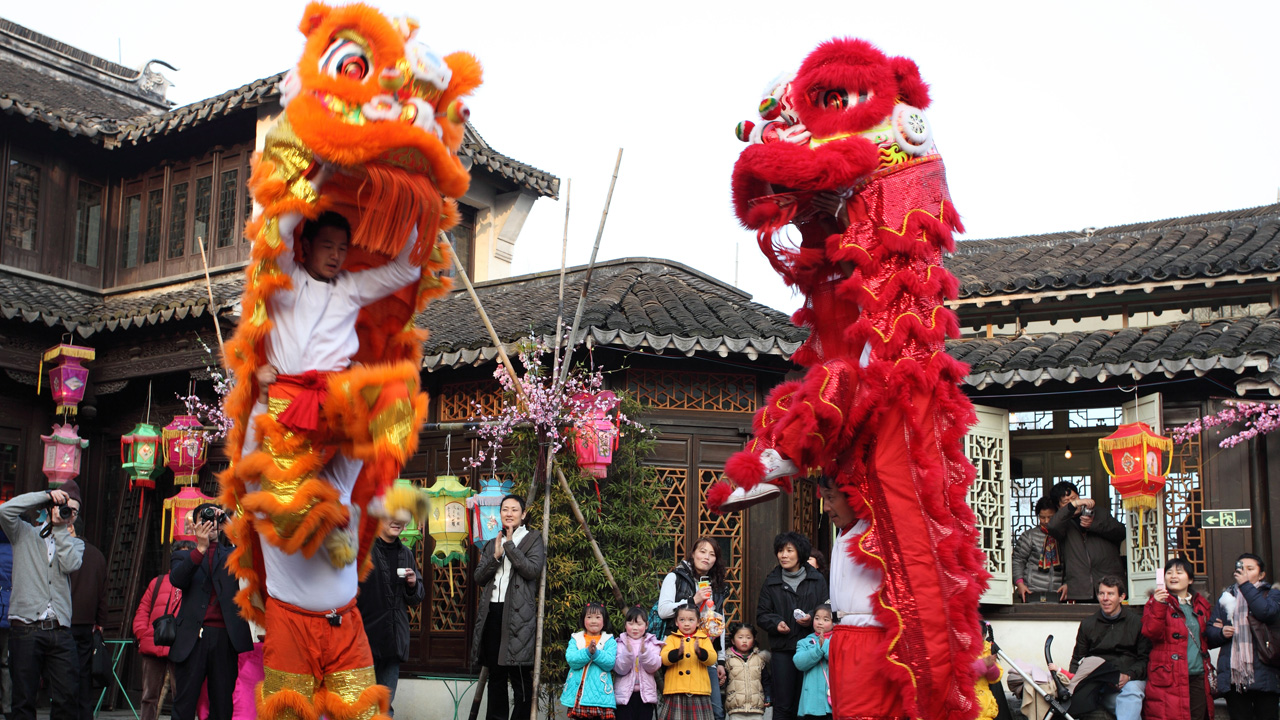
The drumbeats thunder through the narrow streets of ancient Foshan. A magnificent lion, its eyes blazing with golden light, leaps from pole to pole in a display of breathtaking agility. Thousands of spectators hold their breath as the creature pauses, seemingly alive, before executing a perfect bow. This is not merely entertainment. This is living history — a tradition passed down through generations that has captivated audiences for centuries.
In December 2024, the United Nations Educational, Scientific and Cultural Organization (UNESCO) officially inscribed the Spring Festival on the Representative List of the Intangible Cultural Heritage of Humanity. This landmark decision recognized what over one-fifth of the world’s population already knew: the Chinese New Year celebration represents one of humanity’s most profound cultural treasures.
For international travelers, this recognition has opened a golden door. The Spring Festival is no longer just a holiday to observe from afar. It has become a cultural pilgrimage that offers immersive experiences impossible to find anywhere else on Earth.
This guide will take you through the essential intangible heritage experiences every international visitor should know. From the spectacular lion dances of Guangdong to the mesmerizing lantern displays of Zigong, from Beijing’s historic temple fairs to Chengdu’s mystical face-changing opera, you will discover how to plan the cultural journey of a lifetime.
Why UNESCO Inscribed China’s Spring Festival as World Intangible Heritage in 2024
The inscription of the Spring Festival came during the 19th session of the Intergovernmental Committee for the Safeguarding of the Intangible Cultural Heritage, held in Asuncion, Paraguay. The committee recognized the festival for its wide array of rituals and unique cultural elements that engage all of Chinese society.
According to UNESCO’s official documentation, the traditional knowledge and customs associated with the Spring Festival are transmitted both informally within families and communities, and formally through the education system. The craftsmanship and artistic skills related to the festival pass through apprenticeships, promoting family values, social cohesion, and peace while providing a sense of cultural identity.
With this addition, China now holds 44 cultural elements recognized by UNESCO as Intangible Cultural Heritage of Humanity — the largest number of any country in the world. The Spring Festival joins prestigious company alongside Peking Opera, Chinese Calligraphy, the Dragon Boat Festival, and the 24 Solar Terms.
What Makes Spring Festival Different from Other World Festivals
| Aspect | Spring Festival | Comparable Global Festivals |
|---|---|---|
| Duration | 15 days (New Year’s Eve to Lantern Festival) | Most holidays last 1-3 days |
| Participant Scale | Over 1.5 billion people globally | Largest annual celebration worldwide |
| Migration Impact | World’s largest human migration (Chunyun) | No comparable event exists |
| Heritage Elements | Over 1,500 intangible heritage items | Most festivals have limited traditions |
| Regional Diversity | Distinct customs in every province | Relatively uniform practices |
The significance of this recognition extends beyond cultural prestige. As Ernesto Ottone, UNESCO’s assistant director-general for culture, noted: “It’s an element that is not only important for China, but also for Chinese around the world. Somehow, even in Paris, New York and other cities, you have the celebration of the Spring Festival all around the world.”
How to Experience the Famous Lion Dance in Foshan: Birthplace of Southern Lion Culture
If there is one intangible heritage experience that captures the spirit of the Spring Festival, it is the lion dance. And there is no better place to witness this art form than Foshan, Guangdong Province — universally recognized as the birthplace of Southern lion dance culture.
Understanding the Cultural Significance of Chinese Lion Dance Performances
The lion dance is far more than spectacular acrobatics. In Chinese culture, the lion represents power, wisdom, and good fortune. The “awakening of the lion” — when the lion opens its eyes at the start of a performance — symbolizes vitality and self-improvement.
The tradition carries deep historical roots. During the late Qing Dynasty (1644-1911), the “waking lion” in Cantonese became synonymous with China’s awakening and resilience. Today, this centuries-old folk art has evolved into both a competitive sport and a cultural symbol recognized worldwide.
“The moment the lion opens its eyes is the most powerful part of the dance,” explains Huang Qintian, vice-chairman of the Chinese Dragon and Lion Dance Sports Association. “It represents spirit and determination.”
Best Places to Watch Lion Dance Performances During Chinese New Year
Foshan Ancestral Temple (佛山祖庙)
The Foshan Ancestral Temple serves as the spiritual home of Southern lion dance. This historic site hosts three highly popular lion dance shows daily, featuring skilled performers who execute challenging moves with remarkable grace and energy.
| Show Information | Details |
|---|---|
| Location | Foshan Ancestral Temple, Zumiao Road, Chancheng District |
| Performance Times | 10:00 AM, 2:00 PM, 4:00 PM (confirm locally) |
| Admission | Included with temple entrance (approximately CNY 30) |
| Best Viewing | Arrive 30 minutes early for front-row positions |
Wong Fei Hung Lion Dance Martial Arts Museum (黄飞鸿狮艺武术馆)
Located at Xiqiao Mountain, this museum commemorates the legendary martial arts master Wong Fei Hung. Visitors can expect martial arts demonstrations followed by spectacular lion dances performed on elevated poles.
Dragon and Lion Dance Festival 2025
In February 2025, Foshan hosted its annual Dragon and Lion Dance Festival at Chanxi Huanyu City in Zhangcha Street. Over 300 participants from villages, schools, and sports associations participated in a grand procession through the streets. The event featured a sacred lion pilgrimage ceremony at the Zen Lion Sacred Realm in Liantang Village.
Hands-On Lion Dance Workshops for International Tourists
Several tour operators now offer immersive lion dance experiences specifically designed for international visitors. These programs allow travelers to:
- Watch professional performances by certified lion dance teams
- Learn basic footwork and techniques from experienced coaches
- Practice with actual lion dance equipment
- Understand the cultural symbolism behind every movement
According to reviews on travel platforms, these workshops provide “a very good choice for tourists eager to learn about Chinese culture.” The authentic experience in Foshan offers insights unavailable anywhere else.
Practical Tips for Lion Dance Experiences:
- Book in advance — Popular workshops fill quickly during Spring Festival
- Wear comfortable shoes — Training involves significant physical activity
- Bring water — Sessions can be physically demanding
- Consider local guides — English-speaking guides enhance understanding
- Prepare small donations — Traditional offerings (around CNY 100) show respect
Beijing Temple Fairs During Spring Festival: Where to Find Authentic Folk Culture
Temple fairs represent the heart and soul of Spring Festival celebrations in northern China. These annual events transform parks and historic sites into vibrant showcases of traditional culture, delicious food, and joyful community gatherings.
The Historic Ditan Temple Fair: A Million Visitors Cannot Be Wrong
The Ditan Park Temple Fair (地坛庙会) stands as Beijing’s most prestigious and historic Spring Festival celebration. Running since its inaugural edition decades ago, this event attracts approximately one million visitors annually.
The 2025 edition marked the fair’s 37th year. It highlighted the essence of Chinese New Year by bringing together festive traditions from across the country through stage performances, interactive experiences, and themed exhibitions.
Key Features of Ditan Temple Fair:
| Activity | Description |
|---|---|
| Qing Dynasty Ceremony | Reenactment of the imperial sacrifice ritual to the God of Earth at 10:00 AM |
| Folk Performances | Lion dances, Ansai waist drum dance, ethnic dances of Tu and Zhuang people |
| Intangible Heritage Exhibitions | Beijing clay rabbit, Shaanxi shadow puppets, traditional crafts |
| Traditional Snacks | Cha Tang (rice noodles), dry-fried beans, Jia Quan, Nian Gao |
| Cultural Activities | Folklore quizzes, costumed character interactions |
The temple fair earned its reputation as “a modern version of ‘Along the River During the Qingming Festival'” — a reference to the famous Song dynasty painting depicting daily life in ancient China.
Visiting Information:
- Dates: Typically January 29 – February 4 (1st to 7th day of the first lunar month)
- Hours: 8:30 AM – 5:00 PM (except opening day)
- Ticket Price: CNY 30
- Getting There: Subway Line 2 or Line 5 to Yonghegong Station, Exit A, walk 250 meters north
Longtan Temple Fair: Sports, Ice, and Traditional Beijing Culture
The Longtan Park Temple Fair (龙潭庙会) offers a distinctive combination of sports performances and traditional culture. Now in its 39th edition, this fair has carved a unique niche among Beijing’s Spring Festival celebrations.
What Makes Longtan Special:
The fair features professional sports demonstrations including wrestling, judo, taekwondo, and free combat performances. National Go game team players even guide visitors through matches of this ancient strategic board game.
Beyond sports, the Longtan Temple Fair highlights the cultural elements of the Beijing Central Axis, a UNESCO World Heritage site. The fair has also established a 30,000-square-meter ice and snow theme park where visitors can experience ice bicycling and winter activities.
Traditional folk art showcases, including the historic Beijing performance art form yaohe (商贩叫卖声) — the distinctive calls used by traders to sell goods — add authentic cultural depth.
Grand View Garden Temple Fair: Literary Heritage Comes to Life
For visitors seeking cultural depth over commercial bustle, the Daguanyuan Temple Fair (大观园庙会) offers an unmatched literary experience.
This fair is the only Beijing temple fair themed entirely around “Dream of the Red Chamber” (红楼梦), one of the Four Great Classical Novels of Chinese literature. The 18th-century masterpiece by Cao Xueqin provides the narrative framework for unique programs:
- Yuanchun Coming Home: A grand performance depicting Imperial Concubine Jia Yuanchun’s homecoming
- Literary Scene Recreations: The wedding of Baoyu and Baochai, the meeting of Baoyu and Daiyu
- Puppet and Shadow Shows: Classic scenes performed through traditional arts
- Intangible Heritage Displays: Woodblock prints, facial makeup, shadow puppets, paper cutting
Changdian Temple Fair: Over 400 Years of Cultural Heritage
With a history exceeding 400 years, the Changdian Temple Fair (厂甸庙会) earned its place among the first batch of national intangible cultural heritage items in China. Known as the “Cultural Market,” this fair occupies the historic Liulichang Street in central Beijing.
Visiting Tips for Temple Fair Success:
- Arrive early — Gates open at 8:30 AM; popular areas fill quickly
- Wear comfortable layers — Winter temperatures can drop below freezing
- Bring cash — Many traditional vendors don’t accept mobile payment
- Try everything — Street food is half the experience
- Plan for crowds — Weekdays are significantly less packed than weekends
Traditional Chinese Paper Cutting Art: Where to Learn Jianzhi During the Spring Festival
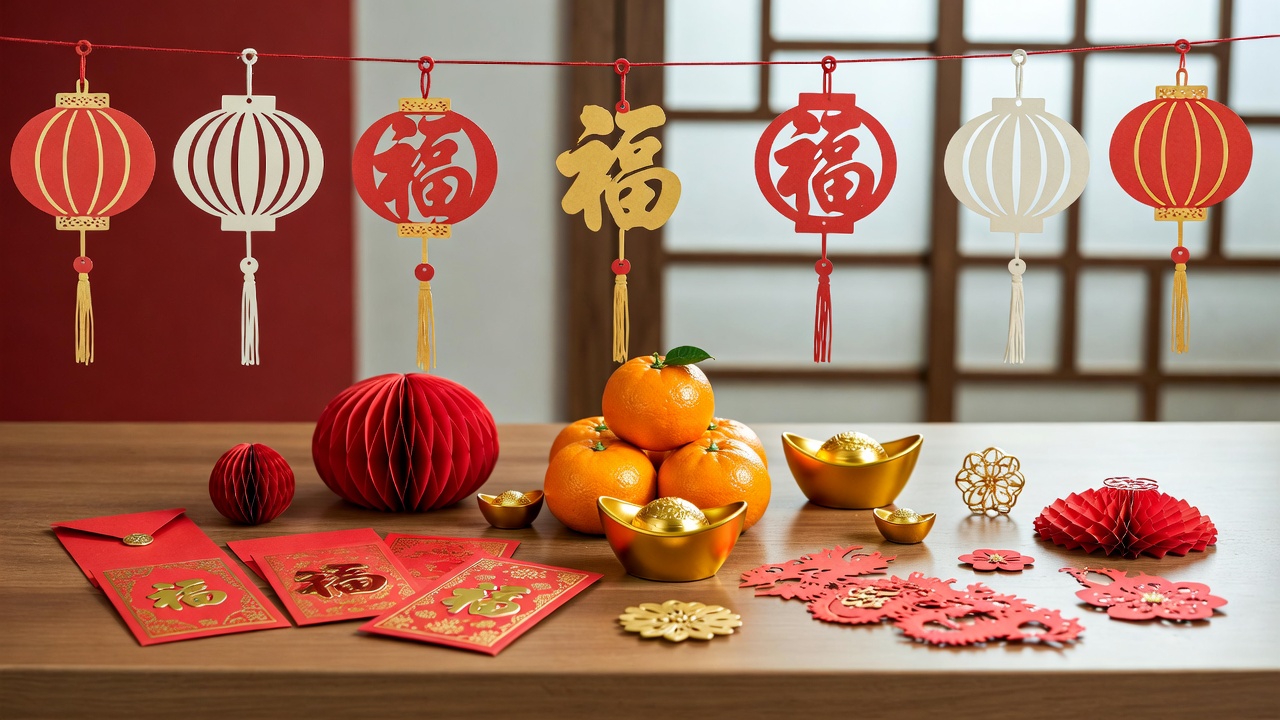
Paper cutting (jianzhi 剪纸) represents one of China’s most accessible and deeply meaningful folk arts. In 2009, UNESCO inscribed Chinese paper cutting on the Representative List of the Intangible Cultural Heritage of Humanity, recognizing it as a means of expression, communication, and creativity intimately tied to Chinese customs, festivals, and rituals.
The History and Cultural Meaning Behind Chinese Paper Cutting Traditions
The origins of Chinese paper cutting trace back to the 6th century during the Tang Dynasty (618-907). Initially a simple craft for religious rituals and window decorations, the art form blossomed during the Song Dynasty (960-1279) and flourished through the Ming (1368-1644) and Qing (1644-1911) dynasties.
During these periods, paper cutting served both decorative and symbolic purposes. Families used intricate designs to celebrate birthdays, weddings, and especially the Spring Festival. The craft passed from mother to daughter across generations, with families developing their own distinctive styles.
Regional Styles of Chinese Paper Cutting:
| Region | Characteristics |
|---|---|
| Shandong | Bold, large patterns with striking contrasts |
| Sichuan | Delicate and intricate details |
| Shaanxi | Strong, dramatic expressions |
| Jiangsu | Fine, refined aesthetic |
| Guangdong (Foshan) | Strict, decorative, elegant and brilliant |
When used for Chinese New Year celebrations, paper cuts are known as “Spring Flags” (春联). These red creations — the color symbolizing good fortune — adorn windows, doors, and walls. Common motifs include:
- Chinese zodiac animals — Each year features its corresponding animal
- The character “Fu” (福) — Often displayed upside-down, as the word for “upside-down” (dào) sounds like the word for “to arrive,” suggesting good fortune’s arrival
- Auspicious symbols — Lotus flowers, fish, dragons, peonies
- Double happiness characters — Popular for weddings and celebrations
Best Museums and Workshops to Experience Paper Cutting in China
China Intangible Cultural Heritage Museum, Beijing
During the first Spring Festival after UNESCO recognition, the Chinese Traditional Culture Museum (China Intangible Cultural Heritage Museum) hosted the “Guo Nian: Exhibition of the Spring Festival,” presenting over 120 representative intangible cultural heritage items including paper cutting demonstrations.
Zhang Xiujuan Paper Cutting Museum, Linhai, Zhejiang
This comprehensive living heritage museum integrates exhibition displays, educational transmission, industrial research, and the planning of artworks. “Linhai Paper Cutting,” originally known as “Zhang Family Paper Cutting,” began in the eighth year of the Jiading era of the Southern Song Dynasty and maintains an 800-year legacy to the present day. In 2007, it was included in the second batch of Zhejiang Province’s Intangible Cultural Heritage Protection List.
Wang Xiao Paper Cutting Studio, Suzhou
Located on Shantang Street in Gusu District, this studio showcases Suzhou’s delicate craftsmanship style. The city’s traditional gardens provide a perfect backdrop for experiencing this intricate art form.
How to Participate in Paper Cutting Workshops as a Foreign Visitor
Participating in a paper cutting workshop offers foreign visitors a unique opportunity to create personal souvenirs while learning centuries-old techniques.
What to Expect:
- Introduction to tools — Traditional scissors and scalpel-like knives
- Basic folding techniques — Creating symmetrical designs
- Symbolic education — Understanding the meaning behind motifs
- Guided cutting practice — Starting with simple patterns
- Take-home creation — Your own paper cut masterpiece
Workshop Tips:
- Sessions typically last 1-2 hours
- No prior experience required
- Most workshops provide all materials
- Ask about English-speaking instructors
- Prices range from CNY 50-200 depending on complexity
According to data from Meituan Travel, searches for intangible cultural heritage experiences including paper cutting rose significantly during Spring Festival 2025, reflecting growing international interest in these authentic cultural activities.
Zigong Lantern Festival: China’s Most Spectacular Display of Light and Tradition
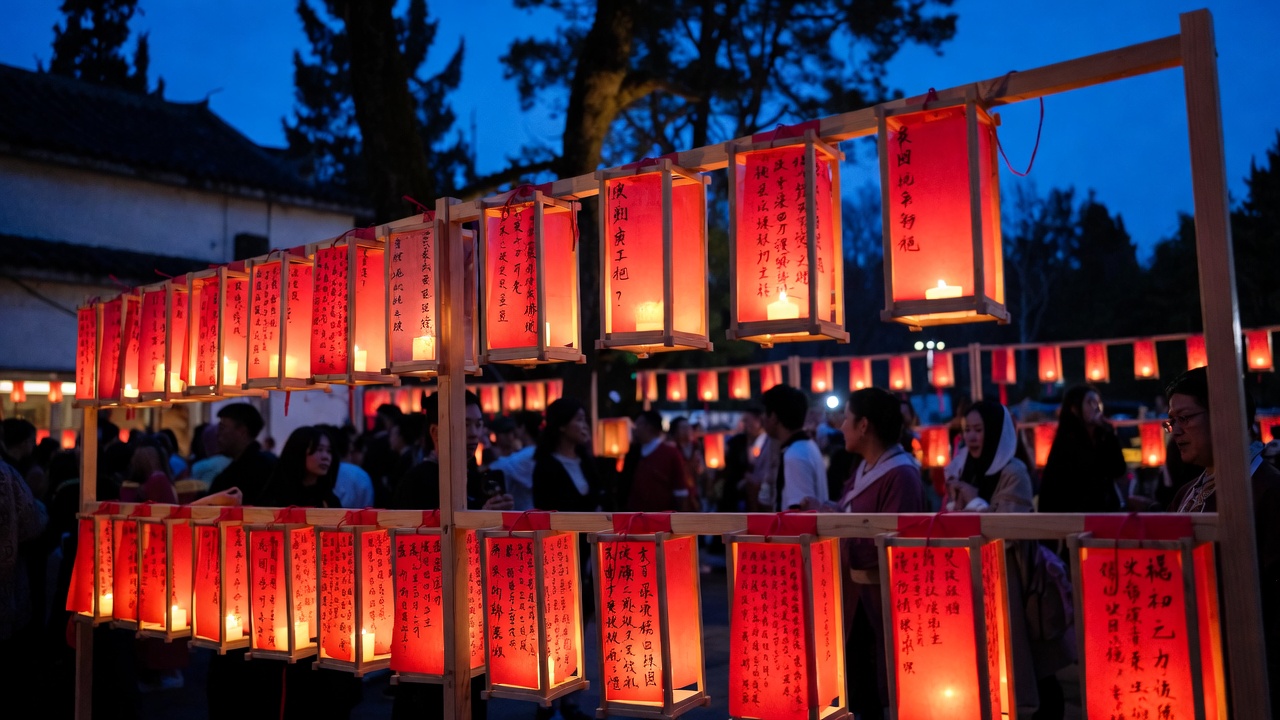
If you visit only one lantern festival in your lifetime, make it Zigong (自贡). Known worldwide as the “City of Lanterns,” this Sichuan province destination hosts what many consider the most magnificent lantern celebration on Earth.
Why Zigong Is Called the City of Lanterns and What Makes It Special
The tradition of celebrating Spring Festival with lantern displays in Zigong dates back to the Tang and Song dynasties (618-1279) — over a thousand years of continuous history. In 1964, the city’s government officially organized its first Spring Festival lantern fair. Since then, Zigong has developed into the global center of lantern artistry.
In 2008, the Zigong Lantern Festival was inscribed on China’s national list of intangible cultural heritage. Today, 11 recognized inheritors of the craft dedicate themselves to preserving and innovating the art of lantern-making.
The Numbers Behind Zigong’s Lantern Industry:
| Statistic | Figure |
|---|---|
| Lantern-related enterprises | Over 1,000 |
| Industry employment | Up to 130,000 people |
| Annual output value | 6 billion yuan |
| International exhibitions (2024) | 104 projects in 67 cities across 23 countries |
| Countries reached | Over 90 countries and regions since 1990 |
The 2025 Zigong International Dinosaur Lantern Show covered more than 425,000 square meters with an investment of 170 million yuan (about 23.7 million U.S. dollars), featuring over 200 lantern sets. This represented the largest scale in the festival’s entire history.
Must-See Lantern Displays and Interactive Experiences at Zigong Festival
The 31st International Dinosaur Light Festival Highlights:
The festival features seven themed areas including “Welcoming Spring and Celebrating the New Year,” “Brilliant China,” and “Dinosaur Valley.” Each evening, a spectacular 600-drone show illuminates the night sky in choreographed displays.
Notable Installations:
- The “Green City Twin Beauties” — 18-meter-tall Bai Suzhen and 14-meter-tall Xiaoqing from the legendary White Snake tale
- Giant Panda Lanterns — Lifelike displays taking over a month to complete, entirely crafted by hand
- Dragon and Lion Dance Performances — Traditional performances integrated throughout the festival
- Children’s Drawing Lanterns — Local children’s artwork transformed into light installations
“This set of panda lanterns took over a month to complete, and it was entirely crafted by hand,” explained Liu Juncai, a craftsman who has participated in 16 consecutive Zigong Lantern Festivals over his 30-year career.
Planning Your Trip to Zigong Lantern Festival as an International Tourist
Essential Planning Information:
| Detail | Information |
|---|---|
| Festival Dates | Late January through early March |
| Location | Zigong, Sichuan Province |
| Nearest Major Airport | Chengdu Shuangliu International Airport |
| Ground Transport | High-speed train or bus from Chengdu (approximately 1.5-2 hours) |
| Ticket Prices | Varies by day; typically CNY 100-200 |
| Best Visiting Time | Evening hours for full illumination |
Getting There:
From Chengdu, visitors can take a high-speed train to Zigong. The journey takes approximately 1.5-2 hours. Alternatively, regular bus services connect the cities throughout the day.
Accommodation Tips:
- Book well in advance — hotels fill quickly during festival season
- Consider staying in Chengdu and taking a day trip
- Local boutique hotels offer authentic Sichuan hospitality
- Budget options available near the train station
Cultural Experiences Beyond the Lanterns:
Zigong offers additional attractions including:
- Zigong Dinosaur Museum — One of the world’s finest dinosaur fossil collections
- Zigong Salt History Museum — Celebrating the city’s historical salt industry
- Traditional handicraft workshops — Learn porcelain palace lantern making
- Local cuisine — Famous for Zigong’s distinctive spicy dishes
Sichuan Opera Face-Changing Shows: The Mystery of Bian Lian Revealed for Visitors
No cultural experience captures the imagination quite like Bian Lian (变脸) — the mystical face-changing art of Sichuan Opera. In mere seconds, performers transform their visages through seemingly impossible magic, leaving audiences worldwide spellbound.
Understanding the Art of Face-Changing in Sichuan Opera
Sichuan Opera (Chuanju) originated around 1700 and was listed among the first batch of China’s “Intangible Cultural Heritage List” on May 20, 2006. The art form encompasses five distinct melodic styles and represents one of China’s most important theatrical traditions.
The Secret Art:
Face-changing remains one of China’s most closely guarded cultural secrets. Performers wear multiple masks that they switch with lightning speed — often faster than the eye can follow. The technique involves:
- Pre-layered masks made of silk
- Specialized pulling mechanisms
- Extensive physical training
- Precise timing with musical accompaniment
- Strategic use of fans and cloaks for concealment
The performers typically execute changes during dramatic moments when the plot requires emotional shifts. What appears magical is actually the result of years of rigorous training beginning in childhood.
Cultural Significance:
Beyond entertainment, face-changing represents the expression of inner emotions through external transformation. Different colors carry specific meanings:
| Color | Meaning |
|---|---|
| Red | Bravery, loyalty |
| Black | Integrity, impartiality |
| White | Treachery, cunning |
| Blue | Vigor, courage |
| Green | Impulsiveness |
| Yellow | Ambition |
Where to Watch Authentic Sichuan Opera Performances in Chengdu
Shufeng Yayun Opera House (蜀风雅韵)
Widely regarded as Chengdu’s premier venue for Sichuan Opera, Shufeng Yayun was founded in 1998 and is listed in the “National Cultural Tourism Key Project List.” The Sichuan Provincial Intangible Cultural Heritage Office has awarded it the “Intangible Cultural Heritage Inheritance Base” designation.
| Information | Details |
|---|---|
| Location | Inside Jinli Ancient Street |
| Performance Length | Approximately 2 hours |
| Show Features | Face-changing, fire-spitting, hand shadows, acrobatics |
| Atmosphere | Traditional teahouse with snacks and tea service |
| Language | Performances primarily in Chinese with visual spectacle |
Kuanzhai Alley Teahouse
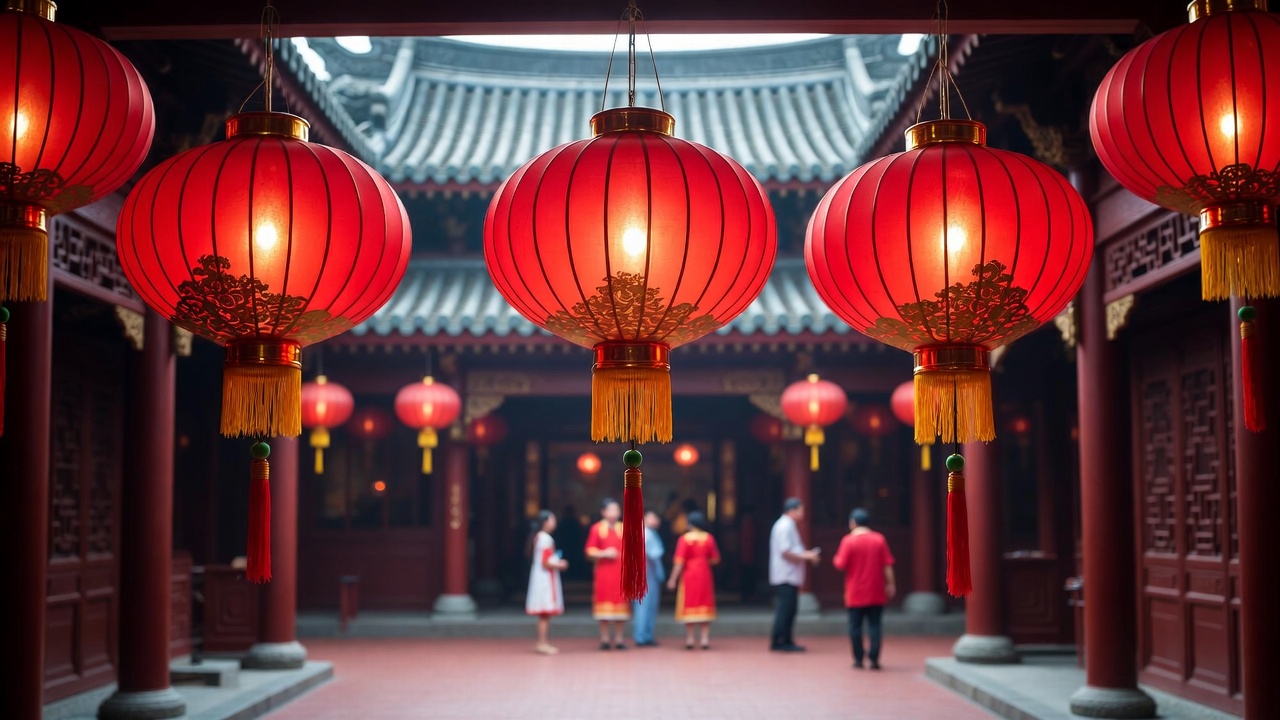
Set in a beautifully restored Qing Dynasty courtyard, this teahouse offers more intimate, traditional performances. The atmosphere features wooden beams, red lanterns, and the gentle sounds of teacups.
- Shorter sets (approximately 60 minutes)
- Deeper cultural storytelling emphasis
- Fewer acrobatic stunts
- More authentic historical setting
How to Book Sichuan Opera Tickets as an International Tourist
Booking Methods:
- Hotel concierge services — Most hotels can arrange tickets and transportation
- Online platforms — GetYourGuide, Klook, and Viator offer packages
- Local travel agencies — Often include dinner and transportation
- Direct venue booking — Visit box offices in person
- Tour packages — Combine with other Chengdu attractions
Performance Tips:
- Book VIP seating for closest views of face-changing
- Arrive early to enjoy the pre-show tea service
- Photography policies vary — ask before snapping
- Evening performances (7:00-8:00 PM start) are most common
- Combine with a visit to Jinli Ancient Street for a full cultural evening
Additional Sichuan Opera Elements:
Beyond face-changing, performances often include:
- Fire-spitting — Dramatic pyrotechnic displays
- Hand shadow puppetry — Intricate shadow figures
- Rolling light — Acrobatic performances with flaming torches
- Traditional music — Five distinct vocal and instrumental styles
- Storytelling segments — Classic tales from Chinese literature
Chinese Dragon Dance Traditions: Where to See Spectacular Performances During New Year
While the lion dance dominates southern China’s celebrations, the dragon dance (舞龙) commands equal reverence throughout the nation. These serpentine performances, involving dozens of coordinated dancers, represent some of Spring Festival’s most visually stunning traditions.
The Symbolism and History of Chinese Dragon Dance
In Chinese culture, the dragon symbolizes power, strength, and good luck. Unlike Western dragons associated with danger, the Chinese dragon represents benevolent supernatural power. Dragons traditionally controlled water, rainfall, typhoons, and floods — essential elements for an agricultural civilization.
Dragon dances may have originated over 2,000 years ago during the Han Dynasty. The performances were originally rain prayers, but evolved into celebratory rituals for harvests and festivals. Today, the dragon dance remains inseparable from Spring Festival celebrations throughout China and in Chinese communities worldwide.
Types of Dragon Dances:
| Type | Description |
|---|---|
| Fire Dragon | Incorporates firecrackers and flames; Hong Kong’s Tai Hang tradition |
| Cloth Dragon | Most common; colorful fabric over bamboo frame |
| Grass Dragon | Made from rice stalks; associated with harvest prayers |
| Bench Dragon | Sections mounted on benches; dramatic lifting movements |
| Jewelry Dragon | Decorated with lights and ornaments; Yueqing’s 400-year-old tradition |
Top Destinations for Dragon Dance Performances
Tongliang, Chongqing
Following its Spring Festival Gala debut, the Tongliang Dragon Dance became a must-see event across Chongqing’s rural towns. The performance was highlighted during China’s first “Intangible Cultural Heritage Spring Festival” in 2025.
Zhengding Ancient City, Hebei
This historic city near Shijiazhuang hosts spectacular dragon dance performances amid ancient architecture. Tourists watch performances at the scenic ancient city, experiencing the integration of historical sites and living traditions.
Anju Ancient Town, Tongliang District
Competitive dragon dances, lotus flower dragons, and straw dragons parade through streets during Spring Festival, attracting both local and international visitors.
Regional Dragon Dance Festivals Across China
Yueqing Jewelry Dragon, Zhejiang
The 400-year-old jewelry dragon of Yueqing represents one of China’s most precious dragon dance traditions. The ornate dragon, decorated with intricate beadwork and illumination, was featured prominently at the China Intangible Cultural Heritage Museum’s Spring Festival exhibition.
Wandering Dragon of Shangyuan, Fujian
This tradition combines dragon dance with fire festivals during the Lantern Festival period. Dragons “swim” through villages while fireworks and torches create dramatic visual effects.
Practical Information for Dragon Dance Experiences:
- Most performances occur during the first 15 days of the lunar new year
- Rural areas often host more traditional, authentic performances
- Evening performances feature illuminated dragons
- Temple fairs typically include dragon dance segments
- Check local tourism offices for performance schedules
China Visa-Free Policy for Spring Festival Travel: Essential Guide for International Visitors
One of the most significant developments for international travelers has been China’s expansion of visa-free policies, making Spring Festival experiences more accessible than ever before.
Understanding China’s 240-Hour Visa-Free Transit Policy
Since December 17, 2024, citizens from 55 countries can transit through China without a visa for up to 240 hours (10 days). This represents a significant expansion from the previous 72 or 144-hour limits.
Eligible Countries Include:
| Region | Countries |
|---|---|
| Europe (40 countries) | UK, Germany, France, Italy, Spain, Netherlands, Norway, Russia, etc. |
| Americas (6 countries) | USA, Canada, Brazil, Mexico, Argentina, Chile |
| Oceania (2 countries) | Australia, New Zealand |
| Asia (7 countries) | Japan, South Korea, Singapore, Brunei, UAE, Qatar, Indonesia |
Key Requirements:
- Must be traveling to a third country (not returning to departure country)
- Entry through designated international airports and ports
- Valid passport and confirmed onward ticket
- Stay within permitted geographic areas
30-Day Visa-Free Entry for Citizens of 38 Countries
Beyond transit privileges, citizens of 38 countries can enter China without a visa for purposes including business, tourism, family visits, and exchanges for up to 30 days.
According to Xinhua reports, inbound travel orders from foreign tourists surged by 203 percent year-on-year during Spring Festival 2025, with the majority of visitors coming from South Korea, Malaysia, Singapore, and Japan.
Practical Travel Tips for International Tourists During Spring Festival
Before You Go:
- Confirm your country’s visa status with Chinese embassy
- Book accommodation well in advance — hotels fill quickly
- Download translation apps (WeChat, Alipay for payments)
- Register mobile payment methods before arrival
- Print travel documents including hotel bookings and itinerary
Transportation During Chunyun:
The Spring Festival travel rush (chunyun) represents the world’s largest annual human migration. In 2025, ticket bookings for inbound flights surged 47 percent year-on-year.
| Transport Option | Advantages | Considerations |
|---|---|---|
| High-Speed Rail | Fast, efficient, scenic | Tickets sell quickly; book in advance |
| Domestic Flights | Cover long distances | Subject to weather delays; busiest travel period |
| Ride-Hailing | Convenient for local travel | Surge pricing during peak times |
| Metro Systems | Affordable in major cities | Very crowded during festival |
Accommodation Tips:
- Major cities (Beijing, Shanghai, Guangzhou) maintain good availability
- Smaller cities and heritage sites book up quickly
- Consider homestay experiences for authentic family dinners
- Boutique hotels near temple fair venues command premium prices
Cultural Etiquette:
- Wear red — It’s considered lucky
- Accept red envelopes graciously — Contains money; a generous gesture
- Avoid breaking things — Bad luck symbolism
- Don’t refuse food offers — Considered rude
- Learn basic greetings — “Xīnnián hǎo” (新年好) means “Happy New Year”
Best Chinese Cities for Intangible Heritage Spring Festival Experiences
Different cities across China offer distinct flavors of Spring Festival celebration. Here’s a comprehensive guide to help you choose your destination.
Beijing: Temple Fairs and Imperial Heritage
Why Choose Beijing:
- Historic temple fairs with centuries of tradition
- UNESCO World Heritage sites provide stunning backdrops
- Best selection of intangible heritage museums
- Excellent international connectivity
Must-Do Experiences:
- Visit Ditan Park Temple Fair
- Experience the imperial sacrifice reenactment
- Explore the China Intangible Cultural Heritage Museum
- Walk through festive Hutong neighborhoods
- Watch fireworks near the Forbidden City
Chengdu: Pandas, Opera, and Sichuan Culture
Why Choose Chengdu:
- Sichuan Opera face-changing performances
- Proximity to Zigong Lantern Festival
- World-famous giant panda research base
- UNESCO City of Gastronomy
Must-Do Experiences:
- Attend Sichuan Opera at Shufeng Yayun
- Day trip to Zigong Lantern Festival
- Visit giant pandas in festive decorations
- Explore Jinli Ancient Street
- Sample Sichuan hot pot and street snacks
Guangzhou and Foshan: Lion Dance Heartland
Why Choose the Pearl River Delta:
- Authentic Southern lion dance experiences
- Birthplace of martial arts culture
- Excellent Cantonese cuisine
- Warm winter weather
Must-Do Experiences:
- Watch lion dance at Foshan Ancestral Temple
- Visit Wong Fei Hung Lion Dance Museum
- Explore Lingnan Tiandi historic district
- Experience dim sum morning tea culture
- Participate in lion dance workshops
Xi’an: Ancient Capital Meets Living Heritage
Why Choose Xi’an:
- Terracotta Warriors in festive atmosphere
- Ancient City Wall lantern displays
- Historic Tang Dynasty culture
- Central position for exploring China
Must-Do Experiences:
- Walk illuminated City Wall during lantern festival
- Visit Terracotta Warriors Museum
- Explore Muslim Quarter food stalls
- Watch folk performances at ancient sites
- Try traditional Shaanxi cuisine
Shanghai: Modern Metropolis with Traditional Soul
Why Choose Shanghai:
- Yu Garden Lantern Festival tradition
- International accessibility
- Blend of traditional and modern experiences
- Excellent shopping and dining
Must-Do Experiences:
- Visit Yu Garden Lantern Festival (30th anniversary in 2025)
- Explore Yuyuan Bazaar during festival season
- Experience Pudong Dragon Dance
- Watch Hand Lion Dance (shoushiwu)
- Enjoy Shanghai’s global culinary scene
Planning Your Itinerary: Sample Spring Festival Cultural Heritage Tours
7-Day Northern China Heritage Tour
| Day | Location | Activities |
|---|---|---|
| 1 | Beijing | Arrive; evening walk through decorated streets |
| 2 | Beijing | Ditan Temple Fair; intangible heritage museum |
| 3 | Beijing | Forbidden City; Changdian Temple Fair |
| 4 | Beijing → Xi’an | High-speed train; evening city wall walk |
| 5 | Xi’an | Terracotta Warriors; City Wall Lantern Festival |
| 6 | Xi’an | Muslim Quarter; folk performance show |
| 7 | Xi’an | Departure or extension |
10-Day Southern China Heritage Experience
| Day | Location | Activities |
|---|---|---|
| 1 | Guangzhou | Arrive; explore city decorations |
| 2 | Foshan | Lion dance at Ancestral Temple; workshop |
| 3 | Foshan/Guangzhou | Wong Fei Hung Museum; Lingnan Tiandi |
| 4 | Guangzhou → Chengdu | Flight; evening Jinli exploration |
| 5 | Chengdu | Giant Pandas; Sichuan Opera evening show |
| 6 | Chengdu → Zigong | Day trip or overnight for lantern festival |
| 7 | Zigong/Chengdu | Lantern festival evening; return to Chengdu |
| 8 | Chengdu → Shanghai | Flight; Yu Garden evening |
| 9 | Shanghai | Yu Garden Lantern Festival; old town exploration |
| 10 | Shanghai | Departure |
14-Day Comprehensive Cultural Immersion
Combine elements from both itineraries, adding:
- Suzhou paper cutting experiences
- Hangzhou traditional tea culture
- Nanjing Qinhuai Lantern Festival
- Rural village celebrations in Anhui or Zhejiang
Practical Information and Cultural Tips for International Spring Festival Visitors
What to Pack for Spring Festival Travel in China
Essential Items:
| Category | Items |
|---|---|
| Clothing | Warm layers (especially northern China); red items for luck; comfortable walking shoes |
| Technology | Phone with Chinese apps (WeChat, Alipay); portable charger; universal adapter |
| Documents | Passport; printed hotel bookings; onward travel confirmation; travel insurance |
| Health | Hand sanitizer; mask (crowded venues); any personal medications |
| Cultural | Small gifts for hosts; red envelopes (optional); camera with good low-light capability |
Understanding Spring Festival Dates and Best Times to Visit
The Spring Festival follows the lunar calendar, meaning dates shift annually in the Western calendar.
Typical Festival Timeline:
| Event | Timing |
|---|---|
| Little New Year (Xiaonian) | 7 days before New Year’s Eve |
| New Year’s Eve (Chuxi) | Day before New Year |
| Spring Festival Day 1 | Chinese New Year |
| Spring Festival Days 2-6 | Family visits and celebrations |
| Lantern Festival (Yuanxiao) | 15th day of first lunar month |
2026 Dates:
- Chinese New Year: February 17, 2026 (Year of the Horse)
- Lantern Festival: March 3, 2026
Best Visiting Strategy:
For international visitors, consider:
- Arriving 2-3 days before New Year’s Eve to experience preparations
- Staying through the first week for peak festivities
- Remaining until Lantern Festival for the grand finale
Health and Safety Considerations
Weather Conditions:
Northern China (Beijing, Xi’an): Temperatures often below freezing; dress warmly Southern China (Guangzhou, Foshan): Mild winters; lighter layers sufficient Sichuan (Chengdu, Zigong): Cool and damp; waterproof jacket recommended
Crowd Management:
Temple fairs and popular attractions experience massive crowds during Spring Festival. Safety tips include:
- Visit early morning or late afternoon to avoid peak crowds
- Keep valuables secure in front-facing bags
- Establish meeting points if traveling with groups
- Download offline maps in case of network congestion
- Allow extra time for all transportation
Food Safety:
Street food is a highlight but choose wisely:
- Select vendors with high turnover
- Ensure food is freshly cooked and hot
- Carry basic medications for stomach upset
- Stay hydrated, especially at crowded events
Conclusion: Your Gateway to China’s Living Cultural Heritage
The Spring Festival represents far more than a holiday. It embodies thousands of years of tradition, wisdom, and community. For international travelers, experiencing these intangible heritage celebrations offers something increasingly rare in our modern world: authentic connection with living culture.
From the thundering drums accompanying Foshan’s lion dancers to the quiet precision of Xi’an paper cutting masters, from Beijing’s crowded temple fairs to the ethereal glow of Zigong’s lantern displays — each experience adds another layer of understanding to one of humanity’s most profound cultural traditions.
The UNESCO recognition of Spring Festival has opened new doors. China’s expanded visa policies have removed barriers. The infrastructure for cultural tourism continues to improve. For international visitors, there has never been a better time to experience China’s intangible heritage firsthand.
As you plan your journey, remember that the greatest souvenir you’ll bring home won’t fit in your luggage. It will be the memory of standing among thousands as the lion opens its eyes, the taste of handmade dumplings shared with a local family, the wonder of watching 200 lantern sets illuminate the Sichuan night, and the knowledge that you participated in traditions stretching back millennia.
Pack your curiosity. Embrace the chaos. And let the festivities begin.
Spring Festival is celebrated in nearly 200 countries and regions worldwide, with close to 20 nations designating it as an official public holiday. Each year, around one-fifth of the global population takes part in this cherished tradition. With UNESCO’s recognition, the Spring Festival has truly become a celebration belonging to all of humanity.