The rhythmic beat of drums echoes through streets draped in red lanterns. Fireworks illuminate the night sky as millions of families gather around steaming tables laden with dumplings and fish. This is Chinese New Year—the most significant celebration in the Chinese cultural calendar. For travelers, it presents both extraordinary opportunities and unique challenges.
Whether you are planning to witness the spectacular festivities in Beijing, escape to a tropical Southeast Asian beach, or explore the ancient temples of Japan during this period, understanding how to navigate flight and hotel bookings can mean the difference between a dream vacation and a financial nightmare. This guide reveals the budget-saving secrets that seasoned travelers use to book smart during the world’s largest annual human migration.
Understanding the Chinese New Year Travel Season: What Foreign Travelers Need to Know
Chinese New Year, also known as the Spring Festival (Chūnjié 春节), follows the lunar calendar and typically falls between late January and mid-February. The exact dates change each year. For reference:
| Year | Chinese New Year Date | Zodiac Animal |
|---|---|---|
| 2025 | January 29 | Snake |
| 2026 | February 17 | Horse |
| 2027 | February 6 | Goat |
The celebration spans 15 days, beginning with New Year’s Eve and ending with the Lantern Festival. However, the travel impact extends far beyond these two weeks.
The Chunyun Phenomenon: World’s Largest Human Migration
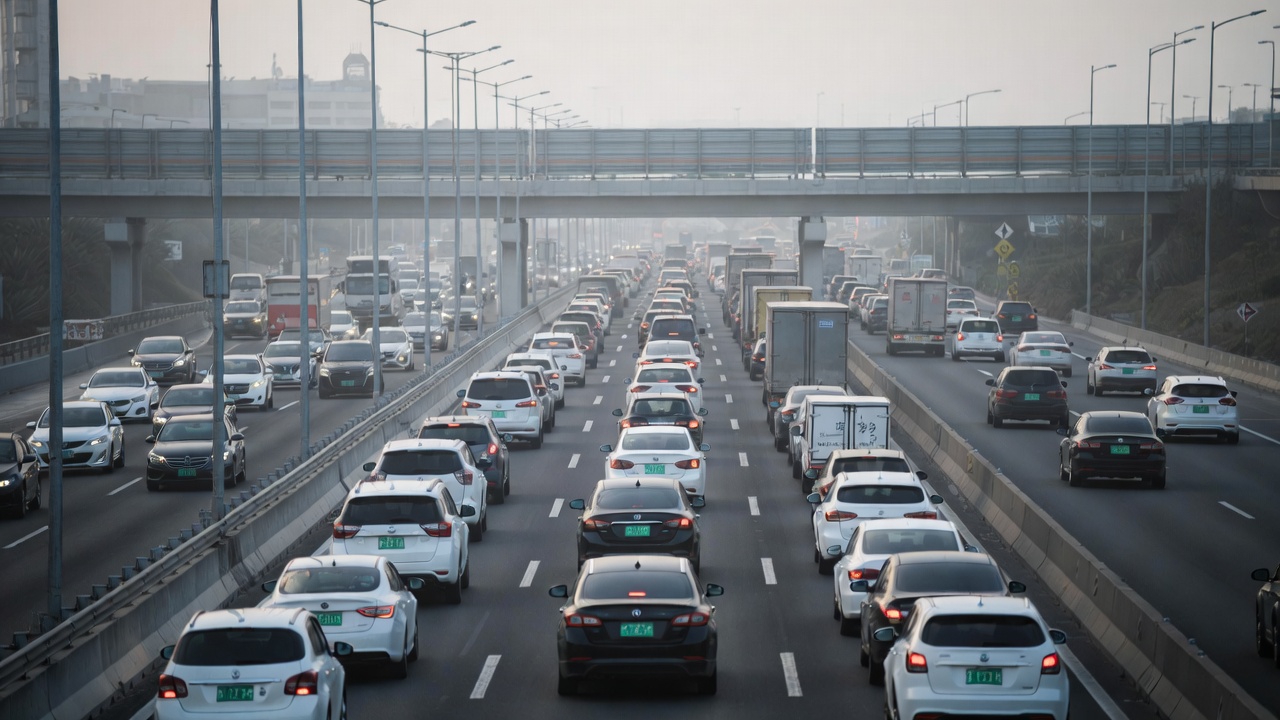
Chunyun (春运), literally meaning “Spring Movement,” refers to the 40-day travel rush surrounding Chinese New Year. It typically begins 15 days before New Year’s Day and continues for 25 days after. According to China’s Ministry of Transport, authorities estimated that the 2025 Chunyun period saw approximately 9 billion passenger journeys, with 80% of them made by car.
This massive movement creates a ripple effect across all of Asia. Flight prices surge. Hotel rooms disappear. Popular tourist destinations become crowded beyond belief. Yet understanding these patterns also reveals opportunities for smart travelers.
Key dates to remember:
- Peak departure dates: 3-7 days before New Year’s Eve
- Peak return dates: 5-10 days after New Year’s Day
- Quieter windows: Mid-celebration period (days 3-5 of the festival)
Best Time to Book Flights for Chinese New Year Travel: Early Bird Strategies
The golden rule of Chinese New Year travel booking is simple: book early or pay dearly. But how early is early enough? Research shows that the optimal booking window varies depending on your destination and flexibility.
Optimal Booking Windows for Different Travel Types
| Travel Type | Recommended Booking Window | Expected Savings |
|---|---|---|
| Short-haul Asia (Japan, Korea, Thailand) | 3-4 months in advance | 20-35% compared to last-minute |
| Long-haul (Europe, North America, Australia) | 4-6 months in advance | 25-40% compared to last-minute |
| Domestic China flights | 2-3 months in advance | 15-30% compared to last-minute |
According to ForwardKeys, a travel analytics company, outbound travel from China to other Asian destinations increased by 48% year-on-year during Chinese New Year 2025. This surge in demand means that procrastinators face dramatically higher prices.
The Price Surge Timeline
Flight prices for Chinese New Year travel follow a predictable pattern:
- October-November: Prices stable; best time to lock in deals
- December (early): Prices begin rising; still reasonable options available
- December (late): Significant price increases; limited seat availability
- January: Premium pricing kicks in; expect 50-100% above normal rates
- Last two weeks before travel: Emergency pricing; often 2-3x normal rates
Pro tip: Set up price alerts on platforms like Google Flights, Skyscanner, or Hopper by September for travel in late January or February. These tools track price fluctuations and notify you when fares drop to attractive levels.
Cheapest Days to Fly During Chinese New Year: Timing Your Departure Wisely
Not all days during the Spring Festival period are created equal. Strategic timing can save you hundreds of dollars on airfare.
The Weekly Pricing Pattern
Data from multiple travel platforms consistently shows:
| Day of Week | Price Level | Recommendation |
|---|---|---|
| Monday | Medium | Reasonable option |
| Tuesday | Low | Best for departures |
| Wednesday | Low | Best for departures |
| Thursday | Medium | Acceptable |
| Friday | High | Avoid if possible |
| Saturday | Highest | Peak pricing |
| Sunday | High | Premium rates |
A study cited by travel analysts found that midweek departures (Tuesday/Wednesday) showed 14% lower average fares compared to Saturday departures on identical routes during February 2024.
Strategic Travel Dates Within the Festival
The smartest travelers exploit the “valley” in the middle of the celebration:
High-cost dates (avoid if possible):
- 7-10 days before New Year’s Eve (peak departure)
- New Year’s Eve
- Day 1-2 of the New Year
- Days 6-8 (peak return period)
Lower-cost dates (target these):
- Days 3-5 of the festival (families are home celebrating)
- 2+ weeks before the festival (before the rush begins)
- 10+ days after the festival (return traffic diminishes)
How to Find Cheap Flights to Asia During Spring Festival: Platform Comparison
Different booking platforms have different strengths. Understanding which platform works best for your specific needs can unlock significant savings.
Top Flight Booking Platforms for Asian Travel
1. Skyscanner
- Strengths: Comprehensive search across hundreds of airlines; excellent “Everywhere” feature; strong price alerts
- Best for: Initial research; comparing options across multiple airlines
- Average savings: 12-15% below competitors according to independent tests
2. Google Flights
- Strengths: Fast search; excellent date flexibility tools; price trend predictions
- Best for: Flexible travelers who can adjust dates; tracking price changes
- Unique feature: “Explore” map shows cheapest destinations
3. Trip.com (formerly Ctrip)
- Strengths: Unmatched Asia coverage; excellent local partnerships; competitive China domestic prices
- Best for: Flights within Asia; booking in China; last-minute Asia deals
- Note: Based in Shanghai; often 5-15% cheaper for Asia routes than Western platforms
4. Momondo
- Strengths: Deep searches including smaller airlines; strong for budget carriers
- Best for: Budget travelers; discovering lesser-known airlines
- Recognition: Consistently rated among top platforms by Forbes and Time
5. Traveloka
- Strengths: Excellent Southeast Asia coverage; no hidden fees; promotions
- Best for: Southeast Asian destinations; travelers familiar with the region
Platform Comparison for Chinese New Year Travel
| Platform | Asia Coverage | Price Competitiveness | User Experience | Mobile App |
|---|---|---|---|---|
| Skyscanner | Excellent | Very Good | Excellent | Strong |
| Google Flights | Very Good | Good | Excellent | Web-focused |
| Trip.com | Outstanding | Excellent for Asia | Good | Very Strong |
| Momondo | Very Good | Very Good | Good | Good |
| Traveloka | Southeast Asia focus | Good | Good | Strong |
Expert recommendation: Search on multiple platforms. Start with Google Flights for date flexibility insights, compare prices on Skyscanner and Trip.com, then book where you find the best combination of price and reliability.
Budget-Friendly Chinese New Year Destinations for International Travelers
Not all destinations experience the same price surges during Chinese New Year. Some locations actually become more affordable as Chinese tourists head home, while others offer unique value propositions.
Destinations Where Prices May Actually Drop
1. Major Chinese Cities (Beijing, Shanghai, Guangzhou)
Counter-intuitive but true: these cities experience a population exodus during the festival as migrant workers return to their hometowns. Dragon Trail International reports that first-tier cities can see significant population drops during the week of the New Year. Hotels in business districts often lower prices to attract the remaining travelers.
Advantages:
- Hotel prices may drop 20-40% in business areas
- Major attractions are less crowded
- Authentic Spring Festival atmosphere
Challenges:
- Many small restaurants and shops close
- Limited local dining options
- Some attractions may have reduced hours
2. Off-Peak European Destinations
While Chinese travelers increasingly visit Europe during Spring Festival, Western European winter destinations remain relatively unaffected. Consider:
- Portugal: Mild winter weather; reasonable prices
- Eastern Europe (Czech Republic, Hungary, Poland): Significantly cheaper than Western Europe
- Scandinavia: Unique winter experiences; northern lights opportunities
3. South America
Still emerging as a Chinese tourist destination, South America offers authentic experiences without the crowds:
- Argentina: February is summer; wine country at its best
- Chile: Patagonia access; excellent value
- Peru: Machu Picchu without the masses
Destinations with Value-Added Experiences
Japan deserves special mention. Despite being the most popular overseas destination for Chinese travelers during Spring Festival, Japan offers exceptional value for foreign visitors. The depreciated yen has made Japan incredibly attractive. ForwardKeys data showed a 104% increase in Chinese travel to Japan during CNY 2025 compared to 2024—yet prices remained reasonable compared to pre-pandemic years.
Why Japan works:
- Yen depreciation benefits all foreign visitors
- Excellent public transportation (no surge pricing)
- Many attractions maintain fixed admission prices
- Off-the-beaten-path destinations offer value
Best value areas in Japan during CNY:
- Tohoku region (northern Honshu)
- Shikoku island
- Kyushu (outside Fukuoka)
- Rural Hokkaido (beyond ski resorts)
Chinese New Year Hotel Booking Tips: Securing Accommodation Without Overpaying
Hotel booking during Chinese New Year requires a different strategy than flight booking. Understanding the dynamics of the hotel market can save you significant money.
When to Book Hotels for Chinese New Year Travel
The hotel booking sweet spot differs from flights:
| Destination Type | Optimal Booking Window | Why |
|---|---|---|
| Popular tourist cities | 2-3 months in advance | Balance of availability and price |
| Business cities in China | 1-2 weeks before (or during) | Prices drop as business travelers leave |
| Resort destinations | 3-4 months in advance | Limited inventory; early = better selection |
| Off-the-beaten-path | 2-4 weeks in advance | Less demand; flexible pricing |
According to Remitly’s travel research, for international trips, the 6-8 week window typically produces optimal results. However, for peak season travel like Chinese New Year, booking 3-6 months ahead is safer to avoid sold-out properties.
Best Hotel Booking Platforms for Asia Travel
1. Trip.com
- Strengths: Largest inventory of Chinese hotels; many properties not listed elsewhere; competitive prices
- Best for: All travel in China; regional Asia travel
- Important note: Confirms hotels that accept foreign guests—crucial for China travel
2. Agoda
- Strengths: Excellent Southeast Asia coverage; strong deals; loyalty program
- Best for: Thailand, Vietnam, Indonesia, Malaysia; budget-conscious travelers
3. Booking.com
- Strengths: Flexible cancellation policies; wide global coverage; reliable service
- Best for: Europe; travelers wanting flexibility; first-time visitors
4. Hotels.com
- Strengths: “Stay 10 nights, get 1 free” loyalty program; solid coverage
- Best for: Frequent travelers; those who value loyalty rewards
The Foreigner Registration Factor in China
Critical information for China travel: Not all hotels in China can legally accommodate foreign guests. Chinese law requires hotels to register foreign visitors with local authorities. While the law technically requires all hotels to accept foreigners, many smaller or older properties lack the registration systems or English-speaking staff to handle international guests.
Trip.com confirms which properties accept foreigners before allowing bookings—a significant advantage over generic booking platforms.
Money-Saving Strategies for Chinese New Year Accommodation
Beyond platform selection and timing, specific strategies can dramatically reduce accommodation costs.
Alternative Accommodation Options
1. Serviced Apartments
During extended stays, serviced apartments often cost 30-50% less than equivalent hotel rooms while offering:
- Kitchen facilities (save on dining costs)
- More space for families
- Washing machines (pack lighter)
2. Hostels and Guesthouses
Asia’s hostel scene has evolved significantly. Modern hostels offer:
- Private rooms (not just dorms)
- Excellent social atmospheres
- Local knowledge from staff and fellow travelers
- Prices 60-80% below hotels
3. Alternative Neighborhoods
Tourist districts command premium prices. Consider staying in:
| City | Tourist Area | Budget Alternative | Savings Potential |
|---|---|---|---|
| Tokyo | Shinjuku/Shibuya | Ueno, Kinshicho | 30-40% |
| Bangkok | Sukhumvit | Ari, Thonburi | 25-35% |
| Singapore | Marina Bay | Geylang, Lavender | 35-45% |
| Shanghai | Pudong/Bund | Jing’an, Hongkou | 20-30% |
Pro tip: Cities with excellent public transportation (Tokyo, Singapore, Hong Kong, Shanghai) make staying in outlying areas practical. A 20-minute subway ride can save hundreds of dollars.
The “Book Early, Monitor Later” Strategy
Smart travelers use this approach:
- Book a refundable room 3-4 months in advance
- Set up price alerts for your dates and destination
- Monitor prices leading up to your trip
- Rebook if prices drop significantly
- Cancel original reservation (ensure free cancellation policy)
This strategy provides security (you have a room) while maintaining flexibility to capitalize on price drops.
Visa-Free Travel to China: How Entry Policy Changes Affect Your Trip Planning
China has dramatically expanded visa-free access for foreign travelers, creating new opportunities for Chinese New Year travel.
Countries with 30-Day Visa-Free Access to China (2025-2026)
As of November 2025, China offers 30-day visa-free entry to citizens from 46 countries through its unilateral visa-free policy, extended until December 31, 2026. This includes:
European Union & Europe: Austria, Belgium, Bulgaria, Croatia, Cyprus, Czech Republic, Denmark, Estonia, Finland, France, Germany, Greece, Hungary, Iceland, Ireland, Italy, Latvia, Liechtenstein, Luxembourg, Malta, Monaco, Montenegro, Netherlands, North Macedonia, Norway, Poland, Portugal, Romania, Slovakia, Slovenia, Spain, Sweden, Switzerland
Asia-Pacific: Australia, Brunei, Japan, Malaysia, New Zealand, Singapore, South Korea
Americas: Argentina, Brazil, Chile, Peru, Uruguay
Eligible purposes:
- Tourism
- Business
- Family visits
- Transit
According to China’s National Immigration Administration, visa-free entries accounted for 72.2% of all foreign arrivals in the third quarter of 2025—a 48.3% year-on-year increase.
240-Hour Visa-Free Transit Policy
Even if your country isn’t on the 30-day list, you may qualify for 240-hour (10-day) visa-free transit if you:
- Hold a valid passport from one of 55 eligible countries
- Have a confirmed ticket to a third country (not your origin)
- Enter through one of 60 designated ports
- Stay within permitted areas
Eligible countries include: United States, United Kingdom, Canada, Russia, Indonesia, and many others.
Important: Hong Kong, Macau, and Taiwan count as “third countries” for transit purposes, enabling creative itineraries.
Navigating Chunyun: Essential Tips for Traveling Within China During Spring Festival
If your Chinese New Year adventure includes travel within China, understanding Chunyun dynamics becomes essential.
Air Travel Within China During Spring Festival
Good news: Domestic flights in China are less affected by Chunyun than trains and buses. Most migrant workers cannot afford air travel, keeping airports relatively less chaotic than train stations.
Flight booking tips:
- Book through Trip.com or the airlines’ official apps (Air China, China Eastern, China Southern)
- Consider smaller airports when available
- Early morning and late evening flights typically have better availability
- Expect prices 50-100% higher than off-peak periods
Train Travel: The Real Chunyun Challenge
Train tickets represent the biggest challenge. China Railway operates one of the world’s most extensive high-speed rail networks, but demand during Chunyun far exceeds capacity.
Key facts:
- Tickets go on sale 15 days before departure for online bookings
- According to China Railway, the 2025 Spring Festival period saw over 510 million railway trips
- Standing-room tickets are common on regular trains
- High-speed trains (G and D trains) sell out faster but are more comfortable
Booking strategies:
- Book exactly when tickets become available (15 days ahead)
- Use Trip.com’s English interface rather than the Chinese 12306.cn
- Consider alternative routes (connections through smaller cities)
- High-speed trains are less crowded than regular trains
- Avoid the busiest routes:
- Beijing–Harbin
- Beijing–Xi’an
- Guangzhou–Wuhan
- Shanghai–Xi’an
Apps You Need for China Travel During CNY
| App | Purpose | Language | Availability |
|---|---|---|---|
| Trip.com (携程国际版) | Flights, trains, hotels | English | Global app stores |
| Amap (高德地图) | Navigation, ride-hailing | Chinese | Chinese app stores |
| Alipay | Payments | English/Chinese | Global app stores |
| Communication, payments | English/Chinese | Global app stores | |
| DiDi | Ride-hailing | English | Global app stores |
Chinese New Year Travel Safety and Cultural Etiquette
Beyond logistics and budgets, respecting local customs enhances your travel experience and ensures smooth interactions.
Cultural Etiquette During Spring Festival
Do:
- Learn basic greetings: “新年快乐” (Xīnnián kuàilè) means “Happy New Year”
- Accept red envelopes (hóngbāo) with both hands if offered
- Admire decorations and ask questions—locals appreciate your interest
- Try traditional foods when invited
Don’t:
- Give clocks as gifts (symbolizes death in Chinese culture)
- Wear all white or black (funeral colors)
- Discuss negative topics on New Year’s Day
- Point at the moon (considered disrespectful)
Safety Considerations
Crowd safety:
- Major attractions experience extreme crowds
- Follow local safety instructions
- Keep valuables secure in crowded areas
- Have hotel contact information accessible
Health preparations:
- Air quality can deteriorate due to fireworks
- Bring any necessary medications (pharmacies may have limited hours)
- Stay hydrated in heated indoor environments
Sample Budget Itineraries: Chinese New Year Travel Packages That Won’t Break the Bank
Here are three sample itineraries designed to maximize experience while minimizing costs.
Budget Itinerary 1: Japan Cultural Experience (7 Days)
Target budget: $1,200-1,500 per person (excluding international flights)
| Day | Location | Accommodation | Estimated Cost |
|---|---|---|---|
| 1-2 | Tokyo (arrival) | Hostel in Ueno | $50/night |
| 3-4 | Kyoto | Guesthouse | $60/night |
| 5-6 | Osaka | Budget hotel | $70/night |
| 7 | Tokyo (departure) | Airport hotel | $80/night |
Cost breakdown:
- Accommodation: ~$420
- JR Pass (7 days): ~$280
- Food (budget): ~$280
- Attractions: ~$100
- Local transport: ~$50
Why it works during CNY:
- Fixed-price JR Pass unaffected by holiday surcharges
- Many budget accommodations maintain regular prices
- Yen depreciation maximizes value
Budget Itinerary 2: Thailand Beach Escape (10 Days)
Target budget: $800-1,100 per person (excluding international flights)
| Day | Location | Accommodation | Estimated Cost |
|---|---|---|---|
| 1-3 | Bangkok | Hostel in Khao San | $25/night |
| 4-7 | Krabi (beaches) | Guesthouse | $35/night |
| 8-9 | Chiang Mai | Budget hotel | $30/night |
| 10 | Bangkok (departure) | Airport area | $40/night |
Budget-saving elements:
- Domestic flights on AirAsia often under $50
- Street food keeps dining costs low
- Beach activities are free
- Temple visits have minimal admission fees
Budget Itinerary 3: China Cultural Discovery (8 Days)
Target budget: $1,000-1,400 per person (excluding international flights)
| Day | Location | Accommodation | Estimated Cost |
|---|---|---|---|
| 1-3 | Beijing | Budget hotel in Dongcheng | $50/night |
| 4-5 | Xi’an | Budget hotel near Muslim Quarter | $40/night |
| 6-8 | Shanghai | Budget hotel in Jing’an | $55/night |
Why visit China during CNY:
- Experience authentic festival celebrations
- Major cities are less crowded as locals go home
- Unique cultural opportunities unavailable at other times
- Spectacular decorations and festivities
Common Mistakes to Avoid When Booking Chinese New Year Travel
Learn from others’ expensive lessons.
Mistake 1: Waiting Too Long to Book Flights
The problem: Flight prices can double or triple in the final weeks before Chinese New Year.
The solution: Book 3-4 months in advance for short-haul; 4-6 months for long-haul.
Mistake 2: Ignoring Alternative Airports
The problem: Major airports (Tokyo Narita, Beijing Capital, Shanghai Pudong) command premium prices.
The solution: Consider alternatives:
- Tokyo Haneda instead of Narita (often similar prices, more convenient)
- Shenzhen instead of Hong Kong (significantly cheaper, easy border crossing)
- Osaka Kansai instead of Tokyo for western Japan trips
Mistake 3: Booking Non-Refundable Rates Too Early
The problem: Plans change. Non-refundable bookings become costly mistakes.
The solution: Pay slightly more for flexible cancellation, especially when booking far in advance.
Mistake 4: Forgetting About Exchange Rates
The problem: Currency fluctuations can significantly impact total trip costs.
The solution:
- Monitor exchange rates using apps like XE or Wise
- Consider locking in rates when favorable
- Factor potential fluctuations into your budget
Mistake 5: Underestimating Domestic Travel Demand
The problem: Assuming domestic travel within Asian countries will be easy during CNY.
The solution: Book domestic flights and train tickets well in advance, especially for routes between major cities.
Technology Tools for Chinese New Year Travel Planning
Leverage technology to maximize savings and minimize stress.
Essential Price Tracking Tools
| Tool | Function | Best Feature | Cost |
|---|---|---|---|
| Google Flights | Flight search | Date flexibility grid | Free |
| Hopper | Price prediction | “Watch” feature with notifications | Free |
| Skyscanner | Flight comparison | Price alerts via email | Free |
| Kayak | Multi-platform search | Price forecast tool | Free |
Payment and Money Management
For China specifically:
- Alipay: Widely accepted; now supports international credit cards
- WeChat Pay: Essential for many small purchases; international card support improving
- Wise (formerly TransferWise): Best exchange rates for currency conversion
- Revolut: Fee-free spending in multiple currencies
Communication Apps
Essential downloads before traveling to China:
- VPN service: Gmail, WhatsApp, Instagram, and many Western apps are blocked in China
- WeChat: China’s super-app for messaging, payments, and services
- Baidu Maps or Amap: Google Maps doesn’t work in China
Frequently Asked Questions About Chinese New Year Travel
Q: Is it a bad idea to travel during Chinese New Year?
A: Not necessarily. While it requires more planning and typically costs more, Chinese New Year offers unique cultural experiences unavailable at other times. The key is smart planning, early booking, and realistic expectations.
Q: How much more expensive are flights during Chinese New Year?
A: Typically 30-100% more expensive than shoulder season, depending on the route and booking timing. Early bookers often pay only 30-40% premiums, while last-minute travelers may face 100%+ increases.
Q: Should I avoid traveling to China during Spring Festival?
A: Not entirely. First-tier cities like Beijing and Shanghai experience population drops, making them surprisingly pleasant. The main challenges are domestic transportation and some businesses closing.
Q: Are hotels more expensive during Chinese New Year?
A: In tourist areas and resort destinations, yes—often 50-100% more. However, business districts in major Chinese cities may actually see price drops as business travel diminishes.
Q: Can I use my credit card in China during Chinese New Year?
A: International credit cards work at major hotels and some restaurants, but mobile payment (Alipay or WeChat Pay) dominates daily transactions. Both apps now support linking international cards.
Final Thoughts: Making the Most of Chinese New Year Travel
Chinese New Year represents one of humanity’s greatest cultural celebrations. The challenge of traveling during this period is real, but so are the rewards. Witnessing families reunite across thousands of miles, experiencing the explosion of fireworks at midnight, and sharing a dumpling with new friends—these moments transcend any budget concerns.
The ultimate budget-saving secret isn’t just about finding the cheapest flight or hotel. It’s about understanding the rhythm of this celebration and positioning yourself to experience its magic without financial stress.
Your action checklist:
- [ ] Set flight price alerts 4-6 months before your travel dates
- [ ] Research visa requirements for your destination
- [ ] Download essential apps (payment, navigation, communication)
- [ ] Book accommodation with flexible cancellation terms
- [ ] Learn basic cultural etiquette phrases
- [ ] Plan for crowds and potential business closures
- [ ] Purchase travel insurance covering your dates
Whether you’re watching lion dances in Hong Kong, soaking in an onsen in Japan, or exploring the temples of Thailand, your Chinese New Year adventure awaits. Book smart, travel wise, and embrace the Year of the Snake.
恭喜发财 (Gōngxǐ fācái) — May you have a prosperous journey!
Hidden Gems: Lesser-Known Destinations for Chinese New Year 2026
While most travelers flock to well-known destinations, hidden gems offer exceptional experiences at fraction of the cost. These alternatives provide authentic cultural encounters without the crowds and premium prices.
Underrated Southeast Asian Destinations
1. Penang, Malaysia
Georgetown’s UNESCO World Heritage Site transforms during Chinese New Year. As one of the most Chinese-influenced cities outside China, Penang offers:
- Authentic Hokkien and Teochew celebrations with traditional rituals
- Street art and historic shophouses adorned with festive decorations
- Affordable accommodation averaging 40-50% less than Singapore
- World-famous street food at local prices
- Kek Lok Si Temple illuminated with thousands of lanterns
Budget estimate: $50-70/day including accommodation, food, and activities
2. Hoi An, Vietnam
This ancient trading port celebrates both Chinese and Vietnamese New Year traditions:
- Lantern-lit ancient town creates magical evening atmospheres
- Affordable tailoring for custom clothes at unbeatable prices
- Beach access just 15 minutes away
- UNESCO World Heritage status ensures cultural preservation
- Significantly cheaper than Thai beach destinations
Budget estimate: $40-60/day for comfortable travel
3. Yogyakarta, Indonesia
While most Chinese New Year travelers head to Bali, Yogyakarta offers:
- Cultural depth: Borobudur and Prambanan temples nearby
- Traditional Javanese culture blended with Chinese influences
- Extremely affordable: Quality hotels under $30/night
- Authentic experiences without tourist markup
- Gateway to Mount Merapi for adventure travelers
Budget estimate: $35-50/day for comfortable exploration
Off-the-Beaten-Path Japan
Beyond Tokyo and Kyoto, consider these alternatives:
1. Kanazawa
Often called “Little Kyoto,” Kanazawa offers:
- Well-preserved geisha districts without Kyoto crowds
- Kenroku-en Garden: One of Japan’s three most beautiful gardens
- Fresh seafood from the Sea of Japan at reasonable prices
- Traditional crafts: Gold leaf production and Kutani pottery
2. Takayama
This mountain town in the Japanese Alps provides:
- Traditional Edo-period architecture perfectly preserved
- Morning markets with local produce and crafts
- Onsen experiences at fraction of famous resort prices
- Hida beef: World-class wagyu at local prices
3. Nagasaki
Japan’s “Chinese city” celebrates New Year with unique traditions:
- Nagasaki Lantern Festival (often coincides with Chinese New Year)
- Thousands of lanterns transform the city
- Chinese-influenced cuisine: Champon and sara udon
- Historical significance for international understanding
Comprehensive Packing Guide for Chinese New Year Travel in Asia
Smart packing reduces costs by avoiding emergency purchases and enabling flexibility.
Essential Items for Winter Travel in North Asia
| Category | Essential Items | Why It Matters |
|---|---|---|
| Clothing | Thermal underwear, down jacket, waterproof outer layer | Winter temperatures in China, Korea, Japan can drop below freezing |
| Footwear | Waterproof walking shoes, warm socks | Snow and rain common; cold feet ruin experiences |
| Accessories | Hat, gloves, scarf, hand warmers | Essential for outdoor celebrations and temple visits |
| Electronics | Power bank, universal adapter, VPN (for China) | Constant phone use for navigation and payments |
| Documents | Passport copies (physical and digital), travel insurance | Peace of mind and emergency backup |
Tropical Destination Packing
| Category | Essential Items | Notes |
|---|---|---|
| Clothing | Light, breathable fabrics; modest temple attire | Many temples require covered shoulders and knees |
| Protection | Reef-safe sunscreen, insect repellent | Tropical sun is intense; mosquitoes carry diseases |
| Footwear | Sandals, water shoes, one pair closed-toe | Varied terrain from beaches to temples |
| Rain gear | Compact umbrella or poncho | Sudden rain showers common |
Technology Essentials
For China specifically:
- Download VPN before arrival (cannot download inside China)
- Offline maps using Maps.me or pre-downloaded Google Maps areas
- Translation app with offline capability (Google Translate downloads)
- E-SIM or local SIM for reliable connectivity
- Payment apps configured and tested before trip
Understanding Asian Airline Pricing During Chinese New Year
Airline-Specific Strategies
Different airlines employ different pricing strategies during the Spring Festival period.
Full-Service Carriers (Singapore Airlines, Cathay Pacific, Japan Airlines)
- Pricing pattern: Gradual increases starting 4-5 months before travel
- Best approach: Book early for competitive rates
- Hidden value: Often include checked baggage and meals
- Loyalty benefits: Points earnings and upgrades possible
Budget Carriers (AirAsia, Scoot, Jetstar)
- Pricing pattern: Dynamic pricing with flash sales
- Best approach: Monitor social media for promotional codes
- Watch for: Add-on fees that eliminate savings
- Sweet spot: Tuesday-Wednesday departures, early morning flights
Chinese Airlines (Air China, China Eastern, China Southern)
- Pricing pattern: Competitive on routes to/from China
- Best approach: Book through Trip.com or airline apps
- Benefits: Often cheaper than foreign carriers for China routes
- Note: English service improving but Chinese-focused
Baggage Strategies for Budget Carriers
Budget airlines earn significant revenue from baggage fees. Smart strategies:
- Travel light: Carry-on only saves $30-80 per flight
- Pre-purchase baggage: 40-60% cheaper than airport fees
- Share allowance: Some airlines allow pooling for groups
- Wear heavy items: Coats and boots don’t count as carry-on weight
Health and Wellness Considerations for Chinese New Year Travel
Pre-Trip Health Preparation
Recommended vaccinations for Asia travel:
- Hepatitis A and B (most destinations)
- Typhoid (Southeast Asia, rural China)
- Japanese Encephalitis (rural areas, extended stays)
- Influenza (peak season coincides with CNY)
Consult a travel medicine specialist 6-8 weeks before departure.
Managing Crowds and Air Quality
Chinese New Year celebrations involve:
- Fireworks: Can significantly degrade air quality
- Temple burning: Incense smoke in enclosed spaces
- Crowds: Potential for respiratory illness transmission
Preparation strategies:
- Pack N95 or KN95 masks
- Carry hand sanitizer
- Stay hydrated in heated indoor environments
- Consider travel insurance with medical evacuation coverage
Food Safety During Festival Travel
Street food is part of the cultural experience, but exercise caution:
Safer choices:
- Freshly cooked dishes served hot
- Popular stalls with high turnover
- Peelable fruits
- Bottled or boiled water
Higher risk (consume with caution):
- Raw vegetables or salads
- Cut fruits from street vendors
- Ice in drinks (outside major hotels)
- Reheated dishes sitting at room temperature
Building Your Chinese New Year Travel Timeline
Proper timing transforms your experience from stressful to seamless.
6 Months Before Departure
Actions:
- Finalize destination selection based on budget and interests
- Set up flight price alerts on multiple platforms
- Verify passport validity (6+ months required for most destinations)
- Research visa requirements and apply if necessary
- Book any must-have accommodation in high-demand areas
Budget allocation:
- Reserve 50% of estimated trip cost for flights and accommodation deposits
3-4 Months Before Departure
Actions:
- Book flights if prices are acceptable
- Finalize accommodation bookings (flexible cancellation recommended)
- Purchase travel insurance
- Begin researching specific activities and attractions
- Start learning basic phrases in destination language
Budget checkpoint:
- 70% of major expenses should be booked or reserved
1-2 Months Before Departure
Actions:
- Book domestic transportation (trains, internal flights)
- Reserve restaurant reservations for special dinners
- Download and configure necessary apps
- Exchange some currency or arrange travel cards
- Confirm all bookings and create organized itinerary
2 Weeks Before Departure
Actions:
- Final confirmation of all reservations
- Download offline maps and translation tools
- Check weather forecasts and adjust packing
- Notify bank of travel plans
- Prepare copies of important documents
Final Week
Actions:
- Complete packing using checklist
- Charge all electronics
- Enable international roaming or arrange local SIM/eSIM
- Confirm airport transportation
- Final check of entry requirements
Real Traveler Experiences: Lessons from Chinese New Year Journeys
Success Story: The Early Planner
Profile: American couple, first trip to Asia
Approach: Started planning in August for late January travel
Results:
- Booked flights to Japan for 35% below December prices
- Secured hotel in Kyoto’s Gion district (usually sold out by December)
- Total savings estimated at $1,200 compared to last-minute booking
Key insight: “We thought we were being paranoid booking so early. Watching prices double by December proved we made the right call.”
Learning Experience: The Procrastinator
Profile: British solo traveler, experienced but didn’t plan early
Situation: Decided on China trip in early January for late January travel
Challenges faced:
- Flight costs 85% higher than August prices
- First-choice hotels sold out; paid premium for alternatives
- Train tickets unavailable; had to adjust itinerary
Key insight: “I’ve traveled extensively and never had issues booking a month out. Chinese New Year is completely different. The whole of Asia is on the move.”
Budget Win: The Flexible Traveler
Profile: Australian backpacker, gap year travel
Strategy: Flexible dates and destinations
Execution:
- Used Skyscanner “Everywhere” feature to find cheapest destination
- Discovered Vietnam significantly cheaper than initial Thailand plan
- Traveled on Day 4 of festival (valley period)
- Stayed in guesthouses and ate local food
Results: Completed 14-day trip for under $900 including flights from Australia
Key insight: “Flexibility is currency during Chinese New Year. Being willing to go where the deals are saved me a fortune.”
Future Trends: How Chinese New Year Travel is Evolving
Understanding emerging trends helps travelers stay ahead of the curve.
Growing Interest in Long-Haul Destinations
Travel data shows Chinese travelers increasingly exploring distant destinations:
- Europe: Countries like France, UK, Spain, and Netherlands saw growth exceeding 30% in CNY 2025
- North America: Flight capacity to Canada increased by 165%
- Australia and New Zealand: Growing as summer escape destinations
Implication for foreign travelers: Competition for seats on long-haul flights may increase; book even earlier.
Rise of Independent Travel
The era of organized group tours is declining:
- Solo trips increased 8% compared to 2019
- Couples’ travel grew 6%
- Group travel demand dropped 44% for regional trips
- Long-haul group travel declined over 50%
Implication: Competition for boutique hotels and unique experiences increases while large group hotels may offer deals.
Digital Payment Revolution
Chinese travelers’ payment habits are changing travel infrastructure across Asia:
- Alipay reported 30% increase in overseas transactions during CNY 2025
- Singapore saw 56% year-on-year increase in total Alipay spend
- Japan experienced 40% increase in Chinese mobile payment transactions
Implication for foreign travelers: More vendors accepting digital payments; carry less cash but have backup payment methods.
Conclusion: Your Path to an Unforgettable Chinese New Year Adventure
Chinese New Year travel requires more planning than typical vacations. But the rewards—authentic cultural experiences, festive atmospheres, and unforgettable memories—justify the extra effort.
Remember these core principles:
- Book early: Flights 3-6 months ahead; hotels 2-4 months ahead
- Stay flexible: Midweek travel and alternative destinations save money
- Use local platforms: Trip.com and regional apps often beat Western booking sites
- Respect the culture: Understanding traditions enriches your experience
- Embrace the chaos: Crowds and celebrations are part of the adventure
The dragon may rest, but the spirit of Chinese New Year never sleeps. Whether you’re seeking fireworks over Victoria Harbour, lanterns illuminating ancient temples, or simply the warmth of shared celebration, your adventure awaits.
新年快乐!万事如意!
(Xīnnián kuàilè! Wànshì rúyì!)
Happy New Year! May all your wishes come true!