A Complete Travel Guide to India’s Most Spectacular Cultural Festival Near the Taj Mahal
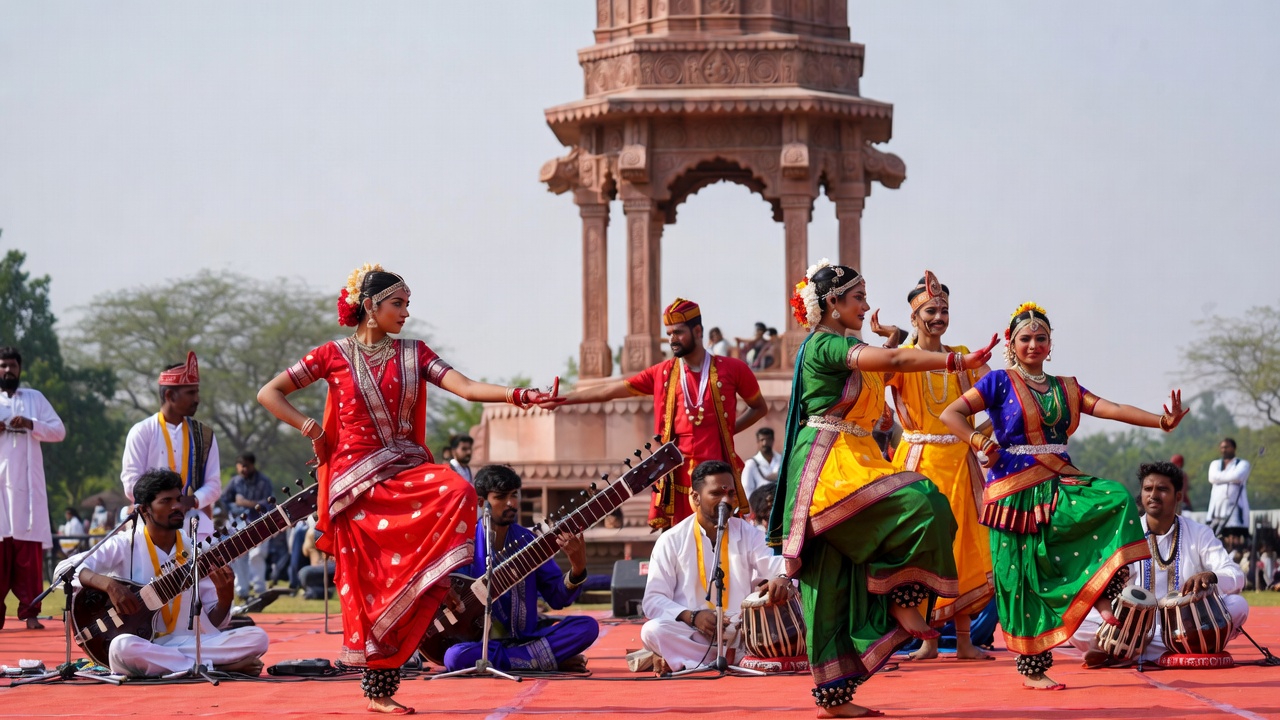
There is something profoundly stirring about watching a Kathak dancer’s ghungroos create ripples of rhythm against the backdrop of the Taj Mahal at dusk. The marble monument stands silent, a testament to eternal love, while below it, in the grounds of Shilpgram, the heartbeat of India’s living culture pulses through dance and music performances at Taj Mahotsav.
For over three decades, this annual ten-day festival has drawn travelers, art enthusiasts, and cultural connoisseurs from across the globe to witness what is arguably India’s most magnificent celebration of performing arts. The festival transforms Agra into a living museum where classical traditions meet folk expressions, where centuries-old dance forms share the stage with regional music that has survived generations of oral tradition.
In this comprehensive guide, we explore every facet of the Taj Mahotsav cultural performances, from the graceful pirouettes of Bharatanatyam to the spirited rhythms of Brij Bhumi folk dances. Whether you are planning your first visit or returning for another year of artistic immersion, this article will serve as your complete companion to experiencing the best of Indian performing arts.
What is Taj Mahotsav Festival and Why Should You Visit
The Taj Mahotsav is an annual cultural extravaganza organized by the Uttar Pradesh Tourism Department at Shilpgram, located near the Eastern Gate of the iconic Taj Mahal in Agra. First launched in 1992, this ten-day festival has grown into one of India’s premier cultural events, attracting hundreds of thousands of visitors each year.
The festival serves multiple purposes that extend far beyond entertainment:
Cultural Preservation: Taj Mahotsav provides a vital platform for traditional art forms that might otherwise fade into obscurity. Master craftsmen, folk musicians, and classical dancers find here an appreciative audience that values authenticity.
Artisan Empowerment: Over 400 stalls showcase handicrafts from across India, allowing artisans to sell directly to consumers without intermediaries. This economic model has sustained traditional crafts for generations.
Tourism Promotion: The festival strategically coincides with peak tourist season, enhancing Agra’s appeal beyond the Taj Mahal itself. Visitors gain a deeper understanding of the cultural context that produced India’s architectural wonders.
National Integration: When a Kathak dancer from Lucknow shares the stage with a Ghoomar performer from Rajasthan and a Bharatanatyam artist from Tamil Nadu, the festival becomes a powerful symbol of India’s unity in diversity.
The 2025 Taj Mahotsav dates are scheduled from February 18 to February 27, making early planning essential for those wishing to secure accommodation and prime viewing positions for performances.
Taj Mahotsav 2025 Dates Timings and Ticket Information
Planning your visit requires understanding the practical details that can make or break your experience. Here is everything you need to know about attending the festival.
Essential Festival Information
| Detail | Information |
|---|---|
| Festival Dates 2025 | February 18 – February 27 |
| Location | Shilpgram, Near Eastern Gate of Taj Mahal, Agra |
| Daily Timings | 10:00 AM to 10:00 PM |
| Entry Fee (Adults) | ₹50 per person |
| Entry Fee (Children under 5) | Free |
| Foreign Tourists | Complimentary entry |
| School Groups (100 students) | ₹500 (includes 2 teachers free) |
| Cultural Performance Entry | Included in general admission |
The festival grounds open in the morning, but the real magic unfolds after sunset. Cultural performances typically begin in the late afternoon and continue into the evening hours, when the ambient lighting and cooler temperatures create an atmosphere perfectly suited to appreciating India’s performing arts.
Pro Tip: Arrive by 4:00 PM to secure good seating for the evening performances. The main stage fills quickly, and while standing areas are available, the extended programs can last several hours.
Classical Dance Performances at Taj Mahotsav India
The evening programs at Taj Mahotsav consistently feature India’s most refined classical dance forms, performed by both established masters and emerging talents. These performances represent centuries of artistic evolution, each movement codified in ancient Sanskrit texts yet interpreted afresh by contemporary artists.
Kathak Dance Performances at Cultural Festivals
Kathak holds a special place at Taj Mahotsav, being indigenous to Uttar Pradesh and historically connected to the Mughal courts that built the Taj Mahal itself. The dance form’s name derives from the Sanskrit word katha, meaning “story,” and its practitioners were originally itinerant storytellers who used dance to narrate tales from Hindu mythology.
The evolution of Kathak reflects India’s composite culture beautifully. What began as a devotional practice in Hindu temples transformed during the Mughal period, absorbing Persian influences in its vocabulary, costume, and musicality. Persian terms like aamad (stylized entrance) and salaami (salutation to the audience) became integral to the form.
At Taj Mahotsav, Kathak performances typically follow the traditional structure:
- Vandana: An invocation to the gods and the guru
- Thaat: Opening composed piece with gentle variations
- Tukra and Tora: Complex rhythmic patterns
- Tarana: Fast-paced conclusion
The Lucknow gharana and Banaras gharana styles are both well-represented. Watch for the intricate footwork, emphasized by rows of ghungroos (ankle bells) – some dancers wear up to 150 bells on each ankle. The interplay between the dancer’s feet and the tabla player creates a conversation that builds to breathtaking climaxes.
Notable elements to observe:
- The vertical stance, characteristic of Kathak’s Mughal influence
- Chakkar (spins) performed at astonishing speeds
- Abhinaya (expression) conveying entire narratives through facial movements
- The elegant pastel costumes that flow with each turn
Bharatanatyam Dance Shows at Taj Festival
While Kathak represents the North, Bharatanatyam brings the classical traditions of Tamil Nadu to the Taj Mahotsav stage. This ancient dance form traces its roots to the Natya Shastra, a treatise on performing arts dating between 200 BCE and 200 CE.
Bharatanatyam performances at the festival offer striking visual contrast to Kathak. Where Kathak emphasizes verticality and spins, Bharatanatyam features the distinctive aramandi – a half-sitting position with bent knees – that serves as the foundation for its elaborate vocabulary of movement.
The nritta (pure dance) segments showcase geometric precision, while nritya (expressive dance) communicates stories through a sophisticated system of mudras (hand gestures). A skilled Bharatanatyam dancer can convey complex emotions and entire narratives using only her hands and facial expressions.
Key aspects of Bharatanatyam at Taj Mahotsav:
- Solo performances lasting up to two hours
- Accompanying orchestra featuring violin, mridangam, and veena
- Elaborate silk costumes and traditional jewelry
- Alarippu (opening invocation) followed by varnam (central piece)
The juxtaposition of Bharatanatyam’s South Indian origins against the Mughal architecture surrounding the venue creates a powerful visual representation of Indian cultural unity.
Odissi Dance at Agra Cultural Celebrations
Odissi, hailing from the state of Odisha in eastern India, brings yet another dimension to the classical dance offerings at Taj Mahotsav. Believed to be the oldest surviving classical dance form in India based on archaeological evidence, Odissi is characterized by its fluid, lyrical movements and the distinctive tribhangi posture – a three-bend position of the body.
Performances of Odissi at Taj Mahotsav often feature:
- Themes drawn from the Gita Govinda, celebrating the love of Radha and Krishna
- Over fifty mudras commonly used in storytelling
- Sculptures come to life through poses mirroring temple carvings
- Accompanying Odissi music distinct from Hindustani and Carnatic traditions
The sensuality and devotion intertwined in Odissi make it particularly compelling against the backdrop of a monument built for love.
Folk Dance Performances at Taj Mahotsav Agra
While classical forms represent the codified, courtly traditions of Indian dance, folk performances at Taj Mahotsav bring the unfiltered energy of rural India to the festival. These dances emerge from the soil, shaped by agricultural cycles, regional festivals, and community celebrations over centuries.
Brij Bhumi Folk Dance Traditions at Taj Mahotsav
The Braj region, surrounding Mathura and Vrindavan – just kilometers from Agra – is considered sacred ground for followers of Krishna. The folk traditions of this area naturally take center stage at Taj Mahotsav, performed with the same devotional fervor that has characterized them for centuries.
Raslila stands as the most significant folk tradition of the region. This dance-drama depicts the divine play of Lord Krishna with Radha and the gopis (cowherd girls). Unlike formal theatrical presentations, traditional Raslila performances are participatory experiences. The audience claps along, singers lead call-and-response patterns, and the boundary between performer and viewer dissolves in collective devotion.
Characteristics of authentic Raslila:
- Colorful costumes representing Krishna’s playful nature
- Traditional instruments including dholak and harmonium
- Songs passed down through generations of rasdharis (performers)
- Spontaneous audience participation
The Charkula dance offers one of the most visually spectacular folk performances at the festival. In this tradition from the Braj region, veiled women balance large multi-tiered wooden pyramids on their heads while dancing. Each pyramid holds 108 lighted oil lamps arranged in a spiral pattern.
Legend connects Charkula to the birth of Radha, when her grandmother is said to have run out with a charkula on her head to announce the auspicious arrival. Today, the dance is performed particularly during Holi celebrations, creating a mesmerizing display of firelight and movement.
Other Uttar Pradesh folk traditions featured:
| Dance Form | Origin Region | Characteristic Feature |
|---|---|---|
| Nautanki | Kanpur, Lucknow | Folk theatre blending song, dance, and drama |
| Swang | Western UP | Literary folk drama with songs |
| Dadra | Various regions | Romantic themes with playback singing |
| Kajri | Eastern UP | Monsoon-centric themes of longing |
Rajasthani Folk Dances at Cultural Festival Near Taj Mahal
The neighboring state of Rajasthan contributes some of the most colorful and recognized folk traditions to the Taj Mahotsav stage. The desert state’s performing arts carry an intensity born from harsh landscapes and proud martial histories.
Ghoomar immediately captivates audiences with its elegant simplicity. Originally a tradition of the Bhil tribe performed to worship Goddess Saraswati, the dance was later adopted by Rajput royalty. Women in flowing ghagras (long skirts) pirouette while moving in wide circles, their faces covered with veils in the traditional manner.
The word “ghoomar” derives from ghoomna, meaning “to twirl.” As performances progress, the tempo increases, and the swirling skirts create hypnotic patterns of color. The Kota-Bundi style of Ghoomar, with its lively swing and catchy tunes, is considered particularly impressive.
Kalbelia, performed by the snake charmer community, offers a different aesthetic entirely. The dancers’ movements mimic the sinuous grace of serpents, while their black costumes adorned with silver embroidery evoke the desert night. UNESCO recognized Kalbelia on its Representative List of the Intangible Cultural Heritage of Humanity in 2010.
Bhavai demonstrates extraordinary skill as dancers balance multiple earthen pots on their heads while performing intricate footwork. Some performers balance as many as eight to ten pots while dancing on the edges of brass plates or the rims of glass containers.
Gujarati Folk Dance Performances at Taj Mahotsav
Artists from Gujarat bring the infectious energy of Garba and Dandiya Raas to the festival, though these traditions are most associated with the Navratri festival. The circular formations, rhythmic clapping, and community participation characteristic of these dances create an atmosphere of joyous celebration.
Garba takes its name from the Sanskrit word garbha, meaning “womb,” symbolizing the cycle of life. Traditionally performed around an earthen pot containing a lamp (representing the divine feminine), the dance moves counterclockwise as participants honor the goddess.
Dandiya Raas involves partners striking small wooden sticks in rhythmic patterns while dancing. The clicking of sticks adds a percussive element that builds excitement as tempos increase. At Taj Mahotsav, audience members often join these participatory performances, creating spontaneous moments of cross-cultural connection.
Other Regional Folk Traditions at the Festival
The pan-Indian nature of Taj Mahotsav ensures representation from regions across the country:
From Punjab:
- Bhangra: Energetic harvest celebration dance
- Giddha: Women’s folk dance featuring rhythmic clapping
From Maharashtra:
- Lavani: Combination of song and dance with powerful rhythms
- Known for its quick tempo and expressive movements
From Assam:
- Bihu: Celebrating the Assamese New Year
- Characterized by youthful energy and fertility themes
From West Bengal:
- Baul performances blending song, dance, and philosophy
- Represents the mystical tradition of wandering minstrels
This diversity transforms the festival grounds into a microcosm of India itself, where regional identities celebrate rather than compete.
Traditional Music Performances at Taj Mahotsav
The dance performances at Taj Mahotsav cannot be separated from their musical accompaniment. Indeed, for many visitors, the music of Taj Mahotsav proves equally captivating as the visual spectacle of dance.
Hindustani Classical Music at Agra Festival
The Hindustani classical tradition flourished under Mughal patronage, making performances at Taj Mahotsav historically appropriate. The courts at Agra, Fatehpur Sikri, and nearby Lucknow nurtured generations of musicians whose descendants continue to perform today.
Vocal recitals at the festival typically feature:
- Khayal: The dominant vocal genre, allowing extensive improvisation within melodic frameworks called ragas
- Thumri: Light classical form associated with romantic and devotional themes
- Dadra: Similar to thumri but in a different rhythmic cycle
- Ghazal: Poetic form expressing love and longing
Instrumental performances showcase the mastery of:
- Sitar: The stringed instrument most associated with Indian music globally
- Tabla: The percussion pair providing rhythmic foundation
- Sarangi: Bowed string instrument known for its ability to mimic the human voice
- Shehnai: The double-reed instrument famously played by the late Ustad Bismillah Khan
The presence of Varanasi (Banaras), one of Hindustani music’s most important centers, just a few hours from Agra means that master musicians from the Banaras gharana often grace the Taj Mahotsav stage.
Sufi Qawwali Music Performances at Taj Festival
Qawwali holds particular significance at a festival celebrating Mughal heritage. This devotional music form originated in the 13th century when the Sufi saint Amir Khusrow – philosopher, poet, and musician – is credited with fusing Persian, Arabic, Turkish, and Indian traditions.
A traditional qawwali ensemble includes:
- Lead vocalist (qawwal)
- Supporting chorus with rhythmic hand clapping
- Harmonium player
- Tabla or dholak (drum) player
The goal of qawwali transcends entertainment. When performed in its proper context, the music aims to lead listeners toward spiritual ecstasy and union with the divine. The intensity builds through repetition, with passages accelerating into virtuosic displays that can induce trance-like states in receptive audiences.
Signature elements of qawwali at Taj Mahotsav:
- Opening with qaul (sayings of the Prophet)
- Hamd (praise of Allah)
- Naat (praise of Muhammad)
- Manqabat (praise of saints)
The music is primarily performed in Urdu, Persian, Hindi, and Punjabi, often mixing languages within single compositions. Sufi poetry by masters like Rumi and Bulleh Shah forms the textual foundation.
Though qawwali emerged from Islamic tradition, its message of divine love resonates across religious boundaries. At Taj Mahotsav, audiences of all faiths gather to experience the spiritual power of this ancient art.
Folk Music Traditions of North India
Beyond the classical and Sufi traditions, folk music of Uttar Pradesh and neighboring states fills the air throughout the festival. These regional traditions carry the authentic voice of rural communities, expressing emotions tied to seasons, agricultural cycles, and life’s milestones.
Birha from eastern Uttar Pradesh expresses the pain of separation, traditionally sung by men longing for loved ones. Kajri celebrates the monsoon season with themes of romance and renewal. Sohar marks the birth of a child with songs of blessing and joy.
Characteristic instruments of folk music:
- Dholak: Double-headed drum providing the rhythmic backbone
- Manjira: Small cymbals adding bright accents
- Ektara: Single-stringed instrument used by wandering performers
- Algoza: Double flute producing haunting melodies
The informal nature of folk music performances means that spontaneous sessions often emerge throughout the festival grounds, creating intimate musical moments away from the main stage.
Best Time to Visit Taj Mahotsav for Dance Shows
Maximizing your experience at Taj Mahotsav requires strategic planning around the festival’s daily rhythm. The best performances typically occur during evening hours, when temperatures cool and the main stage becomes the focal point of activity.
Daily Schedule Pattern
| Time Period | Primary Activities |
|---|---|
| 10:00 AM – 12:00 PM | Craft stalls open, light crowds |
| 12:00 PM – 3:00 PM | Peak shopping hours, demonstrations |
| 3:00 PM – 5:00 PM | Transition period, early performances begin |
| 5:00 PM – 7:00 PM | Prime classical dance performances |
| 7:00 PM – 10:00 PM | Major music and folk performances |
Day-by-day considerations:
Opening Day (February 18): Features the grand inaugural procession with elephants, camels, drummers, and folk performers. Expect large crowds but exceptional pageantry.
Mid-Festival Days: Generally the best time for serious cultural engagement. Crowds are more manageable, and programming has found its rhythm.
Final Weekend: Major celebrity performances and closing celebrations draw peak attendance. Arrive early if attending.
Weekdays vs. Weekends: Weekday evenings offer more relaxed viewing conditions, while weekends see higher attendance but often feature more prominent artists.
Weather Considerations
February in Agra offers ideal weather conditions for outdoor cultural events:
- Daytime temperatures: 20-25°C (68-77°F)
- Evening temperatures: 10-15°C (50-59°F)
- Minimal rainfall
- Clear skies for optimal viewing
Practical advice:
- Dress in layers for temperature fluctuations
- Bring a light shawl or jacket for evening performances
- Comfortable footwear for walking between venues
- Sun protection for daytime activities
Cultural Significance of Performing Arts at Taj Mahotsav
Understanding the deeper significance of what you witness at Taj Mahotsav enriches the experience beyond mere entertainment. These performances carry centuries of cultural memory, spiritual practice, and community identity.
Dance as Spiritual Practice
In the Indian tradition, dance was never merely entertainment. The Natya Shastra, the foundational text of Indian performing arts, explicitly states that dance serves as a vehicle for spiritual communication. When a Bharatanatyam dancer performs, she is not simply executing movements but participating in a form of worship.
This spiritual dimension explains several aspects of classical performances:
- Invocations to deities opening every recital
- Guru-shishya parampara (teacher-student lineage) connecting performers to ancient masters
- Rasas (emotional essences) designed to evoke elevated states in audiences
- Mantras and sacred texts embedded in musical accompaniment
Preservation of Intangible Heritage
Many art forms showcased at Taj Mahotsav represent what UNESCO terms “intangible cultural heritage” – living traditions transmitted through practice rather than physical artifacts. The festival plays a crucial role in preserving these vulnerable traditions.
Threats to traditional performing arts include:
- Urbanization drawing youth away from traditional training
- Competition from digital entertainment
- Economic pressures on traditional artist communities
- Loss of traditional patronage systems
By providing economic opportunities and public recognition, Taj Mahotsav helps ensure that master practitioners can sustain their traditions and train new generations.
The AIDS Awareness Initiative
Uniquely, the Uttar Pradesh State AIDS Control Society utilizes folk performances at Taj Mahotsav to spread awareness about HIV/AIDS prevention. This integration of health messaging into traditional art forms demonstrates the continuing social relevance of folk traditions and their power to communicate important information to diverse audiences.
How to Experience Taj Mahotsav Cultural Programs
Maximizing your festival experience requires balancing structured viewing with serendipitous discovery. Here are detailed recommendations for different types of visitors.
For First-Time Visitors to Indian Cultural Festivals
Day 1 Strategy:
- Arrive mid-afternoon to explore craft stalls without performance pressure
- Identify the main performance venues and seating arrangements
- Attend one evening program to establish baseline understanding
- Note which art forms most appeal to your sensibilities
Day 2 Strategy:
- Explore areas of interest identified on Day 1
- Engage with artisans about their craft processes
- Sample regional cuisines from food stalls
- Attend targeted performances based on emerging preferences
Engagement Tips:
- Ask questions – performers and artisans welcome genuine curiosity
- Purchase programs when available for context on performances
- Download translation apps for Hindi/Urdu musical texts
- Connect with local guides for deeper cultural context
For Returning Visitors and Dance Enthusiasts
Advanced Appreciation Strategies:
- Research the scheduled artists in advance
- Study the ragas and talas being performed
- Learn basic mudra vocabulary before attending
- Photograph with intention – focus on key moments
- Document your observations for deeper reflection
Building Relationships:
- Engage respectfully with artists after performances
- Purchase directly from artisans whose work resonates
- Connect with local cultural organizations for ongoing engagement
- Consider attending performances at source locations (Lucknow for Kathak, Chennai for Bharatanatyam)
Photography and Documentation
While photography is generally permitted at Taj Mahotsav, respectful documentation requires attention to several factors:
Technical considerations:
- Low-light capability essential for evening performances
- Fast lenses (f/2.8 or wider) recommended
- Silent shutter modes minimize disruption
- Avoid flash photography during performances
Ethical guidelines:
- Respect any performer requests regarding photography
- Do not obstruct other audience members’ views
- Ask permission before photographing artisans at close range
- Share images responsibly, crediting performers when possible
Accommodation and Travel Tips for Taj Mahotsav Visitors
The ten-day festival draws significant crowds, making advance planning essential for comfortable attendance.
Where to Stay Near Taj Mahotsav Venue
Shilpgram is located approximately:
- 2 km from the Taj Mahal
- 6 km from Agra Cantonment Railway Station
- 13 km from Kheria Airport
Accommodation categories:
Luxury Hotels (₹10,000+ per night):
- Properties offering Taj Mahal views
- Full-service spas and restaurants
- Transportation arrangements to festival
Mid-Range Hotels (₹3,000-8,000 per night):
- Clean, comfortable rooms
- Convenient locations
- Basic amenities sufficient for festival attendance
Budget Options (Under ₹2,000 per night):
- Guesthouses and hostels
- Suitable for backpackers
- Often include local breakfast
Booking recommendations:
- Reserve at least 2-3 months in advance for peak dates
- Hotels within walking distance of Shilpgram are preferable
- Consider properties with flexible meal timing for late return from performances
Getting to Agra for the Festival
By Air: Kheria Airport has limited domestic connectivity. Most international and many domestic travelers fly to Delhi (approximately 200 km) and travel onward by road or rail.
By Rail: Agra Cantonment is well-connected to Delhi, Jaipur, and other major cities. The Gatimaan Express from Delhi takes approximately 100 minutes, making day trips feasible though not recommended for optimal experience.
By Road: The Yamuna Expressway connects Delhi to Agra in approximately 3 hours under normal conditions. Private vehicles, taxis, and tour buses all utilize this route.
Combining Taj Mahotsav with Taj Mahal Visits
Many visitors combine festival attendance with exploration of Agra’s UNESCO World Heritage sites:
Taj Mahal: Opens at sunrise; consider visiting early morning before festival activities begin.
Agra Fort: Another UNESCO site, easily combined with Taj Mahal in a half-day excursion.
Fatehpur Sikri: The abandoned Mughal capital, 40 km from Agra, rewards a half-day visit.
Itimad-ud-Daulah: Often called the “Baby Taj,” this exquisite tomb offers intimate beauty without crowds.
The Food Experience at Taj Mahotsav
No Indian festival is complete without culinary exploration. The food stalls at Taj Mahotsav represent regional cuisines from across the country, offering visitors a gastronomic journey parallel to the cultural one.
Regional Specialties to Seek Out
From Agra and Uttar Pradesh:
- Petha: Sweet made from ash gourd, available in countless varieties
- Bedai with aloo sabzi: Fried bread with spiced potato curry
- Dalmoth: Savory snack mix
- Chaat: Various tangy, spicy street food preparations
From Rajasthan:
- Dal baati churma: Lentils with baked wheat balls and sweet crumble
- Ker sangri: Desert vegetable dish
- Ghewar: Disc-shaped sweet especially popular in summer
From Gujarat:
- Dhokla: Steamed savory cake
- Thepla: Flatbread with fenugreek leaves
- Undhiyu: Mixed vegetable dish
From Punjab:
- Makki di roti with sarson da saag: Corn bread with mustard greens
- Lassi: Yogurt-based drink
- Chole bhature: Chickpea curry with fried bread
Practical food tips:
- Eat at stalls with high turnover for freshest preparations
- Carry water to stay hydrated
- Pace yourself – the variety can be overwhelming
- Save space for evening snacks during performances
Shopping for Traditional Crafts at Taj Mahotsav
While this article focuses on performing arts, the handicraft stalls at Taj Mahotsav deserve mention as they complement the cultural experience. The crafts on display often reflect the same regional traditions expressed in dance and music.
Notable Crafts by Region
| State | Signature Crafts |
|---|---|
| Uttar Pradesh | Marble inlay work, brassware, leather goods, carpets |
| Rajasthan | Blue pottery, textiles, jewelry, miniature paintings |
| Gujarat | Bandhani (tie-dye), embroidery, silver jewelry |
| Kashmir | Pashmina shawls, papier-mâché, carpets |
| West Bengal | Terracotta, Kantha embroidery, brass bells |
Shopping tips:
- Compare prices at multiple stalls
- Negotiate respectfully – it’s expected
- Ask artisans about their techniques
- Certificates of authenticity available for premium items
- Shipping arrangements possible for large purchases
Accessibility and Visitor Services at Taj Mahotsav
The festival organizers have progressively improved accessibility, though challenges remain for visitors with special needs.
Available Services
- First aid stations throughout the venue
- Drinking water facilities at multiple points
- Restroom facilities at intervals
- Information booths with English-speaking staff
- Lost and found services
- ATM facilities near entrance
Accessibility Considerations
The festival grounds are largely flat and navigable for wheelchair users, though crowds can create challenges during peak times. Reserved viewing areas for visitors with mobility challenges may be available upon request at the main stage.
Preserving Memories: Documenting Your Taj Mahotsav Experience
Beyond photographs, consider multiple approaches to preserving your festival memories:
Written documentation:
- Keep a journal noting performers, impressions, and questions
- Record the names of art forms you wish to explore further
- Document conversations with artisans and their stories
Audio recording (where permitted):
- Capture the sounds of the festival for later reflection
- Record brief interviews with performers when appropriate
- Note the ragas performed for future musical exploration
Collecting:
- Festival programs and brochures
- Artisan business cards for future contact
- Small crafts representing art forms witnessed
The Impact of Taj Mahotsav on Traditional Arts
The festival’s influence extends far beyond its ten-day duration. Understanding this broader impact deepens appreciation for what you witness during your visit.
Economic Impact on Artist Communities
For many traditional performers and craftspeople, Taj Mahotsav represents a significant annual earning opportunity. Classical dancers, folk troupes, and artisans plan their year around the festival, which provides both income and visibility.
This economic model has helped sustain traditions that might otherwise lack commercial viability. When you purchase a craft or attend a performance, you participate in an ecosystem supporting cultural preservation.
Platform for Emerging Artists
Alongside established masters, Taj Mahotsav showcases emerging talents seeking wider recognition. Young Kathak dancers, contemporary interpreters of folk traditions, and innovative craftspeople all find opportunities to reach new audiences.
This generational continuity ensures that the festival remains vital rather than becoming a museum piece. Each year brings fresh interpretations alongside revered traditions.
Cultural Diplomacy
The presence of international visitors at Taj Mahotsav facilitates cultural exchange that extends beyond India’s borders. Festival experiences inspire return visits, deeper study, and lasting connections between artists and audiences across national boundaries.
Planning Your Taj Mahotsav Itinerary
Based on the information in this guide, here are sample itineraries for different visitor types:
Two-Day Cultural Immersion
Day 1:
- 3:00 PM: Arrive and explore craft sections
- 5:00 PM: Attend classical dance performance
- 7:00 PM: Dinner at food stalls
- 8:00 PM: Sufi music or folk performance
Day 2:
- 10:00 AM: Visit Taj Mahal at sunrise, return for breakfast
- 4:00 PM: Return to Shilpgram for afternoon activities
- 5:30 PM: Folk dance performances
- 8:00 PM: Final evening program
Extended Five-Day Exploration
Days 1-2: Festival focus with evening performances
Day 3: Agra heritage sites (Agra Fort, Itimad-ud-Daulah)
Day 4: Day trip to Fatehpur Sikri, evening festival return
Day 5: Final festival day, shopping, closing programs
Conclusion: Why Taj Mahotsav Dance and Music Performances Matter
In an age of digital entertainment and globalized culture, festivals like Taj Mahotsav serve as vital repositories of human artistic achievement. The dance and music performances you witness here are not merely entertainment but living connections to centuries of cultural evolution.
When a Kathak dancer traces patterns first codified over two millennia ago, when a qawwal channels the spiritual longing expressed by Sufi poets seven hundred years past, when a folk performer embodies traditions passed through countless generations – you participate in something profound. These moments transcend the boundaries of tourist experience, offering glimpses into the deepest currents of human expression.
The Taj Mahal stands nearby, a monument built for love that has endured centuries. The performing arts at Taj Mahotsav represent another kind of monument – built not from marble but from movement, melody, and memory. Both deserve your attention, your appreciation, and your commitment to their preservation.
As you plan your visit, remember that the best preparation is openness. Come with curiosity, observe with patience, and engage with respect. The performers and artisans of Taj Mahotsav offer gifts of culture that no purchase can fully repay. Your attention and appreciation are the currency that sustains these traditions.
We hope this comprehensive guide to the dance and music performances at Taj Mahotsav enhances your festival experience. Whether you witness the whirl of a Ghoomar skirt, the precision of Bharatanatyam footwork, or the transcendent intensity of a qawwali climax, may these moments become lasting memories that draw you back to India’s rich performing arts traditions.
Frequently Asked Questions About Taj Mahotsav Performances
What time do dance performances start at Taj Mahotsav? Major performances typically begin around 5:00 PM and continue until 10:00 PM. Smaller performances may occur throughout the day.
Is there an additional fee for cultural performances? No, all cultural programs are included in the general admission fee of ₹50.
Can visitors participate in folk dance performances? Some participatory dances like Garba and Dandiya Raas welcome audience participation. Most classical performances are for viewing only.
Are the performances in Hindi only? Musical performances feature Hindi, Urdu, Persian, and regional languages. Dance is largely universal in its visual communication, though announcements are typically in Hindi and English.
How long do individual performances last? Classical recitals may last 45 minutes to 2 hours. Folk performances typically run 20-45 minutes.
Can I request specific songs or dances? Requests are generally not accommodated for main stage performances, though smaller informal sessions may be more flexible.
Is seating available for performances? Limited seating is available on a first-come basis. Many visitors stand or sit on the ground for evening programs.
Are performances held in case of rain? February rarely sees significant rainfall in Agra, but contingency arrangements exist for covered performances if necessary.
This guide was compiled by a dedicated traveler and folklore researcher with over two decades of experience documenting traditional performing arts across South Asia. For the most current information regarding specific artists and schedules, please consult the official Taj Mahotsav website and the Uttar Pradesh Tourism Department.