A Journey Through Jewish Tree Symbolism, Kabbalistic Wisdom, and Ancient Ritual
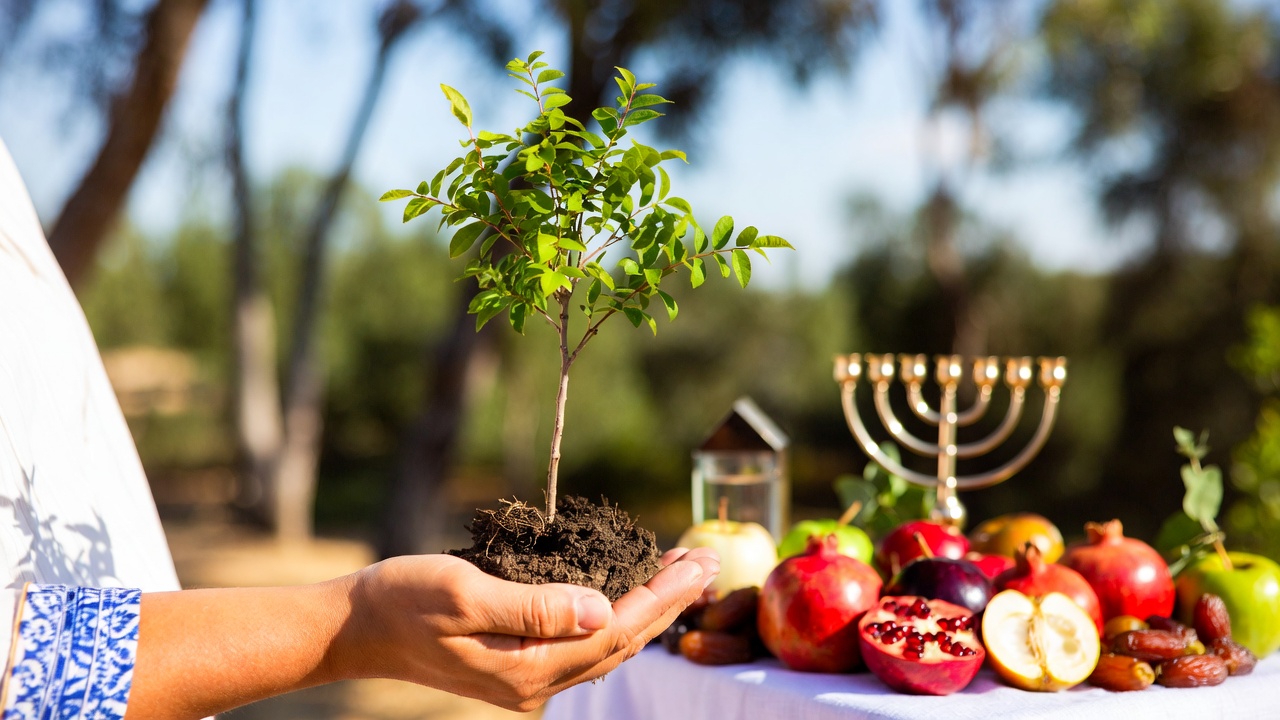
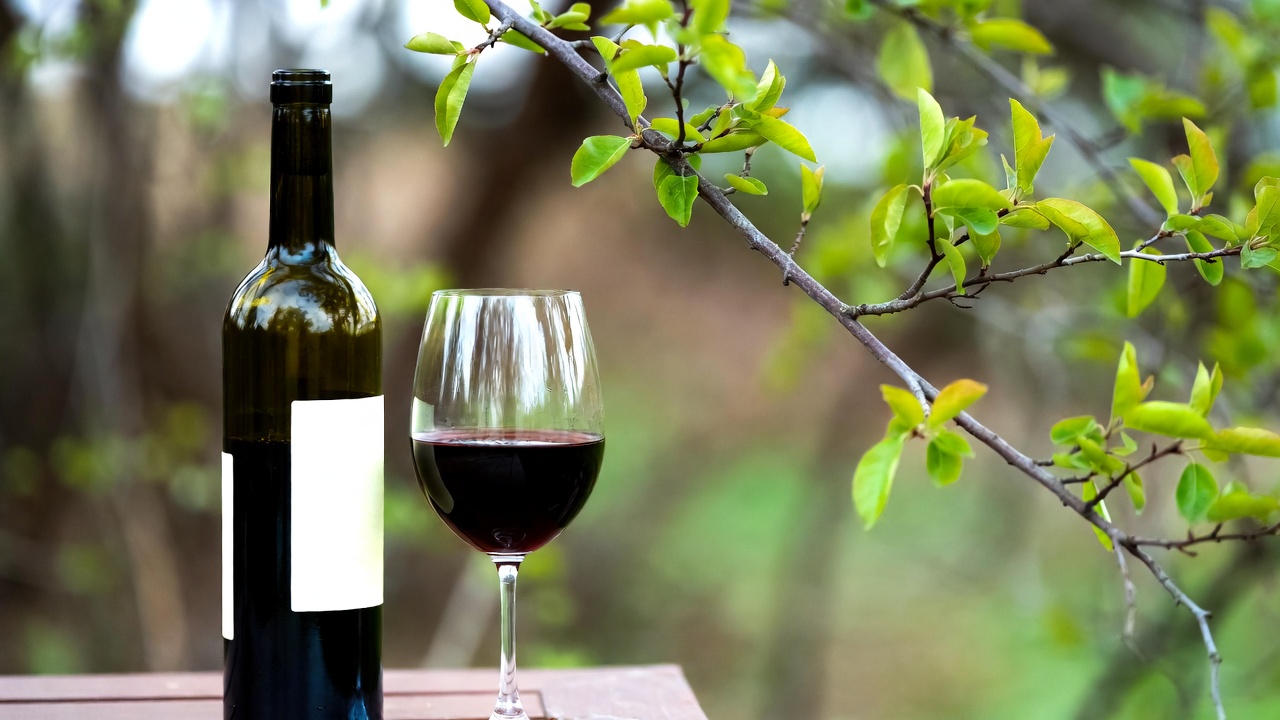
The winter air carries whispers of renewal. In Israel, almond trees begin their delicate bloom. Around the world, Jewish families gather for one of the most enchanting and lesser-known rituals in the Hebrew calendar: the Tu Bishvat Seder. At its heart lie four cups of wine—each a portal to deeper understanding, spiritual awakening, and connection to the natural world.
But what do these cups truly represent? Why does the wine transform from white to red? And how does an ancient agricultural festival hold profound mystical significance for modern seekers?
Let me take you on a journey through the sacred groves of tradition.
What Is Tu Bishvat and Why Is It Called the Jewish New Year for Trees?
Tu Bishvat (Hebrew: ט״ו בשבט) falls on the 15th day of the Hebrew month of Shevat. The name itself is an alphanumeric code—”Tu” represents the Hebrew letters tet (9) and vav (6), totaling 15.
This day marks the “Rosh Hashanah La’Ilanot”—literally, the “New Year of the Trees.” But it’s far more than a botanical birthday.
| Aspect | Details |
|---|---|
| Hebrew Date | 15th of Shevat |
| Gregorian Timing | January–February |
| Origins | Mishnaic period (1st–2nd century CE) |
| Original Purpose | Agricultural tithing calculation |
| Modern Significance | Environmental awareness, spiritual renewal |
The Jewish Virtual Library notes that Tu Bishvat originally served a practical purpose: determining the age of trees for orlah (the prohibition against eating fruit from trees less than three years old) and calculating tithes.
Yet something remarkable happened in 16th-century Safed, Israel. Kabbalistic mystics transformed this agricultural marker into a profound spiritual experience—the Tu Bishvat Seder was born.
The Origins of the Tu Bishvat Seder: How Kabbalists Created a Mystical Meal
The Tu Bishvat Seder emerged from the mystical circles of Safed (Tzfat) in the 1500s. This hilltop city in the Galilee became a crucible of Kabbalistic innovation after the Spanish Expulsion of 1492 brought waves of exiled scholars to the Land of Israel.
The ritual draws heavily from the foundational text “Pri Etz Hadar” (Fruit of the Goodly Tree), first published in 1753 but circulating in manuscript form much earlier. This guide outlined:
- Four cups of wine with progressive color changes
- Specific fruits and nuts organized in three categories
- Blessings, songs, and Torah readings
- Meditations on the Tree of Life
The Kabbalists saw the Tu Bishvat Seder as an opportunity to repair the cosmic damage caused when Eve ate from the Tree of Knowledge. By eating fruit with proper intention (kavanah), participants could restore harmony between heaven and earth.
According to My Jewish Learning, Rabbi Isaac Luria (the “Ari”) and his disciples were instrumental in developing the mystical framework underlying the seder.
Understanding the Four Worlds of Kabbalah and Their Connection to Wine
To decode the four cups, we must first understand the Kabbalistic concept of the Four Worlds—a foundational teaching that maps the journey from infinite divine light to physical reality.
| World (Hebrew) | Translation | Element | Season | Quality |
|---|---|---|---|---|
| Atzilut | Emanation | Fire | Summer | Pure divinity |
| Beriah | Creation | Air | Spring | Thought/Intellect |
| Yetzirah | Formation | Water | Autumn | Emotion/Angels |
| Assiyah | Action | Earth | Winter | Physical realm |
These four worlds represent descending levels of spiritual energy:
- Atzilut is closest to the infinite (Ein Sof)—pure, undifferentiated divine light
- Beriah is where creation first takes conceptual form
- Yetzirah is the realm of angels and emotions
- Assiyah is our tangible, material world
The Tu Bishvat Seder uses wine and fruit to ascend through these worlds—beginning in the physical and reaching toward the divine. This mirrors the tree itself: roots in earth, crown touching heaven.
The Meaning of the First Cup of White Wine in the Tu Bishvat Seder
The seder begins with pure white wine.
This first cup corresponds to Assiyah—the World of Action. It represents:
- Winter’s dormancy
- The physical, material realm
- Potential energy waiting to awaken
- The outer husk of existence
White wine symbolizes the frozen landscape of Shevat. The trees appear lifeless. Snow may cover the ground. Yet beneath the surface, sap begins its slow ascent. Life stirs invisibly.
Spiritually, white represents concealment. The divine light is hidden, clothed in physical form. We see only surfaces—bark, soil, stone. The deeper reality remains veiled.
When drinking the first cup, participants often meditate on:
What lies dormant within me, waiting to bloom? What potential remains hidden beneath my surface?
The white wine invites humility before the mystery of existence.
The Second Cup: Why Mixing White and Red Wine Symbolizes Awakening
For the second cup, we add a small amount of red wine to white—creating a pale rose.
This cup corresponds to Yetzirah—the World of Formation. Here we encounter:
- Early spring’s first stirrings
- Emotional awakening
- The realm of angels and feelings
- The blush of new possibility
The Chabad.org Tu Bishvat guide explains that this gradual color shift represents the “subtle awakening of nature and spirit.”
Something remarkable happens between winter and spring. The almond tree—called shaked (שָׁקֵד, “watchful”) in Hebrew—begins to flower while snow still lingers. Pink and white blossoms emerge against grey skies.
This cup embodies the courage to begin before conditions seem perfect. The tree doesn’t wait for warmth to guarantee survival. It trusts the process.
Participants drinking the second cup often reflect:
Where am I experiencing the first stirrings of growth? What emotions are awakening within me?
The Third Cup of Wine: How Red and White Wine Represents Full Bloom
The third cup contains more red wine than white—a deeper rose approaching crimson.
This cup corresponds to Beriah—the World of Creation. It symbolizes:
- Late spring and early summer
- Intellectual expansion
- The flowering of ideas
- Creative energy reaching expression
Now the trees burst with life. Blossoms give way to young fruit. The world greens with vigor.
Red wine carries rich symbolism in Jewish tradition:
- Blood and life force
- Passion and vitality
- Joy and celebration
- The warmth of connection
The third cup celebrates manifestation—when potential becomes actual. The idea becomes the invention. The seed becomes the sprout. The dream becomes the plan.
According to mystical teaching, this is where divine thought begins to take recognizable form. The universe moves from abstract concept toward tangible reality.
The Fourth Cup of Pure Red Wine: The Spiritual Meaning of Complete Transformation
The seder culminates with pure red wine.
This final cup corresponds to Atzilut—the World of Emanation. It represents:
- High summer’s fullness
- Complete spiritual awakening
- Union with the divine source
- The perfected soul
Red now dominates completely. The transformation is total. We have journeyed from frozen potential to radiant fulfillment.
| Cup | Wine Color | World | Season | Spiritual State |
|---|---|---|---|---|
| 1st | Pure White | Assiyah | Winter | Dormancy/Potential |
| 2nd | White + hint of Red | Yetzirah | Early Spring | Awakening |
| 3rd | Red + hint of White | Beriah | Late Spring | Flowering |
| 4th | Pure Red | Atzilut | Summer | Full Realization |
The fourth cup invites us to experience—even momentarily—what the Kabbalists call devekut: cleaving to the divine. In this elevated state, distinctions dissolve. The boundary between self and Source becomes transparent.
Drinking the final cup, participants may meditate:
What would my life look like in full bloom? What does complete alignment with my purpose feel like?
The Three Categories of Tu Bishvat Fruits and Their Hidden Meanings
Beyond wine, the Tu Bishvat Seder features fruits and nuts organized into three mystical categories. Each category corresponds to aspects of the soul and levels of spiritual protection.
Fruits with Inedible Shells and Edible Insides
Examples: Walnuts, almonds, pomegranates, coconuts, pistachios
Symbolism: These represent Assiyah—the physical world where the divine spark is hidden within a hard exterior. We must work to access the goodness inside.
Soul Correspondence: The body—our outer shell protecting the soul within.
Fruits with Edible Outsides and Inedible Pits
Examples: Dates, olives, cherries, peaches, plums, apricots
Symbolism: These correspond to Yetzirah—the emotional realm. The sweetness is accessible, but a hard core remains hidden.
Soul Correspondence: The emotions—accessible yet containing depth we cannot fully consume.
Fruits That Are Completely Edible
Examples: Figs, grapes, berries, apples, pears
Symbolism: These represent Beriah and approach Atzilut—realms where no barriers exist. Everything is available, transparent, unified.
Soul Correspondence: The highest levels of soul where no separation exists between outer and inner.
The Jewish Telegraphic Agency notes that many contemporary seders add a fourth category: fruits from the Land of Israel, emphasizing the holiday’s connection to the sacred land.
Why the Seven Species of Israel Hold Special Significance at Tu Bishvat
The Torah identifies seven species (shivat haminim) for which the Land of Israel is praised. These hold particular honor during the Tu Bishvat Seder:
- Wheat (חיטה / chitah)
- Barley (שעורה / se’orah)
- Grapes (גפן / gefen)
- Figs (תאנה / te’enah)
- Pomegranates (רימון / rimon)
- Olives (זית / zayit)
- Dates (תמר / tamar)
“A land of wheat and barley, of vines, figs, and pomegranates, a land of olive oil and honey [dates].” — Deuteronomy 8:8
Each species carries unique symbolism:
| Species | Symbolic Meaning |
|---|---|
| Wheat | Torah, spiritual sustenance |
| Barley | Humility, animal nature refined |
| Grapes | Joy, transformation (juice to wine) |
| Figs | Torah knowledge (all sweet, no waste) |
| Pomegranates | Mitzvot (said to contain 613 seeds) |
| Olives | Wisdom, light (oil for the Temple lamp) |
| Dates | Righteousness (tzadik compared to date palm) |
Including these species connects participants to ancestral memory and the physical land whose trees are celebrating their new year.
How to Conduct a Traditional Tu Bishvat Seder at Home
Ready to host your own Tu Bishvat Seder? Here’s a practical guide:
What You’ll Need
Wines:
- [ ] White wine or grape juice (2 bottles)
- [ ] Red wine or grape juice (2 bottles)
Fruits (Category 1 – Hard Shell):
- [ ] Walnuts
- [ ] Almonds
- [ ] Pomegranates
- [ ] Pistachios
Fruits (Category 2 – Edible Outside/Pit):
- [ ] Dates
- [ ] Olives
- [ ] Cherries (dried)
- [ ] Apricots
Fruits (Category 3 – Fully Edible):
- [ ] Figs
- [ ] Grapes/Raisins
- [ ] Berries
- [ ] Apples
Additional Items:
- [ ] Haggadah or seder guide
- [ ] Candles
- [ ] White tablecloth
The Order of the Seder
- Light candles and recite opening blessings
- First cup (white wine) + Category 1 fruits
- Readings about winter and dormancy
- Second cup (mostly white, dash of red) + Category 2 fruits
- Readings about awakening and growth
- Third cup (mostly red, dash of white) + Category 3 fruits
- Readings about flowering and creation
- Fourth cup (pure red) + special fruits (Seven Species)
- Closing songs and blessings
Many organizations offer free downloadable seder guides, including Hazon, which provides resources emphasizing environmental themes.
Tu Bishvat and Environmental Judaism: How This Ancient Holiday Inspires Eco-Spirituality
In recent decades, Tu Bishvat has experienced a remarkable revival as the Jewish Earth Day.
Environmental organizations and progressive Jewish movements have embraced this holiday as an opportunity to:
- Plant trees in Israel and worldwide
- Discuss climate change through Jewish ethics
- Fundraise for reforestation projects
- Connect ecological activism with spiritual practice
The Jewish National Fund (JNF) has planted over 250 million trees in Israel since 1901, with Tu Bishvat serving as a major fundraising occasion.
The mystical framework of the four cups translates remarkably well to environmental consciousness:
| Cup | Traditional Meaning | Environmental Application |
|---|---|---|
| White | Dormancy | Winter ecosystems, seed banks |
| Light Rose | Awakening | Spring migrations, pollination |
| Dark Rose | Flowering | Biodiversity, interconnection |
| Red | Fulfillment | Sustainable abundance, harmony |
Rabbi Arthur Waskow and the Jewish Renewal movement have been particularly influential in developing eco-Kabbalistic approaches to Tu Bishvat, weaving traditional mysticism with contemporary environmental ethics.
The Deeper Kabbalistic Teachings: Tu Bishvat and the Tree of Life
For serious students of Jewish mysticism, Tu Bishvat offers access to the Etz Chaim—the Tree of Life.
This central Kabbalistic diagram maps the ten sefirot (divine attributes) through which infinite light descends into creation:
                    Keter (Crown)
                         |
         Binah ←----→ Chokhmah
      (Understanding)    (Wisdom)
                \       /
                 \     /
                  \   /
         Gevurah ←-Da'at-→ Chesed
        (Strength)  |   (Lovingkindness)
                    |
                 Tiferet
                 (Beauty)
                /       \
               /         \
           Hod ←-------→ Netzach
        (Splendor)    (Eternity)
                \       /
                 \     /
                  Yesod
               (Foundation)
                    |
                 Malkhut
                (Kingdom)
The Tu Bishvat Seder activates this tree-map:
- Fruits represent different sefirot being “repaired” through consumption with intention
- Wine represents the divine light flowing down through the channels
- Blessings open pathways between realms
The Zohar, the foundational text of Kabbalah, contains numerous passages about trees as symbols of spiritual energy channels connecting heaven and earth.
By eating fruit and drinking wine with sacred awareness, the Kabbalists believed practitioners could:
- Elevate “holy sparks” trapped in physical matter
- Repair cosmic damage from primordial catastrophe
- Hasten the messianic age
- Align personal soul with universal soul
Modern Tu Bishvat Seder Variations: From Traditional to Contemporary
Today’s Tu Bishvat celebrations reflect diverse Jewish expressions:
Orthodox/Traditional Approach
- Emphasis on halakhic (legal) aspects of blessings
- Focus on Kabbalistic kavannot (intentions)
- Traditional Pri Etz Hadar text
- Hebrew readings
Conservative/Masorti Approach
- Balance of tradition and innovation
- Incorporation of environmental themes
- Mixed Hebrew and English
- Family-friendly adaptations
Reform/Progressive Approach
- Strong emphasis on social justice and ecology
- Contemporary readings and poetry
- Inclusive language
- Connection to global environmental movements
Renewal/Neo-Hasidic Approach
- Deep mystical meditation
- Chanting and music
- Body-centered practices
- Integration of universal spiritual wisdom
Secular/Cultural Approach
- Focus on Israeli nature and agriculture
- Tree-planting emphasis
- Educational programs
- Cultural celebration without religious framework
All approaches share the central elements: wine, fruit, and reflection on humanity’s relationship with the natural world.
Frequently Asked Questions About the Tu Bishvat Seder and Four Cups of Wine
Q: Can I use grape juice instead of wine for the Tu Bishvat Seder?
A: Yes! Grape juice is perfectly acceptable and commonly used, especially for families with children or those who don’t consume alcohol. The color progression remains the key symbolism.
Q: How long does a Tu Bishvat Seder typically last?
A: Seders range from 45 minutes (abbreviated versions) to 2-3 hours (full mystical experiences). Most family-friendly seders last about an hour.
Q: Is Tu Bishvat a major or minor Jewish holiday?
A: Tu Bishvat is considered a minor holiday—work is permitted, and there’s no synagogue service requirement. However, its spiritual significance has grown substantially in recent centuries.
Q: What if I can’t find all the traditional fruits?
A: Use what’s available! The intention matters more than the specific fruits. Many people adapt based on local seasonal availability and personal dietary needs.
Q: Can non-Jews participate in a Tu Bishvat Seder?
A: Tu Bishvat seders are often inclusive gatherings. Many interfaith families, spiritual seekers, and environmentalists of all backgrounds participate. The themes of nature appreciation and spiritual growth resonate universally.
Planning Your Tu Bishvat Celebration: Tips for a Meaningful Experience
Whether hosting your first seder or deepening an established practice, consider these suggestions:
Create Sacred Space
- Use a white tablecloth (symbolizing purity and potential)
- Arrange fruits beautifully on tiered platters
- Light candles to mark the transition from ordinary to sacred time
Engage All Senses
- Notice the colors of the wines as they change
- Smell each fruit before eating
- Feel the textures—smooth grape, rough walnut shell, soft fig
- Listen to the blessings and songs
- Taste mindfully, with full attention
Include Readings and Discussion
- Prepare questions for table conversation
- Include poetry about nature (Mary Oliver, Wendell Berry, Hebrew poets)
- Share personal stories about meaningful trees or places in nature
Consider Adding:
- A tree-planting commitment or donation
- Environmental tzedakah (charitable giving)
- Outdoor elements (if weather permits)
- Music—traditional niggunim or nature-themed songs
The Lasting Impact: Why the Tu Bishvat Seder Matters Today
As I conclude this exploration, I’m struck by the enduring relevance of this mystical meal.
In an age of climate crisis, the Tu Bishvat Seder calls us to remember our rootedness in the natural world. We are not separate from the trees—we share their breath, their cycles, their vulnerability.
In an age of spiritual seeking, the four cups offer a structured journey through layers of consciousness. No guru required—just wine, fruit, intention, and community.
In an age of fragmentation, this ritual connects us to:
- Ancestors who celebrated the same holiday centuries ago
- Land that carries sacred memory
- Community gathered around the same table
- Future generations who will inherit the world we tend
The white wine holds winter’s promise. The red wine holds summer’s fulfillment. Between them stretches the entire journey of becoming—personal and cosmic, individual and universal.
May your Tu Bishvat be filled with sweetness, meaning, and deep roots.
L’chaim—to life! 🌳