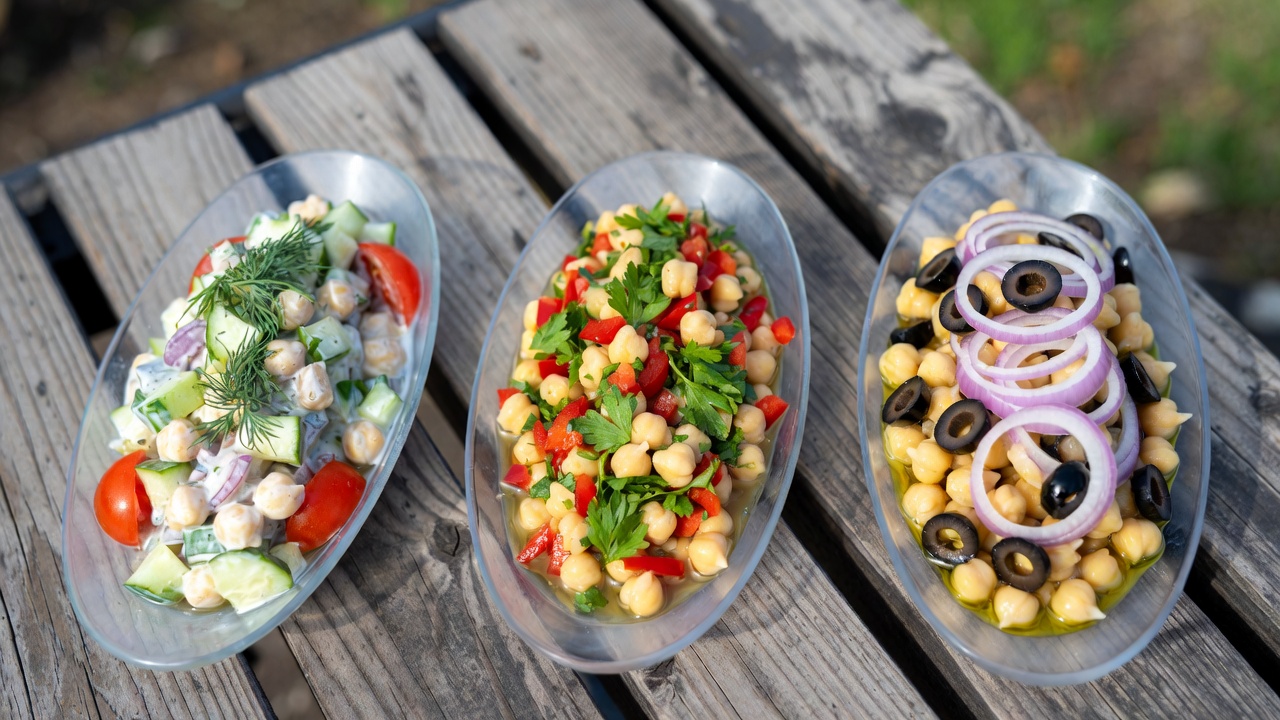
Celebrate February 10th with these protein-packed, globally-inspired chickpea salad recipes that honor ancient culinary traditions while nourishing your body sustainably.
February holds a special place on the calendar for food lovers who value nutrition, sustainability, and culinary tradition. On February 10, 2026, people around the world will gather to celebrate World Pulses Day. This year’s theme, “Pulses of the World: From Modesty to Excellence,” invites us to rediscover the humble chickpea—a legume that has sustained civilizations for millennia.
The chickpea, also known as the garbanzo bean, deserves a starring role in your kitchen. What better way to honor this ancient pulse than by preparing vibrant, flavorful salads that showcase its versatility? In this guide, we explore delicious chickpea salad recipes from around the globe. Each recipe reflects the cultural heritage of its origin while delivering outstanding taste and nutrition.
Whether you seek a quick lunch option, a hearty side dish for dinner parties, or a nutritious meal prep solution, these chickpea salads will transform your approach to healthy eating. Let us embark on a culinary journey that spans continents and centuries.
What Is World Pulses Day and Why Does It Matter in 2026?
The United Nations General Assembly designated February 10th as World Pulses Day in December 2018. This celebration builds upon the success of the 2016 International Year of Pulses. The day recognizes the vital role pulses play in sustainable agriculture, food security, and human nutrition.
World Pulses Day 2026 carries particular significance. The Food and Agriculture Organization (FAO) has announced that the main global event will be hosted in collaboration with the Kingdom of Spain at the Miguel Delibes Cultural Centre in Valladolid. This celebration blends scientific discussions with culinary demonstrations.
Pulses include legumes harvested for their dry seeds. Chickpeas, lentils, dry beans, and dry peas all fall into this category. These crops offer remarkable benefits:
- Nutritional density: Pulses provide protein, fiber, vitamins, and minerals essential for health.
- Environmental sustainability: They fix atmospheric nitrogen into soil, reducing the need for synthetic fertilizers.
- Climate resilience: Pulses require less water than many other protein sources.
- Food security: Their long shelf life reduces food waste and increases dietary diversity.
The 2026 theme emphasizes transforming the perception of pulses. For too long, many societies viewed chickpeas as “humble” or associated them with low-cost diets. The FAO’s campaign challenges these misconceptions. It celebrates the culinary diversity, nutritional excellence, and sustainability benefits that chickpeas and other pulses provide.
The Ancient History of Chickpeas: 10,000 Years of Cultivation
Understanding the chickpea’s remarkable history deepens our appreciation for this versatile legume. Archaeological evidence confirms that chickpeas were first domesticated in the Fertile Crescent approximately 10,000 years ago. Remains from the Middle East have been found that are roughly 7,500 years old.
Domesticated chickpeas appeared in the aceramic levels of Jericho (Pre-Pottery Neolithic B) and at Çayönü in Turkey. This means humans cultivated chickpeas before they could produce pottery—a testament to their fundamental importance in early agriculture.
How Chickpeas Spread Across Civilizations
The cultivation of chickpeas spread gradually across the ancient world:
| Time Period | Region | Significance |
|---|---|---|
| 7500 BCE | Middle East (Turkey, Syria) | First domestication |
| 6790 BCE | Southern France | Wild chickpeas found in cave remains |
| 3300 BCE | Egypt and Middle East | Well-documented cultivation begins |
| 3500 BCE | Greece (Thessaly, Kastanas) | Late Neolithic spread |
| 1900 BCE | Iraq (Tell Bazmusian) | Eastern expansion |
| 1750-1500 BCE | Indian subcontinent | Archaeological sites in Pakistan and India |
| Iron Age | Ethiopia | Southern African spread |
| 16th century CE | Americas | Spanish and Portuguese introduction |
The ancient Romans called chickpeas by several names, including “venus” and “ram” chickpeas. They prepared them in various ways—cooked into broth and roasted as snacks. The ancient Greeks served young chickpeas for dessert alongside nuts and figs. Homer mentioned chickpeas in The Iliad alongside black beans.
Two Major Varieties: Desi and Kabuli
Today, two main commercial types dominate global markets:
Desi chickpeas feature small, dark seeds with rough coats. They most closely resemble the ancient chickpeas found at archaeological sites. India, Pakistan, Ethiopia, and Iran primarily cultivate this variety. In India, people call them “kala chana” (black chickpea) or simply “desi” (meaning “local” in Hindi).
Kabuli chickpeas are larger, with smoother, cream-colored coats. They arrived in India from Afghanistan in the 18th century—hence the name “Kabuli” (from Kabul). Mediterranean and Middle Eastern cuisines predominantly feature this variety.
Chickpea Nutrition Facts: Why This Legume Powers Healthy Diets
Before diving into recipes, let us examine why chickpeas deserve their superfood status. Understanding their nutritional profile helps you appreciate the health benefits of every salad you prepare.
Complete Nutritional Breakdown Per One Cup Cooked Chickpeas
According to Healthline’s nutritional analysis, one cup (164 grams) of cooked chickpeas provides:
| Nutrient | Amount | % Daily Value |
|---|---|---|
| Calories | 269 | — |
| Protein | 14.5g | 29% |
| Fiber | 12.5g | 50% |
| Carbohydrates | 45g | 15% |
| Fat | 4.3g | 7% |
| Folate | 282mcg | 71% |
| Iron | 4.7mg | 26% |
| Manganese | 1.7mg | 74% |
| Phosphorus | 276mg | 28% |
Key Health Benefits of Regular Chickpea Consumption
Research published in the National Institutes of Health’s journal reveals that chickpea and hummus consumers demonstrate significant health advantages:
- Weight Management: The protein and fiber content promotes satiety. Studies show chickpea consumers are 53% less likely to be obese compared to non-consumers.
- Blood Sugar Regulation: The low glycemic index (36) means chickpeas release glucose slowly. One study found that eating 200 grams of chickpeas suppressed post-meal blood sugar spikes by up to 36% compared to eating white bread.
- Heart Health: Soluble fiber reduces total cholesterol and LDL (“bad”) cholesterol levels. Regular chickpea consumption improves lipid profiles.
- Digestive Wellness: The high fiber content, particularly raffinose, feeds beneficial gut bacteria. This promotes regular bowel movements and overall digestive health.
- Brain Function: Chickpeas provide choline, an essential nutrient for neurotransmitter production. This supports memory, mood, and muscle control.
Global Chickpea Production Statistics: From Farm to Table in 2026
Understanding where chickpeas come from connects us to the farmers who grow these nutritious seeds. India dominates global chickpea production, accounting for approximately 70% of worldwide output.
Top Chickpea Producing Countries (2024 Data)
| Country | Production (Million Metric Tons) | Global Share |
|---|---|---|
| India | 13.0 | 69% |
| Australia | 1.8 | 9.5% |
| Turkey | 0.58 | 3.1% |
| Pakistan | 0.43 | 2.3% |
| Myanmar | 0.42 | 2.2% |
| Ethiopia | 0.40 | 2.1% |
According to the IndexBox market analysis, global chickpea production reached approximately 19 million metric tons in 2024. The market is valued at approximately $17.4 billion. Projections suggest growth to 23 million metric tons and $22.1 billion by 2035.
In India, major producing states include Maharashtra (contributing 26% of national production), Rajasthan (21%), Madhya Pradesh (19%), and Gujarat (10%). These regions benefit from favorable climate conditions and strong government agricultural support.
How to Prepare Chickpeas for Salads: Essential Cooking Methods
Before assembling your salads, you must properly prepare your chickpeas. The method you choose affects texture, digestibility, and nutrient availability.
Using Canned Chickpeas: The Quick Method
Canned chickpeas offer convenience without sacrificing nutrition. Follow these steps:
- Drain the liquid (called aquafaba—save it for vegan baking!)
- Rinse thoroughly under cold water for 30 seconds
- Pat dry with paper towels for crispier salads
- Season immediately while still slightly damp for better flavor absorption
Pro tip: Washing canned chickpeas reduces their sodium content by up to 40%. It also removes substances that can cause digestive discomfort.
Cooking Dried Chickpeas: Traditional Stovetop Method
Dried chickpeas require advance planning but reward you with superior texture and flavor.
Soaking process (8-24 hours):
- Place dried chickpeas in a large bowl
- Cover with cold water (three inches above chickpeas)
- Allow to soak overnight or for at least 8 hours
- Drain and rinse before cooking
Cooking process:
- Transfer soaked chickpeas to a large pot
- Cover with fresh water (3-4 inches above chickpeas)
- Add ½ teaspoon salt per cup of dried chickpeas
- Bring to a boil, then reduce heat and simmer
- Cook for 45-60 minutes until tender but not mushy
- Drain and cool before using
Instant Pot Method: The Modern Approach
Pressure cooking dramatically reduces cooking time while preserving nutrients.
- Add soaked chickpeas to Instant Pot
- Cover with water (1.5 inches above chickpeas)
- Add salt and optional turmeric
- Set to “Pressure Cook” for 10 minutes
- Allow natural pressure release for 15 minutes
- Drain and use in salads
Classic Mediterranean Chickpea Salad Recipe with Feta and Olives
The Mediterranean diet consistently ranks among the world’s healthiest eating patterns. This salad embodies its core principles: fresh vegetables, olive oil, and protein-rich legumes.
Why Mediterranean Chickpea Salad Remains a Timeless Favorite
Mediterranean cuisine celebrates simplicity and quality ingredients. According to The Mediterranean Dish, the combination of chickpeas, fresh herbs, and lemony dressing creates “a bright, zesty flavor explosion.” This salad requires minimal cooking yet delivers maximum satisfaction.
Ingredients for Mediterranean Chickpea Salad
For the Salad:
- 2 cans (15 oz each) chickpeas, drained and rinsed
- 1 large English cucumber, diced
- 1 cup grape tomatoes, halved
- 1 red bell pepper, diced
- ½ cup red onion, finely diced
- ½ cup Kalamata olives, halved
- 100g feta cheese, crumbled
- ¼ cup fresh parsley, chopped
- 2 tablespoons fresh mint, chopped
For the Lemon Vinaigrette:
- ¼ cup extra-virgin olive oil
- 3 tablespoons fresh lemon juice
- 1 teaspoon Dijon mustard
- 1 clove garlic, minced
- ½ teaspoon dried oregano
- Salt and black pepper to taste
Step-by-Step Preparation Instructions
- Prepare the vinaigrette first: Whisk together olive oil, lemon juice, mustard, garlic, oregano, salt, and pepper in a small bowl. Set aside.
- Combine the salad base: Add chickpeas, cucumber, tomatoes, bell pepper, and red onion to a large mixing bowl.
- Add olives and herbs: Toss in Kalamata olives, parsley, and mint. Reserve a small amount of herbs for garnish.
- Dress the salad: Pour the vinaigrette over the salad ingredients. Gently toss to combine evenly.
- Add cheese: Scatter crumbled feta over the top. Toss gently one more time.
- Rest before serving: Allow the salad to marinate for at least 15 minutes. This lets the flavors meld together beautifully.
Nutritional Information Per Serving (Serves 6)
| Nutrient | Amount |
|---|---|
| Calories | 285 |
| Protein | 10g |
| Fiber | 8g |
| Fat | 14g |
| Carbohydrates | 30g |
| Sodium | 340mg |
Serving Suggestions and Variations
- As a main course: Serve over fresh arugula or mixed greens
- For meal prep: Store in airtight containers for up to 5 days
- With bread: Accompany with warm pita triangles or crusty sourdough
- As a wrap filling: Stuff into whole wheat tortillas with hummus
Indian Chana Chaat: A Spicy Chickpea Salad Bursting with Flavor
Indian cuisine transforms chickpeas into something magical. Chana chaat represents one of the most beloved street foods across the subcontinent. This spicy, tangy salad celebrates bold flavors and vibrant textures.
Understanding Chana Chaat’s Cultural Significance
In India, chickpeas carry cultural weight beyond their nutritional value. They feature in religious ceremonies, festival foods, and daily meals. The word “chaat” refers to savory snacks characterized by tangy, spicy, and sweet flavors. Traditional chana chaat combines chickpeas with vegetables and distinctive chutneys.
Essential Indian Spices for Authentic Flavor
The soul of chana chaat lies in its spice blend. Chaat masala provides the characteristic tangy-savory taste. This spice mix typically contains:
- Dried mango powder (amchur)
- Black salt (kala namak)
- Cumin powder
- Coriander powder
- Black pepper
- Dried ginger
You can find chaat masala at Indian grocery stores or online retailers. Alternatively, substitute with equal parts cumin powder and lemon zest.
Ingredients for Authentic Indian Chana Salad
For the Salad:
- 2 cups cooked chickpeas (Kabuli chana)
- 1 medium boiled potato, diced (optional but traditional)
- 1 small red onion, finely diced
- 1 Roma tomato, seeded and diced
- 1 English cucumber, diced
- 2 green chilies, finely minced (adjust to taste)
- ¼ cup fresh cilantro, chopped
- 2 tablespoons fresh mint leaves, chopped
For the Dressing:
- 2 tablespoons fresh lime juice
- 1 teaspoon chaat masala
- ½ teaspoon cumin powder
- ½ teaspoon red chili powder
- ½ teaspoon black salt
- Regular salt to taste
Optional Toppings:
- Sev (crispy chickpea flour noodles)
- Tamarind chutney
- Green chutney (mint-cilantro)
- Pomegranate seeds
Traditional Preparation Method
- Prepare the chickpeas: If using dried chickpeas, soak overnight and cook until tender. Drain and allow to cool to room temperature.
- Prepare the potato: Boil whole potatoes until fork-tender. Peel and dice into chickpea-sized pieces.
- Combine vegetables: Add chickpeas, potatoes, onion, tomato, cucumber, and green chilies to a large bowl.
- Make the dressing: In a small bowl, whisk together lime juice, chaat masala, cumin, chili powder, and salts.
- Dress and toss: Pour the dressing over the salad. Mix gently but thoroughly.
- Add fresh herbs: Fold in cilantro and mint leaves.
- Serve immediately: Top with sev, drizzle with chutneys, and garnish with pomegranate seeds if desired.
Tips for Perfect Indian Chickpea Salad
- Serve fresh: Unlike Mediterranean salads, chana chaat tastes best when consumed immediately. The vegetables release water over time.
- Adjust heat levels: Remove chili seeds for milder heat, or add more for authentic street-food spice.
- Use black salt: This volcanic salt provides the characteristic sulfurous flavor essential to authentic chaat.
Moroccan Spiced Chickpea Salad with Dates and Pistachios
Moroccan cuisine represents a sophisticated fusion of Berber, Arab, and Mediterranean influences. This chickpea salad incorporates the warm, aromatic spices that define North African cooking.
The Magic of Moroccan Spice Blends
Traditional Moroccan cooking relies on distinctive spice combinations. Common spices include:
- Cumin: Earthy, warm undertones
- Cinnamon: Sweet, aromatic notes
- Ginger: Bright, peppery warmth
- Paprika: Smoky sweetness
- Turmeric: Earthy, slightly bitter, golden color
- Coriander: Citrusy, floral notes
The interplay between sweet and savory defines Moroccan salads. Dates, dried fruits, and honey balance the earthiness of spices.
Ingredients for Moroccan Chickpea Salad
For the Salad:
- 2 cans (15 oz each) chickpeas, drained and rinsed
- 1 cup couscous, cooked and cooled
- 1 large carrot, grated
- ½ cup Medjool dates, pitted and chopped
- ½ cup pistachios, roughly chopped
- ½ cup golden raisins
- ¼ cup red onion, finely diced
- ¼ cup fresh parsley, chopped
- 2 tablespoons fresh mint, chopped
For the Spiced Dressing:
- ¼ cup extra-virgin olive oil
- 3 tablespoons fresh lemon juice
- 1 tablespoon honey
- 1 teaspoon ground cumin
- 1 teaspoon smoked paprika
- ½ teaspoon ground cinnamon
- ½ teaspoon ground ginger
- ½ teaspoon ground turmeric
- ½ teaspoon ground coriander
- ½ teaspoon salt
- ¼ teaspoon black pepper
Detailed Preparation Instructions
- Toast the pistachios: Place pistachios in a dry skillet over medium heat. Toast for 2-3 minutes, stirring frequently, until fragrant. Set aside to cool.
- Prepare the couscous: Cook according to package directions. Fluff with a fork and spread on a baking sheet to cool quickly.
- Make the dressing: In a jar with a lid, combine olive oil, lemon juice, honey, and all spices. Shake vigorously until emulsified.
- Assemble the salad: In a large bowl, combine chickpeas, cooled couscous, grated carrot, dates, pistachios, raisins, and red onion.
- Dress the salad: Pour the spiced dressing over the salad ingredients. Toss gently to coat everything evenly.
- Add herbs: Fold in parsley and mint.
- Allow flavors to meld: Rest at room temperature for 30 minutes, or refrigerate for up to 4 hours before serving.
Why This Salad Works for Meal Prep
Moroccan chickpea salad improves with time. The hearty ingredients—chickpeas, couscous, and carrots—hold up beautifully in the refrigerator. The spiced dressing continues to infuse flavor throughout storage. Prepare this salad on Sunday and enjoy it throughout the workweek.
Simple Greek Chickpea Salad for Quick Weeknight Dinners
Greek cuisine shares much with Mediterranean traditions while maintaining its own distinct character. This salad celebrates the bright, fresh flavors that make Greek food beloved worldwide.
What Sets Greek Chickpea Salad Apart
While Mediterranean and Greek salads share similar ingredients, Greek preparations emphasize:
- Generous feta: Greeks use feta liberally, often in large chunks
- Quality olives: Kalamata olives provide briny depth
- Fresh oregano: This herb features more prominently than in other Mediterranean cuisines
- Red wine vinegar: Adds distinctive tangy notes
Ingredients for Greek-Style Chickpea Salad
For the Salad:
- 2 cans (15 oz each) chickpeas, drained and rinsed
- 4 cups chopped romaine lettuce
- 1 large English cucumber, diced
- 1 cup cherry tomatoes, halved
- ½ cup red onion, thinly sliced
- ½ cup Kalamata olives
- 150g feta cheese, cut into cubes
- Fresh oregano leaves for garnish
For the Greek Dressing:
- ¼ cup extra-virgin olive oil
- 2 tablespoons red wine vinegar
- 1 tablespoon fresh lemon juice
- 1 clove garlic, minced
- 1 teaspoon dried oregano
- Salt and pepper to taste
Quick Assembly Instructions
- Whisk the dressing: Combine olive oil, red wine vinegar, lemon juice, garlic, oregano, salt, and pepper.
- Build the salad bed: Arrange romaine lettuce on a large serving platter or in a bowl.
- Layer ingredients: Add chickpeas, cucumber, tomatoes, and red onion over the lettuce.
- Top with olives and feta: Scatter Kalamata olives across the salad. Add feta cubes on top.
- Dress just before serving: Drizzle the Greek dressing over everything.
- Garnish: Sprinkle fresh oregano leaves over the top.
High Protein Chickpea Salad Recipes for Athletes and Fitness Enthusiasts
Athletes and fitness enthusiasts require adequate protein for muscle recovery and growth. Chickpea salads offer an excellent plant-based protein source that supports active lifestyles.
Why Athletes Should Embrace Chickpea Salads
Plant-based protein sources provide several advantages for athletes:
- Complete amino acid profile: When combined with grains, chickpeas provide all essential amino acids
- Anti-inflammatory properties: Plant proteins may reduce exercise-induced inflammation
- Sustained energy release: The low glycemic index prevents energy spikes and crashes
- Digestive ease: Many athletes find plant proteins gentler on the stomach during training
Power-Packed Quinoa Chickpea Protein Salad
This salad delivers approximately 18 grams of protein per serving—comparable to many meat-based meals.
Ingredients:
- 1 can (15 oz) chickpeas, drained and rinsed
- 1 cup cooked quinoa, cooled
- ½ cup edamame, shelled
- ¼ cup pumpkin seeds
- 1 cup mixed greens
- ½ cup cherry tomatoes, halved
- ½ avocado, sliced
- 2 tablespoons tahini
- 2 tablespoons lemon juice
- 1 tablespoon olive oil
- Salt and pepper to taste
Preparation:
- Combine quinoa, chickpeas, edamame, and pumpkin seeds in a bowl.
- Whisk together tahini, lemon juice, olive oil, salt, and pepper.
- Arrange mixed greens on a plate. Top with the quinoa-chickpea mixture.
- Add tomatoes and avocado slices.
- Drizzle with tahini dressing.
Nutritional Information Per Serving:
| Nutrient | Amount |
|---|---|
| Calories | 485 |
| Protein | 18g |
| Fiber | 14g |
| Healthy Fats | 22g |
| Carbohydrates | 52g |
Vegan Chickpea Salad Recipes Without Dairy or Animal Products
Plant-based eating continues to grow in popularity. These vegan chickpea salads prove that dairy-free meals can be just as delicious and satisfying.
The Rise of Plant-Based Eating in 2026
Consumer interest in plant-based foods continues accelerating. Several factors drive this trend:
- Environmental concerns: Plant proteins have smaller carbon footprints
- Health motivations: Plant-based diets correlate with reduced chronic disease risk
- Animal welfare: Many consumers choose to avoid animal products for ethical reasons
- Culinary innovation: Chefs develop increasingly delicious plant-based options
Creamy Avocado Chickpea Salad (Completely Vegan)
This salad replaces mayonnaise with creamy avocado for a nutrient-dense, completely plant-based meal.
Ingredients:
- 2 cans (15 oz each) chickpeas, drained and rinsed
- 1 ripe avocado, mashed
- 2 tablespoons tahini
- 2 tablespoons lemon juice
- 1 stalk celery, finely diced
- ¼ cup red onion, finely diced
- 2 tablespoons fresh dill, chopped
- Salt and pepper to taste
Instructions:
- Lightly mash chickpeas with a fork, leaving some whole for texture.
- In a separate bowl, combine mashed avocado, tahini, and lemon juice.
- Add the avocado mixture to chickpeas. Stir to combine.
- Fold in celery, red onion, and dill.
- Season with salt and pepper.
- Serve on whole grain bread, in lettuce wraps, or over salad greens.
How to Store Chickpea Salad for Meal Prep Success
Meal preparation saves time, reduces food waste, and helps maintain healthy eating habits. Chickpea salads excel in meal prep applications due to their stability and versatility.
General Storage Guidelines
Refrigerator Storage:
- Store in airtight glass or BPA-free plastic containers
- Keep dressed salads for 3-5 days maximum
- Store dressing separately for salads with delicate greens
- Label containers with preparation date
Ingredients That Hold Up Well:
- Chickpeas
- Root vegetables (carrots, beets)
- Hardy greens (kale, cabbage)
- Olives and pickled vegetables
- Nuts and seeds
Ingredients to Add Fresh:
- Avocado
- Fresh herbs (add at serving time)
- Delicate greens (arugula, spinach)
- Cheese (especially soft varieties)
Meal Prep Schedule for a Week of Chickpea Salads
Sunday Preparation (30 minutes):
- Cook or drain chickpeas for the week
- Prepare two different dressings
- Chop vegetables that store well
- Toast nuts and seeds
- Portion into individual containers
Storage Tips by Salad Type:
| Salad Style | Storage Duration | Special Notes |
|---|---|---|
| Mediterranean | 4-5 days | Add feta fresh if possible |
| Indian Chana | 1-2 days | Best eaten fresh |
| Moroccan | 5-7 days | Flavors improve over time |
| Greek | 3-4 days | Store dressing separately |
Best Dressings for Chickpea Salads: From Tangy to Creamy
The right dressing transforms a good chickpea salad into an exceptional one. Each regional cuisine offers distinct approaches to dressing these versatile legumes.
Classic Lemon Tahini Dressing
This Middle Eastern-inspired dressing adds creamy richness without dairy.
Ingredients:
- ¼ cup tahini
- 3 tablespoons lemon juice
- 2 tablespoons water
- 1 clove garlic, minced
- ½ teaspoon cumin
- Salt to taste
Instructions: Whisk all ingredients until smooth. Add more water if needed for desired consistency.
Bright Citrus Herb Vinaigrette
Fresh and light, this dressing works beautifully with any chickpea salad.
Ingredients:
- ¼ cup extra-virgin olive oil
- 2 tablespoons fresh orange juice
- 2 tablespoons lemon juice
- 1 tablespoon fresh herbs (parsley, basil, or dill)
- 1 teaspoon honey or maple syrup
- Salt and pepper to taste
Instructions: Combine all ingredients in a jar. Shake vigorously until emulsified.
Spiced Yogurt Dressing (Vegetarian Option)
This tangy dressing complements Indian-style chickpea salads perfectly.
Ingredients:
- ½ cup Greek yogurt (or plant-based alternative)
- 2 tablespoons lime juice
- 1 teaspoon cumin
- ½ teaspoon chaat masala
- Salt to taste
Instructions: Whisk all ingredients until smooth and creamy.
Chickpeas and Environmental Sustainability: Why Your Salad Choice Matters
Your food choices impact the planet. Chickpeas represent one of the most environmentally sustainable protein sources available.
How Chickpeas Support Sustainable Agriculture
Research published in Frontiers in Plant Science confirms that chickpeas contribute significantly to sustainable farming systems through several mechanisms:
Nitrogen Fixation: Chickpeas form symbiotic relationships with nitrogen-fixing bacteria called rhizobia. These bacteria reside in nodules on the plant’s roots. They convert atmospheric nitrogen into forms that enrich the soil. This natural process reduces the need for synthetic nitrogen fertilizers by up to 70%.
Water Efficiency: Chickpeas require significantly less water than many other protein sources. They thrive in semi-arid conditions where other crops struggle. This makes them valuable for climate-resilient agriculture.
Carbon Sequestration: The nitrogen fixation process increases soil organic matter. This helps sequester carbon dioxide from the atmosphere, contributing to climate change mitigation.
Comparing Environmental Footprints
| Protein Source | Water Use (liters/kg protein) | GHG Emissions (kg CO2/kg protein) |
|---|---|---|
| Chickpeas | 4,000 | 1.0 |
| Chicken | 8,500 | 6.9 |
| Beef | 20,000 | 50.0 |
| Almonds | 16,000 | 2.3 |
| Soybeans | 5,500 | 1.2 |
Data represents approximate averages from various agricultural studies
By choosing chickpea salads over meat-based meals, you actively contribute to environmental sustainability. Every bowl represents a step toward a healthier planet.
Easy Chickpea Salad Sandwich and Wrap Ideas
Transform your chickpea salads into portable, satisfying meals perfect for packed lunches and on-the-go eating.
Classic Chickpea Salad Sandwich
Base Recipe:
- 1 can chickpeas, drained and mashed
- 2 tablespoons mayonnaise (or vegan alternative)
- 1 tablespoon Dijon mustard
- ¼ cup celery, finely diced
- 2 tablespoons red onion, minced
- Salt, pepper, and paprika to taste
Assembly: Spread mixture on whole grain bread. Add lettuce, tomato, and sprouts. Slice and serve.
Mediterranean Wrap Variation
Ingredients:
- Large whole wheat tortilla
- ½ cup Mediterranean chickpea salad
- 2 tablespoons hummus
- Handful of mixed greens
- 2 tablespoons roasted red peppers
Instructions:
- Spread hummus across the center of the tortilla
- Add chickpea salad, greens, and roasted peppers
- Fold bottom edge up, then roll tightly from one side
- Slice diagonally for presentation
Indian-Inspired Chickpea Pita Pocket
Ingredients:
- Whole wheat pita, cut in half
- ½ cup chana chaat
- 2 tablespoons yogurt sauce
- Sliced cucumbers
- Fresh cilantro
Assembly: Stuff pita halves with chana chaat. Drizzle with yogurt sauce. Add cucumbers and cilantro.
Frequently Asked Questions About Chickpea Salads
How Long Do Chickpea Salads Last in the Refrigerator?
Most chickpea salads remain fresh for 3-5 days when stored properly in airtight containers. Salads with delicate ingredients like avocado or soft herbs should be consumed within 1-2 days. Moroccan-style salads with heartier ingredients can last up to 7 days.
Can I Use Dried Chickpeas Instead of Canned?
Absolutely. One cup of dried chickpeas yields approximately 2.5 cups cooked chickpeas—equivalent to one 15-ounce can. Dried chickpeas require soaking and cooking but offer superior texture and lower sodium content.
Are Chickpeas Good for Weight Loss?
Yes. The high fiber and protein content promotes satiety, helping you feel full longer. Studies show that chickpea consumers tend to have lower body mass indexes than non-consumers. The low glycemic index also helps regulate blood sugar, reducing cravings.
What Goes Well with Chickpeas in Salads?
Chickpeas pair beautifully with:
- Vegetables: Tomatoes, cucumbers, bell peppers, carrots, red onion
- Greens: Arugula, spinach, kale, romaine
- Cheeses: Feta, goat cheese, Parmesan
- Nuts/Seeds: Pine nuts, almonds, pumpkin seeds, sunflower seeds
- Fruits: Dried cranberries, dates, pomegranate seeds, citrus segments
- Herbs: Parsley, cilantro, mint, dill, basil
How Do I Prevent Gas and Bloating from Chickpeas?
Several strategies help minimize digestive discomfort:
- Rinse canned chickpeas thoroughly to remove oligosaccharides
- Soak dried chickpeas for at least 8 hours, discarding the soaking water
- Start with small portions and gradually increase intake
- Add digestive spices like cumin, ginger, or fennel to recipes
- Chew thoroughly to begin digestion in the mouth
Celebrate World Pulses Day 2026 with These Delicious Chickpea Salads
As February 10, 2026 approaches, consider how you might celebrate World Pulses Day. The FAO encourages everyone to participate in this global movement toward healthier, more sustainable eating.
Simple Ways to Participate
- Cook with pulses: Try at least one new chickpea salad recipe this week
- Share your creations: Post photos on social media using #WorldPulsesDay or #LovePulses
- Support local producers: Purchase chickpeas from farmers’ markets when possible
- Educate others: Share the nutritional and environmental benefits of pulses with friends and family
- Donate: Support food banks that provide nutritious pulse-based meals to those in need
A Final Word on the Power of Pulses
The humble chickpea has nourished humanity for ten thousand years. From ancient Mesopotamia to modern supermarkets, these small seeds have provided sustenance, nutrition, and culinary delight. They represent affordable nutrition, environmental sustainability, and cultural heritage rolled into one versatile ingredient.
Every chickpea salad you prepare connects you to this remarkable legacy. You join countless generations who discovered that simple ingredients, prepared with care, create meals worth savoring.
This World Pulses Day, let your kitchen become a celebration of this ancient wisdom. Prepare a Mediterranean salad for your family. Share chana chaat with neighbors. Pack a Moroccan-spiced salad for your work lunch. With each bite, you honor the farmers who grow these remarkable seeds, the cultures that developed these recipes, and the planet that sustains us all.
The chickpea’s journey from modesty to excellence continues—on your plate, in your community, and around the world.
Seasonal Chickpea Salad Variations for Year-Round Enjoyment
While World Pulses Day falls in February, chickpea salads adapt beautifully to every season. Tailor your recipes to highlight the best produce each time of year.
Spring Chickpea Salad with Asparagus and Peas
When tender asparagus and fresh peas arrive at markets, celebrate spring’s bounty.
Key Ingredients:
- Blanched asparagus spears, cut into pieces
- Fresh or frozen peas
- Radishes, thinly sliced
- Fresh mint and chives
- Light lemon-herb dressing
Summer Garden Chickpea Salad
Take advantage of peak tomato and cucumber season for the freshest flavors.
Key Ingredients:
- Heirloom tomatoes in various colors
- Persian cucumbers
- Fresh corn kernels (raw or lightly grilled)
- Basil and fresh oregano
- Balsamic vinaigrette
Autumn Harvest Chickpea Salad
Roasted vegetables bring warming depth to fall chickpea salads.
Key Ingredients:
- Roasted butternut squash cubes
- Dried cranberries
- Toasted pecans
- Sage leaves
- Apple cider vinaigrette
Winter Citrus Chickpea Salad
Bright citrus fruits provide vitamin C and sunshine during darker months.
Key Ingredients:
- Segmented oranges and grapefruit
- Shaved fennel
- Pomegranate seeds
- Toasted hazelnuts
- Citrus-shallot dressing
Tips for Hosting a World Pulses Day Celebration
Transform your appreciation for chickpeas into a memorable gathering for friends and family.
Planning Your Pulse-Focused Menu
Create a spread that showcases chickpea versatility:
- Appetizers: Serve classic hummus alongside roasted chickpea snacks
- Salads: Offer two or three varieties from different cultures
- Main Course: Consider a hearty chickpea curry or stew
- Desserts: Surprise guests with chickpea-based treats like blondies
Educational Components
Share the significance of World Pulses Day with your guests:
- Print fact cards about chickpea nutrition and sustainability
- Display information about the FAO’s 2026 theme
- Share stories about chickpea cultivation across different cultures
- Encourage guests to share their own family pulse recipes
Making It Interactive
Engage guests in hands-on activities:
- Set up a “build your own chickpea salad” bar with various toppings
- Host a taste test comparing different chickpea varieties
- Organize a recipe exchange where guests share pulse-based dishes
- Create a pledge wall for sustainable eating commitments
The Future of Chickpea Cultivation: Innovation and Sustainability
Looking ahead, agricultural scientists work to improve chickpea crops for changing climate conditions. Research focuses on developing varieties that resist drought, pests, and diseases while maintaining nutritional quality.
Climate-Resilient Varieties
Breeding programs at institutions like ICRISAT (International Crops Research Institute for the Semi-Arid Tropics) develop chickpea varieties suited to increasingly unpredictable weather patterns. These efforts ensure future generations can continue enjoying this nutritious legume.
Advancing Nitrogen Fixation
Scientists explore ways to enhance chickpeas’ natural ability to fix atmospheric nitrogen. Improved nitrogen fixation could further reduce agriculture’s dependence on synthetic fertilizers, benefiting both farmers and the environment.