Celebrate the Festival of Colors with authentic Indian treats that bring families together
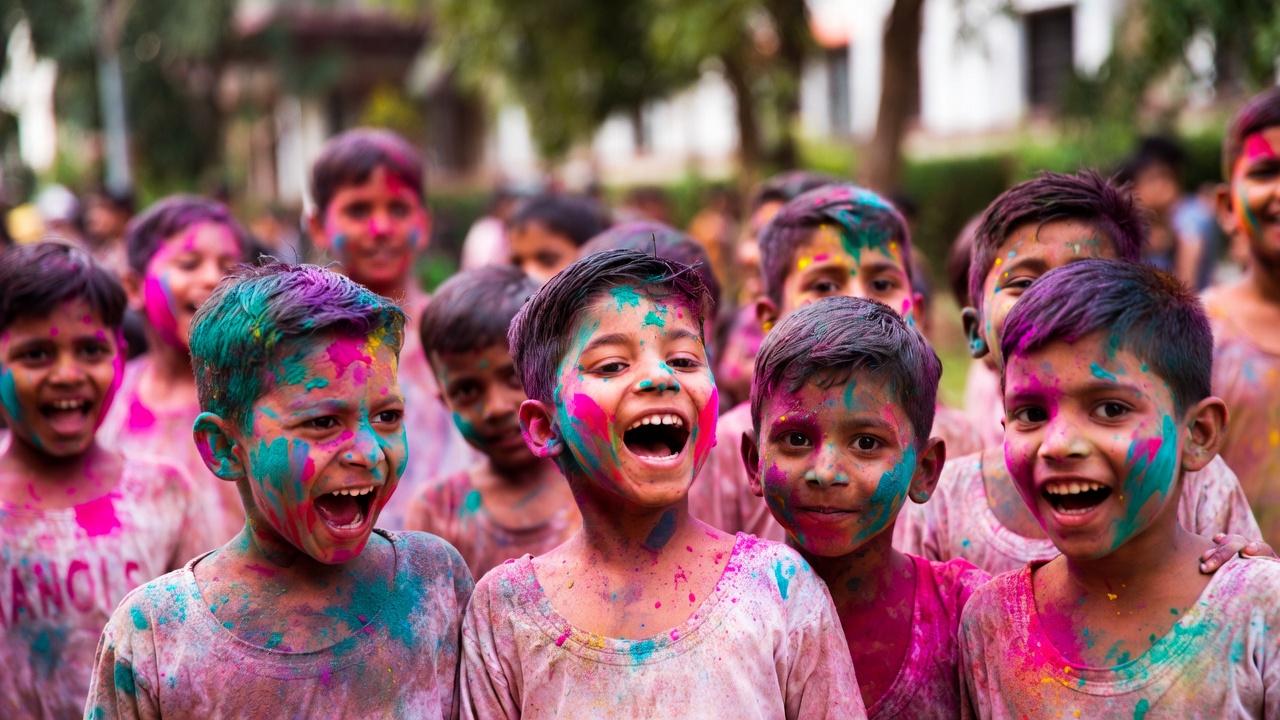
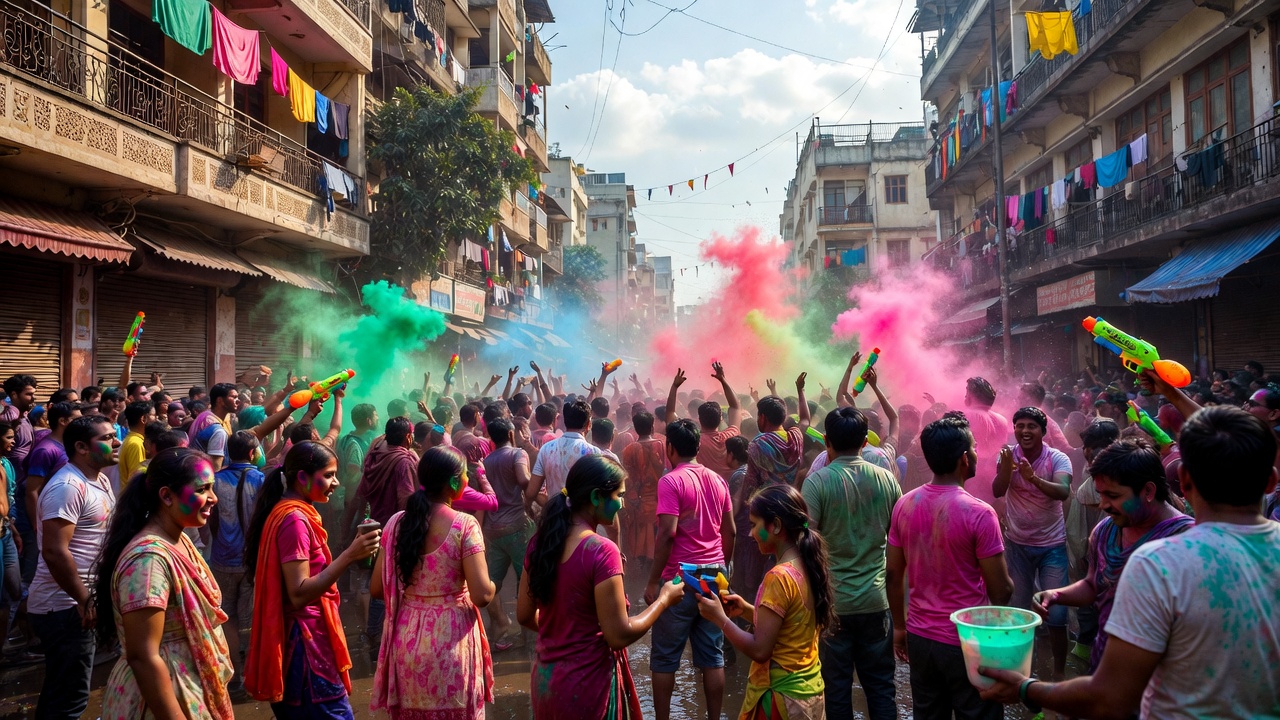
The air grows warm. The streets explode with vibrant gulal. Laughter echoes through neighborhoods. Holi, India’s beloved Festival of Colors, has arrived. This ancient Hindu celebration marks the triumph of good over evil and welcomes the spring season with open arms. Yet beyond the rainbow clouds of colored powder lies another cherished tradition: the irresistible feast of Holi foods.
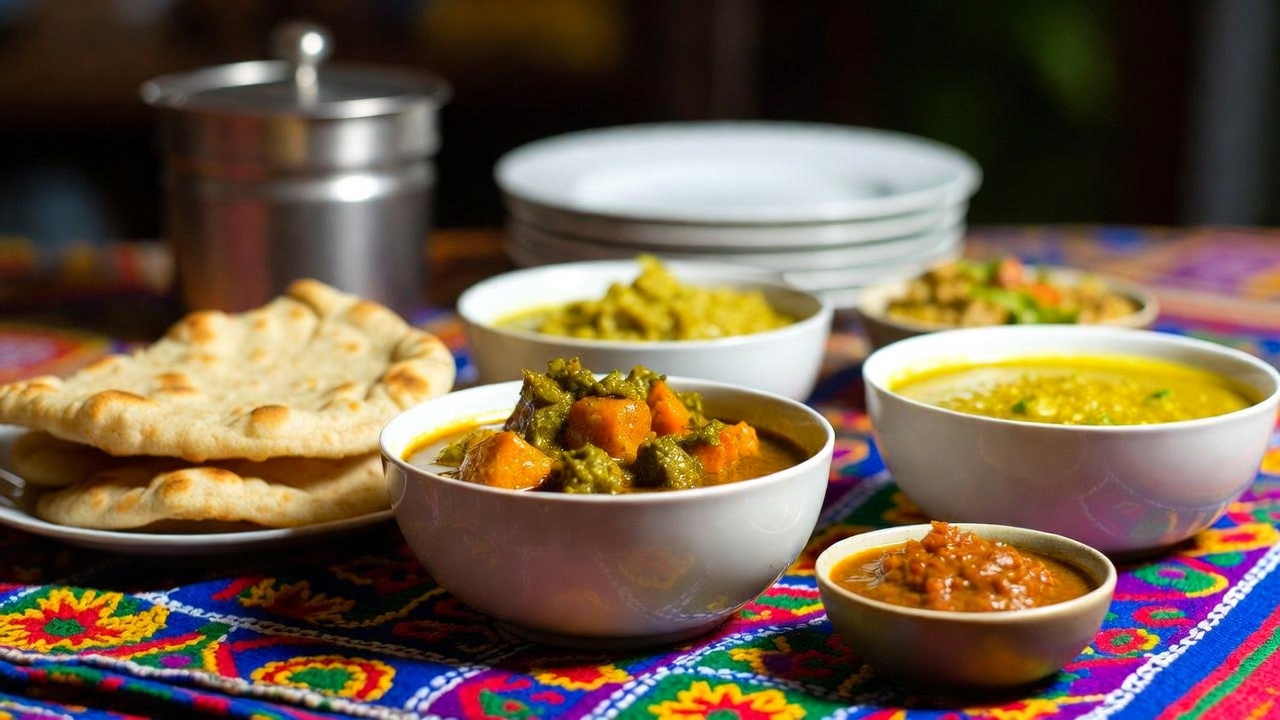
Every Indian home transforms into a fragrant kitchen during this festive season. Grandmothers share secret recipes passed down through generations. The aroma of cardamom, saffron, and ghee wafts through windows. Children eagerly await their favorite treats. Food becomes the language of love during Holi.
This comprehensive guide explores the most popular Holi recipes that define the festival’s culinary heritage. From the iconic crescent-shaped gujiya to the cooling thandai beverage, we cover everything you need to create an authentic Holi celebration at home. Whether you are a seasoned cook or a curious beginner, these traditional recipes will help you honor this beautiful festival.
Why Holi Food Holds Deep Cultural Significance in India
Food and festivals share an unbreakable bond in Indian culture. During Holi, specific dishes carry symbolic meaning beyond their delicious flavors.
The festival falls on the full moon day (Purnima) of the Hindu month Phalguna. In 2025, Holi celebrations occur on March 13th for Holika Dahan and March 14th for the main color festival. This timing coincides with the end of winter and the beginning of spring. The seasonal shift influences the foods prepared during this period.
Traditional Holi foods serve multiple purposes:
- They provide energy for the physically demanding color-playing activities
- They help cool the body as temperatures begin to rise
- They bring families and communities together in celebration
- They honor religious traditions and ancestral customs
- They showcase regional culinary diversity across India
The preparation of Holi sweets and snacks often begins days before the festival. Women gather in kitchens, sharing stories while shaping gujiyas and frying malpuas. This communal cooking strengthens social bonds. It passes culinary knowledge to younger generations.
Different regions of India celebrate Holi with distinct culinary traditions. North India favors gujiyas and thandai. Maharashtra embraces puran poli. Bengal celebrates with their unique sandesh variations. Gujarat prepares shrikhand with their color celebrations. This diversity reflects India’s rich cultural tapestry.
How to Make Gujiya at Home: The Most Popular Holi Sweet Recipe
No Holi celebration is complete without gujiya. These crescent-shaped sweet dumplings reign as the undisputed queen of Holi desserts. The earliest documented mention of gujiya dates back to the 13th century when cooks prepared similar treats using jaggery and honey mixtures.
Gujiya resembles the Mexican empanada in shape but delivers distinctly Indian flavors. The crispy outer shell encases a rich filling of khoya (milk solids), nuts, and aromatic spices. Each bite delivers a satisfying crunch followed by creamy sweetness.
Understanding the Key Components of Authentic Gujiya
The Outer Pastry (Covering): The traditional gujiya shell uses all-purpose flour (maida). This flour creates the characteristic flaky texture. Some families use a combination of maida and whole wheat flour for added nutrition. Ghee (clarified butter) is essential for achieving the perfect crumbly pastry.
The Sweet Filling: Khoya forms the heart of authentic gujiya filling. This milk solid, also called mawa, provides the rich, creamy base. Regional variations exist across India:
| Region | Local Name | Distinctive Filling |
|---|---|---|
| North India | Gujiya | Khoya, nuts, sugar |
| Gujarat | Ghughra | Semolina, dry coconut, nuts |
| Maharashtra | Karanji | Coconut, poppy seeds |
| Goa | Nevris | Coconut, jaggery |
| Andhra Pradesh | Kajjikayalu | Dry coconut, semolina |
Step-by-Step Gujiya Recipe for Beginners
Ingredients for the Dough:
- 2 cups all-purpose flour (maida)
- 6 tablespoons ghee (clarified butter)
- Water as needed (approximately ½ cup)
- Pinch of salt
Ingredients for the Filling:
- 200 grams khoya (mawa/milk solids)
- ½ cup powdered sugar
- ¼ cup chopped almonds
- ¼ cup chopped cashews
- 2 tablespoons raisins
- 1 tablespoon chironji (optional)
- ½ teaspoon cardamom powder
- 2 tablespoons desiccated coconut
For Frying:
- Oil or ghee for deep frying
Preparation Method:
- Prepare the Dough:
- Add flour and salt to a large mixing bowl
- Heat ghee until warm and pour over the flour
- Rub the ghee into the flour using your fingertips
- The mixture should resemble breadcrumbs
- Add water gradually and knead into a firm dough
- Cover with a damp cloth and rest for 30 minutes
- Prepare the Filling:
- Heat a pan on medium-low flame
- Add crumbled khoya and cook while stirring
- The khoya will melt and become smooth
- Cook until it turns light golden (3-4 minutes)
- Remove from heat and let it cool
- Add powdered sugar, nuts, raisins, coconut, and cardamom
- Mix thoroughly until well combined
- Let the filling cool completely before using
- Shape the Gujiyas:
- Divide the dough into small equal portions
- Roll each portion into a 4-inch circle
- Place 1-2 tablespoons of filling in the center
- Moisten the edges with water
- Fold the circle in half to create a half-moon shape
- Seal the edges firmly by pressing
- Create decorative pleats along the edge or use a gujiya mold
- Fry the Gujiyas:
- Heat oil in a deep pan on medium heat
- Test the oil temperature by dropping a small dough piece
- The dough should rise slowly without browning immediately
- Gently slide 3-4 gujiyas into the oil
- Fry on low-medium heat until golden brown
- Turn occasionally for even cooking
- Remove and drain on kitchen paper
Pro Tips for Perfect Gujiyas:
- The khoya filling must be completely cool before filling
- A tight dough produces flakier gujiyas
- Low-medium frying temperature prevents raw centers
- Store in airtight containers for up to two weeks
Traditional Thandai Recipe: The Iconic Holi Festival Drink
Thandai stands as the quintessential Holi beverage. The name derives from the Hindi word “thanda,” meaning cold or cooling. This spiced milk drink provides refreshment during the warm spring celebrations. The blend of nuts, seeds, and spices creates a uniquely aromatic experience.
Thandai holds special significance during both Holi and Mahashivratri festivals. The drink naturally cools the body, making it perfect for the season. Its nutrient-rich ingredients provide energy and hydration after hours of color-playing activities.
Essential Ingredients for Authentic Thandai Masala
The magic of thandai lies in its carefully balanced spice blend. Each ingredient contributes specific properties:
Nuts and Seeds:
- Almonds provide the signature flavor and creamy texture
- Cashews add richness and body
- Pistachios contribute color and subtle sweetness
- Melon seeds (magaz) offer a traditional element
- Poppy seeds (khus khus) provide mild flavor and texture
Aromatic Spices:
- Fennel seeds deliver the characteristic cooling effect
- Black peppercorns add subtle warmth
- Green cardamom provides fragrant sweetness
- Saffron adds luxury, color, and aroma
- Dried rose petals contribute floral notes
Base Ingredients:
- Full-fat milk creates the richest thandai
- Sugar sweetens the beverage
- Rose water enhances the floral character
How to Make Homemade Thandai Masala Powder
Creating your own thandai masala allows customization and ensures freshness.
Ingredients:
- 20 blanched almonds
- 15 cashews
- 10 pistachios
- 2 tablespoons melon seeds
- 1 tablespoon poppy seeds (where legally available)
- 1½ tablespoons fennel seeds
- 10 black peppercorns
- Seeds of 4-5 green cardamom pods
- ½ teaspoon nutmeg powder
- 1 tablespoon dried rose petals
Method:
- Soak all nuts and seeds in water for 4-6 hours or overnight
- Drain completely and add to a blender
- Add spices and 3-4 tablespoons of water
- Blend to a smooth, fine paste
- Store in the refrigerator for up to one week
Quick Tip: For longer storage, grind dry ingredients (without soaking) into a powder. Store in an airtight container in the refrigerator for 6-8 weeks.
Creamy Thandai Drink Recipe
Ingredients:
- 4 cups whole milk
- 4-5 tablespoons thandai masala paste
- 4 tablespoons sugar (adjust to taste)
- Few saffron strands
- 1 tablespoon rose water
- Chopped nuts for garnish
Preparation:
- Warm 2 tablespoons milk and soak saffron strands for 10 minutes
- Add thandai masala paste to remaining milk
- Add sugar and mix thoroughly
- Strain through a fine mesh strainer for smooth texture
- Add saffron milk and rose water
- Refrigerate for at least 2 hours
- Serve chilled, garnished with nuts and rose petals
Variations to Try:
- Mango Thandai: Add ¼ cup mango pulp for a fruity twist
- Litchi Thandai: Blend fresh litchi puree for unique flavor
- Vegan Thandai: Substitute dairy milk with almond or oat milk
Easy Malpua Recipe: Sweet Indian Pancakes for Holi Celebrations
Malpua represents one of the oldest documented sweets in Indian culinary history. References to similar preparations called “apupa” appear in the Rigveda, dating back approximately 5000 years. These ancient versions used barley flour, ghee, and honey.
Modern malpua consists of fluffy, sweet pancakes deep-fried in ghee and soaked in fragrant sugar syrup. The combination of crispy edges and soft, syrup-soaked centers creates an irresistible texture contrast. Paired with creamy rabri, malpua becomes a truly decadent dessert.
The dish enjoys particular popularity across Uttar Pradesh, Rajasthan, Bihar, West Bengal, Odisha, and Maharashtra. Each region brings unique variations to this beloved treat.
Understanding Malpua Batter Consistency
The secret to perfect malpua lies in achieving the right batter consistency. Too thick produces dense, doughy pancakes. Too thin creates flat, crispy discs without the characteristic soft center.
Ideal batter characteristics:
- Smooth, lump-free texture
- Flowing consistency similar to pancake batter
- Ability to spread slightly when poured into oil
- Contains tiny air bubbles after resting
Traditional Malpua Recipe with Rabri
For the Malpua Batter:
- 1 cup all-purpose flour
- ¼ cup semolina (sooji)
- 2 tablespoons milk powder or khoya
- 1 cup milk (approximately)
- 2 tablespoons sugar
- ½ teaspoon cardamom powder
- 1 teaspoon fennel seeds
- Pinch of baking soda
- Ghee for frying
For the Sugar Syrup:
- 1 cup sugar
- ¾ cup water
- ¼ teaspoon cardamom powder
- Few saffron strands
For the Rabri:
- 1 liter full-fat milk
- ¼ cup sugar
- Few saffron strands
- ¼ teaspoon cardamom powder
- 2 tablespoons chopped nuts
Preparing the Malpua:
- Make the Batter:
- Combine flour, semolina, milk powder, sugar, cardamom, and fennel seeds
- Gradually add milk while whisking
- Achieve smooth, flowing consistency
- Let the batter rest for 30 minutes to 4 hours
- Add baking soda just before frying
- Prepare Sugar Syrup:
- Combine sugar and water in a pan
- Bring to a boil while stirring
- Add cardamom and saffron
- Simmer until slightly sticky
- Keep warm
- Prepare the Rabri:
- Boil milk in a wide, heavy-bottomed pan
- Simmer on low heat, stirring frequently
- Scrape the cream layer (malai) from the sides
- Continue until milk reduces to one-third
- Add sugar, saffron, and cardamom
- Cook until thick and creamy
- Chill before serving
- Fry the Malpua:
- Heat ghee in a pan on medium heat
- Pour small amounts of batter (2-3 tablespoons)
- The batter should spread into round shapes
- Fry until golden brown on both sides (2 minutes each side)
- Immediately dip in warm sugar syrup
- Soak for 1-2 minutes
- Serve warm with cold rabri
Common Mistakes to Avoid:
- Using oil instead of ghee (ghee provides authentic flavor)
- Frying at high temperature (causes burnt exterior, raw interior)
- Over-soaking in syrup (creates soggy texture)
- Using cold syrup (prevents proper absorption)
Dahi Bhalla Recipe: Creamy Yogurt-Soaked Lentil Fritters for Holi
Dahi Bhalla, also known as Dahi Vada in many regions, represents Indian street food at its finest. This beloved chaat dish features soft lentil fritters bathed in creamy, spiced yogurt and topped with tangy chutneys.
The dish carries ancient roots. A recipe for similar preparations appears in Manasollasa, a 12th-century Sanskrit encyclopedia compiled by King Someshvara III. Today, dahi bhalla remains a staple during festivals like Holi across northern India.
The perfect dahi bhalla delivers a symphony of flavors and textures. Soft, spongy fritters absorb the cool, sweet yogurt. Tangy tamarind chutney provides contrast. Fresh mint chutney adds brightness. Aromatic spices tie everything together.
Regional Names and Variations of Dahi Bhalla
This dish travels across India under many names:
| Region | Name | Notable Difference |
|---|---|---|
| Delhi/Punjab | Dahi Bhalla | Includes papdi, chole |
| Uttar Pradesh | Dahi Bada | Often sweeter yogurt |
| Maharashtra | Dahi Vade | Served with coconut chutney |
| Odisha | Dahi Bara | Part of temple prasad |
| Bengal | Doi Bora | Made during Durga Puja |
| Tamil Nadu | Thayir Vadai | Served with sambar |
Complete Dahi Bhalla Recipe with Chutneys
For the Bhallas (Vadas):
- 1 cup split urad dal (white)
- ½ cup yellow moong dal
- 1-inch piece ginger, chopped
- 2 green chilies, chopped
- Salt to taste
- Oil for deep frying
For the Whisked Yogurt:
- 3 cups thick yogurt
- 3 tablespoons powdered sugar
- ½ teaspoon roasted cumin powder
- ¼ teaspoon black salt
- Pinch of regular salt
For Tamarind Chutney:
- ½ cup tamarind paste
- ½ cup jaggery or brown sugar
- 1 teaspoon cumin powder
- ½ teaspoon red chili powder
- Salt to taste
- Water as needed
For Green Chutney:
- 1 cup fresh coriander leaves
- ½ cup fresh mint leaves
- 2 green chilies
- 1-inch ginger
- Juice of 1 lemon
- Salt to taste
- Water as needed
Toppings:
- Roasted cumin powder
- Red chili powder
- Chaat masala
- Black salt
- Fine sev (crispy noodles)
- Pomegranate seeds
- Fresh coriander leaves
Preparation Method:
- Prepare the Dal:
- Wash and soak both dals together for 4-6 hours
- Drain completely in a colander
- Transfer to a blender with ginger and green chilies
- Grind to a smooth paste using minimal water
- Transfer to a large bowl
- Whip vigorously with a whisk or hand mixer
- The batter should become light and airy
- Add salt and mix
- Fry the Bhallas:
- Heat oil in a deep pan on medium heat
- Wet your palm with water
- Take a portion of batter and drop into hot oil
- Fry 4-5 bhallas at a time
- Cook until golden brown on all sides
- Remove and drain on kitchen paper
- Soften the Bhallas:
- Boil water with a pinch of salt
- Turn off heat
- Add fried bhallas to hot water
- Soak for 15-20 minutes
- Gently squeeze out excess water between palms
- Prepare the Yogurt:
- Whisk yogurt until completely smooth
- Add sugar, cumin, black salt, and regular salt
- Adjust sweetness and consistency with milk if needed
- Make the Chutneys:
- For tamarind: Cook all ingredients with water until smooth
- For green: Blend all ingredients to a smooth paste
- Assemble:
- Arrange squeezed bhallas in a serving dish
- Pour whisked yogurt generously
- Drizzle tamarind chutney
- Add dots of green chutney
- Sprinkle all spice powders
- Top with sev and pomegranate seeds
- Garnish with coriander
- Refrigerate for 30 minutes before serving
Expert Tips for Soft Bhallas:
- Thorough whisking of batter incorporates air
- Medium-low frying temperature ensures cooked centers
- Hot water soaking softens the fritters perfectly
- Never skip the soaking step
Crispy Mathri Recipe: Savory Flaky Crackers for Holi Snacking
Mathri, also called mathiya or mathari, provides the perfect savory counterpoint to Holi’s sweet treats. These flaky, crispy crackers originate from North India, particularly Rajasthan and Punjab. They pair beautifully with spicy pickles and hot tea.
Mathri preparation traditionally begins days before festivals. The crackers store well for weeks, making them ideal for the celebration period. Families often make large batches to serve guests and share with neighbors.
The characteristic flaky texture of authentic mathri requires specific techniques. The dough must remain firm, not soft like roti dough. Proper incorporation of fat creates the distinctive layers. Low-temperature frying ensures thorough cooking without burning.
Key Ingredients That Make Mathri Special
Flour Options:
- All-purpose flour (traditional)
- Whole wheat flour (healthier option)
- Combination of both (balanced approach)
Essential Spices:
- Carom seeds (ajwain) provide the signature flavor
- Black pepper adds mild heat
- Cumin seeds contribute earthiness
- Kasuri methi (dried fenugreek) creates distinctive aroma
Fat Component:
- Ghee produces the most authentic, rich flavor
- Vegetable oil works for lighter versions
- The fat-to-flour ratio determines flakiness
Traditional Flaky Mathri Recipe (Khasta Mathri)
Ingredients:
- 1½ cups all-purpose flour
- ½ cup whole wheat flour
- 1 teaspoon carom seeds (ajwain)
- ½ teaspoon black pepper, coarsely crushed
- ½ teaspoon cumin seeds
- 2 tablespoons kasuri methi (dried fenugreek leaves)
- 1 teaspoon salt
- ¼ teaspoon baking soda
- 5 tablespoons ghee, heated until hot
- Water as needed (approximately ½ cup)
- Oil for deep frying
Preparation Steps:
- Make the Dough:
- Combine both flours, salt, and baking soda in a large bowl
- Add all spices and kasuri methi
- Mix thoroughly
- Pour hot ghee over the flour mixture
- Rub the ghee into flour with fingertips
- Continue until mixture resembles coarse breadcrumbs
- Add water gradually, mixing (not kneading)
- Form a firm, stiff dough
- Cover and rest for 30 minutes
- Shape the Mathri:
- Divide dough into 25-30 equal portions
- Roll each into a smooth ball
- Flatten slightly and roll into 2-inch circles
- The thickness should be approximately ¼ inch
- Prick each mathri with a fork 6-8 times
- This prevents puffing during frying
- Fry the Mathri:
- Heat oil in a deep pan
- Test temperature with small dough piece
- It should rise slowly without browning immediately
- Slide 4-5 mathris into the oil
- Fry on low-medium heat
- Turn occasionally for even cooking
- Continue until golden brown on both sides
- This takes 6-8 minutes per batch
- Drain on kitchen paper
- Cool completely before storing
Healthier Alternatives:
Baked Mathri:
- Preheat oven to 180°C (350°F)
- Place shaped mathris on lined baking sheet
- Brush lightly with oil
- Bake for 20-25 minutes
- Flip halfway through
- Cool completely before storing
Air Fryer Mathri:
- Preheat air fryer to 180°C (350°F)
- Arrange mathris in single layer
- Air fry for 10-12 minutes
- Shake basket halfway through
- Check for golden color
Storage Tips:
- Cool completely before storing
- Use airtight containers
- Store at room temperature
- Properly stored mathri stays fresh for 3-4 weeks
Puran Poli Recipe: Maharashtra’s Beloved Holi Sweet Flatbread
Puran Poli holds a cherished place in Maharashtrian Holi celebrations. This sweet stuffed flatbread features a filling of cooked lentils sweetened with jaggery and spiced with cardamom and nutmeg. The combination of the soft bread and aromatic filling creates a uniquely satisfying dessert.
The dish represents the cultural diversity of Holi celebrations across India. While North India focuses on gujiyas and thandai, Maharashtra embraces puran poli as its signature Holi sweet. The preparation requires patience but rewards with exceptional flavor.
Puran poli also appears under different names across South India. It is called Holige or Obbattu in Karnataka, Bobbatlu in Andhra Pradesh, and Poli in Tamil Nadu. Each region adds subtle variations while maintaining the essential character.
Traditional Puran Poli Recipe
For the Filling (Puran):
- 1 cup chana dal (split Bengal gram)
- 1 cup jaggery (grated or chopped)
- ½ teaspoon cardamom powder
- ¼ teaspoon nutmeg powder
- 2 tablespoons ghee
For the Dough:
- 1 cup whole wheat flour
- ½ cup all-purpose flour
- 2 tablespoons oil
- Pinch of turmeric (for color)
- Salt as needed
- Warm water for kneading
For Cooking:
- Ghee for brushing
Preparation Method:
- Prepare the Filling:
- Wash and pressure cook chana dal with water
- Cook until completely soft (3-4 whistles)
- Drain excess water thoroughly
- Mash the dal until smooth
- Add to a heavy-bottomed pan
- Add jaggery and cook on medium heat
- Stir continuously as jaggery melts
- Cook until mixture thickens and leaves pan sides
- Add cardamom and nutmeg
- Stir in ghee
- Remove from heat and cool completely
- Divide into equal portions
- Make the Dough:
- Combine both flours with salt and turmeric
- Add oil and mix well
- Add warm water gradually
- Knead into a soft, smooth dough
- Cover and rest for 30 minutes
- Divide into equal portions matching the filling
- Assemble and Cook:
- Take one dough ball and flatten
- Place one filling portion in the center
- Gather edges and seal
- Gently roll into a circle (use flour for dusting)
- The poli should be thin and even
- Heat a tawa (flat pan) on medium heat
- Place the poli on the hot tawa
- Cook until small spots appear
- Flip and brush with ghee
- Cook until golden spots appear on both sides
- Serve warm with additional ghee
Serving Suggestions:
- Serve hot with melted ghee drizzled on top
- Pair with milk or sweet lassi
- Enjoy with cold milk as a traditional combination
Quick Papdi Chaat Recipe: Tangy Street Food Snack for Holi Parties
Papdi Chaat brings the vibrant flavors of Indian street food to your Holi celebration. This assembly of crispy papdis, tangy chutneys, creamy yogurt, and aromatic spices creates an explosion of taste in every bite.
The dish exemplifies the chaat tradition that defines Indian snacking culture. The word “chaat” derives from the Hindi word meaning “to lick,” perfectly describing the finger-licking goodness of these preparations.
Papdi chaat works exceptionally well for Holi parties. The components can be prepared in advance and assembled just before serving. This convenience allows hosts to enjoy the celebrations without spending excessive time in the kitchen.
Components of Perfect Papdi Chaat
Crispy Elements:
- Papdis (crispy flour wafers)
- Sev (thin crispy noodles)
- Sometimes boondi (tiny crispy chickpea flour balls)
Creamy Elements:
- Whisked yogurt
- Sometimes potatoes or chickpeas
Chutneys:
- Sweet tamarind chutney
- Spicy green chutney
Spices:
- Chaat masala
- Roasted cumin powder
- Red chili powder
- Black salt
Garnishes:
- Fresh coriander leaves
- Pomegranate seeds
- Onion (optional)
Assembling the Perfect Papdi Chaat
Ingredients:
- 20-25 papdis
- 1 cup whisked yogurt (sweetened slightly)
- ½ cup boiled chickpeas
- 1 boiled potato, diced
- 3 tablespoons tamarind chutney
- 2 tablespoons green chutney
- 1 teaspoon roasted cumin powder
- ½ teaspoon red chili powder
- ½ teaspoon chaat masala
- Black salt to taste
- ½ cup sev
- 2 tablespoons pomegranate seeds
- Fresh coriander for garnish
Assembly:
- Arrange papdis in a single layer on serving plate
- Add boiled potato and chickpeas
- Pour generous amount of whisked yogurt
- Drizzle tamarind chutney in lines
- Add dots of green chutney
- Sprinkle all spice powders
- Top with generous sev
- Garnish with pomegranate and coriander
- Serve immediately for best texture
Best Regional Holi Sweets and Snacks Across India
India’s vast cultural landscape produces remarkable regional variations in Holi foods. Each state brings unique traditions and flavors to the celebration.
North Indian Holi Specialties
Uttar Pradesh and Braj Region: The birthplace of Lord Krishna celebrates Holi with exceptional fervor. Key dishes include:
- Gujiya (the quintessential sweet)
- Thandai (with or without bhang)
- Malpua with rabri
- Dahi bhalla
Rajasthan: The desert state adds royal touches to Holi foods:
- Chashni wali gujiya (sugar syrup-coated)
- Ghevar (during summer)
- Dal ki kachori
- Pyaaz ki kachori
Punjab: Robust, rich flavors characterize Punjabi Holi treats:
- Khasta mathri
- Paneer pakoda
- Gur ki gajak
- Meethi lassi
Western Indian Holi Delicacies
Gujarat: Gujaratis celebrate with sweet and savory combinations:
- Ghughra (local gujiya variant)
- Mawa kachori
- Fafda-jalebi
- Shrikhand
Maharashtra: Beyond puran poli, Maharashtra offers:
- Karanji
- Modak (though traditionally for Ganesh festival)
- Thalipeeth
- Shrikhand
Eastern Indian Holi Treats
Bengal: Dol Jatra (Bengal’s Holi) features distinctive sweets:
- Sandesh varieties
- Rosogolla
- Malpua
- Sweet pulao
Bihar and Jharkhand: Traditional preparations include:
- Thekua
- Pidakiya (local gujiya)
- Malpua
- Kheer
South Indian Holi Variations
While Holi celebrations are less prominent in South India, communities observe it with:
- Obbattu/Holige (Karnataka)
- Bobbatlu (Andhra Pradesh)
- Poli (Tamil Nadu)
- Payasam varieties
Healthy Holi Recipes for Diet-Conscious Celebrations
Modern health awareness need not diminish Holi joy. Many traditional recipes adapt well to healthier versions without sacrificing authentic flavors.
Baked Gujiya Recipe (Reduced Oil Version)
Modifications:
- Use whole wheat flour for the covering
- Reduce sugar in the filling by 30%
- Add more nuts for protein
- Bake at 180°C for 20-25 minutes instead of frying
- Brush lightly with ghee before baking
Sugar-Free Thandai
Substitutions:
- Replace sugar with stevia or monk fruit sweetener
- Use unsweetened almond milk for fewer calories
- Increase nuts for natural sweetness
- Add dates for natural sugar
Air-Fried Mathri
Benefits:
- Uses 80% less oil than traditional frying
- Maintains crispy texture
- Reduces calories significantly
- Preserves authentic flavor
Low-Fat Dahi Bhalla
Modifications:
- Use low-fat yogurt
- Bake the bhallas instead of frying
- Reduce sugar in the yogurt mixture
- Increase the proportion of chutneys for flavor
Essential Tips for Hosting a Holi Food Party at Home
Creating an authentic Holi feast requires planning and preparation. These guidelines help ensure success.
Planning Your Holi Menu
Balance Sweet and Savory:
- Include 2-3 sweet items
- Add 2-3 savory snacks
- Ensure one cooling beverage
- Consider dietary restrictions of guests
Suggested Menu for 10 Guests:
- Gujiya (20 pieces)
- Malpua with rabri (15 pieces)
- Dahi bhalla (10 servings)
- Mathri (30 pieces)
- Thandai (2 liters)
- Papdi chaat (10 servings)
Preparation Timeline
3-5 Days Before:
- Prepare mathri
- Make thandai masala
- Prepare tamarind chutney
2 Days Before:
- Make gujiya filling
- Prepare green chutney
- Shop for fresh ingredients
1 Day Before:
- Make and fry gujiyas
- Prepare bhalla batter
- Fry bhallas (keep separate)
- Prepare rabri
- Make malpua batter
Morning of Party:
- Fry malpuas
- Soak and squeeze bhallas
- Whisk yogurt
- Chill thandai
- Set up serving station
Presentation Tips
Traditional Serving:
- Use brass or copper serving vessels
- Decorate with marigold flowers
- Include colorful napkins
- Label dishes for guests unfamiliar with Indian cuisine
Modern Touches:
- Create a chaat station for self-assembly
- Offer thandai in traditional clay cups (kulhad)
- Provide individual serving bowls for dahi bhalla
- Display sweets on tiered stands
Frequently Asked Questions About Holi Recipes and Traditions
How long can homemade gujiya be stored? Properly stored in airtight containers at room temperature, gujiyas remain fresh for 2-3 weeks. Refrigeration extends shelf life but may soften the texture.
Can thandai be made without poppy seeds? Yes. Poppy seeds (khus khus) are restricted in some countries. Substitute with additional melon seeds or simply omit. The drink remains delicious.
What makes dahi bhalla soft and spongy? Three factors ensure soft bhallas: thoroughly whisked batter incorporating air, medium-low frying temperature, and proper soaking in warm water before serving.
Is bhang necessary for authentic thandai? No. Bhang (cannabis) is optional and illegal in many places. Traditional thandai tastes wonderful without it. The nuts, seeds, and spices provide sufficient complexity.
Can mathri be made with only whole wheat flour? Yes, though the texture differs slightly. Add extra ghee to maintain flakiness. Some cooks sift wheat flour to remove bran for lighter mathri.
How do I prevent malpua from absorbing too much oil? Ensure proper batter consistency (not too thin). Maintain correct oil temperature. Remove promptly from oil once golden. Soak in syrup while still hot.
What is the best substitute for khoya in gujiya filling? Mix 1 cup milk powder with ¼ cup warm milk to create similar consistency. Alternatively, use ricotta cheese drained of excess moisture.
Can Holi sweets be frozen? Gujiyas freeze well for up to 2 months. Thaw at room temperature before serving. Malpua does not freeze well. Mathri does not require freezing due to long shelf life.
Conclusion: Celebrating Holi Through Food and Togetherness
The festival of colors extends far beyond vibrant gulal and pichkaris. Holi represents the triumph of good over evil, the arrival of spring, and most importantly, the strengthening of community bonds. Food serves as the vehicle for this connection.
Every gujiya shaped by loving hands carries generations of tradition. Every glass of thandai shared between friends reinforces relationships. Every mathri offered to neighbors builds community. The act of cooking and sharing Holi foods embodies the festival’s true spirit.
These recipes provide a gateway to experiencing authentic Indian culinary traditions. Whether you celebrate Holi as part of your heritage or explore it as a cultural adventure, these dishes offer genuine connection to centuries of tradition.
May your Holi celebration overflow with color, joy, and delicious food. May the sweetness of gujiya fill your life with happiness. May the coolness of thandai bring peace to your spirit. Happy Holi!
Have you tried any of these traditional Holi recipes? Share your experiences and family traditions in the comments below. Your stories help preserve the beautiful culinary heritage of this vibrant festival.