A complete guide to authentic Persian cuisine for celebrating Nowruz, featuring time-honored recipes passed down through generations
The scent of fresh herbs fills the kitchen. Saffron threads bloom in warm water, releasing their golden hue. A pot of rice steams gently on the stove. These sensory experiences mark the arrival of Nowruz, the Persian New Year, when families across Iran and beyond gather to celebrate renewal, spring, and the promise of new beginnings.
Nowruz, which translates to “new day” in Farsi, falls on the spring equinox — typically around March 20th or 21st. This ancient celebration dates back over 3,000 years to the Zoroastrian traditions of the Persian Empire. Today, more than 300 million people across Iran, Afghanistan, Azerbaijan, Central Asia, and diaspora communities worldwide observe this beloved holiday.
At the heart of every Nowruz celebration lies food. From the symbolic Haft-Sin table to the elaborate feasts shared with family and friends, Persian cuisine takes center stage during these festivities. This guide explores the essential Nowruz recipes you need to create an authentic Persian New Year feast.
What Is Nowruz and Why Is Food So Important to This Persian Holiday
Nowruz represents far more than a simple calendar change. This festival embodies the triumph of light over darkness, warmth over cold, and life over dormancy. When the sun crosses the celestial equator and day equals night, Persians mark this cosmic moment with rituals that have remained largely unchanged for millennia.
Food plays a central role in these celebrations for several reasons. First, the dishes served during Nowruz carry deep symbolic meaning. Fish represents life and fertility. Fresh herbs symbolize rebirth and the coming of spring. Noodles represent the threads of fate and good fortune in the year ahead. Second, Nowruz is fundamentally a time for family gatherings. In Persian culture, hospitality and generosity find their highest expression through food.
The two-week celebration period demands substantial culinary preparation. Families begin cooking days or even weeks before the equinox. The kitchen becomes a hub of activity where generations work together, passing down recipes and techniques that connect the present to the ancient past.
Understanding this cultural context transforms cooking Nowruz dishes from mere recipe-following into a meaningful act of cultural participation. Whether you have Persian heritage or simply wish to explore this rich culinary tradition, preparing these dishes connects you to one of humanity’s oldest and most beautiful celebrations of spring.
Understanding the Haft-Sin Table: The Seven Symbolic Foods of Persian New Year
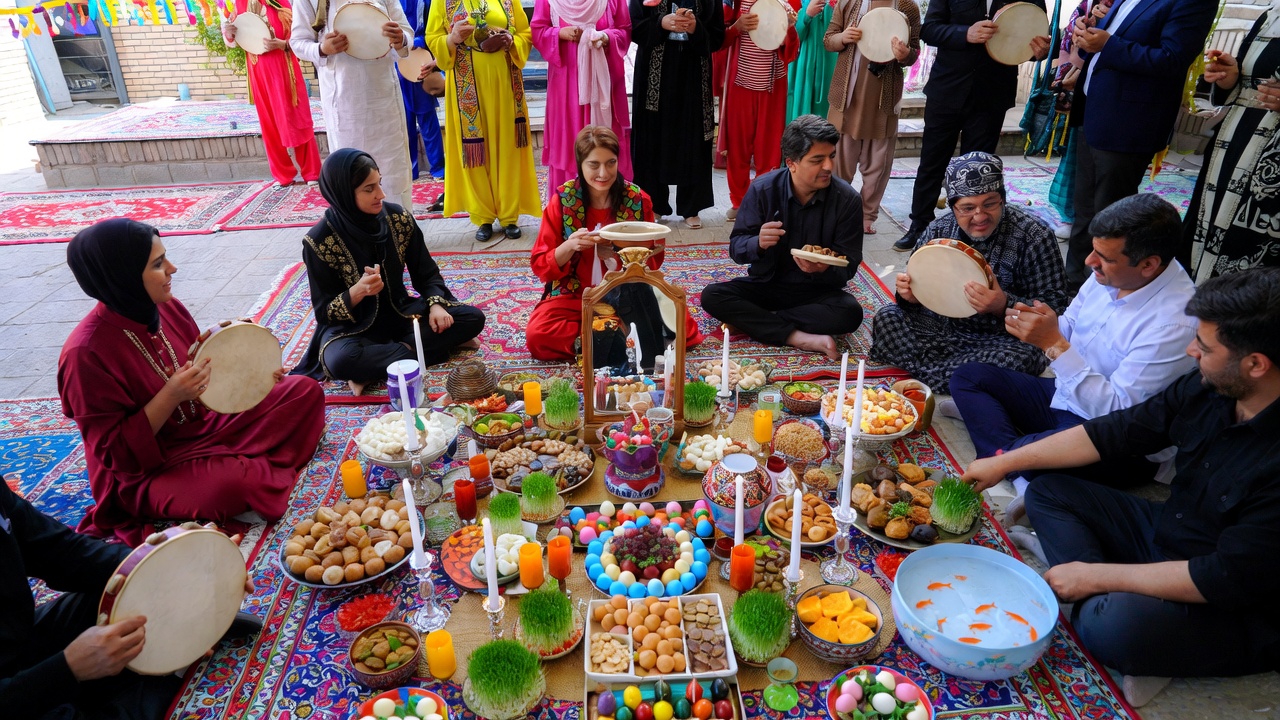
Before diving into recipes, understanding the Haft-Sin table provides essential context for Nowruz cuisine. “Haft” means seven in Farsi, while “Sin” refers to the letter “S” in the Persian alphabet. This ceremonial table displays seven items beginning with the letter S, each carrying profound symbolic significance.
The Seven Essential Items of Haft-Sin
| Persian Name | English Translation | Symbolic Meaning |
|---|---|---|
| Sabzeh | Wheat or lentil sprouts | Rebirth and renewal |
| Samanu | Sweet wheat pudding | Affluence and fertility |
| Senjed | Dried oleaster fruit | Love and wisdom |
| Sir | Garlic | Medicine and health |
| Sib | Apple | Beauty and well-being |
| Somaq | Sumac spice | Sunrise and new beginnings |
| Serkeh | Vinegar | Patience and wisdom |
Families set up the Haft-Sin table several days before Nowruz and maintain it throughout the 13-day celebration period. Many households add additional items to enhance the display’s symbolism and beauty.
Additional Items Often Included on the Haft-Sin Table
Beyond the seven required elements, Persian families often include:
- Goldfish in a bowl — representing life and movement
- Mirror — symbolizing self-reflection and clarity
- Candles — representing enlightenment and hope
- Painted eggs — indicating fertility and new life
- Coins — symbolizing prosperity and wealth
- Holy book (Quran, Hafez poetry, or Shahnameh) — representing spiritual guidance
- Sweets and pastries — expressing wishes for sweetness in the coming year
The placement of traditional Persian sweets on the Haft-Sin table makes them essential elements of the celebration. These treats are served to the steady stream of guests who visit during the two-week festival period.
Sabzi Polo ba Mahi: The Signature Persian Herb Rice with Fish Recipe
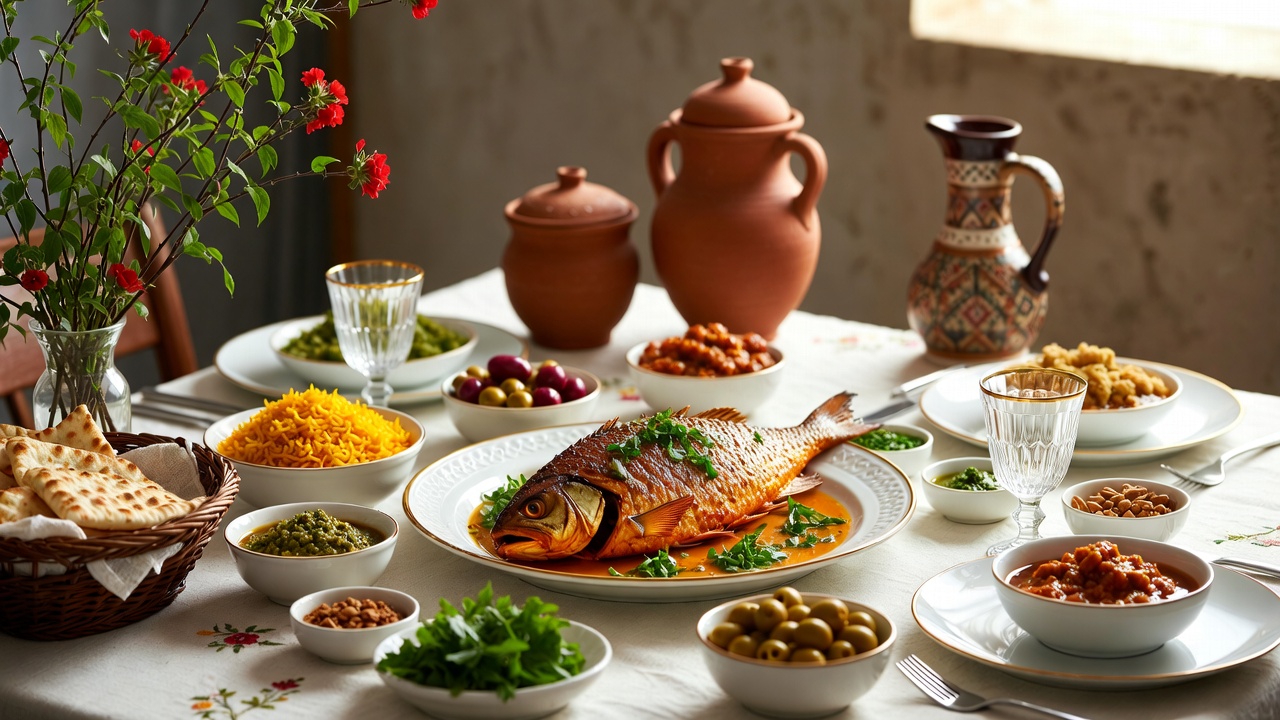
No dish represents Nowruz more completely than Sabzi Polo ba Mahi. This aromatic combination of herb-infused rice and golden-fried fish appears on nearly every Persian table on the night before the new year. The green herbs symbolize spring’s renewal, while the fish represents Anahita, the ancient Persian goddess of water and fertility.
Why Sabzi Polo ba Mahi Is Essential for Nowruz
This dish carries multiple layers of meaning. The abundant fresh herbs — parsley, cilantro, dill, and chives — represent the greening of the earth as winter recedes. Fish, associated with the astrological sign Pisces, holds special significance as Nowruz falls during this zodiacal period. Together, these elements promise prosperity, health, and good fortune for the year ahead.
In northern Iran, families traditionally use mahi sefid (Caspian white fish) for this dish. Outside Iran, sea bass, salmon, trout, or other firm white fish make excellent substitutes.
Ingredients for Sabzi Polo (Herb Rice)
For the rice:
- 3 cups basmati rice
- 8-10 cups water for boiling
- 3 tablespoons salt (for boiling water)
- 1/4 teaspoon saffron threads
- 3 tablespoons hot water (for blooming saffron)
- 4 tablespoons vegetable oil or butter
For the herb mixture:
- 1 large bunch fresh parsley (about 2 cups chopped)
- 1 large bunch fresh cilantro (about 2 cups chopped)
- 1 bunch fresh dill (about 1 cup chopped)
- 1 bunch scallions or chives (about 1 cup chopped)
- 2 tablespoons dried fenugreek (optional)
Instructions for Making Perfect Sabzi Polo
Step 1: Prepare the Rice
Rinse the basmati rice thoroughly under cold water until the water runs clear. This removes excess starch and prevents sticky rice. Place the rinsed rice in a large bowl, cover with cold water, add 2 tablespoons salt, and soak for at least 2 hours. Longer soaking (4-6 hours) produces fluffier results.
Step 2: Prepare the Herbs
Wash all herbs thoroughly and dry completely. Wet herbs will make the rice soggy. Finely chop the parsley, cilantro, dill, and scallions. Mix together in a large bowl.
Step 3: Bloom the Saffron
Grind the saffron threads with a pinch of sugar using a mortar and pestle. Add 3 tablespoons hot water and let steep for at least 15 minutes. The liquid should turn deep orange-gold.
Step 4: Parboil the Rice
Bring 8-10 cups of water to a rolling boil in a large pot. Add remaining salt. Drain the soaked rice and add to the boiling water. Boil uncovered for 5-7 minutes until the rice is parboiled — soft on the outside but still slightly firm in the center. Test a grain by pressing it between your fingers.
Step 5: Drain and Mix
Drain the rice in a fine-mesh colander. Rinse briefly with lukewarm water to stop cooking. Gently fold in the chopped herb mixture while the rice is still in the colander.
Step 6: Create the Tahdig
Heat oil or butter in a non-stick pot over medium heat. Add 2 tablespoons of the bloomed saffron to the oil. Add 2 cups of the herbed rice mixture to the pot and press down gently to create a flat, even layer. This bottom layer becomes the coveted tahdig — the crispy golden crust that every Persian fights over.
Step 7: Layer and Steam
Mound the remaining rice over the tahdig layer in a pyramid shape. Use the handle of a wooden spoon to poke 5-6 deep holes through the rice to allow steam to escape. Drizzle remaining saffron water over the top.
Wrap the pot lid in a clean kitchen towel (to absorb condensation) and place firmly on the pot. Cook over medium-high heat for 3-4 minutes until you hear sizzling. Reduce heat to low and steam for 45-60 minutes.
Preparing the Fish (Mahi) for Sabzi Polo
Ingredients:
- 4 fish fillets or 2 whole fish (sea bass, salmon, or trout)
- 2 tablespoons olive oil
- 1 teaspoon turmeric
- 1/2 teaspoon salt
- 1/4 teaspoon black pepper
- 2 cloves garlic, minced
- Juice of 1 lemon
- Flour for dredging
Instructions:
Marinate the fish with lemon juice, salt, pepper, and turmeric for 30 minutes. Pat dry and lightly dredge in flour. Heat oil in a skillet over medium-high heat. Fry the fish for 4-5 minutes per side until golden and cooked through. Some families prefer to bake or grill the fish — all methods are acceptable.
Serving Sabzi Polo ba Mahi
To serve, place a large platter over the pot and flip to unmold the rice with the golden tahdig on top. Arrange the fish alongside. Garnish with lemon wedges, pickled garlic, and fresh herbs. Serve with Shirazi salad and mast-o khiar (yogurt cucumber dip) on the side.
Ash Reshteh: Traditional Persian Noodle Soup for Good Fortune
Ash Reshteh stands as one of Persia’s most beloved soups. This hearty, herb-filled noodle soup appears at nearly every important occasion, but holds special significance during Nowruz. The noodles represent the threads of life, and eating them symbolically helps unravel life’s knotty problems in the coming year.
The Cultural Significance of Ash Reshteh
Persian families serve Ash Reshteh on several occasions during the Nowruz period. Many prepare it on Chaharshanbe Suri, the Festival of Fire held on the last Tuesday before the new year. Others serve it on the equinox itself or on Sizdah Bedar, the thirteenth day of celebrations when families picnic outdoors to ward off bad luck.
The word “ash” refers to thick Persian soups, of which more than 50 varieties exist. “Reshteh” means noodles — specifically the flat, wheat-based Persian noodles used in this dish.
Ingredients for Authentic Ash Reshteh
For the soup base:
- 1 large onion, diced
- 4 cloves garlic, minced
- 1/4 cup vegetable oil
- 2 teaspoons turmeric
- 2 tablespoons dried mint
- Salt and black pepper to taste
- 12 cups water or vegetable broth
For the legumes:
- 1/2 cup dried chickpeas (soaked overnight)
- 1/2 cup dried kidney beans (soaked overnight)
- 1/2 cup green lentils
For the greens:
- 2 cups fresh parsley, finely chopped
- 2 cups fresh cilantro, finely chopped
- 1 cup fresh spinach, chopped
- 1/2 cup fresh dill, chopped
- 4 scallions, sliced
For the noodles and toppings:
- 8 oz reshteh noodles (or substitute linguine or fettuccine)
- 1 cup kashk (fermented whey) or substitute with sour cream
- Fried onions and fried mint for garnish
Step-by-Step Instructions for Ash Reshteh
Step 1: Cook the Legumes
If using dried chickpeas and kidney beans, drain the soaked legumes. Place in a large pot with 8 cups of water. Bring to a boil, then simmer for 45 minutes until almost tender.
Step 2: Prepare the Aromatic Base
In a separate large pot, heat the oil over medium heat. Add the diced onion and sauté until golden brown, about 10-15 minutes. Add the garlic, turmeric, and half the dried mint. Cook for 2 minutes until fragrant.
Step 3: Combine and Simmer
Add the partially cooked legumes (with their cooking liquid) to the aromatics. Add the green lentils and remaining water to reach 12 cups total liquid. Bring to a boil, then reduce heat and simmer for 20 minutes.
Step 4: Add the Greens
Add all chopped herbs and spinach to the pot. Stir well and simmer for another 30 minutes. The soup should become thick and deeply green.
Step 5: Cook the Noodles
Break the reshteh noodles into 3-inch pieces. Add to the soup and cook for 10-15 minutes until tender. The soup will thicken considerably.
Step 6: Prepare the Toppings
While the soup simmers, prepare the traditional toppings. Thinly slice an additional onion and fry in oil until dark golden and crispy. In the same pan, fry remaining dried mint in a tablespoon of oil until fragrant and darkened.
Step 7: Serve with Traditional Garnishes
Ladle the thick soup into bowls. Drizzle generously with kashk (or sour cream). Top with fried onions and fried mint oil. Serve immediately.
Tips for Perfect Ash Reshteh
- Thickness: The soup should have the consistency of a thick chili or porridge. Add water if too thick.
- Kashk substitute: Mix 1 cup sour cream with 2 tablespoons white vinegar and a pinch of salt for a similar tangy flavor.
- Make ahead: The soup tastes even better the next day after flavors meld. Reheat with additional water as needed.
Kuku Sabzi: Persian Herb Frittata Recipe for Nowruz Celebrations
Kuku Sabzi (also spelled Kookoo Sabzi) offers another quintessential Nowruz dish. This herb-packed frittata differs significantly from its Italian cousin. Rather than eggs with some embedded ingredients, kuku features eggs as a light binder holding together an abundance of fresh herbs.
What Makes Kuku Sabzi Special
The ratio of herbs to eggs in kuku sabzi astonishes first-time makers. The herbs dominate, creating a dish that tastes surprisingly light despite its dense appearance. The vibrant green color and fresh flavor embody spring’s arrival.
Traditionally, families serve kuku sabzi alongside sabzi polo ba mahi on Nowruz eve. It also makes excellent picnic food for Sizdah Bedar, as it travels well and tastes delicious at room temperature.
Complete Ingredient List for Kuku Sabzi
For the herb mixture:
- 4 cups fresh parsley, finely chopped
- 2 cups fresh cilantro, finely chopped
- 1 cup fresh dill, finely chopped
- 1 cup scallions, thinly sliced
- 1/4 cup fresh fenugreek leaves (or 1 tablespoon dried)
- 1 cup lettuce or baby spinach, finely chopped
For the egg mixture:
- 6 large eggs
- 1 teaspoon baking powder
- 1 teaspoon turmeric
- 1 teaspoon salt
- 1/2 teaspoon black pepper
- 1/2 teaspoon advieh (Persian spice blend) — optional
Additional ingredients:
- 1/4 cup walnuts, chopped
- 2 tablespoons dried barberries (zereshk) or dried cranberries
- 2 tablespoons vegetable oil or butter
- 1 medium onion, sautéed (optional)
How to Make Kuku Sabzi Step by Step
Step 1: Prepare the Herbs
Wash all herbs thoroughly and dry completely. Finely chop everything. This takes time but makes all the difference in texture.
Step 2: Make the Egg Mixture
In a large bowl, beat the eggs with baking powder, turmeric, salt, pepper, and advieh (if using). The baking powder creates the characteristic light, airy texture.
Step 3: Combine Everything
Add all chopped herbs to the egg mixture. Fold in the walnuts. The mixture will look predominantly green with eggs barely visible.
Step 4: Choose Your Cooking Method
Stovetop method: Heat oil in a 10-inch non-stick skillet over medium heat. Pour in the mixture and spread evenly. Cover and cook for 15-20 minutes on low heat until the bottom sets and turns golden. Carefully flip (using a plate) and cook another 10-15 minutes.
Oven method: Preheat oven to 350°F (175°C). Grease a 9×13 inch baking dish with oil. Pour in the mixture and spread evenly. Bake for 40-45 minutes until set and golden on top.
Step 5: Garnish and Serve
Top with sautéed barberries for a pop of red color and tart flavor. Cut into wedges or squares. Serve warm or at room temperature with yogurt on the side.
How to Make Reshteh Polo: Persian Rice with Noodles for New Year Luck
Reshteh Polo holds special significance for Nowruz celebrations. This sweetened rice dish, studded with noodles, raisins, and dates, traditionally graces the table on the first day of the new year. The noodles represent the threads of fate, and eating them encourages good fortune and success.
The Symbolism Behind Reshteh Polo
Unlike most Persian rice dishes, Reshteh Polo carries a gentle sweetness from raisins and dates. This sweetness wishes for pleasant experiences in the coming year. The noodles intertwined with rice represent how our paths in life connect and intersect.
Ingredients for Traditional Reshteh Polo
For the rice and noodles:
- 2 cups basmati rice
- 1 cup reshteh noodles (or vermicelli)
- 2 tablespoons salt (for boiling)
- 4 tablespoons oil
For the sweet elements:
- 1/2 cup golden raisins
- 1/2 cup pitted dates, chopped
- 2 tablespoons sugar
For the saffron:
- 1/4 teaspoon saffron threads
- 3 tablespoons hot water
Cooking Instructions for Reshteh Polo
Step 1: Prepare the Rice
Rinse and soak the rice as described in the Sabzi Polo recipe. Drain well.
Step 2: Toast the Noodles
In a dry skillet, toast the reshteh noodles over medium heat until golden brown. This prevents them from becoming mushy in the rice. Set aside.
Step 3: Prepare the Sweet Elements
Soak raisins in warm water for 10 minutes to plump them. Drain and set aside with the chopped dates.
Step 4: Parboil the Rice
Boil the rice in salted water for 4-5 minutes. Drain and rinse briefly.
Step 5: Layer and Steam
Heat oil in a non-stick pot. Add a layer of rice for the tahdig. Mix remaining rice with toasted noodles, raisins, and dates. Layer over the tahdig. Create steam holes, drizzle with saffron water, and steam for 45-55 minutes over low heat.
Step 6: Serve
Unmold onto a platter with the golden tahdig on top. Traditionally served with saffron chicken or meatballs.
Persian New Year Sweets: Traditional Cookies and Pastries for Nowruz
No Nowruz celebration is complete without an array of shirini (sweets). These cookies and pastries serve multiple purposes during the festivities. They grace the Haft-Sin table, welcome guests during house visits, and satisfy the sweet tooth that naturally accompanies celebration.
Persian sweets differ distinctly from Western desserts. They feature aromatic flavors like rosewater, cardamom, and saffron rather than chocolate or vanilla. Nuts — particularly pistachios, almonds, and walnuts — feature prominently. The textures range from crumbly and melt-in-your-mouth to chewy and syrup-soaked.
Nan-e Nokhodchi: Chickpea Flour Cookies Recipe
These beloved chickpea cookies offer a crumbly, melt-in-your-mouth texture unlike anything in Western baking. Naturally gluten-free, they rely on chickpea flour (also called besan or gram flour) for their distinctive flavor and texture.
Ingredients:
- 2 cups chickpea flour
- 1 cup powdered sugar
- 1 cup butter (room temperature) or vegetable oil
- 1/4 teaspoon cardamom
- 2 tablespoons rosewater
- Pistachios for decoration
Instructions:
- Sift chickpea flour to remove any lumps.
- Cream butter and powdered sugar until light and fluffy.
- Add cardamom and rosewater. Mix well.
- Gradually add chickpea flour, mixing until a soft dough forms.
- Roll into 1-inch balls and place on a parchment-lined baking sheet.
- Press a pistachio into the center of each cookie.
- Refrigerate for 30 minutes.
- Bake at 300°F (150°C) for 15-18 minutes. Do not let them brown.
- Cool completely before handling — they are very delicate.
Nan-e Berenji: Persian Rice Flour Cookies
These delicate rice cookies are another Nowruz staple. They feature a shortbread-like texture with the distinctive aroma of rosewater and cardamom. Like chickpea cookies, they are naturally gluten-free.
Ingredients:
- 2 cups rice flour
- 1 cup powdered sugar
- 1 cup butter or vegetable oil
- 1 egg yolk
- 2 tablespoons rosewater
- 1/2 teaspoon cardamom
- Poppy seeds for decoration
Instructions:
- Cream butter and sugar until fluffy.
- Add egg yolk, rosewater, and cardamom. Mix well.
- Gradually add rice flour until a smooth dough forms.
- Refrigerate for at least 2 hours or overnight.
- Roll dough into 1-inch balls.
- Place on a parchment-lined baking sheet and flatten slightly with a fork or cookie stamp.
- Sprinkle with poppy seeds.
- Bake at 300°F (150°C) for 15-20 minutes until set but not browned.
- Let cool completely before removing from the sheet.
Nan-e Gerdui: Persian Walnut Cookies
These simple walnut cookies require only four ingredients yet deliver complex, satisfying flavor. They are chewy inside with a slightly crispy exterior.
Ingredients:
- 2 cups finely ground walnuts
- 1 cup powdered sugar
- 1 egg white
- 1 tablespoon rosewater
Instructions:
- Pulse walnuts in a food processor until finely ground but not paste-like.
- Mix ground walnuts with powdered sugar.
- Add egg white and rosewater. Mix until a sticky dough forms.
- Roll into 1-inch balls and place on a parchment-lined baking sheet.
- Press lightly to flatten slightly.
- Bake at 325°F (165°C) for 12-15 minutes until golden around the edges.
- Cool on the baking sheet before transferring.
Baklava Yazdi: How to Make Persian-Style Baklava at Home
Persian baklava differs significantly from its Turkish and Greek cousins. While Middle Eastern baklavas feature paper-thin phyllo pastry, Iranian baklava (particularly from the city of Yazd) uses a thicker, softer dough mixed with ground nuts.
What Makes Persian Baklava Unique
Baklava Yazdi features:
- A soft, cookie-like dough rather than layered phyllo
- Ground almonds or pistachios mixed into the dough
- Diamond-shaped pieces soaked in rosewater syrup
- Cardamom as the primary spice
Ingredients for Persian Baklava
For the dough:
- 2 cups all-purpose flour
- 1 cup ground almonds or pistachios
- 1/2 cup vegetable oil
- 1/2 cup powdered sugar
- 1 egg yolk
- 1/2 teaspoon cardamom
- 1/4 teaspoon baking powder
- 2 tablespoons rosewater
For the syrup:
- 1 cup sugar
- 1/2 cup water
- 2 tablespoons rosewater
- 1 tablespoon lemon juice
Instructions for Making Baklava Yazdi
Step 1: Make the Dough
- Mix flour, ground nuts, powdered sugar, cardamom, and baking powder.
- Add oil, egg yolk, and rosewater.
- Knead until a soft, pliable dough forms.
- Rest for 30 minutes.
Step 2: Shape and Bake
- Roll dough to 1/2-inch thickness.
- Cut into diamond shapes about 2 inches wide.
- Place on a parchment-lined baking sheet.
- Score a decorative pattern on top of each piece.
- Bake at 325°F (165°C) for 20-25 minutes until light golden.
Step 3: Make the Syrup
- Combine sugar and water in a saucepan.
- Bring to a boil, stirring to dissolve sugar.
- Reduce heat and simmer for 5 minutes.
- Remove from heat. Add rosewater and lemon juice.
Step 4: Soak the Baklava
- While baklava is still warm, pour cooled syrup over it.
- Let soak for at least 2 hours before serving.
- Garnish with chopped pistachios if desired.
Sholeh Zard Recipe: Saffron Rice Pudding for Special Occasions
Sholeh Zard represents one of Persia’s most cherished desserts. This saffron-infused rice pudding appears at religious occasions, celebrations, and certainly during Nowruz. Its golden color, courtesy of generous saffron, makes it visually stunning as well as delicious.
The Tradition of Sholeh Zard
Families often prepare Sholeh Zard as a nazri — a vow or offering made in gratitude or hope. They distribute portions to neighbors, friends, and those in need. During Nowruz, it appears on the Haft-Sin table and is served to guests throughout the celebration period.
Ingredients for Sholeh Zard
- 1 cup short-grain rice (or basmati)
- 8 cups water
- 2 cups sugar
- 1/2 teaspoon saffron threads
- 1/4 cup hot water (for blooming saffron)
- 1/2 cup butter
- 3 tablespoons rosewater
- 1/4 teaspoon cardamom
For decoration:
- Ground cinnamon
- Slivered almonds
- Slivered pistachios
How to Make Sholeh Zard
Step 1: Cook the Rice
- Rinse rice thoroughly.
- Combine rice and 8 cups water in a large pot.
- Bring to a boil, then reduce heat.
- Simmer for 45-60 minutes, stirring occasionally, until rice is very soft and broken down.
Step 2: Prepare the Saffron
- Grind saffron threads with a pinch of sugar.
- Add hot water and let bloom for 15 minutes.
Step 3: Add Sweetening and Flavoring
- Add sugar to the cooked rice. Stir until dissolved.
- Add butter and stir until melted.
- Add saffron water, rosewater, and cardamom.
- Continue cooking on low heat for 15-20 minutes, stirring frequently.
- The pudding should be thick but still pourable.
Step 4: Set and Decorate
- Pour into a large shallow dish or individual bowls.
- Let cool to room temperature.
- Decorate with patterns using ground cinnamon.
- Scatter slivered almonds and pistachios over the top.
- Refrigerate until fully set (at least 4 hours).
Samanu: The Ancient Nowruz Sweet Made from Sprouted Wheat
Samanu occupies a unique place among Nowruz foods. This ancient, naturally sweet paste appears as one of the seven items on the Haft-Sin table. Making samanu is labor-intensive, often requiring all-night cooking by groups of women who sing traditional songs while stirring the pot.
Why Samanu Is So Special
Samanu dates back approximately 1,500 years. Its sweetness comes entirely from the natural sugars released when wheat is sprouted and slowly cooked. No added sugar is necessary. This makes it a remarkable example of ancient food science.
The preparation traditionally brings women together. They gather, often on the eve of Chaharshanbe Suri, to prepare samanu communally. The slow stirring continues through the night, accompanied by songs, stories, and laughter.
Traditional Samanu Ingredients
- 2 cups wheat berries
- Water for sprouting and cooking
- 1/4 cup flour
How Samanu Is Made (Traditional Method)
Step 1: Sprout the Wheat (5-7 days)
- Soak wheat berries in water for 24 hours.
- Drain and spread on a damp towel.
- Cover with another damp towel.
- Keep moist and in darkness for 5-7 days until sprouts are 1-2 inches long.
Step 2: Extract the Essence
- Grind sprouted wheat with water in a blender.
- Strain through cheesecloth, squeezing to extract all liquid.
- Repeat this process 3-4 times to extract maximum sweetness.
Step 3: Cook for Hours
- Combine extracted liquid with flour in a heavy-bottomed pot.
- Bring to a boil, then reduce heat to very low.
- Cook for 7-8 hours, stirring frequently to prevent sticking.
- The mixture will gradually darken and thicken.
Step 4: Finish
- When the samanu reaches a thick, paste-like consistency with a deep brown color, it is ready.
- Pour into bowls and let cool.
- Store in the refrigerator for up to 2 weeks.
Sohan: Traditional Persian Saffron Toffee Brittle Recipe
Sohan represents one of Iran’s most famous confections. This saffron-infused toffee brittle, loaded with pistachios and almonds, comes particularly from the city of Qom. It makes an excellent gift and travels well.
The History of Sohan
Legend attributes sohan’s origin to the Qajar period. A representative of Shah Naser al-Din tasted this sweet in Qom and declared it so good that it “took away his tiredness like sohan” (sohan means “file” in Persian, implying it filed away his fatigue). The name stuck.
Ingredients for Authentic Sohan
- 1 cup sugar
- 1/2 cup butter
- 1/4 cup wheat germ
- 1/2 teaspoon saffron threads (bloomed)
- 2 tablespoons rosewater
- 1/4 teaspoon cardamom
- 1 cup slivered pistachios and almonds
Making Sohan at Home
Step 1: Prepare
- Bloom saffron in 2 tablespoons hot water.
- Line a baking sheet with parchment.
- Toast wheat germ lightly in a dry pan.
Step 2: Cook the Toffee
- Melt butter in a heavy saucepan over medium heat.
- Add sugar and stir until dissolved.
- Add wheat germ and continue cooking.
- Stir constantly as the mixture bubbles and darkens.
- When it reaches a golden amber color (about 15-20 minutes), remove from heat.
Step 3: Add Flavorings
- Quickly stir in saffron water, rosewater, and cardamom.
- Add half the nuts and mix quickly.
Step 4: Shape and Cool
- Pour onto the prepared baking sheet.
- Spread to 1/4-inch thickness.
- Sprinkle remaining nuts on top and press lightly.
- Let cool completely before breaking into pieces.
Complete Nowruz Menu Planning Guide: What to Serve and When
Planning a Nowruz feast requires understanding which dishes appear at specific moments during the celebration. Here is a complete guide to help you plan your menu.
Chaharshanbe Suri (Festival of Fire) – Tuesday Before Nowruz
This evening celebration features:
- Ash Reshteh (noodle soup) — symbolizing good fortune
- Ajil (mixed nuts and dried fruits) — for prosperity
- Finger foods that are easy to eat while jumping over bonfires
Nowruz Eve (Night Before the New Year)
The main feast includes:
- Sabzi Polo ba Mahi — the essential herb rice with fish
- Kuku Sabzi — herb frittata
- Shirazi Salad — fresh cucumber, tomato, and onion salad
- Mast-o Khiar — yogurt and cucumber dip
- Sabzi Khordan — fresh herb platter with cheese and flatbread
Nowruz Day (Day One of the New Year)
Many families serve:
- Reshteh Polo — rice with noodles for good fortune
- Saffron Chicken — fragrant main course
- Fresh sweets and pastries
Throughout the 13 Days
During house visits, hosts serve:
- Tea (chai) — continuously brewed and served
- Shirini (sweets) — arranged on platters
- Ajil — nuts and dried fruits
- Fresh fruits — especially pomegranates and oranges
Sizdah Bedar (13th Day Picnic)
Outdoor foods that travel well:
- Ash Reshteh — brought in thermoses or reheated
- Kuku Sabzi — excellent at room temperature
- Dolmeh — stuffed grape leaves
- Kotlet — meat patties
- Fresh salads and pickles
Essential Persian Pantry Items for Cooking Nowruz Recipes
Preparing authentic Persian cuisine requires certain specialty ingredients. Stocking these items before the holiday ensures smooth cooking.
Spices and Flavorings
| Ingredient | Persian Name | Uses |
|---|---|---|
| Saffron | Zafaran | Rice, sweets, chicken |
| Rosewater | Golab | Sweets, desserts, drinks |
| Dried limes | Limoo Omani | Stews, soups |
| Sumac | Somaq | Kebabs, rice, salads |
| Advieh | — | General spice blend |
| Turmeric | Zardchoobeh | Rice, savory dishes |
| Cardamom | Hel | Sweets, tea |
Specialty Ingredients
- Kashk (fermented whey) — essential for Ash Reshteh
- Reshteh noodles — flat Persian noodles
- Dried barberries (zereshk) — tart red berries for rice and kuku
- Dried fenugreek leaves — for herb mixtures
- Chickpea flour — for cookies
- Rice flour — for cookies
Where to Find Persian Ingredients
Most items are available at:
- Middle Eastern grocery stores
- Persian specialty markets
- South Asian grocery stores (for spices)
- Online retailers specializing in Persian foods
Tips for Hosting Your First Nowruz Celebration at Home
Whether you have Persian heritage or simply wish to explore this beautiful tradition, hosting a Nowruz celebration can be deeply rewarding. Here are practical tips for success.
Start Preparations Early
Begin at least one week before Nowruz by:
- Purchasing specialty ingredients
- Setting up the Haft-Sin table
- Growing sabzeh (wheat or lentil sprouts) — these need 7-10 days
- Making cookies that store well
Focus on Key Dishes
You don’t need to prepare everything. Focus on:
- One rice dish (Sabzi Polo or Reshteh Polo)
- One protein (fish or chicken)
- One soup (Ash Reshteh)
- Two or three sweets
- Fresh herbs, salads, and accompaniments
Embrace the Symbolism
Take time to explain the meanings behind dishes to guests. This transforms a meal into a cultural experience.
Consider Dietary Needs
Persian cuisine offers many naturally:
- Vegetarian options: Ash Reshteh (without meat broth), Kuku Sabzi, rice dishes
- Gluten-free options: Rice dishes, Nan-e Nokhodchi, Nan-e Berenji
- Vegan options: Many sweets can be made with oil instead of butter
Frequently Asked Questions About Nowruz Food Traditions
What is the most important dish for Nowruz?
Sabzi Polo ba Mahi (herb rice with fish) is considered the most essential Nowruz dish. It appears on nearly every Persian table on the night before the new year.
Can I make Nowruz dishes ahead of time?
Yes. Many dishes can be prepared in advance:
- Sweets and cookies — 1-2 weeks ahead
- Ash Reshteh — 2-3 days ahead (improves with time)
- Kuku Sabzi — 1-2 days ahead
- Rice dishes — best made fresh but tahdig can be reheated
What if I can’t find Persian noodles (reshteh)?
Linguine, fettuccine, or udon noodles make acceptable substitutes. For Reshteh Polo, vermicelli works well when toasted.
Is kashk necessary for Ash Reshteh?
While kashk provides the authentic tangy flavor, you can substitute with a mixture of sour cream and a squeeze of lemon juice, or thick Greek yogurt with lemon.
What fish should I use for Sabzi Polo ba Mahi?
Any firm white fish works well. Popular choices outside Iran include sea bass, salmon, trout, halibut, or branzino.
Conclusion: Celebrating Renewal Through the Foods of Nowruz
Nowruz reminds us that renewal is a fundamental part of existence. As the earth awakens from winter’s rest, families gather around tables laden with dishes that honor both tradition and the promise of what lies ahead. Each ingredient carries meaning. Each recipe connects the present to thousands of years of human history.
Whether you prepare a single dish or an elaborate feast, cooking Nowruz foods offers an opportunity to participate in one of humanity’s oldest and most beautiful celebrations. The aromatic herbs, golden saffron, and fragrant rosewater create sensory experiences that transcend cultural boundaries.
As Persians say at Nowruz: “Nowruz Mobarak” — Happy New Year. May your table be filled with abundance, your home with love, and your coming year with sweetness.