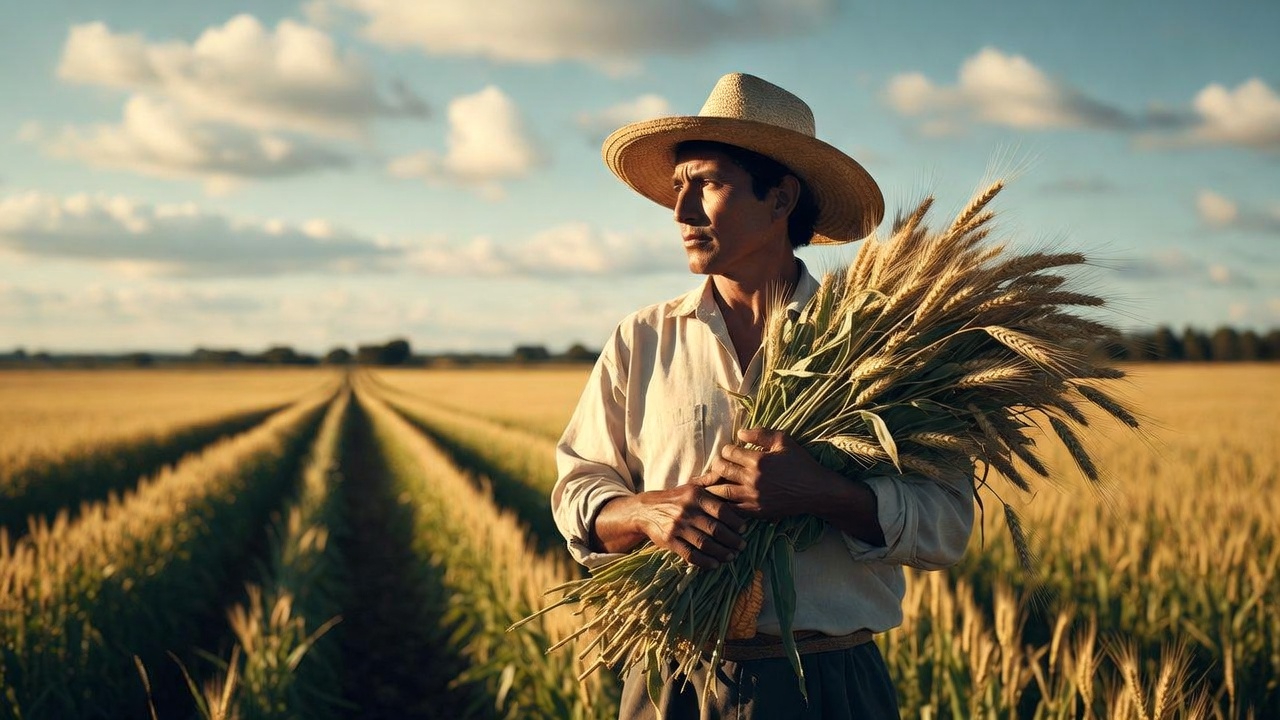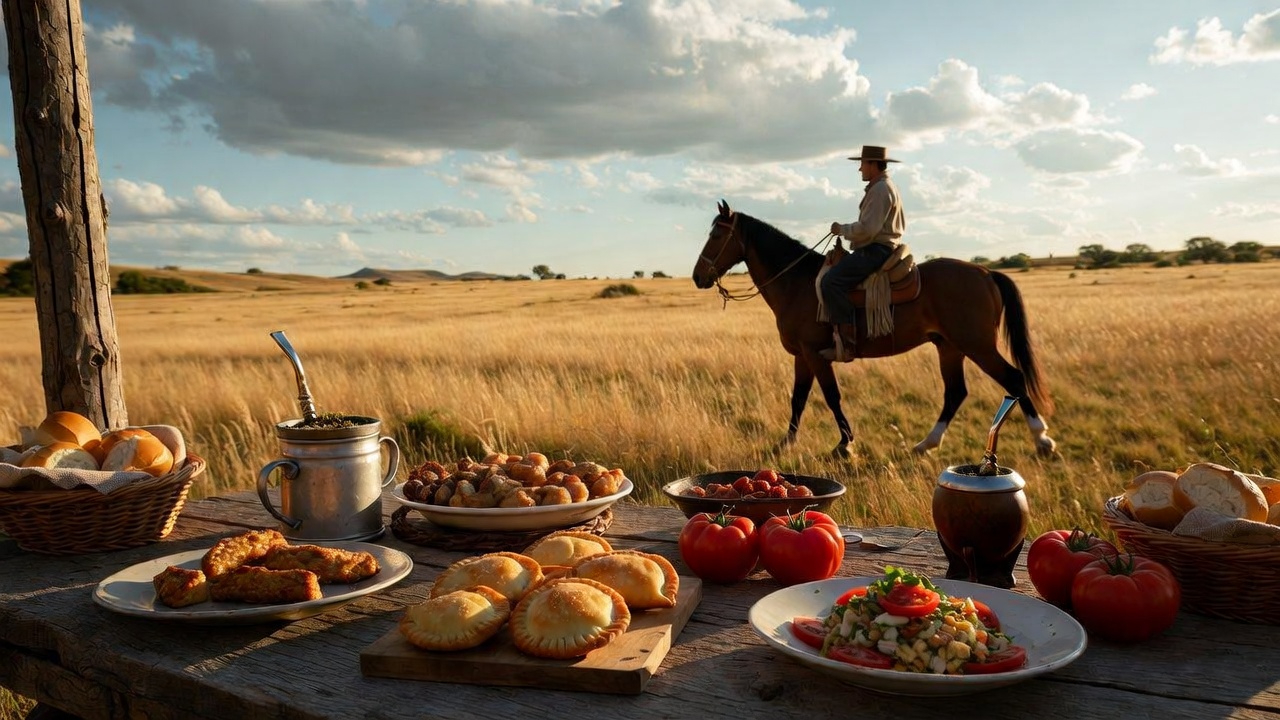
The morning air on the Argentine Pampas carries a scent you will not find in any city on earth. It is a mix of damp grass, wood smoke, and leather — the unmistakable perfume of el campo, the countryside. A gaucho in dusty bombachas swings onto his Criollo horse with a grace that makes it look easy. Nearby, a parrillero feeds branches of quebracho wood into a fire pit. He is building the slow, even heat that will turn thick cuts of beef into the best asado you have ever tasted.
This is rural Argentina. It is not a museum exhibit. It is alive.
Across Latin America, Día del Campesino — the Day of the Rural Worker — is a tradition of honoring the men and women who cultivate the land and feed nations. In Peru, this day falls on June 24 and dates back to Incan celebrations of the winter solstice. In Colombia, it arrives in June as well. Argentina does not have a single, formal “Día del Campesino” on its national calendar, but make no mistake: no country in South America celebrates its rural identity with more passion or more frequency than Argentina does. The spirit of the campesino runs through everything here — from the gaucho parades of November to the folklore festivals of January, from the weekly ferias of Buenos Aires to the lamb roasts of Patagonia.
In 2026, Argentina offers travelers more opportunities than ever to step away from the tourist trail and into the living heart of its countryside. This guide is your roadmap. It will show you when to go, where to stay, what to eat, and how to do it all with respect.
Let’s ride.
What Is the Campesino Tradition and Why Does Argentina Honor Its Rural Heritage Year-Round?
The word campesino comes from the Spanish campo, meaning “field” or “countryside.” A campesino is a rural worker — a farmer, a herder, a hand on the land. In Argentina, the campesino tradition runs so deep that it shaped the national identity itself.
The gaucho is the central figure of this story. Part cowboy, part folk hero, the gaucho emerged in the 18th and 19th centuries on the vast grasslands surrounding Buenos Aires. These horsemen herded cattle across seemingly endless horizons. They lived by a code of courage, freedom, and loyalty. The poet José Hernández immortalized this life in his 1872 epic poem Martín Fierro, a work so important to Argentine identity that the main stage at the country’s largest gaucho festival is named after it.
Argentina’s bond with its rural past is not just sentimental. Agriculture remains a pillar of the national economy. The country is one of the world’s top exporters of soybeans, beef, corn, and wine. The fertile Pampas — a grassland roughly the size of Texas — has been called one of the most productive agricultural regions on the planet. The people who work this land are not relics of the past. They are the engine of the present.
This is why Argentina does not limit its campesino celebration to a single day. Instead, the country has built an entire calendar of events that honor rural life:
| Festival / Event | When | Where | What to Expect |
|---|---|---|---|
| Jesús María Doma y Folklore Festival | January (8–18 in 2026) | Jesús María, Córdoba | Rodeo, folk music, regional food |
| Cosquín Folk Festival | Late January (Jan 24–Feb 1 in 2026) | Cosquín, Córdoba | Nine nights of folk music and dance |
| Fiesta Nacional de la Vendimia | Late February / Early March | Mendoza | Grape harvest celebration, wine |
| Feria de Mataderos | Sundays, March–December | Buenos Aires | Gaucho crafts, folk dance, street food |
| La Rural (Exposición Rural) | July | Buenos Aires (Palermo) | Agricultural exhibition, livestock |
| Fiesta de la Tradición | Around November 10 | San Antonio de Areco | Largest annual gaucho celebration |
Each of these events is a Día del Campesino in its own right. Together, they form a year-round invitation to experience the soul of rural Argentina.
Best Time to Visit Rural Argentina for Authentic Campesino Experiences in 2026
Choosing the right time to visit depends on what you want to see and how you want to feel.
Argentine seasons are reversed from the Northern Hemisphere. January and February are the hottest summer months. June through August is winter. This matters because many rural festivals cluster in specific seasons, and the weather shapes the food, the mood, and the landscape.
Summer (December–February): Festival Season in Full Swing
If you want to see Argentina’s rural culture at its most electric, come in January. The 60th edition of the Jesús María Doma y Folklore Festival took place from January 8 to 18, 2026, at the Anfiteatro José Hernández in Córdoba province. This event, which has held the Argentine “Marca País” designation since 2017 — meaning it is considered synonymous with the Argentine national brand worldwide — drew top folk artists like Abel Pintos, Soledad Pastorutti, and El Chaqueño Palavecino alongside a national and international rodeo championship.
Just days later, the 66th Cosquín Folk Festival ran from January 24 to February 1, 2026, at the Plaza Próspero Molina. Cosquín has been the self-declared “Capital Nacional del Folklore” since 1961. Its famous “Nine Moons” — nine consecutive nights of performances — have launched the careers of legends like Mercedes Sosa and Atahualpa Yupanqui.
Summer in the Pampas is green and warm. Fields stretch in every direction under a wide sky. It is the ideal time for horseback riding at an estancia.
Autumn (March–May): Harvest and Heritage
March brings the famous Fiesta Nacional de la Vendimia in Mendoza, marking the grape harvest. This is also when the Feria de Mataderos resumes its Sunday schedule in Buenos Aires after the summer break.
Autumn is harvest season for many crops. The air cools. The pace slows. This is a wonderful time to visit working farms and vineyards. The autumn light on the Pampas is golden, and the tourist crowds thin out.
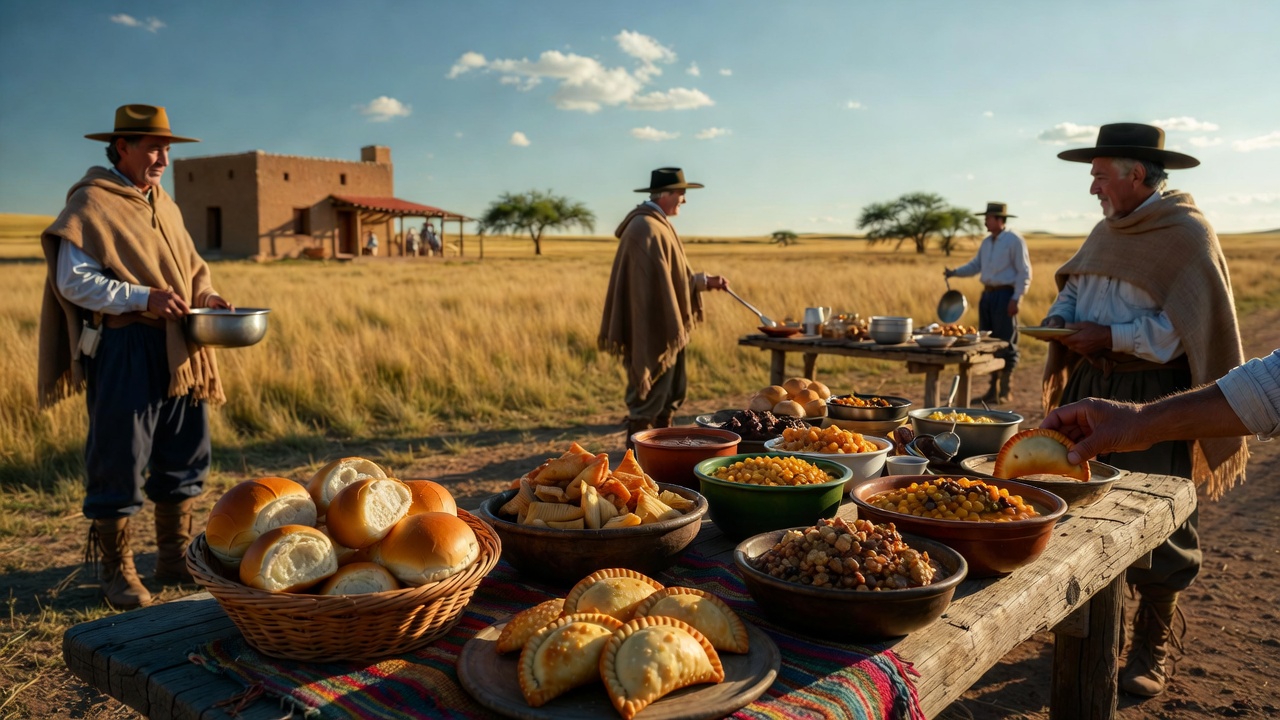
May 25, Argentina’s Revolution Day, is a national holiday with deep campesino food traditions. Families across the country prepare locro — a hearty stew of hominy corn, beans, pumpkin, chorizo, and pork — as a patriotic ritual. If you are in Argentina on May 25, find a restaurant serving a menú patriótico. It will likely include empanadas, locro, and pastelitos. This is how Argentines eat their history.
Winter (June–August): Cozy and Cultural
July brings La Rural, the massive agricultural exhibition held at the Palermo fairgrounds in Buenos Aires. Founded in 1875 by the Sociedad Rural Argentina, this event has grown into one of the largest agricultural fairs in Latin America. It draws over a million visitors and showcases livestock, equestrian competitions, gaucho traditions, and regional food from every Argentine province.
Winter is also the season of stews and slow-cooked comfort food. The countryside feels intimate in the cold months. Estancias light their fireplaces. Gauchos share mate around the warmth. If you want a quiet, reflective campesino experience, winter is your season.
Spring (September–November): The Peak of Gaucho Culture
November 10 is Día de la Tradición, the Day of Tradition. This national holiday commemorates the birth of José Hernández and is the most important date on Argentina’s rural cultural calendar. The town of San Antonio de Areco, about 115 kilometers northwest of Buenos Aires, has been the permanent host of the Fiesta de la Tradición since 1939. It is the oldest gaucho celebration in the country.
During the festival week, gauchos from across Argentina ride into town in full traditional dress. They parade through cobblestone streets. They compete in jineteadas (rodeo events) at the Parque Criollo Ricardo Güiraldes. They gather around bonfires as folk musicians play into the night.
Book estancia lodging early for the November festival. Properties sell out months in advance.
Top Rural Festivals in Argentina You Should Not Miss in 2026
The Jesús María Doma y Folklore Festival: Argentina’s Rodeo Capital
If you attend only one rural festival in Argentina, many locals would tell you to make it Jesús María. Located 50 kilometers north of Córdoba city, this small town transforms each January into the heart of gaucho culture.
The festival was born in 1966 from a humble beginning: a group of school cooperatives in Jesús María needed to raise funds for children’s education. They decided to organize a rodeo and folk music event. It was a massive success. Sixty years later, the Anfiteatro José Hernández holds up to 35,000 people per night.
What makes Jesús María special is the combination of jineteada (rodeo) and folklore music on the same bill. Inside the arena, brave riders mount untamed horses and try to stay on for a set time. On the main stage, Argentina’s biggest folk artists perform. Outside the amphitheater, peñas (informal folk gatherings) spring up with food stalls, artisan crafts, and live music that continues until dawn.
The 2026 edition featured the Campeonato Nacional e Internacional de Jineteada, drawing riders from Argentina, Uruguay, Brazil, Chile, and Paraguay.
Cosquín Folk Festival: Nine Moons of Pure Folklore
The Cosquín Folk Festival is to Argentine folklore what Nashville is to country music. Located in the picturesque Punilla Valley of Córdoba province, Cosquín has hosted this event every January since 1961. President José María Guido designated the last week of January as National Folklore Week by decree in 1963 and established Cosquín as its permanent home.
The festival’s structure is poetic: nine nights are called “Nine Moons.” Each moon features a marathon of performances at the outdoor Plaza Próspero Molina. But the real magic happens off-stage at the peñas — riverside bonfires and tent gatherings where musicians, strangers, and locals sing together until sunrise.
In 2026, the lineup included Peteco Carabajal, Teresa Parodi, Milo J, and Cazzu, alongside folk legends. The festival also hosts the Augusto Raúl Cortázar National Exhibition of Crafts and Folk Art, plus workshops in native languages such as Quechua and Guaraní.
Fiesta de la Tradición: The Gaucho Homeland in San Antonio de Areco
San Antonio de Areco is not just a festival venue. It is the spiritual home of Argentine gaucho culture. The town’s connection to the gaucho was sealed in 1926 when writer Ricardo Güiraldes published Don Segundo Sombra, a novel about a young man mentored by a wandering gaucho. The book was printed right there in San Antonio de Areco, and the town never looked back.
The Fiesta de la Tradición takes place around November 10 each year. It is the country’s oldest and most prestigious gaucho celebration. The main events occur at the Parque Criollo on the edge of town and include:
- Gaucho parades through the town center, with riders in full traditional dress
- Jineteadas (rodeo competitions) with young, untamed horses
- Folk music and dance performances featuring chacarera, zamba, and milonga
- Artisan markets selling silverwork, leather goods, and handwoven textiles
- A closing bonfire on the evening of November 10
Visitors can also explore the Ricardo Güiraldes Gaucho Museum, the Boliche de Bessonart (Argentina’s oldest pulpería, a combined bar and general store where gauchos once gathered), and the workshops of master silversmiths like the renowned Draghi family.
How to Stay at an Argentine Estancia and Live Like a Gaucho for a Day
An estancia is a ranch — the organizational unit of Argentine pastoral life since the colonial era. The word comes from the Spanish estar (“to stay”), reflecting these properties’ role as permanent settlements in a landscape once defined by nomadic gaucho life.
Today, many estancias welcome guests. Some are working cattle ranches. Others are restored historic properties. The best ones offer an authentic window into rural Argentine culture without pretending the 21st century does not exist.
What a Typical Estancia Day Looks Like
A day at an estancia near Buenos Aires generally follows this rhythm:
Morning: You arrive from Buenos Aires (a one-to-two-hour drive). You are greeted with mate and facturas (Argentine pastries). A gaucho introduces the horses and explains the riding style — Argentine saddles are different from English or Western saddles, and the Criollo horses are sturdy and calm.
Late morning: You ride out across the Pampas. The grasslands stretch to the horizon. You may see herds of cattle, wild hares, and burrowing owls. The gaucho points out native plants and tells stories of the land.
Midday: The asado begins. This is not just a meal; it is a ritual. The asador (grill master) builds a fire from native hardwood and slow-cooks a parade of meats: beef ribs, chorizo, morcilla (blood sausage), and perhaps a whole butterflied lamb. Provoleta — grilled provolone cheese with oregano — comes off the grill first as an appetizer. Chimichurri sauce and salsa criolla are passed around. Red Malbec wine flows.
Afternoon: After a long lunch, activities vary. You might watch a horse-whispering demonstration, try your hand at pato (Argentina’s national sport, a horseback game similar to polo played with a ball and handles), or simply rest in a hammock beneath the ombú trees.
Late afternoon: You drive back to Buenos Aires, sun-drenched and full.
Estancias Worth Visiting Near Buenos Aires in 2026
| Estancia | Location | Highlights |
|---|---|---|
| Estancia La Bamba de Areco | San Antonio de Areco | Historic property, Relais & Châteaux, legendary dulce de leche crepes |
| Estancia La Madrugada | Near San Antonio de Areco | Organic garden farm-to-table dining, live guitar by campfire |
| Estancia Los Potreros | Córdoba hills | Family-run for four generations, award-winning Aberdeen Angus cattle |
| Rancho ‘e Cuero | Near Mendoza | Andean mountain setting, fly fishing, Criollo horse rides |
| Estancia Harberton | Tierra del Fuego | Founded 1886, the oldest estancia in Tierra del Fuego |
Practical tip: Avoid the large estancias that seat 100 or more guests at once. These industrial-scale operations often overwork the horses and lack intimacy. Choose small, family-run properties. Ask your estancia to arrange private transfers from your Buenos Aires hotel.
Traditional Argentine Campesino Food You Must Try During Your Rural Adventure
Food in rural Argentina is not fancy. It is honest, generous, and built to fuel hard work under an open sky. The campesino kitchen relies on fresh meats, corn, potatoes, squash, beans, and simple spices like paprika, oregano, and garlic. Quality of ingredients and patience in cooking matter more than technique.
Asado: The Sacred Ritual of Argentine Barbecue
Asado is not a dish. It is an event. The asador builds a fire with charcoal made from native trees like quebracho or algarrobo — never pine or eucalyptus, which have strong resins that taint the flavor. Meats are cooked low and slow on a large grill called a parrilla. A full asado might include:
- Bife de chorizo (sirloin steak)
- Vacío (flank steak with a fat cap)
- Costillas (beef short ribs)
- Chorizo and morcilla (blood sausage)
- Provoleta (grilled provolone cheese)
On national holidays in rural areas, you may encounter an asado del pueblo — a communal village barbecue that feeds the entire community.
The most common condiment is chimichurri, a bright green sauce of parsley, garlic, oregano, red pepper flakes, olive oil, and vinegar. Unlike versions found outside Argentina, the Argentine original does not contain chili peppers. It uses ají molido, a milder dried red pepper, instead.
Locro: The Patriotic Stew
Locro is Argentina’s Thanksgiving dish. This thick stew of hominy corn, beans, potatoes, pumpkin, chorizo, and pork is traditionally served on May 25 (Revolution Day) and July 9 (Independence Day). Its origins predate the Spanish colonial era, rooted in the indigenous cultures of northwestern Argentina.
Making locro requires soaking dried hominy corn overnight and then simmering everything for hours. The result is a deeply flavorful, belly-warming bowl that tastes like the Argentine soil itself.
Empanadas: Regional Pride in a Pastry
Every Argentine province has its own empanada style, and people argue about which is best the way Americans argue about barbecue.
- Salta: Beef empanadas with potatoes, hard-boiled eggs, and a juicy filling. Baked.
- Tucumán: Stuffed with matambre (a lean cut), hand-chopped with a knife, and fried.
- Córdoba: Known for adventurous fillings that sometimes include raisins.
- Patagonia: Lamb, trout, or deer empanadas reflecting the local landscape.
Each empanada has a specific repulgue — a decorative crimp along the edge — that identifies its flavor. In a mixed dozen, you read the folds to find what you want.
Humita: A Taste of Indigenous Roots
Humita is a savory corn preparation with onions, cheese, and spices, wrapped in fresh corn husks and steamed. It originates from the indigenous Andean-Incan culinary tradition of northwestern Argentina, particularly the provinces of Jujuy, Salta, and Tucumán. The best humitas are found in the northwest during spring and summer, when corn is fresh.
Torta Frita: The Rainy-Day Treat
On rainy days in the Pampas, rural families make torta frita — simple rounds of dough fried in oil or animal fat. Eat them with mate while watching the storm roll across the grasslands. There is a superstition in the countryside that rain makes the best torta frita. No one can explain why. No one argues with it, either.
Mate: More Than a Drink, a Social Bond
Mate is the national drink of Argentina, and it is not something you order at a restaurant. It is a ritual of sharing. Dried leaves from the yerba mate plant are placed in a hollow gourd. Hot water (never boiling) is poured over the leaves. A metal straw called a bombilla is used to sip.
The critical detail: mate is shared. One person (the cebador) prepares and pours. The gourd is passed around the circle. Everyone drinks from the same bombilla. Refusing a round of mate in the countryside is considered rude. Saying gracias when you receive the gourd means you are finished drinking.
Where to Find Authentic Gaucho Culture Near Buenos Aires in 2026
You do not need to travel to remote provinces to taste campesino culture. Some of the best experiences are a short trip from the capital.
San Antonio de Areco: The Soul of Gaucho Country
At just 115 kilometers from Buenos Aires (about two hours by car or bus from the Retiro terminal), San Antonio de Areco is the most accessible and authentic gaucho destination in the country. Its cobblestone streets, colonial architecture, and deep connection to gaucho literary history make it feel like stepping into a different century.
Year-round highlights include:
- The Ricardo Güiraldes Gaucho Museum at the Parque Criollo
- The Boliche de Bessonart, the oldest pulpería in Argentina, still open and serving customers
- Master silversmith workshops, including the internationally renowned Museo Taller Draghi
- Horseback rides across the surrounding Pampas
- The Puente Viejo (Old Bridge) over the Areco River
Even on an ordinary Sunday outside of festival season, you will find gauchos in traditional dress at the local church. The town lives its traditions every day, not just when tourists arrive.
Feria de Mataderos: The Countryside Comes to the City
If you are in Buenos Aires on a Sunday between March and December, the Feria de Mataderos is not optional. This weekly market and folk festival, located in the southwestern neighborhood of Mataderos, brings rural Argentina into the capital. The Porteña Legislature has declared the fair a Cultural Heritage of the City of Buenos Aires.
The fair was created in 1986 to preserve Argentine folk traditions. It is set in Mataderos — a neighborhood whose name literally means “slaughterhouses” — where gauchos once drove cattle from the Pampas for sale and slaughter. That history gives the fair an authentic edge.
What you will find at the Feria de Mataderos:
- Up to 700 artisan stalls selling handmade leather goods, mate gourds, ponchos, silver jewelry, and pottery
- Regional food stalls serving locro, empanadas, tamales, choripán, and Paraguayan sopa paraguaya
- Live folk music on a large stage, featuring chacarera, zamba, tango, and cumbia
- Gaucho demonstrations including horseback riding and the carrera de sortijas (ring race)
- Free workshops in weaving, folk dancing, guitar, Quichua language, and Andean sikus (panpipes)
The fair runs from about 11:00 a.m. to 8:00 p.m. Arrive hungry. Leave with a handmade poncho.
How to get there: Take bus 126 from downtown or bus 55 from Palermo (about one hour). Alternatively, take Subte line E to Plaza de los Virreyes and grab a taxi. Bring cash — many stalls do not accept cards. In rainy weather, the fair does not operate.
How to Experience the Cosquín Folk Festival Like a True Argentine in 2026
Cosquín is not a place you simply attend. It is a place you surrender to.
The town of Cosquín sits in the Punilla Valley of Córdoba province, about 51 kilometers from the city of Córdoba. During the festival, this small community becomes the folk music capital of South America. The atmosphere goes beyond the official stage. Street corners host spontaneous performances. Old men in ponchos swap stories over mate. The smell of grilling meat hangs in the valley air day and night.
How to Do Cosquín Right
Go to the peñas, not just the stage. The official concerts at the Plaza Próspero Molina are spectacular, but the peñas — informal riverside gatherings with bonfires, singing, and dancing — are where you will feel what Cosquín truly is. Musicians jam until sunrise. Strangers share wine. Someone will hand you a guitar whether you play or not.
Eat at the artisan food stalls. Skip restaurant dining and eat the way the locals eat during the festival: empanadas from a stall, sliced asado on bread, cheese from a Córdoba farm, and dulce de leche sweets for dessert.
Take a workshop. The festival hosts the Augusto Raúl Cortázar National Exhibition of Crafts and Folk Art alongside workshops in native languages, weaving, and traditional cooking. These are free and open to the public.
Learn the names of the dances. When you watch the dance showcases, you will see several distinct styles:
- Chacarera: A fast, playful partner dance from the northern provinces
- Zamba: A slower, more romantic dance performed with handkerchiefs
- Malambo: A solo male dance focused on fierce, percussive footwork
- Carnavalito: A group dance from the Andean northwest
Knowing these names will help you appreciate what you are watching — and impress any local who invites you to dance.
Best Regions in Argentina for Off-the-Beaten-Path Rural Tourism
Argentina is the eighth-largest country in the world. Its rural landscape ranges from subtropical jungle to glacial plains. Each region offers a different campesino experience.
The Northwest: Jujuy, Salta, and Tucumán
This is Argentina’s most indigenous region. The cuisine is tied to the Andean-Incan tradition, with dishes like locro, humita, and tamales. The Quebrada de Humahuaca in Jujuy is a UNESCO World Heritage Site. Every June, the town of Salta hosts a massive Gauchos de Güemes parade honoring the independence hero Martín Miguel de Güemes, blending gaucho culture with indigenous traditions.
The Famaillá National Empanada Festival in Tucumán celebrates the empanada in all its regional glory with tastings, contests, and enormous communal feasts.
Córdoba: Sierras and Folklore
Beyond the famous festivals of Cosquín and Jesús María, Córdoba province offers estancias in the rolling sierras that feel worlds away from Buenos Aires. Estancia Los Potreros, near the town of La Cumbre, is a four-generation family ranch known for its Aberdeen Angus cattle and horseback rides through wild grasslands.
La Pampa Province: The Heart of Gaucho Country
La Pampa is less visited than Buenos Aires province but offers perhaps the most authentic ranch experience in Argentina. Working estancias like A Puro Campo and Villaverde (the province’s first tourist estancia) welcome guests for horseback riding, wildlife watching, and traditional meals cooked in hornos de barro (adobe ovens).
Patagonia: Sheep Stations and Pioneer Heritage
Patagonian estancias operate on a different scale. Properties here are vast, wind-scoured, and dramatic. Activities include sheep shearing, lamb branding, horseback riding through volcanic landscapes, and wildlife sighting (guanacos, foxes, deer, and condors).
Estancia Harberton in Tierra del Fuego, founded in 1886 by Anglican missionary Thomas Bridges, is the oldest estancia in Tierra del Fuego. It is now managed by the fifth and sixth generations of the founding family and offers guided tours, lodging, and a restaurant overlooking the Beagle Channel.
Mendoza: Wine Country Meets Ranch Culture
Mendoza is famous for its Malbec wines, but the surrounding countryside offers ranch experiences set against the Andes. Rancho ‘e Cuero, managed by the Palma family for over 250 years, sits on 7,400 acres and offers horseback rides through mountain passes, fly fishing, and nights under southern stars.
Rural Argentina Travel Tips: What to Pack and How to Get Around in 2026
Getting There
Most international flights arrive in Buenos Aires (Ezeiza Airport). From there:
- San Antonio de Areco: Two hours by car or bus from Retiro terminal
- Jesús María: 50 km north of Córdoba city (fly to Córdoba from Buenos Aires in about 1.5 hours)
- Cosquín: 51 km from Córdoba via Ruta Nacional 38
- Mendoza: A 1.5-hour flight from Buenos Aires, or about 12 hours by bus
- Estancias near Buenos Aires: Most are one to two hours by car. Ask the estancia to arrange a private transfer.
What to Pack for a Campesino Adventure
- Comfortable long pants for horseback riding (no shorts or skirts)
- Closed-toe shoes with a small heel (for stirrup positioning)
- Layers — rural areas can be warm at midday and cold at night
- A hat and sunscreen — the Pampas offer little shade
- Cash in Argentine pesos — many rural vendors and markets do not accept cards
- A reusable water bottle — tap water is generally safe in Argentina, but bring your own for long rides
- An open mind and an empty stomach
Language Tips
Most rural Argentines speak only Spanish. A few key phrases will go far:
- “¿Puedo tomar mate con ustedes?” — Can I drink mate with you?
- “¿Cómo se llama este corte?” — What is this cut called? (at an asado)
- “Muy rico” — Very delicious
- “Gracias, ya tomé” — Thank you, I’ve had enough (when declining mate)
How to Respect Local Customs and Traditions When Visiting Rural Argentina
Rural Argentina is welcoming, but it is not a theme park. The people you meet are living their lives, not performing for visitors. A few principles will help you be a good guest.
Accept What Is Offered
If someone offers you mate, drink it. If someone invites you to sit at their table, sit down. Hospitality in the countryside is sincere. Refusing it without good reason is considered cold.
Ask Before You Photograph
Gauchos in their traditional dress make striking photographs, but they are people, not props. Ask permission before taking a portrait. Most will say yes. Some may want to pose. A few will decline. Respect the answer.
Do Not Rush the Asado
An asado takes time. The fire must build. The coals must settle. The meat must cook slowly. Do not ask when lunch will be ready. The asador will tell you. In the meantime, drink wine, talk, and enjoy the process. The waiting is part of the meal.
Learn a Little Before You Go
Read a summary of Martín Fierro. Listen to a playlist of folk musicians like Mercedes Sosa, Atahualpa Yupanqui, or Soledad Pastorutti. Know the difference between a chacarera and a zamba. This effort shows respect, and locals will notice.
Support Local Economies
Buy your souvenirs from artisans at the feria, not from airport shops. Eat at family-run restaurants and parrillas, not chain hotels. Stay at family-owned estancias. Every peso you spend in the countryside helps sustain the campesino way of life.
Your 2026 Rural Argentina Campesino Adventure: A Month-by-Month Calendar
Here is a quick-reference guide to planning your trip around Argentina’s rural calendar:
| Month | Key Event | Region |
|---|---|---|
| January | Jesús María Festival (Jan 8–18); Cosquín Folk Festival (Jan 24–Feb 1) | Córdoba |
| February | Cosquín continues; Vendimia preparations in Mendoza | Córdoba, Mendoza |
| March | Fiesta Nacional de la Vendimia; Feria de Mataderos resumes | Mendoza, Buenos Aires |
| April–May | Autumn harvest; Locro on May 25 (Revolution Day) | Nationwide |
| June | Gauchos de Güemes parade in Salta; Inti Raymi in the Northwest | Salta, Jujuy |
| July | La Rural agricultural exhibition in Palermo, Buenos Aires | Buenos Aires |
| August | Tango Festival in Buenos Aires (for a city contrast) | Buenos Aires |
| September | Spring estancia visits begin; wildflowers on the Pampas | Buenos Aires province |
| October | Oktoberfest in Villa General Belgrano | Córdoba |
| November | Fiesta de la Tradición in San Antonio de Areco (~Nov 10) | Buenos Aires province |
| December | Summer begins; Feria de Mataderos runs through mid-December | Buenos Aires |
Why Día del Campesino Adventures in Argentina Are Worth Every Moment
There is a moment that happens on every estancia visit, at every folk festival, at every Sunday feria. It is the moment when the gaucho stops being exotic and starts being familiar. You realize that the man tending the fire is not so different from anyone, anywhere, who takes pride in feeding the people he cares about. You realize that the woman dancing the chacarera is not performing a tradition — she is living one.
Rural Argentina does not offer you a curated experience. It offers you a real one. The empanada might be a little uneven because it was folded by hand, not by machine. The horse might have a mind of its own. The locro might be hotter than you expected — in both temperature and spice.
That is the point.
In a world where travel is increasingly polished and predictable, the Argentine countryside remains wonderfully, stubbornly authentic. The campesino spirit — hard work, generosity, a deep connection to the land — is not a brand. It is a way of life.
In 2026, that life is waiting for you. All you have to do is show up, say “buenas tardes,” and accept the mate when it comes your way.
Have you visited rural Argentina? Share your favorite campesino experience in the comments below. And if you are planning your 2026 trip, bookmark this guide — the campo is calling.