
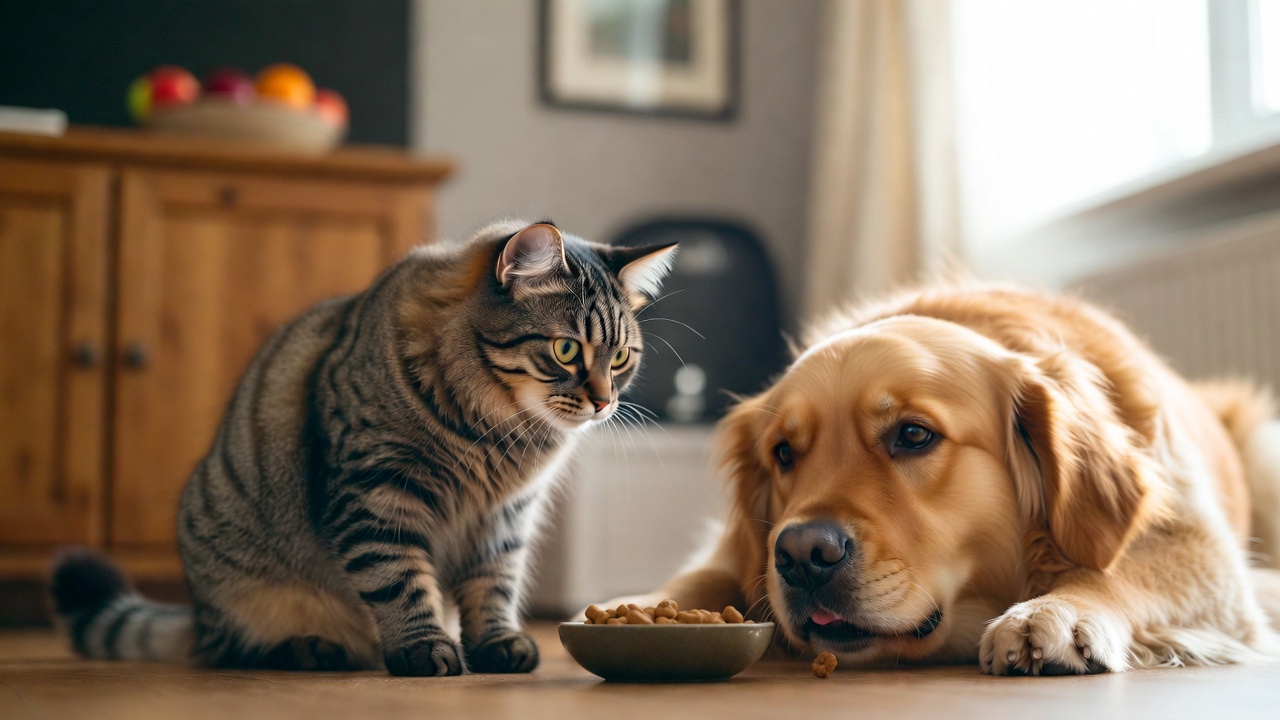
Celebrate the bond with your furry companion by crafting wholesome, homemade treats they’ll love
What Is Love Your Pet Day and Why Do We Celebrate It?
Love Your Pet Day falls on February 20th each year. This heartwarming celebration honors the special relationship between humans and their animal companions. Unlike National Pet Day in April, Love Your Pet Day focuses specifically on expressing affection and gratitude toward our furry, feathered, or scaled family members.
The origins of this celebration remain somewhat mysterious. However, pet appreciation traditions date back centuries across cultures. Ancient Egyptians revered cats as sacred beings. Medieval Europeans kept dogs as both working animals and beloved companions. Today, over 66% of American households own a pet, according to the American Pet Products Association.
What better way to show love than through food? Homemade treats offer a personal, nutritious, and budget-friendly alternative to store-bought options. They contain no artificial preservatives. You control every ingredient. Your pet receives a gift made with genuine care.
Why Homemade Dog Treats Are Better Than Store-Bought Options
The commercial pet treat industry generates billions annually. Yet many products contain questionable ingredients. Artificial colors, preservatives, and fillers dominate ingredient lists. Some treats have even faced recalls due to contamination.
Benefits of Making Pet Treats at Home
| Benefit | Description |
|---|---|
| Ingredient Control | You choose every component that enters your pet’s body |
| Cost Savings | Homemade treats cost 50-70% less than premium store brands |
| Allergy Management | Easily avoid ingredients that trigger your pet’s sensitivities |
| Freshness | No need for artificial preservatives when treats are made fresh |
| Bonding Experience | The cooking process strengthens your connection with your pet |
| Customization | Tailor recipes to your pet’s taste preferences and dietary needs |
According to veterinary nutritionists at Tufts University’s Cummings School of Veterinary Medicine, homemade treats can be part of a healthy diet when they constitute no more than 10% of daily caloric intake.
Essential Safety Guidelines for Homemade Pet Treats
Before diving into recipes, understanding pet food safety is crucial. Not all human foods are safe for animals. Some common ingredients can cause serious illness or death.
Toxic Foods to Never Include in Pet Treats
For Dogs:
- Chocolate (contains theobromine)
- Xylitol (artificial sweetener)
- Grapes and raisins
- Onions and garlic
- Macadamia nuts
- Avocado
- Alcohol
- Caffeine
For Cats:
- Onions and garlic
- Raw eggs
- Alcohol
- Caffeine
- Grapes and raisins
- Xylitol
- Raw yeast dough
The ASPCA Animal Poison Control Center maintains a comprehensive database of toxic substances. Bookmark this resource for quick reference.
General Safety Tips for Preparing Pet Food at Home
- Wash hands thoroughly before and after handling ingredients
- Use separate cutting boards for pet food preparation
- Store treats properly in airtight containers
- Introduce new treats gradually to monitor for allergic reactions
- Consult your veterinarian before making dietary changes for pets with health conditions
How Many Calories Should Dog Treats Contain Per Day?
Treat portions matter significantly. Overfeeding treats leads to obesity, which affects over 50% of American pets. The Association for Pet Obesity Prevention reports alarming statistics about pet weight issues.
Daily Treat Calorie Guidelines by Pet Size
| Pet Size | Weight Range | Maximum Daily Treat Calories |
|---|---|---|
| Small Dogs | Under 20 lbs | 40-60 calories |
| Medium Dogs | 20-50 lbs | 60-100 calories |
| Large Dogs | 50-90 lbs | 100-150 calories |
| Giant Dogs | Over 90 lbs | 150-200 calories |
| Cats | 8-11 lbs | 20-30 calories |
These guidelines ensure treats remain a special reward rather than a dietary staple. Adjust regular meals accordingly when offering treats.
Recipe 1: Simple Peanut Butter Dog Biscuits for Beginners
This classic recipe requires minimal ingredients and equipment. Peanut butter provides protein and healthy fats. Dogs universally love the taste.
Ingredients for Homemade Peanut Butter Dog Treats
- 2 cups whole wheat flour (or oat flour for grain-sensitive dogs)
- 1 cup natural peanut butter (xylitol-free)
- 2 eggs
- ½ cup water
Step-by-Step Instructions
- Preheat oven to 350°F (175°C)
- Combine flour and peanut butter in a large mixing bowl
- Add eggs and mix until incorporated
- Gradually add water until dough forms
- Roll dough to ½-inch thickness on floured surface
- Cut shapes using cookie cutters
- Place on parchment-lined baking sheet
- Bake 18-20 minutes until golden brown
- Cool completely before serving
Yield: Approximately 40 small biscuits
Storage: 2 weeks in airtight container; 3 months frozen
Vet Tip: Always verify your peanut butter contains no xylitol. This artificial sweetener is extremely toxic to dogs, even in small amounts.
Recipe 2: Frozen Banana and Yogurt Dog Treats for Summer
Hot weather calls for cooling snacks. Frozen treats help regulate body temperature while providing hydration and nutrition.
Why Bananas Are a Healthy Treat for Dogs
Bananas offer numerous benefits:
- Potassium for heart and kidney health
- Vitamin B6 for brain function
- Vitamin C for immune support
- Fiber for digestive health
- Natural sweetness without added sugars
Frozen Banana Dog Treat Recipe
Ingredients:
- 2 ripe bananas
- 1 cup plain Greek yogurt (unsweetened)
- 2 tablespoons honey (optional)
Instructions:
- Mash bananas until smooth
- Mix in yogurt thoroughly
- Add honey if desired for extra palatability
- Pour mixture into silicone molds or ice cube trays
- Freeze 4-6 hours until solid
- Pop treats from molds and serve
Yield: 12-16 treats depending on mold size
Storage: 2 months in freezer
Recipe 3: Grain-Free Sweet Potato Dog Chews for Allergies
Many dogs suffer from grain sensitivities. Sweet potatoes provide an excellent grain-free alternative packed with nutrients.
Nutritional Benefits of Sweet Potatoes for Dogs
| Nutrient | Benefit |
|---|---|
| Beta-carotene | Supports eye health and immune function |
| Fiber | Promotes healthy digestion |
| Vitamin A | Maintains skin and coat health |
| Vitamin C | Boosts immune system |
| Manganese | Supports bone health |
Dehydrated Sweet Potato Dog Treat Recipe
Ingredients:
- 2-3 large sweet potatoes
- Coconut oil spray (optional)
Instructions:
- Preheat oven to 250°F (120°C)
- Wash and slice sweet potatoes into ¼-inch rounds
- Lightly spray with coconut oil if desired
- Arrange in single layer on baking sheets
- Bake 3 hours, flipping halfway through
- Check for chewy texture (not crispy)
- Cool completely before storing
Yield: Varies based on potato size
Storage: 3 weeks in airtight container
Pro Tip: For crunchier chips, bake an additional 30-60 minutes. Watch carefully to prevent burning.
Recipe 4: Salmon and Oat Cat Treats for Feline Friends
Cats deserve homemade love too. Salmon provides omega-3 fatty acids essential for feline health. The Cornell Feline Health Center emphasizes the importance of fish in cat nutrition.
Why Cats Love Fish-Based Treats
Cats are obligate carnivores. Their bodies require animal protein to thrive. Fish offers:
- High-quality protein
- Omega-3 fatty acids for coat health
- Taurine for heart function
- Appealing aroma cats find irresistible
Homemade Salmon Cat Treat Recipe
Ingredients:
- 1 can (6 oz) wild-caught salmon, drained
- 1 egg
- 1 cup oat flour
- 1 tablespoon catnip (optional)
Instructions:
- Preheat oven to 350°F (175°C)
- Combine salmon and egg in food processor
- Pulse until smooth
- Add oat flour gradually
- Mix in catnip if using
- Form small balls (½-inch diameter)
- Flatten slightly on parchment-lined sheet
- Bake 12-15 minutes
- Cool completely
Yield: Approximately 30 small treats
Storage: 1 week refrigerated; 2 months frozen
Recipe 5: Pumpkin and Cinnamon Dog Cookies for Digestive Health
Pumpkin is a veterinary favorite for digestive support. The fiber content helps regulate both constipation and diarrhea. Cinnamon adds anti-inflammatory benefits.
Health Benefits of Pumpkin for Dogs
The American Kennel Club frequently recommends pumpkin for digestive issues. Benefits include:
- Soluble fiber absorbs excess water in the digestive tract
- Low calorie content supports weight management
- Beta-carotene converts to Vitamin A
- Zinc promotes healthy skin and coat
- Natural palatability dogs enjoy
Pumpkin Spice Dog Biscuit Recipe
Ingredients:
- 2½ cups whole wheat flour
- 1 cup canned pumpkin (pure, not pie filling)
- 1 egg
- 2 tablespoons coconut oil
- ½ teaspoon cinnamon
Instructions:
- Preheat oven to 350°F (175°C)
- Combine all ingredients in large bowl
- Mix until dough forms
- Roll to ¼-inch thickness
- Cut into shapes
- Bake 25-30 minutes until firm
- Cool on wire rack
Yield: Approximately 36 medium biscuits
Storage: 3 weeks in airtight container
Important Note: Use only plain canned pumpkin. Pumpkin pie filling contains spices and sugars harmful to pets.
Recipe 6: Chicken and Rice Training Treats for Obedience Work
Small, quick-to-eat treats work best for training sessions. Chicken provides high-value motivation most dogs cannot resist.
What Makes an Effective Training Treat?
Effective training treats share common characteristics:
- Small size (pea-sized for most dogs)
- Soft texture for quick consumption
- Strong aroma to capture attention
- High palatability for motivation
- Low calorie content for repeated rewards
Easy Chicken Training Treat Recipe
Ingredients:
- 1 pound ground chicken
- 1 cup cooked brown rice
- 1 egg
- ½ cup chicken broth (low-sodium)
Instructions:
- Preheat oven to 325°F (165°C)
- Combine all ingredients thoroughly
- Spread mixture in thin layer on greased baking sheet
- Bake 20 minutes
- Score into small squares while warm
- Return to oven for 10 more minutes
- Cool and break apart
Yield: Approximately 100 small training treats
Storage: 1 week refrigerated; 3 months frozen
Recipe 7: Apple and Carrot Crunchy Dog Biscuits for Dental Health
Crunchy treats help scrape plaque from teeth. Apples and carrots provide natural crunch plus vitamins.
Do Crunchy Treats Actually Clean Dog Teeth?
The Veterinary Oral Health Council evaluates pet dental products. While treats alone cannot replace brushing, crunchy textures provide mechanical cleaning action that removes some surface buildup.
Apple Carrot Dental Treat Recipe
Ingredients:
- 1 cup grated carrots
- 1 apple, cored and grated (no seeds)
- 2 cups oat flour
- 1 egg
- ¼ cup water
Instructions:
- Preheat oven to 350°F (175°C)
- Combine carrots and apple in bowl
- Add flour and egg
- Mix, adding water as needed for firm dough
- Roll to ½-inch thickness
- Cut into bone shapes or rectangles
- Bake 35-40 minutes until very firm
- Turn off oven, leave treats inside 1 hour for extra crunch
Yield: Approximately 24 large biscuits
Storage: 4 weeks in airtight container
Safety Reminder: Always remove apple seeds and core. Apple seeds contain compounds that convert to cyanide.
Recipe 8: Tuna Cracker Cat Treats for Picky Eaters
Some cats are notoriously selective. Tuna’s strong aroma appeals to even finicky felines. These crackers provide irresistible flavor.
Understanding Why Cats Are Picky Eaters
Feline pickiness often relates to:
- Imprinting on foods eaten as kittens
- Texture preferences developed over time
- Temperature sensitivity (cats prefer room temperature food)
- Whisker fatigue from deep bowls
- Neophobia (fear of new things)
Homemade Tuna Cat Cracker Recipe
Ingredients:
- 1 can (5 oz) tuna in water, drained
- 1 cup rice flour
- 1 egg
- 1 tablespoon olive oil
Instructions:
- Preheat oven to 350°F (175°C)
- Blend tuna until smooth
- Add remaining ingredients
- Mix into dough
- Roll very thin (⅛ inch)
- Cut into small squares
- Bake 15-18 minutes until crisp
- Cool completely
Yield: Approximately 50 small crackers
Storage: 2 weeks in airtight container
Recipe 9: Blueberry Antioxidant Dog Treats for Senior Pets
Senior dogs benefit from antioxidant-rich foods. Blueberries rank among the highest antioxidant fruits, supporting cognitive function and overall health.
Why Blueberries Support Aging Dog Health
Research from PubMed demonstrates blueberry benefits:
| Compound | Health Benefit |
|---|---|
| Anthocyanins | Reduce inflammation and oxidative stress |
| Vitamin C | Supports immune function |
| Vitamin K | Promotes bone health |
| Fiber | Aids digestive regularity |
| Manganese | Supports metabolism |
Blueberry Oatmeal Dog Treat Recipe
Ingredients:
- 1 cup fresh or frozen blueberries
- 2 cups rolled oats
- 1 ripe banana
- ¼ cup coconut oil, melted
- 1 egg
Instructions:
- Preheat oven to 325°F (165°C)
- Blend oats into coarse flour
- Mash banana until smooth
- Combine all ingredients except blueberries
- Gently fold in blueberries
- Drop spoonfuls onto lined baking sheet
- Flatten slightly
- Bake 25-30 minutes
- Cool completely
Yield: Approximately 24 cookies
Storage: 1 week refrigerated; 2 months frozen
Recipe 10: Coconut Oil Immunity Boosting Dog Treats
Coconut oil offers numerous health benefits for dogs. Medium-chain fatty acids support skin, coat, and immune health.
Veterinary Perspectives on Coconut Oil for Dogs
The American Kennel Club Canine Health Foundation notes coconut oil benefits:
- Improves skin conditions including hot spots and allergies
- Enhances coat shine and reduces shedding
- Supports cognitive function in aging dogs
- Provides antimicrobial properties
- Aids nutrient absorption
Coconut Oil Dog Treat Recipe
Ingredients:
- ½ cup coconut oil, softened
- 2 cups oat flour
- 1 cup unsweetened shredded coconut
- 2 eggs
- 1 tablespoon honey
Instructions:
- Preheat oven to 325°F (165°C)
- Cream coconut oil until fluffy
- Add eggs and honey
- Gradually mix in flour and coconut
- Form into small balls
- Place on lined baking sheet
- Bake 15-18 minutes until edges golden
- Cool completely
Yield: Approximately 36 treats
Storage: 2 weeks in airtight container
Moderation Note: Coconut oil is calorie-dense. Limit to occasional treats, especially for overweight pets.
How to Store Homemade Pet Treats for Maximum Freshness
Proper storage extends shelf life and maintains safety. Without preservatives, homemade treats require careful handling.
Storage Methods Comparison Chart
| Method | Container Type | Duration | Best For |
|---|---|---|---|
| Room Temperature | Airtight jar | 1-2 weeks | Dry, crunchy treats |
| Refrigeration | Sealed container | 2-3 weeks | Soft, moist treats |
| Freezing | Freezer bags | 2-3 months | All treat types |
| Dehydration | Vacuum sealed | 1-2 months | Jerky-style treats |
Tips for Maintaining Treat Freshness
- Cool completely before storing to prevent condensation
- Use appropriate container sizes to minimize air exposure
- Label with date to track freshness
- Check regularly for mold or off odors
- Thaw frozen treats in refrigerator, not at room temperature
Common Mistakes to Avoid When Making Homemade Pet Treats
Even well-intentioned pet parents make errors. Learn from common mistakes to ensure your treats are safe and healthy.
Top 10 Homemade Pet Treat Mistakes
- Using toxic ingredients without research
- Adding too much salt or sugar
- Overfeeding treats beyond 10% of daily calories
- Ignoring food allergies or sensitivities
- Inadequate cooking of meat-based treats
- Poor storage practices leading to spoilage
- Using non-stick sprays with harmful additives
- Cutting treats too large for pet size
- Not consulting veterinarian for pets with health conditions
- Substituting ingredients without understanding impacts
Frequently Asked Questions About DIY Pet Treats
Can I Use Regular Flour Instead of Whole Wheat Flour?
Yes, but with caveats. All-purpose flour works but provides less nutritional value. Whole wheat offers more fiber and nutrients. For grain-sensitive pets, substitute oat flour, coconut flour, or chickpea flour.
How Do I Know If My Pet Has a Food Allergy?
Common signs include:
- Itchy skin or ears
- Chronic ear infections
- Gastrointestinal upset
- Excessive licking of paws
- Hair loss
Consult your veterinarian for proper diagnosis through elimination diets or allergy testing.
Are These Recipes Safe for Puppies and Kittens?
Most recipes work for young animals with modifications. Reduce treat sizes appropriately. Ensure ingredients suit developing digestive systems. Consult your vet before introducing new foods to animals under one year.
Can I Double or Triple These Recipes?
Absolutely. Scale ingredients proportionally. Larger batches freeze well for long-term storage. This approach saves time while ensuring you always have treats available.
What If My Pet Doesn’t Like a Particular Recipe?
Pets have preferences just like humans. Try different flavors and textures. Some dogs prefer crunchy biscuits while others favor soft treats. Cats often prefer fish over poultry. Experiment to discover favorites.
Love Your Pet Day Celebration Ideas Beyond Treats
While homemade treats make wonderful gifts, consider additional ways to celebrate your furry companion.
Activities to Enjoy with Your Pet
- Outdoor adventures: Hiking, swimming, or exploring new parks
- Spa day: Grooming, brushing, and massage
- New toys: Interactive puzzles stimulate mental health
- Photo session: Capture memories with professional or DIY photos
- Quality time: Simply being present and attentive
- Donation: Give to local shelters in your pet’s honor
- Training: Learn a new trick together
Creating a Love Your Pet Day Tradition
Establishing annual traditions strengthens your bond. Perhaps every February 20th becomes:
- Homemade treat baking day
- Special adventure day
- New toy day
- Veterinary wellness check day
- Pet-and-owner matching outfit day
Consistency creates anticipation and memories.
The Cultural Significance of Pets Across World Traditions
As a folklore enthusiast, I find the global reverence for animal companions fascinating. Throughout history, cultures have celebrated pets in unique ways.
Historical Pet Appreciation Traditions
| Culture | Tradition | Time Period |
|---|---|---|
| Ancient Egypt | Cat worship, mummification | 3000+ years ago |
| Medieval Europe | Blessing of animals on St. Francis feast | 13th century |
| Japan | Maneki-neko (beckoning cat) symbolism | 17th century |
| Mexico | Día de los Muertos pet altars | Pre-Columbian origins |
| India | Kukur Tihar dog festival | Ancient Hindu tradition |
Nepal’s Kukur Tihar especially resonates with Love Your Pet Day’s spirit. During this festival, dogs receive flower garlands, colored powder marks, and elaborate feasts honoring their loyalty and companionship.
Conclusion: Celebrating the Bond Through Homemade Love
Love Your Pet Day reminds us to pause and appreciate our animal companions. These creatures offer unconditional love, emotional support, and endless entertainment. They deserve our best efforts in return.
Homemade treats represent more than food. They symbolize time invested, care demonstrated, and love expressed. Every ingredient chosen thoughtfully, every recipe prepared carefully, communicates devotion our pets understand instinctively.
Whether you select simple peanut butter biscuits or elaborate salmon cat treats, the act of creation matters most. Your pet may not comprehend the ingredients list, but they absolutely sense the love behind each bite.
This February 20th, gather your ingredients. Preheat your oven. Create something special for the furry family member who gives you so much. Celebrate Love Your Pet Day the homemade way.
Quick Reference: Recipe Summary Table
| Recipe | Pet Type | Difficulty | Prep Time | Key Benefit |
|---|---|---|---|---|
| Peanut Butter Biscuits | Dog | Easy | 30 min | Protein-rich |
| Frozen Banana Yogurt | Dog | Easy | 10 min | Cooling, hydrating |
| Sweet Potato Chews | Dog | Easy | 3+ hours | Grain-free |
| Salmon Oat Treats | Cat | Medium | 25 min | Omega-3 fatty acids |
| Pumpkin Cinnamon Cookies | Dog | Easy | 40 min | Digestive health |
| Chicken Rice Training Treats | Dog | Medium | 45 min | High-value training |
| Apple Carrot Dental Biscuits | Dog | Easy | 50 min | Dental health |
| Tuna Crackers | Cat | Medium | 30 min | Picky eater appeal |
| Blueberry Antioxidant Treats | Dog | Easy | 40 min | Senior support |
| Coconut Oil Immunity Treats | Dog | Easy | 30 min | Skin and coat health |
Happy Love Your Pet Day! May your treats bring joy and your bond grow stronger.
Disclaimer: These recipes are intended for healthy pets without underlying medical conditions. Always consult your veterinarian before making dietary changes, especially for pets with allergies, diabetes, kidney disease, or other health concerns. The author is not a veterinary professional, and this content does not constitute medical advice.