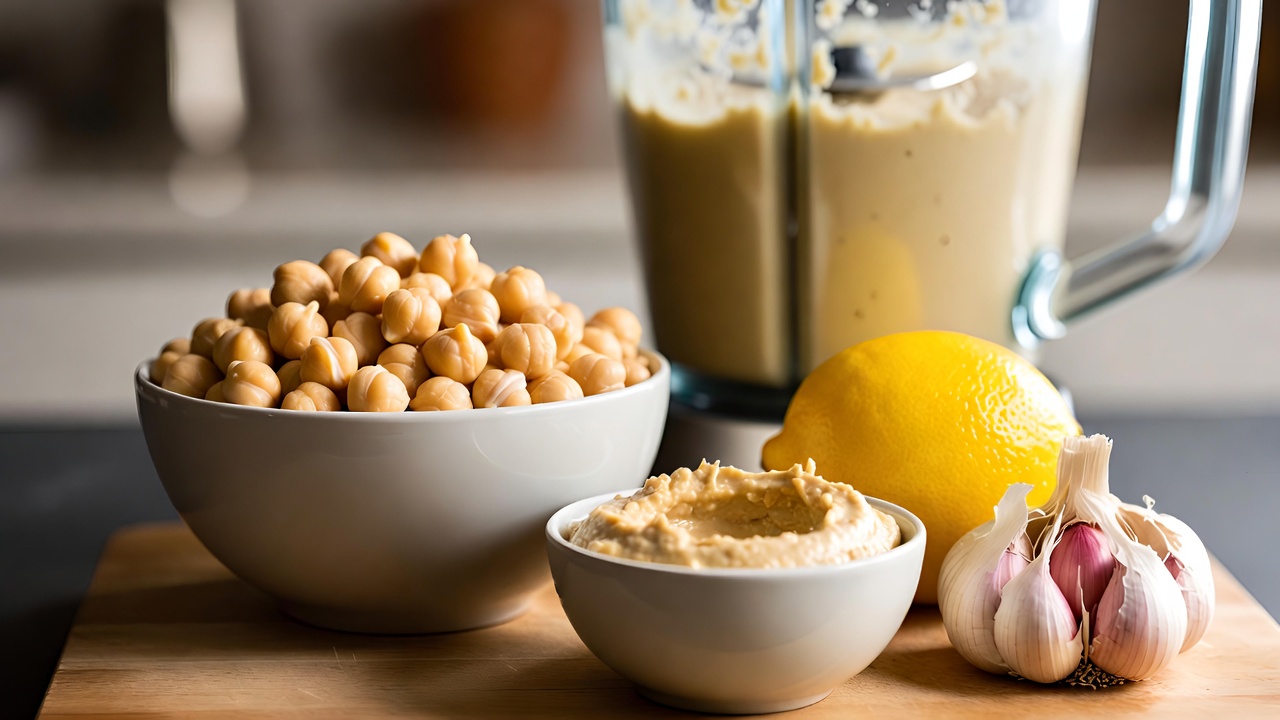
Every year on February 10th, food lovers and sustainability advocates unite to celebrate World Pulses Day. This global observance, designated by the United Nations General Assembly in 2018, shines a spotlight on humble yet mighty seeds that have nourished civilizations for millennia. In 2026, the celebration takes on renewed significance with the theme “Pulses of the world: from modesty to excellence”—a fitting tribute to foods that have journeyed from ancient cooking fires to modern kitchen tables.
What better way to honor this day than by mastering the art of homemade hummus? This beloved chickpea dip bridges cultures, generations, and continents. It embodies everything World Pulses Day represents: nutrition, sustainability, cultural heritage, and culinary delight.
In this comprehensive guide, you will discover the rich history behind hummus, learn why chickpeas deserve their superfood status, and master an easy homemade hummus recipe that will transform your kitchen into a celebration of global culinary tradition. Whether you are preparing for a World Pulses Day gathering or simply seeking a healthier snack option, this guide will equip you with everything you need.
What Is World Pulses Day and Why Should You Celebrate It
World Pulses Day falls on February 10th each year. The Food and Agriculture Organization of the United Nations coordinates this international observance to raise awareness about the nutritional benefits of pulses and their contribution to sustainable food systems.
The story behind this celebration begins with the International Year of Pulses in 2016. That year-long initiative generated such enthusiasm that world leaders decided to establish a permanent annual observance. Following Resolution A/RES/73/251, the UN General Assembly proclaimed February 10th as World Pulses Day, with the first official celebration occurring in 2019.
But what exactly qualifies as a pulse? The term refers to edible seeds of leguminous plants harvested for their dry form. This category includes:
| Pulse Type | Common Examples | Primary Growing Regions |
|---|---|---|
| Lentils | Red, green, brown, black | India, Canada, Turkey |
| Chickpeas | Kabuli, Desi | India, Australia, Turkey |
| Dry Beans | Kidney, black, pinto, navy | Brazil, Mexico, United States |
| Dry Peas | Split peas, whole peas | Canada, Russia, France |
| Lupins | White, blue, yellow | Australia, Europe |
The distinction matters because not all legumes are pulses. Fresh green peas, soybeans (primarily grown for oil), and peanuts fall outside this classification despite belonging to the legume family.
The 2026 Theme: From Modesty to Excellence
The FAO selected “Pulses of the world: from modesty to excellence” as the 2026 theme to address a fascinating paradox. Despite their extraordinary nutritional profile and environmental benefits, pulses often carry an unfortunate stigma in many societies. According to the FAO’s World Pulses Day 2026 announcement, dietary shifts and changing consumer preferences have contributed to declining per capita consumption in both developed and developing nations.
In urban areas particularly, pulses remain associated with low-cost diets or rural cuisine. The 2026 theme challenges this perception by highlighting the transformation these foods deserve—from humble origins to global recognition for their flavors, nutritional attributes, and culinary diversity.
The main World Pulses Day 2026 global event takes place in Valladolid, Spain, hosted at the Miguel Delibes Cultural Centre in collaboration with the Kingdom of Spain. This celebration blends scientific discussions with culinary demonstrations, encouraging people worldwide to integrate pulses into everyday meals in creative, nutritious, and sustainable ways.
Why Chickpeas Are the Ultimate Superfood for Sustainable Eating
Chickpeas, known scientifically as Cicer arietinum and colloquially as garbanzo beans, stand as one of humanity’s oldest cultivated crops. Archaeological evidence suggests people have consumed chickpeas in the Middle East for approximately 10,000 years—predating both pottery and written language.
Today, chickpeas rank as the third most produced pulse globally, with annual production exceeding 18 million metric tons. According to Statista data from FAO sources, India dominates global production, contributing approximately 74% of the world’s chickpea supply in recent years, followed by Australia, Turkey, Russia, and Ethiopia.
Nutritional Profile That Rivals Any Protein Source
The nutritional density of chickpeas explains their enduring appeal across cultures. A comprehensive review published in Comprehensive Reviews in Food Science and Food Safety in 2025 confirmed that chickpeas deliver exceptional value across multiple nutritional categories.
Per 100 grams of cooked chickpeas, you receive:
| Nutrient | Amount | % Daily Value |
|---|---|---|
| Calories | 164 kcal | — |
| Protein | 8.86 g | ~18% |
| Dietary Fiber | 7.6 g | ~30% |
| Folate | 172 µg | ~43% |
| Iron | 2.89 mg | ~16% |
| Phosphorus | 168 mg | ~24% |
| Zinc | 1.53 mg | ~14% |
| Magnesium | 48 mg | ~11% |
Beyond these macronutrients, chickpeas contain all nine essential amino acids, though with lower methionine content than animal proteins. This makes them what nutritionists call a “nearly complete protein”—pairing them with grains creates a fully complete amino acid profile, explaining traditional combinations like hummus with pita bread or rice with dal.
Research published by the National Institutes of Health found that chickpea and hummus consumers showed 53% lower odds of being obese and 51% lower odds of having elevated glucose levels compared to non-consumers. The study, based on NHANES 2003-2010 data, also revealed higher intakes of dietary fiber, polyunsaturated fatty acids, vitamin A, vitamin E, vitamin C, folate, magnesium, potassium, and iron among consumers.
Environmental Benefits That Make Pulses Climate Heroes
The sustainability story of pulses extends far beyond personal health. As the United Nations Environment Programme emphasizes, pulses possess a unique biological advantage: nitrogen fixation.
Through symbiotic relationships with soil bacteria called rhizobia, pulse plants convert atmospheric nitrogen into forms usable by themselves and surrounding crops. This process reduces or eliminates the need for synthetic nitrogen fertilizers—chemicals whose production requires significant fossil fuel energy and whose application releases nitrous oxide, a greenhouse gas 300 times more potent than carbon dioxide.
According to the IAEA, field studies using isotope techniques have demonstrated that significantly less nitrous oxide is emitted when pulses replace chemical fertilizers. The benefits compound when farmers incorporate pulses into crop rotation systems:
- Soil fertility improvement through nitrogen enrichment
- Reduced synthetic fertilizer requirements for subsequent crops
- Enhanced soil biodiversity and microbial activity
- Improved water retention through deep root systems
- Natural pest and disease management through crop diversity
Additionally, pulses require remarkably little water compared to other protein sources. According to pulses.org, growing pulses uses 1/2 to 1/10 the water required for other protein sources, making them particularly suited for drought-prone regions and water-scarce environments.
The Fascinating History of Hummus: From Ancient Middle East to Global Phenomenon
The word “hummus” derives from the Arabic حُمُّص (ḥummuṣ), which simply means “chickpeas.” What Westerners know as hummus is more accurately called hummus bi tahina—”chickpeas with tahini” in Arabic—acknowledging the essential sesame paste that transforms simple mashed chickpeas into the creamy dip beloved worldwide.
The Earliest Written Records
Tracing the exact origins of hummus proves challenging because the dish likely predates written recipes by centuries or millennia. However, food historians have identified several key historical documents.
According to Britannica, the earliest written hummus recipe appears in a 13th-century Egyptian cookbook titled Kitab Wasf al-Atima al-Mutada (“The Description of Familiar Food”). This version notably lacked tahini and garlic, using vinegar and pickled lemon instead.
Around the same period, the Aleppo historian Ibn al-Adim documented a recipe in the Syrian cookbook Kitāb al-Wusla ilā l-habīb. Recent research published by New Lines Magazine points to this Syrian connection as potentially the strongest evidence for hummus’s geographical origin.
Some historians conjecture that the modern culinary style of hummus bi tahina developed for the urban upper class in 18th-century Damascus, Syria, though this remains debated.
Cultural Ownership and the “Hummus Wars”
Few foods ignite as much passionate debate as hummus. Lebanon, Syria, Palestine, Israel, Jordan, Egypt, Turkey, Greece, and Cyprus all lay historical claims to this dish. The intensity of these claims reflects hummus’s profound cultural significance throughout the region.
In 2008, the Association of Lebanese Industrialists petitioned the European Commission to recognize hummus as a uniquely Lebanese food, similar to protected geographical status for European products. The claim was unsuccessful, but it highlighted how seriously Middle Eastern nations view their culinary heritage.
The “Hummus Wars” reached their most entertaining phase when Lebanon and Israel competed for the Guinness World Record for largest dish of hummus. In 2010, Lebanese chef Ramzi Choueiri and students from Al-Kafaàt University in Beirut secured the record with a dish weighing 10,452 kilograms (23,043 pounds)—the number symbolically matching the area of Lebanon in square kilometers.
Beyond competitive record-setting, these disputes reflect deeper concerns about cultural identity and culinary heritage in a region marked by complex political dynamics. As sociologist Dafna Hirsch has observed, the dispute over hummus ownership exposes nationalism through food.
Regional Variations Across the Middle East and Mediterranean
Traveling through the Middle East reveals that hummus manifests differently in each country and often each city:
Lebanese Hummus (Hummus Beiruti) Lebanese versions emphasize generous garlic, earning the nickname “Beirut style” for its intense, aromatic punch. Lebanese hummus often appears as part of a mezze spread alongside tabbouleh, baba ghanoush, and kibbeh.
Syrian Hummus (Hummus Bil-Lahm) Syrian preparations frequently feature minced or shredded lamb or beef atop the chickpea base, transforming a simple dip into a hearty main dish. Pine nuts and ghee often replace olive oil in this variation.
Israeli Hummus (Hummus Tehina) Israeli hummusiyot (specialty hummus restaurants) serve warm hummus with significantly higher tahini proportions, creating an exceptionally creamy texture. Toppings might include whole chickpeas, hard-boiled eggs, or fried eggplant—a tradition Iraqi Jewish immigrants introduced.
Egyptian Influence (Fūl Medames) Egyptian cuisine traditionally pairs hummus with fūl medames, a stew of fava beans with cumin, onions, and spices. This combination predates written history—ancient hieroglyphs depict fava bean preparation.
Turkish Hummus Turkish preparations sometimes incorporate yogurt for tanginess and are frequently served with pastırma, a cured meat similar to pastrami.
Palestinian and Jordanian Hummus (Laban’ma Hummus) This multilayered variation features shingled flatbread pieces mixed into the hummus, topped with yogurt, garlic, lemon juice, and toasted pine nuts.
How to Make Perfect Homemade Hummus: The Ultimate Step-by-Step Guide
Creating restaurant-quality hummus at home requires understanding a few critical techniques that distinguish truly exceptional hummus from merely adequate versions. The good news: once you master these fundamentals, you will never return to store-bought.
Essential Ingredients for Authentic Homemade Hummus
Primary Ingredients:
- Chickpeas: 1 can (15 oz / 400g) or 1 cup dried chickpeas (yields approximately 2.5 cups cooked)
- Tahini: ½ cup (120g) – look for varieties with only one ingredient: hulled sesame seeds
- Fresh lemon juice: ¼ cup (60ml) – approximately 2 medium lemons
- Garlic: 2 medium cloves (adjust to taste)
- Salt: ¾ teaspoon fine sea salt
- Ice water or cold reserved chickpea cooking liquid: 2-4 tablespoons
Traditional Garnishes:
- Extra virgin olive oil
- Paprika or sumac
- Whole chickpeas
- Fresh parsley
- Ground cumin
The Great Debate: Canned vs. Dried Chickpeas
Both options produce excellent results, but they require different approaches:
Canned Chickpeas
- Rinse thoroughly to remove excess sodium
- Boil for 15-20 minutes until extremely tender and skins begin separating
- Reserve cooking liquid before draining
- Ready to use immediately
Dried Chickpeas
- Soak overnight (8-12 hours) in cold water
- Add ¼ teaspoon baking soda to soaking water (helps soften skins)
- Drain and rinse
- Cover with fresh water plus another ¼ teaspoon baking soda
- Boil until completely tender (45-60 minutes in pot; 12-15 minutes in pressure cooker)
- Beans should crush easily between fingers
The baking soda trick, common in Middle Eastern kitchens, raises the pH of cooking water and dramatically softens chickpea exteriors.
The Secret to Ultra-Creamy Texture: Removing Chickpea Skins
This optional but transformative step separates good hummus from exceptional hummus. After cooking your chickpeas:
- Place chickpeas in a large bowl of cold water
- Gently rub chickpeas between your palms
- Skins will float to the surface
- Skim skins with a slotted spoon
- Repeat until most skins are removed (perfection unnecessary)
Removing skins eliminates any trace of graininess, yielding an impossibly smooth, restaurant-quality texture. Many Middle Eastern home cooks consider this step non-negotiable.
Step-by-Step Recipe Instructions
Preparation Time: 15 minutes (with canned chickpeas) or 12-14 hours (with dried) Serves: 8 people (approximately 2 cups hummus)
Step 1: Prepare the Chickpeas
If using canned chickpeas, drain and rinse thoroughly. Place in a pot, cover with water, and simmer for 15-20 minutes until very tender. Reserve ½ cup cooking liquid. If using dried chickpeas, follow the soaking and cooking instructions above.
Step 2: Process the Chickpeas First
While still warm, add drained chickpeas to a food processor. Process for approximately 1-2 minutes until broken down into a fine, breadcrumb-like texture. Scrape down sides as needed. This initial processing before adding other ingredients ensures the smoothest possible result.
Step 3: Add Tahini and Lemon Juice
Add tahini and lemon juice to the processor. Process for 2 minutes, scraping sides every 30 seconds. The mixture will initially thicken, then loosen as ingredients incorporate fully.
Step 4: Add Garlic and Salt
Add garlic cloves and salt. Process for another minute until garlic distributes evenly throughout.
Step 5: Add Ice Water (The Professional Secret)
With processor running, slowly drizzle in 2-3 tablespoons of ice water (or iced reserved chickpea liquid). This Lebanese technique, passed down through generations, accomplishes two things: ice water keeps mixture cool during extended processing, preventing tahini from becoming bitter, and the cold liquid aerates the hummus, creating a lighter, fluffier texture.
Step 6: Process Until Impossibly Smooth
Continue processing for 3-5 minutes total, scraping sides regularly. The hummus should be completely smooth, creamy, and almost whipped in texture. Taste and adjust salt and lemon as desired.
Step 7: Serve with Traditional Presentation
Transfer hummus to a shallow bowl or plate. Create a shallow well in the center using the back of a spoon, sweeping outward in circular motions. Drizzle generously with extra virgin olive oil. Sprinkle with paprika or sumac. Add a few whole chickpeas and fresh parsley leaves.
Troubleshooting Common Hummus Problems
Problem: Hummus is grainy or gritty Solution: Chickpeas were not cooked long enough. They should be extremely tender, almost falling apart. Process longer, or next time cook beans until very soft.
Problem: Hummus is too thick Solution: Add more ice water or olive oil, one tablespoon at a time, processing between additions until desired consistency.
Problem: Hummus tastes bland Solution: Usually requires more salt and/or lemon juice. Tahini quality also matters—bitter or rancid tahini ruins the final dish.
Problem: Hummus tastes bitter Solution: Tahini may be separated, old, or poor quality. Always stir tahini before measuring, store refrigerated after opening, and taste before using.
Creative Hummus Variations to Celebrate World Pulses Day
Once you master classic hummus, experimentation opens endless possibilities. These variations showcase hummus’s versatility while honoring traditions from around the Mediterranean and Middle East.
Roasted Red Pepper Hummus
Add 1 cup roasted red peppers (jarred or homemade) to the processor along with a pinch of smoked paprika and ¼ teaspoon cumin. This vibrant variation brings sweetness and visual appeal. Popular throughout Turkey and the Eastern Mediterranean.
Roasted Garlic Hummus
Replace raw garlic with 1 entire head of roasted garlic (squeezed from skins after roasting). Roasting transforms garlic’s sharp bite into mellow, sweet complexity. Add during Step 4.
Za’atar Hummus
Fold 2 tablespoons za’atar spice blend into finished hummus and top with additional za’atar and olive oil. This herbaceous Middle Eastern blend typically contains dried thyme, oregano, marjoram, sumac, and sesame seeds.
Beetroot Hummus
Add 1 medium roasted or boiled beet (cooled and peeled) to create stunning magenta-colored hummus. The earthy sweetness of beets pairs beautifully with tahini. Popular as a contemporary variation in health-conscious restaurants.
Spicy Harissa Hummus
Swirl 2-3 tablespoons harissa paste through finished hummus, creating dramatic red ribbons. Harissa, a North African chili paste, adds heat and depth. Garnish with preserved lemon for authenticity.
Avocado Hummus
Process one ripe avocado with chickpeas for extra creaminess and healthy fats. Add extra lime juice to prevent browning. Particularly popular in contemporary American interpretations.
Pumpkin Hummus
Add ½ cup pumpkin purée plus ¼ teaspoon each cinnamon and nutmeg for autumn-appropriate variation. While non-traditional, this version celebrates the harvest season and pulse diversity.
How to Serve Hummus Like They Do in the Middle East
Understanding traditional serving contexts transforms hummus from simple dip into cultural experience.
Traditional Accompaniments
Pita Bread Warm, fresh pita remains the classic pairing. Many hummusiyot bake bread to order, serving it warm and pillowy alongside room-temperature hummus. The temperature contrast enhances both elements.
Fresh Vegetables Cucumber spears, tomato wedges, radishes, and bell pepper strips provide refreshing crunch. Israelis often serve hummus with finely diced salad ingredients on top.
Falafel These deep-fried chickpea fritters create a pulse-on-pulse combination that satisfies completely. The crispy exterior and fluffy interior contrast beautifully with creamy hummus.
Meat Toppings Lamb or beef shawarma, ground spiced meat (lahm), or chicken create heartier main-dish presentations. Pine nuts toasted in butter or olive oil often accompany meat toppings.
Eggs Hard-boiled eggs, fried eggs, or shakshouka-style poached eggs transform hummus into breakfast fare. Common throughout Israel and Palestine.
Presentation Techniques
The Traditional Swirl Spread hummus in a shallow dish, then create a moat-like depression using the back of a large spoon. Work from the center outward in circular motions. Fill the depression generously with olive oil.
Temperature Matters Unlike supermarket hummus served refrigerator-cold, traditional preparations are room temperature or slightly warm. Cold temperature mutes tahini flavor and creates denser texture.
Fresh Preparation Middle Eastern restaurants often prepare hummus throughout the day rather than making large batches. Freshly made hummus with warm chickpeas has texture and flavor no aged version matches.
The Health Benefits of Adding Hummus to Your Diet
The combination of chickpeas and tahini creates nutritional synergy exceeding either ingredient alone.
Digestive Health and Gut Microbiome Support
Chickpeas contain both soluble and insoluble fiber. The PMC study on chickpea nutrition reports total dietary fiber content ranging from 18-22% of chickpea weight. This fiber feeds beneficial gut bacteria, supports regular bowel movements, and may reduce colorectal cancer risk.
Human studies specifically examining chickpea consumption report improvements in:
- Frequency of defecation
- Ease of defecation
- Stool consistency
Additionally, chickpeas contain resistant starch, a type of carbohydrate that resists digestion in the small intestine. Like fiber, resistant starch feeds beneficial bacteria, promoting a healthy gut microbiome.
Blood Sugar Regulation
The combination of protein, fiber, and complex carbohydrates gives chickpeas a low glycemic index of approximately 36. This means chickpea-based foods like hummus cause gradual blood sugar rises rather than spikes, making them suitable for people managing diabetes or prediabetes.
As GoodRx health experts explain, fiber slows carbohydrate absorption into the bloodstream. Protein further extends digestion time, promoting sustained energy release.
Heart Health and Cholesterol Management
Multiple mechanisms support cardiovascular health:
- Soluble fiber binds cholesterol in the digestive tract, promoting excretion
- Plant sterols in chickpeas compete with cholesterol for absorption
- Low saturated fat content supports healthy lipid profiles
- Potassium and magnesium support healthy blood pressure
Research suggests regular pulse consumption may reduce risk factors for atherosclerosis, heart attack, and stroke.
Weight Management and Satiety
The combination of protein (promoting hormonal satiety signals) and fiber (creating physical fullness) makes hummus exceptionally satisfying relative to its calorie content. Studies cited by Healthline found participants who ate chickpeas before a meal experienced significant reductions in appetite and calorie intake compared to those eating white bread.
One study demonstrated 70% reduction in afternoon appetite and 30% increase in fullness among participants snacking on hummus versus pretzels.
World Pulses Day Activities and How to Participate in 2026
Celebrating World Pulses Day extends far beyond eating hummus, though that remains an excellent starting point.
Official 2026 Celebrations
The FAO hosts the main global event in Valladolid, Spain, featuring:
- Scientific symposiums on pulse nutrition and sustainability
- Chef demonstrations and cooking workshops
- Farm tours highlighting pulse cultivation
- Youth engagement activities
- Policy discussions on sustainable food systems
A special exhibition at the FAO Museum in Rome runs from February 10 to March 10, 2026, showcasing pulse diversity and cultural significance across continents.
How Individuals Can Participate
At Home:
- Cook pulse-based meals throughout the week
- Host a hummus-making party with friends
- Try one new pulse variety you have never eaten
- Research pulse-based recipes from unfamiliar cultures
On Social Media:
- Share photos using hashtags #WorldPulsesDay and #LovePulses
- Post about pulse nutrition and sustainability benefits
- Connect with global pulse enthusiasts
In Your Community:
- Donate pulse-based foods to local food banks (canned beans, dried lentils, and canned chickpeas have long shelf lives and high nutritional value)
- Request pulse-based options at restaurants
- Support local farmers growing pulses
Educational Opportunities:
- Read the FAO’s Guide to World Pulses Day 2026
- Explore pulse research through academic databases
- Attend local agricultural extension events featuring pulse cultivation
Storing and Preserving Your Homemade Hummus
Proper storage ensures your hummus maintains quality and safety.
Refrigeration Guidelines
- Store in airtight container
- Press plastic wrap directly onto hummus surface to prevent oxidation
- Refrigerate within 2 hours of preparation
- Consume within 5-7 days
- Drizzle thin layer of olive oil on top to maintain freshness
Freezing for Extended Storage
Hummus freezes remarkably well:
- Transfer to freezer-safe container, leaving ½ inch headspace for expansion
- Store up to 3 months
- Thaw overnight in refrigerator
- Stir vigorously before serving; texture may require slight adjustment with olive oil or lemon juice
- Note: freezing may cause slight separation—simply re-blend
Food Safety Considerations
Always use clean utensils when serving to prevent bacterial contamination. Never return dipped food to hummus container. Discard hummus showing any off odors, mold, or discoloration.
Frequently Asked Questions About Homemade Hummus
Is hummus healthy for daily consumption?
Yes, in moderation. Four tablespoons daily provides approximately 100 calories plus meaningful fiber, protein, and micronutrients. This amount also contributes approximately 2 cups toward the recommended weekly legume intake.
Can I make hummus without tahini?
Technically yes, though purists would argue it is no longer true hummus bi tahina. Alternatives include Greek yogurt, almond butter, sunflower seed butter, or simply omitting (creating a simpler chickpea dip). The result will differ significantly from traditional preparations.
Why does store-bought hummus taste different?
Commercial hummus typically contains preservatives, stabilizers, and flavorings absent from traditional recipes. Extended shelf life requirements also affect texture and freshness. Many brands use less tahini proportionally, reducing the characteristic sesame flavor.
How do I fix separated tahini?
Stir vigorously with a fork or knife before measuring. Some cooks transfer tahini to food processor and blend until smooth before storing. Store tahini refrigerated after opening to slow separation.
Can I use aquafaba (chickpea cooking liquid) in hummus?
Absolutely! Aquafaba adds body and helps create lighter texture. Use it instead of plain water when adjusting consistency. The proteins in aquafaba also contribute to creaminess.
Is hummus suitable for specific dietary restrictions?
Traditional hummus is naturally:
- Vegan and vegetarian
- Gluten-free (if served with gluten-free accompaniments)
- Dairy-free
- Nut-free (sesame is a seed)
Note: tahini is a common allergen; those with sesame allergies should avoid traditional hummus.
Conclusion: Celebrating Pulses Through the Simple Act of Making Hummus
As World Pulses Day 2026 approaches on February 10th, the humble chickpea invites reflection on food’s profound connections—to culture, health, environment, and community.
Making homemade hummus is more than culinary exercise. It is participation in a tradition spanning millennia and continents. It is affirmation that simple ingredients, thoughtfully prepared, nourish body and soul alike. It is recognition that the solutions to many modern challenges—nutritional deficiencies, environmental degradation, food insecurity—might lie in foods our ancestors already knew.
The 2026 theme, “Pulses of the world: from modesty to excellence,” reminds us that excellence often hides in plain sight. The chickpea asks little—minimal water, natural nitrogen fixation, resilience against harsh conditions—while giving much: complete protein, essential fiber, vital minerals, and culinary versatility limited only by imagination.
This World Pulses Day, gather friends and family. Set out warm pita bread and fresh vegetables. Prepare a bowl of homemade hummus, smooth and golden, glistening with olive oil and dusted with paprika. And as you dip and share, remember that you participate in something far larger than snack time—you celebrate humanity’s oldest agricultural partnership and vote for a more sustainable food future.
The recipe is simple. The impact is not.
Have you made homemade hummus before? Share your experiences, questions, and favorite variations in the comments below. And do not forget to mark your calendar for February 10th—World Pulses Day 2026 awaits!
References and Further Reading
- Food and Agriculture Organization of the United Nations. “World Pulses Day.” Accessed February 2026. https://www.fao.org/world-pulses-day/en
- FAO Plant Production and Protection Division. “FAO announces the theme for World Pulses Day 2026.” Accessed February 2026. https://www.fao.org/plant-production-protection/news-and-events/news/news-detail/fao-announces-the-theme-for-world-pulses-day-2026/en
- Wallace, Taylor C., et al. “The Nutritional Value and Health Benefits of Chickpeas and Hummus.” Nutrients 8.12 (2016). https://pmc.ncbi.nlm.nih.gov/articles/PMC5188421/
- Kumar et al. “Comprehensive review of chickpea (Cicer arietinum): Nutritional significance, health benefits, techno-functionalities, and food applications.” Comprehensive Reviews in Food Science and Food Safety (2025). https://ift.onlinelibrary.wiley.com/doi/10.1111/1541-4337.70152
- United Nations Environment Programme. “Taking pulses to a higher level.” Accessed February 2026. https://www.unep.org/news-and-stories/story/taking-pulses-higher-level
- FAO Newsroom. “Pulses and soils: a dynamic duo.” Accessed February 2026. https://www.fao.org/newsroom/story/Pulses-and-soils-a-dynamic-duo/en
- Britannica. “Hummus.” Accessed February 2026. https://www.britannica.com/topic/hummus
- World Pulses Day Organization. Accessed February 2026. https://worldpulsesday.org/
Understanding the Global Chickpea Supply Chain and Its Impact
The journey of chickpeas from farm to hummus bowl involves a complex global network that touches economies, environments, and communities across continents. Understanding this supply chain illuminates why supporting pulse agriculture matters for global food security.
Major Chickpea Producing Nations in 2026
India remains the undisputed leader in global chickpea production. According to USDA Foreign Agricultural Service data, India produced approximately 11.9 million tons in recent years—representing roughly 70-75% of global production. However, India also consumes most of its domestic production, limiting export availability.
The geographic distribution of production creates interesting trade dynamics:
Top Chickpea Producing Countries:
| Country | Annual Production (approx.) | Primary Type | Export Status |
|---|---|---|---|
| India | 11-13 million tons | Desi | Primarily domestic consumption |
| Australia | 800,000-1.3 million tons | Kabuli | Major exporter |
| Turkey | 600,000-700,000 tons | Kabuli | Regional exporter |
| Russia | 300,000-500,000 tons | Mixed | Growing producer |
| Ethiopia | 400,000-500,000 tons | Desi | Regional consumption |
| Pakistan | 300,000-400,000 tons | Desi | Domestic focus |
| United States | 200,000-300,000 tons | Kabuli | Export oriented |
| Canada | 200,000-350,000 tons | Kabuli | Major exporter |
Australia has emerged as the world’s largest chickpea exporter despite not ranking first in production. Australian farmers primarily cultivate the larger Kabuli variety, which commands premium prices in international markets. Canadian production, concentrated in Saskatchewan, has grown significantly since the early 2000s, now supplying substantial volumes to the United States, Pakistan, and the European Union.
The Two Main Chickpea Varieties: Desi vs. Kabuli
Not all chickpeas are identical. Two primary categories dominate global commerce:
Desi Chickpeas
- Smaller, darker colored (brown, black, or speckled)
- Rough, wrinkled surface texture
- Higher fiber content
- Primarily grown in South Asia and East Africa
- Often processed into chickpea flour (besan) or split (chana dal)
- Lower caloric value per gram (approximately 3.27 kcal/g)
Kabuli Chickpeas
- Larger, cream or beige colored
- Smooth surface, more uniform appearance
- Preferred for whole preparations like hummus
- Primarily grown in Mediterranean region, Australia, Americas
- Higher caloric value per gram (approximately 3.65 kcal/g)
- Commands premium pricing in international markets
For homemade hummus, most Western recipes assume Kabuli chickpeas, though some Middle Eastern preparations traditionally use Desi varieties. The texture and color will differ noticeably between types.
Climate Change and Chickpea Production Resilience
Pulses demonstrate remarkable resilience to climate variability, positioning them as critical crops for adapting to changing agricultural conditions. Chickpeas in particular tolerate:
- Drought conditions through deep root systems
- Poor soil quality via nitrogen fixation
- Temperature variations within established ranges
- Lower water availability compared to other protein crops
However, as PMC research on pulse cropping systems notes, extreme soil temperatures above 50°C can kill nitrogen-fixing bacteria essential to pulse agriculture. Climate change therefore presents both opportunities and challenges for pulse producers worldwide.
Forward-thinking agricultural organizations promote pulses as climate-smart crops—foods that simultaneously address food security, adaptation, and mitigation goals. The FAO’s sustainable food systems framework positions pulses as essential components of resilient agricultural futures.
The Science Behind Perfect Tahini Selection for Hummus
Tahini quality dramatically affects final hummus outcomes. Understanding what makes excellent tahini helps home cooks achieve professional results.
What Is Tahini and How Is It Made
Tahini is simply ground sesame seeds—nothing more. Traditional production involves:
- Soaking sesame seeds to loosen skins
- Hulling (removing outer seed coat, optional)
- Roasting to develop flavor (light or dark roast)
- Grinding into smooth paste
The result should be pourable at room temperature, similar to natural peanut butter consistency. Quality tahini contains only one ingredient: sesame seeds. Avoid products with added oils, salt, or preservatives.
Hulled vs. Unhulled Tahini
The hulling decision significantly impacts flavor and nutrition:
Hulled Tahini (Most Common)
- Lighter color (beige to light tan)
- Milder, sweeter flavor
- Smoother texture
- Preferred for traditional Middle Eastern hummus
- Slightly lower fiber and mineral content
Unhulled (Whole Seed) Tahini
- Darker color (brown)
- Stronger, more bitter flavor
- Slightly grittier texture
- Higher fiber, calcium, and mineral content
- May overwhelm other hummus flavors
For classic hummus preparations, hulled tahini produces results most similar to traditional Middle Eastern preparations. Save unhulled varieties for recipes where stronger sesame flavor benefits the dish.
Identifying Quality Tahini
Signs of High-Quality Tahini:
- Single ingredient (sesame seeds only)
- Pourable consistency when stirred
- Pleasant roasted sesame aroma
- Mild bitterness that does not dominate
- Smooth texture without grit
- Separation is normal—oil rises to top
Warning Signs of Poor Quality:
- Harsh bitter taste
- Rancid or off odors
- Excessive grit or graininess
- Unusual color (too dark or unusual tinge)
- Ingredients list beyond sesame seeds
Store opened tahini refrigerated. Cold storage slows oxidation but may cause thickening. Allow refrigerated tahini to warm slightly before using, or blend to restore pourability.
Making Tahini at Home
For ultimate freshness, consider making tahini yourself:
Homemade Tahini Recipe:
- 2 cups hulled sesame seeds
- 2-4 tablespoons neutral oil (optional, for consistency)
Toast sesame seeds in dry skillet over medium heat, stirring constantly, until lightly golden and fragrant (3-5 minutes). Cool completely. Process in high-powered blender or food processor for 10-15 minutes, scraping sides frequently, until completely smooth and pourable. Add oil gradually if needed for desired consistency. Store refrigerated up to 1 month.
Cultural Etiquette: How Hummus Is Eaten Around the World
Understanding cultural contexts enriches the hummus experience and shows respect for traditions that shaped this beloved food.
Middle Eastern Dining Customs
In Lebanon, Syria, Palestine, Jordan, and Israel, hummus appears at breakfast, lunch, and dinner. The context determines presentation and accompaniments.
Breakfast Service Morning hummus often appears alongside:
- Fresh warm pita bread
- Za’atar-seasoned olive oil for dipping
- Sliced vegetables (tomatoes, cucumbers, radishes)
- Pickled vegetables
- Olives
- Labneh (strained yogurt)
- Foul medames (in Egypt and broader Levant)
Palestinians and Jordanians particularly favor hummus as breakfast fare. The protein and fiber provide sustained morning energy.
Lunch and Dinner Presentations Heavier preparations emerge for main meals:
- Hummus bil-lahm (with meat)
- Hummus with mushrooms
- Hummus masabacha (with whole chickpeas)
- Hummus with fried eggplant
- Hummus with hard-boiled eggs
Eating Etiquette Traditional practice involves:
- Tearing small pieces of pita bread
- Scooping hummus from the outer edge toward center
- Leaving the central olive oil pool until later
- Using only the right hand for eating in traditional settings
- Never double-dipping used bread portions
The communal serving style reflects Middle Eastern hospitality values—sharing food from a common dish builds connection and demonstrates generosity.
Western Adaptations and Modern Trends
Hummus arrived in mainstream Western markets primarily through:
- Health food movements of the 1970s-1980s
- Mediterranean diet popularity in the 1990s-2000s
- Grocery store expansion of refrigerated dips section
- Plant-based eating trends of 2010s-present
Western consumption patterns differ from traditional:
- Typically served cold from refrigerator rather than room temperature
- Eaten as snack or appetizer rather than meal component
- Paired with raw vegetables and chips more than bread
- Served in individual portions rather than communally
- Often purchased pre-made rather than homemade
The UK emerged as Europe’s largest hummus market, with Britannica noting that Waitrose became the first British supermarket to stock hummus in the 1980s. Chefs like Yotam Ottolenghi, Claudia Roden, and Anissa Helou popularized Middle Eastern cuisine broadly, including traditional hummus preparations.
American consumption has grown dramatically. Industry estimates suggest roughly one in four American households now keeps hummus in their refrigerator—a remarkable transformation for a food virtually unknown in the country just 30-40 years ago.
Pairing Hummus with Wines, Beverages, and Complete Meals
Hummus’s balanced flavors make it remarkably food-friendly. Understanding pairing principles helps create memorable meals.
Wine Pairings for Hummus
The tahini richness, lemon brightness, and garlic aromatics require wines that can complement without overwhelming:
White Wines:
- Assyrtiko (Greek) — mineral brightness balances tahini richness
- Grüner Veltliner (Austrian) — peppery notes complement cumin and paprika
- Albariño (Spanish) — citrus notes echo lemon component
- Vermentino (Italian/French) — herbaceous character suits Mediterranean spreads
- Dry Rosé — versatile bridge between flavors
Red Wines:
- Cinsault (Lebanese, French) — light body, bright fruit
- Grenache — fruity without excessive tannin
- Light Tempranillo — Spanish varieties complement Mediterranean flavors
Avoid heavily oaked wines or tannic reds that clash with tahini’s subtle bitterness.
Non-Alcoholic Beverage Pairings
Traditional Options:
- Mint tea — refreshing complement to rich dips
- Ayran (salted yogurt drink) — traditional Turkish/Lebanese pairing
- Fresh lemonade — echoes hummus’s citrus notes
- Sparkling water — cleanses palate between bites
Contemporary Options:
- Kombucha — fermented tanginess complements hummus
- Iced hibiscus tea — tart brightness refreshes
- Ginger lemonade — adds warmth to citrus pairing
Building Complete Meals Around Hummus
Mediterranean Mezze Spread:
- Classic hummus (center)
- Baba ghanoush (roasted eggplant dip)
- Muhammara (red pepper walnut dip)
- Tabbouleh (parsley salad)
- Fattoush (bread salad)
- Marinated olives
- Feta cheese
- Fresh vegetables
- Warm pita bread
Protein-Forward Meal:
- Hummus as base
- Grilled chicken shawarma
- Pickled vegetables
- Fresh herbs
- Toasted pine nuts
- Tahini drizzle
Plant-Based Complete Plate:
- Generous hummus portion
- Roasted vegetables (cauliflower, carrots, bell peppers)
- Crispy falafel
- Pickled turnips
- Fresh greens
- Whole grain pita
Teaching Children to Love Pulses: Hummus as Gateway Food
Establishing pulse consumption habits in childhood creates lifelong health benefits. Hummus serves as an ideal introduction.
Why Hummus Works for Kids
Several characteristics make hummus child-friendly:
- Mild, approachable flavor without strong spices
- Smooth, dip-able texture appeals to young eaters
- Fun, interactive eating style with vegetables and bread
- Customizable with toppings kids enjoy
- Visually appealing color and presentation possibilities
Strategies for Introduction
Start Simple: Begin with plain classic hummus before introducing variations. Allow children to become familiar with the base flavor before adding complexity.
Make It Interactive: Let children dip their own vegetables and bread pieces. The control and engagement increases acceptance. Provide variety: carrot sticks, cucumber rounds, bell pepper strips, pita triangles.
Involve Children in Preparation: Age-appropriate tasks include:
- Measuring ingredients
- Pressing food processor buttons (supervised)
- Adding garnishes
- Arranging serving plates
Participation increases investment in eating the finished product.
Try Visual Variations: Beetroot hummus (bright pink), pesto hummus (green), or roasted red pepper hummus (orange) create visual excitement. Present as “rainbow hummus” for additional appeal.
Pair with Familiar Foods: Serve hummus alongside foods children already enjoy. As a sandwich spread, pizza base, or pasta sauce, hummus integrates into existing preferences.
Nutritional Benefits for Growing Bodies
For children, hummus provides:
- Plant protein for growth and development
- Iron for cognitive development and energy
- Fiber for digestive health
- B vitamins for metabolism
- Zinc for immune function
Parents concerned about adequate protein intake find hummus an excellent addition to plant-forward family diets.
Conclusion: Your Invitation to Join the Global Pulse Movement
As World Pulses Day 2026 approaches on February 10th, the humble chickpea invites reflection on food’s profound connections—to culture, health, environment, and community.
Making homemade hummus is more than culinary exercise. It is participation in a tradition spanning millennia and continents. It is affirmation that simple ingredients, thoughtfully prepared, nourish body and soul alike. It is recognition that the solutions to many modern challenges—nutritional deficiencies, environmental degradation, food insecurity—might lie in foods our ancestors already knew.
The 2026 theme, “Pulses of the world: from modesty to excellence,” reminds us that excellence often hides in plain sight. The chickpea asks little—minimal water, natural nitrogen fixation, resilience against harsh conditions—while giving much: complete protein, essential fiber, vital minerals, and culinary versatility limited only by imagination.
This World Pulses Day, gather friends and family. Set out warm pita bread and fresh vegetables. Prepare a bowl of homemade hummus, smooth and golden, glistening with olive oil and dusted with paprika. And as you dip and share, remember that you participate in something far larger than snack time—you celebrate humanity’s oldest agricultural partnership and vote for a more sustainable food future.
The recipe is simple. The impact is not.