A Complete Guide to Honoring Linguistic Heritage and Building Inclusive Work Cultures
Every year on February 21st, communities around the world come together to observe International Mother Language Day. This powerful celebration, established by UNESCO in 1999, honors the thousands of languages spoken across our planet. It reminds us that language is more than communication. It is identity. It is heritage. It is the soul of culture itself.
For organizations seeking to build inclusive workplace environments, International Mother Language Day presents a golden opportunity. It allows companies to celebrate the rich tapestry of linguistic diversity within their teams. More importantly, it sends a clear message: every voice matters.
In this comprehensive guide, we explore meaningful ways to celebrate International Mother Language Day in the workplace. From simple recognition activities to immersive cultural experiences, these ideas will help your organization embrace the beauty of multilingualism.
What Is International Mother Language Day and Why Does It Matter?
International Mother Language Day (IMLD) is a worldwide annual observance held on February 21st. The day promotes awareness of linguistic and cultural diversity. It also advocates for multilingualism and the preservation of endangered languages.
The origins of this day are deeply moving. It commemorates the Language Movement in Bangladesh in 1952. On that day, students in Dhaka protested for the recognition of their native Bengali language. Tragically, several demonstrators lost their lives. Their sacrifice sparked a movement that ultimately led to Bangladesh’s independence.
Key Facts About International Mother Language Day
| Aspect | Details |
|---|---|
| Date Observed | February 21st annually |
| Established By | UNESCO (United Nations Educational, Scientific and Cultural Organization) |
| Year Established | 1999 (first observed in 2000) |
| Primary Purpose | Promote linguistic and cultural diversity and multilingualism |
| 2024 Theme | “Multilingual education is a pillar of intergenerational learning” |
| Languages Worldwide | Approximately 7,000 languages spoken globally |
| Endangered Languages | 40% of global languages at risk of disappearing |
According to UNESCO’s Atlas of the World’s Languages in Danger, a language disappears every two weeks. This sobering statistic underscores the urgency of language preservation efforts. It also highlights why workplace celebrations of linguistic diversity carry profound significance.
The Importance of Language Diversity in the Workplace
Before diving into celebration ideas, let’s understand why promoting language diversity at work matters. The benefits extend far beyond cultural appreciation. They impact business outcomes, employee engagement, and organizational reputation.
Business Benefits of Multilingual Workplaces
Multilingual teams drive innovation. Research from the Harvard Business Review shows that diverse teams are more innovative. Language diversity brings varied perspectives. These perspectives fuel creative problem-solving.
Customer relationships improve. Companies with multilingual employees can serve diverse customer bases more effectively. Speaking a customer’s native language builds trust. It creates emotional connections that transcend transactional relationships.
Global market access expands. Organizations with language capabilities can enter new markets more confidently. They understand cultural nuances. They avoid costly communication missteps.
Employee Benefits of Celebrating Linguistic Heritage
When employees feel their cultural and linguistic identities are valued, remarkable things happen:
- Engagement increases – Employees feel seen and appreciated
- Retention improves – Workers stay with employers who respect their heritage
- Collaboration strengthens – Understanding breeds respect and teamwork
- Psychological safety grows – People feel comfortable being their authentic selves
- Creativity flourishes – Diverse thinking patterns lead to innovative solutions
A study by Deloitte found that inclusive organizations are six times more likely to be innovative and twice as likely to meet or exceed financial targets.
How to Plan International Mother Language Day Activities for Employees
Successful workplace celebrations require thoughtful planning. Here’s a strategic framework for organizing meaningful Mother Language Day events that resonate with your team.
Step 1: Form a Diverse Planning Committee
Create a committee that represents your organization’s linguistic diversity. Include employees who speak different languages. Involve people from various departments and seniority levels. This ensures celebrations are authentic and inclusive.
Planning Committee Responsibilities:
- Survey employees about their language backgrounds
- Identify celebration activities that appeal broadly
- Set budget parameters and secure approvals
- Coordinate logistics and communications
- Document events for future reference
Step 2: Conduct a Linguistic Diversity Survey
Understanding your organization’s language landscape is essential. Create a voluntary survey asking employees about:
- Their mother tongue or first language
- Additional languages they speak
- Languages spoken in their family or heritage
- Interest in participating in IMLD activities
- Ideas for celebration events
Important: Emphasize that participation is voluntary. Respect employees who prefer privacy regarding their linguistic background.
Step 3: Set Clear Objectives and Themes
Define what you want to achieve. Common objectives include:
| Objective | Sample Activities |
|---|---|
| Cultural Education | Language workshops, heritage presentations |
| Team Building | Multilingual games, collaborative projects |
| Community Building | Potluck lunches, storytelling sessions |
| Professional Development | Language classes, cross-cultural training |
| External Recognition | Social media campaigns, community partnerships |
Step 4: Secure Leadership Support
Executive sponsorship amplifies impact. When leaders participate in workplace language diversity initiatives, it signals organizational commitment. Invite executives to:
- Open celebration events with welcoming remarks
- Share their own language heritage stories
- Participate actively in activities
- Communicate the importance of linguistic diversity
Creative International Mother Language Day Celebration Ideas for Work
Now let’s explore specific activities that bring linguistic diversity to life in workplace settings. These ideas range from simple gestures to elaborate events.
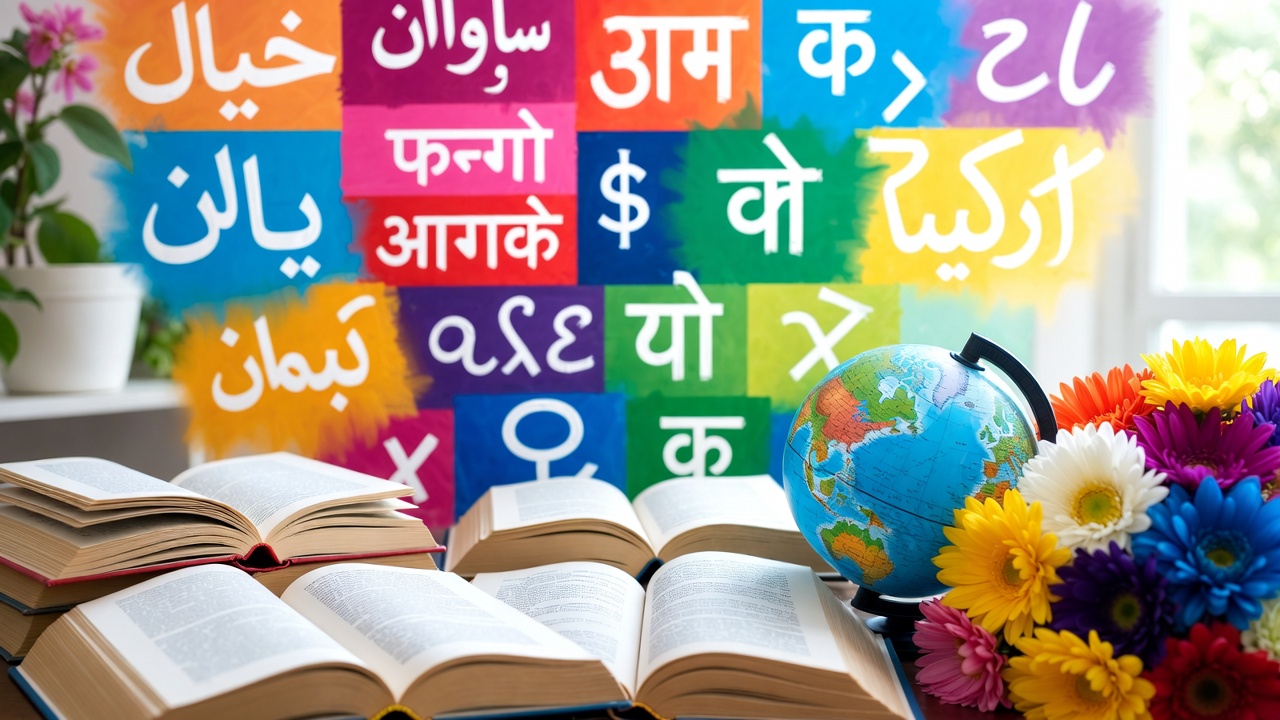
Multilingual Greeting Board: Simple Ways to Celebrate Language Diversity
Create a visual display featuring greetings in every language represented in your workplace. This low-cost, high-impact activity immediately demonstrates linguistic richness.
How to Create Your Greeting Board:
- Ask employees to submit “hello” in their mother tongue
- Include phonetic pronunciations for non-native speakers
- Add visual elements like flags or cultural symbols
- Display prominently in common areas
- Create digital versions for remote employees
Sample Multilingual Greetings:
| Language | Greeting | Pronunciation |
|---|---|---|
| Spanish | ¡Hola! | OH-lah |
| Mandarin Chinese | 你好 (Nǐ hǎo) | Nee-how |
| Arabic | مرحبا (Marhaba) | Mar-HAH-bah |
| Hindi | नमस्ते (Namaste) | Nah-mah-STAY |
| Swahili | Jambo | JAHM-boh |
| French | Bonjour | Bon-ZHOOR |
| Portuguese | Olá | Oh-LAH |
| Japanese | こんにちは (Konnichiwa) | Koh-nee-chee-wah |
| Korean | 안녕하세요 (Annyeonghaseyo) | Ahn-nyoung-ha-say-yo |
| German | Guten Tag | GOO-ten tahk |
Mother Tongue Storytelling Sessions: Honoring Linguistic Heritage at Work
Storytelling connects us to our roots. Organize sessions where employees share stories, poems, or songs in their native languages.
Format Options:
- Live storytelling circles in conference rooms
- Virtual sessions for remote teams
- Recorded video collections for asynchronous viewing
- Written anthologies compiled into company publications
Storytelling Prompts:
- A folktale from your culture
- A memory involving your mother tongue
- A poem or song meaningful to your heritage
- A proverb or saying from your language
- The story of your language learning journey
These sessions create profound emotional connections. Colleagues discover shared experiences. They gain appreciation for unfamiliar cultures. They build bonds that transcend typical workplace interactions.
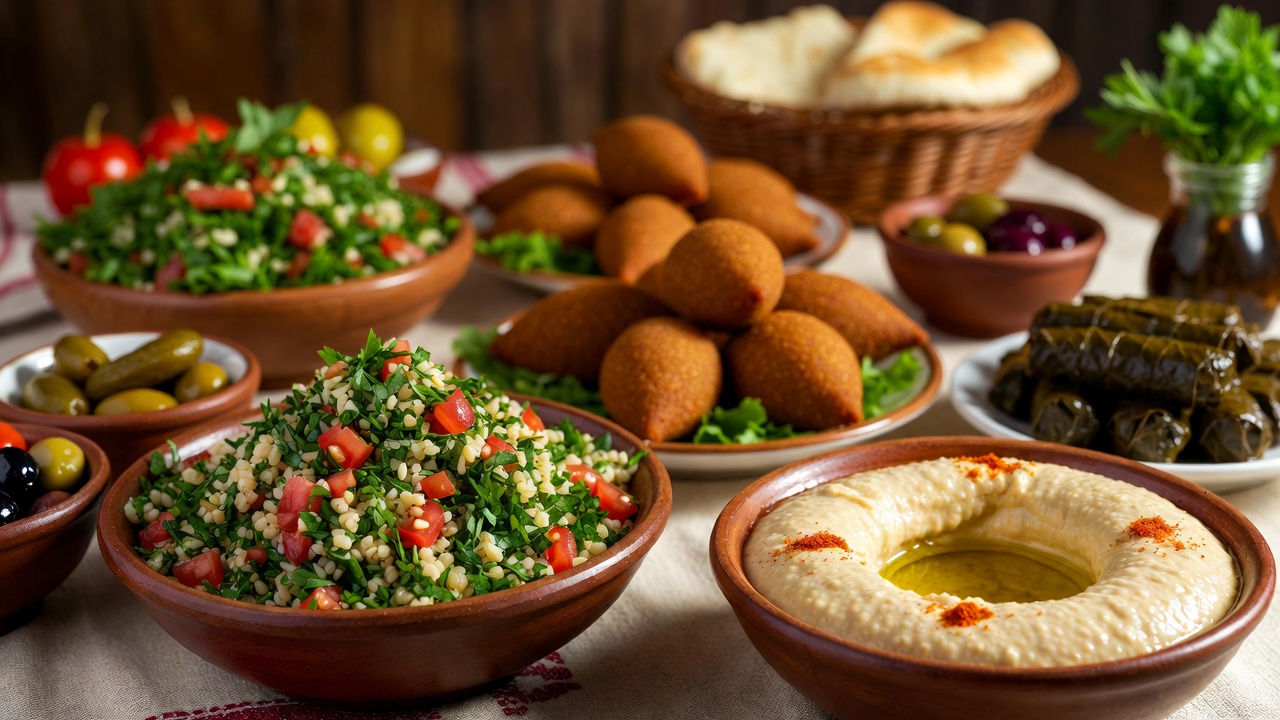
International Potluck Lunch: Food and Language Celebration Ideas
Food is a universal language. Combine culinary traditions with linguistic education for a memorable cultural diversity workplace event.
Potluck Planning Tips:
- Invite contributions – Ask employees to bring dishes representing their heritage
- Create recipe cards – Include dish names in native languages with translations
- Add context – Provide brief descriptions of cultural significance
- Accommodate dietary needs – Label ingredients for allergies and restrictions
- Share virtually – Remote employees can submit recipes and join via video
Sample Potluck Sign-Up Format:
| Employee | Dish | Origin Language | Translation |
|---|---|---|---|
| Maria | Empanadas | Spanish (Argentina) | Little breads |
| Wei | 饺子 | Mandarin (China) | Jiǎozi (Dumplings) |
| Priya | बिरयानी | Hindi (India) | Biryani (Spiced rice) |
| Jean-Pierre | Croissants | French (France) | Crescent-shaped pastries |
Language Learning Workshops: Professional Development for Linguistic Diversity
Offer introductory language lessons taught by native-speaking colleagues. This peer-to-peer learning approach builds skills while honoring expertise.
Workshop Ideas:
- Survival phrases in different languages
- Business greetings for international contexts
- Cultural etiquette lessons
- Writing systems introductions (Arabic calligraphy, Chinese characters, Devanagari script)
- Language families educational sessions
Benefits of Workplace Language Workshops:
- Employees feel valued as cultural ambassadors
- Teams develop practical multilingual skills
- Cross-departmental connections form
- Professional development goals advance
- Organization demonstrates commitment to growth
Consider partnering with language learning platforms like Duolingo for Business or Babbel for Business to provide ongoing language education opportunities.
Multilingual Movie or Documentary Screenings: Cultural Awareness Activities
Film transcends boundaries. Screen movies or documentaries that celebrate linguistic diversity or highlight language preservation efforts.
Recommended Films for Workplace Screenings:
| Title | Languages Featured | Theme |
|---|---|---|
| Arrival (2016) | English, constructed alien language | Communication and understanding |
| The Farewell (2019) | Mandarin, English | Chinese-American identity |
| Roma (2018) | Spanish, Mixtec | Indigenous languages in Mexico |
| Rising Voices Documentary Series | Various indigenous languages | Language revitalization |
| Language Matters (2014) | Welsh, Hawaiian, Australian Aboriginal languages | Endangered language preservation |
Follow screenings with facilitated discussions. Explore themes of language, identity, and cultural preservation.
Create a Company Language Map: Visualizing Workplace Diversity
Design an interactive map showing the geographic origins of languages spoken in your organization. This visual representation of diversity makes abstract concepts tangible.
Implementation Options:
- Physical map with pins or markers in office spaces
- Digital interactive map on company intranet
- Infographic for sharing in newsletters and social media
- Video tour exploring the linguistic journey of your organization
This activity often reveals surprising connections. Colleagues discover shared heritage. Organizations recognize the breadth of their global representation.
Multilingual Social Media Campaign: Celebrating Language Diversity Publicly
Extend celebrations beyond office walls. Launch a social media campaign that showcases your organization’s linguistic diversity.
Campaign Elements:
- Employee spotlights sharing heritage language stories
- Multilingual quotes from team members
- Behind-the-scenes content from celebration events
- Educational posts about language preservation
- Community engagement inviting followers to share their languages
Recommended Hashtags:
- #InternationalMotherLanguageDay
- #IMLD2025
- #MotherLanguageDay
- #LinguisticDiversity
- #LanguageMatters
- #CelebrateDiversity
Virtual International Mother Language Day Ideas for Remote Teams
Remote and hybrid workplaces require adapted approaches. Here are virtual celebration ideas that maintain engagement across distances.
Virtual Language Exchange Sessions
Pair employees who want to learn each other’s languages. These language buddy programs foster ongoing connections.
Program Structure:
- 30-minute weekly video sessions
- Partners teach basic phrases reciprocally
- Focus on practical workplace communication
- Include cultural context and etiquette
- Celebrate progress at monthly check-ins
Online Cultural Showcase Presentations
Invite employees to create short presentations about their linguistic heritage. Share these in virtual town halls or through company video platforms.
Presentation Topics:
- History and origins of my mother tongue
- Unique features of my language
- Cultural expressions and idioms
- Language preservation in my community
- My personal language journey
Digital Multilingual Trivia Games
Gamification increases engagement. Host online trivia competitions focused on world languages.
Sample Trivia Questions:
- Which language has the most native speakers worldwide? (Mandarin Chinese)
- How many official languages does India recognize? (22)
- What language family includes Spanish, French, and Portuguese? (Romance languages)
- Which country has the most linguistic diversity per capita? (Papua New Guinea with 800+ languages)
- What is the most commonly studied second language globally? (English)
Use platforms like Kahoot, Slido, or Microsoft Teams to facilitate interactive competitions.
Multilingual Slack or Teams Channels
Create dedicated communication channels for language-based communities. These digital affinity spaces allow ongoing connection.
Channel Ideas:
- #spanish-speakers
- #mandarin-corner
- #french-connexion
- #hindi-hub
- #language-learners
- #cultural-exchange
Encourage channels to share:
- Daily phrases or vocabulary
- Cultural news and events
- Language learning resources
- Celebrations of heritage holidays
How Companies Are Celebrating Mother Language Day: Real-World Examples
Learning from successful implementations inspires action. Here are case studies of organizations that excel at linguistic diversity celebrations.
Global Technology Companies Leading Language Diversity Initiatives
Major tech companies have embraced comprehensive approaches to celebrating linguistic heritage in corporate settings.
Google’s Approach: Google supports over 100 languages in its products. Internally, the company hosts language clubs, cultural celebrations, and translation initiatives. Their Endangered Languages Project demonstrates external commitment to preservation.
Microsoft’s Inclusive Design: Microsoft’s accessibility team works extensively on multilingual technology. They support multiple languages in products and employ speakers of diverse languages in development teams. Internal celebrations include cultural heritage months and language learning programs.
Financial Services Organizations Embracing Multilingualism
Banks and financial institutions increasingly recognize the business value of linguistic diversity.
HSBC’s Multilingual Heritage: Operating in over 60 countries, HSBC celebrates linguistic diversity as core to their identity. They host cultural festivals, support language learning, and highlight multilingual employees in communications.
Measuring the Impact of Workplace Language Diversity Programs
Effective programs require evaluation. Here’s how to measure success of your International Mother Language Day initiatives.
Key Performance Indicators for Cultural Diversity Events
| Metric | Measurement Method | Target Outcome |
|---|---|---|
| Participation Rate | Attendance tracking | 50%+ employee engagement |
| Employee Satisfaction | Post-event surveys | 4.5/5 satisfaction rating |
| Cultural Awareness | Pre/post knowledge assessments | 25%+ improvement |
| Engagement Scores | Annual survey comparison | Positive trend |
| Retention Rates | HR analytics | Improved retention among diverse groups |
| Social Media Reach | Analytics tracking | Increased brand visibility |
Qualitative Assessment Methods
Numbers tell part of the story. Qualitative feedback captures emotional impact.
Feedback Collection Approaches:
- Focus groups with diverse employee representation
- One-on-one interviews with event participants
- Anonymous feedback forms for candid input
- Story collection documenting meaningful experiences
- Manager observations of team dynamics changes
Long-Term Cultural Impact Assessment
True transformation requires sustained effort. Evaluate long-term cultural shifts resulting from language diversity programs.
Indicators of Lasting Impact:
- Increased comfort discussing cultural backgrounds
- More multilingual communication in daily operations
- Growing participation in cultural events over time
- Organic formation of language-based communities
- Integration of linguistic diversity into company identity
Best Practices for Inclusive Mother Language Day Celebrations at Work
Avoid common pitfalls with these proven strategies for authentic, respectful celebrations.
Authenticity Over Performance
Celebrations should honor heritage genuinely. Avoid superficial tokenism. Instead:
- Center employee voices in planning and execution
- Respect cultural protocols and sensitivities
- Avoid stereotyping or oversimplifying cultures
- Recognize complexity within linguistic communities
- Welcome feedback and adapt accordingly
Accessibility Considerations
Ensure all employees can participate meaningfully.
Accessibility Checklist:
- [ ] Events scheduled at inclusive times
- [ ] Virtual options for remote employees
- [ ] Materials provided in accessible formats
- [ ] Physical spaces accommodate all abilities
- [ ] Dietary restrictions considered for food events
- [ ] Participation remains voluntary
- [ ] Financial barriers removed
Year-Round Integration
International Mother Language Day launches ongoing commitment. Integrate linguistic diversity celebration throughout the year.
Ongoing Initiatives:
- Monthly cultural spotlights
- Quarterly language learning offerings
- Regular heritage celebrations aligned with cultural calendars
- Continuous professional development opportunities
- Permanent multilingual resources and displays
The Role of Leadership in Promoting Workplace Language Diversity
Leaders shape organizational culture. Their engagement in linguistic diversity initiatives determines program success.
Executive Sponsorship Strategies
Leaders can champion language diversity through:
- Personal participation in celebration events
- Public statements affirming commitment to diversity
- Resource allocation for program sustainability
- Policy development supporting multilingual workplaces
- Accountability measures for diversity outcomes
Middle Management Engagement
Managers directly influence team culture. Support them in:
- Understanding the business case for linguistic diversity
- Creating psychologically safe environments for cultural expression
- Recognizing and celebrating team members’ heritage
- Advocating for resources and support
- Modeling inclusive behaviors
Employee Resource Groups and Language Communities
Empower employee-led communities. These grassroots organizations drive authentic engagement.
Support Strategies:
- Provide budget allocations
- Offer meeting spaces and resources
- Connect groups with executive sponsors
- Celebrate achievements publicly
- Integrate input into organizational decisions
Language Preservation and Corporate Social Responsibility
Beyond internal celebrations, organizations can support global language preservation efforts.
Supporting Endangered Language Communities
According to Ethnologue, over 3,000 languages are endangered. Companies can contribute to preservation through:
- Grants and funding to language preservation organizations
- Technology partnerships supporting documentation efforts
- Employee volunteer programs with linguistic communities
- Awareness campaigns highlighting preservation needs
- Product accessibility in diverse languages
Partnering with Cultural Organizations
Collaborate with institutions dedicated to linguistic heritage:
- UNESCO – International cultural preservation
- Endangered Languages Project – Documentation and revitalization
- The Language Conservancy – Indigenous language preservation
- Living Tongues Institute – Endangered language documentation
- Local cultural centers and heritage organizations
These partnerships demonstrate genuine commitment beyond symbolic gestures.
Creating Lasting Change: Beyond International Mother Language Day
One day of celebration plants seeds. Sustained commitment nurtures growth.
Building a Multilingual Workplace Culture
Transform organizational DNA through:
Policy Initiatives:
- Multilingual communication standards
- Translation resources for key documents
- Language learning benefits and support
- Inclusive meeting practices
- Hiring practices valuing linguistic diversity
Infrastructure Investments:
- Translation technology and tools
- Multilingual signage and wayfinding
- Language learning platform subscriptions
- Cultural celebration budgets
- Dedicated diversity program staffing
Connecting Language Diversity to Business Strategy
Frame linguistic diversity as strategic advantage, not just cultural nicety.
Strategic Connections:
| Business Goal | Language Diversity Contribution |
|---|---|
| Global Expansion | Cultural intelligence for new markets |
| Customer Experience | Authentic multilingual service |
| Innovation | Diverse perspectives driving creativity |
| Talent Acquisition | Appeal to diverse candidate pools |
| Risk Management | Cultural awareness preventing missteps |
| Brand Reputation | Demonstrated values alignment |
Conclusion: The Transformative Power of Celebrating Linguistic Diversity
International Mother Language Day offers more than a calendar observance. It presents an opportunity to transform workplace culture. When organizations genuinely celebrate linguistic diversity, they unlock human potential. They honor heritage. They build bridges across difference.
The activities outlined in this guide provide starting points. Multilingual greeting boards create immediate visual impact. Storytelling sessions forge emotional connections. Language workshops build practical skills. Cultural celebrations nourish community.
But the true power lies in sustained commitment. When February 21st catalyzes year-round dedication to linguistic diversity, organizations evolve. They become places where every voice matters. Where heritage is honored. Where difference is celebrated.
In a world where a language disappears every two weeks, workplace celebrations carry profound significance. They preserve heritage. They educate colleagues. They inspire future generations. They declare that linguistic diversity is not just tolerated—it is treasured.
As you plan your organization’s International Mother Language Day celebration, remember this: you are not simply organizing an event. You are affirming human dignity. You are preserving cultural heritage. You are building a more inclusive world—one workplace at a time.
Quick Reference: International Mother Language Day Celebration Checklist
Use this checklist to ensure comprehensive celebration planning:
Preparation (4-6 weeks before):
- [ ] Form diverse planning committee
- [ ] Conduct linguistic diversity survey
- [ ] Set objectives and themes
- [ ] Secure leadership support
- [ ] Establish budget
- [ ] Select activities
Communication (2-4 weeks before):
- [ ] Announce celebration plans
- [ ] Invite participation and contributions
- [ ] Distribute educational materials
- [ ] Promote events through internal channels
Execution (Day of and week of):
- [ ] Set up physical and virtual spaces
- [ ] Welcome participants warmly
- [ ] Document events with photos and video
- [ ] Celebrate contributions publicly
Follow-Up (1-2 weeks after):
- [ ] Collect feedback
- [ ] Analyze participation data
- [ ] Thank contributors and participants
- [ ] Share highlights organization-wide
- [ ] Plan for sustained engagement
Additional Resources for Workplace Language Diversity Programs
Educational Resources:
- UNESCO International Mother Language Day – Official information and themes
- Ethnologue: Languages of the World – Comprehensive language database
- Omniglot – Guide to writing systems and languages
Organizational Support:
- Society for Human Resource Management (SHRM) – Workplace diversity best practices
- Catalyst – Inclusion research and resources
- Harvard Business Review – Diversity and business performance research
Language Learning Platforms:
Celebrate every language. Honor every heritage. Build workplaces where every voice matters.