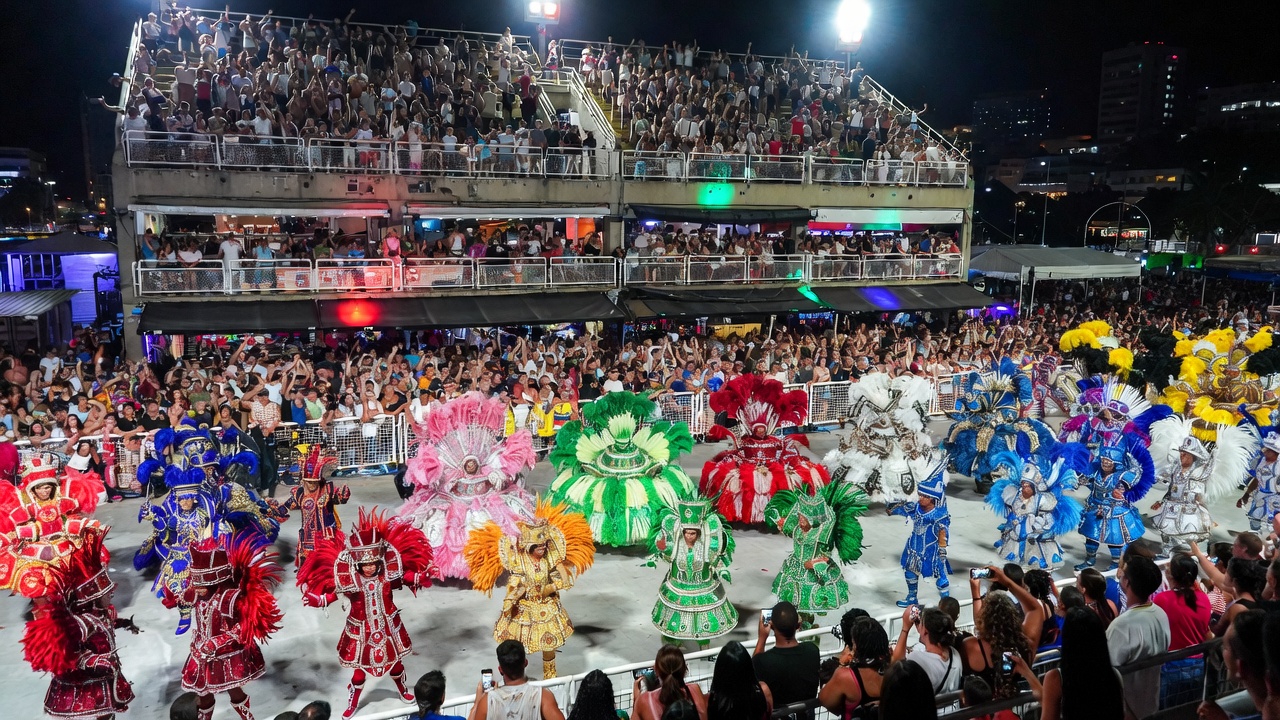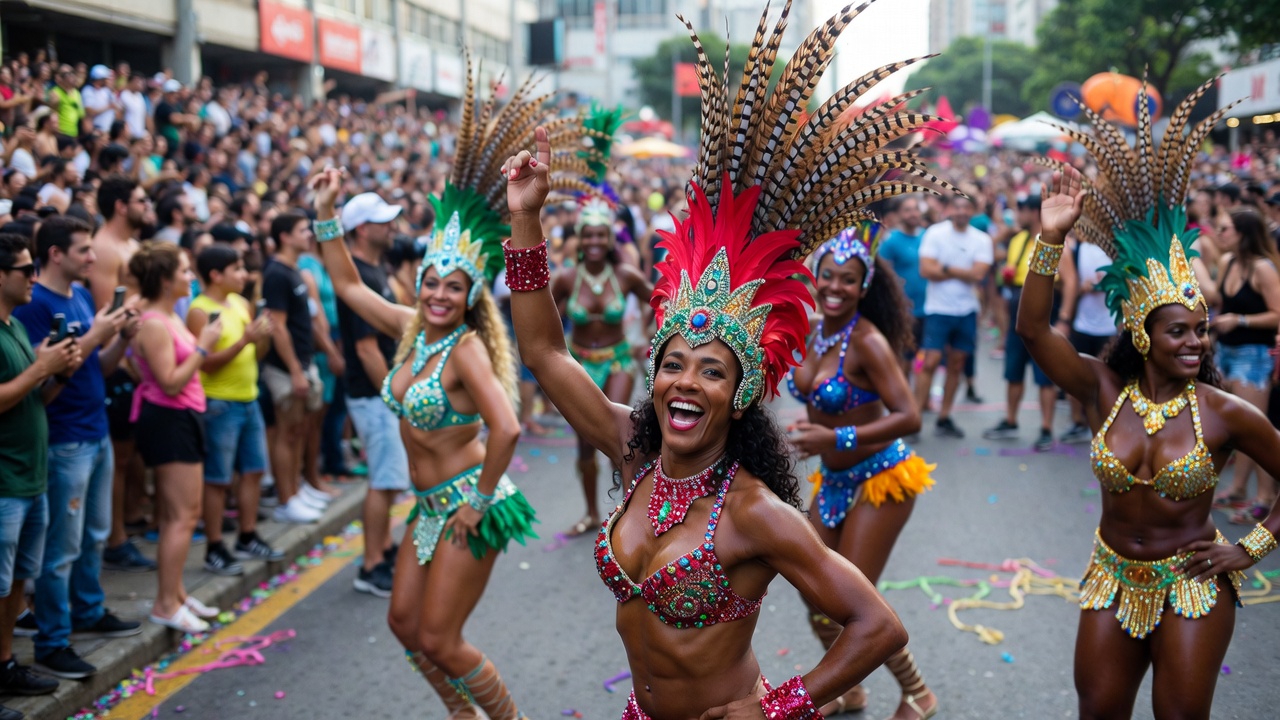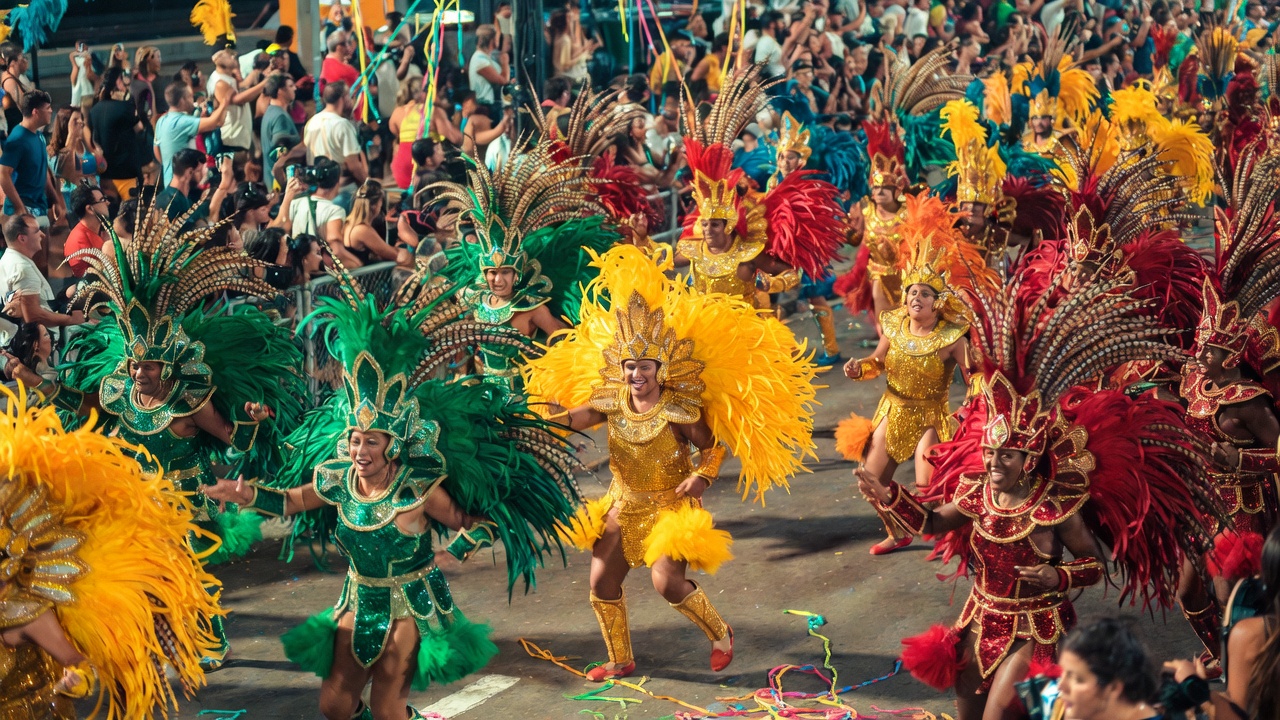
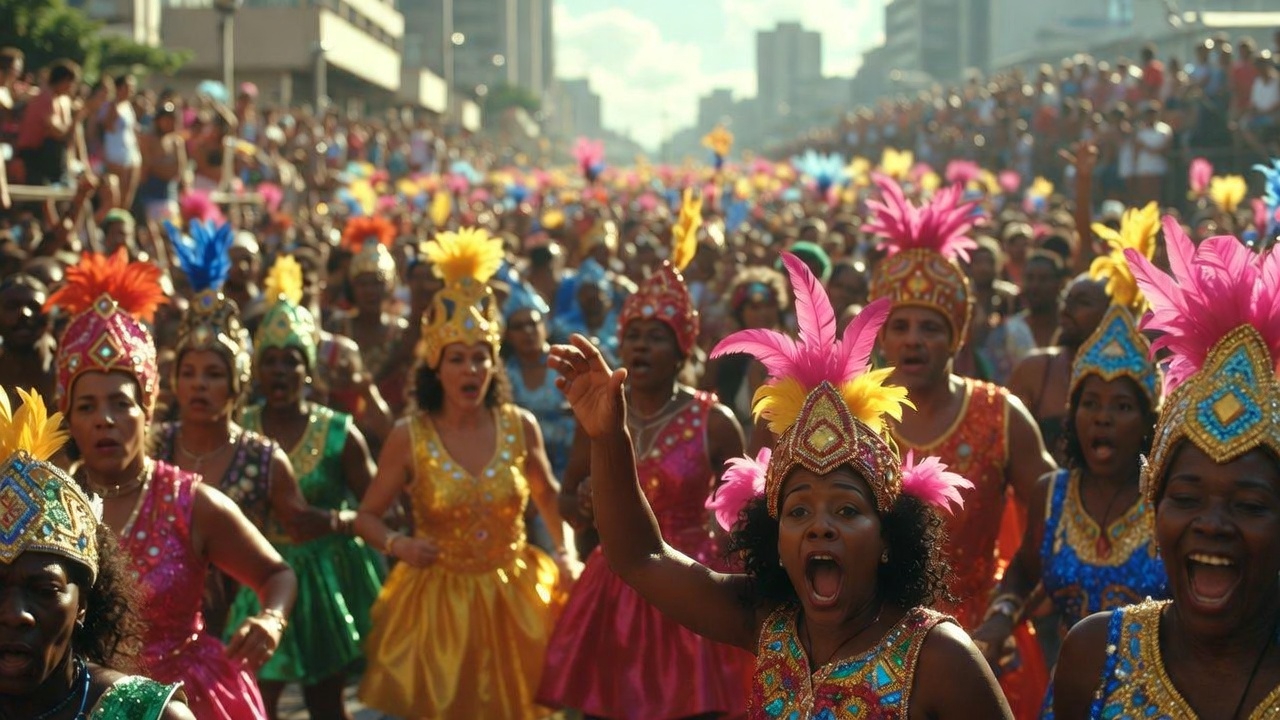
There is a moment—just before dawn breaks over Guanabara Bay—when the city of Rio de Janeiro transforms completely. The ordinary hum of traffic gives way to the thunderous pulse of surdos (bass drums). Office workers become sequined passistas (samba dancers). And for five extraordinary days, a metropolis of seven million souls surrenders entirely to the greatest celebration of human joy ever conceived: the Carnaval do Rio de Janeiro.
I have spent two decades traveling the world documenting festivals and celebrations, from the Holi explosions of color in Rajasthan to the solemn processions of Semana Santa in Seville. Yet nothing—absolutely nothing—compares to the sensory overload, the emotional intensity, and the sheer democratic exuberance of Rio’s Carnival. This is not merely a festival. It is a collective act of cultural expression that embodies the Brazilian concept of alegria—a word that translates inadequately as “joy” but encompasses something far deeper: a defiant celebration of life itself.
In this comprehensive guide, I will share everything you need to know to experience Carnival like a true carioca (Rio native). Whether you dream of watching the elite samba schools parade through the Sambódromo, dancing in the chaotic euphoria of street blocos, or simply understanding what makes this festival the cultural phenomenon it has become, consider this your passport to the party of a lifetime.
What is the Rio de Janeiro Carnival and Why is it World Famous?
The Carnival of Rio de Janeiro is an annual festival held before Lent, typically in February or March, depending on the liturgical calendar. It officially lasts for five days—from Friday to Fat Tuesday (Terça-feira Gorda)—though the festivities increasingly spill into the weeks before and after.
But reducing Carnival to dates and durations misses the point entirely. This is the world’s largest carnival celebration, attracting an estimated 2 million people per day to the streets of Rio during peak festivities. According to data from Riotur, the city’s official tourism board, Carnival generates approximately R$4 billion (roughly US$800 million) for the local economy each year and creates over 250,000 temporary jobs.
What makes Rio’s Carnival unique among the world’s great festivals? Several factors converge:
The Samba Schools Competition: Unlike other carnivals that feature spontaneous revelry, Rio’s celebration centers on a highly organized competition between escolas de samba (samba schools)—massive community organizations that spend an entire year preparing elaborate parades with thousands of participants.
The Street Blocos: Parallel to the formal parades, hundreds of blocos de rua (street blocks) offer free, democratic celebrations where anyone can join, from favela residents to international celebrities.
The Cultural Synthesis: Rio’s Carnival represents a unique fusion of African rhythms, Portuguese Catholic traditions, and indigenous Brazilian elements—a living museum of the country’s complex cultural heritage.
The Spectacle: With floats that reach heights of 12 meters, costumes adorned with millions of feathers and crystals, and productions that would humble Broadway, the visual splendor is unmatched anywhere on Earth.
The Rich History of Rio Carnival: From Portuguese Entrudo to Global Phenomenon
Understanding Carnival requires understanding its roots. The celebration we know today evolved over centuries, absorbing influences from three continents and transforming through Brazil’s tumultuous social history.
The Portuguese Origins (1640s-1840s)
Carnival arrived in Brazil with Portuguese colonizers who brought the tradition of entrudo—a pre-Lent festival characterized by water fights, flour throwing, and general mischief. This rowdy celebration, while popular among all social classes, bore little resemblance to today’s organized festivities.
The earliest documented Carnival celebrations in Rio date to 1641, though they were informal affairs. By the early 19th century, entrudo had become so chaotic—with participants hurling not just water but mud, eggs, and even urine—that authorities repeatedly tried (and failed) to ban it.
The Elite Transformation (1840s-1900s)
The mid-19th century brought significant changes. Influenced by Venetian masquerade balls and Parisian carnival traditions, Rio’s upper classes began organizing bailes de máscara (masked balls) and formal parades called Sociedades Carnavalescas. These elite organizations paraded through the city center with elaborate floats and costumes, distancing themselves from the “vulgar” entrudo of the masses.
The first documented carnival parade in Rio occurred in 1855, organized by the Congresso das Sumidades Carnavalescas. These early parades featured allegorical floats, marching bands, and satirical commentary on politics—traditions that continue today.
The African Influence and the Birth of Samba (1900s-1930s)
The abolition of slavery in 1888 set the stage for Carnival’s most significant transformation. Freed Africans and their descendants, particularly those living in the port district of Rio known as Pequena África (Little Africa), began organizing their own carnival groups called ranchos and cordões.
These communities preserved African musical traditions that would eventually give birth to samba—the rhythmic heart of modern Carnival. The first samba song officially registered, “Pelo Telefone,” was recorded in 1917 by Donga and Mauro de Almeida, though samba itself had been developing in Rio’s predominantly Black neighborhoods for decades.
The earliest samba schools emerged in the late 1920s. Deixa Falar, founded in 1928 in the Estácio neighborhood, is generally credited as the first escola de samba, though this distinction is debated. Other pioneering schools—Mangueira, Portela, Império Serrano—followed quickly, establishing the organizational model that persists today.
Institutionalization and the Sambódromo Era (1930s-Present)
President Getúlio Vargas’s government recognized Carnival’s potential for national identity-building and began officially sponsoring the samba school competitions in the 1930s. This marked a crucial shift: what had been marginalized Black cultural expression became a symbol of Brazilian national identity.
The construction of the Sambódromo in 1984, designed by legendary architect Oscar Niemeyer, revolutionized the parade experience. This purpose-built parade venue, officially named the Sambódromo da Marquês de Sapucaí, accommodates 90,000 spectators and provides the theatrical setting for the spectacular competition we know today.
When is the Rio de Janeiro Carnival Celebrated Each Year?
Planning a trip to Carnival requires understanding its moveable dates. Unlike fixed holidays, Carnival follows the Catholic liturgical calendar, occurring 46 days before Easter.
| Year | Carnival Dates | Fat Tuesday |
|---|---|---|
| 2024 | February 9-14 | February 13 |
| 2025 | February 28 – March 5 | March 4 |
| 2026 | February 13-18 | February 17 |
| 2027 | February 5-10 | February 9 |
| 2028 | February 25 – March 1 | February 29 |
The official parade days at the Sambódromo are typically Friday and Saturday (for the Access Group schools) and Sunday and Monday (for the Special Group schools, the top tier). The Champions Parade, featuring the top six schools, occurs the following Saturday.
However, street blocos begin weeks earlier. The pre-Carnival season, known as pré-carnaval, starts in January and builds steadily. Some of the most popular blocos hold rehearsals throughout the year, and the atmosphere in Rio becomes increasingly festive from mid-January onward.
Pro tip from experience: If you want to experience both the grandeur of the Sambódromo parades and the grassroots energy of the blocos without exhausting yourself, arrive the Wednesday before Carnival weekend. This gives you time to adjust to the heat and rhythm before the main events begin.
The Sambódromo Parade Experience: How Rio Samba Schools Compete for Glory
The heart of Rio’s Carnival beats in the Sambódromo da Marquês de Sapucaí—a 700-meter stretch of purpose-built parade ground that transforms into the world’s most extravagant stage for two magical nights.
Understanding the Samba School Competition Structure
Rio’s samba schools are organized into a league system similar to European football:
Special Group (Grupo Especial): The top tier, featuring 12 schools (as of 2024) that parade on Sunday and Monday nights. This is the main event, broadcast nationally and internationally.
Gold Series (Série Ouro): The second division, with 14 schools parading on Friday and Saturday nights.
Access Groups: Lower divisions (Silver, Bronze, and evaluation groups) that parade on other days, serving as feeders to the higher leagues.
Each year, schools can be promoted or relegated based on their competition results, creating intense pressure and emotional stakes that elevate the entire spectacle.
How Samba Schools Are Judged: The Scoring System
The competition is serious business, with schools judged by a panel of 40 jurors across nine categories:
| Judging Category | Description |
|---|---|
| Bateria | The percussion section (typically 200-400 drummers) |
| Samba-Enredo | The theme song composed specifically for that year’s parade |
| Harmonia | Synchronization between the parade elements and music |
| Evolução | The flow and dancing quality of all participants |
| Enredo | The coherence and creativity of the narrative theme |
| Conjunto | Overall visual impression and unity |
| Alegorias e Adereços | Floats and props |
| Fantasias | Costumes |
| Comissão de Frente | The opening dance committee |
| Mestre-Sala e Porta-Bandeira | The flag-bearing couple, who perform intricate choreography |
Schools receive scores from 9.0 to 10.0 in each category, with the highest and lowest scores in each category discarded. The margins are often razor-thin—a difference of 0.1 points can determine championship or relegation.
The Parade Itself: What to Expect Inside the Sambódromo
Each school has exactly 65 minutes to move all its members (typically 3,000-5,000 participants) through the parade grounds. Go too fast, and you lose points for rushing. Go too slow, and you’re penalized for exceeding the time limit.
The parade unfolds in a carefully choreographed sequence:
- Comissão de Frente: An opening dance committee of approximately 15 performers who set the theme
- Abre-Alas: The first float, traditionally bearing the school’s name and symbol
- Alas: Groups of participants in matching costumes, each representing an element of the theme
- Alegorias: Massive floats, sometimes carrying hundreds of performers
- Bateria: The percussion section, the rhythmic engine of the parade
- Baianas: A mandatory section of elderly women in traditional Bahian dress, honoring Carnival’s African roots
- Velha Guarda: The “old guard” of respected longtime school members
- Passistas: Elite samba dancers who demonstrate virtuosic footwork
- Mestre-Sala e Porta-Bandeira: The flag couple, performing their elegant courtship dance
- Último Carro: The final float
Where to Sit: Sambódromo Seating Options and Prices
Seating options range from modest to extravagant:
| Seating Type | Typical Price Range (USD) | Description |
|---|---|---|
| Arquibancada (Bleachers) | $60-150 | Concrete stands, no assigned seats, authentic atmosphere |
| Cadeiras Individuais | $150-400 | Individual numbered seats with backs |
| Camarotes | $500-3,000+ | Private boxes with open bars and food, ranging from basic to ultra-luxury |
| Frisas | $300-800 | Ground-level boxes closest to the parade |
| Tourist Sector | $200-500 | Organized seating near the mid-point with basic amenities |
My honest recommendation: Skip the expensive tourist camarotes for your first time. The arquibancada in sectors 9, 11, or 13 offers the most authentic experience. You’ll be surrounded by passionate locals who know every word to every samba-enredo and will happily teach you. Bring a cushion—the concrete gets uncomfortable after several hours.
Best Samba Schools in Rio de Janeiro: Meet the Giants of Carnival
While all Special Group schools deliver spectacular performances, certain names carry particular historical weight and fervent fanbases.
Mangueira: The People’s School
Estação Primeira de Mangueira, founded in 1928 in the hillside favela of Morro da Mangueira, is perhaps the most beloved escola de samba. Their colors—green and pink—are iconic, and their approach emphasizes traditional samba roots over technological spectacle.
Championships: 20 (most recent: 2019)
Famous alumni: Cartola (legendary samba composer)
Known for: Beautiful, melodic samba-enredos and a focus on Afro-Brazilian themes
Portela: The Queen of Carnival
Grêmio Recreativo Escola de Samba Portela holds the record for the most championships in Carnival history. Founded in 1923 in the Madureira neighborhood, Portela’s blue and white flags represent a dynasty.
Championships: 22 (though none since 1984, creating a painful “drought” for devotees)
Famous legacy: The majestic Eagle symbol and standards of classical elegance
Known for: Traditional aesthetic and one of Brazil’s most passionate fan bases
Beija-Flor: The Spectacular Innovator
Beija-Flor de Nilópolis revolutionized Carnival with their emphasis on massive, technologically advanced floats and cinematic spectacle. Based in the neighboring city of Nilópolis, they’ve been the standard-bearers for modern, high-budget productions.
Championships: 14 (most recent: 2018)
Famous for: Record-breaking floats and “wow factor” presentations
Known for: Controversial themes and pushing technical boundaries
Viradouro: The Rising Power
Unidos do Viradouro from Niterói has emerged as a dominant force in recent years, winning back-to-back championships in 2020 and 2024. Their visually stunning presentations have earned them a reputation as the school to beat.
Championships: 3
Known for: Artistically coherent productions with strong visual identity
Other Notable Schools
- Salgueiro: Known for revolutionary themes addressing social issues and Afro-Brazilian identity
- Imperatriz Leopoldinense: Multiple champions with elegant, traditional presentations
- Grande Rio: Based in Duque de Caxias, known for ambitious themes and strong bateria
- Vila Isabel: The school of legendary composer Noel Rosa, beloved for lyrical excellence
Rio Carnival Street Parties: Your Complete Guide to Blocos de Rua
If the Sambódromo is Carnival’s cathedral, the blocos de rua (street blocks) are its beating heart. These free, public celebrations transform Rio’s neighborhoods into open-air dance floors where social barriers dissolve and the spirit of Carnival truly lives.
What Are Blocos and How Do They Work?
A bloco is essentially a mobile street party led by musicians on a truck (called a trio elétrico in some cases) or marching band, followed by anywhere from a few hundred to over a million revelers. Unlike the formal samba school structure, blocos are gloriously democratic—anyone can show up and participate.
Rio hosts over 500 registered blocos during Carnival season, ranging from intimate neighborhood gatherings to massive events that shut down entire districts. Most are completely free to attend.
The Most Famous Blocos in Rio de Janeiro
| Bloco Name | Neighborhood | Crowd Size | Style |
|---|---|---|---|
| Cordão da Bola Preta | Centro | 1.5-2 million | Traditional marchinhas, classic Carnival spirit |
| Sargento Pimenta | Varies | 200,000+ | Beatles songs as samba |
| Banda de Ipanema | Ipanema | 100,000+ | LGBTQ+ celebration, theatrical costumes |
| Monobloco | Varies | 300,000+ | Modern samba and pop hits |
| Céu na Terra | Santa Teresa | 50,000+ | Traditional samba through cobblestone streets |
| Bloco da Preta | Centro | 500,000+ | Organized by singer Preta Gil |
| Carmelitas | Santa Teresa | 50,000+ | Nuns theme, bohemian atmosphere |
My Personal Favorite Blocos (An Insider’s Perspective)
After years of attending Carnival, I’ve developed strong opinions about which blocos offer the best experiences:
For traditional Carnival atmosphere: Céu na Terra in Santa Teresa winds through one of Rio’s most charming neighborhoods, with historic buildings providing a stunning backdrop. The crowd skews local, the music is authentic, and the scale remains manageable.
For LGBTQ+ celebration: Banda de Ipanema is an institution, running since 1965 and serving as a haven for queer expression long before LGBTQ+ rights gained broader acceptance in Brazil. The costumes are outrageous, the energy is defiant, and the message of acceptance is powerful.
For families: Bloco das Carmelitas in Santa Teresa maintains a more relaxed, community feel that’s welcoming to children (in the early hours) and older revelers.
For music purists: Escravos da Mauá plays authentic carioca samba and chorinho, attracting serious musicians and dancers rather than tourist crowds.
For sheer scale: Cordão da Bola Preta on Carnival Saturday is simply something everyone should experience once. When two million people sing “A Banda” together, you understand why this festival matters.
How to Find Blocos: Planning Your Street Party Schedule
Blocos publish their routes and times in advance. The best resources for planning:
- Official Riotur website publishes the complete bloco schedule
- The Bloco de Rua app provides real-time updates and GPS locations
- O Globo and Jornal Extra newspapers publish comprehensive guides
- Local Facebook groups and Instagram accounts offer insider updates
Essential blocos survival tips:
- Arrive early: Popular blocos fill up fast; the best experience is near the sound truck
- Dress light: Temperatures routinely exceed 35°C (95°F), and you’ll be dancing for hours
- Wear comfortable shoes: You’ll walk miles; flip-flops work surprisingly well
- Stay hydrated: Bring water; dehydration is the most common health issue
- Use sunscreen: The tropical sun is brutal, especially during afternoon blocos
- Carry only essentials: Leave valuables at your hotel; bring only cash, phone, and ID
- Learn the songs: Knowing the lyrics transforms the experience from spectator to participant
Traditional Carnival Costumes and Dress Code: What to Wear to Rio Carnival
Carnival is permission to become someone else—or perhaps to become your truest self. Costumes range from elaborate fantasias that take months to create to simple abadás (themed t-shirts) worn to specific blocos.
Costume Traditions and Their Meanings
Fantasias de Luxo: The elaborate, feathered costumes worn by samba school participants, particularly destaques (highlighted performers) who stand atop floats. These can cost thousands of dollars and weigh up to 30 kilograms.
Baianas: The full-skirted white dresses worn by the baiana wing of samba schools, honoring the African-Brazilian religious traditions and Bahian cultural roots of Carnival.
Cross-dressing traditions: Carnival has long provided space for gender expression outside daily norms. Many blocos, like Banda de Ipanema, celebrate elaborate drag costumes as central to their identity.
Abadás: These event-specific t-shirts grant access to certain blocos and camarotes, serving as both costume and ticket.
What to Wear as a Visitor
The beauty of Rio Carnival is that there are no wrong answers. However, some guidelines help:
For street blocos:
- Light, colorful clothing (white reflects heat best)
- Comfortable sandals or sneakers
- Sparkles, glitter, and accessories encouraged
- Hats or headbands for sun protection
- Small fanny pack or crossbody bag for essentials
For the Sambódromo:
- Whatever makes you feel festive
- Camarote dress codes vary (some are quite elegant; others are casual)
- Arquibancada seating is casual—shorts and tank tops are standard
- Bring a light jacket for late-night cooling
For themed blocos:
- Many blocos have costume themes; participating enhances the experience
- Sargento Pimenta fans dress as Beatles characters
- Carmelitas attendees wear nun costumes
- Check each bloco’s social media for theme guidance
Cultural sensitivity note: Some costume choices that might seem harmless can be problematic. Avoid:
- Indigenous headdresses (cultural appropriation concerns)
- Blackface or any racially insensitive imagery
- Religious symbols used mockingly
- Overly sexualized costumes in family-oriented blocos
The Music of Rio Carnival: Samba Enredo and the Sounds of Celebration
To truly understand Carnival, you must understand its music. Samba isn’t just entertainment here—it’s the language through which the festival speaks.
Samba Enredo: The Epic Theme Songs
Each samba school composes an original samba-enredo (theme samba) for every Carnival, telling that year’s parade story through music. These compositions are unveiled months before Carnival and become anthems that the entire community learns by heart.
A great samba-enredo accomplishes several things:
- Narrates the school’s chosen theme coherently
- Creates memorable melodic hooks that thousands can sing in unison
- Maintains a rhythm that propels the parade forward
- Builds emotional peaks that move participants to tears
The samba-enredo composition process is intensely competitive. Schools hold open submissions, allowing any composer to pitch songs. Community voting and leadership decisions narrow the field until a winning composition is chosen, typically by October or November.
Historical note: Some samba-enredos become permanent cultural artifacts. Mangueira’s “Brasil com S” from 2019, which reclaimed Brazilian history from an Afro-Indigenous perspective, won that year’s championship and became an instant classic, still played at protests and celebrations.
Other Carnival Music Styles
While samba-enredo dominates the Sambódromo, Rio’s blocos feature diverse musical traditions:
Marchinhas: Traditional Carnival marches from the early 20th century, with playful, often satirical lyrics. Songs like “A Banda,” “Ó Abre Alas,” and “Aurora” are essential Carnival vocabulary.
Samba de Bloco: More relaxed, participatory samba designed for street singing rather than parade performance.
Axé: Originally from Salvador’s Carnival, this high-energy style has colonized many Rio blocos through artists like Ivete Sangalo.
Frevo: Frenetic instrumental music from Pernambuco, featuring acrobatic dancing.
Contemporary Brazilian pop: Many blocos now feature DJ sets or bands playing funk carioca, MPB (Música Popular Brasileira), and international hits reinterpreted through Brazilian rhythms.
Essential Carnival Playlist
Before arriving in Rio, familiarize yourself with these tracks:
- “Aquarela Brasileira” – Império Serrano (1964)
- “Brasil Pandeiro” – Assis Valente
- “A Banda” – Chico Buarque
- “Cidade Maravilhosa” – André Filho (Rio’s unofficial anthem)
- “Mas Que Nada” – Jorge Ben Jor
- “Garota de Ipanema” – Tom Jobim & Vinícius de Moraes
- “A Felicidade” – Vinícius de Moraes
- “O Abre Alas” – Chiquinha Gonzaga
- Current year’s top samba-enredos (search YouTube for “[Year] samba enredo” compilations)
Rio Carnival Food and Drinks: What to Eat and Drink During the Festival
Carnival is a marathon, not a sprint. Proper fueling is essential for survival.
Street Food of Carnival
Acarajé: Deep-fried black-eyed pea fritters filled with vatapá (shrimp paste), caruru, and peppers. This Bahian street food has become a Carnival staple.
Espetinho: Grilled meat skewers, available everywhere, providing essential protein after hours of dancing.
Coxinha: Teardrop-shaped croquettes filled with shredded chicken, a classic Brazilian bar snack.
Pastel: Crispy fried pastries with various fillings (cheese, meat, palm hearts), perfect for quick energy.
Açaí na tigela: Frozen açaí berry bowls, usually topped with granola and banana, offering refreshing energy during hot afternoon blocos.
The Drinks of Carnival
Cerveja: Brazilian beer, served ice-cold in small bottles or cans to stay cool in the heat. Brands like Bohemia, Original, and Brahma dominate, though craft breweries have made inroads. The tradition of vendedores ambulantes (walking vendors) means cold beer is never more than a shout away.
Caipirinha: Brazil’s national cocktail—cachaça (sugarcane spirit), lime, sugar, and ice. Simple, refreshing, and dangerously easy to overconsume. Variations include caipivodka (with vodka) and caipifrutas (with other fruits).
Batida: Creamy cachaça-based drinks blended with fruit (coconut, passion fruit, or cacau are common). Sweeter and more potent than they taste.
Mate gelado: Iced maté tea, sold by beach vendors in distinctive aluminum canisters. An excellent non-alcoholic option that provides gentle caffeine.
Água de coco: Fresh coconut water, sold from green coconuts by street vendors. The ultimate hydration solution.
Practical drinking advice:
- Alternate alcoholic drinks with water or coconut water
- Eat substantial food before and during drinking
- The combination of heat, dancing, and alcohol leads to rapid dehydration
- Pace yourself—Carnival lasts five days
Planning Your Trip to Rio Carnival: Complete Travel Guide
Visiting Carnival requires more advance planning than typical travel. Demand is extraordinary, and waiting until the last minute means paying premium prices for inferior options.
When to Book: Carnival Trip Planning Timeline
12+ months before:
- Book flights (prices increase dramatically closer to the date)
- Reserve Sambódromo tickets for prime seating
6-12 months before:
- Book accommodation (quality options sell out entirely)
- Purchase camarote packages if desired
- Arrange travel insurance
2-6 months before:
- Plan bloco schedule
- Book any tours or special experiences
- Purchase remaining Sambódromo tickets
- Arrange airport transfers
1 month before:
- Confirm all reservations
- Download necessary apps (Uber, 99, Bloco de Rua)
- Learn key samba-enredos
- Research costume options
How to Get to Rio de Janeiro for Carnival
Rio is served by two airports:
Galeão International Airport (GIG): The main international gateway, located about 20 kilometers north of the city center. Most intercontinental flights arrive here.
Santos Dumont Airport (SDU): A smaller domestic airport conveniently located downtown, primarily serving São Paulo shuttles and regional flights.
From Galeão, reach the Zona Sul (South Zone, where most tourists stay) via:
- Taxi/Uber: 60-90 minutes depending on traffic; expect R$150-250
- BRT bus: Cheaper but crowded during Carnival
- Airport transfer service: Pre-booked vans offer convenience and fixed prices
International flight routes: Direct flights connect Rio to major hubs including Miami, New York, Houston, London, Paris, Frankfurt, Lisbon, Madrid, and Buenos Aires. During Carnival, extra flights are often added to meet demand.
Where to Stay: Best Neighborhoods for Rio Carnival
| Neighborhood | Pros | Cons | Best For |
|---|---|---|---|
| Copacabana | Central location, many hotels, beach access, major blocos nearby | Can be crowded and touristy | First-time visitors, beach lovers |
| Ipanema | Upscale, beautiful beach, sophisticated nightlife | Expensive, fewer budget options | Those seeking higher-end experience |
| Leblon | Safest area, excellent restaurants, elegant atmosphere | Very expensive, farther from Centro blocos | Families, luxury travelers |
| Santa Teresa | Bohemian charm, authentic blocos, artistic community | Hilly terrain, fewer amenities | Cultural travelers, artists |
| Lapa | Heart of nightlife, walking distance to Centro | Can be sketchy late night, noisy | Party-focused young travelers |
| Centro | Close to many blocos, historic sites | Quiet on non-Carnival days, fewer tourists | Those prioritizing bloco access |
| Barra da Tijuca | Modern, spacious, beachfront | Far from main Carnival action | Those with cars, families |
Accommodation types:
- Hotels: Book through major platforms, but confirm cancellation policies carefully
- Hostels: Abundant in Copacabana and Ipanema; book beds (not just rooms) very early
- Vacation rentals: Airbnb and similar platforms offer apartments; many require minimum stays during Carnival
- República de Carnaval: Temporary shared housing arrangements organized specifically for Carnival
Budget reality check: Expect accommodation prices during Carnival to be 3-5 times normal rates. A modest hotel room that costs R$300/night ordinarily might command R$1,000-1,500 during peak Carnival days.
How Much Does Rio Carnival Cost: Complete Budget Breakdown
Carnival can be experienced on various budgets, from backpacker to luxury. Here’s realistic pricing guidance:
Budget Traveler (US$100-150/day)
- Accommodation: Hostel dorm bed (R$200-400/night)
- Food: Street food and simple restaurants (R$100-150/day)
- Drinks: Beer from street vendors (R$5-8 each)
- Blocos: Free!
- Sambódromo: Arquibancada tickets (R$300-600 per night)
Total for 7 days: US$1,000-1,500
Mid-Range Traveler (US$250-400/day)
- Accommodation: Simple hotel or private Airbnb (R$800-1,500/night)
- Food: Mix of street food and restaurants (R$200-300/day)
- Drinks: Bars and blocos (R$100-200/day)
- Sambódromo: Cadeiras individuais (R$600-1,500 per night)
- Extras: Guided tour, transportation
Total for 7 days: US$2,500-4,000
Luxury Traveler (US$800+/day)
- Accommodation: Premium hotel or luxury apartment (R$3,000-10,000/night)
- Food: Fine dining and beach clubs (R$500+/day)
- Drinks: Premium bars and camarotes (R$500+/day)
- Sambódromo: VIP camarote (R$2,000-15,000 per night)
- Extras: Private guides, VIP access, car service
Total for 7 days: US$8,000-20,000+
Money-Saving Tips
- Stay in adjacent neighborhoods: Areas like Botafogo or Catete offer lower prices with reasonable access
- Cook some meals: Apartments with kitchens allow significant savings
- Drink on the street: Street vendor prices are a fraction of bar prices
- Prioritize one Sambódromo night: The Sunday Special Group parade offers the best value
- Skip camarotes: Arquibancada seating provides a more authentic experience anyway
- Use public transportation: The metro system is efficient and affordable
Rio Carnival Safety Tips: How to Stay Safe During the Festival
Carnival’s chaotic atmosphere unfortunately attracts opportunistic crime. However, with reasonable precautions, risks are manageable.
General Safety Guidelines
What to bring to blocos:
- Small amount of cash (R$100-200)
- Photocopy of passport (leave original in hotel safe)
- One credit card
- Basic phone (or old phone) for emergencies
- Small bag worn across the body
What to leave at the hotel:
- Valuable jewelry
- Expensive watches
- Large amounts of cash
- Important documents
- Professional cameras (unless essential)
Street awareness:
- Stay in well-lit, populated areas
- Use Uber/99 rather than hailing random taxis
- Avoid deserted areas, especially at night
- Be aware of your surroundings, especially in dense crowds
- Don’t flash phones or cameras unnecessarily
Specific Risks and Mitigation
Pickpocketing: The most common crime during Carnival. Thieves work in teams, often using distraction techniques. Keep valuables in front-facing bags, ideally under clothing. Consider using a money belt.
Phone theft: Extremely common. If you must use your phone, do so quickly and discreetly. Better yet, leave expensive smartphones at the hotel and bring a cheap backup.
Drink spiking: Rare but not unknown. Never accept drinks from strangers. Don’t leave drinks unattended.
Sexual harassment: Unfortunately prevalent, especially in crowded blocos. Women travelers report varying experiences. Traveling in groups and being assertive about boundaries helps. The phrase “Me respeita” (Respect me) is widely understood.
Police presence: Military police maintain visible presence throughout Carnival. They can be helpful but communication may be difficult without Portuguese. Know the emergency number: 190.
Health Considerations
Heat exhaustion and dehydration: Far more common than crime. Drink water constantly. Seek shade during midday. Wear sunscreen (at least SPF 30) and reapply frequently.
STIs: Carnival’s atmosphere can lead to casual encounters. Condoms are widely available and their use strongly encouraged by public health campaigns.
COVID and other respiratory illnesses: Large crowds present transmission risks. Consider mask-wearing if you’re concerned. Brazilian authorities may reinstate requirements based on conditions.
Travel insurance: Absolutely essential. Ensure coverage includes medical evacuation, as quality healthcare can be expensive for foreigners. Verify coverage for pre-existing conditions.
Cultural Etiquette at Rio Carnival: How to Respect Local Traditions
Carnival’s apparent chaos belies deep cultural traditions that deserve respect.
Understanding Carnival’s Sacred Dimensions
Despite its secular appearance, Carnival remains connected to religious traditions. The word “carnaval” likely derives from Latin “carnem levare” (to remove meat), referencing the fasting of Lent. Many Brazilians, particularly older generations and those from traditional communities, observe the beginning of Lent on Ash Wednesday with genuine solemnity.
The samba schools’ connection to Afro-Brazilian religions, particularly Candomblé and Umbanda, runs deep. Many schools have spiritual protections (bateria drummers often begin with prayers), and certain symbols carry religious significance. Approach these traditions with respect rather than treating them as exotic spectacle.
Interaction Guidelines
Physical contact: Brazilians are generally physically expressive, and Carnival amplifies this. Brief physical contact (arm touches, side hugs) is normal. However, consent still matters. Don’t assume everyone welcomes intimate contact.
Photography: Ask before photographing individuals, especially those in elaborate costumes who may have invested significant money and effort. Most people happily agree but appreciate the courtesy.
Language: Portuguese is essential for deeper engagement. Key phrases:
- “Boa noite!” (Good evening!)
- “Isso aí!” (That’s it! / Yes!)
- “Maravilhoso!” (Marvelous!)
- “Posso tirar uma foto?” (Can I take a photo?)
- “Você pode me ajudar?” (Can you help me?)
- “Saúde!” (Cheers! / Health!)
- “Com licença” (Excuse me)
Samba school loyalty: If attending the Sambódromo, avoid wearing another school’s colors in a rival section. These loyalties run deep, spanning generations. Asking locals about their school allegiance is an excellent conversation starter.
Appropriate Behavior
Joining blocos: Just show up and blend in. There’s no admission process. However, some blocos have specific entry points or require you to follow the sound truck’s path.
Dancing: You don’t need to be a skilled samba dancer to participate. The basic bounce (shifting weight from foot to foot with bent knees) is sufficient. Locals genuinely appreciate foreigners who try.
Tipping: Not traditionally expected in most Carnival contexts, but small tips to helpful street vendors or bathroom attendants are appreciated.
Sustainability: Carnival generates enormous waste. Carry a small bag for your own trash. Some blocos and neighborhoods have implemented eco-friendly initiatives—support them.
Beyond the Main Events: Hidden Gems and Alternative Carnival Experiences
The tourist trail captures only a fraction of Carnival’s richness. For deeper experiences, venture beyond the obvious.
Community Samba Schools: The Authentic Experience
Before the Sambódromo parades, samba schools hold ensaios técnicos (technical rehearsals) at their quadras (headquarters). These events, usually held on weekends from September through February, offer incredible value:
- Entry typically costs R$30-80 (versus thousands for Sambódromo)
- The atmosphere is intimate and community-focused
- You’ll hear the samba-enredo countless times until you know it by heart
- Food and drinks are available at reasonable prices
- Locals outnumber tourists significantly
Attending ensaios also provides opportunities to purchase costumes and actually march in the parade—an option increasingly available to tourists through official school programs.
Recommended schools for ensaio visits:
- Mangueira: Intimate quadra in the favela community itself
- Salgueiro: Large quadra in Tijuca with excellent infrastructure
- Grande Rio: Located in Duque de Caxias, less touristy
- Portela: Historic quadra in Madureira with passionate community
Day Trips and Escape Valves
Carnival intensity can become overwhelming. Consider building in recovery time:
Niterói: A 20-minute ferry ride across the bay delivers you to this quieter city, where the MAC (Museu de Arte Contemporânea, designed by Oscar Niemeyer) offers air-conditioned respite with stunning views back toward Rio.
Paquetá Island: A car-free island in Guanabara Bay accessible by ferry, offering colonial-era tranquility impossibly close to the chaos.
Tijuca Forest: The world’s largest urban forest provides hiking trails and waterfalls within the city limits, offering nature immersion without leaving Rio.
Petrópolis: The former imperial summer capital, about 90 minutes from Rio, provides mountain coolness and elegant architecture. Several historical hotels offer weekend packages.
Alternative Events
Carnival balls: Traditional bailes (balls) continue at venues like the Copacabana Palace (extremely exclusive, black-tie) and more accessible options like Scala Rio. These events evoke earlier Carnival traditions.
Samba circles (rodas de samba): Throughout Carnival, informal samba gatherings occur in various neighborhoods. The Pedra do Sal in the port district—birthplace of samba—hosts legendary sessions.
Film screenings: The Centro Cultural Banco do Brasil and other cultural institutions often program Carnival-themed films during the festival.
The Future of Rio Carnival: Sustainability, Inclusion, and Innovation
Carnival continually evolves, facing contemporary challenges while maintaining its essential character.
Environmental Concerns
Traditional Carnival generates enormous waste—estimates suggest over 600 tons of garbage during the festival. Samba school costumes, with their plastic, feathers, and synthetic materials, raise sustainability questions.
Response has been emerging:
- Several schools have committed to recycled and sustainable materials
- Initiatives like Carnaval Sustentável promote eco-friendly practices
- Some blocos have implemented reusable cup systems
- The city has expanded recycling infrastructure during the festival
Travelers can contribute by carrying reusable water bottles, disposing of waste properly, and supporting environmentally conscious blocos.
Social Inclusion and Representation
Carnival’s relationship with social inequality is complex. The festival provides economic opportunity for favela communities—samba schools are often the largest employers in their neighborhoods—but also risks commodifying poverty and culture.
Recent trends show increased attention to representation:
- More schools choosing themes that celebrate Afro-Brazilian history and challenge historical narratives
- Growing visibility of LGBTQ+ expression across all Carnival spaces
- Debates about the role of wealthy patrons and sponsors in school governance
- Efforts to ensure parade participation remains accessible to community members despite rising costs
Technological Innovation
The Sambódromo experience has been transformed by technology:
- LED-illuminated floats create previously impossible visual effects
- Drone footage provides new viewing perspectives
- Virtual reality experiences allow remote participation
- Social media has democratized access to school preparations and behind-the-scenes content
Whether these innovations enhance or detract from Carnival’s essential spirit remains debated among purists and modernizers.
Essential Portuguese Phrases for Rio Carnival
Beyond the basics, these phrases will enhance your Carnival experience:
| Portuguese | Pronunciation | Meaning |
|---|---|---|
| Tudo bem? | TOO-doo beng? | How are you? / Everything okay? |
| Muito bom! | MOOY-toh bohng! | Very good! |
| Que alegria! | keh ah-leh-GREE-ah! | What joy! |
| Arrasou! | ah-hah-SOH! | You killed it! / Amazing! |
| Samba no pé | SAHM-bah no peh | Samba with your feet (the skill of dancing samba) |
| Pula! Pula! | POO-lah! POO-lah! | Jump! Jump! |
| Cerveja, por favor | sehr-VEH-zhah, por fah-VOR | Beer, please |
| Quanto custa? | KWAN-toh KOOS-tah? | How much does it cost? |
| Onde fica…? | OHN-jee FEE-kah? | Where is…? |
| Cuidado! | kwee-DAH-doo! | Careful! / Watch out! |
Final Thoughts: Why Rio Carnival Should Be on Your Bucket List
After decades of documenting world festivals, I return to Rio’s Carnival repeatedly because it offers something no other celebration matches: complete, unconditional, democratic joy.
This is not a spectacle designed for tourists—though tourists are welcome. It is a massive civic ritual through which millions of Brazilians process history, express identity, and experience collective transcendence. When you dance alongside a grandmother who has attended 60 Carnivals and a teenager experiencing their first, when you cry at a samba-enredo that tells the story of Brazil’s enslaved ancestors, when you witness the impossible beauty of a samba school emerging into the Sambódromo at 4 AM—you understand why this festival matters.
Carnival is not perfect. It has problems with crime, with sustainability, with commercialization, with inequality. Brazil itself faces profound challenges. But for five days each year, Rio demonstrates what humanity can accomplish when it dedicates itself unreservedly to celebration.
I offer no guarantees about what you’ll experience. Every Carnival is different. The rain might fall, the crowds might overwhelm, logistics might frustrate. But I can promise this: if you approach Rio’s Carnival with openness, curiosity, and respect, you will return home changed. You will understand, in your body and your heart, what alegria truly means.
See you on the streets. See you at the Sambódromo. See you at Carnival.
Até a próxima, e bom carnaval!
Quick Reference: Rio Carnival Essentials
| Category | Key Information |
|---|---|
| When | 46 days before Easter; typically February or March |
| Duration | 5 official days (Friday-Tuesday), with weeks of pre-Carnival blocos |
| Main venue | Sambódromo da Marquês de Sapucaí |
| Street parties | 500+ blocos throughout the city |
| Top samba schools | Mangueira, Portela, Beija-Flor, Viradouro, Salgueiro |
| Emergency number | 190 (police) / 192 (medical) |
| Currency | Brazilian Real (R$) |
| Language | Portuguese |
| Best neighborhoods | Copacabana, Ipanema, Santa Teresa, Lapa |
| Budget range | US$100-800+/day depending on style |
| Must-do experiences | Sambódromo parade, Cordão da Bola Preta bloco, Samba school ensaio |