
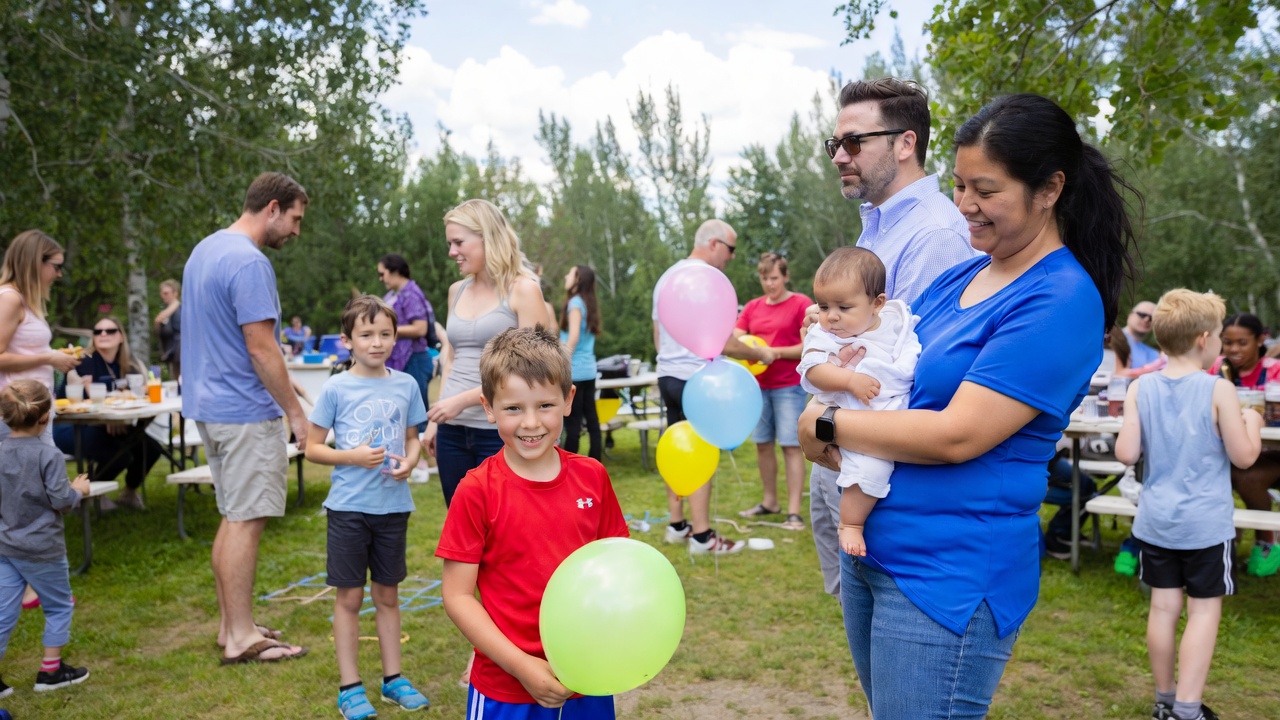
A comprehensive guide to understanding Canada’s regional February holiday celebrations, from Family Day to Louis Riel Day, Islander Day, and Heritage Day
The third Monday of February brings a welcome respite from the long Canadian winter. Yet what Canadians call this holiday depends entirely on where they live. Family Day is celebrated in Alberta, British Columbia, New Brunswick, Ontario, and Saskatchewan. Meanwhile, Manitoba observes Louis Riel Day, Nova Scotia celebrates Heritage Day, and Prince Edward Island enjoys Islander Day.
This guide explores the fascinating differences between these provincial holidays. We will examine their unique histories, cultural significance, and 2026 celebration plans. Whether you are planning a family getaway or simply curious about Canadian regional traditions, this article covers everything you need to know.
What Is Family Day in Canada and When Is It Celebrated in 2026?
Family Day is a provincial statutory holiday observed on the third Monday of February each year. In 2026, Family Day falls on Monday, February 16. This mid-winter break provides Canadians with a long weekend between New Year’s Day and Easter, a stretch that can feel particularly long during the harsh winter months.
The holiday is not a federal statutory holiday. This means federal employees, including postal workers and public servants, typically work on this day regardless of which province they reside in. However, approximately two-thirds of all Canadians live in a province that observes some form of February statutory holiday.
Quick Reference: 2026 February Holiday Dates by Province
| Province | Holiday Name | 2026 Date | First Observed |
|---|---|---|---|
| Alberta | Family Day | February 16 | 1990 |
| British Columbia | Family Day | February 16 | 2013 |
| Saskatchewan | Family Day | February 16 | 2007 |
| Ontario | Family Day | February 16 | 2008 |
| New Brunswick | Family Day | February 16 | 2018 |
| Manitoba | Louis Riel Day | February 16 | 2008 |
| Nova Scotia | Heritage Day | February 16 | 2015 |
| Prince Edward Island | Islander Day | February 16 | 2009 |
Quebec, Newfoundland and Labrador, Yukon, Northwest Territories, and Nunavut do not observe a statutory holiday on this date. For workers in these regions, the third Monday of February remains a regular workday.
The History of Family Day in Alberta: Where Canada’s February Holiday Began
The story of Family Day begins in Alberta in 1990, making it the oldest provincial February holiday in Canada. The holiday was proclaimed by Lieutenant Governor Helen Hunley on the advice of Premier Don Getty.
Don Getty’s Vision for Strengthening Alberta Families
Premier Getty championed the new holiday as a way to emphasize family values. He believed Albertans needed dedicated time to strengthen family bonds. The date was strategically chosen to coincide with Washington’s Birthday in the United States, minimizing disruption to cross-border trade.
“If this strengthens Alberta families… they’ll find that they’re the winners,” Premier Getty stated in a 1990 CBC interview.
Controversy Surrounding the Holiday’s Origins
The holiday’s creation was not without controversy. The Alberta Chamber of Commerce initially opposed it, viewing the additional statutory holiday as an unnecessary expense for businesses. Some workers even expressed preference for a day off during warmer months.
The holiday also coincided with personal turmoil in the Getty family. In August 1988, the Premier’s son was arrested for drug possession and trafficking. Though Getty denied any connection, The Globe and Mail has noted that many observers believed the family crisis motivated his push for family-focused policy.
To accommodate business concerns, the Alberta government downgraded Heritage Day (the first Monday of August) from a statutory holiday to a civic holiday. This trade-off allowed employers to avoid observing both holidays.
Alberta’s Lasting Legacy
Alberta’s Family Day experiment proved successful enough that other provinces eventually followed suit. The holiday remained unique to Alberta for 17 years until Saskatchewan adopted it in 2007.
Today, Albertans can celebrate the holiday at the place where it all began: the Alberta Legislature. Each year, the Legislature building hosts free Family Day programming, connecting citizens to parliamentary democracy and the holiday’s origins.
Family Day in Ontario: When the Most Populous Province Joined the Celebration
Ontario, Canada’s most populous province, adopted Family Day in 2008 following a campaign promise by Premier Dalton McGuinty during the 2007 provincial election.
The Political Path to Ontario’s Family Day
The Liberal Party promised that if re-elected, they would establish a February holiday. On October 12, 2007, the provincial government officially established Family Day on the third Monday of February. The first Ontario Family Day was celebrated on February 18, 2008.
This brought Ontario’s number of statutory holidays to nine per year. However, the addition did not necessarily mean extra time off for all workers. Employers could substitute existing non-statutory holidays, and many chose to replace the Civic Holiday in August with Family Day.
Family Day Activities and Events in Ontario 2026
Ontario offers abundant Family Day programming for families of all sizes. The province’s diverse geography provides both urban and rural celebration options.
Popular Ontario Family Day destinations include:
- Royal Ontario Museum (ROM) – Special family programming, interactive exhibits, and the famous Dinosaur wing
- Art Gallery of Ontario (AGO) – All-day dance parties, hands-on art-making stations, and storytelling
- Elliott Tree Farm – The Maple Syrup Experience opens Family Day weekend
- Adventure Bay Waterpark – Indoor water park with slides, lazy river, and wave pool
- Winter Stations at Woodbine Beach – Annual outdoor art installations
For families seeking outdoor adventures, Ontario’s ski resorts, skating rinks, and toboggan hills provide classic winter entertainment. The province’s many conservation areas also offer winter hiking and snowshoeing opportunities.
Family Day in British Columbia: From Second Monday to Third Monday Alignment
British Columbia became the fourth province to adopt Family Day, first celebrating it in 2013. The holiday’s path to adoption involved legislative debate and subsequent date adjustments.
BC’s Unique Path to Family Day
A private member’s bill to establish Family Day was first introduced in the BC Legislature by Liberal MLA Bob Chisholm in 1994. The bill failed to pass. It took nearly two decades before the holiday was finally adopted.
British Columbia initially observed Family Day on the second Monday of February, placing it out of sync with other provinces. This created complications for businesses operating across provincial borders.
In 2019, BC moved the holiday to the third Monday of February to align with Alberta, Saskatchewan, and Ontario. This change also synchronized BC’s holiday with Presidents’ Day in the United States, benefiting cross-border commerce.
Winter Recreation Options in BC on Family Day
British Columbia’s dramatic mountain landscapes make it a premier winter recreation destination. The province offers world-class skiing, snowboarding, and winter hiking.
Top BC Family Day destinations:
- Whistler – North America’s largest ski resort, with activities for all skill levels
- Big White Ski Resort – Family-friendly slopes in the Okanagan
- Cypress Mountain – Convenient proximity to Vancouver for day trips
- Vancouver Aquarium – Indoor marine exhibits for all ages
- Science World – Interactive science center with family programming
The mild climate in Vancouver and Victoria also allows for unique winter activities like coastal hiking and beachcombing, weather permitting.
Family Day in Saskatchewan and New Brunswick: Following Alberta’s Lead
Saskatchewan and New Brunswick adopted Family Day in 2007 and 2018, respectively. Both provinces recognized the value of providing workers with a mid-winter break.
Saskatchewan: The Second Province to Celebrate Family Day
In October 2005, Premier Lorne Calvert proposed Family Day for Saskatchewan. The Labour Standards Amendment Act was introduced on November 1, 2006, and received Royal Assent on December 6 of that year.
Saskatchewan’s first Family Day was celebrated on February 19, 2007, making it the second province after Alberta to observe the holiday.
New Brunswick: The Most Recent Addition
New Brunswick became the most recent province to adopt Family Day, announcing in April 2017 that they would observe the holiday starting in 2018. This addition brought New Brunswick up to the national average of eight paid public holidays per year.
Schools, libraries, provincial government offices, and administrative facilities close on Family Day in New Brunswick. Many retail businesses also close or operate on reduced schedules.
Louis Riel Day in Manitoba: Honoring the Métis Leader and Father of the Province
Manitoba takes a distinctly different approach to the third Monday of February. Instead of Family Day, the province celebrates Louis Riel Day in honor of the Métis leader who played a pivotal role in Manitoba’s creation.
Who Was Louis Riel and Why Does Manitoba Honor Him?
Louis Riel (1844-1885) was a Métis leader, politician, and founder of Manitoba. He led the Red River Resistance in 1869-1870, which resulted in the creation of Manitoba as Canada’s fifth province in 1870.
Riel’s life was marked by both triumph and tragedy. He successfully negotiated Manitoba’s entry into Confederation and secured protections for Métis land rights and the French language. However, his execution of Thomas Scott during the Red River Resistance made him a controversial figure.
After being expelled from Parliament multiple times and spending years in exile in the United States, Riel returned to lead the Northwest Rebellion in 1885. Following the Métis defeat at Batoche, he was captured, tried for treason, and hanged on November 16, 1885.
How Louis Riel Day Came to Be
Manitoba’s government introduced a February holiday in 2007, recognizing the long gap between New Year’s Day and Good Friday. A competition was held among Manitoba school children to name the new holiday.
According to the Province of Manitoba, 114 schools submitted suggestions reflecting Manitoba’s citizenship, history, culture, arts, sports, and significant historical figures. Eleven schools submitted the winning entry: “Louis Riel Day.”
The first Louis Riel Day was celebrated on February 18, 2008. A resolution was passed by Parliament on March 10, 1992, officially recognizing Louis Riel as the Founder of Manitoba.
Louis Riel’s Recent Recognition as Manitoba’s First Premier
In a significant act of reconciliation, the Manitoba government passed the Louis Riel Act in 2024, officially recognizing Riel as the province’s first premier. During Louis Riel Day 2025 celebrations, a new plaque was unveiled beneath Riel’s portrait at the Manitoba Legislative Building.
The Manitoba Métis Federation, in partnership with the provincial government, hosted a day of celebration including a ceremony at Riel’s gravesite in Winnipeg. Premier Wab Kinew and MMF President David Chartrand placed a copy of the Act on Riel’s grave.
Louis Riel Day Celebrations and Métis Cultural Events
Louis Riel Day provides an opportunity to learn about Métis culture, language, heritage, and ancestral homeland. Celebrations across Manitoba feature:
- Traditional Métis music and dance – Fiddling and jigging performances
- Community feasts – Traditional dishes like bannock, bison, and wild rice
- Educational programming – Museums and schools host learning events
- Cultural workshops – Art exhibits, storytelling, and Métis craft demonstrations
- Festival du Voyageur – Winnipeg’s annual winter festival coincides with Louis Riel Day
Many Manitobans visit the Louis Riel gravesite in Winnipeg, where ceremonies honor his memory. Métis flags are displayed across the province as a sign of cultural pride and respect.
Nova Scotia Heritage Day: Celebrating the Province’s Remarkable People and Places
Nova Scotia takes yet another approach to the February holiday. Heritage Day celebrates the unique people, places, and events that have shaped the province’s rich history.
How Nova Scotia Heritage Day Was Established
Nova Scotia became the last of the Maritime provinces to adopt a February holiday. In December 2013, after the provincial Liberal Party was elected, Premier Stephen McNeil’s government introduced a bill to create the holiday.
Heritage Day was first celebrated in 2015. The holiday’s name was determined through a campaign involving Nova Scotian schools. A three-member panel reviewed student recommendations and chose “Nova Scotia Heritage Day.”
The Annual Honoree System: A Unique Approach to Holiday Celebration
What makes Nova Scotia Heritage Day unique is its annual honoree system. Each year, the holiday celebrates a different person, place, or event from Nova Scotian history.
The first twelve honorees (covering 2015-2026) were selected by a government-appointed panel from suggestions offered by Nova Scotian school children.
Complete List of Nova Scotia Heritage Day Honorees
| Year | Honoree | Significance |
|---|---|---|
| 2015 | Viola Desmond | African Nova Scotian civil rights activist |
| 2016 | Joseph Howe | Champion of press freedom and responsible government |
| 2017 | Mi’kmaq Heritage | Indigenous culture and accomplishments |
| 2018 | Mona Louise Parsons | WWII heroine, marking women’s enfranchisement centenary |
| 2019 | Maud Lewis | Beloved folk artist |
| 2020 | Africville | National Historic Site, marking apology anniversary |
| 2021 | Edward Francis Arab | Lebanese-Canadian WWII veteran |
| 2022 | Landscape of Grand Pré | UNESCO World Heritage Site |
| 2023 | Rita Joe | Mi’kmaq poet known as “the voice of her people” |
| 2024 | William Hall | First Black person and third Canadian to receive Victoria Cross |
| 2025 | Nora Bernard | Residential school survivor and advocate |
| 2026 | J. William Comeau | Acadian educator, legislator, and cultural advocate |
2026 Honoree: Joseph Willie Comeau
The 2026 Heritage Day honoree is Joseph Willie Comeau (1876-1966), an Acadian educator, entrepreneur, legislator, and Senator from Digby County.
According to the official Nova Scotia Heritage Day website, Comeau was a graduate of Collège Sainte-Anne who worked as a teacher and operated several businesses. He served nine terms as a Member of the Legislative Assembly before being appointed to the Senate of Canada in 1948.
Comeau is recognized for his lifelong advocacy for Acadian language, culture, and education in Nova Scotia. His ancestors were among those who returned to Nova Scotia following the Acadian Expulsion of 1755.
“He was tremendously proud of the fact that he was an Acadian… ‘I am equally proud that I am an Acadian, a Nova Scotian, and a Canadian,'” Senator Frederick M. Blois said in tribute.
Heritage Day Activities and Celebrations
Heritage Day celebrations often feature special programming at Nova Scotia’s museums and cultural institutions:
- Maritime Museum of the Atlantic – Free holiday admission
- Museum of Natural History – Family-oriented exhibits
- Museum of Industry – Interactive historical displays
- Local heritage sites – Community-organized celebrations
The holiday encourages Nova Scotians to explore their province’s diverse history, from Mi’kmaq heritage to Acadian traditions to African Nova Scotian contributions.
Islander Day in Prince Edward Island: Celebrating Canada’s Smallest Province
Prince Edward Island observes Islander Day on the third Monday of February. This holiday celebrates family, community, and the unique island lifestyle.
The Creation of Islander Day
Islander Day was established in 2009 following a campaign promise by Premier Robert Ghiz. The premier had pledged during his election campaign to create a new holiday specifically for Prince Edward Island.
The province’s Legislature approved the holiday on November 28, 2008. Premier Ghiz explained that the new holiday would give everyone an opportunity to celebrate family and community.
Date Adjustment to Align with Other Provinces
Originally, Islander Day was observed on the second Monday of February in 2009. This created problems for businesses and federal employees.
The Public Service Alliance of Canada noted that federal employees would have to choose between Islander Day and a federal holiday in August. Businesses suffered from being out of sync with partners in other provinces and with Presidents’ Day in the United States.
In April 2009, Provincial Attorney General Gerard Greenan moved the holiday to the third Monday of February, effective from 2010 onwards.
Islander Day Celebrations and Activities
Prince Edward Island offers numerous family-friendly activities for Islander Day:
Outdoor activities:
- Cross-country skiing at Mill River Provincial Park
- Snowshoeing and hiking at Prince Edward Island National Park
- Tobogganing on lighted hills
- Skating at local rinks
Community events:
- Charlottetown Islander Day Festival – Famous for its pancake breakfast
- Family glow-in-the-dark bowling
- Live theatre performances
- Community feasts and gatherings
Cultural experiences:
- Exploring PEI’s 63 lighthouses
- Learning about island history and heritage
- Visiting local museums and historical sites
The holiday coincides with Heritage Week, allowing Islanders to celebrate both their unique identity and the broader Canadian heritage.
Why Quebec Does Not Celebrate Family Day or Any February Holiday
Unlike most Canadian provinces, Quebec does not observe any statutory holiday on the third Monday of February. This absence often surprises visitors and newcomers to the province.
Quebec’s Holiday Calendar Explained
Quebec observes just eight statutory holidays per year, tying with Manitoba for the lowest number in Canada. For context, Ontario has nine, while British Columbia has ten.
According to Daily Hive, Quebec doesn’t observe Family Day because it celebrates two unique provincial holidays that other provinces do not:
- Journée nationale des Patriotes – The Monday before May 25, honoring the leaders of the 1837-1838 Lower Canada Rebellion
- Fête nationale du Québec (Saint-Jean-Baptiste Day) – June 24, celebrating French-Canadian culture and heritage
Essentially, Quebecers trade a mid-winter day off for holidays in spring and summer.
Quebec’s Statutory Holidays in 2026
| Holiday | Date |
|---|---|
| New Year’s Day | January 1 |
| Good Friday or Easter Monday | April 3 or 6 |
| National Patriotes Day | May 18 |
| Saint-Jean-Baptiste Day | June 24 |
| Canada Day | July 1 |
| Labour Day | September 7 |
| Thanksgiving | October 12 |
| Christmas Day | December 25 |
While Family Day weekend sees much of Canada enjoying a long weekend, Quebecers continue business as usual.
Territories Without a February Holiday: Yukon, Northwest Territories, and Nunavut
Canada’s three northern territories—Yukon, Northwest Territories, and Nunavut—do not observe a statutory holiday on the third Monday of February.
Yukon’s Heritage Day: A Different Date and Status
Yukon does observe Heritage Day, but on a different date. The territory celebrates Heritage Day on the Friday before the last Sunday of February. However, this is not a statutory holiday. Government offices and many businesses close, but private employers are not required to observe it.
When other provinces adopted February holidays in the late 2000s, Yukon considered its existing Heritage Day celebration close enough on the calendar that no changes were made.
Northwest Territories and Nunavut
Neither the Northwest Territories nor Nunavut has adopted a February statutory holiday. Workers in these territories continue with regular schedules while much of southern Canada enjoys a long weekend.
What Businesses and Services Are Open on Family Day 2026?
Understanding what remains open on Family Day weekend helps families plan activities and errands.
Generally Closed on Family Day
- Provincial government offices
- Public schools
- Public libraries
- Banks and credit unions
- Canada Post (in most provinces)
- Shopping malls (vary by location)
- Administrative offices
Generally Open on Family Day
- Federal government offices
- Federal services (in all provinces)
- Many museums and cultural attractions
- Ski resorts and recreation facilities
- Some retail stores (hours may vary)
- Restaurants and cafes
- Essential services (hospitals, pharmacies)
Federal Employees and the Family Day Situation
Because Family Day is not a federal statutory holiday, federal employees work on this day regardless of where they live in Canada. This creates an interesting situation where provincial and federal workers experience the holiday differently.
Federal cultural sites may have different operating hours on Family Day. Checking local listings before visiting is recommended.
Family Day Activities and Things to Do Across Canada in 2026
Family Day falls during the heart of Canadian winter. Activities typically embrace either the season’s outdoor opportunities or provide warm indoor alternatives.
Popular Outdoor Winter Activities for Family Day
Winter sports:
- Skiing and snowboarding at local resorts
- Ice skating on outdoor rinks and frozen lakes
- Tobogganing and sledding on community hills
- Snowshoeing through provincial parks
- Cross-country skiing on groomed trails
- Ice fishing (Ontario hosts a license-free Family Fishing Weekend)
Community events:
- Winter festivals and carnivals
- Outdoor concerts and performances
- Sleigh rides and horse-drawn wagon tours
- Snow sculpture contests
- Bonfire gatherings with hot chocolate
Indoor Family Day Activities for Cold Weather
Cultural attractions:
- Museum visits with family-oriented programming
- Art gallery tours and hands-on workshops
- Aquarium and zoo visits
- Science center explorations
- Historical site tours
Recreation centers:
- Indoor swimming pools
- Trampoline parks
- Indoor play centers
- Family bowling
- Ice rink rentals
At-home activities:
- Board games and puzzles
- Family movie marathons
- Baking and cooking together
- Arts and crafts projects
- Video game tournaments
Featured 2026 Events by Region
Ottawa-Gatineau: Winterlude 2026 runs from January 30 to February 16, culminating on Family Day. Ice sculptures, snow slides, and the Snowflake Kingdom at Jacques-Cartier Park provide classic Canadian winter experiences.
Toronto: The Winter Stations art installation at Woodbine Beach launches on Family Day. The Bentway skate trail typically wraps up its season on this date.
Edmonton: The Faamii Zhoor (Family Day in Michif) celebration offers Métis cultural programming, workshops, and community connection.
Hamilton: Westfield Heritage Village hosts free Family Day activities including hiking, hot chocolate, and heritage exploration.
Is Family Day a Federal Holiday in Canada? Understanding the Difference
A common question among Canadians: Is Family Day a federal or provincial holiday?
The answer is clear: Family Day is not a federal statutory holiday. It is a provincial holiday observed only in certain provinces under various names.
What This Means for Different Workers
Provincial employees: Generally receive the day off with pay in observing provinces.
Federal employees: Work as usual regardless of which province they live in. This includes postal workers, federal public servants, and employees of federally regulated industries like banking and telecommunications.
Private sector employees: Entitled to holiday pay according to their province’s employment standards if they work in an observing province.
Holiday Pay and Employment Standards
Each province has specific rules governing statutory holiday pay. Generally, eligible employees either receive the day off with pay or receive premium pay for working on the holiday.
Common eligibility requirements include:
- Working for a minimum period before the holiday
- Working a certain number of days in the preceding month
- Not being absent without employer consent on scheduled workdays before or after the holiday
Workers should check their provincial employment standards or employer policies for specific details.
The Future of Family Day: Will More Provinces Join?
The success of Family Day in observing provinces has prompted discussions about expansion. Some advocates push for making Family Day a federal statutory holiday.
Provinces That May Consider Adoption
Quebec remains the most notable holdout. However, given the province’s preference for its own holidays (National Patriotes Day and Saint-Jean-Baptiste Day), adoption seems unlikely.
Newfoundland and Labrador has considered a February holiday, but no legislation has passed. The province already observes more statutory holidays than most other provinces.
Arguments For and Against a National Family Day
Arguments for federal recognition:
- Provides consistent nationwide holiday
- Supports family time and work-life balance
- Aligns with American Presidents’ Day for business purposes
- Breaks up the long winter period between holidays
Arguments against:
- Provincial jurisdiction over labor standards
- Cost to businesses and employers
- Regional preferences for different observances
- Existing federal holiday calendar deemed sufficient
For now, Family Day remains a regional celebration, with each province choosing its own approach to honoring the third Monday of February.
Planning Your Family Day 2026 Celebration: Tips and Recommendations
Making the most of Family Day requires some planning. Here are practical tips for an enjoyable long weekend.
Book Accommodations Early
Popular ski resorts, hotels, and vacation rentals fill up quickly for Family Day weekend. Book well in advance if planning an overnight trip.
Check Operating Hours
Many businesses operate on modified schedules during Family Day. Call ahead or check online before visiting:
- Restaurants and cafes
- Shopping centers
- Museums and attractions
- Recreation facilities
Consider Weather Conditions
February weather in Canada can be harsh. Prepare for:
- Extreme cold temperatures
- Snow and ice conditions
- Road closures or delays
- Outdoor event cancellations
Have backup indoor activities planned in case outdoor plans fall through.
Budget for Holiday Pricing
Some attractions offer reduced admission or free entry on Family Day. Others charge premium rates due to demand. Research pricing before finalizing plans.
Respect Regional Traditions
If celebrating in Manitoba, learn about Louis Riel and Métis culture. In Nova Scotia, explore the year’s Heritage Day honoree. Understanding local traditions enriches the holiday experience.
Family Day by Province: A Summary of Regional Differences
The third Monday of February means different things across Canada. Here’s a final comparison of the regional variations.
Family Day Provinces (Alberta, BC, Saskatchewan, Ontario, New Brunswick)
Focus: Family bonding, quality time with loved ones, work-life balance
Typical celebrations: Winter sports, indoor activities, family gatherings, community events
Status: Provincial statutory holiday
Louis Riel Day (Manitoba)
Focus: Honoring the Métis leader and Father of Manitoba, celebrating Indigenous heritage
Typical celebrations: Cultural events, traditional Métis music and dance, educational programming, community feasts
Status: Provincial general holiday
Heritage Day (Nova Scotia)
Focus: Celebrating Nova Scotian history through annual honorees
2026 Honoree: J. William Comeau, Acadian advocate and legislator
Typical celebrations: Museum visits, heritage site tours, educational events, cultural programming
Status: Provincial statutory holiday
Islander Day (Prince Edward Island)
Focus: Celebrating island identity, family, and community
Typical celebrations: Charlottetown festival, outdoor winter activities, community gatherings, cultural events
Status: Provincial statutory holiday
Conclusion: The Meaning Behind Canada’s February Holidays
Whether called Family Day, Louis Riel Day, Heritage Day, or Islander Day, Canada’s February holidays share common values. They recognize the importance of family, community, culture, and heritage during the long winter months.
Each province’s unique approach reflects regional history and priorities. Alberta emphasizes family values. Manitoba honors Indigenous leadership and Métis culture. Nova Scotia celebrates diverse historical figures. Prince Edward Island takes pride in island identity.
As February 16, 2026 approaches, Canadians in eight provinces will enjoy a much-needed break. For the approximately two-thirds of the population who receive this holiday, it offers time to reconnect with loved ones, explore local attractions, and celebrate what makes their province unique.
For those in Quebec, Newfoundland, and the territories without a February holiday, the workweek continues. But each region has its own calendar of celebrations throughout the year.
Whatever name your province uses, the message remains the same: take time to appreciate family, community, and the rich tapestry of Canadian heritage.
Family Day Traditions and Customs: How Canadian Families Celebrate
Unlike holidays with centuries of tradition behind them, Family Day is relatively new. No established customs dictate how families must celebrate. This freedom allows each household to create their own traditions.
Common Family Day Traditions Across Canada
Winter outdoor adventures: Many families embrace the February weather by planning outdoor activities. Skiing trips to nearby resorts have become a popular tradition. Others keep it simple with neighborhood toboggan runs or backyard skating rinks.
Technology-free time: Some families use Family Day as an opportunity to disconnect from devices. Board game marathons, puzzle building, and crafts replace screen time. This practice aligns with the holiday’s original intent of strengthening family bonds.
Multi-generational gatherings: The long weekend provides opportunity for extended family visits. Grandparents travel to see grandchildren. Adult siblings reunite. These gatherings may include shared meals, storytelling, and catching up.
Community involvement: Volunteering together on Family Day has gained popularity. Families serve meals at local shelters, participate in community clean-ups, or visit seniors’ residences. This tradition teaches children the value of giving back.
Photo documentation: Creating annual Family Day photos has become a tradition for some households. Comparing pictures year over year shows children growing and family changes over time.
Regional Celebration Differences
Prairie provinces (Alberta, Saskatchewan, Manitoba): Extreme cold temperatures often keep celebrations indoors. Community hockey rinks see heavy use. Indoor festivals and events draw large crowds.
British Columbia: Mild coastal temperatures allow for more outdoor variety. Hiking, biking, and beach walks are possible in the Vancouver area even in February.
Ontario: The province’s size creates diverse celebration styles. Northern Ontario families embrace traditional winter activities. Southern Ontario offers both rural and urban celebration options.
Maritime provinces (New Brunswick, Nova Scotia, PEI): Ocean proximity influences activities. Some families enjoy winter beach walks. Others focus on indoor cultural celebrations and community events.
Family Day Employment Standards by Province: Your Rights as a Worker
Understanding employment standards helps workers know their rights on Family Day. Each province sets its own rules for statutory holiday pay and time off.
General Principles for Statutory Holiday Pay
Most provinces require employers to provide eligible employees with one of two options:
- A day off with public holiday pay – The employee receives their regular wages for the holiday without working
- Premium pay for working – The employee works and receives enhanced compensation
Province-by-Province Employment Standards Overview
Alberta: Employees are entitled to general holiday pay if they have worked for the employer for at least 30 workdays in the 12 months before the holiday. Pay is calculated as an average of daily wages.
British Columbia: Employees must have worked for the employer for at least 30 calendar days before the holiday. They must have worked on 15 of the 30 days immediately before the holiday to receive statutory holiday pay.
Saskatchewan: Employees receive public holiday pay if they have been employed for at least 12 working days in the four weeks before the holiday.
Ontario: Most employees are entitled to a public holiday off work with public holiday pay. The pay calculation uses a formula based on wages earned in the pay period before the holiday.
New Brunswick: Employees must have worked for the employer for at least 90 days in the 12 months before the holiday to be entitled to paid time off.
Manitoba (Louis Riel Day): Employees are entitled to general holiday pay if they have worked at least 30 days for the employer in the 12 months before the holiday.
Nova Scotia (Heritage Day): Employees are entitled to a holiday with pay if they have been employed for at least one month and have worked at least 15 of the 30 days before the holiday.
Prince Edward Island (Islander Day): Employees must have earned wages on at least 15 of the 30 calendar days before the holiday to qualify for statutory holiday pay.
What If You Must Work on Family Day?
Employees required to work on a statutory holiday typically receive enhanced compensation. This usually involves:
- Regular wages plus premium pay (often 1.5x regular rate), or
- Regular wages plus a substituted day off with pay
Specific rules vary by province. Always check your provincial employment standards or consult your employer’s policies.
How Family Day Compares to Similar Holidays Around the World
Canada is not alone in designating specific days to honor family bonds. Similar holidays exist worldwide, though dates and customs vary.
Family Day Celebrations in Other Countries
United States: Arizona and Nevada observe Family Day on various dates. The American holiday focuses on similar themes of family bonding and quality time. Presidents’ Day, observed on the third Monday of February, provides many Americans with a long weekend that coincides with Canadian Family Day.
South Africa: Family Day falls on the day after Easter Sunday. The holiday encourages families to spend time together following Easter celebrations.
Australia: The Australian Capital Territory observes Family and Community Day on the first Tuesday of November. Originally called Canberra Day, the holiday was renamed to emphasize family values.
Vanuatu: This Pacific island nation celebrates Family Day as a public holiday promoting family togetherness and cultural values.
Vietnam: Vietnamese Family Day is observed on June 28. The holiday promotes family values and traditional Vietnamese culture.
Key Differences from Canadian Family Day
Most international family holidays differ from Canada’s in significant ways:
- Fixed vs. floating dates: Canadian Family Day always falls on a Monday, creating a long weekend. Many international equivalents fall on fixed calendar dates.
- Regional vs. national: Canadian Family Day varies by province. Many international equivalents are nationwide celebrations.
- Secular vs. religious: Canadian Family Day is secular. Some international family celebrations connect to religious observances.
The Economic Impact of Family Day Across Canadian Provinces
Family Day significantly affects local economies. Some industries benefit enormously while others face increased costs.
Industries That Benefit from Family Day
Tourism and hospitality: Ski resorts, hotels, and vacation rentals see increased bookings during Family Day weekend. Many operators report this as one of their busiest weekends of the winter season.
According to research from the University of Alberta, businesses in popular tourist destinations like Banff and Niagara Falls experience revenue surges during Family Day weekend. Hotels, restaurants, and recreational facilities all benefit.
Entertainment and attractions: Museums, aquariums, amusement parks, and entertainment centers see increased foot traffic. Many offer special programming specifically for Family Day visitors.
Retail: Some retail sectors benefit from Family Day shopping. Sporting goods stores see increased sales of winter equipment. Home goods and craft supply stores benefit from families planning indoor activities.
Food and beverage: Restaurants and cafes experience higher customer volumes. Grocery stores see increased sales as families prepare for gatherings and home-cooked meals.
Industries That Face Increased Costs
Employers with service requirements: Businesses that must remain open on Family Day face increased labor costs. Statutory holiday pay premiums add to operational expenses.
Manufacturing and production: Production halts or slowdowns during Family Day can disrupt supply chains and production schedules.
Professional services: Law firms, accounting practices, and consulting firms lose billable hours. Some offset this by working through other holidays.
The Broader Economic Discussion
The original controversy over Family Day’s creation centered on economic concerns. Alberta business groups initially opposed the holiday, arguing it represented an unnecessary cost burden.
Over time, however, the economic benefits of a rested, family-focused workforce have become more apparent. Research suggests employees who take regular breaks show improved productivity and job satisfaction.
Family Day and Mental Health: The Importance of Mid-Winter Breaks
The timing of Family Day serves an important psychological function. February marks the depths of Canadian winter, when daylight hours are short and temperatures often reach their coldest.
Seasonal Affective Disorder and Winter Breaks
Seasonal Affective Disorder (SAD) affects many Canadians during winter months. Symptoms include low energy, difficulty concentrating, and feelings of hopelessness. The February holiday provides a break that can help combat these effects.
Key benefits of a mid-winter break include:
- Reduced burnout: The gap between New Year’s Day and Easter spans nearly three months. A mid-point break helps prevent workplace exhaustion.
- Sunlight exposure: Outdoor Family Day activities increase vitamin D exposure, which can improve mood.
- Social connection: Family gatherings combat winter isolation and loneliness.
- Physical activity: Winter sports and outdoor play boost endorphins and improve mental health.
Family Relationships and Holiday Time
Research consistently shows that quality family time strengthens relationships. Family Day provides dedicated opportunity for:
- Uninterrupted conversation: Without work pressures, family members can connect meaningfully.
- Shared experiences: Activities done together create lasting memories and strengthen bonds.
- Conflict resolution: Time away from daily stress allows families to address underlying issues.
- Tradition building: Creating annual Family Day traditions gives families something to look forward to.
Self-Care on Family Day
Not everyone has positive family relationships. For some, Family Day can highlight difficult situations or feel isolating. Mental health experts suggest:
- Choosing your celebration: Spend time with chosen family or friends if biological family relationships are strained.
- Solo self-care: Use the day for personal rejuvenation if that serves your needs better.
- Community connection: Volunteer activities or community events provide social connection outside family structures.
- Professional support: If Family Day triggers difficult emotions, reach out to mental health resources.
Family Day Weekend Getaway Ideas for Every Budget
Family Day weekend offers opportunity for both elaborate getaways and simple staycations. Here are ideas spanning various budgets.
Budget-Friendly Family Day Ideas (Under $100)
Free community events: Many municipalities host free Family Day programming. Check local event calendars for parades, festivals, and community gatherings.
Provincial park visits: Some provincial parks offer free or reduced admission on Family Day. Snowshoeing, hiking, and winter wildlife viewing cost little beyond transportation.
Library programs: Public libraries often host special Family Day events. Storytimes, crafts, and movie screenings provide free entertainment.
Backyard adventures: Building snow forts, having snowball fights, and making snow angels cost nothing. Add hot chocolate afterward for a complete experience.
Game nights: Board games, card games, and puzzles provide hours of family entertainment. Many families already own suitable games.
Mid-Range Family Day Ideas ($100-$500)
Day trips to nearby attractions: Museums, science centers, and aquariums offer full-day entertainment. Many provide Family Day discounts or special programming.
Skiing or snowboarding day trips: Lift tickets and equipment rentals add up, but provide memorable experiences. Some resorts offer Family Day package deals.
Indoor water parks: Full-day passes to indoor water parks provide warm-weather fun regardless of outside temperatures.
Cooking or craft classes: Family-oriented classes in cooking, pottery, or crafts create lasting memories and new skills.
Premium Family Day Experiences ($500+)
Resort weekends: Destination ski resorts, spa retreats, or resort hotels offer complete weekend packages. Book well in advance for best availability.
City breaks: Weekend trips to major cities combine hotel stays with attractions, dining, and shows. Montreal, Toronto, and Vancouver all offer extensive Family Day programming.
Adventure packages: Dog sledding, ice climbing, and backcountry ski tours provide unique experiences. Professional guides ensure safety while creating unforgettable memories.
Wellness retreats: Family-friendly spa resorts offer relaxation and reconnection. Some cater specifically to families with age-appropriate programming.
Frequently Asked Questions About Family Day in Canada
Is Family Day a national holiday in Canada?
No. Family Day is a provincial statutory holiday, not a federal holiday. It is only observed in certain provinces, and federal employees work regardless of their province of residence.
What provinces celebrate Family Day?
Alberta, British Columbia, Saskatchewan, Ontario, and New Brunswick celebrate Family Day. Manitoba observes Louis Riel Day, Nova Scotia celebrates Heritage Day, and Prince Edward Island observes Islander Day—all on the same date.
Why doesn’t Quebec have Family Day?
Quebec observes Journée nationale des Patriotes in May and Fête nationale du Québec in June instead. The province trades a mid-winter holiday for spring and summer celebrations that reflect Quebec’s unique culture and history.
When is Family Day 2026?
Family Day 2026 falls on Monday, February 16, 2026, the third Monday of February.
Are banks open on Family Day?
Most banks are closed on Family Day in provinces that observe it as a statutory holiday. ATMs and online banking remain available.
Is mail delivered on Family Day?
Canada Post delivery depends on the province. In provinces observing a statutory holiday, regular mail delivery may be suspended. Check local announcements.
Can my employer make me work on Family Day?
Yes, employers can require employees to work on Family Day. However, eligible employees must receive statutory holiday pay premiums or a substitute day off according to provincial employment standards.
Do I get paid for Family Day if I don’t work?
Eligible employees typically receive public holiday pay for Family Day even if they don’t work. Eligibility requirements vary by province based on length of employment and recent work history.
Conclusion: The Meaning Behind Canada’s February Holidays
Whether called Family Day, Louis Riel Day, Heritage Day, or Islander Day, Canada’s February holidays share common values. They recognize the importance of family, community, culture, and heritage during the long winter months.
Each province’s unique approach reflects regional history and priorities. Alberta emphasizes family values. Manitoba honors Indigenous leadership and Métis culture. Nova Scotia celebrates diverse historical figures. Prince Edward Island takes pride in island identity.
As February 16, 2026 approaches, Canadians in eight provinces will enjoy a much-needed break. For the approximately two-thirds of the population who receive this holiday, it offers time to reconnect with loved ones, explore local attractions, and celebrate what makes their province unique.
For those in Quebec, Newfoundland, and the territories without a February holiday, the workweek continues. But each region has its own calendar of celebrations throughout the year.
Whatever name your province uses, the message remains the same: take time to appreciate family, community, and the rich tapestry of Canadian heritage.
The evolution from Alberta’s controversial 1990 introduction to today’s widespread observance shows how Canadian values around work-life balance have shifted. What began as one premier’s vision for strengthening families has become a cherished tradition for millions of Canadians.
As you plan your Family Day 2026 celebration, remember that the best activities are those that bring your loved ones together. Whether that means hitting the slopes, visiting a museum, or simply staying home with a board game and hot chocolate, the holiday succeeds when families connect.
Planning your Family Day celebration? Check local event listings and confirm operating hours before visiting attractions. Weather conditions can change rapidly in February—always have backup plans ready.