Discover the rhythm of the world through vibrant February dance festivals—from the soul-stirring Sega of Mauritius to the thunderous samba of Rio Carnival
February is a magical month for cultural travelers. The winter chill begins to fade in the Northern Hemisphere while tropical destinations burst with festive energy. This is the month when traditional dance celebrations reach their peak across the globe. From the UNESCO-recognized Sega dance of Mauritius to the spectacular Rio Carnival samba parades, February offers unparalleled opportunities to experience humanity’s most treasured dance heritage.
In this comprehensive guide, we’ll take you on a journey through the must-see traditional dance festivals in February 2026. You’ll discover the hypnotic Sega beat, witness ancient rituals come alive, and learn how to plan unforgettable cultural adventures. Whether you’re a seasoned traveler, dance enthusiast, or simply curious about world cultures, these celebrations will leave you breathless.
What Is Sega Dance and Why Is It So Captivating?
The Sega dance is one of the most captivating traditional performing arts in the world. Originating from the Indian Ocean islands, particularly Mauritius, this vibrant art form combines music, storytelling, and movement into a mesmerizing cultural experience.
Sega has its roots in the African rhythms brought to Mauritius by enslaved people during the 18th century. It was a form of expression—a way to share stories of daily life, love, joy, and sorrow. The dance became a powerful symbol of resilience and creativity.
According to UNESCO’s Intangible Cultural Heritage listing, Traditional Mauritian Sega Tipik is a vibrant performing art, emblematic of the Creole community. Songs sung in a minor key gradually increase in tempo, as dancers move their hips and hands to a percussive beat, using short steps to maneuver around each other in a variety of different formations.
The Essential Instruments of Sega Music
The authentic Sega sound comes from traditional handcrafted instruments:
| Instrument | Description | Role in Sega |
|---|---|---|
| Ravanne | Large tambourine-like drum made with goat skin | Primary rhythm keeper |
| Maravanne | Box rattle filled with seeds | Creates the distinctive shuffle sound |
| Triangle | Triangular metal piece | Adds tinkering accents |
| Traditional Guitar | Single-string instrument with calebasse resonator | Provides melodic accompaniment |
How Sega Dance Movements Tell Stories
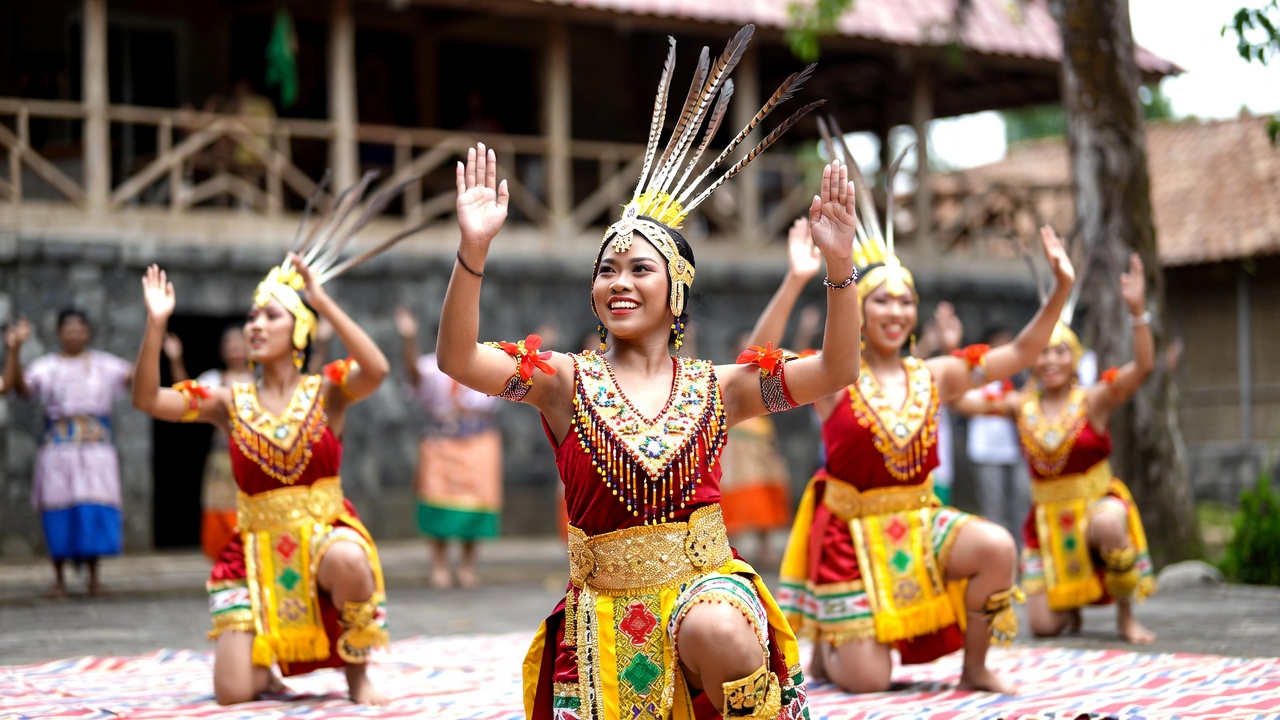
Sega is danced without the feet ever leaving the ground. Instead, the rest of the body moves, with an emphasis on the hips and waist. Women wear long colorful circular skirts that accentuate their movements, while men traditionally don colorful shirts, shorts, and straw hats.
The dance tells stories through movement. Every hip sway, every hand gesture carries meaning. Performers improvise lyrics in Mauritian Creole, often addressing themes of:
- Love and romance
- Daily life challenges
- Celebration and joy
- Community bonds
Traditionally, women dancers wear long skirts and petticoats while men wear rolled-up trousers, colorful shirts and straw hats, in memory of the dress of their ancestors. The main practitioners are the singers, dancers and musicians, who transmit their skills both formally and informally through participation and imitation. Some practitioners also make the instruments, and transmit their skills through informal apprenticeship.
The Evolution of Sega: From Plantation Rhythms to UNESCO Recognition
The journey of Sega from plantation gatherings to UNESCO recognition is a remarkable story of cultural resilience. During the colonial era, Sega was often performed in secret, as it was associated with African traditions that colonial authorities sought to suppress.
Key milestones in Sega history:
- 18th Century: Sega emerges among enslaved African populations in Mauritius
- 1960s: Ti Frère popularizes Sega, bringing it to mainstream audiences
- October 30, 1964: Historic “Night of the Sega” at Mount Le Morne
- 2014: Traditional Mauritian Sega inscribed on UNESCO’s Representative List of Intangible Cultural Heritage
The Catholic Church historically disapproved of Sega because of its association with sexuality and alcohol. Until the Mauritian artist Ti Frère became popular in the 1960s, sega was only played in private places.
Seggae: The Fusion That Conquered the World
One of the most significant developments in the genre is Seggae, a fusion of Sega and Reggae pioneered by the legendary artist Kaya. This unique blend has inspired many local musicians to adapt Sega to their own styles, keeping the music alive and evolving.
Characteristics of Seggae:
- Combines traditional Sega rhythms with reggae bass lines
- Often features socially conscious lyrics
- Uses both traditional and modern instruments
- Appeals to younger audiences while preserving cultural roots
Kaya, whose real name was Joseph Reginald Topize, was at the height of his career in 1999 when he tragically passed away. His music remains influential, and Seggae continues to evolve as a distinct musical genre that bridges African, Indian Ocean, and Caribbean cultural influences.
Regional Variations: Sega Across the Indian Ocean
While Mauritius is the heartland of Sega, related traditions exist throughout the Indian Ocean region:
| Region | Sega Variation | Distinctive Features |
|---|---|---|
| Rodrigues Island | Sega Tambour | Drum-focused, faster tempo, sung mostly by women |
| Réunion | Maloya and Séga Réunionnais | Slower tempo, closer to original African roots |
| Seychelles | Moutya | Similar to Réunionnais, Western ballad influences |
| Chagos Islands | Sega Tambour Chagos | Preserved traditional forms |
Sega tambour of Rodrigues is considered to be truer to the origins of sega than Mauritian sega, due to Rodrigues’ geographical isolation. The accordion groups of Rodrigues, called segakordeon, include European folk dance music such as polkas, quadrilles, waltzes and Scottish reels.
Best Places to Experience Authentic Sega Dance in Mauritius
If you’re planning a February trip to Mauritius, you’ll find countless opportunities to experience genuine Sega performances. The island embraces this cultural treasure with pride.
Beach Resort Sega Nights in Grand Baie
Grand Baie on Mauritius’s northern coast is the island’s entertainment hub. Many resorts host weekly Sega nights featuring live performances by local artists. The combination of swaying palm trees, starlit skies, and rhythmic drums creates an unforgettable atmosphere.
Popular venues include:
- Constance Belle Mare Plage — Luxury resort with authentic cultural programming
- Domaine Les Pailles — Heritage site offering cultural shows
- Château de Labourdonnais — Historic estate with regular Sega evenings
Cultural Centers and Theaters for Traditional Performances
For a more immersive experience, visit the Mauritius National Cultural Center or arrange a private Sega show at your accommodation. Many cultural centers offer:
- Live Sega performances
- Dance workshops
- Instrument-making demonstrations
- History lectures on Mauritian heritage
Participating in Sega Dance Workshops
Nothing compares to learning the movements yourself. Participating in a Sega dance workshop can be incredibly rewarding. Various cultural centers and local dance studios offer classes that teach the basic moves and rhythms of Sega. These workshops not only provide insight into the dance itself but also allow travelers to connect with local instructors and fellow participants.
Expect to learn:
- Basic hip movements and footwork
- How to feel the rhythm of the Ravanne
- Traditional costume elements
- The meaning behind different movements
Rio Carnival 2026: The World’s Greatest Samba Spectacle
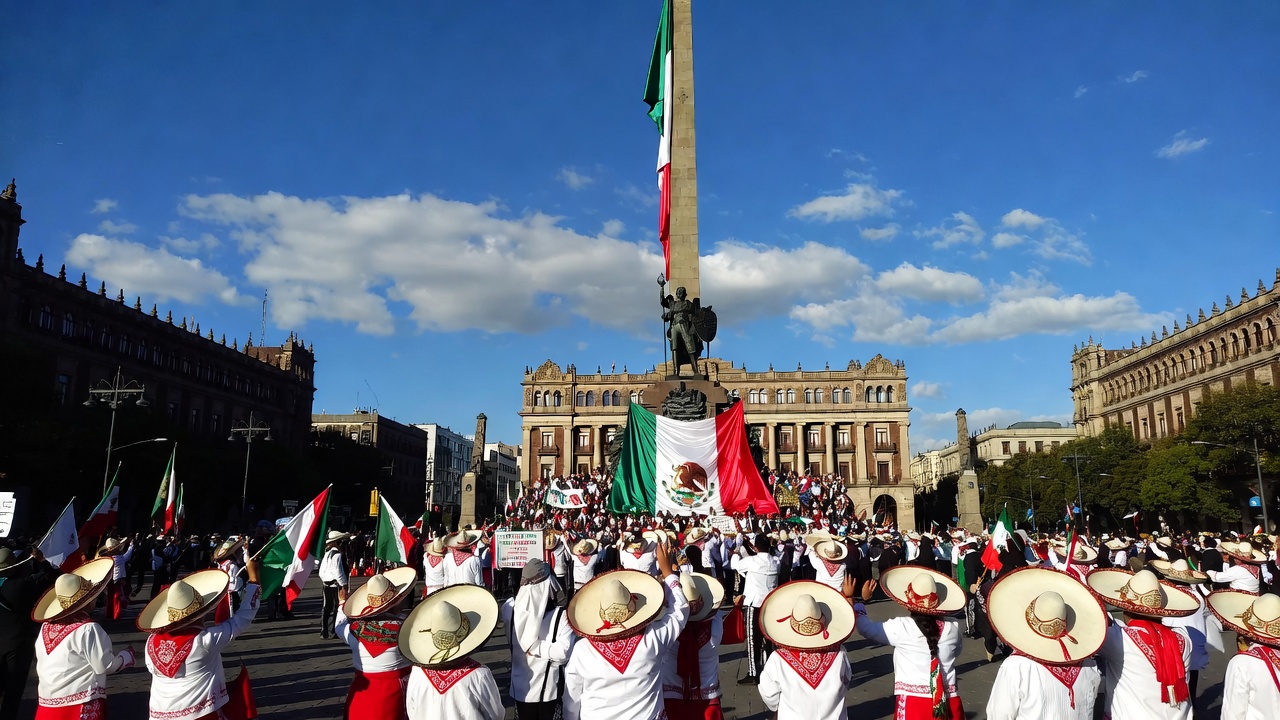
No discussion of February dance celebrations would be complete without Rio Carnival—the largest carnival celebration on Earth. The Rio Carnival 2026 will take place from February 13 to 21, 2026, transforming the Marvelous City into a non-stop celebration of samba, color, and Brazilian culture.
Understanding the Samba Parade at the Sambadrome
The heart of Rio Carnival beats at the Sambadrome, a purpose-built parade stadium designed by architect Oscar Niemeyer. Since 1984, it has hosted the spectacular Samba School Parades that define Brazilian carnival.
Over several nights, the city’s top samba schools compete in a breathtaking display of creativity, featuring towering floats, thousands of performers in meticulously crafted costumes, and powerful choreography involving up to 4,000 dancers per school. Each parade tells a story, often inspired by Brazilian history, Afro-Brazilian culture, mythology, or contemporary social themes.
The Structure of a Samba School Parade
Each samba school follows a precise order during their parade performance:
| Section | Portuguese Name | Description |
|---|---|---|
| Front Commission | Comissão de Frente | 10-15 dancers who introduce the school’s theme |
| Opening Wing | Abre-Alas | First float displaying the school’s name |
| Costume Wings | Alas | Groups of 100+ members in matching costumes |
| Flag Bearer | Porta-Bandeira | Female dancer carrying the school’s flag |
| Flag Escort | Mestre-Sala | Male dancer who accompanies the flag bearer |
| Drum Section | Bateria | 200-400 percussionists driving the rhythm |
| Queen of Drums | Rainha da Bateria | Lead dancer who introduces the drummers |
| Passistas | Passistas | Elite samba dancers showcasing footwork |
| Baianas | Baianas | Elderly women representing African roots |
Key Dates for Rio Carnival 2026
Mark your calendar for these essential carnival events:
- February 13-14, 2026: Série Ouro parades (second-tier schools)
- February 15-17, 2026: Special Group parades (elite schools)
- February 20, 2026: Children’s Samba Parade (free entry)
- February 21, 2026: Champions’ Parade (top schools perform again)
The History and Cultural Roots of Brazilian Samba
Understanding the history of samba enhances your appreciation of Rio Carnival. The dance form has African roots, brought to Brazil by enslaved people from Angola, Congo, and other West African regions.
The first Carnival festival in Rio occurred in 1723. Ancient Carnival traditions in Italy consisted of several masquerade balls with revelers dressed up in costumes, but Brazilian traditions were influenced by the Portuguese and African presence in South America. The Rio Carnival has a unique style, which is mainly attributed to the influence of African immigrant slaves, famous for their spectacular musical abilities.
Timeline of samba evolution:
| Period | Development |
|---|---|
| 1723 | First Rio Carnival celebration |
| 1840 | First Rio masquerade ball; polka and waltz popular |
| 1917 | First recorded samba song (“Pelo Telefone”) |
| 1920s-1930s | Samba schools begin organizing in favelas |
| 1984 | Sambadrome inaugurated |
| Today | Over 200 samba schools in Rio |
How Samba Schools Prepare Year-Round
The spectacle you witness during carnival represents an entire year of preparation. Each samba school functions as a community organization, bringing together local neighbors who want to attend the carnival together, with some kind of regional, geographical and common background.
Year-round activities include:
- Theme selection (announced 8-10 months before carnival)
- Samba composition (schools hold competitions to choose their carnival song)
- Costume design and creation (thousands of individual costumes)
- Float construction (elaborate constructions reaching 13 meters tall)
- Rehearsals (weekly practice sessions open to the public)
- Community fundraising (samba schools are rooted in local neighborhoods)
Schools spend approximately $2-5 million on their parade presentations, with top schools investing even more in their quest for the championship title.
Judging Criteria at the Sambadrome
Nine categories determine which school wins:
- Drumming Band (Bateria): Rhythm, synchronization, and power
- Samba Song (Samba-Enredo): Melody, lyrics, and crowd engagement
- Harmony: Singing and movement coordination
- Flow and Movement (Evolução): Parade pacing and energy
- Theme Development (Enredo): Storytelling and creativity
- Front Commission (Comissão de Frente): Opening choreography
- Flag Bearer and Escort (Porta-Bandeira e Mestre-Sala): Dancing skill and elegance
- Floats and Props (Alegorias e Adereços): Visual impact and engineering
- Costumes (Fantasias): Design, creativity, and coordination
Each category has four judges positioned along the parade route, resulting in 36 judges evaluating each school’s 65-80 minute performance.
Beyond the Sambadrome: Street Blocos and Neighborhood Parties
While the Sambadrome delivers spectacle, the true soul of Rio Carnival lives in its streets. Hundreds of blocos transform neighborhoods such as Santa Teresa, Lapa, Flamengo, and downtown Rio into open-air dance floors.
Popular blocos attract millions of participants:
- Cordão da Bola Preta — One of the largest street parties
- Banda de Ipanema — LGBTQ+-friendly celebration in Ipanema
- Bloco da Preta — Created by singer Preta Gil
- Sargento Pimenta — Beatles-themed bloco
Chinese New Year Lion and Dragon Dances: February 2026 Celebrations
Chinese New Year 2026 falls on Tuesday, February 17, marking the beginning of the Year of the Horse. This celebration features some of the world’s most spectacular traditional dances—the lion dance and dragon dance.
The Ancient Art of Chinese Lion Dancing
The lion dance is one of the most important traditions at Chinese New Year. It is performed to bring prosperity and good luck for the upcoming year. The lion dance is also a way to create a festive atmosphere and bring happiness.
The lion dance features two performers inside a lion costume:
- Front dancer: Controls the head and front limbs
- Rear dancer: Manages the back and hind legs
The oversized lion head, accompanied by drums, cymbals, and gongs, moves through the streets to ward off evil spirits and welcome good fortune.
Dragon Dance: Chasing the Pearl of Wisdom
The dragon dance is performed by a team of experienced dancers who manipulate a long flexible giant puppet of a dragon using poles positioned at regular intervals along the length of the dragon. The dance team simulates the imagined movements of this mythological creature in a sinuous, undulating manner.
Key facts about dragon dances:
- Traditional dragons measure 34 meters (110 feet) with 81 rings
- Longer dragons are believed to bring more luck
- The world record dragon measured 5,605 meters (set in Hong Kong, 2012)
- Dragons chase a pearl of wisdom symbolizing knowledge
Where to Watch Lion and Dragon Dances in February 2026
Asia:
- Hong Kong: The Peninsula Hotel hosts one of the city’s most impressive performances on February 17, 2026, at 9:00 AM
- Singapore: Chinatown comes alive with performances and parades
- Malaysia: George Town and Kuala Lumpur feature extensive celebrations
Western Cities:
- San Francisco: Chinatown parade (oldest in North America)
- London: Trafalgar Square celebrations
- Sydney: Large-scale festivities in the CBD
The Symbolism and Spiritual Meaning of Lion and Dragon Dances
These dances carry deep spiritual significance in Chinese culture. Understanding their symbolism enriches the viewing experience.
The Lion represents:
- Protection from evil spirits
- Good fortune and prosperity
- Courage and strength
- New beginnings and fresh starts
The lion dance is typically executed on a smaller scale, with two men donning the lion costume, which features a mirror on top of the lion’s head to ward off evil spirits. With rhythmic drumbeats and the accompaniment of a gong, the lion dancers navigate the streets.
The Dragon symbolizes:
- Power and dignity
- Wisdom and knowledge (represented by the pearl)
- Fertility and rainfall
- Imperial authority and divine blessing
The Dragon dance can be dated back to the Han Dynasty (202BC – 22AD) and was traditionally used as a ceremonial practice, offering respect and worship to ancestors and also to pray for rain during the year ahead, bringing fresh and bountiful crops for the village.
Regional Styles of Lion Dancing
Different regions have developed distinct lion dance traditions:
| Style | Origin | Characteristics |
|---|---|---|
| Northern Lion | Northern China | Shaggy fur, playful movements, often performed in pairs |
| Southern Lion | Southern China/Cantonese | Colorful, expressive face, martial arts movements |
| Fo Shan | Guangdong Province | Black and white coloring, aggressive style |
| Hok San | Also Guangdong | More colorful, graceful movements |
The lion, in turn, is a protective figure in Chinese culture. The lions’ job at the annual festival is to scare away demons and evil spirits. People want to start the new year free from evil spirits. In the lion dance, two dancers mimic a lion’s movements in a lion costume.
The Year of the Horse 2026: Zodiac Significance
2026 is the Year of the Horse in the Chinese zodiac cycle. The Horse symbolizes:
- Energy and freedom
- Forward momentum
- Strength and grace
- Determination and adventure
People born in Horse years (1954, 1966, 1978, 1990, 2002, 2014, 2026) are believed to be energetic, independent, and free-spirited. The festival celebrations in 2026 will incorporate Horse imagery and symbolism throughout decorations, performances, and traditional foods.
Traditional New Year foods with symbolic meanings:
| Food | Chinese Name | Symbolism |
|---|---|---|
| Fish | 鱼 (yú) | Abundance and surplus |
| Dumplings | 饺子 (jiǎozi) | Wealth (shaped like gold ingots) |
| Rice Cake | 年糕 (niángāo) | Higher income or position |
| Tangerines | 橘 (jú) | Good luck |
| Longevity Noodles | 长寿面 (chángshòu miàn) | Long life |
Venice Carnival Masquerade Balls: Dance Through History
Venice Carnival 2026 runs from January 31 to February 16, 2026, offering a unique opportunity to experience historical European dances in spectacular settings.
The Magic of Venetian Period Dancing
Unlike other carnival celebrations, Venice Carnival emphasizes period dances from the 18th century. Guests dress in elaborate costumes and masks to attend masked balls in historic palaces.
Il Ballo del Doge is the most lavish costume party of the Venice Carnival. It is a festive masquerade, a refined society gala, an opulent banquet and an astonishing show.
Must-Attend Venice Carnival Dance Events in February 2026
| Event | Date | Venue | Price Range |
|---|---|---|---|
| Opening Ball | January 31 | Ridotto Hall | €340+ |
| Carnival Extravaganza | February 7 & 13 | Salone del Ridotto | €590+ |
| Minuetto Ball | February 8, 12, 15, 16 | Ridotto Hall | Varies |
| Il Ballo del Doge | February 14 | Scuola Grande della Misericordia | €850+ |
| Ball of Dreams | Various dates | Hotel Saturnia | Varies |
Learning 18th Century Venetian Dances
During the festival, participants dressed in historical costumes will have the opportunity to travel back in time while listening to Baroque music, famous arias and, most importantly, have fun while learning the basic steps of 18th century group dances under the guide of the Dance Teachers.
Popular historical dances include:
- Minuet — The elegant court dance
- Waltz — Romantic partner dance
- Quadrille — Structured group dance
- Contredanse — Lively social dance
The Rich History of Venice Carnival
Venice Carnival’s history stretches back nearly 1,000 years, making it one of the oldest carnival traditions in the world. Understanding this history adds depth to your experience.
Historical timeline:
| Period | Development |
|---|---|
| 1094 | First documented reference to Carnival in Venice |
| 1268 | Mask-wearing legalized during Carnival season |
| 1296-1797 | Golden age of Venetian Carnival under the Republic |
| 1797 | Napoleon bans Carnival after conquering Venice |
| 1979 | Modern Carnival revival begins |
| Today | Attracts over 3 million visitors annually |
The Art of Venetian Mask-Making
Venetian masks are central to the carnival experience. Traditional mask types include:
| Mask Type | Characteristics | Historical Use |
|---|---|---|
| Bauta | Covers entire face, projects chin | Allowed anonymous voting in government |
| Moretta | Black oval, held in place by biting a button | Worn by women; enforced silence |
| Medico della Peste | Long beak, glass eye openings | Originally worn by plague doctors |
| Columbina | Half-mask, often jeweled | Character from Commedia dell’arte |
| Volto | Full white mask | The “citizen’s mask” for all occasions |
Authentic Venetian masks are handcrafted using papier-mâché and decorated with gold leaf, feathers, gems, and paint. The craft has been passed down through generations of Venetian artisans.
Costume Traditions at Venice Carnival
Venice Carnival costumes follow historical patterns from the 18th century golden age:
Women’s costumes typically feature:
- Floor-length gowns with corsets
- Wide panniers (side hoops)
- Elaborate wigs or hairpieces
- Fans and parasols
- Jewelry and gloves
Men’s costumes traditionally include:
- Knee-length breeches
- Embroidered coats (justaucorps)
- Tricorn hats
- Cravats and jabots
- Walking canes
All costumes for the Venice Carnival signed by Atelier Antonia Sautter are unique Made in Venice pieces. All carnival costumes and dresses are distinguished by the unmistakable style of the Venetian costume designer and the creative and sartorial expression of Italian craftsmanship excellence.
Food and Drink at Venice Carnival
Traditional carnival treats include:
- Frittelle — Sweet fried dough balls, often with raisins and pine nuts
- Galani — Crispy fried pastry strips dusted with powdered sugar
- Fritole — Similar to frittelle, a historic Venetian dessert
- Spritz — The classic Venetian aperitif
- Prosecco — Sparkling wine from the Veneto region
Khajuraho Dance Festival: Classical Indian Dance Against Temple Backdrops
The Khajuraho Dance Festival 2026 takes place from February 20-26, 2026, in Madhya Pradesh, India. This week-long celebration showcases India’s classical dance heritage against the stunning backdrop of UNESCO World Heritage temples.
The Magnificent Setting of Khajuraho Temples
The Khajuraho Group of Temples was built by the Chandela Dynasty between 950-1050 AD. These temples are famous for their intricate carvings depicting human emotions, daily life, and spiritual themes.
This festival highlights the richness of the Indian classical dance styles such as Kathak, Bharathanatyam, Odissi, Kuchipudi, Manipuri, Gaudiya Nritya, and Kathakali with performances of some of the best exponents in the field.
Classical Indian Dance Forms Featured at Khajuraho
| Dance Form | Origin | Key Characteristics |
|---|---|---|
| Bharatanatyam | Tamil Nadu | Geometric precision, expressive storytelling |
| Kathak | North India | Intricate footwork, spinning movements |
| Odissi | Odisha | Fluid movements, sculptural poses |
| Kuchipudi | Andhra Pradesh | Dance-drama traditions, narrative elements |
| Kathakali | Kerala | Elaborate costumes, facial expressions |
| Manipuri | Manipur | Graceful, devotional movements |
| Mohiniyattam | Kerala | Feminine grace, lasya style |
Planning Your Khajuraho Dance Festival Visit
Getting there:
- By Air: Khajuraho Airport is 12 km from the temples
- By Rail: Khajuraho Railway Station is 5 km away
- By Road: Well-connected to Jhansi, Orchha, and Chattarpur
Pro tips:
- Book accommodation early—hotels fill quickly during the festival
- Evening performances start at 7 PM
- Bring warm clothing—February evenings can be cool
- Photography may be restricted during performances
The History and Significance of Khajuraho Temples
The temples where the dance festival takes place are architectural marvels that took over 100 years to construct. Of the original 85 temples, approximately 25 survive today.
Key facts about Khajuraho Temples:
- Built during the Chandela Dynasty (950-1050 AD)
- Featured intricate carvings depicting all aspects of life
- Designated UNESCO World Heritage Site in 1986
- Famous for sculptures representing human emotions and spirituality
- Cover themes from war and worship to love and daily life
The event is organized by the Department of Culture and assisted by Madhya Pradesh Tourism. The stone sculptures of the temple in the background, the open sky above, the art connoisseurs coming from India and abroad and the unforgettable presentation of the artists practicing Shiva’s meditation on the stage set up in the middle create an extraordinary atmosphere.
Understanding Indian Classical Dance Philosophy
Indian classical dance forms are traditionally religious in nature. All of them include traditional music or the recitation of verses in the local language or Sanskrit. They enact scenes from classical Sanskrit plays.
Core concepts in Indian classical dance:
| Concept | Sanskrit Term | Meaning |
|---|---|---|
| Pure Dance | Nritta | Abstract rhythmic movements |
| Expression | Nritya | Combination of rhythm and expression |
| Drama | Natya | Dance-drama with characters |
| Gesture | Mudra | Hand positions with specific meanings |
| Emotion | Rasa | Nine aesthetic emotions conveyed through dance |
| Eye Movement | Drishti | 36 types of eye expressions |
The Nine Rasas in Classical Indian Dance
Classical Indian dance aims to evoke specific emotions in the audience:
- Shringara — Love and beauty
- Hasya — Laughter and comedy
- Karuna — Compassion and tragedy
- Raudra — Fury and anger
- Veera — Heroism and courage
- Bhayanaka — Fear and terror
- Bibhatsa — Disgust
- Adbhuta — Wonder and amazement
- Shanta — Peace and tranquility
Dancers spend years mastering the ability to convey these emotions through facial expressions, body movements, and hand gestures.
Thaipusam Festival: Sacred Kavadi Dance Rituals in Malaysia
Thaipusam 2026 falls on February 1, 2026, making it one of the earliest February dance celebrations. This Hindu festival features the extraordinary Kavadi Aattam (burden dance) at Batu Caves near Kuala Lumpur.
Understanding the Spiritual Significance of Kavadi Dance
Thaipusam honors Lord Murugan, the Hindu god of war and courage. The most iconic tradition of Thaipusam is the kavadi attam (“burden dance”). A kavadi is a physical burden that a devotee carries on a pilgrimage to a Murugan temple. It symbolizes the burdens of life that individuals ask Lord Murugan to help them overcome.
Types of Kavadi and Their Significance
| Kavadi Type | Description | Weight/Size |
|---|---|---|
| Paal Kudam | Pot of milk carried on head | Light offering |
| Simple Kavadi | Wooden semicircular frame on shoulders | Moderate |
| Alagu Kavadi | Frame with small piercings | Moderate to heavy |
| Vel Kavadi | Elaborate altar with multiple skewers | Up to 30 kg, 2 meters tall |
Witnessing Thaipusam at Batu Caves
At Thaipusam, parades and rituals are held across the country, with devotees performing ceremonial acts at different locations—the most famous being at the Batu Caves in Kuala Lumpur where more than one million people gather on Thaipusam each year.
What to expect:
- Silver chariot procession carrying Lord Murugan’s statue
- Rhythmic drumming from urumi melam ensembles
- Devotees in trance performing piercing rituals
- Yellow and orange colors dominating the scene
- Free vegetarian food (Annadhanam) offered by volunteers
Practical Tips for Visiting Thaipusam
Getting to Batu Caves:
- KTM Train: Take the purple line to Batu Caves station
- Grab/Taxi: Available but expect traffic delays
- Public Bus: Routes 172 and 173 from central KL
Respectful visiting:
- Dress modestly
- Remove shoes before entering temples
- Ask permission before photographing devotees
- Stay hydrated—temperatures can be extreme
- Arrive early (before dawn) for best experience
The Mythology Behind Thaipusam
Thaipusam commemorates an important event in Hindu mythology. According to legend, Lord Murugan (also known as Kartikeya, Subrahmanya, or Skanda) received a divine spear called the Vel from his mother, Goddess Parvati.
With this weapon, Murugan defeated the demon Surapadman after an epic six-day battle. The demon was split into two halves that transformed into a peacock (which became Murugan’s mount) and a rooster (which became his flag emblem).
Thaipusam festival is celebrated to commemorate the victory of Murugan over the Surapadman. Murugan is a deity associated with yogic discipline and austerities in Hinduism and is regarded by his adherents to be capable of offering mukti (spiritual liberation) to those who venerate him.
The Spiritual Preparation for Thaipusam
Devotees prepare for Thaipusam weeks in advance through rigorous spiritual discipline:
| Practice | Duration | Purpose |
|---|---|---|
| Vegetarian Diet | 48 days | Physical and spiritual purification |
| Fasting | Final 1-3 days | Heightened spiritual focus |
| Celibacy | Throughout preparation | Preservation of spiritual energy |
| Prayer and Meditation | Daily | Connection with Lord Murugan |
| Temple Visits | Regular | Seeking divine blessing |
| Wearing White/Yellow | Throughout | Symbolic purity |
Devotees prepare for the rituals by keeping clean, doing regular prayers, following a vegetarian diet and fasting while remaining celibate. They make pilgrimage with bare feet and dance along the route while bearing these burdens.
Understanding the Trance State During Thaipusam
Many kavadi bearers enter a trance-like state during the festival. This spiritual condition, called Arul Vakku, is believed to represent the deity’s presence within the devotee.
Characteristics of the trance state:
- No apparent pain from piercings
- Heightened energy and endurance
- Rhythmic movements and dancing
- Speaking in different voices (believed to be divine)
- Extraordinary physical capabilities
The hypnotic pulse of the urumi melam (double-headed drum ensemble) plays a crucial role in inducing and maintaining this spiritual state. The powerful drumming creates an intense, trance-like rhythm that energizes kavadi bearers and devotees.
Thaipusam Celebrations Beyond Malaysia
While Batu Caves is the most famous location, Thaipusam is celebrated globally:
| Location | Notable Feature |
|---|---|
| Singapore | Procession from Sri Srinivasa Perumal Temple to Sri Thendayuthapani Temple |
| Mauritius | Thousands attend ritual ‘Cavadee’ from Kovil Montagne |
| South Africa | Major celebrations in Durban and Cape Town |
| Fiji | Celebrations at Sri Siva Subrahmanya Swami Temple in Nadi |
| Indonesia | Processions in Medan with century-old chariot |
The Flurry Festival: Traditional Dance and Music in America
The Flurry Festival 2026 takes place February 13-15, 2026, in Saratoga Springs, New York. This celebration is one of the largest traditional dance and music festivals in North America, typically drawing roughly 4,500 attendees and 400 performers.
Dance Styles at the Flurry Festival
The 2026 Flurry will feature dance and music such as swing, blues, contra, square dancing, Cajun, Zydeco, English country, Balkan, Scandinavian, Latin, waltz, tango, Scottish, fusion, international, Irish, balfolk, African, Appalachian, Asian, hip hop, techno contra, instrument workshops, family programming, jams, storytelling, group singing, concerts, crafts, yoga and more!
Why the Flurry Festival Is Perfect for Dance Beginners
Unlike performance-focused festivals, the Flurry emphasizes participation:
- Beginner-friendly workshops
- Experienced callers who guide dancers through steps
- Multiple dance halls running simultaneously
- All ages welcome
- Community atmosphere
Jaisalmer Desert Festival: Rajasthani Folk Dance Under the Stars
The Jaisalmer Desert Festival 2026 runs from January 30 to February 1, 2026, in the golden sands of Rajasthan, India. This celebration features authentic Rajasthani folk dances against the backdrop of sand dunes and medieval forts.
Traditional Rajasthani Dances at the Desert Festival
| Dance | Performers | Characteristics |
|---|---|---|
| Ghoomar | Women in colorful ghagras | Spinning movements, graceful hand gestures |
| Kalbeliya | Kalbeliya tribe | Snake-like movements, black costumes |
| Chari | Women with brass pots | Balancing lit pots on heads while dancing |
| Fire Dance | Male performers | Dancing barefoot on hot coals |
| Bhavai | Skilled performers | Balancing 7-9 matkas (pots) while dancing |
Festival Highlights Beyond Dance
- Camel races and polo
- Turban-tying competitions
- Puppet shows
- Folk music performances
- Craft exhibitions
- Traditional Rajasthani cuisine
The Magic of Desert Folk Dance Traditions
The Thar Desert region has preserved unique folk dance traditions for centuries. These dances developed as expressions of joy during harsh desert life, celebrating weddings, festivals, and seasonal changes.
Distinctive elements of Rajasthani folk dance:
- Ghunghroo (ankle bells) create rhythmic accompaniment
- Colorful costumes with mirrors and embroidery
- Fire and sword performances demonstrate bravery
- Community participation brings entire villages together
- Oral tradition passes songs through generations
The Kalbeliya: Dance of the Snake Charmers
The Kalbeliya tribe are traditionally snake charmers, and their dance mimics serpent movements. In 2010, UNESCO added Kalbeliya folk songs and dances to the Representative List of the Intangible Cultural Heritage of Humanity.
Kalbeliya dance characteristics:
- Performers wear black flowing skirts decorated with silver thread
- Movements imitate snake undulations and patterns
- Dancing continues for hours, increasing in speed
- Accompanied by the pungi (snake charmer’s flute) and drums
- Women perform the dance while men provide music
Ghoomar: The Twirling Dance of Rajasthan
Ghoomar is perhaps the most recognized Rajasthani dance. The name comes from “ghoomna” (to twirl). Women in colorful ghagra (long skirts) spin gracefully, creating mesmerizing patterns.
Traditional occasions for Ghoomar:
- Weddings
- Religious festivals
- Harvest celebrations
- Royal occasions
- Community gatherings
Taj Mahotsav: Cultural Dance Festival Near the Taj Mahal
The Taj Mahotsav 2026 is scheduled for February 18-27, 2026, in Agra, Uttar Pradesh. This 10-day festival celebrates India’s diverse cultural heritage within sight of the iconic Taj Mahal.
Dance Performances at Taj Mahotsav
The event showcases traditional dance performances, folk music, and exquisite handicrafts. From intricate wood carvings to pottery and handmade textiles, artisans from across the country display their craftsmanship.
Featured performances include:
- Classical dance from various Indian states
- Folk dances representing regional traditions
- Sufi performances with whirling dervishes
- Puppet theater telling mythological stories
Combining Taj Mahotsav with Taj Mahal Visit
Pro tip: Plan your festival visit around sunrise at the Taj Mahal. The monument opens at dawn, and the soft morning light creates magical photo opportunities. Then spend your evenings enjoying the cultural performances at the festival grounds.
Salvador and Recife Carnivals: Alternative Brazilian Dance Experiences
While Rio gets the spotlight, Salvador and Recife offer equally spectacular—and often more accessible—carnival experiences.
Salvador Carnival: Axé Music and Trio Elétrico
The musical focus in Salvador turns toward axé music, a fusion of Afro-Brazilian rhythms. Carnival in Salvador revolves around a set of routes called circuitos, each with a distinct vibe.
Salvador’s three main circuits:
| Circuit | Location | Vibe |
|---|---|---|
| Circuito Dodô | Barra-Ondina | Seaside, high-energy, top artists |
| Circuito Osmar | Campo Grande | Traditional, culturally rich |
| Circuito Batatinha | Pelourinho | Family-friendly, Afro-blocos |
Recife and Olinda: Frevo Dancing
Recife’s carnival celebrates frevo—an energetic dance style characterized by:
- Rapid footwork
- Acrobatic movements
- Small colorful umbrellas
- Brass band accompaniment
Key events:
- Galo da Madrugada — One of the largest carnival blocks in the world
- Noite dos Tambores Silenciosos — Moving tribute to enslaved Africans
- Olinda’s cobblestone parades — More intimate, artistic atmosphere
How to Plan Your February Traditional Dance Festival Trip
Planning a trip around traditional dance festivals requires careful consideration of timing, logistics, and cultural etiquette.
Essential Booking Timeline
| Time Before Event | Action Items |
|---|---|
| 6-8 months | Book flights and accommodation |
| 3-4 months | Purchase festival tickets/passes |
| 1-2 months | Arrange local transportation |
| 2-4 weeks | Confirm reservations, prepare packing list |
| 1 week | Check weather forecasts, download offline maps |
Cultural Etiquette for Dance Festivals
Respectful behavior enhances your experience:
- Research traditions before attending
- Dress appropriately for religious or cultural events
- Ask permission before photographing performers or devotees
- Learn basic greetings in local languages
- Participate enthusiastically when invited
- Tip performers when appropriate
What to Pack for February Dance Festivals
Tropical destinations (Mauritius, Brazil, Malaysia):
- Lightweight, breathable clothing
- Comfortable dancing shoes
- Sun protection (hat, sunscreen)
- Waterproof bag for sudden rain
- Festive clothing in appropriate colors
Temperate destinations (Venice, Saratoga Springs):
- Layers for variable temperatures
- Formal attire for masquerade balls
- Comfortable walking shoes
- Rain protection
India (Khajuraho, Jaisalmer, Agra):
- Modest clothing covering shoulders and knees
- Warm layers for evening performances
- Comfortable footwear for temple visits
- Scarf or shawl for temple entry
The Cultural Significance of Traditional Dance in the Modern World
Traditional dance festivals do more than entertain. They preserve intangible cultural heritage, strengthen community bonds, and promote cross-cultural understanding.
Why Traditional Dance Matters in the Digital Age
In our increasingly digital world, traditional dance offers something irreplaceable—authentic human connection. These celebrations require physical presence, community participation, and generational knowledge transfer that cannot be replicated online.
Benefits of traditional dance preservation:
- Cultural identity: Communities maintain connection to their roots
- Social cohesion: Shared celebrations unite diverse populations
- Economic impact: Dance tourism supports local communities
- Health benefits: Active participation promotes physical and mental wellbeing
- Artistic inspiration: Traditional forms influence contemporary art
UNESCO’s Role in Protecting Dance Heritage
The UNESCO Intangible Cultural Heritage list includes numerous traditional dances:
- Traditional Mauritian Sega (inscribed 2014)
- Samba de Roda from Brazil (inscribed 2005)
- Chhau dance from India (inscribed 2010)
- Flamenco from Spain (inscribed 2010)
- Tango from Argentina/Uruguay (inscribed 2009)
- Kalbeliya from India (inscribed 2010)
The Economics of Traditional Dance Tourism
Traditional dance festivals generate significant economic benefits for host communities:
| Economic Factor | Impact |
|---|---|
| Hotel Revenue | Major festivals boost occupancy by 80-100% |
| Restaurant Business | Local eateries see 50-200% revenue increases |
| Artisan Sales | Costume and craft makers earn annual income |
| Transportation | Airlines and ground transport see peak demand |
| Cultural Employment | Musicians, dancers, and guides find steady work |
How Tourism Supports Dance Traditions
Responsible cultural tourism provides:
- Economic support for traditional artists
- Motivation for younger generations to learn
- Documentation and preservation efforts
- International recognition for endangered art forms
- Cross-cultural exchange and understanding
Responsible Tourism at Traditional Dance Festivals
To ensure your visit supports rather than harms traditional cultures:
Do:
- Purchase directly from local artisans
- Hire local guides who share cultural knowledge
- Attend community performances, not just tourist shows
- Learn about the significance of what you’re witnessing
- Ask permission before photographing
Don’t:
- Treat sacred rituals as entertainment
- Interrupt ceremonies or performances
- Pressure performers for photos
- Bargain aggressively with artisans
- Make comparisons to Western culture
February 2026 Traditional Dance Festival Calendar at a Glance
| Festival | Location | Dates | Dance Focus |
|---|---|---|---|
| Jaisalmer Desert Festival | India | Jan 30 – Feb 1 | Rajasthani folk dances |
| Thaipusam | Malaysia/Singapore | February 1 | Kavadi Aattam ritual dance |
| Venice Carnival | Italy | Jan 31 – Feb 16 | Period masquerade dances |
| Flurry Festival | New York, USA | Feb 13-15 | Traditional American dances |
| Rio Carnival | Brazil | Feb 13-21 | Samba |
| Chinese New Year | Worldwide | February 17 | Lion and Dragon dances |
| Taj Mahotsav | India | Feb 18-27 | Classical and folk dances |
| Khajuraho Dance Festival | India | Feb 20-26 | Indian classical dances |
| Sega Performances | Mauritius | Year-round | Sega |
Conclusion: Let the Rhythm Move You This February
February 2026 offers an extraordinary opportunity to experience the world’s most captivating traditional dance celebrations. Whether you’re drawn to the soul-stirring Sega beat of Mauritius, the thunderous samba drums of Rio, the elegant period dances of Venice, or the sacred kavadi rituals of Thaipusam, these festivals promise transformative cultural experiences.
Traditional dance is more than entertainment—it’s a window into humanity’s collective soul. Each hip sway, each drumbeat, each colorful costume carries generations of history, struggle, joy, and celebration.
As you plan your February travels, remember that the best cultural experiences come from respectful engagement. Learn about the traditions before you arrive. Participate when invited. Support local artists and communities. And most importantly, let yourself be moved by the rhythm.
The Sega beat is calling. The samba drums are thundering. The lion dancers are ready to pounce.
Will you answer?
Frequently Asked Questions About February Traditional Dance Festivals
What is the best February dance festival for first-time cultural travelers?
Rio Carnival offers the most accessible introduction to traditional dance festivals. The parades are visually spectacular, street parties welcome everyone, and English is widely spoken in tourist areas.
How much does it cost to attend Rio Carnival 2026?
Costs vary significantly:
- Street blocos: Free
- Sambadrome bleacher seats: $50-$150
- Premium Sambadrome boxes: $300-$800
- Luxury camarotes (VIP boxes): $500-$2,000+
Is it safe to travel alone to these festivals?
Yes, with appropriate precautions. Venice Carnival and Khajuraho Dance Festival are particularly safe for solo travelers. For Rio Carnival, stick to well-traveled areas and join organized groups for evening events.
What should I wear to traditional dance festivals?
Dress codes vary by festival:
- Religious festivals (Thaipusam, temple events): Modest clothing, often specific colors like yellow or white
- Carnival celebrations: Festive, colorful attire; costumes welcome
- Venice Carnival: Period costumes or formal evening wear for balls
Can children attend these festivals?
Most festivals welcome families, with some considerations:
- Rio Carnival Sambadrome: Children under 5 are not permitted
- Flurry Festival: Excellent family programming
- Thaipusam: Families attend but supervise children closely
- Venice Carnival: Daytime events are family-friendly; evening balls may be adults-only
How far in advance should I book for February dance festivals?
For major events like Rio Carnival and Venice Carnival, book 6-8 months in advance. Hotels near festival venues sell out quickly, and prices increase significantly as dates approach.
Have you experienced any of these incredible February dance festivals? Share your stories in the comments below, and follow our blog for more cultural travel inspiration!