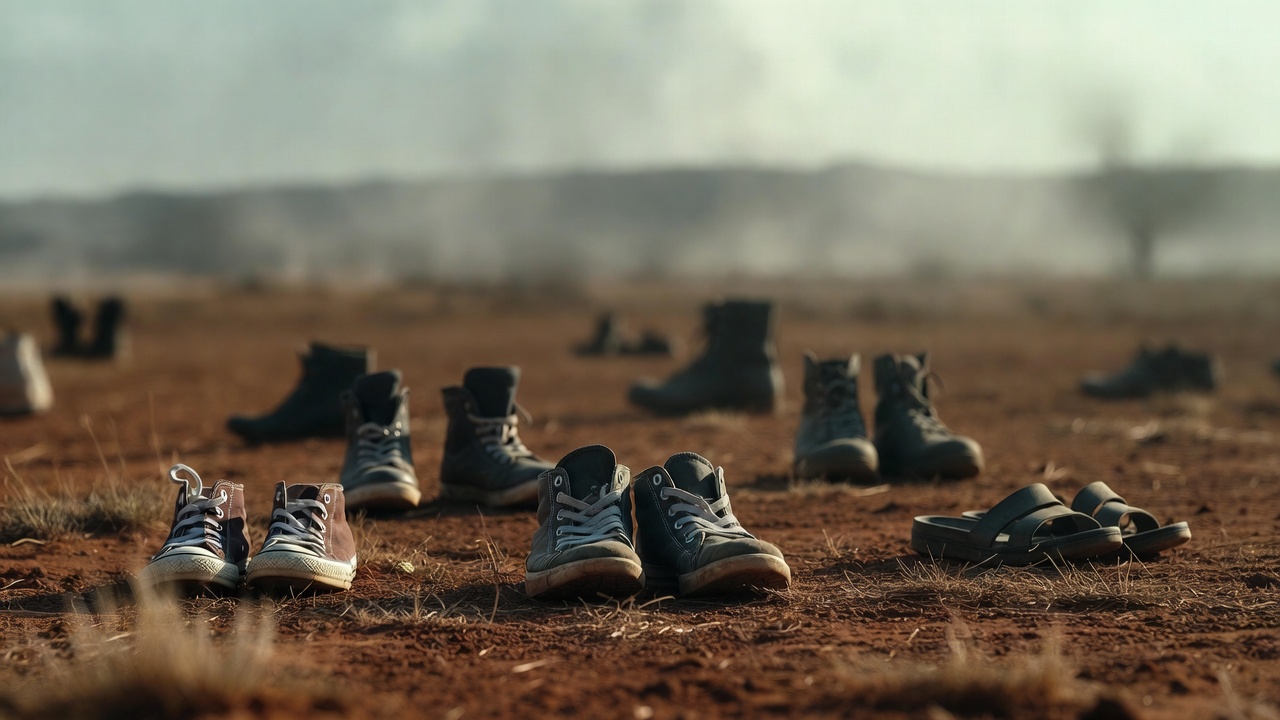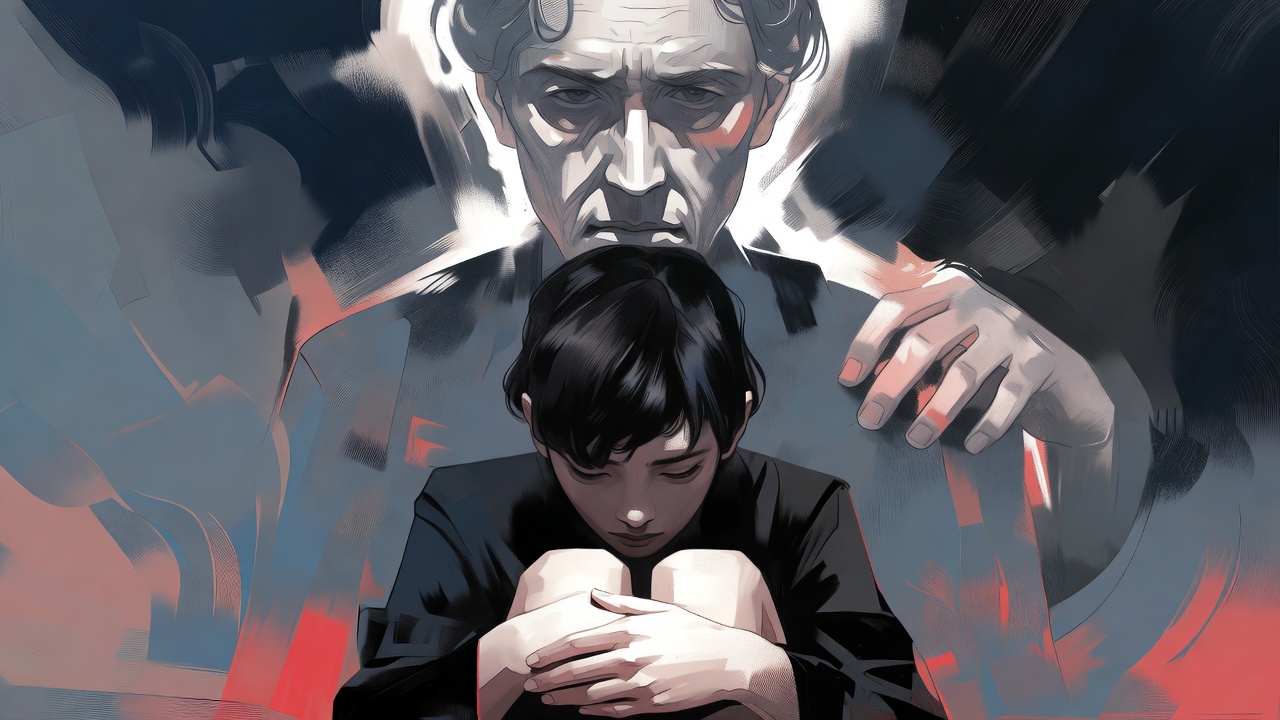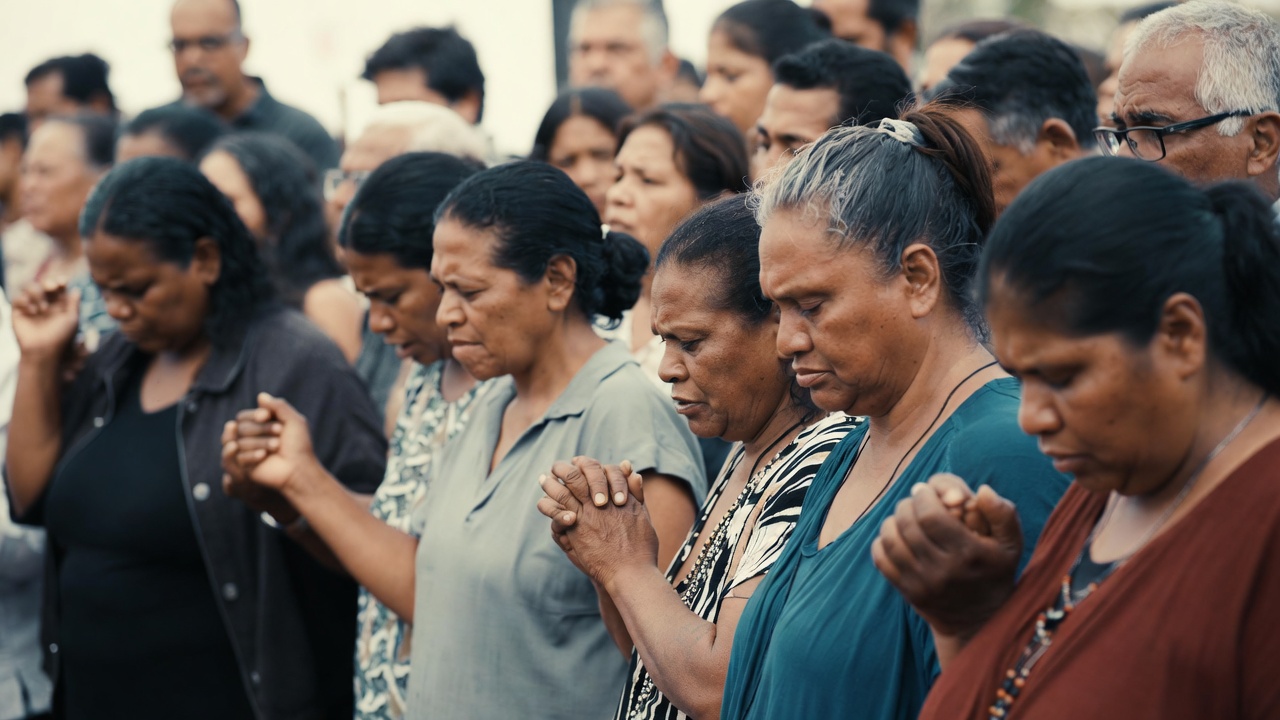
Every year on 26 May, Australians pause. Flags are raised. Elders speak. Candles are lit. Communities gather to remember one of the most painful chapters in this nation’s history — the forced removal of Aboriginal and Torres Strait Islander children from their families. This day is National Sorry Day, and in 2026, it matters more than ever.
But Sorry Day is not just about grief or guilt. It is about truth, healing, and accountability. It is about asking an uncomfortable question: nearly three decades after the landmark Bringing Them Home report, and almost two decades after Prime Minister Kevin Rudd’s historic apology, has Australia kept its promises?
The answer, as we will explore in this deep-dive piece, is complicated — and deeply troubling.
What Is National Sorry Day in Australia and Why Is It Observed on 26 May?
National Sorry Day — officially known as the National Day of Healing — is an annual observance held across Australia on 26 May. It is a day for all Australians to acknowledge the Stolen Generations: Aboriginal and Torres Strait Islander children who were forcibly removed from their families under government and church policies from the mid-1800s until the 1970s.
The date holds particular weight. On 26 May 1997, the Bringing Them Home report was tabled in the Australian Parliament. The report was the result of a national inquiry led by the Human Rights and Equal Opportunity Commission. It documented decades of forced child removals and their devastating effects on individuals, families, and entire communities.
Exactly one year later, on 26 May 1998, the first National Sorry Day was held. It was organised by a coalition of community groups who wanted Australians to collectively acknowledge the injustices detailed in the report.
Key facts about National Sorry Day:
| Detail | Information |
|---|---|
| Date | 26 May every year |
| First observed | 1998 |
| Official name | National Day of Healing (renamed 2005) |
| Renamed by | Senator Aden Ridgeway |
| Public holiday? | No — businesses operate as usual |
| Leads into | National Reconciliation Week (27 May – 3 June) |
Senator Aden Ridgeway, who tabled the motion to rename the observance, explained that the new name would “focus on the healing needed throughout Australian society if we are to achieve reconciliation” (Wikipedia – National Sorry Day).
Despite the renaming, most Australians still refer to it as Sorry Day. The name carries emotional weight. It is a reminder that an apology was owed — and eventually given — but that saying sorry was only the beginning.
Who Are the Stolen Generations and What Happened to Aboriginal Children in Australia?
The term “Stolen Generations” refers to Aboriginal and Torres Strait Islander children who were forcibly taken from their families by Australian federal and state government agencies, as well as church missions, between approximately 1910 and the 1970s.
The policy was rooted in racist ideology. Authorities believed that Aboriginal culture was inferior and destined to die out. By removing children — especially those of mixed heritage — and placing them in white institutions or foster homes, the government aimed to “breed out” Indigenous identity. This was explicit assimilation policy.
The scale was staggering. According to the Healing Foundation, it is estimated that as many as one in three Indigenous children were removed from their families during this period. The removals affected communities in every state and territory.
Children who were taken suffered enormously. Many experienced physical, emotional, and sexual abuse in the institutions and foster homes where they were placed. They were forbidden from speaking their languages. They were cut off from their families, their Country, and their cultural identity.
The lasting trauma of forced removal on Indigenous families
The effects did not end when the children grew up. The trauma of forced removal has been passed down through generations — a phenomenon known as intergenerational trauma. Research from the Australian Institute of Health and Welfare (AIHW) has consistently found that Stolen Generations survivors experience significantly worse health, social, and economic outcomes compared to other Aboriginal and Torres Strait Islander people of the same age.
The AIHW’s reporting identified that Stolen Generations survivors are:
- More than three times as likely to have been incarcerated in the past five years
- Almost twice as likely to rely on government payments as their primary income
- 1.5 times as likely to experience poor mental health
- More likely to suffer chronic conditions including cancer, diabetes, and heart disease
As of the most recent data, there are an estimated more than 33,000 survivors still living, all aged 50 and over. Across the nation, a third of all Aboriginal and Torres Strait Islander adults are descended from Stolen Generations members. In some states and territories, descendants make up more than half of the Indigenous population (Healing Foundation – AIHW Reports).
This is not ancient history. Many survivors are still alive. Many are now elderly. And many are still waiting for justice.
The Bringing Them Home Report: What Did Australia’s Landmark Inquiry Recommend?
The Bringing Them Home report remains one of the most significant documents in Australian social history. Produced by the National Inquiry into the Separation of Aboriginal and Torres Strait Islander Children from Their Families, it was tabled in Parliament on 26 May 1997.
The report included harrowing personal testimonies from survivors. It documented the systematic nature of the removals and the complicity of governments, churches, and welfare agencies. Critically, it made 54 recommendations for how Australia should respond.
Among those recommendations were:
- A formal national apology to the Stolen Generations
- Funding for Indigenous healing services to support survivors and their families
- Reparations, including monetary compensation
- Access to personal and family records held by governments and institutions
- Legislation guaranteeing the rights of Indigenous families to remain together
How many recommendations from Bringing Them Home have actually been implemented?
This is where the story turns grim. In 2025, the Healing Foundation released a report titled Are you waiting for us to die? The unfinished business of Bringing them Home. Its findings were stark: only 6% of the report’s recommendations have been clearly implemented (Healing Foundation – National Sorry Day).
That figure bears repeating. After nearly three decades — after a formal apology, after countless speeches and ceremonies, after billions of dollars committed to Closing the Gap — only 6% of the recommendations have been fully acted upon.
The report urges a comprehensive and coordinated response from all sides of politics, all levels of government, police, churches, and others with responsibilities to support the Stolen Generations. It highlights that:
- Most survivors are now eligible for aged care, but they face a system that often re-triggers the trauma of institutionalisation
- Queensland is yet to introduce a redress scheme
- Other state and territory redress schemes contain significant flaws and inconsistencies
- Many survivors have died before receiving any form of compensation
As Professor Bronwyn Carlson has noted, compensation cannot be forwarded to the families of survivors who have passed away. The window for meaningful action is closing rapidly.
Kevin Rudd’s National Apology to the Stolen Generations: What Changed After 2008?
The formal apology was a long time coming. For more than a decade after the Bringing Them Home report, the Australian government resisted calls for an official apology.
Prime Minister John Howard, who was in office when the report was released, refused to apologise on behalf of the nation. In 1999, his government passed a Motion of Reconciliation expressing “deep and sincere regret.” But it deliberately avoided any admission of wrongdoing. Howard’s position was that his government was not responsible for the actions of past governments. There was also concern that an apology could expose the government to compensation claims.
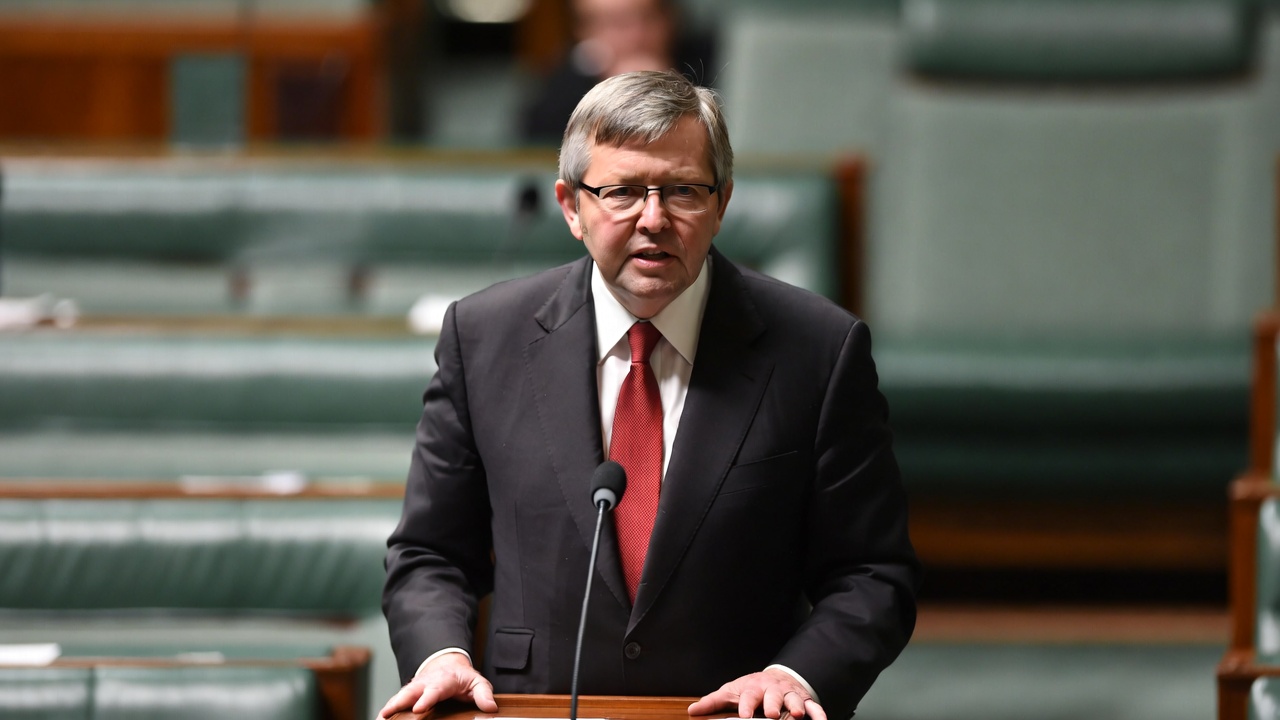
The political deadlock broke on 13 February 2008, when newly elected Prime Minister Kevin Rudd stood in the Australian Parliament and delivered a formal apology to the Stolen Generations. It was the first time a sitting Prime Minister had done so in an official capacity.
The apology was broadcast live across the nation. Thousands gathered at Parliament House in Canberra. Tens of thousands more watched on large screens in public places around the country. Many wept openly — both Indigenous and non-Indigenous Australians.
The apology was a profoundly important symbolic moment. It acknowledged the pain, suffering, and loss experienced by Aboriginal and Torres Strait Islander families. For many survivors, hearing those words from the leader of the nation was something they had waited decades for.
Did the Australian government follow through on the promises of the apology?
But symbols, no matter how powerful, are not enough. The apology set expectations for change. The Rudd government subsequently adopted the goals of the Closing the Gap framework, which aimed to reduce inequalities between Indigenous and non-Indigenous Australians across key areas including health, education, employment, and life expectancy.
Yet progress has been frustratingly slow. According to the Productivity Commission’s 2025 Closing the Gap Annual Data Compilation Report, of 19 national targets, only four are on track to be met. The report reveals a mixed and often troubling picture:
Targets on track:
- Preschool programme enrolments (Target 3)
- Employment (Target 8)
- Land mass and sea country subject to legal rights and interests (Targets 15A and 15B)
Targets worsening:
- Adult imprisonment (Target 10)
- Children in out-of-home care (Target 12)
- Suicide (Target 14)
- Children developmentally on track (Target 4)
Targets improving but not on track:
- Life expectancy (Target 1)
- Healthy birthweights (Target 2)
- Year 12 or equivalent qualifications (Target 5)
- Tertiary qualifications (Target 6)
- Youth engagement (Target 7)
- Appropriately sized housing (Target 9A)
Commissioner Selwyn Button, commenting on the 2025 report, observed: “What the outcomes in the Agreement reflect most of all is the limited progress of governments in collectively acting on the Priority Reforms” (Productivity Commission).
Federal Minister for Indigenous Australians, Senator Malarndirri McCarthy, acknowledged in 2025 that “it is very concerning that we are still seeing outcomes worsening for incarceration rates, children in out-of-home care and suicide” (Ministers’ Media Centre).
Are Aboriginal Children Still Being Removed from Their Families in Australia Today?
This is perhaps the most confronting question surrounding National Sorry Day in 2026 — and the answer is an unambiguous yes.
While the explicitly racist policies of the past have been abolished, Aboriginal and Torres Strait Islander children remain massively overrepresented in Australia’s child protection and out-of-home care systems. Many Indigenous Australians and advocacy organisations argue that this represents a continuation of the patterns documented in the Bringing Them Home report, albeit under different legal frameworks.
The numbers are stark. According to the AIHW’s Child Protection Australia 2023–24 report:
- At 30 June 2024, approximately 20,000 Aboriginal and Torres Strait Islander children were in out-of-home care
- Rates of Indigenous children in out-of-home care were 11 times higher than for non-Indigenous children — up from 9.6 times higher in 2020
- Around 4,400 Indigenous children were admitted to out-of-home care in 2023–24 alone
- Almost three-quarters (71%) of Indigenous children in care had been there continuously for two or more years
The Closing the Gap target to reduce overrepresentation of Indigenous children in out-of-home care by 45% by 2031 is worsening, not improving. The Productivity Commission’s dashboard confirms that the rate has increased from 47.3 per 1,000 children in 2019 to 50.3 per 1,000 in 2024.
Human Rights Watch report on removal of Aboriginal children in Western Australia
In March 2025, Human Rights Watch published a damning report titled “All I Know Is I Want Them Home.” The report focused on Western Australia, where Aboriginal children are more than 20 times more likely to be in out-of-home care than non-Indigenous children — the highest rate of any state or territory.
The investigation documented cases where children were removed from Aboriginal mothers fleeing domestic violence and from parents without adequate housing. Rather than providing support services, the system focused on removing children.
Human Rights Watch found that despite having the highest overrepresentation of Aboriginal children in its care system, Western Australia spends the least of any state or territory on family support programmes — less than 5% of its child protection budget, compared with a national average of 15%.
The SNAICC Family Matters Report 2025 — the tenth edition of Australia’s only annual report led by Aboriginal and Torres Strait Islander peoples on this issue — found that Indigenous children are 9.6 times more likely to be in out-of-home care or on third-party parental responsibility orders than non-Indigenous children. Only 7.3% of Indigenous children in care were reunified with their families, compared with 10.1% of non-Indigenous children.
Catherine Liddle, Chief Executive of SNAICC – National Voice for Our Children, stated plainly: “These statistics represent real children who have been let down for another 12 months by the very systems meant to keep them safe” (National Indigenous Times).
How the 2023 Voice Referendum Failure Reshaped the Conversation Around Reconciliation
On 14 October 2023, Australians went to the polls to vote on a proposal to amend the Constitution. The proposed change would have recognised Aboriginal and Torres Strait Islander peoples in the document and established an Indigenous Voice to Parliament — an advisory body that could make representations to the federal Parliament and executive government on matters relating to First Nations peoples.
The proposal was rejected decisively. Only 39.9% of voters supported it. The “No” vote carried a majority in every state. Only the Australian Capital Territory returned a majority “Yes” vote.
The result was a blow to many in the reconciliation movement. Aboriginal academic and pro-Voice campaigner Marcia Langton declared that the rejection made it “very clear that Reconciliation is dead” (Wikipedia).
Indigenous leaders who had supported the Voice called a “Week of Silence” to grieve and reflect. Katie Kiss, Aboriginal and Torres Strait Islander Social Justice Commissioner with the Australian Human Rights Commission, wrote one year later: “After more than 200 years of colonisation, many First Nations Australians feel more disillusioned than ever and rejected in their own lands.”
What the referendum result actually tells us about Australian attitudes to Indigenous rights
However, the picture is more nuanced than headlines might suggest. Research conducted by the Australian National University shortly after the referendum found some important caveats:
- 87% of voters said it is important for First Nations peoples to have a say in matters that affect them
- 94% of non-Indigenous Australians said they were motivated to participate in truth-telling
- Around eight in ten Australians supported reconciliation, the importance of Indigenous voices, truth-telling processes, and expressed pride in First Nations cultures
- Support for constitutional recognition in general remained strong — among those willing to give an opinion, supporters outnumbered opponents by almost five to one on standalone recognition
The ANU analysis concluded that Australians did not reject reconciliation itself. Rather, the absence of bipartisan political support — the federal Liberal Party opposed the Voice — led voters to prioritise the perceived risks of constitutional change over the prospect of better outcomes for Indigenous peoples. In essence, voters “opted for safety over change.”
This context is important for understanding where Sorry Day fits in 2026. The referendum’s failure did not mean that Australians stopped caring about Indigenous disadvantage. But it did create a political vacuum. The federal government has been reluctant to pursue major new Indigenous policy initiatives since the result. Progress on the other pillars of the Uluru Statement from the Heart — truth-telling and treaty — has largely stalled at the national level.
Why National Sorry Day 2026 Is More Urgent Than Ever Before
National Sorry Day in 2026 falls on Tuesday, 26 May. It marks the 29th anniversary of the Bringing Them Home report and the 28th year of the observance itself. It also leads directly into National Reconciliation Week (27 May – 3 June), which in 2026 carries the theme “All In” — a call for all Australians to commit wholeheartedly to reconciliation every single day.
The theme was announced by Reconciliation Australia, which also celebrates its 25th anniversary in 2026. The organisation framed the theme around collective responsibility: “Reconciliation will not happen by itself; meaningful change requires all of us to be all in.”
The artwork for National Reconciliation Week 2026 was created by Gumbaynggirr/Bundjalung artist Otis Hope Carey, in collaboration with Carbon Creative, a First Nations-owned marketing agency. Its vibrant, optimistic style represents people from all walks of life coming together for change.
But beyond the celebrations and themes, there are hard realities that make 2026 a critical year:
First, Stolen Generations survivors are ageing rapidly. With all survivors now aged 50 and over, and many considerably older, the window for providing meaningful support, compensation, and aged care is narrowing. The Healing Foundation has been blunt in its messaging, titling its 2025 report: “Are you waiting for us to die?”
Second, the data shows that key Closing the Gap targets — particularly those related to children in out-of-home care, incarceration, and suicide — are getting worse, not better. The pattern of child removal that defined the Stolen Generations era has not been broken. It has, by many measures, intensified.
Third, the political momentum for major reconciliation initiatives has stalled following the Voice referendum. Without renewed leadership and commitment, there is a real risk that Sorry Day could become an empty ritual — a day of symbolic gestures without substantive action.
How Is National Sorry Day Celebrated Across Australia? Events, Traditions, and Activities
Despite the heavy subject matter, National Sorry Day events are characterised not just by grief but by strength, resilience, and community connection. Observances take many forms across the country.
Common National Sorry Day events and activities
Community gatherings and ceremonies. Across cities, towns, and remote communities, people come together for ceremonies that may include Welcome to Country by local Elders, smoking ceremonies, music, and shared meals. These gatherings create space for both mourning and solidarity.
Sorry Day flag-raising events. The Aboriginal flag (designed by Harold Joseph Thomas, first flown at Victoria Square in Adelaide on 12 July 1971) and the Torres Strait Islander flag are raised at government buildings, schools, and community centres. The flags serve as visible symbols of recognition and respect.
Reconciliation walks and marches. In many communities, people participate in walks or marches that echo the landmark Sydney Harbour Bridge walk of 28 May 2000, when more than 250,000 people — both Indigenous and non-Indigenous — crossed the bridge to show support for reconciliation.
Sorry books and pledge signing. Since the first Sorry Day in 1998, Australians have signed “sorry books” — written statements of support, apology, and commitment. Thousands of messages have been collected over the decades, forming a powerful archive of community sentiment.
School activities and education programmes. Many schools incorporate Sorry Day into their curricula. Activities include essay competitions, candle lighting ceremonies, film screenings about the Stolen Generations, and inviting local Indigenous Elders to share their stories and knowledge. The Healing Foundation provides a downloadable education resource kit for teachers and students.
Speeches and media statements. Community leaders, politicians, educators, and Indigenous Elders often deliver public statements reflecting on progress and urging further action.
Commemorative activities funded by the Healing Foundation. In 2025, the Healing Foundation awarded Commemorative Activities Grants to 15 Stolen Generations organisations across Australia. Funded activities included wellbeing and cultural healing workshops, on-Country camps, community gatherings, and the documenting of survivors’ experiences. These grants support organisations from Melbourne to Broome, from Alice Springs to Perth.
The Life Expectancy Gap Between Indigenous and Non-Indigenous Australians: What the Data Shows
One of the clearest measures of ongoing inequality is the life expectancy gap between Indigenous and non-Indigenous Australians. While life expectancy has improved for all Australians over recent decades, a significant gap persists.
According to the AIHW’s 2025 Closing the Gap analysis:
| Measure | First Nations | Non-Indigenous | Gap |
|---|---|---|---|
| Male life expectancy | ~71 years | ~80 years | ~8.8 years |
| Female life expectancy | ~75.6 years | ~83.8 years | ~8.1 years |
The target under the National Agreement on Closing the Gap is to close the life expectancy gap by 2031. While some improvement has been made, the target is assessed as improving but not on track.
The AIHW estimated that if First Nations people had the same age-specific mortality rates as non-Indigenous Australians between 2017 and 2021, there would have been approximately 9,200 fewer deaths. That equates to roughly 1,840 preventable deaths per year.
Life expectancy varies significantly by location. First Nations people in remote and very remote areas have markedly lower life expectancy (67.3 years for males, 71.3 years for females) compared to those in inner regional areas (72.8 years for males, 76.7 years for females). The gap is also wider for those in the most socioeconomically disadvantaged areas.
The leading causes of excess deaths among First Nations people are cardiovascular disease and cancer — conditions strongly linked to social determinants of health including housing, nutrition, access to healthcare, and smoking. These are the very domains where Closing the Gap targets are not being met.
The Close the Gap Campaign, a coalition of over 50 major health bodies and human rights organisations, continues to advocate that the life expectancy gap is “everyone’s business.” Its 2025 annual report emphasised that Aboriginal and Torres Strait Islander agency and leadership is best placed to drive the reforms needed to improve health and wellbeing outcomes.
Understanding Intergenerational Trauma and Its Connection to the Stolen Generations
The concept of intergenerational trauma — sometimes called transgenerational or historical trauma — is central to understanding why Sorry Day remains relevant in 2026.
Intergenerational trauma occurs when the effects of traumatic experiences are transmitted from one generation to the next. For the Stolen Generations, this transmission is well-documented. Children who were forcibly removed experienced a rupture of family bonds, cultural identity, and community connection. Many experienced abuse. When they grew up, many struggled with mental health, substance use, and parenting — not because of any personal failing, but because the skills and knowledge that are normally passed from parent to child had been violently disrupted.
Their children and grandchildren have, in turn, grown up in the shadow of this trauma. A 2019 AIHW study found that children living in households with members of the Stolen Generations are more likely to experience poor health (especially mental health), miss school, and live in poverty.
The Healing Foundation — a national Aboriginal and Torres Strait Islander organisation established in 2009 to address the ongoing trauma caused by forced removals — describes this as a “gap within the gap.” Stolen Generations survivors and their descendants experience worse outcomes even compared to other Indigenous Australians.
This understanding has profound implications for policy. If the root cause of many of the disparities measured by Closing the Gap targets is unresolved intergenerational trauma from forced removal, then addressing those disparities requires healing-centred approaches — not just service delivery. It requires listening to survivors. It requires culturally safe health care and aged care. It requires investment in community-controlled organisations that understand the specific needs of Stolen Generations families.
The Healing Foundation’s CEO, Shannan Dodson, has repeatedly called on governments to urgently support survivors by coordinating a national healing package. This call takes on additional urgency as survivors age and their health needs become more complex.
State-by-State Redress Schemes for Stolen Generations Survivors in Australia
One of the key recommendations of the Bringing Them Home report was reparations for survivors. Progress on this front has been uneven, with different states and territories establishing redress schemes at different times and with varying levels of generosity and accessibility.
| State/Territory | Redress Scheme | Compensation Amount |
|---|---|---|
| New South Wales | Stolen Generations Reparations Scheme (ran 2017–2022) | Up to A$75,000 per survivor |
| Victoria | Stolen Generations Redress Scheme | Varies |
| South Australia | Stolen Generations Reparations Scheme | Varies |
| Tasmania | Stolen Generations of Aboriginal Children Act 2006 | A$58,333 |
| Northern Territory / ACT | Federal scheme (announced 2021) | A$75,000 + A$7,000 for counselling |
| Queensland | No dedicated Stolen Generations redress scheme as of 2025 | N/A |
| Western Australia | Redress WA (broader scheme, now closed) | Up to A$45,000 |
The federal government announced a $378 million compensation fund in August 2021 for survivors in the Northern Territory, ACT, and Jervis Bay Territory. This fund provides one-off payments of A$75,000 in recognition of the harm suffered, plus A$7,000 for counselling.
However, the Healing Foundation and other advocacy organisations have pointed to significant problems with the redress landscape:
- Inconsistencies between schemes mean that survivors in different jurisdictions receive very different levels of compensation and support
- Queensland remains without a dedicated scheme, a gap that has been repeatedly criticised
- Many survivors have died before being able to access compensation, and their families cannot inherit claims
- Accessing records — which is often necessary to prove eligibility — remains difficult, as records are scattered across multiple government and church archives
- The process itself can be retraumatising for elderly survivors who must recount painful experiences to receive support
A national reparation scheme — as recommended by the Bringing Them Home report — has never been established.
The Uluru Statement from the Heart: Voice, Treaty, and Truth-Telling in 2026
The Uluru Statement from the Heart was issued on 26 May 2017 — deliberately coinciding with Sorry Day — after years of consultations with Aboriginal and Torres Strait Islander communities. More than 250 Indigenous leaders gathered at Uluru to produce the statement, which called for three key reforms:
- Voice: A constitutionally enshrined Indigenous Voice to Parliament
- Treaty: A Makarrata Commission to oversee agreement-making between governments and First Nations peoples
- Truth: A comprehensive process of truth-telling about the history of colonisation and its ongoing impacts
The Voice pillar was put to a referendum in 2023 and failed. As of early 2026, progress on the other two pillars — treaty and truth-telling — remains largely stalled at the federal level.
However, there has been more activity at the state and territory level:
South Australia established its own First Nations Voice to Parliament through legislation passed in March 2023, before the national referendum. In 2024, 46 members were elected to this body. Lara Watson, Indigenous officer at the Australian Council of Trade Unions, described it as a “symbol of hope after the referendum failure” (Equal Times).
Victoria established the Yoorrook Justice Commission in 2021 — Australia’s first formal truth-telling process. The Commission has already produced reports examining the state’s child protection and criminal justice systems and their impact on Aboriginal people.
Queensland established a Path to Treaty process, including an independent Treaty Institute.
These state-level initiatives demonstrate that the aspirations of the Uluru Statement have not disappeared. But without national coordination and political leadership, progress remains fragmented.
How Can Australians Participate in National Sorry Day and Support Reconciliation?
Sorry Day is not just for politicians and community leaders. It is a day when every Australian can take meaningful action. Here are practical ways to participate:
1. Attend a local event. Communities across Australia hold Sorry Day gatherings, ceremonies, walks, and morning teas. Check with your local council, library, or community centre for events near you.
2. Educate yourself. Read the Bringing Them Home report (available online through the Australian Human Rights Commission). Watch documentaries about the Stolen Generations. Visit the Stolen Generations’ Testimonies Foundation website, which hosts filmed testimonies from survivors.
3. Listen to Elders and survivors. If you have the opportunity to hear a Stolen Generations survivor share their story, approach it with respect and an open heart. Their willingness to speak about painful experiences is an act of extraordinary generosity.
4. Sign a sorry book or make a pledge. Many events offer the opportunity to sign sorry books or make written commitments to reconciliation. This tradition has been part of Sorry Day since 1998.
5. Support Indigenous-led organisations. Organisations such as the Healing Foundation, SNAICC, and Reconciliation Australia do vital work year-round. Financial contributions, volunteering, and amplifying their messages all make a difference.
6. Engage with National Reconciliation Week. Sorry Day leads directly into NRW (27 May – 3 June). The 2026 theme, “All In”, offers a framework for sustained engagement beyond a single day.
7. Learn about the Traditional Owners of the land where you live. Understanding whose Country you live on, and what happened to its original custodians, is a fundamental step in reconciliation.
8. Have conversations. Talk about Sorry Day and its significance with family, friends, colleagues, and children. Reconciliation is built through everyday conversations and relationships, not just annual events.
The Gap Within the Gap: Why Stolen Generations Survivors Need Urgent Aged Care Support
As Stolen Generations survivors enter their later years, a new crisis is emerging. Most survivors are now aged 50 or older — the age at which many Aboriginal and Torres Strait Islander people begin to require aged care, due to the significant health disparities they face throughout their lives.
But the aged care system is often deeply unsuitable for survivors. Many spent their childhoods in institutions. The idea of entering another institutional setting — an aged care facility — can re-trigger the trauma of removal and institutionalisation.
The Healing Foundation has called this a critical gap. In its advocacy, the organisation has highlighted that survivors “expressed a strong preference for home or community-based care, avoiding institutionalised settings wherever possible” (Healing Foundation).
The introduction of the new Support at Home programme has raised additional concerns. Activities such as housework, shopping, transport, and meals have been classified as “non-clinical care” and may attract co-contributions from recipients. For many survivors — who were denied opportunities for wealth creation, superannuation, and home ownership due to their forced removal — these additional costs could be prohibitive.
Healing Foundation CEO Shannan Dodson has stated: “Sadly, many survivors are passing without the care they are entitled to.” The organisation’s Chair, Professor Steve Larkin, has called for transparency about what proportion of the $5.6 billion invested in the aged care system will directly target urgent measures for Stolen Generations survivors.
The Interim First Nations Aged Care Commissioner Andrea Kelly produced a report in 2025 titled Transforming Aged Care for Aboriginal and Torres Strait Islander People, which recommended an equity-based approach to ensure equal access and outcomes. Key recommendations include:
- Mandatory cultural safety training for all aged care providers, with specific focus on the Stolen Generations
- Partnership models where training content is developed by Stolen Generations survivors and community-controlled organisations
- Ensuring survivors will not face unaffordable out-of-pocket costs under new programmes
- A dedicated aged care response tailored to the unique needs of survivors and their families
Comparing Australia’s National Sorry Day to Global Indigenous Reconciliation Movements
Australia is not the only country grappling with the legacy of forced child removal and the broader consequences of colonisation. Similar histories exist in Canada, New Zealand, the United States, and several Scandinavian countries. Comparing approaches offers useful perspective.
Canada’s National Day for Truth and Reconciliation
Canada established the National Day for Truth and Reconciliation on 30 September, beginning in 2021. The day honours the survivors of the residential school system — a network of government-funded, church-run boarding schools where over 150,000 Indigenous children were placed between the 1870s and 1997.
In 2008, the Canadian government issued a formal apology. In 2015, the Truth and Reconciliation Commission of Canada released its final report with 94 Calls to Action. The discovery of unmarked graves at former residential school sites in 2021 galvanised public attention and led to the establishment of the national day.
New Zealand and the Waitangi Tribunal
New Zealand / Aotearoa has a longer history of treaty-based relationships with its Indigenous Māori population, anchored in the Treaty of Waitangi (1840). The Waitangi Tribunal, established in 1975, has been hearing claims about breaches of the treaty for decades. While imperfect, this framework has provided a structured mechanism for addressing historical grievances.
Lessons for Australia
What stands out in these comparisons is that Australia lacks a comprehensive national framework for truth-telling and treaty-making at the federal level. The Bringing Them Home report provided recommendations. The Uluru Statement provided a pathway. But implementation has been piecemeal.
National Sorry Day serves as an annual reminder that this work is unfinished — and that other countries have found ways to go further.
Key Timeline: The History of the Stolen Generations and Australia’s Journey Toward Reconciliation
Understanding Sorry Day requires understanding the long arc of history that led to it. Here is a timeline of key events:
| Year | Event |
|---|---|
| Mid-1800s | Forced removal of Aboriginal children begins under colonial policies |
| 1905 | Western Australia’s Aborigines Act establishes a “Chief Protector” as legal guardian of every Aboriginal child under 16 |
| 1910s–1970s | Systematic forced removal policies implemented across all states and territories |
| 1969 | Official government policy of forced removal formally ends (though removals continue) |
| 1971 | Harold Joseph Thomas designs the Aboriginal flag; first flown at Victoria Square, Adelaide |
| 1991 | Council for Aboriginal Reconciliation established by Parliament |
| 1992 | High Court delivers the Mabo decision, recognising native title |
| 1997 | Bringing Them Home report tabled in Parliament (26 May) |
| 1998 | First National Sorry Day observed (26 May) |
| 1999 | PM John Howard passes Motion of Reconciliation (no apology) |
| 2000 | 250,000+ people walk across Sydney Harbour Bridge for reconciliation |
| 2005 | Sorry Day officially renamed National Day of Healing |
| 2008 | PM Kevin Rudd delivers formal National Apology (13 February) |
| 2017 | Uluru Statement from the Heart issued (26 May) |
| 2020 | New National Agreement on Closing the Gap established |
| 2021 | Federal compensation fund of $378 million announced for NT, ACT, Jervis Bay survivors |
| 2023 | Voice to Parliament referendum defeated (14 October); 60.1% vote “No” |
| 2025 | Healing Foundation report finds only 6% of Bringing Them Home recommendations implemented |
| 2026 | 29th anniversary of Bringing Them Home; NRW theme: “All In” |
What Still Needs to Change: Unfinished Business of the Bringing Them Home Report
As Australia approaches the 30th anniversary of the Bringing Them Home report in 2027, the question of unfinished business looms large. The 2025 Healing Foundation report made clear that the overwhelming majority of the report’s recommendations remain unimplemented.
Here is what advocates, researchers, and Indigenous leaders say still needs to happen:
A national reparation scheme. Despite the existence of various state and territory schemes, there is no comprehensive national framework. Survivors in different jurisdictions face vastly different levels of support, and many have received nothing at all.
A dedicated aged care response for survivors. With survivors ageing rapidly, there is an urgent need for culturally safe, trauma-informed aged care that is accessible and affordable. Institutional models of care are inappropriate for people who were traumatised by institutions as children.
Full implementation of the Aboriginal and Torres Strait Islander Child Placement Principle. The principle, which prioritises placement with Indigenous family members when children must be removed, is not being fully implemented in any jurisdiction. Meanwhile, the number of Indigenous children in out-of-home care continues to rise.
A national truth-telling process. While state-level truth-telling bodies exist (such as Victoria’s Yoorrook Justice Commission), there is no national equivalent. A comprehensive truth-telling process, as called for in the Uluru Statement from the Heart, would allow Australians to confront the full history of colonisation and its ongoing effects.
Treaty and agreement-making. Australia remains the only Commonwealth country that has never entered into a treaty with its Indigenous peoples. Treaty processes are underway in some states, but national treaty negotiations have not commenced.
Investment in community-controlled organisations. The evidence consistently shows that services designed and delivered by Aboriginal and Torres Strait Islander organisations produce better outcomes. Yet these organisations remain underfunded relative to mainstream service providers.
Addressing the overrepresentation of Indigenous children in child protection. The SNAICC Family Matters reports have repeatedly called for a shift from crisis-driven responses to early intervention and family support. Investment must flow to prevention, not removal.
Frequently Asked Questions About National Sorry Day in Australia
Is National Sorry Day a public holiday in Australia? No. National Sorry Day is a nationally recognised observance, but it is not a public holiday. Businesses, schools, and government offices operate as usual. However, many organisations hold internal events or allow staff to attend community gatherings.
When is National Sorry Day 2026? National Sorry Day 2026 falls on Tuesday, 26 May 2026. The date is the same every year.
What is the difference between National Sorry Day and National Apology Day? National Sorry Day (26 May) commemorates the Bringing Them Home report and the broader experience of the Stolen Generations. National Apology Day (13 February) marks the anniversary of Kevin Rudd’s 2008 formal apology to the Stolen Generations. Both are significant observances, but they mark different milestones.
What is the connection between National Sorry Day and National Reconciliation Week? Sorry Day falls on 26 May, and National Reconciliation Week runs from 27 May to 3 June. Together, they form a continuous period of reflection, education, and action on reconciliation. NRW dates mark the anniversaries of the 1967 referendum (27 May) and the High Court’s Mabo decision (3 June).
Can non-Indigenous Australians participate in Sorry Day? Absolutely. Sorry Day is for all Australians. Non-Indigenous participation is actively encouraged. Attending events, listening to survivors, educating oneself, and making genuine commitments to reconciliation are all meaningful ways to engage.
What happened to the children of the Stolen Generations? Many children were placed in government or church-run institutions, missions, or foster homes. Many experienced abuse and neglect. They were often forbidden from speaking their languages or practising their culture. Some were adopted by non-Indigenous families without the consent of their biological parents. Many were never reunited with their families.
How many Stolen Generations survivors are still alive? As of the most recent data, there are an estimated 33,000+ survivors still alive, all aged 50 and over. However, this number is declining as survivors age and pass away, lending urgency to the call for action.
Looking Ahead: What National Sorry Day 2026 Means for the Future of Reconciliation
There is a risk that Sorry Day becomes routine. That it becomes something Australians acknowledge each May without actually reckoning with its implications. A day of sadness without action. A ritual that satisfies the national conscience without changing anything.
The data tells us this is not good enough. Indigenous children are still being removed from their families at alarming rates. Stolen Generations survivors are dying without adequate care or compensation. The life expectancy gap persists. Incarceration rates are worsening. Only 6% of the Bringing Them Home report’s recommendations have been implemented.
But there is also hope. The theme for National Reconciliation Week 2026 — “All In” — is a call to move beyond passive sympathy. It asks every Australian to take personal responsibility for the work of reconciliation. It acknowledges that this work cannot rest solely on the shoulders of First Nations peoples.
Reconciliation Australia’s framing is direct: “All In is not about guilt or shame, but about the reciprocal responsibility of being Australian” (Reconciliation Australia).
That sentiment captures the true spirit of Sorry Day. It was never meant to be a day of hand-wringing or performative grief. It was meant to be a catalyst — a moment each year when Australia collectively commits to doing better.
The 2025 Close the Gap Campaign annual report stated it clearly: “It is Aboriginal and Torres Strait Islander agency and leadership that is best placed to advise, build and embed critical reform across sectors” (Close the Gap Campaign). The path forward is not mysterious. The solutions exist. What is needed is the political will and collective commitment to implement them.
As Australia approaches the 30th anniversary of the Bringing Them Home report in 2027, Sorry Day 2026 is an opportunity to ask: will the next year be one of continued drift, or genuine action?
The Stolen Generations deserve more than words. They deserve more than sorry. They deserve justice.