A Comprehensive Guide to Abolition Day, Le Morne Mountain, and the Rich Cultural Heritage of Mauritian Slavery Remembrance
February 1st holds a profound significance in the heart of every Mauritian. It is not merely a date on the calendar or a public holiday that grants respite from work. It is a day of remembrance, reflection, and celebration—a day when an entire nation pauses to honor the ancestors who suffered, resisted, and ultimately triumphed over one of history’s greatest injustices. This is the story of Abolition Day in Mauritius, a journey from darkness to freedom that continues to shape the identity of this magnificent Indian Ocean island nation.
As a folklore expert who has spent decades researching festivals and customs across the globe, I can tell you that few commemorations carry the emotional weight and cultural significance of Mauritius’s February 1st celebration. This comprehensive guide will take you through the complete history of slavery in Mauritius, the significance of Le Morne Mountain UNESCO World Heritage Site, the vibrant traditions of Mauritian sega music born from slavery, and practical information for travelers wishing to experience this powerful day of remembrance.
What is the Significance of February 1st Public Holiday in Mauritius?
February 1st marks the official abolition of slavery in Mauritius, which occurred in 1835. On this day, approximately 66,343 enslaved people were legally freed from bondage, making it one of the most important dates in Mauritian history. The day is known by several names: Abolition Day, Abolition of Slavery Day, and simply Freedom Day.
The significance extends far beyond a mere historical milestone. For the Creole community of Mauritius—descendants of African and Malagasy slaves who were forcibly brought to the island—this day represents the beginning of a long journey toward recognition, equality, and cultural pride.
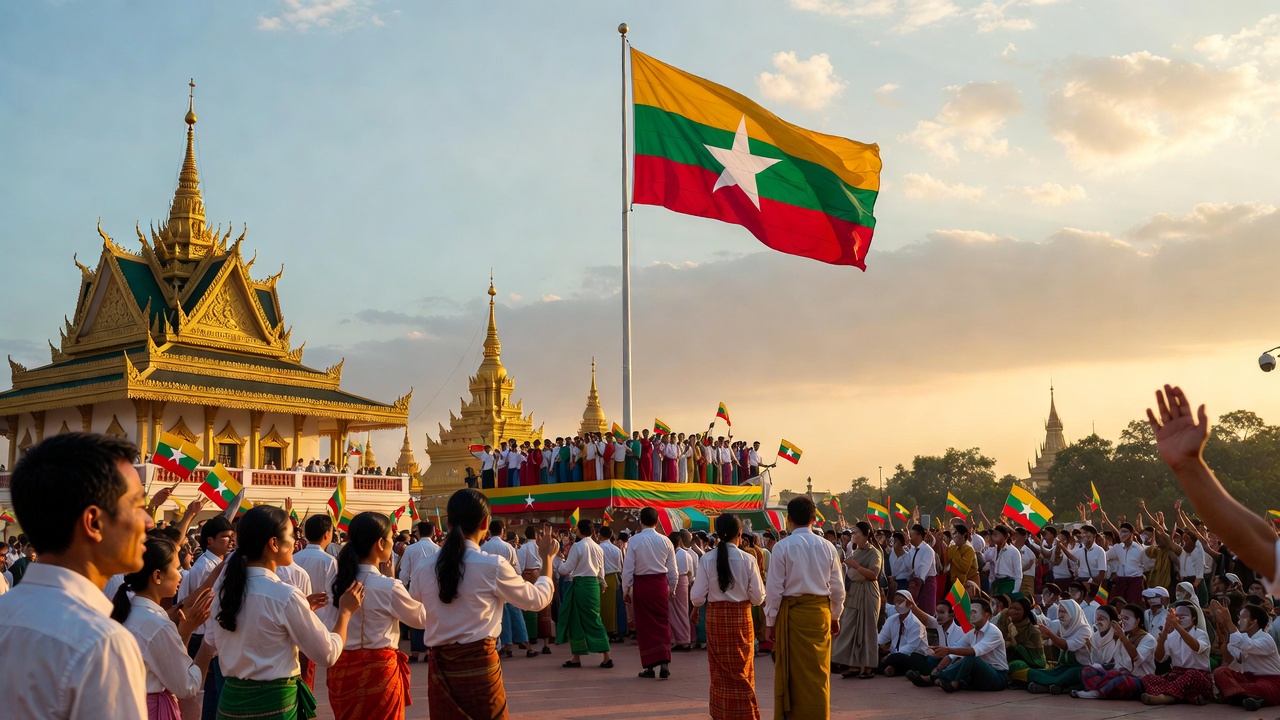
Every year on February 1st, Mauritians gather at significant historical sites across the island to participate in wreath-laying ceremonies, cultural performances, and educational programs. The most important of these gatherings takes place at the foot of Le Morne Brabant, a dramatic mountain that served as a refuge for runaway slaves and has become the ultimate symbol of resistance to oppression.
| Key Facts About February 1st in Mauritius | Details |
|---|---|
| Official Name | Abolition of Slavery Day |
| Date | February 1st (Public Holiday) |
| Year of Abolition | 1835 |
| Number of Slaves Freed | 66,343 |
| Main Celebration Venue | Le Morne Brabant Mountain |
| UNESCO Recognition | Le Morne inscribed in 2008 |
The Complete History of Slavery in Mauritius: From Dutch Colonization to Freedom
How Did Slavery Begin in Mauritius Under Dutch Rule?
The story of slavery in Mauritius begins with the Dutch East India Company (VOC), which established the first permanent settlement on the island in 1638. The Dutch, who named the island after Prince Maurice of Nassau, were the first Europeans to recognize its strategic value and natural resources.
In the 1640s, the opperhoofd (commander) of Mauritius, Adriaan van der Stel, brought approximately 100 Malagasy slaves to the island from Madagascar. These enslaved people were forced to cut down the precious ebony trees that grew abundantly on the island—timber that would be shipped to Europe and fetch enormous profits for the colonial power.
The conditions for these early slaves were brutal beyond imagination. According to historical records, slaves were treated as mere property, with absolutely no rights or protections. Revolts or even the act of organizing one were severely repressed and punished. Punishments consisted of amputation of various body parts, public exposure, and execution. Within the first week of their arrival, about sixty of the original slaves managed to escape into the dense forests. Only about twenty were recaptured.
By the 17th century, the island hosted approximately 200 Dutch colonists alongside slaves from Madagascar, Africa, India, and Java. However, the Dutch ultimately found Mauritius difficult to develop profitably. Cyclones, difficult conditions, and ongoing struggles with escaped slaves led to their abandonment of the colony in 1710.
What Happened During French Colonial Rule and the Expansion of Slavery?
When the French took control of the island in 1715, renaming it “Île de France” under the French East India Company, they initiated a dramatic expansion of the slave trade that would forever alter the island’s demographic and cultural landscape.
The French colonial administration, led by governors like Bertrand-François Mahé de La Bourdonnais, transformed Mauritius from a mere waystation into a significant colonial settlement. La Bourdonnais established Port Louis as a naval base and shipbuilding center, constructed numerous buildings (many of which still stand today), and developed the sugar cane industry that would become the economic backbone of the island.
To fuel this development, the French imported tens of thousands of slaves from:
- Mozambique and East Africa
- Madagascar
- West Africa
- India (though in smaller numbers)
Under French rule, approximately 60,000 slaves were brought to Mauritius, eventually accounting for 80% of the island’s population. The French implemented Le Code Noir (The Black Code), a brutal legal framework signed by Colbert in 1685 and extended to Mauritius in 1723. This code:
- Defined slaves as “commodities” and movable assets
- Permitted slaves to be shared in divisions and wills like property
- Established extremely harsh punishments for any form of resistance
- Required slaves to be baptized as Roman Catholics
The revolution in Saint-Domingue (modern-day Haiti) inadvertently accelerated the expansion of plantation slavery in Mauritius. When the world’s largest sugar-producing economy collapsed due to the successful slave revolution led by Toussaint Louverture, French merchants diverted capital from Caribbean plantations to Indian Ocean islands, including Mauritius and Réunion. This shift gave rise to a monoculture economy centered entirely on sugar production.
How Did British Rule Lead to the Abolition of Slavery in Mauritius?
In 1810, a British expeditionary force captured Mauritius, and by the Treaty of Paris in 1814, the island was formally incorporated into the British Empire. By this time, seven out of every ten people in Mauritius were enslaved—one of the highest proportions of any colonial territory.
The British capture marked the beginning of rapid social and economic changes. Britain had already abolished the slave trade (though not slavery itself) in 1807 through the Slave Trade Act. However, enforcement was inconsistent, and an illegal slave trade continued in Mauritius between 1811 and approximately 1827, as plantation owners sought to expand sugar production to meet growing demand in British markets.
The pressure for complete abolition intensified throughout the early 19th century due to:
- The abolitionist movement in Britain, led by figures like William Wilberforce
- The Anti-Slavery Society and “Friends of the Blacks” in France
- Economic calculations suggesting that free labor might be more profitable
- Slave resistance and the high cost of maintaining the system
Finally, on August 1, 1833, the British Parliament passed the Slavery Abolition Act, which declared the abolition of slavery throughout all British colonies. However, the Act included a controversial “apprenticeship” system designed to ease the transition for plantation owners.
Mauritius was the last British colony to implement the abolition, doing so on February 1, 1835—several months after most other British territories. This delay occurred because Mauritian planters resisted the change and negotiated for better compensation terms.
How Much Compensation Did Slave Owners Receive When Slavery Was Abolished in Mauritius?
One of the most troubling aspects of the abolition of slavery—in Mauritius and throughout the British Empire—was the question of compensation. Rather than compensating the victims of slavery for their suffering and unpaid labor, the British government chose to compensate the slave owners for the loss of their “property.”
In Mauritius specifically, planters received compensation totaling approximately 2,112,632 pounds sterling (equivalent to approximately 1.5 billion pounds in today’s currency). According to the History of Mauritius Wikipedia page, this compensation was calculated according to:
- The number of people enslaved
- Their age
- Their sex
- Their position or role on the plantation
Notably, the largest recipients of this compensation were “absentees”—wealthy individuals living in Great Britain who had never set foot in the colonies they profited from.
To finance compensation across all its slave colonies, the British government negotiated a colossal loan of 15 million pounds sterling with financiers Nathan Mayer Rothschild and Moses Montefiore on August 3, 1835. Remarkably, the repayment of this debt was not completed until 2015—almost two centuries later.
| Compensation Details | Information |
|---|---|
| Total Compensation to Mauritius Planters | £2,112,632 |
| Modern Equivalent Value | ~£1.5 billion |
| Total British Empire Compensation | £20 million |
| Compensation to Freed Slaves | £0 |
| Year Debt Finally Repaid | 2015 |
As historian Stephanie Tamby-Lai Kong Ling has noted: “By compensating masters instead of victims, colonial societies deepened the wounds of slavery and laid the foundations for structural inequalities that persist.”
Did Freedom Really Come on February 1st 1835? The Truth About the Apprenticeship System
According to Dr. Vijaya Teelock, a renowned historian and expert on the history of slavery in Mauritius, the reality of February 1, 1835 was far more complicated than a simple transition to freedom.
As Dr. Teelock explained in an interview with Le Matinal Media: “The 1st February did not change anything for the slaves as they were still forced to stay with their owners and face the same conditions as before.”
The apprenticeship system meant that:
- “Freed” slaves were required to continue working for their former masters
- They received no wages for over 40 hours of work per week
- They were given only “free board and lodging” in exchange
- Only children under a certain age were immediately freed
- The legal protection mainly meant owners could not punish slaves as they previously had
The apprenticeship system was supposed to last until 1840, but it was abolished earlier in 1838 due to ongoing protests and resistance. It was only then, in 1839, that freed slaves were truly able to leave the plantations and begin new lives elsewhere on the island.
Despite these complications, February 1st remains significant because it marked the legal abolition of slavery—the crucial first step without which full freedom would never have been achieved.
What is Le Morne Mountain and Why is it UNESCO World Heritage Site for Slavery?
The Dramatic Geography of Le Morne Brabant Peninsula
Le Morne Brabant is a breathtaking basaltic monolith rising 556 meters (1,824 feet) above the Indian Ocean at the extreme southwestern tip of Mauritius. Its summit covers an area of over 12 hectares (30 acres), with numerous caves and overhangs scattered across its steep slopes.
The mountain’s name comes from the Dutch East India Company ship “Brabant” that ran aground near the peninsula on December 29, 1783. Today, the peninsula is largely surrounded by a stunning turquoise lagoon and has become one of the most popular tourist attractions in Mauritius.
But the mountain’s physical beauty masks a profound historical significance. According to UNESCO, Le Morne Cultural Landscape represents one of the most powerful symbols of resistance to slavery anywhere in the world.
How Did Runaway Slaves Use Le Morne Mountain as a Refuge?
Throughout the 18th and early 19th centuries, Le Morne Brabant served as a natural fortress for escaped slaves known as “maroons” (from the French “marron,” meaning “runaway”). The mountain’s unique geography made it ideal for this purpose:
- Vertical cliffs surrounded the mountain on all sides
- Steep slopes intersected by ravines and valleys provided hiding places
- A relatively flat plateau at the top offered space for settlements
- Dense forest cover concealed movement and habitation
- A vast gorge known as the “V-Gap” or “key to the mountain” made access extremely difficult
- Numerous caves provided shelter from the elements and from pursuers
Protected by these nearly inaccessible cliffs, escaped slaves formed small settlements in the caves and on the summit. Archaeological excavations carried out in cave shelters on the mountain have revealed ashy deposits (confirming the use of fire) and the 300-year-old bones of a young sheep, supporting oral traditions that maroons lived on the mountain and were able to sustain themselves.
The Maroon Republic: How Mauritius Became Known for Slave Resistance
The phenomenon of maroonage was so prevalent in Mauritius that the island became known as the “Maroon Republic” because of the large number of escaped slaves who lived on Le Morne Mountain. This resistance took many forms:
- Escape to the mountains (maroonage)
- Work slowdowns and sabotage
- Preservation of African and Malagasy cultural practices
- Development of Creole language as a means of communication across ethnic groups
- Creation of sega music and dance as forms of expression and resistance
The punishment for maroonage was extremely harsh, including whipping, torture, and even death. Yet despite these risks, enslaved people continued to flee to Le Morne and other remote areas, creating communities where they could live in relative freedom.
The Tragic Legend of Le Morne: Did Slaves Jump to Their Deaths?
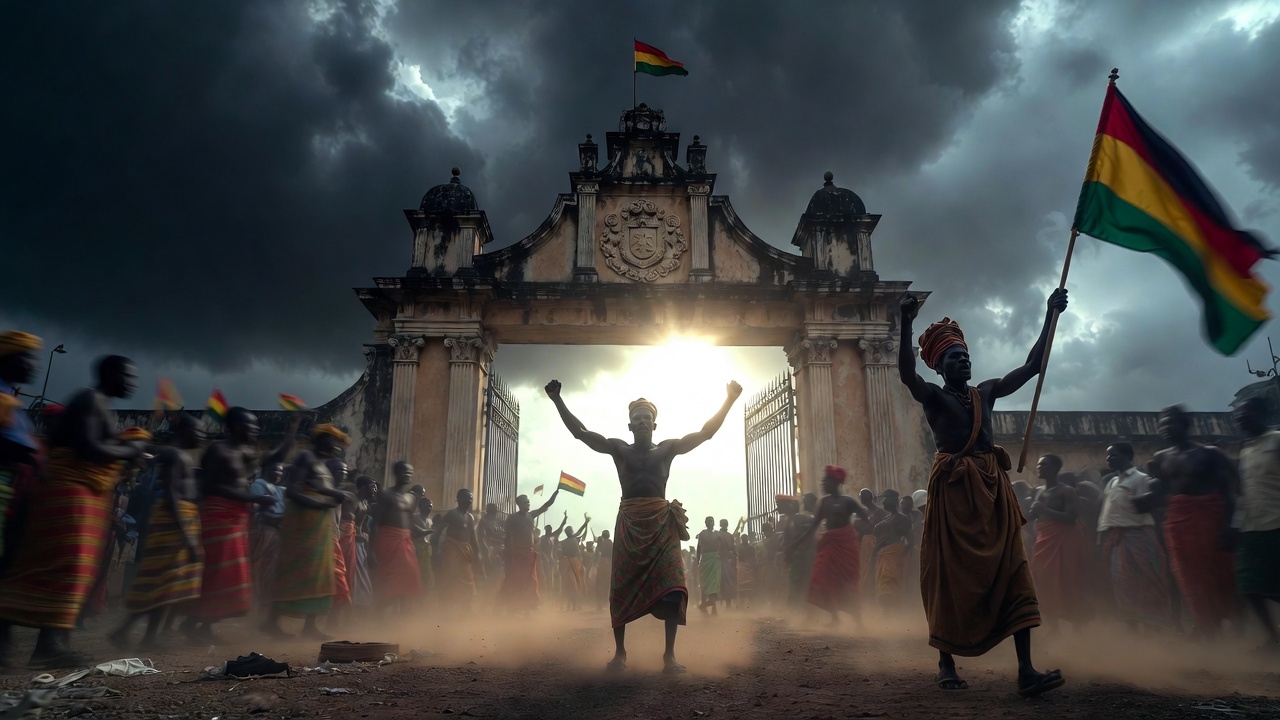
One of the most poignant aspects of Le Morne’s history is the tragic legend associated with the mountain. According to oral traditions passed down through generations, when British soldiers arrived at Le Morne in 1835 to announce the abolition of slavery, the maroons mistakenly believed they had come to capture them.
Rather than face the horrors of slavery again, many maroons chose to leap to their deaths from the cliffs of Le Morne. A monument at the site includes an inscription from the poem “Le Morne Territoire Marron” by Richard Sedley Assonne:
“There were hundreds of them, but my people the maroons chose the kiss of death over the chains of slavery.”
Some historians, including researchers who worked on the Le Morne UNESCO nomination, suggest that this may actually have been a massacre rather than a mass suicide—that the maroons were pushed or driven off the cliffs by soldiers. Regardless of the exact circumstances, the story speaks to the absolute determination of enslaved people to resist their bondage, even unto death.
When Was Le Morne Declared a UNESCO World Heritage Site?
On July 6, 2008, UNESCO inscribed Le Morne Cultural Landscape on the World Heritage List. The inscription was based on two criteria:
Criterion (iii): Le Morne is an exceptional testimony to maroonage or resistance to slavery in terms of it being used as a fortress for the shelter of escaped slaves, with physical and oral evidence to support that use.
Criterion (vi): The dramatic form of the mountain, the heroic nature of the resistance it sheltered, and the longevity of the oral traditions associated with the maroons have made Le Morne a symbol of slaves’ fight for freedom, their suffering, and their sacrifice.
The inscription recognized that Le Morne’s significance extends beyond its geographical location to the countries from which the slaves came—particularly the African mainland, Madagascar, India, and South-East Asia—and to the Creole people of Mauritius and their shared memories and oral traditions.
What is the International Slave Route Monument at Le Morne Mauritius?
The Creation and Significance of the Slave Route Monument
At the base of Le Morne Mountain lies the International Slave Route Monument, which was officially opened on February 1, 2009—the 174th anniversary of the abolition of slavery in Mauritius. This monument serves as a tangible symbol of the history of slavery in Mauritius and around the world.
The monument consists of 10 sculptures:
- One central sculpture created by a Mauritian artist
- Nine smaller sculptures displayed in a garden, created by artists from:
- Réunion Island
- Madagascar
- Mozambique
- China
- India
- Malaysia
- And other countries connected to the slave trade
One particularly powerful sculpture, created by Haitian sculptor Fritz Laratte, symbolizes liberation from slavery. It depicts a slave who prayed to God for liberation, and at the end of his prayers, his hands were suddenly freed from the chains that had kept him in servitude.
The Le Morne Heritage Trust Fund and Heritage Preservation
The Le Morne Heritage Trust Fund was created on May 28, 2004 with the purpose of:
- Promoting and preserving the heritage of Le Morne
- Managing the International Slave Route Monument
- Educating people about the global significance of the site
- Conserving and sharing this heritage with future generations
The monument is part of the UNESCO “Slave Route” project, to which Mauritius officially adhered in 2005 by creating the Slave Route National Committee, which operates under the Ministry of Arts and Culture.
For the first time on February 1, 2005, Le Morne was the stage for the official commemoration of the anniversary of the abolition of slavery in Mauritius. Since then, the site has become the primary location for national remembrance ceremonies each year.
How Did Sega Music Develop From Slavery in Mauritius?
The Origins of Sega: Music Born in Bondage
Sega music is perhaps the most enduring cultural legacy of slavery in Mauritius. According to the African Music Library, sega is “a polymorphous performing art form—dance, music, rhythms, story-telling, and song in the Creole language—rooted in the creative practices of African and Malagasy people who either were enslaved under French colonialism on the Indian Ocean islands of Mauritius or came after the abolition of slavery.”
The word “sega” may derive from the African word “segae,” meaning “to move in rhythm,” emphasizing the music’s deeply rhythmic essence. The genre took shape in places like Le Morne Mountain, where escaped slaves used music and dance as symbols of freedom and resilience.
Sega music served multiple purposes for enslaved Africans:
- Expression of pain and suffering under bondage
- Communication between slaves from different regions and languages
- Spiritual practice and connection with ancestors
- Preservation of African and Malagasy cultural traditions
- Resistance against the dehumanization of slavery
- Community building and social cohesion
Traditional Sega Instruments: The Heartbeat of Mauritius
Traditional sega music uses distinctive handmade instruments that have remained largely unchanged for centuries:
| Instrument | Description | Cultural Significance |
|---|---|---|
| Ravanne | Large circular drum with goat skin stretched over wooden frame | The “heartbeat” of sega; provides primary rhythm |
| Maravanne | Seeds inside a bamboo stick; creates rattling sound | Provides the “swing” in sega music |
| Triangle | Metal triangle struck with small rod | Adds rhythmic accent and brightness |
| Bobre | Musical bow played with stick | Creates melodic accompaniment |
The ravanne is warmed by fire before playing, which creates better vibrations. According to traditional beliefs, this warming ritual helps to “wake up the souls of the old slaves” and bring ancestors back to life through the music.
From Stigma to National Pride: The Evolution of Mauritian Sega
For much of its history, sega was looked down upon because it was associated with slaves and their descendants. As Wikipedia notes, “Historically, Sega was looked down upon because it was the music of slaves.”
Until the 1960s, sega was only performed in private places, particularly in poor Creole neighborhoods where the memories of slavery remained strongest. The turning point came with the rise of Ti Frère (Jean Alphonse Ravaton), recognized as the “King of Sega” or the “Father of Mauritius Sega.”
A particularly significant moment occurred on October 30, 1964, when Ti Frère performed at the “Night of the Sega” (La Nuit du Séga) at Mount Le Morne. This performance marked the beginning of sega’s transformation from stigmatized slave music to beloved national heritage.
Today, sega is:
- Recognized as the national music of Mauritius
- Not restricted by ethnicity—enjoyed by all Mauritians
- Inscribed on UNESCO’s Intangible Cultural Heritage of Humanity list (2014)
- Performed at festivals, weddings, hotels, and cultural events throughout the island
Seggae: The Fusion of Sega and Reggae
In the late 1970s and 1980s, Jamaican reggae music began to influence Mauritian musicians. The themes of reggae—social justice, anti-colonialism, spirituality, and the struggle of the African diaspora—resonated deeply with many Mauritians, particularly within the Creole community.
A young musician named Joseph Réginald Topize, known by his stage name Kaya, created a revolutionary fusion. He combined the slow, bass-heavy, off-beat skank of reggae with the faster, ternary rhythm of traditional sega to create a new genre: seggae.
Kaya’s music became immensely popular, but his life ended tragically. In 1999, he was found dead in a prison cell after being arrested for smoking marijuana at a pro-cannabis rally. His death sparked the 1999 Mauritian riots, one of the major social upheavals in the country’s history, as many believed his death was suspicious and reflected ongoing discrimination against the Creole community.
Despite his tragic death, Kaya’s legacy endures. Seggae remains a vital genre in Mauritius, and his music continues to inspire musicians who use their art to address social justice issues and celebrate Mauritian Creole identity.
Who Are the Mauritian Creoles and What is Their Cultural Heritage?
Defining Creole Identity in Mauritius
According to Wikipedia, Mauritian Creoles are “the people on the islands of Mauritius, Rodrigues, Agaléga and the Chagos Archipelago and in the wider overseas Mauritian diaspora who trace their roots to continental Africans who were brought to Mauritius under slavery from the seventeenth to the nineteenth century.”
The majority of these enslaved people came from:
- The region around modern-day Mozambique
- Madagascar (with significant Malagasy ancestry)
- Other parts of East and West Africa
- Some from India and Asia
The term “Creole” in Mauritius has a specific meaning that differs from its use elsewhere. In the Mauritian context, “Creole” typically refers to any person who is not Franco-Mauritian (white), Indo-Mauritian, Sino-Mauritian, or Muslim, and who has a stronger African phenotype.
Today, Mauritian Creoles, along with their Rodriguais, Agaléan, and Chagossian counterparts, make up approximately 28% of the Mauritian population.
The Creole Language: From Plantation Necessity to National Lingua Franca
One of the most remarkable legacies of slavery in Mauritius is Mauritian Creole (Kreol Morisien). This French-based creole language developed as a communication necessity among enslaved people from different parts of Africa who did not share a common language.
The language evolved from its development and use in the Creole community during the time of slavery and prior to the arrival of indentured laborers from India. Today, Mauritian Creole has become:
- The lingua franca of Mauritius, spoken by virtually all residents
- The mother tongue of most Mauritians
- An important marker of national identity rather than just Creole identity
- Mutually intelligible with Reunion Creole and Seychellois Creole
Ongoing Challenges: The “Malaise Créole”
Despite the cultural richness of the Creole community, significant challenges remain. Many modern Mauritians who identify as Creole and are likely to be descendants of slaves remain one of the most disadvantaged ethnic groups on the island.
This phenomenon, sometimes called the “Malaise Créole” (Creole Unease), reflects:
- Economic disparities and limited access to opportunities
- Underrepresentation in political and economic leadership
- Ongoing discrimination based on perceived African heritage
- Loss of ancestral lands in areas like Le Morne
- Lack of formal recognition and reparations for historical injustices
The 1999 riots following Kaya’s death brought these issues into sharp focus and led to increased demands for political and cultural recognition of the Creole community.
What is Aapravasi Ghat and How is it Connected to the Abolition of Slavery?
The “Great Experiment”: From Slave Labor to Indentured Labor
While the abolition of slavery on February 1, 1835 marked the end of legal bondage, it also marked the beginning of a new system of labor exploitation: indentured servitude. The British Government selected Mauritius to be the first site for what they called “the Great Experiment”—the use of “free” contractual labor to replace slave labor on sugar plantations.
According to UNESCO, between 1834 and 1920, almost half a million indentured laborers arrived at Mauritius from India and other countries to work on sugar plantations. Many were recruited through deceptive practices; according to folklore, recruiters induced naive Indian villagers to emigrate by telling them they could find “pots of gold” by digging in Mauritian soil.
The immigration depot where these laborers arrived—Aapravasi Ghat (from Hindi words meaning “immigrant” and “pier”)—stands today as a UNESCO World Heritage Site inscribed in 2006.
The Legacy of Indentured Labor in Modern Mauritius
The success of the “Great Experiment” in Mauritius led to its adoption by other colonial powers worldwide, resulting in a global migration of more than 2 million indentured laborers. Today:
- Approximately 68-70% of the modern Mauritian population is of Indian ancestry
- The descendants of indentured laborers have become politically and economically dominant
- November 2nd is a public holiday commemorating the arrival of indentured laborers
- The celebration of Hindu festivals has become part of the Mauritian calendar
The relationship between the abolition of slavery and the introduction of indentured labor is complex. While indentured workers technically had contracts and rights that slaves did not, many historians argue that the system represented a “new form of slavery” with similar exploitation and abuse.
How is Abolition Day Celebrated in Mauritius on February 1st?
Official Government Ceremonies and Commemorations
February 1st is an official public holiday in Mauritius, and the government organizes formal ceremonies to commemorate the abolition of slavery. These typically include:
At Le Morne Brabant:
- Wreath-laying ceremonies at the International Slave Route Monument
- Speeches by government officials, including the Prime Minister
- Cultural performances featuring traditional sega music and dance
- Educational programs about the history of slavery
At Mahébourg: Another important ceremony takes place in Mahébourg, a village in the southeast of the island. This location is significant because it was here that slaves were first brought to Mauritius. The celebration includes:
- Wreath-laying ceremonies
- Speeches recalling the importance of abolition
- Reminders of the ongoing fight against discrimination
Across the Island:
- Cultural events and concerts
- Historical exhibitions
- Community gatherings
- Educational programs in schools
Cultural Performances and Traditional Celebrations
The day is marked by vibrant cultural expressions that honor the heritage of enslaved Africans and their descendants:
Sega Performances: Traditional sega music and dance are central to the celebrations. Musicians play the ravanne, maravanne, and triangle while singers perform songs in Mauritian Creole that speak of:
- The suffering of enslaved ancestors
- The struggle for freedom
- The joy of liberation
- The ongoing fight for equality
Creole Cultural Displays:
- Traditional clothing and costumes
- Food and cuisine with African and Malagasy roots
- Storytelling and oral traditions
- Religious ceremonies honoring ancestors
Contemporary Significance: Beyond Historical Remembrance
The commemorative speeches delivered on February 1st at Le Morne and elsewhere exceed the mere memory of slavery. According to researchers documented on CIPDH-UNESCO, these speeches “reflect the construction of a new Creole identity” that includes:
- Demands for political and cultural recognition
- Calls for addressing ongoing inequalities
- Emphasis on fighting all forms of discrimination
- Recognition that the struggle for freedom is never-ending
Best Places to Visit in Mauritius to Learn About Slavery History
Le Morne Brabant Mountain: Essential Information for Visitors
Le Morne Brabant is the most important site for understanding the history of slavery in Mauritius. Since the summit became accessible to the public in July 2016, the site has attracted thousands of visitors annually, with over 70% being Mauritians who feel a strong emotional connection to their heritage.
Visitor Information:
| Details | Information |
|---|---|
| Location | Southwestern tip of Mauritius |
| UNESCO Status | World Heritage Site (since 2008) |
| Height | 556 meters (1,824 feet) |
| Best Time to Visit | February 1st for commemorations; year-round for hiking |
| Guided Tours | Available and recommended |
| Physical Requirement | Moderate to challenging hike |
What to See:
- The International Slave Route Monument (at the base)
- Cave shelters used by maroons
- The V-Gap passage
- Stunning views of the lagoon and coast
- Endemic plants including the rare Trochetia Boutoniana (floral emblem of Mauritius)
Aapravasi Ghat World Heritage Site: Port Louis
The Aapravasi Ghat in Port Louis provides essential context for understanding what happened after slavery was abolished. The site includes:
The Beekrumsing Ramlallah Interpretation Centre:
- Opened in 2014
- Houses artifacts and documents from the indentured labor period
- Features testimonials from descendants
- Ten-minute film about the experience of indentured workers
Key Features:
- The symbolic 14 stone steps that all immigrants climbed
- Remains of kitchens, dormitories, and bath areas
- The former Office of the Protector of Immigrants
| Aapravasi Ghat Visitor Information | Details |
|---|---|
| Location | Quay Street, Port Louis (near waterfront) |
| Opening Hours | Monday-Friday: 9:00-16:00; Saturday: 9:00-12:00 |
| Closed | Sundays and public holidays |
| Admission | Free |
| UNESCO Status | World Heritage Site (since 2006) |
Other Important Historical Sites
Port Louis Historical Tour:
- The Citadel Fort (Fort Adelaide): Built in the 1830s-1840s
- Blue Penny Museum: Colonial history and culture
- Natural History Museum: Includes the famous Dodo displays
- Caudan Waterfront: Modern development near historical sites
Sugar Museums and Plantation Sites:
- L’Aventure du Sucre: Comprehensive sugar industry museum
- Domaine de Saint Aubin: Historical sugar estate
- Château de Labourdonnais: French colonial mansion
What is the Truth and Justice Commission of Mauritius?
Establishment and Mandate
In 2009, the Parliament of Mauritius created the Truth and Justice Commission to research and address the consequences of slavery and indentured labor. According to Participedia, the Commission’s mandate included:
- Assessing the consequences of slavery and indentured labor from the colonial period up to the present
- Conducting inquiries into slavery and indentured labor in Mauritius
- Determining appropriate reparative measures to be extended to descendants of slaves and indentured laborers
- Enquiring into complaints about dispossession or prescription of land
- Preparing a comprehensive report of findings based on factual and objective information
Key Findings and Recommendations
The Commission concluded that under Dutch, French, and British colonial rule, many Mauritians suffered:
- Extreme violence and enslavement
- Forced labor and arbitrary killings
- Socio-economic and racial discrimination
- Dispossession of lands
- Other human rights violations
The Commission’s recommendations included:
- Official apologies from the Government, the Church, and other private institutions
- Construction of memorials and monuments to commemorate victims
- Land allocation and economic support programs as forms of restitution
- Educational initiatives to ensure history is not forgotten
However, the Commission acknowledged that regardless of its recommendations, it could not adequately address the damage inflicted upon Mauritians over the past few centuries.
Planning Your Visit to Mauritius for Abolition Day February 1st
Best Time to Visit Mauritius for Cultural Celebrations
If you want to experience the full significance of February 1st, plan to visit Mauritius in late January or early February. This allows you to:
- Attend the official ceremonies at Le Morne on February 1st
- Experience cultural events and concerts throughout the island
- Visit museums and heritage sites with special programming
- Enjoy the summer weather (February is summer in the Southern Hemisphere)
Practical Travel Information
| Travel Details | Information |
|---|---|
| Currency | Mauritian Rupee (MUR) |
| Language | English (official), French, Mauritian Creole |
| Time Zone | UTC+4 |
| Climate in February | Hot and humid; occasional rain |
| Visa Requirements | Varies by nationality; check before travel |
| Getting There | Sir Seewoosagur Ramgoolam International Airport |
Recommended Itinerary for Slavery Heritage Tourism
Day 1: Port Louis
- Morning: Visit Aapravasi Ghat World Heritage Site
- Afternoon: Blue Penny Museum and Caudan Waterfront
- Evening: Traditional sega performance at a local venue
Day 2: Le Morne
- Early morning: Hike to Le Morne (if February 1st, join commemorations)
- Afternoon: Visit International Slave Route Monument
- Evening: Beach sunset at Le Morne Peninsula
Day 3: South and East
- Morning: Mahébourg Naval and History Museum
- Afternoon: Indian Immigration Museum
- Evening: Cultural dinner with Creole cuisine
Day 4: Sugar Heritage
- Morning: L’Aventure du Sucre Museum
- Afternoon: Domaine de Saint Aubin or Château de Labourdonnais
- Evening: Sega show at your hotel
Responsible Tourism: Honoring the Memory
When visiting slavery heritage sites in Mauritius, remember that these are sacred places of memory for many Mauritians. Please:
- Be respectful at memorial sites and during ceremonies
- Learn before you go about the history and significance
- Support local Creole communities through ethical tourism
- Listen and learn from local guides and residents
- Avoid treating historical trauma as entertainment
- Share your experience to raise awareness about this history
The Ongoing Struggle: Modern Slavery and Human Rights Today
Why February 1st Remains Relevant in the 21st Century
While slavery was officially abolished in 1835, the fight for freedom and equality continues. As many speakers note during February 1st commemorations, the day serves as a reminder that:
- Modern slavery still exists in forms including forced labor, debt bondage, forced marriage, and human trafficking
- Structural inequalities persist in Mauritius and worldwide
- Racism and discrimination have not been eliminated
- The descendants of slaves still face barriers to full equality
According to the International Labour Organization, an estimated 50 million people worldwide are trapped in modern slavery today. February 1st serves as an opportunity to speak up against these vices and work toward a more just world.
From Local Memory to Universal Values
The significance of Le Morne and February 1st extends far beyond the shores of Mauritius. As UNESCO recognized in inscribing Le Morne as a World Heritage Site, the values of the property—in relation to the shelter of the maroons and their attempts to escape to freedom—extend beyond its geographical location to:
- The African mainland
- Madagascar
- India and Southeast Asia
- The global African diaspora
- All people who value freedom and human dignity
The courage of the maroons who fled to Le Morne, the creativity of the enslaved Africans who created sega music, the resilience of the Creole community in preserving their heritage—these are not just Mauritian stories. They are human stories that speak to universal values of freedom, resistance, and hope.
Conclusion: February 1st as a Day of Remembrance, Reflection, and Renewal
February 1st in Mauritius is far more than a public holiday. It is a day when an entire nation confronts its painful past while celebrating the resilience and creativity of those who endured the horrors of slavery. It is a day when the dramatic cliffs of Le Morne Brabant bear witness to renewed commitments to freedom, equality, and human dignity.
For visitors to Mauritius, experiencing February 1st offers a profound opportunity to understand the island beyond its beaches and luxury resorts. The turquoise lagoons and swaying palm trees tell only part of the story. The full story includes the blood, sweat, and tears of the enslaved people who built the nation—and the music, language, and culture they created as acts of resistance and survival.
As you stand at the foot of Le Morne Mountain, looking up at the cliffs where maroons once found refuge, remember the words inscribed at the International Slave Route Monument:
“There were hundreds of them, but my people the maroons chose the kiss of death over the chains of slavery.”
This is the spirit of February 1st: a refusal to accept bondage, a determination to be free, and a commitment to ensure that such injustice is never forgotten and never repeated.
Frequently Asked Questions About February 1st and Slavery in Mauritius
Is February 1st a Public Holiday in Mauritius?
Yes, February 1st (Abolition of Slavery Day) is an official public holiday in Mauritius. If the date falls on a Sunday, the holiday is typically observed on the following Monday.
How Many Slaves Were Freed in Mauritius in 1835?
Approximately 66,343 enslaved people were legally freed in Mauritius on February 1, 1835.
Can I Visit Le Morne Mountain?
Yes, Le Morne Mountain has been open to the public since July 2016. Guided tours are recommended, and the hike requires moderate to good fitness levels.
When Was Le Morne Declared a UNESCO World Heritage Site?
Le Morne Cultural Landscape was inscribed on the UNESCO World Heritage List on July 6, 2008.
What is Sega Music?
Sega is a traditional music and dance form of Mauritius that originated among enslaved Africans and their descendants. It features distinctive instruments like the ravanne drum and is sung in Mauritian Creole.
Is Aapravasi Ghat Related to Slavery?
Aapravasi Ghat is related to what came after slavery—the system of indentured labor that brought almost half a million workers from India and elsewhere to Mauritius after 1834.
What Language is Spoken in Mauritius?
English is the official language, but Mauritian Creole (Kreol Morisien) is the most widely spoken language. French is also commonly used.
This comprehensive guide was researched and written to honor the memory of all those who suffered under slavery in Mauritius and to celebrate the resilience and cultural heritage of their descendants. May their stories never be forgotten.
Share this article to spread awareness about the history of February 1st in Mauritius and the ongoing importance of remembering the victims of slavery.