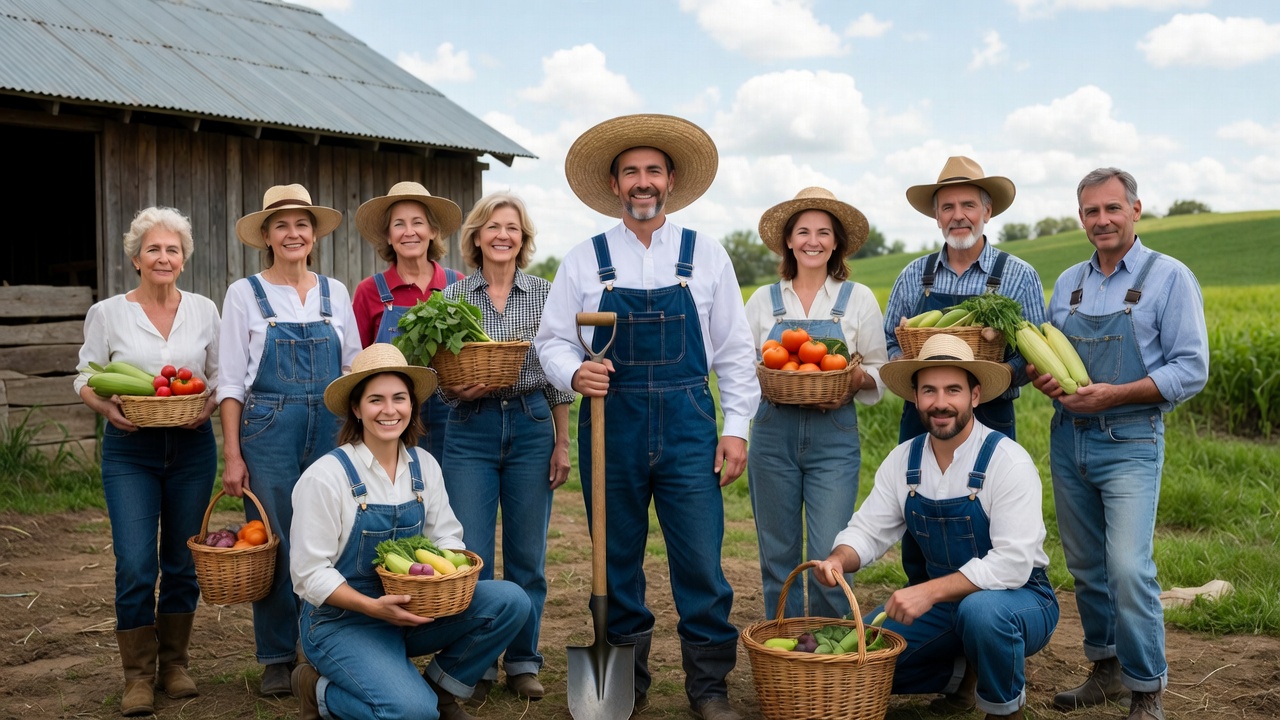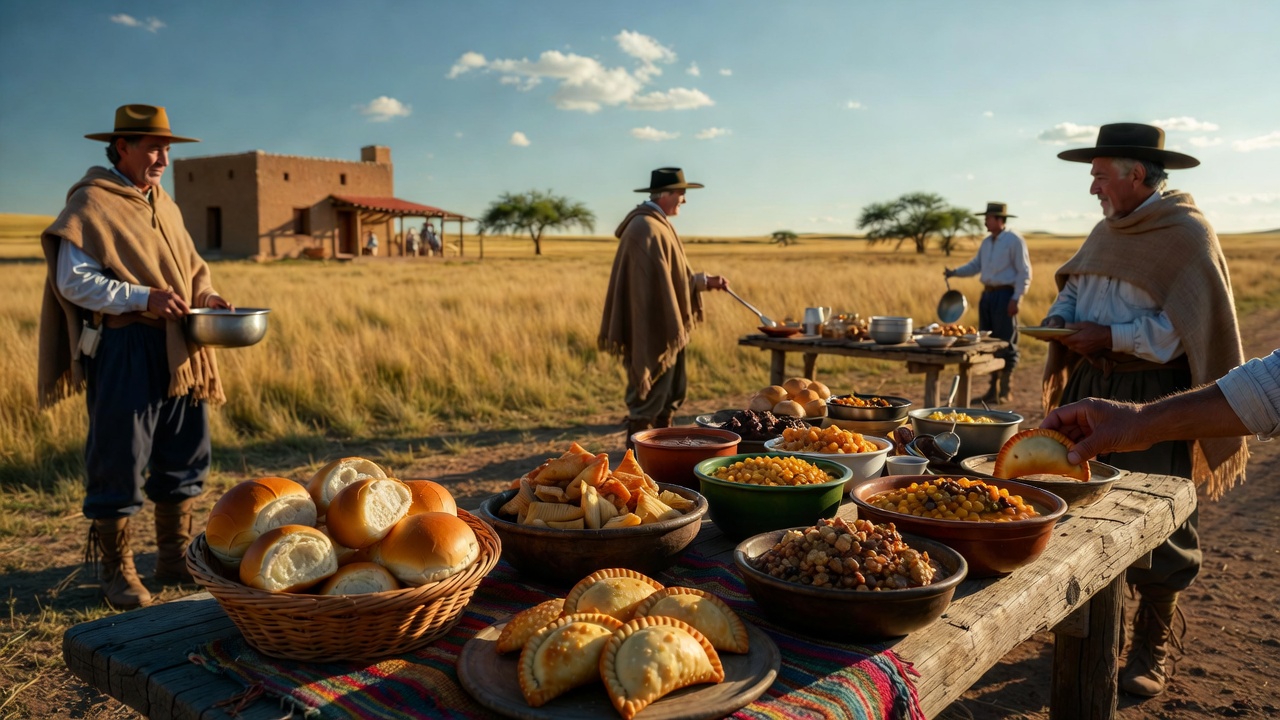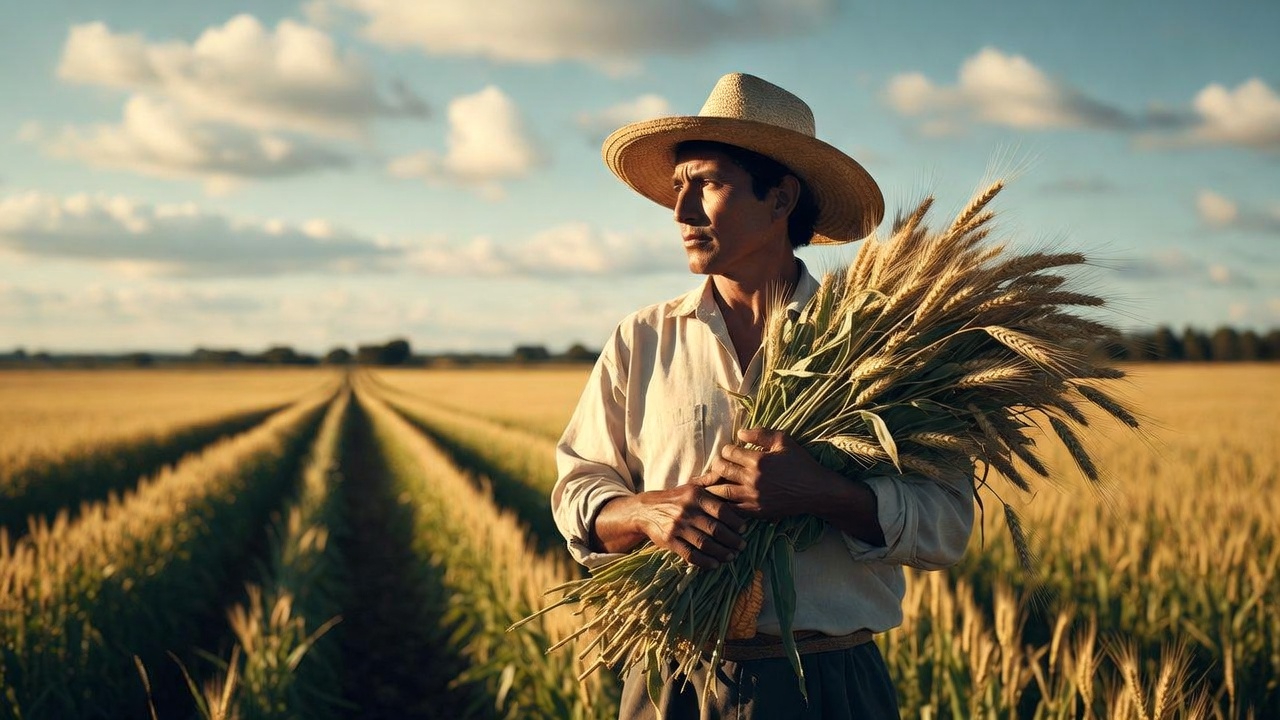
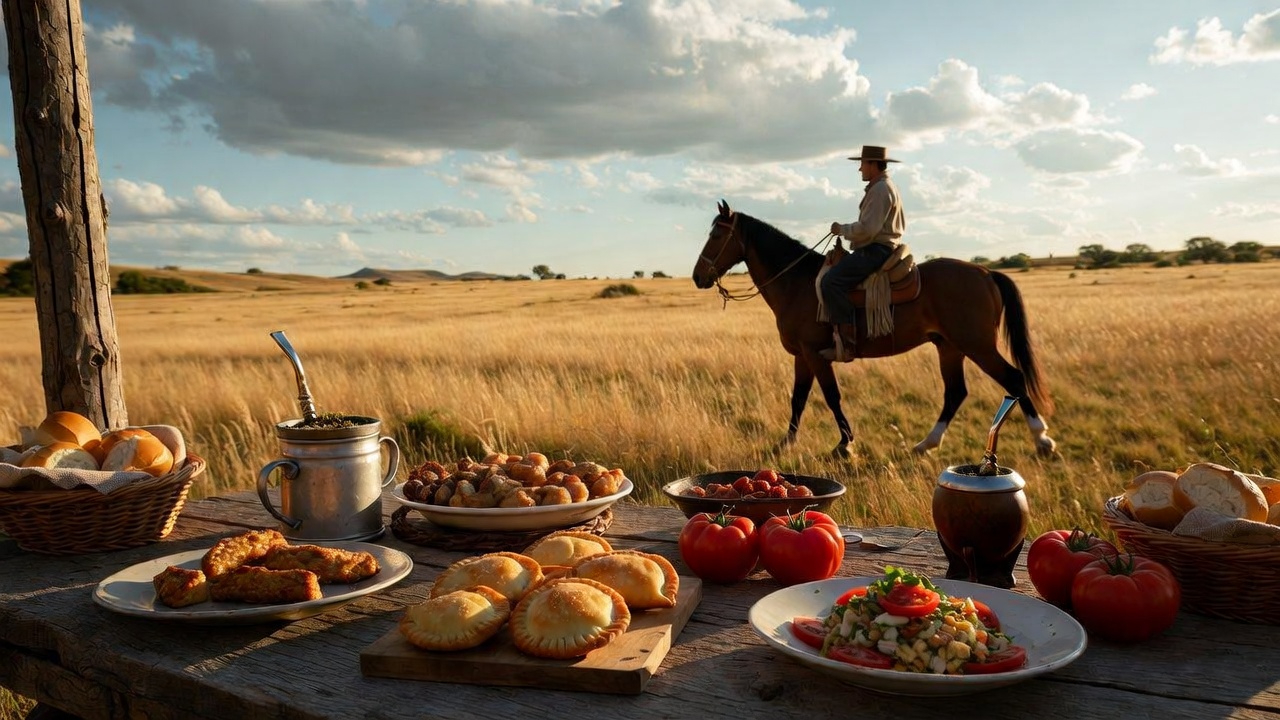
There is a saying in the Argentine countryside: “La tierra da lo que el campesino pone.” The land gives what the farmer puts in. Step away from the tango halls and steakhouses of Buenos Aires. Board a dusty bus headed northwest toward Salta, or drive south into the wind-swept plains of Patagonia. Out here, Argentina reveals a side of itself that most tourists never see — a world where food is not a menu item but a living tradition, passed hand to hand across generations of rural families who still cook over open fire and share mate from the same gourd.
This is the Argentina of the campesino — the peasant farmer, the gaucho, the Indigenous cultivator — and their culinary heritage is one of the most under-explored food stories in all of South America. Whether you arrive during the Día de la Tradición in November, the patriotic feasts of May 25, or the internationally recognized Día Internacional de la Lucha Campesina on April 17, the campesino table will welcome you with warmth, smoke, and flavor.
This guide takes you on a journey from the fertile Pampas grasslands to the Andean northwest and down to the windswept south. Along the way, you will discover the hidden dishes, forgotten ingredients, and living festivals that make Argentina’s rural food culture one of the most remarkable — and most overlooked — in the world.
What Is Día del Campesino and How Argentina Celebrates Its Rural Heritage
Across Latin America, the Día del Campesino is a day set aside to honor the men and women who work the land. Peru celebrates it on June 24, tracing the tradition back to the Inca festival of Inti Raymi. Bolivia marks it on August 2, commemorating the founding of the Warisata school and the agrarian reforms of 1953. Colombia holds festivities on the first Sunday of June every year.
Argentina, however, does not observe a single national Día del Campesino in the same formal sense as its neighbors. Instead, the country weaves its recognition of rural life into a rich fabric of multiple celebrations throughout the year:
| Celebration | Date | Focus |
|---|---|---|
| Día del Campo | March 7 | Honors the agricultural sector and rural production |
| Día Internacional de la Lucha Campesina | April 17 | International day of peasant struggle, marked by farmer fairs and protests |
| May 25 (Revolución de Mayo) | May 25 | National holiday where locro and empanadas are patriotic traditions |
| Día del Agricultor | September 8 | Celebrates the founding of Esperanza, Argentina’s first organized agricultural colony |
| Día de la Tradición | November 10 | The largest celebration of gaucho and rural culture in the country |
This decentralized approach reflects something important about Argentina. Rural identity here is not confined to a single date. It is woven into the national calendar, the cuisine, and the daily rituals — from the morning mate shared on a ranch porch to the slow-roasted asado that anchors every Sunday gathering.
The result is that campesino food traditions in Argentina are alive all year long. They show up in the wood-fired empanada ovens of Tucumán, in the communal locro pots that bubble on cold May mornings, and in the gaucho festivals where a thousand horsemen ride through cobblestone towns. To experience them, you do not need to wait for a single holiday. You just need to know where — and what — to look for.
The History of Campesino Culture in the Argentine Pampas
The story of the Argentine campesino begins on the Pampas — the vast, flat grasslands that stretch across Buenos Aires Province, Santa Fe, Córdoba, La Pampa, and Entre Ríos. This is the agricultural heartland of the nation, and the birthplace of the gaucho, the iconic horseman whose legacy defines Argentine rural identity.
The gaucho emerged in the 18th century as a figure of mixed heritage. Spanish settlers, Indigenous peoples, and formerly enslaved Africans blended together on the open plains, creating a semi-nomadic culture centered on cattle herding, horsemanship, and self-reliance. These early gauchos lived off the land in the most literal sense. Beef cooked over open fire was their staple. Yerba mate was their constant companion. Their kitchens were the open sky.
By the late 19th century, the arrival of barbed wire and European immigrants transformed the Pampas. The open range was fenced. Gauchos were pushed into working as peons on large estancias (ranches) or drifted into rural towns. But their food traditions endured. The asado, the mate ritual, the simple fried breads called tortas fritas — these survived because they were not luxuries. They were the everyday sustenance of people who worked the land.
Today, Argentina has approximately 334,000 farms, of which roughly 251,000 — about 75% — are family-owned, according to World Bank data on Argentine agriculture. These family farms provide about half of the food consumed locally in Argentina. Yet many of these families struggle. The World Bank reports that about 172,000 family farms do not have enough resources — land or capital — to make a living solely from their production.
The food that comes from these farms, however, remains extraordinary. Family and peasant agriculture in Argentina accounts for roughly 80% of the nation’s cassava production, 75% of its goats, 60% of its yerba mate, and about 50% of its pigs, according to data from Argentina’s National Institute of Agricultural Technology (INTA). These are not the headline-grabbing commodities of soybean exports. These are the quiet ingredients of the campesino table — the goat cheese melting inside an empanada, the yerba filling the morning gourd, the corn ground for humitas at harvest time.
Understanding this history is essential for any traveler who wants to eat their way through real Argentina. The food you will taste in the countryside is not a restaurant concept. It is a survival story, an act of cultural preservation, and an expression of identity that has endured for centuries.
How Argentine Gauchos Shaped the Country’s Culinary Identity
If there is a single figure who defines Argentine food culture, it is the gaucho. Often compared to the American cowboy, the gaucho is actually a far more complex cultural symbol — part nomadic herder, part folk poet, part culinary philosopher.
The gaucho’s relationship with food was shaped by necessity and environment. On the open Pampas, cattle were abundant but kitchens were nonexistent. Everything was cooked over fire. The parrilla (grill) and the asador (the person tending the fire) became central to communal life. Meals were slow, social affairs — not because of any gourmet ambition, but because fire takes time, and time was something the plains had in abundance.
Key gaucho contributions to Argentine cuisine include:
- Asado — The open-fire barbecue that remains Argentina’s most iconic culinary ritual
- Mate — The bitter herbal infusion shared from a single gourd, a symbol of trust and community
- Tortas fritas — Fried bread discs, traditionally made with rainwater on stormy days
- Chimichurri — The sharp, herby condiment made from parsley, garlic, oregano, vinegar, and oil
- Choripán — Grilled chorizo sausage served on bread, the original Argentine street food
- Carbonada — A hearty stew of meat, vegetables, and dried fruit, sometimes served in a hollowed-out pumpkin
The literary and cultural elevation of the gaucho began with José Hernández, whose epic poem Martín Fierro (1872) gave voice to the rural poor and became Argentina’s unofficial national epic. November 10, Hernández’s birthday, is now celebrated as the Día de la Tradición. The largest festivities take place in San Antonio de Areco, a town in Buenos Aires Province that has hosted the Fiesta de la Tradición since 1939 — making it the oldest gaucho celebration in Argentina.
At the Fiesta de la Tradición, food is not a sideshow. Massive parrillas line the Parque Criollo, where whole sides of beef are slow-roasted over wood fires. Regional provinces set up food stalls offering their signature dishes. Empanadas, locro, pastries, and red wine flow freely. It is the single best event in the country for experiencing campesino cuisine in its most festive form.
Traditional Argentine Asado: The Campesino Barbecue Ritual You Need to Experience
The asado is not simply a way of cooking meat. It is Argentina’s most sacred communal ritual, a practice that dates back to the earliest gauchos who roasted beef over fires of native espinillo wood on the open Pampas.
A proper Argentine asado unfolds over four to five hours. The asador — almost always a man, in keeping with tradition — selects the wood, builds the fire, and tends the coals with a patience that borders on meditation. Cuts are placed on the parrilla (grill) in a specific order, timed so that everything finishes together. This is not casual grilling. It is a practiced craft.
A traditional asado typically includes:
| Cut | Description |
|---|---|
| Asado de tira | Short ribs, the signature cut |
| Vacío | Flank steak, lean and flavorful |
| Entraña | Skirt steak, prized for its tenderness |
| Chorizo | Pork sausage, served as choripán |
| Morcilla | Blood sausage, a campesino classic |
| Provoleta | Grilled provolone cheese, served as a starter |
| Mollejas | Sweetbreads, a delicacy of offal cooking |
In the countryside, the asado serves a function that goes beyond nutrition. It is the organizing principle of rural social life. Families gather on Sundays. Neighbors share a fire after harvest. Workers celebrate after a long day in the fields. The fire is lit early. The conversation is long. The mate circulates. And when the meat is ready, everyone eats together.
For travelers, the best way to experience a true campesino asado is at a working estancia (ranch). Towns like San Antonio de Areco, about 110 kilometers from Buenos Aires, offer day trips that include horseback riding, gaucho demonstrations, and a full asado lunch. The meat is always accompanied by chimichurri, a bright, punchy sauce of parsley, garlic, oregano, red pepper flakes, vinegar, and olive oil. Every asador guards their chimichurri recipe closely. No two are alike.
Hidden Culinary Gems of Northern Argentina: Locro, Humita, and Tamales
If the Pampas gave Argentina its beef and its asado, the northwest gave it soul food. The provinces of Salta, Jujuy, Tucumán, Catamarca, and Santiago del Estero are home to the country’s deepest culinary roots — dishes that predate Spanish colonization and connect directly to Indigenous Quechua and Diaguita traditions.
These are not the glamorous dishes of Buenos Aires steakhouses. They are humble, warming, and profoundly satisfying — the kind of food that was created by people who worked the land with their hands and cooked with what the earth provided.
Locro: Argentina’s Patriotic Stew
Locro is a thick, hearty stew made from white corn, squash, beans, and a mix of meats — typically beef flank, pork, bacon, chorizo, and sometimes tripe. It simmers for hours until the corn breaks down into a rich, creamy base.
Locro’s origins reach back to pre-Columbian and pre-Incan cultures. It is one of Argentina’s oldest dishes, and it carries powerful symbolic weight. On May 25 (Revolución de Mayo) and July 9 (Independence Day), eating locro is a patriotic act. Restaurants across the country offer a “menú patriótico” of empanadas, locro, and pastelitos (small fried pastries). In Buenos Aires, spots like Raíces Cocina Casera and 1810 Cocina Regional serve some of the city’s best versions.
But the finest locro is found in the northwest, where it is a winter staple, not a once-a-year novelty. At the Mercado San Miguel in Salta, lunchtime stalls serve homemade locro at affordable prices, offering an unforgettable experience of regional gastronomy. Some versions include a spoonful of quiquirimichi — a fiery salsa of paprika and chili — that adds a smoky, spicy kick.
Humita en Chala: Corn Wrapped in Its Own Husk
Humita is the campesino’s gift from the corn harvest. Fresh corn is grated or ground, then mixed with sautéed onions, goat cheese, and spices. The creamy paste is spooned into corn husks (chala), tied with string, and steamed until firm.
The result is a soft, fragrant parcel that tastes of the Andes itself — earthy, slightly sweet, rich with cheese. Humita is deeply connected to Incan traditions and is found throughout the Andean region of South America. In Argentina, it is most common in the summer months, when fresh corn is abundant. The best humitas are found in Jujuy and Salta, where families make hundreds during harvest festivals.
Tamales del Norte: Argentina’s Ancestral Wrapped Bread
Argentine tamales are shorter and fatter than their Mexican cousins. A corn dough is filled with a spiced meat stew — beef, charqui (dried meat), or pork, sometimes with raisins, hard-boiled egg, and chili. The whole package is wrapped in corn husks and steamed.
Each province has its own secrets. In Santiago del Estero, tamales tend to be spicier. In Tucumán, the town of Simoca has been declared the National Tamale Capital and holds fairs and festivals dedicated to the dish. In market stalls across the region, you can buy freshly steamed tamales for remarkably little money. They represent one of the most affordable and authentic ways to taste Argentina’s Indigenous culinary heritage.
Regional Empanada Varieties Across Argentina’s Rural Provinces
If Argentina had to choose a single food as its national symbol after beef, the empanada would win in a landslide. These small, hand-held pastries — stuffed, folded, and either baked or fried — are the backbone of Argentine street food and home cooking alike.
What makes Argentine empanadas remarkable is their regional diversity. Every province has its own style, its own fillings, and its own fierce pride.
| Province | Style | Key Ingredients |
|---|---|---|
| Salta | Baked, small, juicy | Beef, potatoes, hard-boiled egg, cumin |
| Tucumán | Fried, hand-cut beef | Matambre (flank), onion, cumin, hand-cut with knife |
| Jujuy | Baked, earthy | Llama meat, goat cheese, humita filling |
| Santiago del Estero | Spicier, drier | Beef, egg, chili |
| Mendoza | Sweeter dough | Beef with olives and raisins |
| Patagonia | Unique fillings | Lamb, trout, venison |
| Córdoba | Sweet and savory | Beef with sugar in the dough |
The empanada salteña — from Salta — is widely considered the gold standard. Small, juicy, and baked in wood-fired ovens, it arrives at the table with a crimson hue and a fragrant interior. In Salta’s capital, legendary spots like La Casona del Molino serve empanadas alongside live folk guitar performances in a traditional peña setting.
In the Andean northwest, you will find empanadas de llama — filled with the lean, slightly gamey meat of the llama, which has been a dietary staple in the region for thousands of years. And in Patagonia, adventurous eaters can try empanadas stuffed with lamb, smoked trout, or even wild boar.
The repulgue — the decorative crimped edge of the empanada — is not just aesthetic. It is a practical identification system. In a traditional Argentine gathering, empanadas are ordered by the dozen in mixed flavors. The repulgue pattern tells you what is inside without having to bite into it. It is one of those small details that reveals the depth of craft behind what appears to be a simple food.
Yerba Mate and Tortas Fritas: The Rainy Day Tradition of Argentine Country Life
Two items define daily life in the Argentine countryside more than any others: yerba mate and tortas fritas. Together, they form a ritual that is as much about connection as it is about sustenance.
Mate: Argentina’s National Drink and Social Glue
Mate (pronounced MAH-tay) is a bitter, caffeinated herbal infusion made from the dried leaves of the yerba mate plant (Ilex paraguariensis). It is served in a hollowed gourd (also called a mate) and sipped through a metal straw called a bombilla.
The tradition was inherited from the Guaraní peoples and adopted by gauchos, who carried their mate sets across the Pampas the way modern Argentines carry their phones. Argentina has celebrated National Mate Day on November 30 since 2015, but the drink needs no designated day. It is consumed every single day, everywhere — in parks, offices, bus stops, and around campfires.
Drinking mate is a communal act. One person — the cebador (server) — prepares the gourd, pours the hot water, takes the first sip, and then passes it to the next person. The same bombilla is shared among everyone in the circle. This is not a hygiene oversight. It is a gesture of trust and fellowship. Refusing to share mate is considered rude. Saying “gracias” when the gourd comes to you signals that you are done.
Tortas Fritas: Fried Bread for Rainy Afternoons
Tortas fritas are flat, round discs of fried dough — simple, golden, and irresistible. Made from flour, lard (or butter), water, salt, and sometimes a bit of baking powder, they are fried until crisp on the outside and pillowy within.
The tradition of eating tortas fritas on rainy days is one of Argentina’s most beloved customs. Its origins lie with the gauchos, who made these fried breads when weather prevented long outdoor cooking sessions. Legend says they used rainwater for the dough, which gave the cakes a superior flavor. Whether or not this is true, the association stuck. To this day, when rain falls on an Argentine afternoon, the smell of frying dough fills kitchens across the country.
Tortas fritas are served with a generous dusting of sugar or alongside dulce de leche, jam, or cheese. The proper pairing is always mate — bitter drink and sweet bread, rain on the roof, and conversation around the table. It is the purest expression of campesino hospitality: simple ingredients, shared warmth, and no rush at all.
Patagonian Lamb and Cordero al Palo: South Argentina’s Best-Kept Food Secret
While the Pampas reign as beef country, Patagonia — Argentina’s vast southern frontier — tells a different story. Here, the land is too harsh for large-scale cattle ranching. Instead, sheep rule.
European colonists introduced sheep farming to Patagonia roughly 150 years ago, and it quickly became the economic backbone of the region. Today, Patagonian lamb is considered some of the finest in the world — grass-fed, free-range, and raised in clean, cold air.
Cordero al Palo: The Iron Cross Roast
The defining dish of Patagonian cuisine is cordero al palo — literally, “lamb to the post.” The preparation is dramatic. An entire lamb is split open, stretched across an iron cross or metal frame, and roasted vertically beside an open wood fire.
The cooking process takes approximately five hours. The lamb is basted regularly with salmuera — a mixture of water, salt, and garlic. The fat slowly renders, basting the meat continuously. The result is lamb with a crispy, golden exterior and impossibly tender, juicy flesh that falls apart at the touch.
In Chilean Patagonia, the dish is called cordero al palo. In Argentine Patagonia, you may hear it called asado al palo or asado cordero. The technique is the same. The experience — eating outdoors in the shadow of glaciers or mountains, with Patagonian wind whipping around you — is unforgettable.
For the best cordero al palo, visit during the southern summer months of December through April, when lamb is at its peak. Restaurants like La Tablita in El Chaltén and Alto El Fuego in Bariloche are locally recommended.
Beyond Lamb: Patagonia’s Diverse Plate
Patagonian cuisine extends well beyond lamb:
- Trucha patagónica — Fresh trout from crystal-clear rivers, grilled simply with butter
- Chupe de centolla — King crab stew, a creamy, gratinated specialty of the southern coast
- Curanto — An ancient Mapuche cooking technique where meats, seafood, and vegetables are layered over hot stones in a pit and covered with leaves to steam
- Wild boar — Introduced in the early 20th century, now a Patagonian staple, especially when smoked
- Calafate berries — A native wild berry used in jams, sauces, and desserts; legend says that anyone who eats them will return to Patagonia
In the Welsh settlement towns of Gaiman and Trevelin in Chubut Province, you will find charming tea houses serving scones, torta negra galesa (Welsh black cake), and cream teas — a remnant of the Welsh colonists who arrived in the 1860s and whose culinary traditions have merged beautifully with the Patagonian landscape.
Llama Meat and Charqui: Ancient Andean Flavors in Modern Argentine Cuisine
In the Quebrada de Humahuaca — a dramatic river valley in Jujuy Province that is a UNESCO World Heritage Site — the food traditions reach back thousands of years to the Inca Empire and beyond.
Here, llama meat is not a novelty. It is a staple protein that has sustained Andean communities for millennia. Lean, slightly gamey, and rich in iron, llama meat is lower in fat and cholesterol than beef, making it increasingly popular among health-conscious diners.
Llama is prepared in multiple ways across northern Argentina:
- Grilled llama steak — Served simply with chimichurri, similar to a beef steak
- Llama empanadas — A regional specialty, though the lean meat can be drier than beef
- Salame de llama — Dry-cured llama sausage, seasoned with herbs and spices, often paired with goat cheese
- Llama stew — A hearty preparation with potatoes, corn, and Andean spices
- Llama carpaccio — A modern preparation found in upscale restaurants in the region
Charqui: The Original Jerky
Charqui (also spelled charki) is perhaps the oldest preserved food in the Americas. The word itself comes from the Quechua language and gives us the English word “jerky.” Llama meat is sliced very thin, salted, and dried in the intense Andean sun.
Charqui was a critical trade good within the Inca Empire, and it remains a common snack at bus stations and markets throughout northern Argentina and the Andes. It is also used as a filling for empanadas de charqui — a deeply traditional dish that connects the modern campesino kitchen to pre-Columbian food culture.
Alongside llama and charqui, the Andean table features quinoa (sometimes called “Andean gold” for its nutritional richness), baby potatoes, and fresh corn. A meal in the Quebrada de Humahuaca is a window into one of the oldest continuous food cultures on the planet.
Best Food Festivals to Experience Argentine Campesino Culture in 2026
Argentina’s festival calendar offers extraordinary opportunities to experience rural food traditions in their most vibrant, communal form. Here are the top events for food-loving travelers in 2026:
| Festival | Location | When | What to Expect |
|---|---|---|---|
| Fiesta de la Tradición | San Antonio de Areco, Buenos Aires Province | November (around the 10th) | Gaucho parades, massive asados, folk music, empanadas, regional food stalls |
| Festival Nacional de Doma y Folklore | Jesús María, Córdoba | January | Rodeo, folk concerts, campesino food, and wine |
| Fiesta Nacional de la Empanada | Famaillá, Tucumán | September | The country’s largest empanada festival, with tastings, competitions, and live music |
| Fiesta Nacional de la Agricultura | Esperanza, Santa Fe | September 8 | Celebrates Argentina’s first agricultural colony with food fairs and cultural events |
| Feria de la Lucha Campesina | Multiple locations | April 17 | Farmer fairs, food sovereignty rallies, artisanal food sales, and cultural events |
| Fiesta del Cordero | Río Gallegos, Santa Cruz | Various | Patagonian lamb celebration with cooking competitions |
| Pachamama Festival | Various, Northwest Argentina | August 1 | Indigenous harvest festival honoring Mother Earth with food offerings and traditional cooking |
The Fiesta de la Tradición in San Antonio de Areco deserves special mention. Running since 1939, it is the oldest gaucho celebration in Argentina. Over several days, more than a thousand gauchos ride through the town on horseback. The Parque Criollo hosts rodeos, folk music, and — most importantly — an enormous communal asado where regional provinces showcase their signature dishes. In 2026, this festival will be celebrating approximately its 87th edition, a testament to its enduring importance in Argentine cultural life.
Family Farming in Argentina: How Smallholders Feed the Nation
Behind every bite of locro, every handmade empanada, and every gourd of mate lies the labor of Argentina’s family farmers — a population that is essential to the nation’s food supply yet faces growing economic pressure.
According to a 2024 World Bank report on Argentine agriculture, Argentina is the world’s third-largest food exporter, with the agricultural sector accounting for approximately 15.7% of GDP. Yet within this powerful industry, family farms occupy a paradoxical position. They make up three-quarters of all farms but control only 18% of agricultural land and generate about 27% of total agricultural output.
The OECD’s 2025 Agricultural Policy Monitoring report notes that several key programs supporting family farmers were terminated in early 2025, including the PROCANOR program for family producers in northern Argentina and the PRODECCA goat development program. These closures affect exactly the communities that produce the traditional foods described in this article — the goat cheese makers, the yerba mate growers, the corn farmers.
The number of family farms in Argentina declined by approximately 40% between 1988 and 2018, according to World Bank data. This is not just an economic statistic. It represents the potential loss of culinary knowledge — recipes passed down orally, cooking techniques adapted to specific microclimates, and seed varieties maintained by generations of careful selection.
Supporting campesino food culture is therefore not just a matter of cultural tourism. It is a form of heritage preservation. When you buy empanadas from a market stall in Salta, drink mate grown on a family farm in Misiones, or eat goat cheese in the Andean northwest, you are participating in an economy that keeps these traditions alive.
How to Plan a Culinary Travel Trip to Rural Argentina in 2026
Planning a food-focused trip to rural Argentina requires a different mindset than booking a Buenos Aires city break. The best campesino food is found off the beaten track, in provincial towns, roadside markets, and working estancias.
Best Regions for Campesino Food Tourism
1. The Pampas (Buenos Aires Province) Start in San Antonio de Areco, about two hours from Buenos Aires. Visit the Ricardo Güiraldes Gaucho Museum. Book a day at a working estancia for a full asado experience with horseback riding. Time your visit for the Fiesta de la Tradición in November if possible.
2. The Northwest (Salta, Jujuy, Tucumán) This is Argentina’s richest culinary region. Drive the Quebrada de Humahuaca for llama dishes, charqui, and Andean stews. Visit the Mercado San Miguel in Salta for locro and empanadas. Eat tamales in Simoca, Tucumán. Explore the Valles Calchaquíes for wine and goat cheese.
3. Patagonia (Bariloche, El Calafate, El Chaltén) Come for the cordero al palo and stay for the trout, the wild boar, and the king crab. Visit a traditional estancia for lamb. Stop in Gaiman for Welsh tea and torta negra.
4. The Northeast (Misiones, Corrientes) Explore Argentina’s yerba mate country. Visit the plantations. Try mbeyú (a cassava and cheese pancake from Guaraní tradition). Sample river fish like surubí and dorado.
Practical Tips for Food Travelers
- Learn basic Spanish. English is spoken in tourist areas, but campesino communities primarily speak Spanish (or Indigenous languages in some areas).
- Carry cash. Many rural food stalls and markets do not accept cards.
- Eat where locals eat. The best campesino food is almost never in places with English menus.
- Be patient. Asado takes hours. Mate is passed slowly. Rural Argentina moves at its own pace, and that is part of the beauty.
- Respect food customs. Accept mate when offered. Do not stir it. Do not ask for ketchup at an asado.
- Visit during shoulder seasons. March through May and September through November offer pleasant weather and fewer crowds in most regions.
Preserving Argentina’s Campesino Culinary Heritage for Future Generations
The greatest threat to Argentina’s campesino food traditions is not a lack of interest from travelers. It is the steady erosion of the rural communities that create and sustain these traditions.
Urbanization has pulled young people away from the countryside. Land concentration has reduced the number of small farms. Economic instability has made traditional farming precarious. The Inter-American Institute for Cooperation on Agriculture (IICA) has been working with Argentine authorities on a National Family Farming Plan, recognizing that family farming is essential for food sovereignty and biodiversity.
Yet there are also signs of hope. Across Argentina, farmer fairs (ferias) and campesino markets are growing in popularity. Urban consumers are increasingly seeking out artisanal, locally produced foods. The agroecology movement is gaining ground, connecting environmentalism with traditional farming practices. Organizations affiliated with La Vía Campesina, the international peasant movement, hold regular events in Argentina that combine food sovereignty advocacy with communal meals and cultural celebrations.
Every April 17, on the Día Internacional de la Lucha Campesina, Argentine campesino organizations hold “feriazos” — large farmer fairs — in cities like Buenos Aires and Mendoza. These events bring rural food directly to urban consumers, offering fresh produce, handmade empanadas, artisanal cheese, and other products at fair prices. They are both political statements and culinary celebrations, demonstrating that campesino food is not a relic of the past but a living, vital part of Argentina’s present.
Frequently Asked Questions About Argentine Campesino Food Traditions
Does Argentina have a Día del Campesino? Argentina does not observe a single national Día del Campesino the way Peru or Bolivia does. Instead, it celebrates rural heritage through multiple events throughout the year, including the Día de la Tradición (November 10), Día del Campo (March 7), and Día del Agricultor (September 8).
What is the most traditional campesino dish in Argentina? The asado (open-fire barbecue) is the most widespread. However, locro — the ancient corn and meat stew — holds deep symbolic and historical significance, especially during national holidays.
Where can I find the best empanadas in Argentina? The northwest provinces of Salta and Tucumán are universally regarded as having the finest empanadas. Salta’s wood-fired, juicy empanadas salteñas are particularly celebrated.
Is llama meat commonly eaten in Argentina? Llama meat is a traditional staple in the Andean northwest (Jujuy, Salta), where it has been consumed for thousands of years. It is not common in Buenos Aires or other urban areas.
What is the best time of year to visit Argentina for food tourism? March through May (autumn) offers harvest festivals and pleasant weather. September through November (spring) brings regional food celebrations and the Fiesta de la Tradición. For Patagonian lamb, visit December through April.
Can vegetarians enjoy Argentine campesino food? Yes. While meat dominates, dishes like humita (corn and cheese in corn husks), empanadas de queso (cheese empanadas), provoleta (grilled cheese), and various vegetable stews offer excellent vegetarian options, especially in the northwest.
How do I experience an authentic asado? The most authentic experience is at a working estancia in the Pampas. Towns like San Antonio de Areco offer day-trip options that include a full asado, horseback riding, and gaucho cultural demonstrations.
Final Thoughts: Why Argentina’s Campesino Table Deserves a Place on Your Travel List
Argentina’s campesino food culture is not a quaint folk tradition preserved under glass. It is a living, breathing, evolving way of eating — rooted in Indigenous knowledge, shaped by centuries of immigration and adaptation, and sustained by hundreds of thousands of family farmers who continue to work the land.
From the smoky asados of the Pampas to the steaming locro pots of the northwest, from the ancient charqui of the Andes to the windswept lamb roasts of Patagonia, every region of Argentina offers dishes that tell stories of survival, celebration, and community.
To celebrate the spirit of the campesino in Argentina is to sit at a fire, accept a gourd of mate from a stranger, and taste food that connects you to the land beneath your feet. It is a privilege that remains available to any traveler willing to venture beyond the guidebook.
The campesino table is set. The fire is lit. Pull up a chair.
Have you experienced Argentina’s rural food traditions? Share your stories and favorite dishes in the comments below. For more deep dives into global festival food cultures, follow our blog for weekly updates.