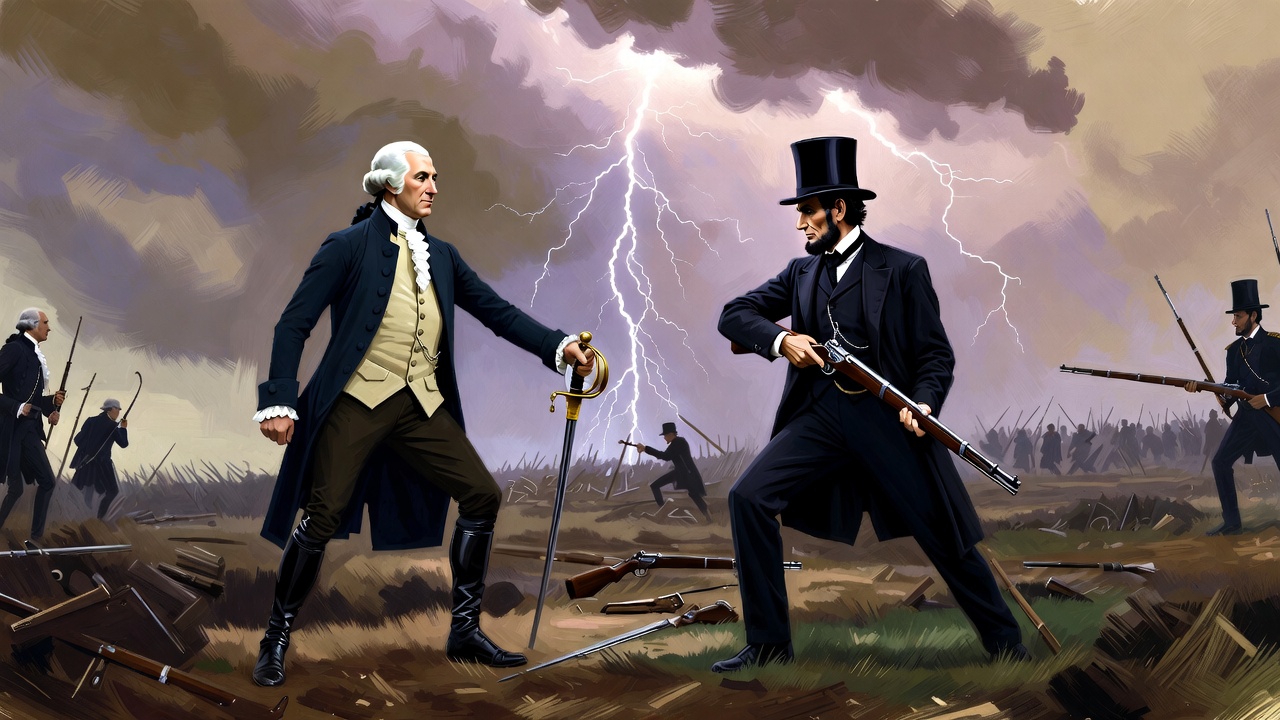
A tale of two presidents, one holiday, and the peculiar American impulse to streamline even our reverence
There’s something deeply American about taking two of our greatest heroes—men who shaped the very soul of this republic—and merging their commemorations into a single Monday off work. George Washington and Abraham Lincoln, born twenty-three days and eighty years apart, now share a holiday that, ironically, falls on neither of their actual birthdays. How did we arrive at this curious arrangement? The answer involves labor unions, mattress sales, and the eternal tension between honoring history and enjoying a long weekend.
The History of Washington’s Birthday as a Federal Holiday
Long before Presidents’ Day appeared on any calendar, Americans celebrated Washington’s Birthday with genuine fervor. The tradition began while Washington himself still lived, with citizens marking February 22nd as a day of national gratitude. After his death in 1799, the commemorations grew more elaborate—parades filled city streets, cannons fired salutes, and orators delivered speeches that could stretch for hours.
In 1879, Congress made Washington’s Birthday the first federal holiday to honor an individual American. The date held sacred meaning: February 22, 1732, the day a Virginia planter’s wife gave birth to the man who would refuse a crown and establish the precedent of peaceful power transfer. For nearly a century, this date remained fixed, a winter anchor in the American calendar.
Why Abraham Lincoln’s Birthday Was Never a Federal Holiday
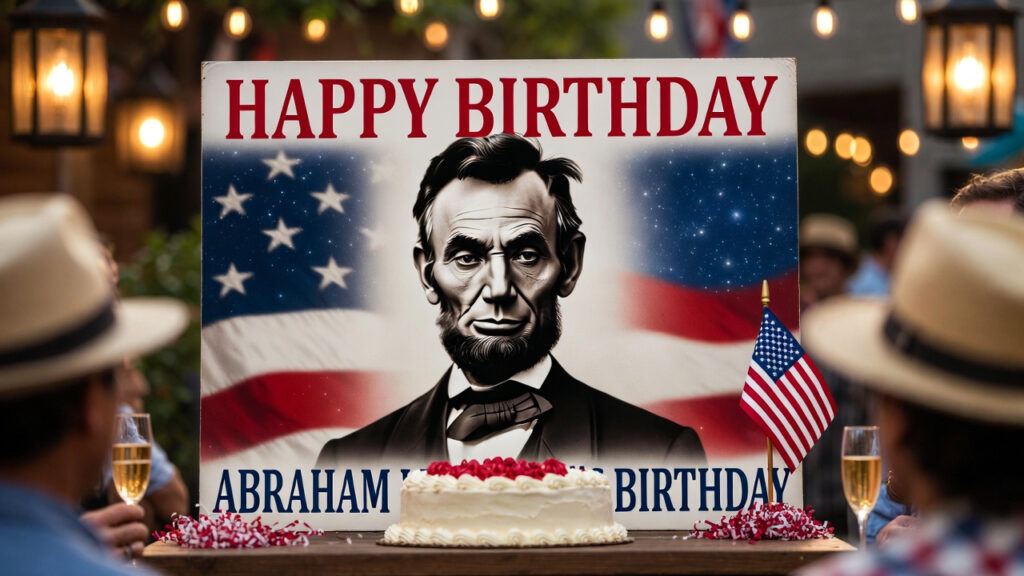
Lincoln’s February 12th birthday presents one of history’s great oversights. Here was the man who preserved the Union, ended slavery, and delivered the most quoted address in American oratory—yet Congress never granted him a federal holiday of his own.
The reasons were partly regional, partly political. In the decades following the Civil War, Southern states harbored little enthusiasm for celebrating the president who had waged war against them. While Northern states and many localities observed Lincoln’s Birthday with school closings and commemorations, federal recognition remained elusive. Some states combined the two birthdays informally; others ignored Lincoln entirely.
| President | Birth Date | Federal Holiday Status | Years Individually Celebrated |
|---|---|---|---|
| George Washington | February 22, 1732 | Official federal holiday (1879–1971) | 92 years |
| Abraham Lincoln | February 12, 1809 | Never a federal holiday | Varies by state |
The Uniform Monday Holiday Act of 1971 Explained
The transformation came not from historical reconsideration but from legislative efficiency. The Uniform Monday Holiday Act, signed by President Richard Nixon in 1968 and implemented in 1971, sought to create more three-day weekends for American workers. The reasoning was practical: fixed-date holidays that fell mid-week disrupted productivity and travel. By shifting certain holidays to designated Mondays, Congress hoped to boost retail sales and reduce employee absenteeism.
Washington’s Birthday was swept into this reform, moved from its historic February 22nd date to the third Monday of February. This shift placed the holiday perpetually between February 15th and 21st—meaning it could never actually fall on Washington’s birthday. The irony was lost on few observers: in the name of convenience, we had untethered the holiday from the very date it was meant to commemorate.
How Presidents’ Day Became a Celebration of All Presidents
The name change happened gradually, almost accidentally. The Uniform Monday Holiday Act never officially renamed Washington’s Birthday. Legally, federally, the holiday remains “Washington’s Birthday” to this day. But advertisers, calendar makers, and state legislatures began using “Presidents’ Day” in the 1980s, drawn to its inclusive simplicity.
Some states embraced the broader designation enthusiastically, using the day to honor all presidents. Others specifically combined Washington and Lincoln. A few—Virginia among them—stubbornly retained “George Washington Day.” The result is a patchwork of observances:
- States honoring Washington only: Virginia, Iowa, and several others maintain the original focus
- States honoring Washington and Lincoln: Illinois (Lincoln’s adopted home state) and many Northern states
- States using “Presidents’ Day”: The majority, though definitions vary
- States with unique variations: Alabama celebrates “Washington and Jefferson Day”
George Washington and Abraham Lincoln Legacy Comparison
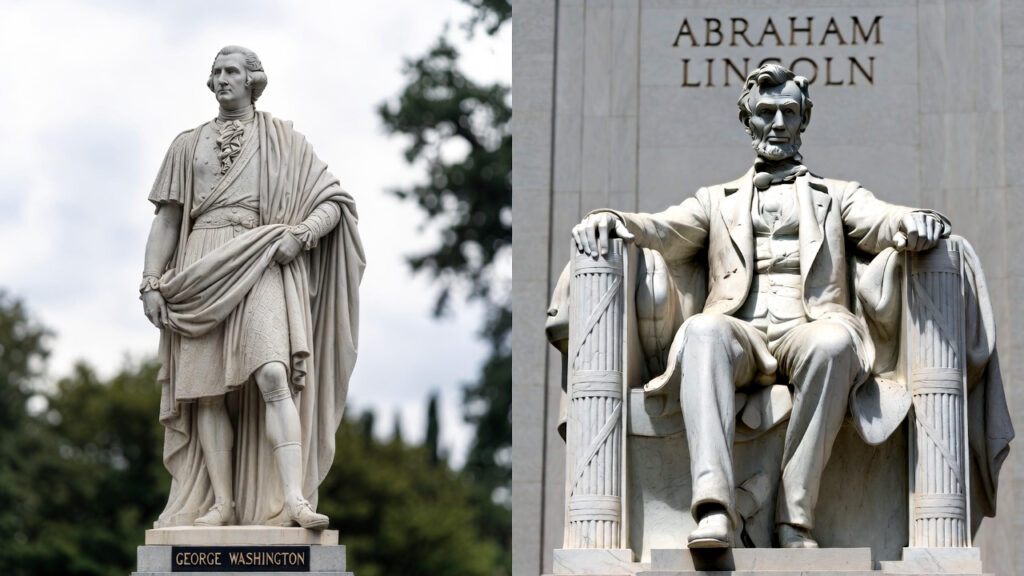
Why these two men, above all others, captured the American imagination so thoroughly deserves examination. Their legacies, while distinct, share remarkable parallels.
Washington established the nation; Lincoln preserved it. Washington set the precedent of limited executive power by voluntarily relinquishing it; Lincoln expanded executive authority to meet an existential crisis, then planned to restore constitutional norms before an assassin’s bullet intervened. Both men were mythologized almost immediately—Washington as the serene father figure, Lincoln as the martyred saint.
| Aspect | George Washington | Abraham Lincoln |
|---|---|---|
| Primary Achievement | Founded the nation; established presidential precedents | Preserved the Union; ended slavery |
| Leadership Style | Reserved, dignified, leading by example | Folksy yet profound, leading through persuasion |
| Mythology | “Cannot tell a lie”; crossing the Delaware | Log cabin origins; reading by firelight |
| Death | Natural causes, mourned nationally | Assassination, martyrdom |
| Lasting Symbol | American independence and civic virtue | National unity and emancipation |
The Commercial Evolution of Presidents’ Day Sales and Deals
We must address the elephant in the room—or rather, the mattress in the showroom. Presidents’ Day has become synonymous with retail sales, a phenomenon that would likely perplex both honorees.
The commercialization began almost immediately after the Monday shift. Retailers recognized that a three-day weekend in the doldrums of February, after Christmas bills arrived but before spring spending began, presented an opportunity. Car dealerships, furniture stores, and appliance retailers seized upon the holiday with patriotic-themed advertisements. Washington and Lincoln, their images now in the public domain, became pitchmen for discounted sofas and zero-percent financing.
This commercial dimension troubles some Americans who feel it cheapens the memory of great leaders. Others argue that it simply reflects how holidays evolve—that Washington himself, a businessman at heart, might have understood the impulse to move inventory during a slow season.
Why Americans Celebrate Presidents’ Day in February
The February timing carries its own significance beyond the accidents of presidential birth. The month sits in that bleak stretch of winter when Americans most need a break from routine. The holidays of November and December have passed; spring feels distant. A Monday off provides psychological relief as much as physical rest.
February also offers a natural moment for civic reflection. With the State of the Union address typically delivered in late January or early February, and with election cycles never truly ending in modern America, the month already carries political weight. Presidents’ Day fits this contemplative mood, inviting citizens to consider what presidential leadership has meant across our history.
The Future of Washington’s Birthday and Lincoln’s Birthday Observance
Will the holiday continue to evolve? Almost certainly. Some advocates push for an official renaming to “Presidents’ Day” at the federal level, arguing that the current confusion serves no one. Others call for returning to the original February 22nd date, restoring the connection between commemoration and biography.
A more radical proposal suggests creating separate holidays for Washington and Lincoln, giving each his due. The counterargument—that Americans already enjoy considerable time off and that such expansion would burden businesses—reveals how far we’ve traveled from an era when holidays were primarily about reflection rather than recreation.
Conclusion: What Presidents’ Day Means for American National Identity
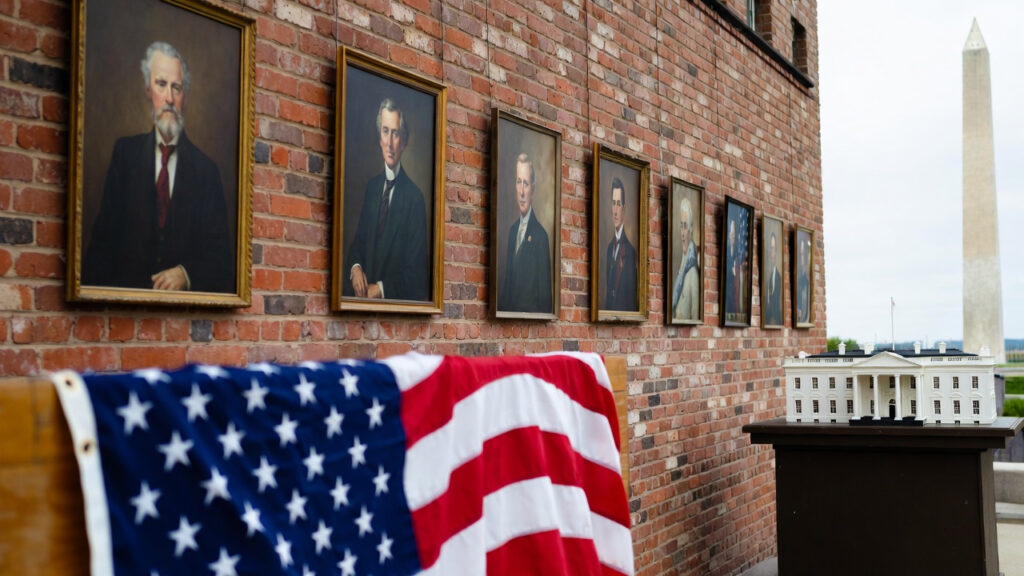
In the end, the merger of Washington’s and Lincoln’s birthdays tells us as much about contemporary America as it does about these two exceptional men. We are a practical people, inclined to consolidate and streamline. We are also a commercial people, capable of transforming any occasion into a sales event. Yet beneath the advertisements and the calendar manipulations, something genuine persists.
When schoolchildren learn about the cherry tree and the log cabin, when families visit monuments in the February cold, when citizens pause however briefly to consider what these men sacrificed and achieved—the holiday fulfills its purpose. Washington and Lincoln may have to share their celebration now, but sharing was never antithetical to either man’s character. Washington shared command with difficult subordinates and credit with his troops. Lincoln shared a nation’s grief and extended forgiveness to defeated enemies.
Perhaps, then, this combined holiday suits them after all. Two men who understood that the American experiment required cooperation, compromise, and the subordination of ego to cause—sharing a single day seems a fitting, if accidental, tribute to their spirits.
The mattress sales they might have done without.