A comprehensive guide to navigating South America’s biggest celebration without missing a beat
Introduction: Why Transportation Planning Can Make or Break Your Rio Carnival Experience
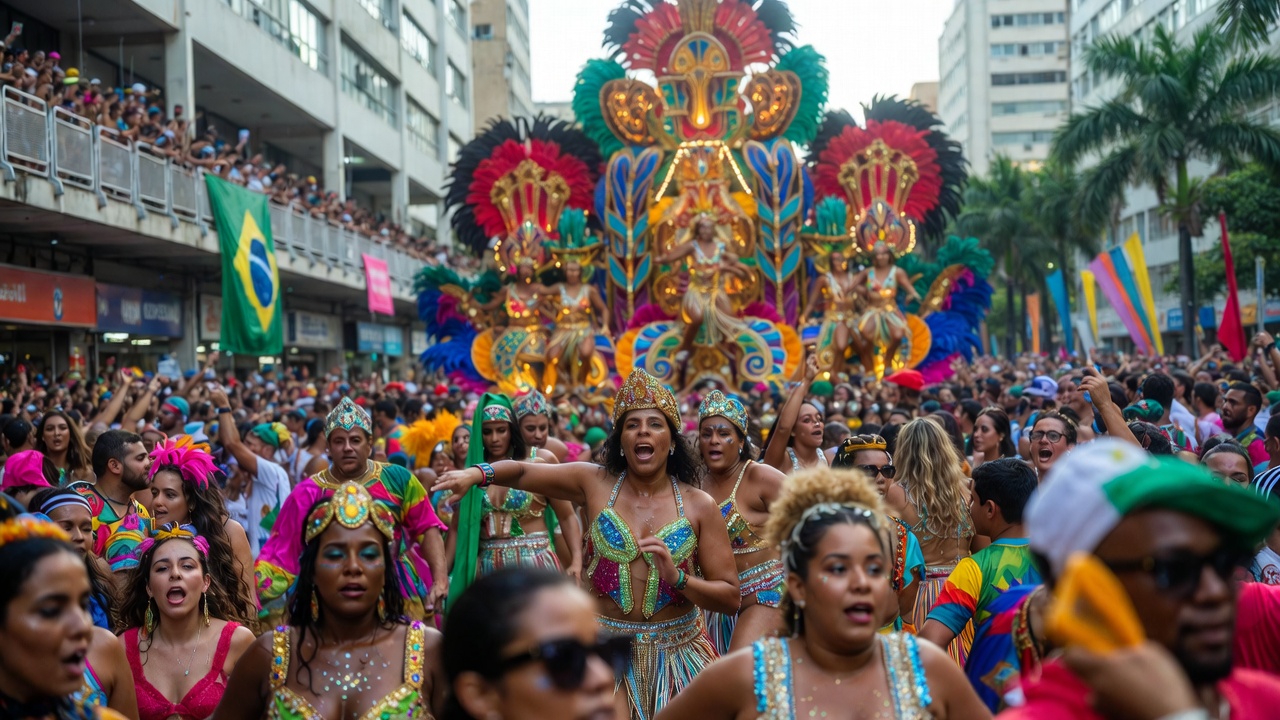
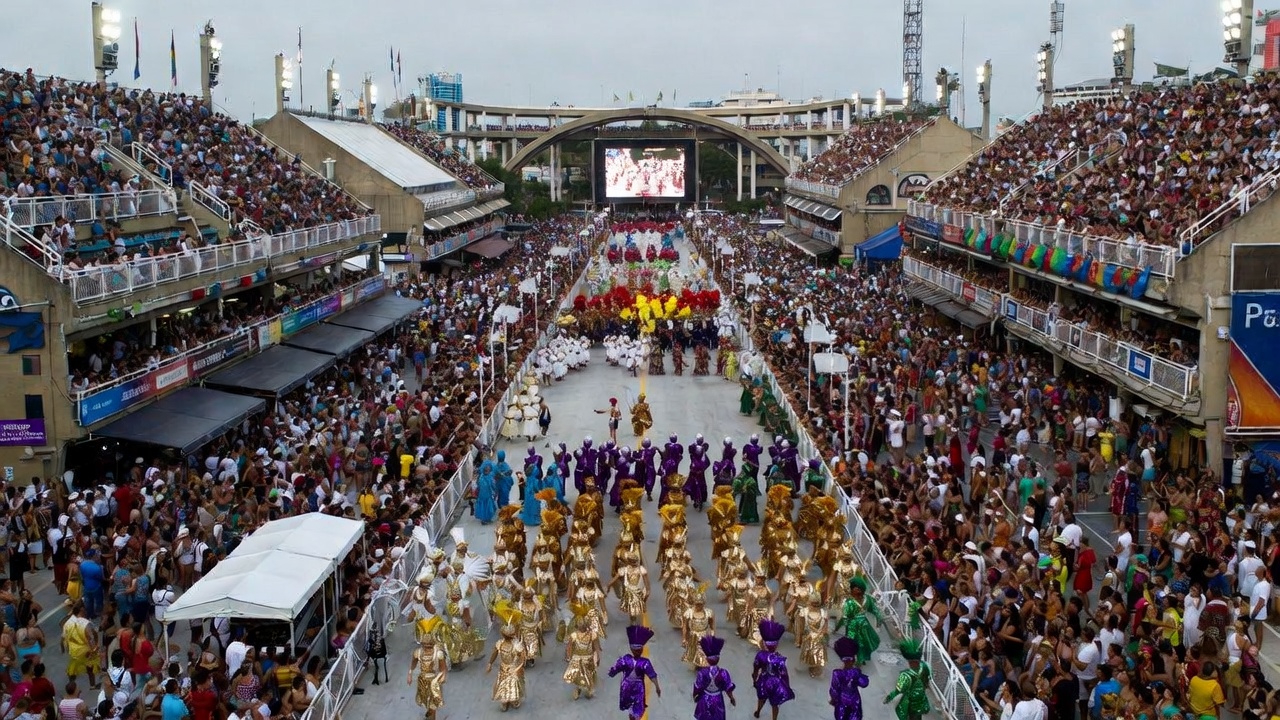
Every February, the Cidade Maravilhosa transforms into the beating heart of global celebration. Rio de Janeiro’s Carnival draws nearly two million visitors annually, flooding the city’s beaches, streets, and the legendary Sambódromo with revelers from every corner of the earth. But here’s what most travel guides won’t tell you upfront: your transportation choices during these five frenetic days can mean the difference between catching the Mangueira samba school parade of a lifetime and standing frustrated on a gridlocked Avenida Atlântica while the party happens without you.
I’ve attended Rio Carnival seven times over the past fifteen years. I’ve made every transportation mistake imaginable. I’ve taken taxis that circled Lagoa Rodrigo de Freitas three times while the meter climbed. I’ve waited forty-five minutes for an Uber that eventually canceled. And I’ve also discovered the secret that seasoned cariocas (Rio locals) know well: the Metro is your best friend during Carnival—but only if you know when and how to use it.
This guide isn’t a surface-level overview. It’s the transportation bible I wish someone had handed me before my first Carnival. We’ll dive deep into the MetrôRio system, examine Uber’s reliability during peak Carnival hours, weigh the pros and cons of traditional yellow taxis, and explore alternatives like bike-sharing programs and walking strategies. By the end, you’ll know exactly how to navigate Rio during the world’s greatest party.
Understanding Rio de Janeiro’s Unique Carnival Geography and Transportation Challenges
Before we discuss specific transportation modes, you need to understand Rio’s geography. The city sprawls between dramatic granite peaks, the Atlantic Ocean, and Guanabara Bay. This creates natural bottlenecks that become absolute chokepoints during Carnival.
Key Carnival locations include:
| Location | Neighborhood | Main Events | Transportation Challenge |
|---|---|---|---|
| Sambódromo Marquês de Sapucaí | Centro/Cidade Nova | Official samba school parades | Limited street access, massive crowds |
| Copacabana Beach | Zona Sul | Blocos, street parties, New Year’s Eve spillover events | Congested coastal roads |
| Ipanema Beach | Zona Sul | Upscale blocos, Banda de Ipanema | Single-lane streets, high demand |
| Lapa | Centro | Nightlife, blocos, street parties | Historic district with narrow streets |
| Santa Teresa | Hills above Centro | Bohemian blocos, cultural events | Steep, winding roads accessible only by small vehicles |
| Leblon | Zona Sul | Residential blocos, family-friendly events | Limited parking, residential restrictions |
The Zona Sul (South Zone) encompasses the famous beach neighborhoods: Copacabana, Ipanema, and Leblon. Most international tourists stay here. The Centro (Downtown) hosts the Sambódromo and Lapa’s legendary nightlife. Connecting these zones during Carnival—when streets close for blocos (street parties) and millions of people move simultaneously—requires strategy.
During Carnival 2024, the city registered over 500 official blocos spread across every neighborhood. The Municipal Tourism Office (Riotur) reported that street closures affected more than 200 kilometers of roads during peak days. That’s not a typo. Two hundred kilometers of roads effectively became pedestrian zones, dance floors, and parade routes.
How Does Rio Metro Work During Carnival Season? Complete Guide for Tourists
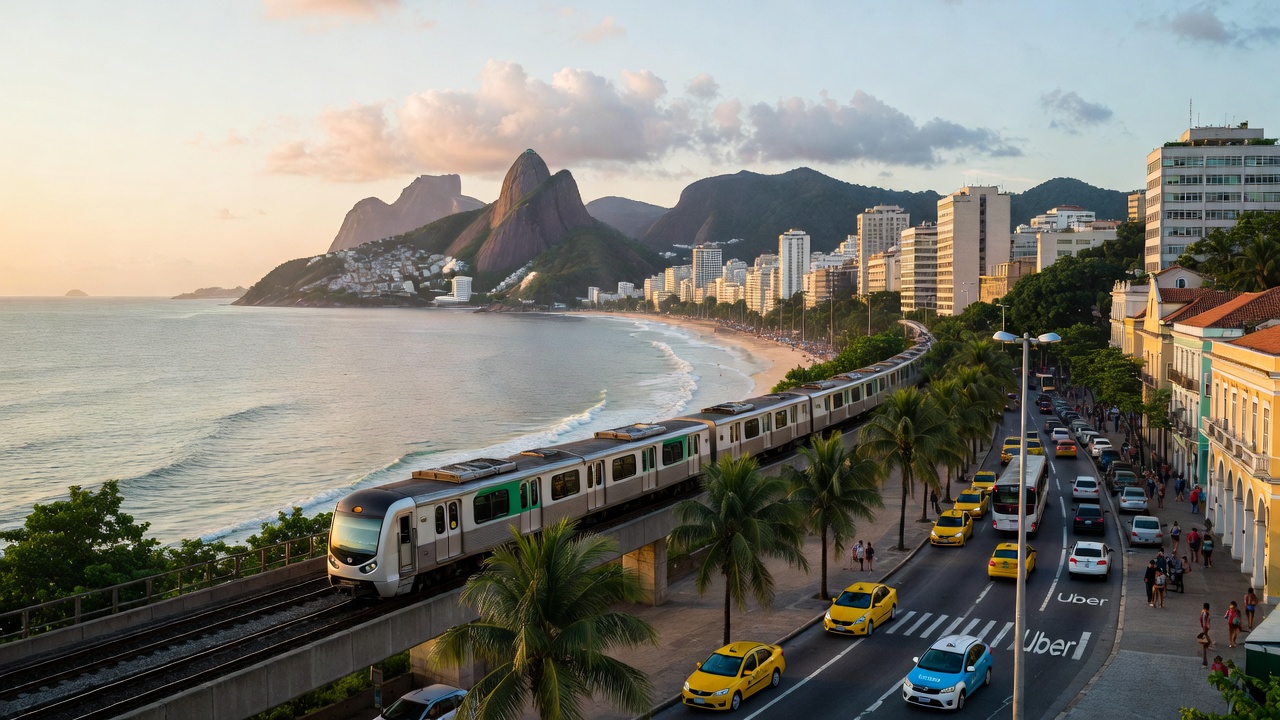
The MetrôRio system becomes the circulatory system of Carnival. While cars sit trapped in traffic and ride-sharing apps show twenty-minute wait times, the Metro moves hundreds of thousands of people efficiently beneath the chaos.
MetrôRio Carnival Operating Hours and Extended Service
During Carnival, MetrôRio typically extends its operating hours dramatically. In recent years, the system has operated 24 hours continuously from Friday through Tuesday of Carnival week. This is extraordinary—normally, the Metro closes around midnight.
Standard vs. Carnival Operating Hours:
| Period | Regular Hours | Carnival Hours |
|---|---|---|
| Monday–Saturday | 5:00 AM – 12:00 AM | 24 hours (during Carnival) |
| Sunday | 7:00 AM – 11:00 PM | 24 hours (during Carnival) |
| Ash Wednesday | Normal schedule | Extended morning hours |
The Metro operates two main lines relevant to Carnival visitors:
Line 1 (Orange): Runs from General Osório station in Ipanema through Copacabana, Centro, and up to Uruguai in the Tijuca neighborhood. This line has a special Carnival station at Cidade do Samba/Praça Onze, placing you directly at the Sambódromo’s entrance.
Line 2 (Green): Connects the northern suburbs to Centro, intersecting with Line 1 at several stations.
Line 4 (Yellow): The newest addition, connecting Ipanema’s General Osório station to Barra da Tijuca via Jardim Oceânico. Useful if you’re staying in Barra or attending events at Parque Olímpico.
Which Metro Station Is Closest to the Sambódromo for Carnival Parades?
This is perhaps the most important Metro tip: Praça Onze station (Line 2) deposits you directly at Sector 1 of the Sambódromo. However, during major parade nights, the station becomes overwhelmingly crowded.
Pro tip from the locals: Use Central do Brasil station and walk approximately twelve minutes to the Sambódromo. Yes, it’s farther. But the crowd density is significantly lower, and you’ll often arrive faster despite the extra walking distance.
For Sectors 9 through 13 (the far end of the parade route), consider Cidade Nova station instead. It’s less famous among tourists but provides excellent access to these grandstand areas.
How Much Does Rio Metro Cost During Carnival? Fares and Payment Methods
As of 2024, a single MetrôRio journey costs approximately R$6.90 (roughly $1.40 USD). The fare remains consistent during Carnival—no surge pricing here, unlike your Uber app.
Payment options include:
- Giro Card: A rechargeable smart card available at any Metro station. Purchase it for R$3.00 and load credit. Tap to enter and exit.
- Single-journey tickets: Paper tickets available from automated machines and ticket windows.
- Integration with buses: The bilhete único system allows discounted transfers to city buses within a time window.
- Contactless payment: Many stations now accept tap-to-pay credit and debit cards directly at turnstiles.
Important: ATMs inside Metro stations often run out of cash during Carnival. Load your Giro card with enough credit for multiple days before the festivities begin.
Is Rio Metro Safe at Night During Carnival? Security Considerations
Safety concerns are legitimate. Let me be direct: the Metro is generally safe during Carnival, but basic precautions apply.
The Guarda Municipal (Municipal Guard) and MetrôRio security personnel increase their presence dramatically during Carnival. Uniformed officers patrol platforms and trains throughout the extended operating hours.
Safety recommendations:
- Keep valuables hidden. Don’t display expensive smartphones, cameras, or jewelry.
- Use front cars near the driver during late-night hours if traveling alone.
- Stay aware in crowds. Pickpocketing can occur during crowded boarding and exiting.
- Travel in groups when possible, especially after 2:00 AM.
- Avoid confrontations. Rio’s Carnival attracts millions; a tiny fraction may seek to take advantage of distracted tourists.
I’ve taken the Metro at 3:00 AM on Carnival Sunday multiple times. The crowds—bleary-eyed, glitter-covered, exhausted from dancing—create a festive rather than threatening atmosphere. But I also keep my phone in a money belt and carry only the cash I need for that night.
Is Uber Reliable in Rio de Janeiro During Carnival Week? What Every Tourist Needs to Know
Uber operates legally and widely in Rio de Janeiro. During normal weeks, it’s often my preferred transportation method. During Carnival? The situation becomes more complicated.
Uber Surge Pricing During Rio Carnival: What to Expect
Let’s talk numbers. During peak Carnival moments—parade endings, major bloco dispersals, 4:00 AM when everyone decides to go home simultaneously—Uber surge pricing regularly exceeds 3x to 5x normal rates.
I documented this myself during Carnival 2023:
| Time | Route | Normal Price | Carnival Price | Surge Multiple |
|---|---|---|---|---|
| Saturday, 2:00 AM | Sambódromo → Copacabana | R$35 | R$175 | 5x |
| Sunday, 11:00 PM | Ipanema → Lapa | R$25 | R$62 | 2.5x |
| Monday, 6:00 PM | Copacabana → Centro | R$28 | R$42 | 1.5x |
| Tuesday, 3:00 AM | Lapa → Leblon | R$40 | R$190 | 4.75x |
These aren’t outliers. They represent standard Carnival reality.
Why Do Uber Drivers Cancel Rides During Carnival? Understanding Driver Behavior
Here’s something rarely discussed in tourist guides: Uber drivers in Rio make strategic decisions during Carnival. Many drivers:
- Refuse pickups near blocos because street closures make arrival impossible
- Cancel rides to congested destinations where they’ll waste thirty minutes in traffic earning only the trip fare
- Prefer airport runs and longer routes where they can escape the Carnival zone
- Stay home entirely during peak Carnival days, reducing available drivers
This creates a frustrating dynamic. You’ll request an Uber, watch a driver accept, then observe them sit stationary for five minutes before canceling. This isn’t personal—they’ve assessed traffic conditions and decided the trip isn’t viable.
Best Times to Use Uber in Rio During Carnival Festivities
Uber works well during specific windows:
Optimal Uber times:
- Morning hours (7:00 AM – 11:00 AM): Most blocos haven’t started. Streets remain open. Drivers are refreshed and available.
- Early afternoon (12:00 PM – 3:00 PM): A lull between morning blocos and evening preparations.
- Non-Carnival-zone trips: Airport transfers, trips to Barra da Tijuca, or journeys outside the main celebration areas.
Avoid Uber when:
- Major blocos are dispersing (check the Riotur schedule for ending times)
- Sambódromo parades are ending (approximately 5:00 AM – 7:00 AM)
- Any area with active street closures (consult the CET-Rio traffic authority updates)
Uber vs. 99 App in Rio: Which Ride-Share Works Better During Carnival?
99 (pronounced “noventa e nove”) is Uber’s main competitor in Brazil. Owned by Chinese company Didi Chuxing, it has significant market penetration in Rio.
During Carnival, 99 often shows slightly lower prices because its algorithm calibrates differently. However, availability can be equally challenging.
My recommendation: Download both apps. When surge pricing or long wait times hit one platform, check the other. Sometimes you’ll find a 99 driver available while Uber shows ten-minute waits—or vice versa.
Also consider InDriver, which allows passengers to negotiate prices directly with drivers. This can work to your advantage when surge pricing makes traditional ride-shares prohibitively expensive.
Are Rio Taxis Worth Taking During Carnival? Honest Advantages and Disadvantages
The iconic yellow taxis of Rio de Janeiro predate ride-sharing apps by decades. During Carnival, they offer certain advantages—and notable drawbacks.
How to Identify Licensed Taxis in Rio de Janeiro
All licensed taxis in Rio are yellow with a blue stripe. They display:
- A registration number on the doors
- A rooftop sign with the word “TAXI”
- A meter (called taxímetro) that must be visible and functioning
- Driver identification displayed on the dashboard
During Carnival, informal taxi services proliferate. These unlicensed vehicles often approach tourists near major events. Avoid them. Without regulation, you have no recourse if problems occur, and prices are entirely arbitrary.
Rio Taxi Meter Rates and Bandeira Pricing Explained
Rio taxis operate on a metered system with two bandeiras (rate levels):
Bandeira 1: Standard rate, used during daytime hours on weekdays.
Bandeira 2: Elevated rate (approximately 30% higher), used during:
- Nighttime hours (9:00 PM – 6:00 AM)
- Weekends and holidays
- December throughout (Christmas tourism season)
- All of Carnival
Yes, Bandeira 2 applies throughout Carnival, even at 2:00 PM on a Tuesday. Factor this into your budget.
Base fare structure (approximate as of 2024):
| Component | Bandeira 1 | Bandeira 2 |
|---|---|---|
| Flag drop (initial charge) | R$5.90 | R$7.70 |
| Per kilometer | R$3.20 | R$4.15 |
| Per hour waiting | R$35.00 | R$45.50 |
Can You Negotiate Taxi Prices in Rio During Carnival?
Here’s where cultural knowledge matters. Technically, taxi meters are mandatory. Drivers who offer “fixed prices” without running the meter may be violating regulations.
However, practical reality during Carnival differs. Many experienced taxi drivers will propose fixed prices for trips they know will involve significant traffic delays. A metered trip from Copacabana to the Sambódromo might normally cost R$40. During Carnival, with traffic, that same trip could meter at R$80–R$100 if the taxi sits idling in congestion.
A driver might offer “R$60 fixed” for the same journey. This benefits both parties: you get price certainty; they avoid lost time with a running meter going nowhere.
My approach: Ask drivers to estimate the metered cost first. If their fixed price seems reasonable given Carnival conditions, consider accepting. If it seems exploitative, politely decline and find another taxi.
Where to Find Taxi Stands in Rio de Janeiro Tourist Areas
Official pontos de taxi (taxi stands) exist throughout Rio:
- Copacabana: Multiple stands along Avenida Atlântica, near Posto 5 and Posto 6
- Ipanema: Near Praça General Osório, Praça Nossa Senhora da Paz
- Leblon: Avenida Ataulfo de Paiva, near Leblon Mall
- Centro: Praça Quinze, near Candelária Church, Central do Brasil station
- Santos Dumont Airport: Official taxi queue outside arrivals
During Carnival, these stands often have queues of waiting passengers rather than waiting taxis. Your best strategy: walk several blocks away from major crowd concentrations before hailing a taxi. The density drops quickly, and available taxis appear.
Best Transportation From Galeão Airport to Rio Hotels During Carnival Period
Most international visitors arrive at Galeão International Airport (GIG), officially named Antonio Carlos Jobim International Airport. Located on Governador Island in Guanabara Bay, it sits approximately 20 kilometers from Copacabana and 25 kilometers from Ipanema.
Airport Taxi vs. Uber: Getting to Copacabana and Ipanema During Carnival
Airport taxis operate from official stands outside the arrivals hall. They use fixed prices based on destination zones rather than meters, eliminating traffic-related cost increases.
| Destination | Approximate Fixed Taxi Fare (2024) |
|---|---|
| Copacabana | R$150–R$180 |
| Ipanema | R$160–R$190 |
| Leblon | R$170–R$200 |
| Centro (downtown hotels) | R$120–R$150 |
| Barra da Tijuca | R$180–R$220 |
Uber from Galeão typically costs R$80–R$120 to Zona Sul during normal hours. During Carnival arrival peaks, expect surge pricing to close or exceed the taxi rate.
My recommendation: For airport arrivals during Carnival, take the official airport taxi. The fixed pricing removes stress, drivers know the routes, and you don’t risk an Uber cancellation while exhausted from international travel.
BRT and Bus Options From Galeão Airport to Carnival Venues
Budget travelers have public transit options:
Premium Bus (Frescão): Real Auto Ônibus operates air-conditioned buses connecting Galeão to Zona Sul hotels. Route 2018 runs along the beach corridor. Cost: approximately R$20. Duration: 60–90 minutes depending on traffic.
BRT TransCarioca: The bus rapid transit system connects Galeão to Barra da Tijuca’s Alvorada terminal. From there, you can connect to other BRT lines or the Metro. Useful for budget travelers heading to Barra accommodations.
During Carnival, public transit from the airport becomes less predictable. If your flight lands during evening hours when blocos create street closures, the bus route may face significant delays.
How to Get to the Sambódromo for Rio Carnival Parades: Complete Transportation Guide
The Sambódromo Marquês de Sapucaí is the legendary parade venue where Rio’s top samba schools compete. Getting there—and more importantly, getting home afterward—requires specific planning.
Best Metro Route to Sambódromo From Copacabana and Ipanema
From Copacabana:
- Enter at Siqueira Campos, Cantagalo, or Cardeal Arcoverde stations
- Take Line 1 toward Uruguai
- Transfer at Central or Estácio to Line 2
- Exit at Praça Onze (directly at Sambódromo Sector 1)
From Ipanema:
- Enter at General Osório station
- Take Line 1 toward Uruguai
- Transfer and exit at Praça Onze
Estimated journey time: 30–40 minutes, depending on crowd density and transfer timing.
Critical advice: On major parade nights (especially the Grupo Especial competitions on Sunday and Monday), leave for the Sambódromo at least three hours before your sector’s gate opening time. This sounds excessive. It isn’t. The Metro platforms become extremely crowded, and you’ll want time to find your seats, purchase food and drinks, and absorb the atmosphere.
Why You Should Never Drive to the Sambódromo During Carnival Week
Let me be unequivocal: do not attempt to drive a personal or rental car to the Sambódromo during parade nights.
Street closures create a maze of diversions. Parking options range from nonexistent to sketchy unofficial lots charging astronomical fees. The roads surrounding the venue become pedestrian zones hours before parades begin.
Even Rio residents who drive everywhere abandon their cars for Sambódromo nights. Follow their lead.
Returning From Sambódromo After Carnival Parades End: Transportation Options
Parades typically run from approximately 9:00 PM until 5:00 AM or later. The final samba school often finishes as dawn breaks over Guanabara Bay.
Post-parade transportation options:
Metro: Your best option. Praça Onze station remains open, and trains run continuously during Carnival nights. Expect extremely crowded platforms but consistent service.
Uber/99: Challenging immediately post-parade. Surge pricing peaks. Driver cancellations increase. However, if you walk fifteen to twenty minutes away from the Sambódromo toward Centro, availability improves and prices moderate.
Taxis: Official taxi stands operate near the Sambódromo, but queues can exceed an hour during the 5:00–7:00 AM exodus.
Walking: If you’re staying in Centro or Santa Teresa, consider walking. The post-parade atmosphere is magical—exhausted but jubilant crowds streaming through dawn-lit streets, vendors selling caldo de feijão (bean soup) to revive weary revelers. Copacabana or Ipanema, however, sit too far for practical walking.
Getting to Rio’s Best Blocos: Street Party Transportation Strategies
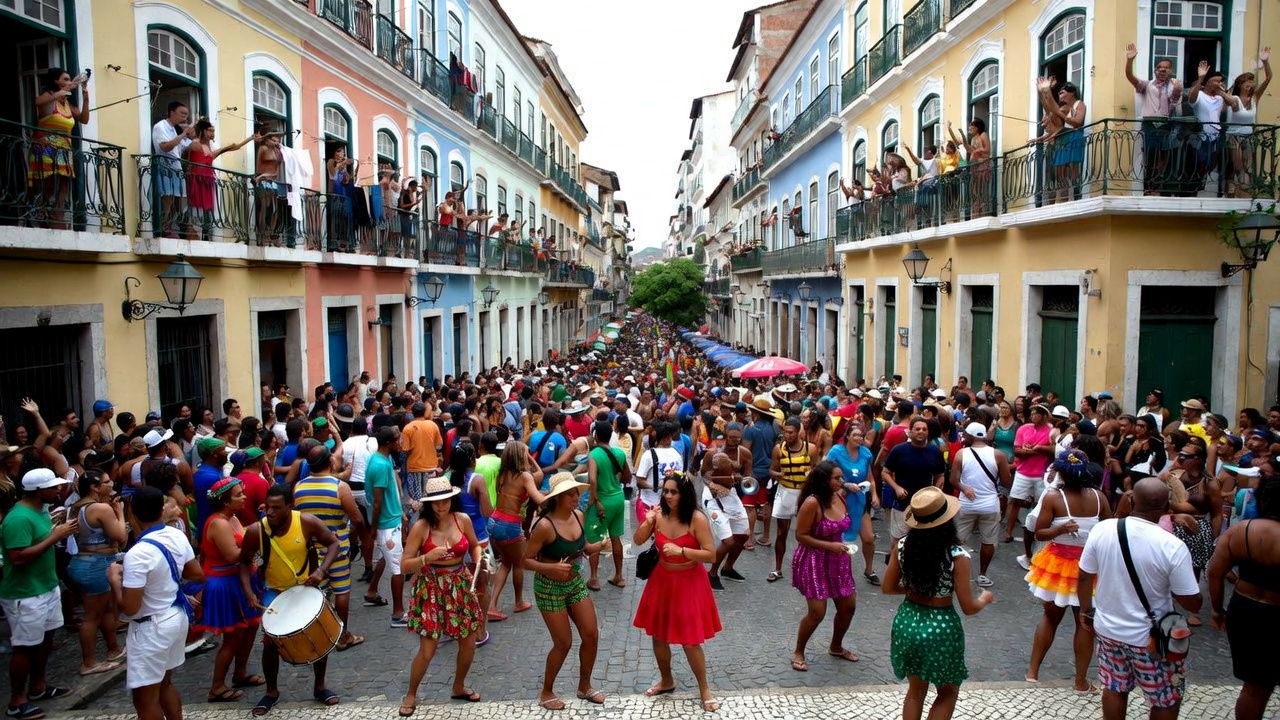
The blocos de rua—street carnival parties—define Rio’s Carnival for most participants. These range from intimate neighborhood gatherings of a few hundred people to massive processions like Cordão da Bola Preta, which regularly draws over one million participants.
How to Find Bloco Locations and Plan Transportation Routes
The official bloco schedule is published annually by Riotur (Rio’s tourism authority) at visit.rio. This resource lists:
- Bloco names and themes
- Starting locations (concentração)
- Route paths
- Starting and estimated ending times
Planning strategy:
- Identify your target bloco based on music preference, size, and neighborhood
- Map the concentração point using Google Maps
- Research the nearest Metro station (usually within walking distance)
- Check street closure schedules via CET-Rio’s website
- Plan your departure route from the bloco‘s ending point
Best Blocos Accessible by Metro in Rio de Janeiro
Several legendary blocos conveniently concentrate near Metro stations:
| Bloco | Style | Nearest Metro Station | Walking Distance |
|---|---|---|---|
| Cordão da Bola Preta | Traditional marchinhas | Uruguaiana (Line 1) | 5 minutes |
| Sargento Pimenta | Beatles covers | Botafogo (Line 1) | 10 minutes |
| Bloco da Preta | Preta Gil fan club | Largo do Machado (Line 1) | 8 minutes |
| Monobloco | Modern samba | Cinelândia (Line 1) | 7 minutes |
| Céu na Terra | Santa Teresa atmosphere | Glória (Line 1) + taxi/walk | 20 minutes |
Blocos in Ipanema and Leblon (like Banda de Ipanema and Simpatia É Quase Amor) are served by General Osório station, though walking distances to specific concentração points vary.
Transportation Tips for Santa Teresa Blocos and Hill Neighborhood Events
Santa Teresa presents unique challenges. This bohemian hillside neighborhood above Centro features narrow, winding streets inaccessible to large vehicles—and no Metro station.
Options for reaching Santa Teresa:
The Bondinho (historic tram): When operational, this iconic yellow tram climbs from Centro to Santa Teresa. During Carnival, service may be suspended or extremely crowded. Check current status via SuperVia’s website.
Taxi/Uber to the base: Have drivers drop you at Largo dos Guimarães, the neighborhood’s central square. From there, walk to bloco locations.
Walking from Glória or Catete: Steep but feasible. Follow Rua do Catete and climb via Ladeira de Santa Teresa or adjacent streets. Allow thirty to forty minutes.
Motorcycle taxi (mototáxi): Unofficial but common. Drivers wait at the base of Santa Teresa’s hills. Negotiate prices beforehand. Helmets should be provided.
Returning from Santa Teresa at night: This is genuinely difficult during Carnival. Taxis rarely venture into the narrow streets. Uber drivers struggle with access points. Your best option: walk downhill to Centro or Lapa (twenty to thirty minutes) and catch transportation from there.
Is Biking a Good Option During Rio Carnival? Bike Rental and Bike-Share Guide
Rio has invested significantly in cycling infrastructure, including the Bike Rio bike-sharing system operated by Tembici. During Carnival, cycling offers surprising advantages.
Bike Rio and Tembici System: How to Use Bike-Sharing During Carnival
Bike Rio stations dot the Zona Sul, with particularly dense coverage in Copacabana, Ipanema, and Leblon. The system works via smartphone app:
- Download the Tembici app
- Register with credit card information
- Purchase a day pass (approximately R$10) or monthly subscription
- Locate available bikes via the app’s map
- Unlock bikes using a QR code
- Return to any station with available docks
Carnival advantages of cycling:
- Bypass traffic entirely on designated bike lanes (ciclovias)
- No surge pricing—your R$10 day pass covers unlimited thirty-minute trips
- Beach promenade access—the ciclovia along Copacabana and Ipanema remains open during most blocos
- Quick bloco hopping—move between nearby street parties faster than any other method
Limitations:
- Station availability: Popular stations near blocos quickly empty of bikes and fill with docked returns
- Night cycling: Bike lanes are less populated and less patrolled after midnight
- Costume logistics: Your elaborate fantasy costume may not be cycling-compatible
- Alcohol and cycling: Brazil enforces drunk cycling laws; don’t ride impaired
Best Bike Routes Between Carnival Venues in Rio de Janeiro
The beachfront ciclovia stretches continuously from Leme (eastern Copacabana) through Copacabana, Ipanema, Leblon, and onward to Barra da Tijuca. This represents approximately 15 kilometers of protected bike lanes along some of Rio’s most scenic coastline.
Practical route examples:
Ipanema → Copacabana bloco: Fifteen minutes via beachfront ciclovia
Leblon → Arpoador sunset viewing: Twenty minutes along Ipanema beach lane
Copacabana → Botafogo: Twenty-five minutes via Praia de Botafogo lane (connects to Metro at Botafogo station)
Important: Cycling to Centro/Lapa/Sambódromo area involves riding through Aterro do Flamengo park—beautiful but exposed. I recommend this route only during daylight hours with company.
Walking During Rio Carnival: Where It Works and Where to Avoid
Never underestimate walking as transportation during Carnival. When traffic paralyzes vehicles and Metro platforms overflow, your feet remain reliable.
Best Walking Routes Between Copacabana and Ipanema During Carnival
The walk between these iconic neighborhoods is approximately 2.5 kilometers via the beachfront. During Carnival:
Route: Follow the calçadão (mosaic sidewalk) along the beach, passing through Arpoador at the peninsula separating the two beaches.
Time: Thirty to forty minutes at a leisurely pace
Advantages: Flat terrain. Ocean breeze. People-watching opportunities. Zero cost. Zero wait times.
Considerations: Midday sun can be brutal—carry water and sunscreen. Crowded sections near blocos require patience.
Safety Tips for Walking in Rio at Night During Carnival Celebrations
Walking after dark requires heightened awareness:
Generally safe areas for nighttime walking:
- Beach promenades with consistent crowd presence
- Well-lit commercial streets (Rua Visconde de Pirajá in Ipanema, Avenida Nossa Senhora de Copacabana)
- Areas immediately surrounding active blocos
Areas to avoid walking alone at night:
- Quiet residential side streets away from celebrations
- Deserted stretches between neighborhoods
- Areas near favelas (informal communities) unless you’re familiar with them
- The darker portions of Flamengo Park
Universal walking precautions:
- Travel in groups when possible
- Keep phones and valuables concealed
- Stay aware of your surroundings
- Trust your instincts—if a street feels wrong, find another route
- Know the location of the nearest police station (delegacia)
Budget Transportation for Rio Carnival: How to Spend Less While Experiencing More
Carnival in Rio doesn’t require luxury spending. Strategic transportation choices can save substantial money without sacrificing experience.
Daily Transportation Budget: What to Expect During Carnival Week
Budget tier (R$30–R$50/day):
- Metro for major moves (R$14–R$20 for two-three trips)
- Walking between nearby locations
- Bike-share for beach corridor travel (R$10 day pass)
- One short taxi/Uber during off-peak hours (R$15–R$25)
Mid-range tier (R$100–R$150/day):
- Metro as primary transportation
- Multiple Uber/taxi trips avoiding surge hours
- Occasional convenience choices
Comfort tier (R$250+/day):
- Uber/taxi on demand regardless of surge
- Airport transfers via private car service
- Prioritizing convenience over cost
Money-Saving Transportation Hacks for Rio Carnival Veterans
Load Metro credit in advance. Avoid queue times at station machines during peak hours.
Walk farther to escape surge pricing. Ten minutes of walking can save R$50+ on ride-share fares.
Share rides. If you’re traveling with fellow Carnival-goers, Uber’s cost splits significantly.
Time your movements. Arriving early and staying late at blocos avoids the transportation crush of simultaneous mass departures.
Consider accommodations strategically. Staying in Centro reduces transportation needs for Sambódromo visits. Zona Sul locations maximize beach bloco access.
Use municipal buses. Buses continue operating during Carnival. Route 474 (connecting Copacabana to Centro) costs under R$5 and accepts cash or Giro cards.
Special Transportation Considerations for Different Types of Carnival Events
Not all Carnival events present equal transportation challenges. Here’s event-specific guidance:
Getting to VIP Camarotes and Sambódromo Private Boxes
Camarotes (VIP viewing areas) at the Sambódromo offer premium experiences—and sometimes premium transportation services.
Many camarote packages include:
- Shuttle bus service from designated Zona Sul pickup points
- Dedicated entrance lanes avoiding general admission crowds
- Post-event transportation back to hotels
If you’ve invested in camarote tickets (often R$1,000–R$5,000+), confirm whether transportation is included. The value proposition changes significantly when you eliminate the logistics of independent arrival and departure.
Transportation for Rio Carnival Balls and Gala Events
The legendary Copacabana Palace Ball (Baile do Copa) and similar gala events present different transportation dynamics:
- Taxis and Ubers work better for formal events with fixed start times
- Dress considerations make Metro less appealing (cramped cars, no seating, costume preservation challenges)
- Pre-arranged transportation (hotel car services, private drivers) justifies the cost for gala attendees
Book transportation in advance through your hotel or a reputable car service like Localiza or Unidas.
Getting Around Barra da Tijuca During Carnival Events
Barra da Tijuca, the sprawling western neighborhood developed for the 2016 Olympics, has grown as a Carnival destination. The Olympic Park hosts major events during Carnival week.
Barra transportation differs from Zona Sul:
- Metro Line 4 connects to Jardim Oceânico but doesn’t penetrate deep into Barra
- BRT TransOlímpica and TransOeste bus rapid transit lines serve the Olympic Park and Barra interior
- Distances are vast—Barra is car-oriented by design
- Uber/taxi prices are generally lower than Zona Sul due to less extreme surge pressure
If attending Barra events, consider staying in Barra rather than commuting from Zona Sul. The distance (20+ kilometers) makes repeated trips impractical during Carnival.
Renting a Car for Rio Carnival: Why Most Experts Advise Against It
I’ll be direct: renting a car for Rio Carnival is almost never advisable for tourists.
Reasons to Avoid Driving During Rio Carnival Week
Traffic: Gridlock reaches levels unimaginable outside Carnival. A fifteen-minute normal drive can take two hours.
Street closures: Hundreds of kilometers of roads become pedestrian zones with minimal notice.
Parking: Legal parking becomes impossible near major events. Illegal parking risks towing or break-ins.
Alcohol: Brazil’s drunk driving laws are strict. Zero tolerance means even one caipirinha impairs your ability to legally drive.
Stress: Navigating unfamiliar roads, Portuguese-only signage, and aggressive Carnival traffic creates unnecessary anxiety during what should be a celebration.
When Car Rental Might Make Sense During Carnival Season
Exceptions exist:
- Day trips outside Rio: Visiting Petrópolis, Búzios, or other nearby destinations between Carnival events
- Large group travel to Barra: If your group of six is staying in Barra and attending Barra events exclusively
- Post-Carnival departure: Renting for Ash Wednesday and beyond, after the chaos subsides
- Travelers with mobility needs: When Metro access presents physical challenges
If you must drive, rent the smallest vehicle available. Narrow streets and tight parking favor compact cars. And purchase comprehensive insurance—Rio Carnival traffic creates fender-bender conditions daily.
Travel Insurance and Transportation Safety During Rio Carnival
Beyond choosing transportation modes, smart Carnival visitors plan for contingencies.
What Does Travel Insurance Cover for Carnival Transportation?
Standard travel insurance policies typically cover:
- Medical emergencies resulting from transportation accidents
- Emergency evacuation if you’re injured far from medical facilities
- Trip interruption if transportation failures cause missed events
- Personal property theft that might occur during transit
Review policy details regarding:
- Carnival-specific exclusions (some policies exclude injury during “civil disturbances” or “mass gatherings”)
- Coverage limits for transportation-related losses
- Requirements for documentation (police reports, receipts)
Emergency Numbers and Apps Every Carnival Visitor Should Have
Program these contacts into your phone:
| Service | Number | Notes |
|---|---|---|
| Police (Polícia Militar) | 190 | Emergency response |
| Ambulance (SAMU) | 192 | Medical emergencies |
| Tourist Police | (21) 3399-7170 | English speakers available |
| Fire Department | 193 | Fires and rescue |
| MetrôRio Information | (21) 3211-6300 | Service updates |
Essential apps:
- Waze or Google Maps: Real-time traffic updates, even if you’re not driving
- Uber and 99: Ride-sharing options
- Tembici: Bike-share access
- MetrôRio App: Train schedules and service alerts
- WhatsApp: Nearly universal in Brazil; useful for contacting drivers, hotels, and local contacts
Day-by-Day Transportation Strategy for Rio Carnival Week
Planning transportation for each Carnival day maximizes your experience:
Friday Before Carnival: Arrival and Orientation Day Transportation
Focus: Get oriented, secure transportation essentials, attend early blocos
Transportation priorities:
- Arrive at hotel and note nearest Metro station
- Purchase and load a Giro card for Metro travel
- Download and configure ride-share apps with Brazilian phone number if possible
- Take a short “practice” Metro trip to understand the system
- Walk your immediate neighborhood to learn streets
Typical schedule:
- Morning/afternoon: Arrival, settlement
- Evening: Smaller blocos in Zona Sul; Metro easily handles crowds
Saturday of Carnival: First Major Day Transportation Planning
Focus: Major blocos begin; crowds intensify
Transportation strategy:
- Morning blocos: Metro to concentration points; walk to specific locations
- Afternoon: Return to hotel via Metro during brief lull (2:00–4:00 PM)
- Evening: If attending Sambódromo, depart by 6:00 PM via Metro despite 9:00 PM parade start
- Night: Return via Metro immediately post-parade or walk away from venue before summoning Uber
Sunday of Carnival: Peak Day Transportation Survival
Focus: Largest blocos, biggest Sambódromo competition (Grupo Especial)
Transportation wisdom:
- Expect everything to take longer. Add buffer time to all plans.
- Metro platforms will be crowded. Especially Praça Onze and Centro stations.
- Uber surge pricing peaks between 4:00 PM and 8:00 PM and again after 5:00 AM.
- Have a backup plan. If your primary transportation fails, know your walking route.
Monday of Carnival: Sustaining Momentum Amid Transportation Challenges
Focus: Continuation of major events; tourist fatigue sets in
Smart approaches:
- If exhausted, choose one or two events rather than attempting everything
- Afternoon blocos offer slightly easier transportation than morning giants
- Monday evening Sambódromo (second Grupo Especial night) draws slightly smaller crowds than Sunday
Tuesday (Mardi Gras) and Ash Wednesday: Final Days Transportation
Focus: Last major blocos; wind-down begins
Tuesday:
- Attend final must-see blocos
- If flying Wednesday, confirm airport transportation
- Expect continued challenges but slightly reduced compared to Sunday/Monday
Ash Wednesday:
- Carnival officially ends at midnight Tuesday
- Wednesday morning sees rapid normalization
- Metro returns to standard hours
- Uber pricing normalizes
- Traffic decreases significantly
Final Verdict: Metro vs. Uber vs. Taxi for Rio Carnival
After seven Carnivals and countless transportation experiments, here’s my honest assessment:
When Metro Wins: Sambódromo, Major Blocos, Predictable Timing
Use Metro when:
- Traveling to/from the Sambódromo
- Accessing major blocos with predictable locations
- Moving during peak crowd periods
- Budget is a priority
- You have time flexibility (crowds may cause delays)
Metro advantages: Cost consistency, avoidance of traffic, 24-hour Carnival service, no surge pricing, environmental friendliness
Metro disadvantages: Crowding, limited geographic coverage, no door-to-door service, challenging with costumes or mobility limitations
When Uber/99 Wins: Flexibility, Convenience, Off-Peak Travel
Use ride-share when:
- Traveling during morning hours or early afternoon
- Going to/from areas without Metro access (Santa Teresa, Barra interior)
- Traveling in groups that can split costs
- Willing to walk to reduce surge pricing
- Convenience outweighs cost concerns
Ride-share advantages: Door-to-door service, air conditioning, luggage capacity, payment simplicity
Ride-share disadvantages: Surge pricing during peaks, driver cancellations, traffic delays, unreliable availability
When Traditional Taxi Wins: Fixed Pricing, Local Knowledge
Use taxis when:
- Arriving at airports (fixed-price zones)
- Negotiated pricing during surge periods offers savings
- You need a driver with local navigation knowledge
- Ride-share apps are malfunctioning
Taxi advantages: Fixed airport pricing, no app dependency, cash payment option, local expertise
Taxi disadvantages: Metered rates accumulate in traffic, potential for tourist-targeting, variable quality
The Hybrid Approach: What Experienced Carnival-Goers Actually Do
My personal formula:
- Metro as default for any trip it can reasonably serve
- Bike-share for short Zona Sul movements during day hours
- Walking for distances under 2 kilometers
- Uber/99 during off-peak windows and for areas Metro doesn’t reach
- Taxi from airports and when negotiated prices beat ride-share surge
This hybrid approach has consistently delivered the best balance of cost, reliability, and stress reduction.
Conclusion: Your Carnival Transportation Success Starts With Planning
Rio Carnival will overwhelm your senses in the best possible ways. The colors, sounds, rhythms, and communal joy transcend any festival experience I’ve encountered globally. But that transcendence requires removing logistical barriers—and transportation is the largest logistical barrier Carnival presents.
Key takeaways:
- Prioritize Metro for Sambódromo and major events. Its 24-hour Carnival operation makes it invaluable.
- Download multiple apps (Uber, 99, Tembici, MetrôRio) before arriving. Don’t rely on single options.
- Time your movements to avoid surge pricing and maximum crowd density.
- Budget transportation costs realistically. Surge pricing happens. Plan for it.
- Know your walking routes. Sometimes your feet are the most reliable transportation available.
- Stay flexible. Carnival’s magic often happens in unplanned moments. Transportation delays can lead to unexpected discoveries.
The carioca spirit embraces life’s beautiful chaos. Carnival embodies this philosophy. Your transportation experiences will include moments of frustration—the Uber that cancels, the Metro platform too crowded to board. But they’ll also include moments of wonder: conversations with fellow passengers, dawn light streaming through train windows as you return from the Sambódromo, the realization that you’ve successfully navigated the world’s greatest party.
Bom Carnaval. See you on the Metro.
Last updated: January 2026. Transportation fares, schedules, and services may change. Confirm current information via official sources before traveling.
Quick Reference: Rio Carnival Transportation Cheat Sheet
| Need | Best Option | Backup Option | Avoid |
|---|---|---|---|
| Sambódromo | Metro (Praça Onze) | Walk + Uber from Centro | Driving |
| Copacabana ↔ Ipanema | Walking / Bike | Metro | Uber during blocos |
| Airport arrival | Official taxi | Uber (if no surge) | Bus during evening |
| Santa Teresa | Taxi to base + walk | Walking from Centro | Expecting Uber pickup |
| Post-parade return | Metro | Walk away, then Uber | Waiting at taxi stand |
| Major bloco departure | Walk 10+ minutes away, then Uber | Metro | Uber at epicenter |
| Barra da Tijuca | Metro Line 4 + BRT | Uber (less surge than ZS) | Driving in unfamiliar area |