The fragrance of hyacinth flowers fills the air. Families gather around beautifully arranged tables. The countdown to a new beginning starts. Nowruz 2026 marks the arrival of spring and the Persian New Year on March 20, 2026, at 10:46 a.m. Eastern Time. This ancient celebration brings together over 300 million people worldwide in a shared expression of hope, renewal, and cultural pride.
Whether you want to send heartfelt greetings to Persian friends, learn meaningful quotes for the occasion, or understand this 3,000-year-old tradition, this guide covers everything you need to celebrate Nowruz 2026 with authenticity and joy.
What Is Nowruz and Why Do People Celebrate Persian New Year 2026?
Nowruz (نوروز) translates to “New Day” in Persian. The word combines “now” (نو) meaning “new” and “ruz” (روز) meaning “day.” This festival celebrates the first day of spring according to the Solar Hijri calendar. The year 2026 in the Gregorian calendar corresponds to the Iranian year 1405.
The celebration begins at the exact moment of the vernal equinox. This is when day and night reach equal length. The sun crosses the celestial equator. Nature awakens from winter’s slumber. Nowruz marks this astronomical event with precision that has guided Persian timekeeping for millennia.
The Deep Roots of This Ancient Festival
The roots of Nowruz stretch back over 3,000 years to ancient Persia. The festival emerged from Zoroastrianism, one of the world’s oldest monotheistic religions. Zoroastrians viewed spring as the triumph of light over darkness. The awakening earth symbolized good prevailing over evil.
According to the United Nations, Nowruz was officially recognized as the International Day of Nowruz through Resolution 64/253, adopted on February 23, 2010. The UN description states that this Iranian-rooted festival has been celebrated for over 3,000 years.
The 11th-century Persian polymath Omar Khayyam reformed the Iranian calendar. He fixed Nowruz at the vernal equinox with remarkable astronomical accuracy. The Persian astronomer Tusi later defined Nowruz as “the first day of the official New Year was always the day on which the sun entered Aries before noon.”
Countries and Cultures That Celebrate Nowruz Around the World
Nowruz transcends borders and religions. The festival unites diverse communities across multiple continents.
| Region | Countries Celebrating Nowruz |
|---|---|
| Middle East | Iran, Iraq, Syria, Turkey |
| Central Asia | Afghanistan, Tajikistan, Uzbekistan, Turkmenistan, Kazakhstan, Kyrgyzstan |
| Caucasus | Azerbaijan, Georgia, Armenia |
| South Asia | India (Parsi community), Pakistan |
| Balkans | Albania, Kosovo, North Macedonia |
| Diaspora Communities | United States, Canada, United Kingdom, Germany, Sweden, Australia |
The Kurdish communities in Iraq, Syria, and Turkey celebrate Newroz with particular enthusiasm. The Parsi communities of India and Pakistan observe the festival twice yearly. The Iranian diaspora in Los Angeles, Toronto, and London hosts massive public celebrations that draw thousands of participants.
When Is Nowruz 2026 and What Time Does Persian New Year Start?
The Persian New Year 2026 arrives at a specific astronomical moment. This differs from the arbitrary midnight transition of the Gregorian New Year.
Exact Date and Time of Nowruz 2026 in Different Time Zones
| City | Local Time of Nowruz 2026 |
|---|---|
| Tehran, Iran | 6:16 PM IRST (March 20) |
| New York, USA | 10:46 AM EST (March 20) |
| Los Angeles, USA | 7:46 AM PST (March 20) |
| London, UK | 3:46 PM GMT (March 20) |
| Dubai, UAE | 6:46 PM GST (March 20) |
| Sydney, Australia | 1:46 AM AEDT (March 21) |
| Toronto, Canada | 10:46 AM EST (March 20) |
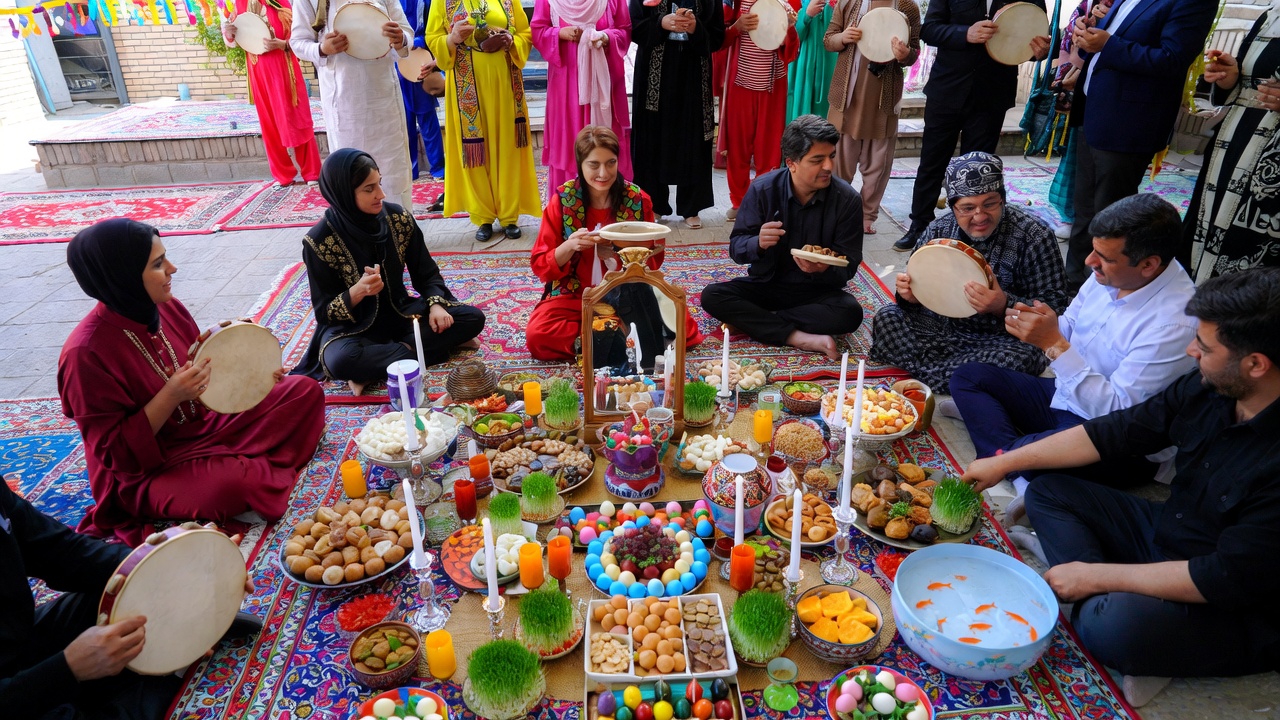
Families traditionally gather around their Haft-Seen tables in the hours before this moment. They hold hands. They recite prayers or poems. Then, as the equinox arrives, they embrace and exchange the greeting: “Nowruz Mobarak!”
How the Solar Hijri Calendar Determines Nowruz
The Solar Hijri calendar differs from both the Gregorian solar calendar and the Islamic lunar calendar. Each year begins precisely at the spring equinox. This means Nowruz can fall on March 19, 20, or 21, depending on the astronomical calculations.
The calendar follows a 2,820-year cycle. This cycle contains 2,137 normal years of 365 days and 683 leap years of 366 days. The average year length across this grand cycle is 365.24219852 days. This calculation rivals modern astronomical precision.
The first day of Nowruz is also the first day of Farvardin, the first month of the Iranian calendar. In Iran and Afghanistan, this calendar governs official and civil matters alongside the Gregorian calendar.
How to Say Happy Nowruz: Persian New Year Greetings in Farsi
Sending proper greetings shows respect for the culture. The Persian language offers several beautiful expressions for this occasion.
Most Common Ways to Say Happy Nowruz in Persian
1. Nowruz Mobarak (نوروز مبارک)
This is the most direct translation of “Happy Nowruz.” The word “Mobarak” means “blessed” or “congratulations.” Pronunciation: noh-ROOZ moh-bah-RAHK.
2. Sal-e No Mobarak (سال نو مبارک)
This phrase means “Happy New Year.” It consists of “Sal” (year), “No” (new), and “Mobarak” (blessed/happy). Pronunciation: sahl-eh-NOH moh-bah-RAHK.
3. Eid-e Shoma Mobarak (عید شما مبارک)
This formal greeting translates to “May your festival be blessed.” It carries extra respect and is appropriate for elders or formal settings.
4. Nowruz Pirooz (نوروز پیروز)
This expression wishes a “victorious Nowruz.” The word “Pirooz” means triumphant or successful. Some prefer this greeting as it uses purely Persian vocabulary.
5. Sad Saal Be In Saal-ha (صد سال به این سالها)
This traditional wish means “May you see 100 more such years.” It expresses hopes for longevity and continued happiness.
Pronunciation Guide for Persian New Year Greetings
| Greeting | Persian Script | Pronunciation | Meaning |
|---|---|---|---|
| Nowruz Mobarak | نوروز مبارک | noh-ROOZ moh-bah-RAHK | Happy Nowruz |
| Sal-e No Mobarak | سال نو مبارک | sahl-eh NOH moh-bah-RAHK | Happy New Year |
| Eid Mobarak | عید مبارک | eyd moh-bah-RAHK | Happy Festival |
| Nowruz Pirooz | نوروز پیروز | noh-ROOZ pee-ROOZ | Victorious Nowruz |
| Sal-e No Pishapish Mobarak | سال نو پیشاپیش مبارک | sahl-eh NOH pee-shah-PEESH moh-bah-RAHK | Happy New Year in Advance |
When speaking these phrases, place emphasis on the syllables marked in capital letters. The rolled “r” sound in Persian adds authenticity. Practice by listening to native speakers on language learning platforms or YouTube tutorials.
Best Nowruz 2026 Wishes and Messages for Friends and Family
Sending thoughtful wishes strengthens bonds during this special season. Here are meaningful messages you can share.
Heartfelt Nowruz Wishes for Family Members
For parents and grandparents, express gratitude and respect:
“As the new year blooms, I am grateful for your love that has guided me through every season. May Nowruz 2026 bring you health, joy, and the warmth of family gathered around you. Nowruz Mobarak to the pillars of our family!”
For siblings and cousins:
“From childhood Haft-Seen memories to grown-up celebrations, sharing Nowruz with you remains my favorite tradition. Here’s to another year of laughter, support, and sibling bonds. Sal-e No Mobarak!”
For children in the family:
“May this Nowruz fill your heart with wonder and your year with adventures. May you grow like the Sabzeh—strong, green, and reaching toward the light. Happy Persian New Year, little one!”
Professional Nowruz Greetings for Colleagues and Business Associates
In workplace settings, maintain warmth while keeping appropriate formality:
“Wishing you and your family a prosperous Nowruz 2026. May the new year bring success to your endeavors and fulfillment to your goals. Eid-e Shoma Mobarak!”
For business partners:
“As we celebrate the arrival of spring and the Persian New Year, I want to express appreciation for our partnership. May Nowruz 2026 bring growth and continued collaboration. Nowruz Pirooz!”
Short Nowruz Messages Perfect for Social Media and Text Messages
Sometimes brief messages carry the most impact:
- “Spring has arrived! Nowruz Mobarak to all celebrating! 🌷”
- “New season, new beginnings. Happy Nowruz 2026! Sal-e No Mobarak!”
- “Wishing you a year as bright as the Haft-Seen candles. Nowruz Pirooz!”
- “May your Nowruz be filled with sweetness and your year with blessings. 🌸”
- “Celebrating renewal, hope, and 3,000 years of beautiful tradition. Happy Persian New Year!”
Nowruz 2026 Wishes in English for Non-Persian Speakers
If you want to wish someone a happy Nowruz but don’t speak Persian, these English messages work wonderfully:
“Wishing you a joyous Nowruz filled with love, prosperity, and happiness.”
“May the spirit of Nowruz bring renewal, hope, and endless blessings to you and your loved ones.”
“Happy Nowruz! May this new year bring peace to your heart and abundance to your home.”
“As spring arrives, may it bring you fresh starts and beautiful beginnings. Happy Persian New Year 2026!”
Inspirational Nowruz Quotes from Persian Poetry and Literature
Persian literature holds treasures of wisdom. Poets like Rumi, Hafez, and Saadi wrote verses that capture the spirit of renewal and spring.
Rumi Quotes Perfect for Nowruz Celebrations
Jalal ad-Din Muhammad Rumi (1207-1273), the beloved Sufi poet, wrote extensively about transformation and new beginnings:
“We began as mineral. We emerged into plant life, and into the animal state, and then into being human, and always we have forgotten our former states, except in early spring when we slightly recall being green again.”
This quote speaks to Nowruz’s theme of reconnecting with nature’s cycles. Spring reminds us of constant renewal.
“In winter the bare boughs that seem to sleep work covertly, preparing for their spring.”
Rumi’s words remind us that growth happens even in quiet seasons. The new year builds upon invisible preparations.
“Let yourself be silently drawn by the stronger pull of what you really love.”
This guidance serves perfectly as a New Year intention. Nowruz invites reflection on our deepest purposes.
Hafez Poems Celebrating Spring and New Beginnings
Hafez of Shiraz (1315-1390) composed verses that Persians recite during Nowruz gatherings:
“Spring and all its flowers now joyously break their vow of silence. It is time for celebration, not for lying low. You too—weed out those roots of sadness from your heart.”
This poem captures Nowruz’s essence: the end of winter’s silence and the permission to rejoice.
Hafez also wrote:
“Arrived the glad news that come hath spring; and up-sprung the verdure.”
Iranians traditionally perform Fal-e Hafez during Nowruz. They open the collected works of Hafez randomly and interpret the poem as guidance for the coming year.
Saadi Wisdom for the Persian New Year
Saadi Shirazi (1210-1291) contributed practical wisdom alongside poetic beauty:
“Human beings are members of a whole, in creation of one essence and soul. If one member is afflicted with pain, other members uneasy will remain.”
This verse appears inscribed at the United Nations headquarters in New York. It reflects Nowruz values of human connection and shared humanity.
Modern Quotes and Sayings About New Beginnings
Beyond classical poetry, these universal thoughts resonate with Nowruz themes:
“We will open the book. Its pages are blank. We are going to put words on them ourselves. The book is called Opportunity and its first chapter is New Year’s Day.” — Edith Lovejoy Pierce
“Drop the last year into the silent limbo of the past. Let it go, for it was imperfect, and thank God that it can go.” — Brooks Atkinson
“Hope smiles from the threshold of the year to come, whispering ‘it will be happier.'” — Alfred Tennyson
These sentiments align beautifully with the Persian New Year spirit of releasing the old and embracing possibility.
Haft-Seen Table: The Seven Symbolic Items of Nowruz Tradition
The Haft-Seen (هفت سین) forms the centerpiece of Nowruz celebrations. “Haft” means seven. “Seen” refers to the Persian letter “س” (S). The table displays seven symbolic items beginning with this letter.
Complete Guide to Each Item on the Haft-Seen Table
| Item | Persian Name | Symbol | Meaning |
|---|---|---|---|
| Sprouts | Sabzeh (سبزه) | 🌱 | Rebirth, renewal, nature |
| Sweet Pudding | Samanu (سمنو) | 🍯 | Affluence, fertility, sweetness of life |
| Dried Fruit | Senjed (سنجد) | 🍂 | Love, affection |
| Garlic | Seer (سیر) | 🧄 | Health, medicine, protection |
| Apple | Sib (سیب) | 🍎 | Beauty, health |
| Sumac | Somaq (سماق) | 🔴 | Sunrise, color of dawn, patience |
| Vinegar | Serkeh (سرکه) | 🫙 | Age, wisdom, patience |
How to Prepare and Grow Sabzeh for Nowruz 2026
The Sabzeh requires advance preparation. Families typically start growing their sprouts two to three weeks before Nowruz.
Step 1: Choose Your Seeds Select wheat, barley, lentils, or mung beans. Wheat is traditional, but lentils produce beautiful thin green shoots.
Step 2: Prepare the Container Use a shallow dish, decorative plate, or even a traditional copper bowl. The container becomes part of your display.
Step 3: Soak the Seeds Cover seeds with water and soak overnight. This activates germination.
Step 4: Spread and Cover Drain excess water. Spread seeds evenly across your container. Cover lightly with a damp cloth.
Step 5: Maintain Moisture Keep the cloth damp but not soaking. Place in a warm location with indirect light.
Step 6: Watch and Wait Within 3-5 days, green shoots emerge. Move to brighter light. Continue watering gently.
By Nowruz, your Sabzeh should stand lush and green—a living symbol of renewal gracing your celebration table.
Additional Items Commonly Added to the Haft-Seen Display
Beyond the essential seven items, families personalize their tables:
- Mirror (Ayneh): Reflects the past year and invites self-reflection
- Candles (Sham): Represent enlightenment and the triumph of light
- Goldfish (Mahi): Symbolizes life and vitality (many now use decorative alternatives)
- Painted Eggs (Tokhm-e Morgh): Represent fertility and new life
- Coins (Sekkeh): Invite prosperity and wealth
- Book of Poetry or Holy Scripture: Provides spiritual guidance
- Hyacinth Flowers (Sonbol): Bring the fragrance of spring
The arrangement reflects each family’s aesthetic preferences and traditions passed through generations.
Chaharshanbe Suri: The Fire Festival Before Nowruz 2026
Chaharshanbe Suri (چهارشنبهسوری) occurs on the eve of the last Wednesday before Nowruz. This fire festival dates back approximately 1,700 BCE to ancient Zoroastrian traditions.
When Is Chaharshanbe Suri 2026?
In 2026, Chaharshanbe Suri falls on Tuesday evening, March 17. Though “Chaharshanbe” means Wednesday, the celebration happens on Tuesday night as people anticipate the last Wednesday of the old year.
The Meaning Behind Jumping Over Fire
At sunset, people light bonfires in streets, courtyards, and backyards. The iconic ritual involves jumping over the flames while chanting:
“Sorkhi-ye to az man, zardi-ye man az to” سرخی تو از من، زردی من از تو
This translates to: “Your fiery red color is mine, my sickly yellow pallor is yours.”
The chant asks the fire to take away illness, weakness, and troubles. In exchange, jumpers receive the fire’s warmth, energy, and vitality. This purification ritual prepares participants for the new year with cleansed spirits.
Other Chaharshanbe Suri Traditions You Should Know
Qashoq-Zani (Spoon Banging) Similar to trick-or-treating, young people wear disguises and go door-to-door. They bang spoons against bowls and receive treats from neighbors.
Kuze Shekani (Pot Smashing) Families fill old clay pots with salt, charcoal, and coins. They throw these from rooftops, symbolically smashing away the old year’s misfortunes.
Ajeel-e Chaharshanbe Suri A special mix of nuts and dried fruits is prepared. This includes pistachios, almonds, hazelnuts, dried apricots, raisins, and chickpeas. Eating this mix is believed to grant wishes.
Traditional Foods Many families prepare Ash Reshteh, a hearty noodle soup with herbs and legumes. The long noodles symbolize hopes for a long life.
Sizdah Bedar: How Iranians Spend the 13th Day of Nowruz Outdoors
The Nowruz celebrations culminate on Sizdah Bedar (سیزدهبدر), the thirteenth day. This translates to “thirteen outdoors” or “getting rid of thirteen.”
The Nature Day Tradition Explained
Sizdah Bedar 2026 falls on Wednesday, April 1 (which coincidentally aligns with April Fools’ Day—and Iranians do play pranks this day too!).
The entire nation heads outdoors. Parks overflow with families. Hillsides become colorful with picnic blankets. Rivers and streams see steady processions of people performing rituals.
What Iranians Do on Sizdah Bedar
Picnicking in Nature Families pack elaborate spreads including grilled kebabs, rice dishes, fresh herbs, and special drinks like Sekanjabin (a mint and vinegar refreshment).
Music and Dancing Groups play traditional instruments. Dancing breaks out spontaneously. Children run and play games.
Throwing Away the Sabzeh The sprouts from the Haft-Seen table are carried outdoors and tossed into flowing water. This act releases all the negative energy the Sabzeh supposedly absorbed during its time in the home.
Knotting the Grass Unmarried young people, especially women, tie knots in grass while making wishes for finding a spouse. As they tie each knot, they whisper their hopes into the greenery.
The Symbolism of Releasing Bad Luck
The number thirteen carries unlucky associations in Persian culture. Rather than hide indoors, Iranians confront this superstition by going outside. They believe spending the day in nature neutralizes any potential misfortune.
The return home at sunset marks the official end of Nowruz festivities. Regular life resumes. But the renewal spirit gained during the thirteen-day celebration carries forward into the year.
Traditional Nowruz Foods and Recipes for Persian New Year 2026
Food plays a central role in Nowruz celebrations. Each dish carries symbolic meaning and connects families to ancestral traditions.
Sabzi Polo ba Mahi: The Essential Nowruz Meal
Sabzi Polo ba Mahi (herbed rice with fish) serves as the signature Nowruz dinner. The dish combines:
- Herbed Rice (Sabzi Polo): Basmati rice cooked with fresh herbs including dill, parsley, cilantro, chives, and fenugreek
- Fish (Mahi): Traditionally white fish, pan-fried or baked
The green herbs represent spring and renewal. The fish symbolizes life and prosperity for the coming year.
Other Popular Foods Served During Nowruz
| Dish | Description | Symbolism |
|---|---|---|
| Kuku Sabzi | Herb frittata with eggs and fresh herbs | Spring greenery, fertility |
| Ash Reshteh | Noodle soup with legumes and herbs | Long life, untangling problems |
| Reshteh Polo | Rice with noodles | Long life, good fortune |
| Dolmeh | Stuffed grape leaves | Abundance |
| Baklava | Layered pastry with nuts and honey | Sweetness in the new year |
| Nan-e Nokhodchi | Chickpea flour cookies | Celebration, sharing joy |
| Sholeh Zard | Saffron rice pudding | Blessing, making wishes |
Sweet Treats and Pastries for the Nowruz Table
Persian sweets elevate any Haft-Seen display:
Shirini: General term for sweets, often including:
- Nan-e Berenji: Rice flour cookies with poppy seeds
- Gaz: Isfahan-style nougat with pistachios
- Sohan: Saffron and pistachio brittle from Qom
- Baghlava: Persian-style baklava with rose water
- Pashmak: Cotton candy-like Persian fairy floss
The sweetness promises a pleasant year ahead. Sharing these treats with visitors embodies hospitality central to Persian culture.
How Different Countries Celebrate Nowruz Around the World
While Nowruz originated in ancient Persia, each culture has developed unique celebrations.
Nowruz Traditions in Afghanistan
Afghans call the celebration Nawroz. The northern city of Mazar-i-Sharif hosts the most famous celebration at the Blue Mosque. Here, a special ceremony raises the flag of Nowruz. Crowds gather by the thousands to celebrate.
A distinctive tradition involves making Haft Mewa, a compote of seven dried fruits and nuts soaked in water. This replaces the Haft-Seen in some regions.
Buzkashi matches (traditional horseback games) often occur during the holiday period.
Kurdish Newroz Celebrations
For Kurds in Iraq, Syria, Turkey, and Iran, Newroz carries additional significance. Beyond celebrating spring, it represents cultural identity and resistance.
Large bonfires illuminate mountainsides. People wear traditional Kurdish clothing in bright colors, especially red, green, and yellow. Dancing the Halparke in circles around fires continues through the night.
The celebration holds such importance that March 21 is a public holiday in Iraqi Kurdistan.
How Azerbaijan Observes Novruz
Azerbaijanis prepare for Novruz over four weeks. Each Tuesday before the holiday honors one of four elements:
- Su Chershenbesi (Water Tuesday)
- Od Chershenbesi (Fire Tuesday)
- Yel Chershenbesi (Wind Tuesday)
- Torpaq Chershenbesi (Earth Tuesday)
The Khoncha (festive tray) replaces the Haft-Seen. Traditional foods include Shekerbura (sweet pastries) and Pakhlava.
Central Asian Nowruz Customs
In Tajikistan, Uzbekistan, Kazakhstan, and Kyrgyzstan, Nowruz celebrations blend Persian traditions with local customs.
Sumalak (or Samanu) preparation becomes a communal event. Women gather overnight to stir the wheat pudding, singing traditional songs.
Navruz Kozhe in Kazakhstan is a special drink made from seven ingredients representing prosperity.
Wrestling matches, horse racing, and traditional games mark the holiday period in these nations.
Nowruz 2026 Gift Ideas and Traditions of Giving
Gift-giving during Nowruz follows customs both ancient and modern.
Traditional Nowruz Gifts That Carry Special Meaning
Eidi: Cash gifts given to children and young family members, traditionally in new, crisp banknotes
Gold Coins (Sekkeh): Symbolizing wishes for prosperity
Sweets and Nuts: Beautifully packaged confections for hosts and family
Flowers: Especially hyacinths, tulips, and other spring blooms
New Clothing: Wearing new clothes for Nowruz brings good fortune
Books of Poetry: Collections of Hafez or Rumi honor cultural heritage
Modern Gift Ideas for Nowruz 2026
Contemporary celebrations incorporate modern preferences:
- Gift cards for younger recipients
- Housewares for newly married couples setting up homes
- Gourmet Persian tea and saffron
- Handcrafted items from Persian artisans
- Charitable donations made in someone’s honor
- Experience gifts like concert tickets or restaurant reservations
The Tradition of Visiting During Nowruz
Did-o-Bazdid refers to the custom of visiting relatives during the thirteen days of Nowruz. Younger family members visit elders first. Visitors receive small gifts and refreshments.
Each home displays their Haft-Seen, leading to friendly comparisons and admiration. The visits strengthen family bonds and maintain community connections.
Celebrating Nowruz 2026 If You Are Not Persian
The universal themes of Nowruz—renewal, hope, spring, family—welcome all who wish to participate.
Ways to Honor and Participate Respectfully
Learn the Greetings Saying “Nowruz Mobarak” to Persian friends and colleagues shows cultural appreciation.
Attend Public Celebrations Many cities host Nowruz festivals open to everyone. Los Angeles, New York, Toronto, and London feature large public events.
Try the Food Persian restaurants often offer special Nowruz menus. Trying Sabzi Polo ba Mahi connects you to the culinary tradition.
Set Up Your Own Haft-Seen Creating a spring table with symbolic items honors the tradition in your own home.
Send Greetings A thoughtful Nowruz card or message to Persian friends demonstrates awareness and respect.
Nowruz Events and Festivals in Major Cities
| City | Notable Nowruz Events |
|---|---|
| Los Angeles | Persian Parade on Westwood Boulevard; beach celebrations for Chaharshanbe Suri |
| New York | Celebrations at the Metropolitan Museum of Art; Central Park gatherings |
| Washington D.C. | Smithsonian events; Iranian-American community festivals |
| Toronto | Tirgan Festival; North York civic celebrations |
| London | Trafalgar Square festivities; South Kensington gatherings |
| Stockholm | Eldfesten (Fire Festival), one of the world’s largest Chaharshanbe Suri events |
The Spiritual and Philosophical Meaning of Nowruz
Beyond festive celebration, Nowruz invites deep reflection on life’s cycles.
Nowruz as a Time for Personal Renewal
The weeks before Nowruz traditionally involve Khaneh Tekani (literally “shaking the house”)—a thorough spring cleaning. This practice extends beyond physical spaces to emotional and spiritual realms.
Families settle debts. People seek forgiveness from those they may have wronged. Relationships receive attention and repair. The new year begins with cleared accounts and open hearts.
Connection Between Nature and Human Life in Nowruz Philosophy
Nowruz philosophy teaches that humans are not separate from nature. Our rhythms mirror seasonal cycles. Winter invites introspection. Spring calls for emergence and action.
The Sabzeh represents this connection directly. Families nurture growth from seed to sprout. When they release the greenery into flowing water on Sizdah Bedar, they acknowledge the cycle continuing beyond their individual participation.
Zoroastrian Principles Reflected in Nowruz Traditions
Zoroastrian ethics center on Humata, Hukhta, Hvarshta: Good Thoughts, Good Words, Good Deeds. Nowruz celebrations embody these principles:
- Good Thoughts: Releasing negativity, setting positive intentions
- Good Words: Blessing others with greetings and poetry
- Good Deeds: Generosity, hospitality, visiting the elderly
The number seven in the Haft-Seen corresponds to the seven Amesha Spentas (Holy Immortals) of Zoroastrian tradition, representing divine attributes humans should cultivate.
How to Create the Perfect Nowruz 2026 Instagram and Social Media Posts
In the digital age, sharing Nowruz extends to online communities.
Best Hashtags for Nowruz 2026
- #Nowruz2026
- #NowruzMobarak
- #PersianNewYear
- #SaleNoMobarak
- #Nowruz1405
- #HaftSeen
- #SpringEquinox
- #PersianCulture
- #IranianNewYear
- #ChaharshanbeeSuri
Caption Ideas for Nowruz Social Media Posts
For Haft-Seen photos:
“Every item tells a story of hope. Every symbol carries 3,000 years of tradition. Our Haft-Seen is ready for Nowruz 2026! 🌱✨ #NowruzMobarak”
For family gathering posts:
“The best part of Nowruz? Being together. Sal-e No Mobarak to my beautiful family! 💚”
For nature and spring photos:
“Spring doesn’t just arrive—she announces herself gloriously. Happy Nowruz to all celebrating new beginnings! 🌷”
For food posts:
“Sabzi Polo ba Mahi: Because no Persian New Year is complete without herbed rice and fish. Nowruz Pirooz! 🐟🌿”
Photography Tips for Capturing Your Nowruz Celebration
For Haft-Seen tables:
- Use natural light near a window
- Shoot from above for full table view
- Get close-ups of individual symbolic items
- Include family members in candid moments
For Chaharshanbe Suri:
- Capture the glow of fire against evening sky
- Use burst mode for jumping shots
- Mind safety while photographing
For Sizdah Bedar:
- Wide shots of crowded parks show community spirit
- Close-ups of food spreads highlight abundance
- Capture children playing for joy and energy
Frequently Asked Questions About Nowruz 2026
Is Nowruz a Religious Holiday?
Nowruz originated within Zoroastrian religious practice. However, today it functions primarily as a secular cultural celebration. Muslims, Christians, Jews, Bahá’ís, and people of no religious affiliation all celebrate Nowruz.
For Zoroastrians and Bahá’ís, it retains religious significance. For most participants, it celebrates cultural heritage, spring’s arrival, and family togetherness.
How Long Do Nowruz Celebrations Last?
The full Nowruz period extends thirteen days, from the spring equinox (usually March 20 or 21) through Sizdah Bedar (April 1 or 2). In Iran, the first four days are public holidays. Many businesses close or operate reduced hours throughout the period.
Can Non-Persians Celebrate Nowruz?
Absolutely. Nowruz’s universal themes of renewal, hope, and spring welcome all participants. Many cultural organizations actively invite diverse communities to learn about and join celebrations.
What Should I Bring When Visiting a Persian Home During Nowruz?
Traditional gifts include:
- Flowers (especially spring blooms)
- A box of sweets or pastries
- A gift appropriate for the family
The gesture matters more than expense. Arriving empty-handed is considered impolite, but any thoughtful gift receives appreciation.
How Do You Respond When Someone Says “Nowruz Mobarak”?
You can respond with the same phrase: “Nowruz Mobarak!” or “Nowruz-e Shoma ham Mobarak!” (Happy Nowruz to you too!). A simple “Thank you, and to you as well” works perfectly in English.
Conclusion: Embracing the Spirit of Nowruz 2026
As March 20, 2026 approaches, millions prepare to mark another turn of an ancient wheel. The Haft-Seen tables will stand ready. The Sabzeh will reach toward light. Families will gather, embracing across generations.
Nowruz reminds us that renewal is not merely possible—it is inevitable. Winter always yields to spring. Night always breaks into dawn. Difficulties pass. Hope persists.
Whether you celebrate with Persian heritage running through your veins or simply wish to honor a beautiful human tradition, Nowruz welcomes you. The fire of Chaharshanbe Suri burns for all seeking to shed old troubles. The sprouts of the Haft-Seen grow for everyone who tends them.
Nowruz Mobarak! Sal-e No Mobarak!
May 2026 bring you health, happiness, love, and all the sweetness that life offers. May your year bloom like spring itself—vibrant, full of color, and abundant with growth.
Have you celebrated Nowruz before? Planning to attend a celebration this year? Share your experiences and questions in the comments below!
Quick Reference: Nowruz 2026 Key Dates
| Event | Date in 2026 |
|---|---|
| Chaharshanbe Suri (Fire Festival) | Tuesday, March 17 (evening) |
| Nowruz (Persian New Year) | Friday, March 20, 10:46 AM EST |
| Iranian Calendar Year Begins | 1405 |
| Sizdah Bedar (Nature Day) | Wednesday, April 1 |
Author’s Note: This guide was written with deep respect for Persian culture and the millions who celebrate Nowruz worldwide. The traditions described represent common practices, though regional variations exist. Readers are encouraged to learn from friends, family members, or cultural organizations for specific local customs.
Keywords: Nowruz 2026, Happy Nowruz, Persian New Year 2026, Nowruz Mobarak, Nowruz greetings, Nowruz wishes, Haft-Seen table, Chaharshanbe Suri, Sizdah Bedar, Persian New Year traditions, how to say happy Nowruz, Nowruz quotes, spring equinox celebration, Iranian New Year, Sal-e No Mobarak
Bonus: A Collection of Extended Nowruz 2026 Greetings and Wishes
To help you celebrate Nowruz 2026 with the perfect words, here are additional messages categorized for different occasions and relationships.
Extended Nowruz Wishes for Loved Ones
“As the flowers bloom and the birds sing their sweetest songs, may your heart be filled with the same joy and beauty. This Nowruz, I wish for your path to be illuminated with success, your home to echo with laughter, and your soul to find peace in every moment. Nowruz Mobarak, dear one!”
“The Haft-Seen table stands ready, each symbol carrying hopes for the year ahead. But the greatest blessing on this table is our family bond—stronger than any tradition, more precious than any treasure. May we celebrate many more Nowruz celebrations together. Sal-e No Mobarak!”
“Like the Sabzeh reaching toward the light, may you grow in wisdom and strength this year. Like the Samanu, may your life be sweet and abundant. Like the Sib, may you radiate beauty and health. This Nowruz brings all blessings to you and those you love.”
Nowruz Messages for Friends Near and Far
“Distance cannot dim the warmth of friendship. Though we may be miles apart, my thoughts travel to you this Nowruz. May the new year bring us opportunities to reunite, laugh together, and create new memories. Until then, know that you are cherished. Nowruz Pirooz!”
“To my friend who has been a constant light through all seasons: Thank you for the laughter during easy times and the support during difficult ones. As spring arrives, I celebrate not only the new year but also the gift of your friendship. Nowruz Mobarak!”
Thoughtful Nowruz Greetings for Colleagues and Professional Networks
“As we mark Nowruz 2026, I want to acknowledge your dedication and professionalism throughout the past year. May this new year bring you well-deserved recognition, career advancement, and the satisfaction of meaningful work. Wishing you success and fulfillment. Eid-e Shoma Mobarak!”
“The principles of Nowruz—renewal, reflection, and forward momentum—apply beautifully to our professional lives. May this Persian New Year inspire fresh ideas, productive collaborations, and achievements that make you proud. Nowruz Mobarak to you and your family!”
Nowruz Wishes with Cultural References
“May your year be as colorful as the painted eggs on the Haft-Seen, as fragrant as the hyacinths, and as bright as the candles that illuminate our celebrations. May the goldfish swimming in its bowl remind you that life keeps moving forward, always toward better things. Happy Nowruz 2026!”
“In the spirit of Chaharshanbe Suri, I wish you the courage to jump over any obstacle, the wisdom to leave troubles behind, and the warmth to carry into a bright new year. May the fire’s energy fuel your ambitions. Nowruz Pirooz!”
“On this Sizdah Bedar, as we return the Sabzeh to nature, may we also release any burdens we’ve carried. May the flowing water take away our worries and leave only hope. Here’s to fresh starts and outdoor adventures. Happy Nature Day!”
Understanding the Historical Evolution of Nowruz Celebrations
The way families celebrate Nowruz today reflects centuries of evolution and adaptation.
From Royal Courts to Family Homes
In ancient times, Nowruz was celebrated with grand ceremonies at royal courts. The Achaemenid kings received tributes at Persepolis during elaborate Nowruz festivals. Archaeological evidence shows magnificent processions where delegations from across the empire brought gifts to honor the king and the new year.
Over centuries, these royal celebrations democratized. Common people adopted and adapted traditions. The Haft-Seen table as we know it today became widely practiced during the Qajar era (1789-1925), though symbolic tables existed earlier with different configurations.
How Nowruz Survived Through Political and Religious Changes
Remarkably, Nowruz survived the Arab conquest of Persia in the 7th century. While many cultural practices changed during Islamization, Nowruz persisted. Some Islamic scholars initially opposed the celebration. Yet the festival’s deep roots in Iranian identity proved impossible to uproot.
The celebration adapted. Some items on the Haft-Seen may have changed to comply with Islamic restrictions. Wine, potentially part of earlier tables, was replaced with vinegar. Yet the essential practice continued uninterrupted for over 1,400 years since Islam arrived in Persia.
Modern Challenges and Preservation Efforts
Today, Nowruz faces different challenges. Younger generations in diaspora communities may feel disconnected from traditions. Urbanization changes how families gather. Economic pressures affect elaborate celebrations.
Yet preservation efforts flourish. Cultural organizations teach traditions to new generations. Social media spreads awareness globally. The UNESCO recognition in 2009 and the UN’s International Day of Nowruz in 2010 affirmed the celebration’s global significance.
Families adapt creatively. Virtual Haft-Seen displays connect relatives across continents. Online cooking classes teach traditional recipes. Podcasts and videos document elders sharing stories and customs.
The Environmental Message of Nowruz for 2026 and Beyond
Nowruz carries profound environmental themes relevant to contemporary challenges.
Nature at the Heart of Celebration
Every major element of Nowruz connects to the natural world. The celebration begins at an astronomical event—the equinox. The Sabzeh requires nurturing a living plant. Sizdah Bedar takes families outdoors to appreciate green spaces. The goldfish and eggs represent living creatures.
This nature-centered celebration offers lessons for environmental consciousness. The tradition teaches that humans are part of natural cycles, not separate from them. Caring for the Sabzeh, even briefly, builds appreciation for growth and cultivation.
Sustainable Nowruz Celebration Ideas for 2026
Many families now consider environmental impact in their celebrations:
Eco-Friendly Haft-Seen Options
- Use organic, locally grown Sabzeh
- Replace live goldfish with ceramic or glass decorations
- Choose organic apples and garlic
- Reuse decorative items year after year
Sustainable Chaharshanbe Suri
- Use fallen wood for fires rather than cutting live branches
- Clean up thoroughly after celebrations
- Consider flame-free alternatives in fire-restricted areas
Green Sizdah Bedar Practices
- Pack reusable containers rather than disposable ones
- Carry trash out of natural areas
- Use the Sabzeh disposal to discuss environmental cycles with children
Final Thoughts: Carrying Nowruz Spirit Throughout the Year
The true gift of Nowruz extends beyond thirteen days of celebration. The festival plants seeds—literal and metaphorical—that can grow throughout the year.
The practice of spring cleaning reminds us that decluttering creates space for new possibilities. The Haft-Seen’s symbols offer ongoing guidance: seek health like the Seer, cultivate love like the Senjed, age with wisdom like the Serkeh.
As you prepare for Nowruz 2026, consider setting intentions that will carry you forward. What do you want to release, like the Sabzeh into flowing water? What do you want to nurture, like sprouting seeds in a sunny window? What relationships need the attention of Did-o-Bazdid visits?
Nowruz teaches that renewal is always possible. Every ending contains a beginning. Every winter yields to spring. This truth, celebrated for three millennia, remains as relevant today as when ancient Persians first gathered to welcome the new year.
Nowruz Mobarak! Sal-e No Mobarak! May 2026 bring you all the blessings the Haft-Seen symbolizes and more.
Did you find this guide helpful? Share it with friends who want to learn about Nowruz or celebrate with Persian communities. Leave a comment below with your favorite Nowruz traditions or questions about the celebration!