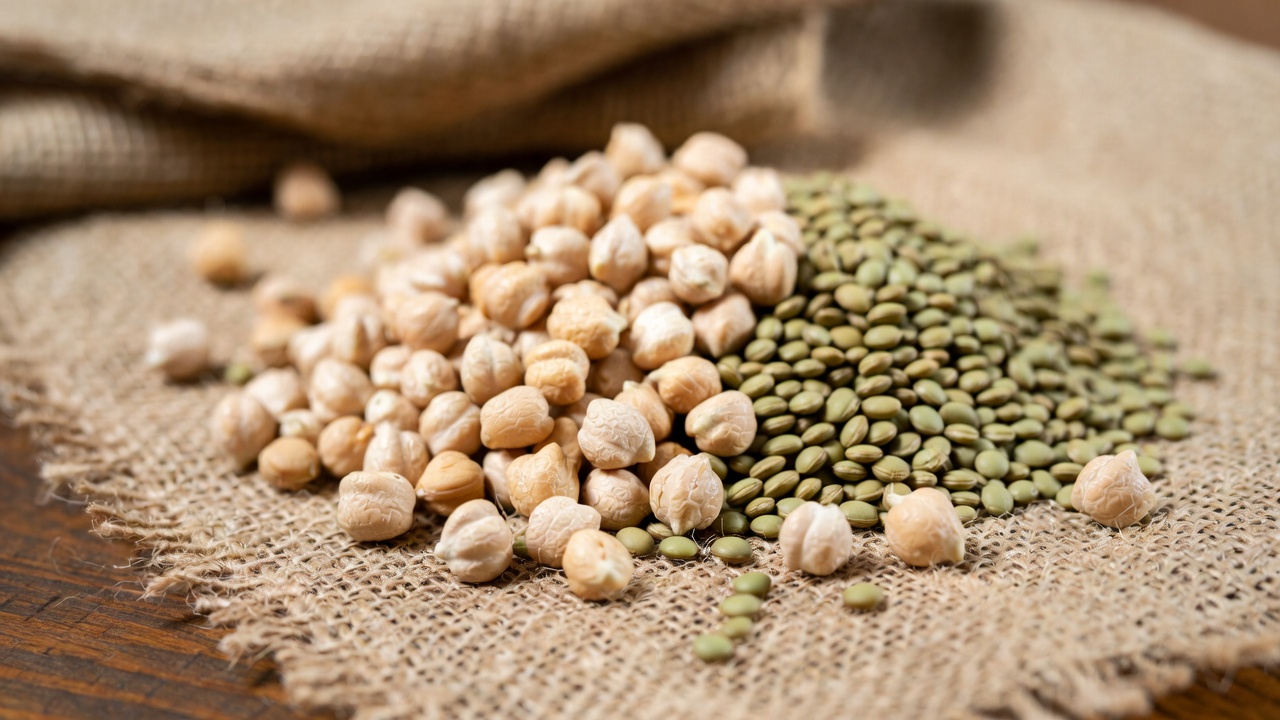
Every February 10th, the world comes together to celebrate a humble yet powerful group of foods. World Pulses Day honors the dried seeds that have nourished humanity for thousands of years. Among these nutritional champions, chickpeas and lentils stand out as true superfoods. They offer remarkable health benefits while supporting sustainable agriculture. This year’s theme, “Pulses of the world: from modesty to excellence,” perfectly captures the transformation of these ancient foods. Once considered simple peasant fare, pulses now receive recognition as essential components of healthy, modern diets.
This comprehensive guide explores everything you need to know about chickpeas and lentils. We cover their nutritional profiles, proven health benefits, cultural significance, and environmental impact. Whether you want to manage your weight, improve heart health, or reduce your carbon footprint, these plant-based protein sources deserve a place on your plate.
What Are Pulses and Why Do They Matter for Global Health?
Pulses belong to the legume family. They are the edible dried seeds harvested from pod-bearing plants. The term “pulse” comes from the Latin word puls, meaning thick soup or potage. This etymology reflects how humans have consumed these foods for millennia.
The Food and Agriculture Organization of the United Nations (FAO) recognizes several key types of pulses:
- Chickpeas (garbanzo beans)
- Lentils (red, green, brown, black varieties)
- Dry beans (kidney, black, pinto, navy)
- Dry peas (split peas, black-eyed peas)
- Lupins
- Mung beans
Important distinction: Not all legumes qualify as pulses. Soybeans and peanuts are excluded because they contain high oil content. Fresh green peas and green beans are also not considered pulses. They are harvested fresh rather than dried.
The Global Pulse Production Landscape in 2026
Understanding where pulses come from helps us appreciate their global significance. Production statistics reveal important trends:
| Crop | Top Producer | Global Production | Key Exporters |
|---|---|---|---|
| Chickpeas | India (73%) | 18.1 million metric tons | Australia, Canada, India |
| Lentils | Canada (33%) | 6.3 million metric tons | Canada, India, Turkey |
India dominates chickpea production. The country produces over 13.5 million metric tons annually. This represents approximately 73% of global output. Turkey follows as a notable producer, especially for the high-quality Kabuli variety.
For lentils, Canada leads global production. The country has built a strong reputation for quality lentil cultivation, particularly in Saskatchewan. The Harvard T.H. Chan School of Public Health confirms that Canada leads world lentil production, followed by India.
Chickpea Nutrition Facts: A Complete Breakdown of Essential Nutrients
Chickpeas, also known as garbanzo beans, deliver impressive nutritional value. They combine plant-based protein with fiber, vitamins, and minerals. This makes them exceptionally beneficial for overall health.
Macronutrient Profile of Cooked Chickpeas (per 1 cup/164g)
| Nutrient | Amount | % Daily Value |
|---|---|---|
| Calories | 269 kcal | 13% |
| Protein | 14.5g | 29% |
| Carbohydrates | 45g | 16% |
| Dietary Fiber | 12.5g | 45% |
| Total Fat | 4.3g | 6% |
| Saturated Fat | 0.4g | 2% |
The fiber content deserves special attention. One cup of chickpeas provides nearly half of your daily fiber needs. The Cleveland Clinic emphasizes that this high fiber content promotes satiety and supports digestive health.
Micronutrients and Vitamins in Chickpeas
Chickpeas contain an impressive array of vitamins and minerals:
Key Vitamins:
- Folate: Essential for red blood cell formation and healthy cell growth. Particularly important during pregnancy to reduce birth defect risks.
- Vitamin B6 (Pyridoxine): Supports brain function and helps the body make hormones.
- Thiamine (Vitamin B1): Crucial for energy metabolism.
- Choline: Plays an important role in brain function and neurotransmitter production.
Essential Minerals:
- Manganese: Supports bone health and metabolism. Chickpeas provide a significant portion of daily needs.
- Iron: Important for oxygen transport in blood cells.
- Magnesium: Supports muscle and nerve function.
- Phosphorus: Essential for bone and teeth health.
- Potassium: Helps regulate blood pressure.
- Zinc: Supports immune function and wound healing.
- Copper: Aids in iron absorption and cellular metabolism.
According to The Healthy, these nutrients work together with chickpeas’ protein, fiber, and healthy fat content. They promote heart health, diabetes management, digestive health, cancer prevention, and weight management.
Lentil Nutrition Facts: Why These Tiny Seeds Pack a Powerful Punch
Lentils represent one of the most nutrient-dense foods available. These small, lens-shaped legumes offer exceptional protein and fiber content. They provide essential nutrients at a very affordable price point.
Macronutrient Profile of Cooked Lentils (per 1 cup/198g)
| Nutrient | Amount | % Daily Value |
|---|---|---|
| Calories | 230 kcal | 12% |
| Protein | 18g | 36% |
| Carbohydrates | 39g | 14% |
| Dietary Fiber | 15.5g | 56% |
| Total Fat | 0.8g | 1% |
| Saturated Fat | 0.1g | 0.5% |
Notice how lentils contain more protein and fiber than chickpeas while providing fewer calories. This makes them particularly valuable for weight management. Lentils.org confirms that when combined with a whole grain, lentils provide the same quality protein as meat.
Types of Lentils and Their Unique Characteristics
Different lentil varieties offer distinct culinary properties and slight nutritional variations:
| Lentil Type | Color | Cooking Time | Best Uses | Notable Traits |
|---|---|---|---|---|
| Brown Lentils | Tan/Brown | 20-30 minutes | Soups, stews | Most common variety |
| Green Lentils | Green | 25-30 minutes | Salads, side dishes | Holds shape well |
| Red Lentils | Orange/Red | 15-20 minutes | Curries, dal, soups | Breaks down quickly |
| Black (Beluga) Lentils | Black | 20-25 minutes | Salads, gourmet dishes | Highest in antioxidants |
| French Green (Puy) | Dark Green | 25-30 minutes | Salads, fine dining | Protected regional variety |
The Cleveland Clinic notes that Black Beluga lentils are slightly more nutritious than other varieties. They contain higher amounts of antioxidants, protein, and iron.
Micronutrient Powerhouse: Vitamins and Minerals in Lentils
Lentils excel in their vitamin and mineral content:
Outstanding Nutrient Contributions:
- Folate: Lentils contain the most folate of all plant-based foods. A half-cup serving delivers nearly 50% of daily needs.
- Iron: Provides approximately 37% of daily iron requirements per cup.
- Potassium: Contains 27% more potassium than chickpeas.
- Copper: Essential for cellular metabolism and blood cell production.
Proven Health Benefits of Eating Chickpeas Regularly
Scientific research continues to validate the health benefits of chickpea consumption. These benefits extend across multiple body systems.
How Chickpeas Support Heart Health and Lower Cholesterol Naturally
Cardiovascular disease remains the leading cause of death worldwide. Chickpeas offer several protective mechanisms against heart disease.
Fiber’s Role in Cholesterol Management:
The soluble fiber in chickpeas binds with bile acids in the digestive system. This process helps remove cholesterol from the body. Healthline reports that eating at least one serving of legumes daily significantly lowers LDL (bad) cholesterol levels.
A controlled dietary intervention study found that chickpea supplementation brought about significant reductions in serum total cholesterol and LDL cholesterol. The National Center for Biotechnology Information (NCBI) published this research, confirming chickpeas’ cardioprotective effects.
Blood Pressure Regulation:
Chickpeas contain magnesium and potassium. These minerals help prevent high blood pressure. This represents a major risk factor for heart disease. The minerals work by relaxing blood vessel walls and promoting proper fluid balance.
Chickpeas for Blood Sugar Control and Diabetes Management
Managing blood sugar levels is crucial for overall health. Chickpeas offer multiple mechanisms for blood sugar regulation.
Low Glycemic Index Benefits:
Chickpeas have a low glycemic index (GI). This means they don’t cause rapid spikes in blood sugar after eating. The combination of protein and fiber slows carbohydrate absorption. This promotes stable energy levels throughout the day.
Research shows impressive results. A 12-week study found that participants who consumed chickpeas regularly experienced notable reductions in fasting insulin levels. This improvement occurred without any other dietary changes.
Post-Meal Blood Sugar Response:
The NCBI documents that post-meal glucose responses were four times lower with hummus consumption compared to white bread. This makes chickpeas an excellent choice for people managing diabetes or prediabetes.
Weight Loss Benefits of Chickpeas: How Fiber and Protein Promote Satiety
Maintaining a healthy weight reduces the risk of many chronic diseases. Chickpeas support weight management through several mechanisms.
Appetite Control:
The protein and fiber in chickpeas work together to promote fullness. They slow digestion and increase levels of appetite-reducing hormones. One study found that participants who ate chickpea-based hummus experienced a 70% reduction in appetite compared to those who ate pretzels.
Calorie Displacement:
Observational research shows that chickpea consumers have a lower risk for obesity than those who don’t eat chickpeas. The high fiber and protein content means you feel satisfied with fewer total calories.
Resistant Starch Content:
Chickpeas contain resistant starch. This type of carbohydrate “resists” digestion. It passes through the digestive system without being fully absorbed. This reduces overall calorie intake while feeding beneficial gut bacteria.
Gut Health and Digestive Benefits of Chickpea Consumption
A healthy digestive system forms the foundation of overall wellness. Chickpeas contribute to gut health in meaningful ways.
Prebiotic Effects:
The fiber in chickpeas acts as a prebiotic. It feeds the beneficial bacteria in your gut. This helps maintain a healthy gut microbiome. A diverse gut microbiome is associated with better immune function and mental health.
Butyrate Production:
When gut bacteria ferment chickpea fiber, they produce butyrate. This short-chain fatty acid reduces inflammation in colon cells. Some research suggests this may decrease the risk of colon cancer.
Health Benefits of Lentils: Science-Backed Reasons to Add Them to Your Diet
Lentils have been extensively studied for their health-promoting properties. The evidence supports their inclusion in a healthy diet.
Lentils for Heart Disease Prevention and Cardiovascular Health
Heart health benefits represent one of the strongest areas of research for lentils.
Cholesterol Improvement:
An 8-week study published in peer-reviewed literature examined people with overweight or obesity and type 2 diabetes. Participants who ate 1/3 cup (60 grams) of lentils daily experienced significant improvements. Their HDL (good) cholesterol increased while LDL (bad) cholesterol and triglycerides decreased.
Blood Pressure Reduction:
Animal studies show that lentil consumption produces greater reductions in blood pressure than other legumes like peas, chickpeas, or beans. Proteins in lentils may block enzymes that trigger blood vessel constriction.
Anti-Inflammatory Properties of Lentils and Disease Prevention
Chronic inflammation contributes to many serious health conditions. Lentils contain compounds that fight inflammation.
Polyphenol Content:
Healthline confirms that lentils are rich in health-promoting polyphenols. These plant compounds have strong antioxidant and anti-inflammatory properties. Some polyphenols in lentils, such as procyanidin and flavanols, also demonstrate neuroprotective effects.
Cancer Cell Inhibition:
Laboratory research shows that polyphenols in lentils can stop cancer cell growth. This effect has been observed particularly in skin cancer cells. While more human studies are needed, these findings are promising.
Managing Blood Sugar Levels with Lentils: A Natural Approach
Lentils offer exceptional benefits for blood sugar management.
Slow Carbohydrate Absorption:
The fiber in lentils slows the rate at which carbohydrates enter your bloodstream. This prevents the sharp blood sugar spikes that occur with refined carbohydrates. Lentils.org states that lentils’ exceptionally low glycemic index values make them suitable for diabetic diets.
Resistant Starch Benefits:
Like chickpeas, lentils contain resistant starch. This compound feeds beneficial gut bacteria while minimizing blood sugar impact. It also contributes to feelings of fullness.
Lentils as a Complete Protein Source for Plant-Based Diets
Protein quality matters as much as quantity. Lentils provide impressive protein content with important considerations.
Protein Complementation:
Lentil proteins are not considered “complete” by themselves. They lack sufficient amounts of certain essential amino acids. However, combining lentils with whole grains creates a complete protein profile. This combination equals the protein quality of meat.
Bioavailability Enhancement:
Cooking significantly improves lentil protein quality. Heat treatment destroys antinutritional factors that can interfere with protein absorption. This makes cooked lentils more nutritious than raw ones.
Comparing Chickpeas vs Lentils: Which Pulse Is Better for Your Health Goals?
Both chickpeas and lentils offer excellent nutrition. Your choice may depend on specific health goals.
Nutritional Comparison Table: Chickpeas vs Lentils Side by Side
| Nutrient (per cup cooked) | Chickpeas | Lentils | Winner |
|---|---|---|---|
| Calories | 269 kcal | 230 kcal | Lentils |
| Protein | 14.5g | 18g | Lentils |
| Fiber | 12.5g | 15.5g | Lentils |
| Fat | 4.3g | 0.8g | Tie* |
| Iron | 4.7mg | 6.6mg | Lentils |
| Folate | 282mcg | 358mcg | Lentils |
| Manganese | 1.7mg | 1.0mg | Chickpeas |
| Calcium | 80mg | 38mg | Chickpeas |
| Cooking Time | 45-60 min | 15-30 min | Lentils |
*Chickpeas contain more healthy unsaturated fats, while lentils are virtually fat-free.
The Nutrition Insider summarizes: “When it comes to nutrition, lentils have a leg up on chickpeas in most areas.”
Best Uses for Each Pulse Based on Health Goals
Choose Lentils If You Want To:
- Maximize protein intake on a plant-based diet
- Lose weight (lower calories, higher satiety)
- Improve blood sugar control (lower glycemic impact)
- Prepare quick meals (faster cooking time)
- Increase iron and folate intake
Choose Chickpeas If You Want To:
- Increase healthy fat consumption
- Boost calcium intake
- Add more variety and texture to meals
- Make dips and spreads (hummus)
- Enjoy roasted snacks
The Best Strategy: Include both in your diet. The U.S. Dietary Guidelines recommend consuming about 3 cups of legumes per week. The DASH Eating Plan suggests splitting intake into 4 or 5 half-cup servings weekly.
World Pulses Day 2026: Understanding the Global Celebration of Sustainable Superfoods
February 10, 2026, marks another important celebration of World Pulses Day. Understanding its history and purpose helps us appreciate these foods’ global significance.
The History and Significance of World Pulses Day
The United Nations General Assembly designated February 10 as World Pulses Day in December 2018. This followed the successful International Year of Pulses in 2016. The FAO continues to lead global celebrations.
Key Objectives of World Pulses Day:
- Raise awareness about nutritional benefits of pulses
- Promote pulses as part of sustainable food systems
- Support pulse farmers and production
- Advance the UN 2030 Agenda for Sustainable Development
- Highlight pulses’ role in food security
The 2026 Theme: Pulses of the World from Modesty to Excellence
This year’s theme acknowledges an important transformation. For too long, pulses have been associated with “humble” or low-cost diets. This perception has overshadowed their true value.
The FAO’s 2026 announcement explains: “These perceptions have often overshadowed the value of pulses. Their presence on plates around the world for centuries, across diverse cultures and socioeconomic contexts, demonstrates their key role in making nutritious diets accessible to everyone.”
The theme celebrates pulses’ transformation from modest origins to global recognition for their flavors, nutritional attributes, and culinary diversity.
Global Events and Celebrations for World Pulses Day 2026
The main World Pulses Day 2026 global event takes place at the Miguel Delibes Cultural Centre in Valladolid, Spain. This celebration combines scientific discussions with culinary demonstrations.
The FAO also hosts an exhibition at the FAO Museum and Network. This exhibit runs from February 10 to March 10, 2026. It showcases pulses’ benefits for nutrition, environment, and sustainable agriculture.
Environmental Benefits of Chickpeas and Lentils: Sustainable Protein for the Planet
Beyond personal health, chickpeas and lentils benefit our planet. Their environmental advantages make them crucial for sustainable food systems.
How Pulses Fix Nitrogen and Improve Soil Health Naturally
Pulses possess a remarkable ability. They convert atmospheric nitrogen into a form plants can use. This process is called nitrogen fixation.
Biological Nitrogen Fixation:
Pulse plants form symbiotic relationships with soil bacteria called rhizobia. These bacteria live in nodules on pulse roots. They capture nitrogen from the air and convert it into ammonia. This natural fertilizer becomes available to the pulse plant and subsequent crops.
Reduced Fertilizer Dependence:
The United Nations explains that pulses can contribute to climate change mitigation. They reduce dependence on synthetic fertilizers used to introduce nitrogen artificially into the soil. Manufacturing and applying these fertilizers releases greenhouse gases.
Water Efficiency: Why Pulses Require Less Water Than Animal Protein
Water scarcity affects agriculture worldwide. Pulses offer a water-efficient protein source.
Water Footprint Comparison:
| Protein Source | Water Required per kg |
|---|---|
| Lentils | 1,250 liters |
| Chickpeas | 1,600 liters |
| Chicken | 4,325 liters |
| Pork | 5,988 liters |
| Beef | 13,000+ liters |
The numbers are striking. Producing 1 kg of lentils requires approximately 10 times less water than producing 1 kg of beef.
Reducing Your Carbon Footprint by Choosing Plant-Based Protein
Climate change demands dietary shifts. Pulses offer one of the lowest carbon footprints of any protein source.
Greenhouse Gas Emissions:
A Frontiers in Nutrition study found pulses had the smallest environmental footprint per 100g of protein. They emit just 0.07 units of greenhouse gases. This compares to 0.19 for nuts, 0.28 for fish, and far more for animal proteins.
Cost Efficiency:
The same study reported pulses as the most affordable protein source. They average $0.36 per 100g of protein. Chicken costs $0.91, pork $1.01, and even eggs cost $0.53.
Traditional Chickpea and Lentil Recipes from Cultures Around the World
Pulses have nourished diverse cultures for millennia. Understanding traditional preparations helps us appreciate their culinary versatility.
Mediterranean Chickpea Dishes: From Hummus to Falafel
The Mediterranean region has cultivated chickpeas for thousands of years. Several iconic dishes showcase their versatility.
Hummus (Middle East):
This creamy dip combines cooked chickpeas with tahini, olive oil, lemon juice, and garlic. Hummus provides a balanced blend of protein, healthy fats, and fiber. It has become one of the most popular chickpea preparations worldwide.
Falafel (Egypt/Middle East):
These deep-fried chickpea patties feature prominently in Middle Eastern cuisine. Ground chickpeas are combined with herbs, spices, and onions. They’re shaped into balls and fried until crispy outside, tender inside.
Harira (Morocco):
This classic Moroccan soup combines chickpeas with lentils. The Mediterranean Dish describes it as a tomato-based soup made with legumes, fresh herbs, and warm spices like turmeric, cumin, and cinnamon. It’s traditionally served during Ramadan to break the fast.
Indian Lentil Preparations: Dal Varieties and Traditional Methods
India’s relationship with lentils spans thousands of years. The country consumes more pulses than any other nation.
Dal (Various Regions):
Dal refers to split pulses cooked into thick, savory stews. Each region has distinctive preparations:
- Masoor Dal: Red lentils cooked with turmeric, cumin, and tomatoes.
- Chana Dal: Split chickpeas with mustard seeds and curry leaves.
- Moong Dal: Split mung beans in a light, comforting preparation.
Dosa (South India):
These fermented crepes traditionally combine rice with lentils. The fermentation process increases protein content and improves digestibility. Dosas are served with coconut chutney and sambar (lentil-vegetable stew).
Chana Masala:
This popular North Indian dish features chickpeas in a spiced tomato gravy. Warming spices like garam masala, coriander, and cumin create complex flavors.
European and North African Pulse Traditions
Europe and North Africa have their own rich pulse traditions.
Lentilles du Puy (France):
French green lentils from the Puy region enjoy protected status. They hold their shape beautifully when cooked. These lentils appear in elegant salads and sophisticated side dishes.
Ful Medames (Egypt):
This traditional breakfast dish features slowly cooked fava beans. While not technically chickpeas or lentils, it demonstrates the importance of pulses in North African cuisine.
Ribollita (Italy):
This Tuscan bread soup includes white beans among its hearty ingredients. It exemplifies how Mediterranean cultures have incorporated legumes into everyday cooking.
How to Cook Chickpeas and Lentils for Maximum Nutrition and Flavor
Proper cooking techniques maximize both nutrition and taste. Understanding preparation methods helps you get the most from these ingredients.
Preparing Dried Chickpeas: Soaking and Cooking Best Practices
Dried chickpeas require advance planning but offer superior texture and economy.
Soaking Methods:
| Method | Time Required | Instructions |
|---|---|---|
| Overnight Soak | 8-12 hours | Cover with 3-4 inches cold water |
| Quick Soak | 1-2 hours | Boil 2 minutes, remove from heat, cover |
Cooking Times After Soaking:
- Stovetop: 45-60 minutes at a gentle simmer
- Pressure Cooker: 15-20 minutes
- Slow Cooker: 4-6 hours on high
Pro Tips:
- Add a small amount of oil during cooking. This prevents foam from blocking pressure cooker valves.
- Add salt toward the end of cooking. Salt can toughen chickpea skins if added too early.
- Chickpeas roughly double in size when cooked.
Lentil Cooking Guide: Times for Different Varieties
Lentils require no soaking. This makes them perfect for quick weeknight meals.
Cooking Times by Type:
| Lentil Type | Cooking Time | Result |
|---|---|---|
| Red/Orange Lentils | 15-20 minutes | Soft, breaks down |
| Green Lentils | 25-30 minutes | Firm, holds shape |
| Brown Lentils | 20-30 minutes | Tender, slight firmness |
| Black Beluga Lentils | 20-25 minutes | Firm, glossy |
| French Green (Puy) | 25-30 minutes | Very firm |
Basic Cooking Method:
- Rinse lentils thoroughly. Remove any debris.
- Combine 1 cup dry lentils with 3 cups liquid (water or broth).
- Bring to a boil, then reduce heat to simmer.
- Cook until tender but not mushy.
Flavor Enhancement Tips:
- Cook lentils in vegetable or chicken broth for richer flavor.
- Add aromatics like bay leaves, garlic cloves, or onion halves during cooking.
- Season with salt only in the last 10 minutes of cooking.
Reducing Digestive Discomfort: Tips for Better Pulse Digestion
Some people experience gas or bloating when eating pulses. Several strategies can help.
Soaking Benefits:
Soaking reduces oligosaccharides. These sugars are difficult to digest and cause flatulence. Discard soaking water and use fresh water for cooking.
Gradual Introduction:
If you’re new to pulses, start with small portions. Increase gradually over several weeks. This allows your gut bacteria to adapt.
Cooking Thoroughly:
Undercooked pulses are harder to digest. Ensure they’re completely tender before eating.
Digestive Aids:
Certain spices traditionally paired with pulses aid digestion:
- Cumin: Reduces gas and bloating
- Ginger: Supports digestive function
- Asafoetida (Hing): Common in Indian cooking, helps with digestion
Easy Ways to Add More Chickpeas and Lentils to Your Daily Diet
Increasing pulse consumption doesn’t require dramatic changes. Small additions make a significant difference over time.
Quick Chickpea Meal Ideas for Busy Weeknights
Snacking:
- Roast drained canned chickpeas with olive oil and spices at 400°F for 25-30 minutes. These crunchy snacks replace chips and crackers.
- Keep hummus ready for vegetable dipping.
Salads:
- Toss chickpeas into any green salad for protein boost.
- Make Mediterranean chickpea salad with cucumber, tomatoes, and feta.
Main Dishes:
- Add chickpeas to curry dishes for heartiness.
- Blend into pasta sauce for hidden protein.
- Top grain bowls with seasoned chickpeas.
Lentil-Based Meals for Every Meal of the Day
Breakfast:
- Add cooked lentils to scrambled eggs.
- Make savory lentil porridge with spices.
Lunch:
- Prepare lentil soup in batches for easy weekday lunches.
- Create lentil-based salads with roasted vegetables.
Dinner:
- Use lentils as meat replacement in shepherd’s pie.
- Make lentil curry with coconut milk and vegetables.
- Add to pasta sauce for bolognese-style dishes.
Pulse Flour Alternatives: Using Chickpea and Lentil Flour in Baking
Pulse flours offer gluten-free, high-protein alternatives to wheat flour.
Chickpea Flour (Besan):
- Use in pakoras (Indian fritters)
- Substitute for up to 25% of wheat flour in baked goods
- Thicken soups and sauces
- Make socca (Nicoise chickpea flatbread)
Lentil Flour:
- Add to smoothies for protein boost
- Use in flatbreads (parathas, rotis)
- Substitute partially in pancake and waffle recipes
Who Should Be Careful with Chickpeas and Lentils: Potential Concerns and Precautions
While pulses benefit most people, certain individuals should exercise caution.
Digestive Conditions and Pulse Consumption
IBS and FODMAP Sensitivity:
Chickpeas and lentils contain FODMAPs (fermentable carbohydrates). These can trigger symptoms in people with irritable bowel syndrome. Low-FODMAP portions may be tolerated:
- Canned, drained chickpeas: 1/4 cup
- Canned lentils: 1/2 cup
Inflammatory Bowel Disease:
The Cleveland Clinic advises caution for people with diverticulitis, Crohn’s disease, or ulcerative colitis. High fiber content may aggravate symptoms during flares.
Allergies and Cross-Reactivity with Other Legumes
Legume allergies exist, though they’re less common than other food allergies.
Cross-Reactivity Patterns:
Chickpea allergy can occur as a cross-reaction in people allergic to:
- Peas
- Lentils
- Soybeans
- Hazelnuts
If you have known legume allergies, introduce new legumes cautiously under medical supervision.
Antinutrients: Understanding Phytic Acid and Lectins
Pulses contain compounds that can reduce nutrient absorption.
Phytic Acid:
This compound can inhibit absorption of iron, zinc, calcium, and manganese. However, cooking significantly reduces phytic acid content.
Lectins:
These proteins can interfere with digestion when consumed in large amounts of raw or undercooked legumes. Proper cooking eliminates concerns.
Mitigation Strategies:
- Always cook pulses thoroughly
- Soak dried pulses before cooking
- Consume pulses as part of a varied diet
- Include vitamin C sources to enhance iron absorption
Scientific Research Supporting Chickpea and Lentil Health Benefits
Ongoing research continues to reveal the health benefits of pulse consumption.
Recent Studies on Pulses and Chronic Disease Prevention
Cardiovascular Disease:
Multiple studies link regular legume consumption with reduced heart disease risk. The combination of fiber, protein, and plant compounds creates protective effects.
Type 2 Diabetes:
A systematic review and meta-analysis found that pulse consumption improves indices of glycemic control. Benefits occur in both people with and without type 2 diabetes.
Cancer Prevention:
Research suggests pulses may help prevent certain cancers. The production of butyrate during fiber fermentation reduces inflammation in colon cells. This may decrease colorectal cancer risk.
The 2025 Dietary Guidelines and Increased Pulse Recommendations
The 2025 Dietary Guidelines Advisory Committee made significant recommendations regarding pulses. Stanford Medicine professor Christopher Gardner served on this committee.
Key Recommendations:
Gardner summarized the committee’s most substantive recommendation: “Eat more beans, peas, and lentils and less red meat.”
The committee recommends that the protein category should start with beans, peas, and lentils. Previously, lean beef led the list. Gardner notes: “In terms of messaging, that’s a big deal.”
Rationale:
Switching from red meat to pulses offers multiple benefits:
- Less saturated fat intake
- Much more dietary fiber
- Lower environmental impact
- Reduced chronic disease risk
Frequently Asked Questions About Chickpeas and Lentils
Are canned chickpeas and lentils as nutritious as dried?
Yes, canned versions retain most nutrients. The main difference is sodium content. Rinsing canned pulses removes about 40% of added sodium. This makes them a convenient, healthy option.
Can I eat chickpeas and lentils every day?
For most people, daily consumption is safe and beneficial. The Dietary Guidelines support consuming legumes regularly as part of a healthy diet. Start gradually if you’re not accustomed to high-fiber foods.
How much protein can I get from chickpeas and lentils?
One cup of cooked chickpeas provides about 14.5g of protein. One cup of cooked lentils provides about 18g. Combined with whole grains, these proteins become complete, equivalent to animal sources.
Do I need to soak lentils before cooking?
No, lentils do not require soaking. This makes them uniquely convenient among legumes. However, always rinse them to remove any debris.
What’s the best way to store cooked pulses?
Refrigerate cooked pulses in airtight containers for up to 5 days. You can also freeze them for up to 3 months. Portion into useful amounts before freezing for convenience.
Are chickpeas and lentils good for weight loss?
Yes, both support healthy weight management. Their combination of protein and fiber promotes satiety. This helps reduce overall calorie intake naturally.
Conclusion: Making Chickpeas and Lentils Part of Your Healthy Lifestyle
As we celebrate World Pulses Day 2026, the case for chickpeas and lentils grows stronger than ever. These ancient foods offer remarkable benefits for personal health and planetary wellbeing.
Key Takeaways:
- Nutritional Excellence: Both chickpeas and lentils provide exceptional protein, fiber, vitamins, and minerals at minimal calorie cost.
- Proven Health Benefits: Scientific research confirms their role in heart health, blood sugar control, weight management, and digestive wellness.
- Environmental Sustainability: Pulses require less water and produce fewer greenhouse gases than animal proteins. They also improve soil health through nitrogen fixation.
- Cultural Heritage: These foods connect us to culinary traditions spanning millennia and continents.
- Affordability: Pulses remain among the most economical protein sources available, making good nutrition accessible to all.
The 2026 theme reminds us that these humble seeds deserve recognition for excellence. They nourish our bodies, support our farmers, and protect our planet.
Start small if you’re new to pulses. Add chickpeas to a salad this week. Try a simple lentil soup next week. Over time, these small changes create lasting benefits.
As FAO Director Yurdi Yasmi stated: “There is compelling evidence of the contribution of pulses to healthy and sustainable agrifood systems.” By embracing chickpeas and lentils, we contribute to a healthier, more sustainable future for ourselves and generations to come.
Happy World Pulses Day 2026! May your plates be filled with the humble excellence of chickpeas and lentils.
How to Celebrate World Pulses Day 2026: Practical Ideas for Everyone
World Pulses Day offers opportunities for meaningful celebration. Here are practical ways to participate and spread awareness about these nutritional powerhouses.
At Home Celebrations and Family Activities
Cook with Pulses:
Challenge yourself and your family to try a new pulse recipe. Whether you make Moroccan harira soup or Indian chana masala, cooking exposes everyone to delicious flavors. Consider trying recipes from different cultures to broaden your culinary horizons.
Host a Pulse-Themed Dinner:
Invite friends for a meal featuring pulses as the centerpiece. Each guest could bring a different pulse-based dish. This creates an educational and delicious experience for everyone.
Start a Kitchen Garden:
Lentils and other pulses can be sprouted at home. Sprouting increases nutrient availability and creates fresh, crunchy additions to salads and sandwiches.
Community and Social Media Engagement
Share Your Story:
Post photos of your pulse-based meals on social media. Use hashtags like #WorldPulsesDay and #LovePulses to join the global conversation. Your posts can inspire others to try these nutritious foods.
Support Food Banks:
Donate canned chickpeas and lentils to local food banks. Pulses’ long shelf life and high nutritional value make them ideal for food assistance programs.
Educate Others:
Share this article or other resources about pulse benefits. Many people don’t realize how nutritious and sustainable these foods are. Education creates lasting change.
Supporting Pulse Farmers and Sustainable Agriculture
Buy Local When Possible:
Look for locally or regionally produced pulses. Supporting local farmers strengthens food systems and reduces transportation emissions.
Choose Sustainably Produced Options:
Some producers use regenerative agriculture practices. These methods further enhance pulses’ environmental benefits. Look for certifications or producer information on packaging.
Advocate for Policy Changes:
Contact your representatives about agricultural policies. The 2025 Dietary Guidelines recommendations represent progress. Continued advocacy can shift food systems toward more sustainable protein sources.
The Future of Pulses: Trends and Innovations to Watch
The pulse industry continues to evolve. Several trends point toward an even brighter future for chickpeas and lentils.
Plant-Based Food Innovation
Food manufacturers increasingly use pulse proteins and flours. You’ll find chickpea and lentil ingredients in:
- Plant-based meat alternatives
- Protein-enriched pasta
- Gluten-free baked goods
- High-protein snacks
- Dairy alternatives
These innovations make it easier than ever to incorporate pulse nutrition into modern diets.
Climate-Resilient Agriculture
Researchers continue developing pulse varieties suited to changing climate conditions. Heat-tolerant and drought-resistant cultivars will help maintain production as temperatures rise. This genetic diversity ensures pulses remain viable food sources worldwide.
Growing Consumer Awareness
Interest in sustainable eating continues to grow. Consumers increasingly consider environmental impact when making food choices. Pulses’ exceptional sustainability profile positions them well for continued growth in demand.