
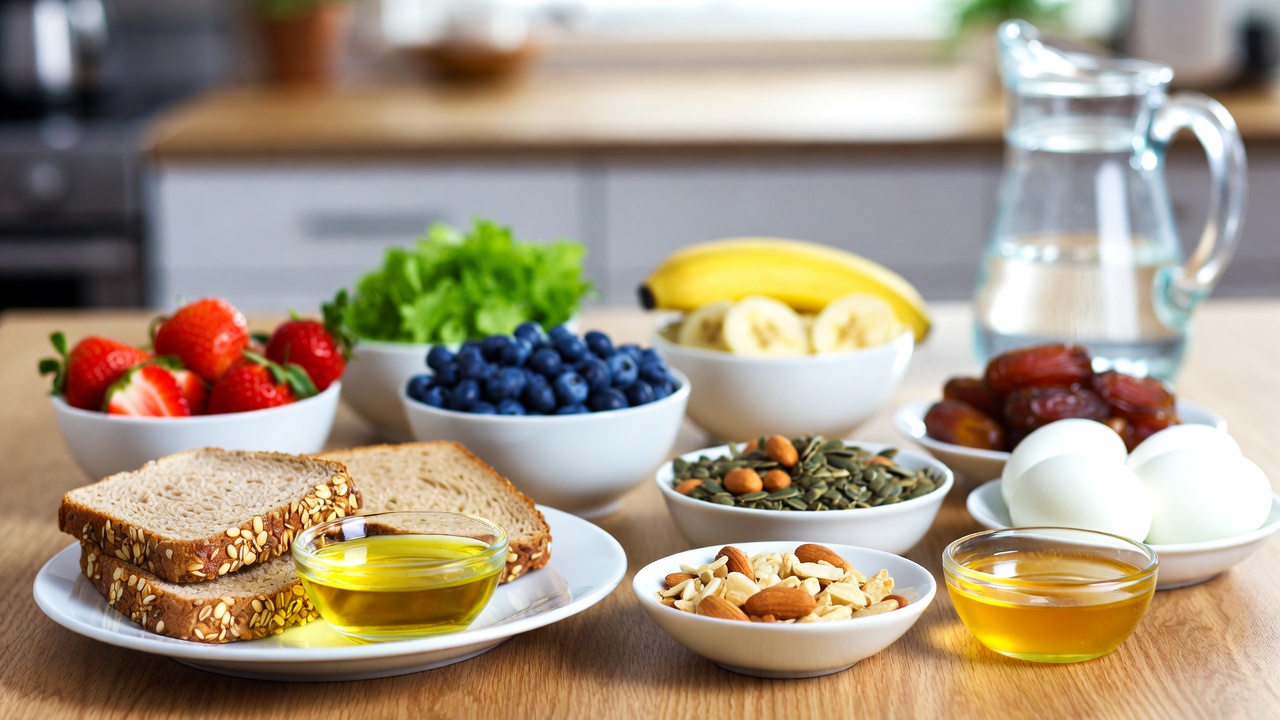
As the crescent moon appears on the horizon and the blessed month of Ramadan begins, millions of Muslims around the world prepare for a spiritual journey that transforms daily life. The pre-dawn meal known as Suhoor (also spelled Sehri or Sahur) becomes the cornerstone of sustaining energy throughout the fasting hours. After years of traveling through Morocco’s ancient medinas, Indonesia’s vibrant kampungs, and the UAE’s gleaming cities during this sacred month, I’ve witnessed how communities approach Suhoor with both reverence and practical wisdom.
This guide brings together traditional knowledge, modern nutritional science, and cultural insights to help you prepare healthy Suhoor meals that will carry you through your fast with vitality and focus. Whether you’re observing your first Ramadan or your fiftieth, the right Suhoor choices can make all the difference.
What Is Suhoor and Why Is It Important for Fasting Muslims?
Suhoor refers to the pre-dawn meal consumed before the Fajr prayer, marking the beginning of the daily fast during Ramadan. The Prophet Muhammad (peace be upon him) emphasized its importance, saying: “Eat Suhoor, for in Suhoor there is blessing” (Sahih al-Bukhari). This simple statement carries profound meaning—Suhoor isn’t merely about physical sustenance but spiritual preparation.
The timing of Suhoor varies depending on your location and the season. In northern latitudes during summer, fasting hours can extend beyond 18 hours, making Suhoor absolutely critical. Conversely, in equatorial regions like Malaysia and Indonesia, fasting hours remain relatively consistent year-round at approximately 13-14 hours.
Key benefits of eating Suhoor include:
- Provides sustained energy throughout the fasting period
- Prevents excessive hunger that can lead to overeating at Iftar
- Maintains blood sugar levels and metabolic function
- Offers an opportunity for worship in the blessed pre-dawn hours
- Follows the Sunnah (prophetic tradition)
Skipping Suhoor may seem tempting when sleep feels more appealing, but doing so can result in fatigue, headaches, and difficulty concentrating. According to research published in the Journal of the Academy of Nutrition and Dietetics, eating a balanced pre-dawn meal significantly improves cognitive function and energy levels during fasting.
Best Foods to Eat for Suhoor to Stay Full All Day
Choosing the right foods for Suhoor requires understanding how different nutrients affect your body during extended fasting periods. The goal is to select foods that release energy slowly, keep you hydrated, and don’t cause digestive discomfort.
Complex Carbohydrates: The Foundation of a Filling Suhoor
Complex carbohydrates should form the base of your Suhoor meal. Unlike simple sugars that cause rapid spikes and crashes in blood glucose, complex carbs provide steady, sustained energy release.
| Food Item | Glycemic Index | Benefits for Fasting |
|---|---|---|
| Steel-cut oats | 55 (Low) | Slow energy release, high fiber |
| Brown rice | 50 (Low) | Sustained fullness, B vitamins |
| Whole wheat bread | 51 (Low) | Versatile, pairs well with proteins |
| Quinoa | 53 (Low) | Complete protein, all amino acids |
| Sweet potatoes | 54 (Low) | Rich in potassium, vitamin A |
| Barley | 28 (Very Low) | Exceptional satiety, heart-healthy |
Barley deserves special mention as it was frequently consumed during the time of the Prophet. Traditional dishes like Talbina (barley porridge with milk and honey) remain popular across the Muslim world for good reason—barley has one of the lowest glycemic indices of any grain and promotes lasting fullness.
High-Protein Suhoor Options That Prevent Hunger During Ramadan
Protein takes longer to digest than carbohydrates, making it essential for extended fasting periods. Aim for 20-30 grams of protein at Suhoor to maintain muscle mass and prevent hunger pangs.
Excellent protein sources for Suhoor:
- Eggs – Versatile and nutrient-dense. Two eggs provide approximately 12 grams of protein. Prepare them boiled, scrambled, or as a traditional shakshuka.
- Greek yogurt – Contains nearly double the protein of regular yogurt. The probiotics support gut health during fasting.
- Labneh – This thick, strained yogurt common in Middle Eastern cuisine offers protein, calcium, and a creamy texture perfect for spreading on flatbread.
- Lean chicken or turkey – Light proteins that digest easily without causing discomfort.
- Legumes – Beans, lentils, and chickpeas provide both protein and fiber. A bowl of ful medames (stewed fava beans) is a Suhoor staple across Egypt and the Levant.
- Cottage cheese – High protein, low fat, and pairs well with fruits or whole grain toast.
Healthy Fats That Sustain Energy Throughout the Fast
Don’t shy away from healthy fats during Suhoor. They slow digestion, enhance nutrient absorption, and provide concentrated energy.
- Olive oil – Drizzle on bread or add to dishes. The Mediterranean tradition of consuming olive oil at Suhoor has roots stretching back centuries.
- Avocado – Rich in potassium and fiber alongside healthy monounsaturated fats.
- Nuts and seeds – Almonds, walnuts, and chia seeds offer protein, healthy fats, and essential minerals.
- Nut butters – Almond butter or tahini (sesame seed paste) spread on whole grain bread creates a satisfying, nutrient-dense Suhoor.
Traditional Suhoor Recipes from Around the Muslim World
One of the beautiful aspects of Ramadan is how the global ummah (Muslim community) celebrates with distinct regional flavors while sharing the same spiritual purpose. Let me take you on a culinary journey through traditional Suhoor meals I’ve encountered during my travels.
Egyptian Ful Medames: A Protein-Rich Suhoor Staple
Walk through any Egyptian neighborhood before Fajr during Ramadan, and you’ll smell the rich, earthy aroma of ful medames simmering in large copper pots. This ancient dish—potentially dating back to Pharaonic times—remains the quintessential Egyptian Suhoor.
Traditional Ful Medames Recipe:
Ingredients:
- 2 cups dried fava beans (soaked overnight)
- 4 cloves garlic, minced
- Juice of 2 lemons
- 3 tablespoons extra virgin olive oil
- 1 teaspoon cumin
- Salt and pepper to taste
- Fresh parsley for garnish
- Optional: tahini, tomatoes, hard-boiled eggs
Instructions:
- Drain soaked beans and cover with fresh water in a large pot.
- Bring to a boil, then reduce heat and simmer for 2-3 hours until tender.
- Mash about half the beans to create a creamy texture while leaving some whole.
- Add garlic, lemon juice, olive oil, and cumin.
- Season with salt and pepper.
- Serve warm with a drizzle of olive oil and fresh parsley.
- Accompany with fresh baladi bread, pickled vegetables, and eggs.
Nutritional benefits: One serving provides approximately 15 grams of protein, 10 grams of fiber, and essential minerals including iron, magnesium, and potassium. The high fiber content ensures slow digestion and sustained fullness.
Moroccan Beghrir with Honey: Light Pancakes for Pre-Dawn Meals
In Morocco, the pre-dawn hours of Ramadan often feature beghrir—spongy semolina pancakes covered with countless tiny holes that absorb honey and melted butter. Known as “thousand-hole pancakes,” they’re lighter than they appear and pair wonderfully with mint tea.
Quick Beghrir Recipe:
Ingredients:
- 1 cup fine semolina
- 1/2 cup all-purpose flour
- 1 tablespoon sugar
- 1 packet instant yeast
- 1/2 teaspoon baking powder
- 1/4 teaspoon salt
- 2 cups warm water
- Honey and butter for serving
Instructions:
- Blend all dry ingredients with warm water until smooth—the batter should be pourable.
- Let rest for 15 minutes until bubbles form on the surface.
- Heat a non-stick pan over medium heat (do not grease).
- Pour a ladleful of batter onto the pan.
- Cook only on one side until holes form and the surface dries.
- Drizzle with melted butter and honey while warm.
The semolina base provides complex carbohydrates, while the honey offers quick energy to begin your day. Moroccan families often serve beghrir alongside hard-boiled eggs, cheese, and plenty of fresh mint tea.
Indonesian Bubur Ayam: Savory Chicken Porridge for Sahur
Across Indonesia, the world’s largest Muslim-majority nation, bubur ayam (chicken porridge) dominates Sahur tables. This savory, comforting dish provides warmth, protein, and hydration in one bowl.
Bubur Ayam Recipe:
Ingredients:
- 1 cup jasmine rice
- 6 cups chicken broth
- 2 chicken breasts, poached and shredded
- 3 cloves garlic, fried until golden
- 2 tablespoons fried shallots
- 2 tablespoons sweet soy sauce (kecap manis)
- Fresh celery leaves
- Kerupuk (crackers) for serving
- Sambal chili paste (optional)
Instructions:
- Bring rice and broth to a boil, stirring frequently.
- Reduce heat and simmer for 25-30 minutes until porridge consistency.
- Season with salt as needed.
- Serve in bowls topped with shredded chicken, fried garlic, shallots, soy sauce, and celery.
- Accompany with kerupuk and sambal.
Why it works for fasting: The rice porridge is easily digestible, the chicken provides lean protein, and the broth contributes to hydration. The dish’s warmth is especially welcome during Indonesia’s cooler pre-dawn hours.
Turkish Menemen: A Mediterranean Suhoor Favorite
Turkish families often prepare menemen for Sahur—a scrambled egg dish cooked with tomatoes, peppers, and spices. Quick to prepare and highly nutritious, it exemplifies the practical elegance of Turkish cuisine.
Classic Menemen Recipe:
Ingredients:
- 4 large eggs
- 2 ripe tomatoes, diced
- 1 green pepper, diced
- 1 onion, sliced
- 2 tablespoons olive oil
- 1 teaspoon paprika
- Salt and pepper to taste
- Fresh parsley
- Feta cheese (optional)
Instructions:
- Heat olive oil in a pan over medium heat.
- Sauté onions until translucent.
- Add peppers and cook for 3 minutes.
- Add tomatoes and paprika; cook until tomatoes soften.
- Create wells and crack eggs directly into the mixture.
- Gently stir, folding eggs into vegetables.
- Remove while eggs are still slightly wet.
- Garnish with parsley and serve with crusty bread.
Menemen delivers protein from eggs, vitamins from vegetables, and healthy fats from olive oil—a complete Suhoor in one pan.
How to Prepare Quick and Easy Suhoor Meals in 15 Minutes
Not everyone can dedicate extensive time to Suhoor preparation, especially when waking before dawn already challenges your sleep schedule. Here are streamlined options that take 15 minutes or less while still providing excellent nutrition.
Overnight Oats: The Perfect Make-Ahead Suhoor Solution
Overnight oats require zero morning preparation—simply grab from the refrigerator and eat. Prepare several jars at the beginning of Ramadan for hassle-free Suhoors.
Basic Overnight Oats Formula:
- 1/2 cup rolled oats
- 1/2 cup milk (dairy or plant-based)
- 1/4 cup Greek yogurt
- 1 tablespoon chia seeds
- 1 tablespoon honey or maple syrup
- Pinch of salt
Mix in a jar, refrigerate overnight, and top with:
- Fresh berries and sliced almonds
- Banana and peanut butter
- Dates and chopped walnuts
- Apple, cinnamon, and raisins
The chia seeds absorb liquid and expand, contributing to prolonged fullness. One jar provides approximately 15 grams of protein and 8 grams of fiber.
Smoothie Bowls: Nutrient-Dense Drinkable Suhoor Options
When eating feels difficult in the early hours, smoothie bowls offer an appealing alternative. The key is making them thick enough to eat with a spoon, which slows consumption and improves satiety.
Power Suhoor Smoothie Bowl:
Blend together:
- 1 frozen banana
- 1/2 cup frozen berries
- 1 scoop protein powder or 1/4 cup Greek yogurt
- 1 tablespoon almond butter
- 1 cup milk
- 1 tablespoon honey
- Handful of spinach (you won’t taste it)
Top with:
- Sliced banana
- Granola
- Chia seeds
- Coconut flakes
- Drizzle of honey
This single bowl delivers complex carbohydrates, protein, healthy fats, and hydration—everything needed for sustained fasting.
Avocado Toast Variations: Modern Suhoor Made Simple
The humble avocado toast has become a Suhoor favorite among younger Muslims for good reason. It’s fast, customizable, and nutritionally complete.
Elevated Avocado Toast Ideas:
| Variation | Toppings | Protein Addition |
|---|---|---|
| Middle Eastern | Za’atar, olive oil, tomatoes | Labneh spread |
| Mediterranean | Feta, olives, sundried tomatoes | Poached egg |
| Protein Power | Everything bagel seasoning | Smoked salmon |
| Sweet & Savory | Honey, sea salt, sesame seeds | Almond butter base |
| Mexican-Inspired | Lime, cilantro, jalapeño | Black beans |
Always choose whole grain or sourdough bread for slower energy release compared to white bread.
Hydration Strategies for Suhoor: How to Stay Hydrated While Fasting
Dehydration poses the greatest challenge during Ramadan fasting, particularly during summer months or in hot climates. Strategic hydration at Suhoor can significantly impact how you feel throughout the day.
How Much Water Should You Drink at Suhoor?
The common advice to drink excessive water at Suhoor is actually counterproductive. Your body cannot store excess water—it will simply be excreted within hours. Instead, focus on consistent hydration between Iftar and Suhoor.
Recommended hydration approach:
- Drink 2-3 glasses of water (500-750ml) at Suhoor
- Avoid very cold water, which can cause stomach cramps
- Include water-rich foods like cucumbers, watermelon, and yogurt
- Minimize caffeine, which has diuretic effects
- Reduce sodium intake, which increases thirst
According to NHS guidelines, adults should consume approximately 6-8 glasses (1.5-2 liters) of fluid daily. During Ramadan, this amount should be distributed between Iftar and Suhoor.
Water-Rich Foods to Include in Your Suhoor Menu
Incorporating foods with high water content provides hydration that releases gradually as you digest.
Top hydrating foods for Suhoor:
| Food | Water Content | Additional Benefits |
|---|---|---|
| Cucumber | 96% | Low calorie, cooling |
| Watermelon | 92% | Natural sugars, vitamin C |
| Oranges | 87% | Vitamin C, fiber in flesh |
| Yogurt | 88% | Protein, probiotics |
| Tomatoes | 94% | Lycopene, vitamin A |
| Zucchini | 95% | Versatile, low carb |
| Milk | 87% | Protein, calcium, vitamin D |
A bowl of yogurt with cucumber and watermelon makes an excellent hydrating Suhoor side dish.
Why You Should Limit Coffee and Tea at Suhoor
Many fasting Muslims struggle with caffeine withdrawal headaches during Ramadan. While it’s tempting to load up on coffee at Suhoor, this approach backfires.
Caffeine’s effects during fasting:
- Acts as a diuretic, increasing urination and fluid loss
- Can cause afternoon energy crashes
- May irritate an empty stomach later in the day
- Disrupts sleep patterns, making Suhoor wake-ups harder
Better alternatives:
- Herbal teas (chamomile, mint, rooibos)
- Warm milk with honey
- A small cup of weak tea or coffee (if caffeine is essential)
- Fresh fruit juice diluted with water
If you’re a heavy caffeine consumer, consider gradually reducing intake in the weeks before Ramadan to minimize withdrawal symptoms.
Foods to Avoid at Suhoor: What Not to Eat Before Fasting
Certain foods, while seemingly satisfying, can actually make fasting more difficult. Understanding what to avoid is as important as knowing what to eat.
Why Salty and Processed Foods Make Fasting Harder
High-sodium foods dramatically increase thirst during fasting hours. That savory processed meal at Suhoor will have you dreaming of water by midday.
Foods to limit or avoid:
- Processed meats – Bacon, sausages, and deli meats contain excessive sodium and preservatives.
- Packaged snacks – Chips, crackers, and pretzels are sodium-heavy with minimal nutritional value.
- Instant noodles – A single packet can contain over 1,500mg of sodium (65% of daily recommended intake).
- Fast food – High sodium, unhealthy fats, and low fiber create a poor Suhoor foundation.
- Canned soups – Often contain 800-1,200mg of sodium per serving.
- Pickled foods in excess – While small amounts aid digestion, large portions increase thirst.
Simple Sugars: The Energy Crash Waiting to Happen
Foods high in simple sugars cause rapid blood glucose spikes followed by crashes that leave you hungry and fatigued hours before Iftar.
High-sugar foods to avoid:
- White bread and pastries – Low fiber means quick digestion and blood sugar spikes.
- Sugary cereals – Often marketed as healthy but contain 10-15g of sugar per serving.
- Fruit juice – Without fiber, fruit juice acts like liquid sugar.
- Sweetened yogurt – Flavored yogurts can contain 15-25g of added sugar.
- Traditional sweets in excess – While culturally significant, items like kunafa or gulab jamun at Suhoor cause energy crashes.
Better alternatives: Choose whole fruits over juice, plain yogurt sweetened with honey, and whole grain bread instead of white.
Fried Foods: Why They Cause Discomfort During Fasting
Heavy, fried foods create digestive distress and drowsiness—hardly ideal when you need sustained energy and focus.
Problems with fried Suhoor foods:
- Slow, uncomfortable digestion throughout the day
- Increased acid reflux and heartburn
- Post-meal fatigue and sluggishness
- High calorie content without proportional satiety
Instead of fried eggs, choose boiled or poached. Instead of pakoras or samosas, opt for baked alternatives or fresh vegetable preparations.
Special Dietary Considerations for Suhoor During Ramadan
Different individuals have varying nutritional needs. Ramadan fasting can be adapted to accommodate various health conditions with proper planning.
Healthy Suhoor Options for Diabetics Fasting During Ramadan
Muslims with diabetes can often fast safely with medical supervision and careful food choices. The American Diabetes Association emphasizes individual assessment and proper Suhoor planning.
Suhoor guidelines for diabetics:
- Prioritize low-glycemic foods – Choose whole grains, legumes, and non-starchy vegetables.
- Include lean protein – Protein stabilizes blood sugar and prevents spikes.
- Monitor portions – Use measuring cups and food scales initially.
- Avoid concentrated sweets – Even natural sugars like honey should be limited.
- Time medications properly – Consult your doctor about adjusting medication schedules.
- Test blood glucose regularly – Check levels at Suhoor and during the day if symptoms arise.
Sample diabetic-friendly Suhoor:
- 1/2 cup steel-cut oatmeal with cinnamon
- 2 scrambled eggs
- 1/2 avocado
- Small handful of almonds
- Water and unsweetened tea
Nutritious Suhoor Ideas for Pregnant Women During Ramadan
While pregnant women are permitted to skip fasting if needed, many choose to fast when able. Those who do should prioritize nutrient density at Suhoor.
Essential nutrients for pregnant women at Suhoor:
| Nutrient | Importance | Suhoor Sources |
|---|---|---|
| Folate | Neural tube development | Leafy greens, legumes, eggs |
| Iron | Blood volume increase | Lean meat, beans, fortified cereals |
| Calcium | Bone development | Dairy, fortified plant milk, almonds |
| Protein | Tissue growth | Eggs, dairy, legumes, lean meat |
| DHA | Brain development | Fatty fish, walnuts, chia seeds |
| Fiber | Digestive health | Whole grains, fruits, vegetables |
Important considerations:
- Eat slowly and thoroughly chew food to reduce digestive discomfort
- Stay extra vigilant about hydration
- Listen to your body—break the fast if you feel unwell
- Consult your healthcare provider before fasting
- Consider prenatal vitamin timing
Athletes and Active Individuals: High-Energy Suhoor Meals
For those maintaining exercise routines during Ramadan, Suhoor becomes even more critical for performance and recovery.
Athletic Suhoor priorities:
- Higher carbohydrate intake – Active individuals need more glycogen stores.
- Adequate protein – Aim for 25-40 grams to support muscle maintenance.
- Electrolyte consideration – Include foods rich in potassium and magnesium.
- Timing of exercise – Many athletes train just before Iftar when energy is depleted or after Iftar when properly fueled.
Power Suhoor for athletes:
- 1 cup cooked quinoa or brown rice
- Grilled chicken breast (150g)
- Large mixed salad with olive oil dressing
- 1 banana
- Handful of mixed nuts
- 3 glasses of water with electrolyte tablets
Meal Prep Tips for Easy Suhoor During the First Week of Ramadan
The first week of Ramadan requires adjustment as your body adapts to the new eating schedule. Preparation makes this transition smoother.
Batch Cooking Strategies for Stress-Free Suhoor
Spending one evening before Ramadan begins on meal preparation pays dividends throughout the month.
Batch cooking ideas:
- Grain prep – Cook large batches of brown rice, quinoa, or barley. Refrigerate for up to 5 days or freeze in portions.
- Protein preparation – Grill or bake several chicken breasts, hard-boil a dozen eggs, prepare a large pot of lentils.
- Chopped vegetables – Wash and cut vegetables for quick salads or additions to dishes.
- Overnight oats assembly – Prepare 5-7 jars at once; simply grab and eat throughout the week.
- Freezer-friendly options – Make and freeze breakfast burritos, muffins, or portioned soups that can be quickly reheated.
Suhoor Meal Planning Template for Ramadan
Having a weekly plan eliminates decision fatigue during those sleepy pre-dawn hours.
Sample first-week Suhoor schedule:
| Day | Main Dish | Protein | Hydration |
|---|---|---|---|
| Day 1 | Overnight oats | Greek yogurt | Watermelon, water |
| Day 2 | Whole grain toast | Scrambled eggs | Cucumber slices, milk |
| Day 3 | Ful medames | Built-in legume protein | Fresh orange juice (diluted), water |
| Day 4 | Savory oatmeal | Poached eggs | Yogurt, water |
| Day 5 | Avocado toast | Smoked salmon | Herbal tea, water |
| Day 6 | Bubur ayam | Chicken | Fruit, water |
| Day 7 | Vegetable menemen | Eggs | Milk, water |
Essential Kitchen Tools for Quick Suhoor Preparation
The right equipment makes Suhoor preparation efficient even when half-asleep.
Must-have Suhoor tools:
- Programmable rice cooker – Set it before sleeping; wake to perfectly cooked grains.
- Slow cooker – Prepare overnight porridges or stews.
- Quality blender – Essential for quick smoothies.
- Mason jars – Perfect for overnight oats, pre-portioned ingredients.
- Non-stick pan – Quick egg dishes with minimal cleanup.
- Electric kettle – Instant hot water for oatmeal, tea, or warm lemon water.
- Timer – Crucial for not oversleeping Suhoor!
The Spiritual Significance of Suhoor in Islamic Tradition
While nutrition matters greatly, Suhoor holds profound spiritual dimensions that elevate it beyond mere sustenance.
Suhoor as an Act of Worship During Ramadan
In Islamic tradition, Suhoor is considered a blessed meal (barakah). Waking in the pre-dawn darkness to eat represents obedience to prophetic guidance and spiritual discipline.
The last third of the night—when Suhoor is typically consumed—is considered the most spiritually potent time for prayer and supplication. Many Muslims combine Suhoor with Tahajjud (night prayer) and personal du’a (supplication), making this quiet time a spiritual retreat.
Spiritual practices to incorporate:
- Begin with Bismillah (in the name of God)
- Eat mindfully, with gratitude for provision
- Pray Tahajjud before or after eating
- Make du’a in the blessed pre-dawn hours
- End before Fajr with time for the dawn prayer
- Recite morning adhkar (remembrances)
The Sunnah of Delaying Suhoor Until Before Fajr
Prophetic tradition encourages eating Suhoor as late as possible before the Fajr prayer. This maximizes the time you remain nourished and minimizes fasting hours.
The Prophet (peace be upon him) said there should be “the time it takes to recite fifty verses” between finishing Suhoor and the Fajr prayer—approximately 15-20 minutes. This guidance reminds us to eat close to dawn while still leaving time for prayer.
Practical timing tips:
- Check local prayer times daily, as they shift throughout Ramadan
- Set an alarm 30-45 minutes before Fajr
- Prepare Suhoor the night before for efficiency
- Eat slowly and mindfully rather than rushing
- Stop eating with clear time remaining for prayer
Community and Family Suhoor Traditions Around the World
Ramadan transforms communities worldwide, and Suhoor carries unique cultural expressions across different Muslim societies.
Egyptian Mesaharati: The Traditional Suhoor Wake-Up Call
In Egypt and parts of the Levant, the Mesaharati (مسحراتي) represents one of Ramadan’s most beloved traditions. This drummer walks through neighborhoods in the pre-dawn hours, beating a drum and calling out names to wake families for Suhoor.
“Ya na’em, wahed el-dayem” (Oh sleeper, praise the Everlasting One!) echoes through the narrow streets of Cairo’s older neighborhoods. Children listen for the distinctive beat, and families tip the Mesaharati at Eid.
While the tradition has faded in some urban areas—replaced by smartphone alarms—many neighborhoods still employ a Mesaharati to maintain this beautiful custom connecting generations.
Malaysian and Indonesian Sahur Traditions
In Malaysia and Indonesia, Sahur (the local term for Suhoor) carries its own distinctive character. Mosques broadcast the adhan and Sahur reminders through loudspeakers, while the sound of food vendors pushing carts through neighborhoods creates a unique pre-dawn soundscape.
Popular Southeast Asian Sahur dishes:
- Nasi lemak – Coconut rice with sambal, anchovies, and eggs (Malaysia)
- Bubur ayam – Chicken porridge (Indonesia)
- Lontong – Compressed rice cakes in vegetable curry
- Roti canai – Flaky flatbread with curry (Malaysia)
- Nasi goreng – Fried rice with egg (Indonesia)
The communal aspect remains strong, with many families gathering extended relatives for Sahur meals, and some mosques organizing community Sahur programs.
Middle Eastern Suhoor Gatherings
Throughout the Gulf countries, Suhoor has evolved into a social occasion comparable to Iftar. Restaurants and hotels offer lavish Suhoor buffets, and families gather in air-conditioned majlis (sitting rooms) to eat together before dawn.
Traditional Arabian Suhoor foods include:
- Thareed – Bread soaked in meat broth
- Harees – Wheat and meat porridge
- Fresh dates and camel milk
- Arabic coffee (qahwa) in small amounts
- Rgag bread with cheese and honey
The social nature of these gatherings strengthens family bonds and creates Ramadan memories that span generations.
Healthy Suhoor Ideas for Children Fasting in Ramadan
Children often begin practicing fasting—sometimes half-days at first—as they approach puberty. Making Suhoor appealing encourages positive associations with Ramadan.
Age-Appropriate Suhoor Options for Young Fasters
For children just beginning to fast, focus on familiar, enjoyable foods that provide sustained energy.
Kid-friendly Suhoor ideas:
- Whole grain pancakes with banana and honey – Familiar breakfast food made with healthy ingredients.
- Peanut butter and banana sandwich – Protein, healthy fats, and complex carbs in a favorite format.
- Yogurt parfaits – Layer yogurt with granola, fruits, and a drizzle of honey.
- Cheese quesadilla with avocado – Protein and healthy fats in an appealing package.
- Smoothies – Blend fruits with milk, yogurt, and nut butter for drinkable nutrition.
- Scrambled eggs with cheese and whole wheat toast – Classic combination kids enjoy.
Tips for children’s Suhoor:
- Involve them in choosing and preparing food
- Create special Suhoor rituals they’ll look forward to
- Don’t force large portions—appetite is often low in early morning
- Focus on hydration, especially water-rich fruits
- Make it a positive family experience
Making Suhoor Fun and Engaging for the Family
Transform Suhoor into a special family time rather than a chore.
Ideas for family Suhoor:
- Use special Ramadan plates or decorations
- Let children help with age-appropriate preparation tasks
- Share a Ramadan story or hadith each morning
- Create a Suhoor “menu” for the week together
- Play quiet family games while eating
- Make du’a together after eating
Adjusting Your Suhoor for Different Fasting Hours
Fasting hours vary dramatically based on geographic location and season. A Muslim in Stockholm might fast 20+ hours in summer, while someone in Singapore fasts approximately 13 hours year-round.
Suhoor Strategies for Long Fasting Days (18+ Hours)
When facing extended fasting periods, Suhoor planning becomes even more critical.
Key strategies for long fasts:
- Maximize Suhoor calories – Eat a larger meal than you might during shorter fasts.
- Heavy protein emphasis – Aim for 30-40 grams of protein for prolonged satiety.
- Include healthy fats – Nuts, avocado, and olive oil slow digestion significantly.
- Choose very low-GI foods – Barley, legumes, and steel-cut oats release energy slowest.
- Hydration priority – Drink water throughout the night, not just at Suhoor.
- Consider splitting Suhoor – Eat a lighter meal, rest, then eat again closer to Fajr.
Sample Suhoor for 18+ hour fasts:
- Large bowl of barley porridge with milk and dates
- 3-egg omelet with vegetables and cheese
- 2 slices whole grain bread with avocado
- Handful of almonds and walnuts
- Fresh fruit salad
- 3-4 glasses of water
Suhoor Tips for Short Winter Fasting Days
During winter months with shorter fasting periods (10-12 hours), Suhoor can be lighter while still providing adequate nutrition.
Winter Suhoor considerations:
- Smaller portions are acceptable
- Focus on nutrition quality over quantity
- More flexibility in food choices
- Can include some quick-digesting foods
- Hydration remains important despite shorter fast
Common Suhoor Mistakes That Make Fasting Harder
Even with good intentions, certain habits can undermine your fasting experience.
Overeating at Suhoor: Why More Isn’t Always Better
The temptation to eat excessively at Suhoor—“storing up” for the day—actually backfires. Overeating causes:
- Digestive discomfort and bloating
- Increased fatigue and drowsiness
- Difficulty performing Fajr prayer comfortably
- No actual improvement in later-day hunger
- Disrupted sleep if eating too heavily
The Prophet’s guidance of moderation applies to Suhoor as well: “The son of Adam does not fill any vessel worse than his stomach” (Tirmidhi).
Better approach: Eat until satisfied, not stuffed. A moderate meal of quality foods outperforms a large meal of poor choices.
Skipping Suhoor Entirely: Why It’s Not Recommended
Some Muslims skip Suhoor, reasoning they’ll sleep through hunger anyway. This approach has significant drawbacks:
- Longer effective fasting period (from Iftar to next Iftar)
- Increased dehydration risk
- Greater likelihood of overeating at Iftar
- Missing the blessed act of eating Suhoor
- Potential for headaches, fatigue, and irritability
Even if you’re not hungry, try to eat something—a few dates, a glass of milk, some yogurt. Any Suhoor is better than none.
Conclusion: Making the Most of Your Suhoor This Ramadan
As we’ve explored throughout this guide, Suhoor is far more than a meal—it’s a spiritual practice, a health strategy, and a cultural tradition that connects Muslims worldwide. From the ful medames of Egyptian streets to the bubur ayam of Indonesian markets, from the Mesaharati’s drums to the quiet family gatherings in homes everywhere, Suhoor embodies the unique character of Ramadan.
Key takeaways for healthy Suhoor:
- Prioritize complex carbohydrates for sustained energy release
- Include quality protein (20-30g) to prevent hunger
- Add healthy fats to slow digestion
- Focus on hydration with water and water-rich foods
- Avoid excessive sodium, sugar, and fried foods
- Prepare ahead to reduce pre-dawn stress
- Eat close to Fajr to minimize fasting hours
- Listen to your body and adjust as needed
- Embrace the spiritual dimension of this blessed meal
- Make it a positive family experience
May your Suhoor be blessed, your fast be easy, and your Ramadan be filled with spiritual growth and physical well-being. Ramadan Mubarak!
Did you find this guide helpful? Share it with family and friends preparing for Ramadan. For more cultural insights into Islamic traditions and global celebrations, explore our other articles on festivals around the world.
Frequently Asked Questions About Suhoor and Ramadan Fasting
What is the best time to eat Suhoor?
The optimal time for Suhoor is as close to Fajr as possible while still leaving 15-20 minutes before the prayer. This follows prophetic guidance and minimizes the total fasting time.
Can I drink water after Fajr adhan?
No, once the Fajr adhan begins, eating and drinking must stop. This is why eating close to—but before—Fajr is recommended.
What if I’m not hungry at Suhoor?
Even without appetite, try to consume something light—dates with milk, yogurt, or fruit. Any Suhoor brings blessing and practical benefit.
How many calories should I eat at Suhoor?
This varies by individual, but most adults should aim for 400-700 calories at Suhoor, focusing on nutrient density rather than just calorie count.
Is it bad to sleep right after Suhoor?
It’s generally fine, though some experience acid reflux when lying down immediately after eating. If this affects you, remain upright for 15-20 minutes after Suhoor.
What should diabetics eat for Suhoor?
Diabetics should prioritize low-glycemic foods, lean proteins, and healthy fats while avoiding concentrated sugars. Always consult your doctor before fasting with diabetes.