A Folklore Scholar’s Guide to Authentic Cultural Experiences Beyond the Mainstream Parades
Sri Lanka Independence Day falls on February 4th each year. It marks the nation’s freedom from British colonial rule in 1948. While the grand military parade in Colombo attracts global attention, the true heart of this celebration beats in villages, temples, and community halls across the island. This guide reveals the hidden gems of Sri Lankan Independence Day traditions that most tourists never discover.
Understanding the Significance of Sri Lanka Independence Day
Sri Lanka’s independence journey began long before 1948. The struggle involved countless local heroes whose stories live on in community celebrations. February 4th represents more than political freedom. It symbolizes cultural renaissance, religious harmony, and communal unity.
Why Local Celebrations Matter
Local festivities preserve authentic Sri Lankan heritage. They showcase traditions passed down through generations. Community events offer intimate cultural exchanges impossible at large-scale ceremonies. Travelers seeking genuine Sri Lanka Independence Day experiences should look beyond Colombo.
| Aspect | National Parade | Local Celebrations |
|---|---|---|
| Crowd size | 50,000+ attendees | 50-500 attendees |
| Cultural authenticity | Ceremonial, formal | Traditional, organic |
| Tourist accessibility | Very crowded | Welcoming, intimate |
| Photography opportunities | Limited views | Excellent access |
| Local food availability | Vendor stalls | Home-cooked feasts |
| Interaction with locals | Minimal | Extensive |
Village Dawn Ceremonies: The Soul of Sri Lankan Independence
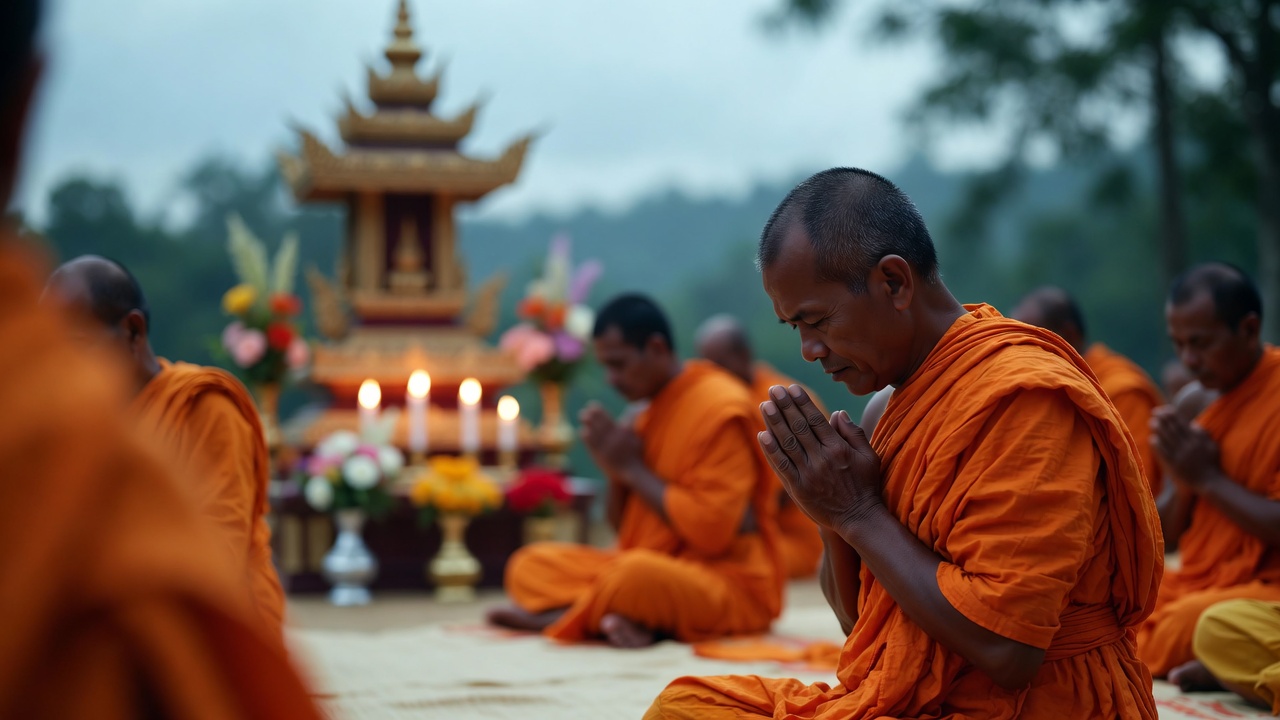
The most sacred Sri Lanka Independence Day traditions begin at dawn. Village communities gather before sunrise for deeply spiritual observances. These ceremonies blend Buddhist, Hindu, and folk traditions unique to each region.
Traditional Aloka Pooja (Light Offerings)
Aloka Pooja represents the lighting of freedom. Villagers light thousands of clay oil lamps called “pahana.” Each flame symbolizes a soul who sacrificed for independence.
The ceremony unfolds in stages:
- 4:30 AM: Community members gather at the village temple or kovil
- 5:00 AM: Elders lead prayers in Sinhala, Tamil, or both languages
- 5:30 AM: Collective lighting of lamps begins
- 6:00 AM: Buddhist monks or Hindu priests offer blessings
- 6:30 AM: Communal breakfast featuring traditional foods
Best Locations for Authentic Dawn Ceremonies in Sri Lanka
| Region | Village | Unique Feature | Accessibility |
|---|---|---|---|
| Central Province | Embekka | Wood carving temple backdrop | Easy |
| Southern Province | Weligama | Coastal sunrise ceremony | Moderate |
| North Central | Anuradhapura | Ancient city ruins setting | Easy |
| Eastern Province | Batticaloa | Tamil-Buddhist fusion ritual | Moderate |
| Uva Province | Ella | Mountain village intimacy | Moderate |
Kavadi Attam and Traditional Dance Performances
Sri Lanka Independence Day cultural performances include mesmerizing traditional dances. These are not tourist shows. They represent living traditions maintained by hereditary dance families.
Types of Independence Day Traditional Dances
Kandyan Dance (Uda Rata Natum)
This classical form originated in the hill country. Dancers wear elaborate costumes with silver ornaments. The movements tell stories of ancient kings and independence heroes. Performances last 30-45 minutes.
Low Country Devil Dance (Yakun Natima)
Southern coastal communities perform ritualistic dances. Colorful masks represent spirits and demons. The dance symbolizes driving away colonial oppression.
Sabaragamuwa Dance
This energetic style combines Buddhist and Hindu elements. Dancers perform acrobatic movements. The accompanying drum rhythms are hypnotic.
Where to Watch Authentic Performances
- Kandy Cultural Triangle villages
- Ambalangoda mask-making communities
- Ratnapura gem mining settlements
- Matara coastal heritage sites
- Jaffna Tamil cultural centers
Community Feasts: Tasting Sri Lanka Independence Day Through Food
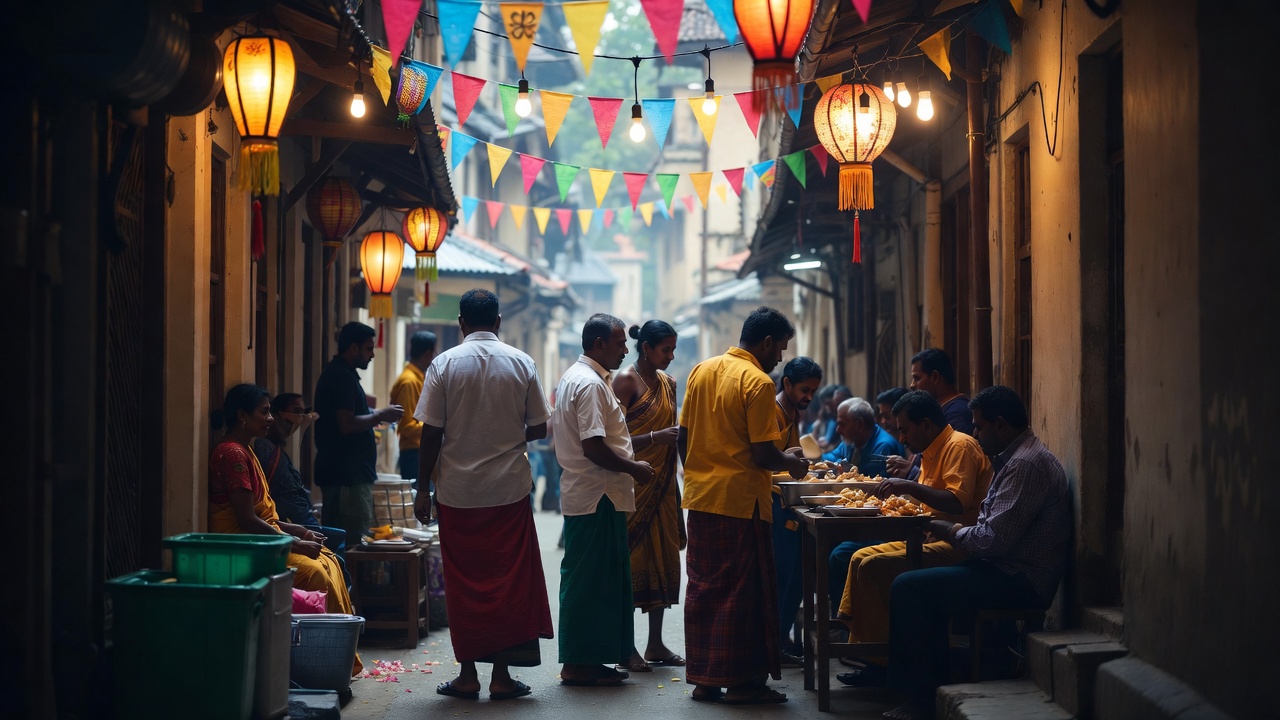
Food plays a central role in Sri Lanka Independence Day community celebrations. Village feasts called “dansala” offer free meals to everyone. These events showcase regional culinary diversity.
Traditional Independence Day Foods by Region
| Region | Signature Dish | Description | Best Village to Visit |
|---|---|---|---|
| Colombo | Lamprais | Dutch-influenced rice packet | Negombo fishing villages |
| Kandy | Milk Rice (Kiribath) | Coconut milk rice with curry | Peradeniya |
| Jaffna | Puttu Mayam | String hoppers with coconut | Nallur |
| Galle | Hoppers with Seeni Sambol | Bowl-shaped pancakes | Unawatuna |
| Batticaloa | Crab Curry | Eastern spice-blend curry | Pasikudah |
| Trincomalee | Isso Vadai | Prawn fritters | Nilaveli |
How to Participate in Village Feasts
Joining a dansala requires no invitation. Follow these cultural guidelines:
- Remove shoes before entering serving areas
- Accept food with your right hand
- Thank servers with “bohoma sthuthi” (Sinhala) or “nandri” (Tamil)
- Sit on the floor with other guests
- Wait for elders to begin eating
- Finish all food on your plate
Temple and Kovil Rituals: Spiritual Independence Celebrations
Religious observances form the backbone of Sri Lanka Independence Day local events. Buddhist temples and Hindu kovils host special ceremonies unavailable to casual visitors the rest of the year.
Buddhist Temple Ceremonies
Bodhi Puja (Sacred Tree Worship)
Communities gather around sacred Bo trees. These trees descended from the original Bodhi tree in India. Worshippers tie white flags representing peace and freedom.
Pirith Chanting Ceremonies
Monks chant protective verses throughout the night. The melodic recitations create a meditative atmosphere. Visitors may join by sitting quietly at the back.
Buddha Vandana (Offering Ceremonies)
Devotees bring flowers, incense, and food offerings. The fragrance of temple flowers fills the air. Lotus blossoms symbolize purity and national rebirth.
Hindu Kovil Ceremonies
Special Pooja Services
Tamil communities conduct elaborate prayer services. Temple priests perform fire ceremonies. Devotees break coconuts as offerings for prosperity.
Kavadi Processions
Some villages organize small-scale kavadi processions. Devotees carry decorated arches on their shoulders. The rhythmic music accompanies their devotional walking.
School and Youth Celebrations: The Next Generation
Sri Lanka Independence Day activities for students extend far beyond classroom lessons. Schools organize competitions, performances, and community service projects.
Common School Independence Day Events
- Flag hoisting ceremonies at dawn
- Patriotic song competitions in Sinhala, Tamil, and English
- Traditional dress parades featuring all ethnic costumes
- Historical drama performances
- Art exhibitions depicting independence heroes
- Essay writing contests about national unity
- Sports meets named after freedom fighters
Youth Volunteer Programs
Many young Sri Lankans spend Independence Day serving communities. Volunteer activities include:
| Activity | Location Type | Duration | Participation Level |
|---|---|---|---|
| Elder care visits | Retirement homes | 2-3 hours | High |
| Village clean-up | Rural areas | Half day | Very high |
| Tree planting | Public spaces | 2-4 hours | Moderate |
| Blood donation | Hospitals | 1-2 hours | High |
| Food distribution | Urban centers | 4-6 hours | Very high |
Traditional Games and Sports Competitions
Sri Lanka Independence Day games reflect the island’s sporting heritage. Villages organize competitions featuring both modern and ancient pastimes.
Ancient Sri Lankan Games
Elle (Traditional Cricket)
This bat-and-ball game predates British cricket. Teams of seven compete on village grounds. The wooden bat resembles a paddle. Rules differ slightly from village to village.
Gudu Keliya (Kabaddi Variant)
Teams attempt to tag opponents while chanting. The game requires stamina and strategy. Night matches under floodlights attract large crowds.
Kotta Pora (Pillow Fighting)
Competitors sit on a horizontal pole. They try to knock each other off using pillows. The event generates much laughter and community bonding.
Modern Independence Day Tournaments
- Village cricket matches
- Marathon runs through historic sites
- Swimming competitions at beaches and tanks
- Cycling races connecting multiple villages
- Football tournaments with patriotic team names
Arts and Crafts Exhibitions: Preserving Heritage
Sri Lanka Independence Day cultural exhibitions showcase traditional craftsmanship. Artisans demonstrate skills passed through generations. These events offer unique shopping opportunities.
Types of Traditional Crafts on Display
Batik and Hand-Loomed Textiles
Craftspeople demonstrate wax-resist dyeing techniques. Each region produces distinctive patterns. Independence Day designs feature national colors and symbols.
Brasswork and Silversmithing
Metalsmiths create ceremonial items and jewelry. Traditional oil lamps make popular souvenirs. Artisans explain the symbolism behind each design.
Lacquerware and Woodcarving
Kandyan artisans display intricate wooden crafts. The famous Embekka carvings inspire many pieces. Red and black lacquer containers showcase regional styles.
Mask Making
Ambalangoda mask makers exhibit their creations. Each mask tells a story from folklore. Visitors can watch carving demonstrations.
Best Craft Villages to Visit
| Craft Type | Village | Province | Distance from Colombo |
|---|---|---|---|
| Batik | Matale | Central | 148 km |
| Brasswork | Gampola | Central | 115 km |
| Lacquerware | Anguruwathota | Western | 85 km |
| Masks | Ambalangoda | Southern | 107 km |
| Pottery | Kelaniya | Western | 11 km |
| Handloom | Baddegama | Southern | 133 km |
Music and Cultural Performances: The Soundtrack of Freedom
Sri Lanka Independence Day songs and music performances create the festival’s auditory landscape. Traditional and contemporary sounds blend throughout the celebrations.
Traditional Music Ensembles
Hewisi Bands
These traditional drum and wind ensembles lead processions. The thundering drums can be heard kilometers away. Each region has distinct rhythmic patterns.
Nada Swara Groups
Tamil wind instrument ensembles perform at kovil ceremonies. The nadaswaram’s piercing tone announces important moments. Tavil drums provide rhythmic accompaniment.
Popular Independence Day Songs
Sri Lankan Independence Day music includes beloved patriotic anthems:
- “Namo Namo Matha” (National Anthem in Sinhala)
- “Sri Lanka Matha” (Tamil version of National Anthem)
- “Danno Budunge” (Classical devotional song)
- “Jaya Mangala Gatha” (Buddhist victory verses)
- “Me Rata Mokakda” (Popular patriotic song)
Live Performance Venues
Most villages set up temporary stages in public spaces. Performances typically follow this schedule:
| Time | Performance Type | Audience |
|---|---|---|
| 6:00 AM | Religious chanting | Devotees |
| 9:00 AM | School performances | Families |
| 11:00 AM | Traditional dance | General public |
| 2:00 PM | Folk music | All ages |
| 5:00 PM | Drama performances | Families |
| 7:00 PM | Popular music | Youth |
| 9:00 PM | Fireworks (major villages) | Everyone |
Regional Variations: Celebrating Across Ethnic Communities
Sri Lanka’s ethnic diversity creates beautiful variations in Independence Day customs. Each community adds unique traditions to the national celebration.
Sinhalese Buddhist Traditions
The majority Sinhalese community emphasizes Buddhist rituals. Temple visits begin the day. White clothing symbolizes purity and peace. Vegetarian meals honor the principle of non-violence.
Key practices include:
- Morning temple visits with flower offerings
- Observing eight precepts (ata sil)
- Listening to Buddhist sermons
- Releasing captive birds and fish
- Donating to monks and temples
Tamil Hindu Traditions
Tamil communities incorporate Hindu religious practices. Kovil visits and special poojas mark the occasion. Family gatherings emphasize unity and gratitude.
Distinctive customs include:
- Kolam (rice flour designs) at home entrances
- Special cooking on traditional clay stoves
- Wearing new clothes purchased for the occasion
- Exchanging sweets among neighbors
- Evening lamp lighting ceremonies
Muslim Community Observances
Sri Lankan Muslims participate through community service. Special prayers at mosques include petitions for national peace. Charitable food distribution (sadaqah) reaches needy families.
Notable practices:
- Morning prayers at mosques
- Community breakfast gatherings
- Visiting orphanages and elderly homes
- Iftar-style communal evening meals
- Interfaith dialogue events
Burgher and Malay Traditions
These smaller communities maintain distinct customs. Burgher families often host open houses with Dutch-influenced cuisine. Malay communities prepare special dishes reflecting their heritage.
Photography Guide: Capturing Authentic Moments
Sri Lanka Independence Day offers extraordinary photography opportunities. Respectful documentation preserves cultural heritage while honoring participants.
Best Subjects for Cultural Photography
- Dawn lamp-lighting ceremonies
- Traditional costume details
- Children in patriotic attire
- Food preparation processes
- Dance performances
- Religious rituals (with permission)
- Elderly participants sharing stories
- Craft demonstrations
Photography Etiquette
| Situation | Appropriate Action | Inappropriate Action |
|---|---|---|
| Temple interior | Ask monks first | Flash photography |
| Religious rituals | Observe quietly, ask after | Interrupting ceremonies |
| Dance performances | Photograph freely | Blocking others’ views |
| Village homes | Request permission | Entering uninvited |
| Food preparation | Assist first, photograph second | Just photographing |
| Children | Get parent permission | Photographing without consent |
Recommended Equipment
- Wide-angle lens for ceremonies (24-35mm)
- Portrait lens for cultural details (50-85mm)
- Low-light capable camera for dawn events
- Extra batteries (limited charging access)
- Memory cards (no nearby shops)
- Rain protection (February weather varies)
Practical Travel Tips for Independence Day Visitors
Planning your Sri Lanka Independence Day travel experience requires advance preparation. The following guidance ensures smooth cultural immersion.
When to Arrive
Arrive at your chosen village 2-3 days before February 4th. This allows time to:
- Meet local families
- Understand village protocols
- Learn about specific local customs
- Arrange homestay accommodations
- Identify key ceremony locations
- Practice basic phrases in local language
Transportation Considerations
| Transport Type | Pros | Cons | Best For |
|---|---|---|---|
| Train | Scenic, cheap | Crowded on Feb 4 | Long distances |
| Bus | Extensive network | Very crowded | Medium distances |
| Three-wheeler | Flexible, fun | Price negotiation | Short distances |
| Rental car | Freedom | Traffic, parking | Multiple villages |
| Bicycle | Eco-friendly | Limited range | Single village |
Accommodation Options
Homestays
Local families offer authentic experiences. Meals typically included. Cultural insights come naturally.
Guesthouses
Small family-run establishments provide comfort. Hosts often guide guests to local events. Breakfast usually features traditional dishes.
Eco-lodges
Sustainable accommodations in rural areas. Often arranged village tours. Higher prices but unique experiences.
What to Pack
Essential items for Independence Day village visits:
- White or light-colored clothing
- Modest attire (covering shoulders and knees)
- Comfortable walking shoes
- Small gifts for host families
- Flashlight for early morning ceremonies
- Insect repellent
- Reusable water bottle
- Basic first aid supplies
- Cash in small denominations
- Respectful attitude
Language Guide: Essential Phrases for Cultural Interaction
Communication enhances Sri Lanka Independence Day experiences. Learning basic phrases shows respect and opens doors.
Sinhala Phrases
| English | Sinhala | Pronunciation |
|---|---|---|
| Happy Independence Day | Nidahas Dinaya Suba Pathum | Ni-da-has Di-na-ya Su-ba Pa-thum |
| Thank you | Bohoma Sthuthi | Bo-ho-ma Sthu-thi |
| Beautiful ceremony | Lassana Charithraya | La-ssa-na Cha-ri-thra-ya |
| May I join? | Mama Ekathuve Da? | Ma-ma E-ka-thu-ve Da |
| Delicious food | Rasa Kema | Ra-sa Ke-ma |
| Blessings | Subha Ashirwada | Su-ba A-shir-wa-da |
Tamil Phrases
| English | Tamil | Pronunciation |
|---|---|---|
| Happy Independence Day | Suthanthira Dhinam Vaazhthukkal | Su-than-thi-ra Dhi-nam Vaazh-thu-kkal |
| Thank you | Nandri | Nan-dri |
| Beautiful ceremony | Azhagiya Vizha | A-zha-gi-ya Vi-zha |
| May I join? | Naan Sernthukkollalama? | Naan Sern-thu-kko-lla-la-ma |
| Delicious food | Suvaiyana Unavhu | Su-vai-ya-na U-na-vhu |
| Blessings | Ashirvatham | A-shir-va-tham |
Responsible Tourism: Honoring Local Communities
Respectful participation preserves Sri Lanka Independence Day traditions for future generations. Thoughtful visitors become welcomed guests.
Do’s and Don’ts
Do:
- Dress modestly in white or light colors
- Remove shoes when entering sacred spaces
- Ask permission before photographing people
- Participate when invited
- Donate to temple or community funds
- Share meals with local families
- Express gratitude sincerely
- Learn about local history
Don’t:
- Wear revealing clothing
- Point feet toward Buddha statues or elders
- Touch sacred objects without permission
- Consume alcohol publicly
- Display excessive physical affection
- Make loud noises during ceremonies
- Litter in any area
- Bargain aggressively with artisans
Supporting Local Economies
| Action | Impact |
|---|---|
| Buying handicrafts directly from artisans | Supports traditional livelihoods |
| Eating at village homes | Provides income to families |
| Using local guides | Shares tourism benefits |
| Donating to community projects | Funds infrastructure improvements |
| Booking homestays | Encourages hospitality enterprises |
Planning Your Itinerary: Sample Independence Day Routes
These suggested routes maximize authentic Sri Lanka Independence Day cultural experiences.
Route 1: Central Province Heritage Trail (3 Days)
Day 1: Kandy and Environs
- Morning: Dawn ceremony at Gadaladeniya Temple
- Afternoon: Embekka wood carving village visit
- Evening: Kandyan dance performance
Day 2: February 4th in Peradeniya
- Dawn: Aloka Pooja at village temple
- Morning: School celebrations
- Afternoon: Community feast (dansala)
- Evening: Traditional music concert
Day 3: Return via Matale
- Morning: Batik village demonstrations
- Afternoon: Aluvihara rock temple visit
Route 2: Southern Coastal Experience (3 Days)
Day 1: Galle and Surroundings
- Morning: Fort area colonial history
- Afternoon: Ambalangoda mask village
- Evening: Coastal temple ceremony
Day 2: February 4th in Weligama
- Dawn: Beach-side lamp lighting
- Morning: Fishing community celebrations
- Afternoon: Stilt fishermen tribute events
- Evening: Seafood community feast
Day 3: Return via Matara
- Morning: Weherahena temple visit
- Afternoon: Traditional dance workshop
Route 3: Northern Cultural Immersion (4 Days)
Day 1: Travel to Jaffna
- Arrive Jaffna
- Evening: Nallur Kovil visit
Day 2: Jaffna Preparations
- Morning: Heritage library visit
- Afternoon: Meet local families
- Evening: Kolam design workshop
Day 3: February 4th in Jaffna
- Dawn: Kovil morning pooja
- Morning: Tamil school celebrations
- Afternoon: Traditional music and dance
- Evening: Community feast with Tamil cuisine
Day 4: Return Journey
- Morning: Craft shopping
- Afternoon: Departure
Conclusion: Embracing the Spirit of Sri Lankan Independence
Sri Lanka Independence Day local celebrations offer transformative travel experiences. They reveal the soul of a nation through its people. The hidden events described in this guide represent living cultural treasures.
Beyond the fireworks and parades lies genuine Sri Lankan hospitality. Village ceremonies connect visitors with centuries of tradition. Community feasts nourish both body and spirit. Traditional performances inspire awe and appreciation.
Planning your visit around these authentic experiences creates lasting memories. You will return home with stories no ordinary tourist can tell. More importantly, respectful participation helps preserve these precious traditions.
The true spirit of Sri Lanka Independence Day lives in its communities. Dawn ceremonies in remote villages. Grandmothers preparing traditional recipes. Children performing patriotic songs. Artisans demonstrating ancestral crafts. These moments capture the essence of freedom and cultural pride.
May your journey to experience Sri Lanka Independence Day community celebrations bring you closer to this beautiful island’s heart. The welcome you receive will remind you why Sri Lanka earned its ancient name: the Pearl of the Indian Ocean.
Frequently Asked Questions
What date is Sri Lanka Independence Day?
Sri Lanka Independence Day falls on February 4th every year. The country gained independence from Britain in 1948.
Is Sri Lanka Independence Day a public holiday?
Yes, February 4th is a national public holiday. Banks, government offices, and many businesses close. Public transportation operates on reduced schedules.
Can tourists attend local Independence Day celebrations?
Most local celebrations welcome respectful tourists. Village communities appreciate visitors who show genuine interest in their traditions.
What should I wear to Independence Day events?
White or light-colored modest clothing is appropriate. Cover shoulders and knees. Remove shoes when entering temples or homes.
Are Independence Day celebrations safe for solo travelers?
Sri Lankan Independence Day celebrations are generally very safe. Communities are welcoming and protective of guests. Exercise normal travel precautions.
How do I find hidden local events?
Ask guesthouse owners, local guides, or temple officials. They know about community events not advertised to tourists. Arriving early allows discovery time.