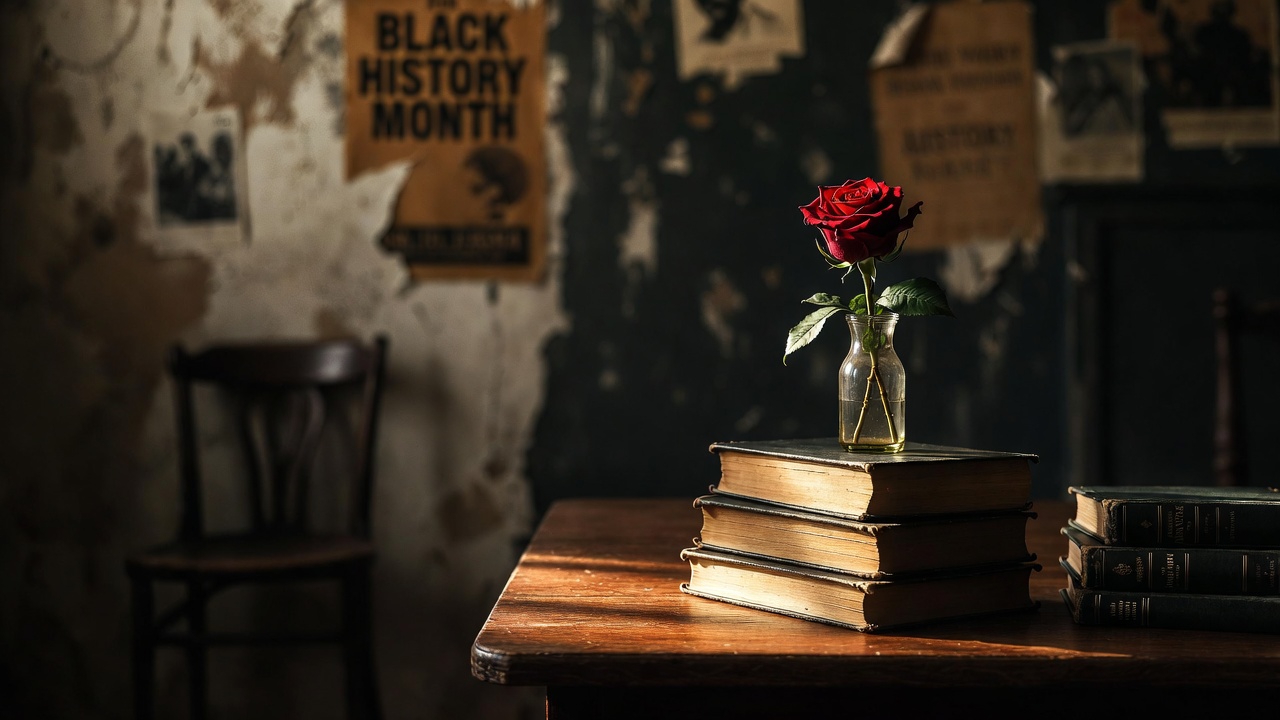
Celebrate Black History Month with these creative, meaningful, and visually stunning Instagram content ideas that honor heritage while embracing modern social media trends.
February arrives with a powerful invitation. Black History Month calls us to reflect, celebrate, and share stories that have shaped our world. In the age of Instagram, this annual observance has become a vibrant digital canvas. Creators, brands, and everyday people use the platform to honor Black excellence, amplify Black voices, and spread what many call Black joy.
2026 marks a historic milestone. This February celebrates the 100th anniversary of the first Negro History Week, established by historian Carter G. Woodson in 1926. A century later, those seven days have grown into a globally recognized month-long celebration. There has never been a more meaningful time to create thoughtful, impactful content.
But what makes Black History Month content truly resonate on Instagram? How do you create posts that feel authentic rather than performative? This guide dives deep into aesthetic ideas, cultural context, and practical strategies. Whether you run a brand account, work as an influencer, or simply want to celebrate meaningfully on your personal feed, these ideas will help you create content that educates, inspires, and connects.
What Is Black History Month and Why Does It Matter in 2026
Before we explore Instagram aesthetics, let’s ground ourselves in the significance of this month—especially in this centennial year.
Black History Month traces its roots to 1926. That year, historian Carter G. Woodson and the Association for the Study of African American Life and History (ASALH) sponsored the first “Negro History Week.” Woodson, often called the “Father of Black History,” chose the second week of February deliberately. This week coincided with the birthdays of two pivotal figures: Abraham Lincoln and Frederick Douglass.
According to the ASALH, Woodson’s goal was ambitious. He wanted schools and communities across America to organize celebrations, lectures, and activities. His mission was to teach Black history as it had never been taught before.
The observance expanded to a full month in 1976. President Gerald Ford officially recognized February as Black History Month during America’s bicentennial. He called upon the public to “seize the opportunity to honor the too-often neglected accomplishments of Black Americans in every area of endeavor throughout our history.”
Now, fifty years after that expansion and one hundred years after Woodson’s original vision, we celebrate a full century of Black history commemorations.
The 2026 Black History Month Theme: A Century of Black History Commemorations
Each year, ASALH announces an official theme. For 2026, that theme is “A Century of Black History Commemorations.”
As ASALH explains, this theme marks a monumental milestone. 2026 celebrates 100 years since Dr. Carter G. Woodson established the first Negro History Week in February 1926. This centennial invites us to explore the impact and meaning of Black history commemorations in transforming the status of Black peoples in the modern world.
This theme holds special weight in 2026. It coincides with America’s 250th anniversary (America250), making it crucial to tell not only an inclusive history but an accurate one. As ASALH notes: “We have never had more need to examine the role of Black History Month than we do when forces weary of democracy seek to use legislative means and book bans to excise Black history from America’s schools and public culture.”
Understanding this theme can inspire your Instagram content. You might highlight the evolution of Black history education, honor the pioneers who fought to preserve Black narratives, or share stories of how Black history commemorations have shaped communities across generations.
Understanding Black Joy as a Form of Celebration and Resistance
One concept has transformed how people approach Black History Month content. That concept is Black joy.
The term gained prominence through the work of writer Kleaver Cruz. In 2015, Cruz founded The Black Joy Project, a digital and real-world effort to center Black joy as a form of resistance.
What Is Black Joy and Why Does It Resonate on Social Media
The National Museum of African American History and Culture describes Black joy as an affirmation and an action. It claims control where control can be claimed. Cruz himself has said that Black joy is “not dismissing or creating an ‘alternate’ Black narrative that ignores the realities of our collective pain.”
Rather, Black joy holds pain and injustice in tension with the joy that exists. It uses that joy as an entry point to understand oppressive forces and imagine a world free of them.
For Instagram creators, this philosophy offers guidance. Your Black History Month content does not need to focus solely on struggle and trauma. It can celebrate:
- Family gatherings and traditions
- Cultural expressions through music, dance, and art
- Achievements in business, science, sports, and the arts
- Everyday moments of connection and happiness
- Style, fashion, and self-expression
Cal State Fullerton African American studies professor Mei-Ling Malone puts it simply: “Black joy is an act of resistance.”
Black Joy Hashtags to Amplify Your Instagram Reach
Hashtags connect your content to larger conversations. Here are essential Black joy and Black History Month hashtags to consider:
| Hashtag | Purpose |
|---|---|
| #BlackJoy | Celebrates positive, joyful moments in Black life |
| #BlackHistoryMonth | General BHM content discovery |
| #BlackExcellence | Highlights achievements and accomplishments |
| #BlackGirlMagic | Celebrates Black women’s empowerment |
| #BlackBoyJoy | Spotlights moments of happiness among Black men and boys |
| #BHM | Abbreviated hashtag for broader reach |
| #BlackCulture | Connects to cultural discussions and celebrations |
| #MelaninMagic | Celebrates Black beauty and identity |
| #BlackOwnedbusiness | Supports and promotes Black entrepreneurs |
| #BuyBlack | Encourages supporting Black-owned businesses |
Black History Month Color Palette Ideas for Instagram Aesthetics
Colors carry profound meaning in Black History Month celebrations. Understanding their significance helps you create content that resonates culturally while looking visually stunning.
The Pan-African Flag Colors and Their Meanings
The most recognized colors of Black History Month come from the Pan-African flag. Marcus Garvey and the Universal Negro Improvement Association (UNIA) created this flag in 1920.
As the UNIA wrote in 1921: “Red is the color of the blood which men must shed for their redemption and liberty; black is the color of the noble and distinguished race to which we belong; green is the color of the luxuriant vegetation of our Motherland.”
Here is a breakdown of each color’s meaning:
| Color | Meaning | Hex Code Suggestion |
|---|---|---|
| Red | Blood, sacrifice, resilience, political passion | #BD3829 (Crimson) |
| Black | Heritage, unity, the people, spiritual strength | #202125 (Charcoal) |
| Green | Africa’s natural resources, growth, hope for the future | #42632E (Forest Green) |
| Yellow/Gold | Royalty, wealth, prosperity, the sun (from Ethiopian flag) | #EE8623 (Tangerine) or #FFD502 (Gold) |
Why Yellow Joins the Traditional Palette
You might notice that yellow does not appear on the Pan-African flag. It comes from the Ethiopian flag, which uses red, yellow, and green. Ethiopia holds special significance because it remained largely uncolonized throughout its history.
Historian Tyler D. Parry told Seventeen that “the yellow [or gold] refers back to the Ethiopian flag, which is meaningful to people of color because Ethiopia is virtually the only country in Africa that did not experience colonialism.”
Modern Color Palette Variations for Instagram Feeds
While traditional colors honor heritage, you can adapt them for contemporary aesthetics. Consider these variations:
Warm and Earthy Tones
- Burnt orange
- Terracotta
- Deep burgundy
- Mustard yellow
- Rich brown
Bold and Vibrant
- Bright red
- Electric green
- Sunshine yellow
- Deep black backgrounds
Soft and Sophisticated
- Dusty rose with green accents
- Gold metallics on black
- Muted earth tones
- Sepia-inspired vintage palettes
How to Create Stunning Black History Month Instagram Feed Posts
Your Instagram feed serves as a visual portfolio. During Black History Month, thoughtful planning creates a cohesive, meaningful presence.
Educational Carousel Posts That Celebrate Black Achievements
Carousel posts allow you to share multiple images or slides in a single post. They work perfectly for educational content.
Ideas for carousel content:
- “This Day in Black History” series highlighting daily events and figures
- Biography spotlights featuring lesser-known Black pioneers
- Timeline graphics showing the evolution of civil rights movements
- Quote collections from Black leaders, artists, and thinkers
- “Did You Know?” fact compilations about Black innovations and inventions
Design tips for carousels:
- Use consistent fonts and colors throughout all slides
- Include sources for facts and quotes
- Add a call-to-action on the final slide (save, share, or comment)
- Keep text readable with good contrast
- Use high-quality images, especially historical photographs
Quote Graphics That Inspire and Educate Your Followers
Inspirational quotes drive high engagement on Instagram. Black History Month offers countless powerful voices to feature.
Consider quotes from:
- Frederick Douglass on freedom and self-determination
- Maya Angelou on resilience and rising
- Martin Luther King Jr. on justice and love
- Toni Morrison on identity and storytelling
- James Baldwin on truth and society
- Amanda Gorman on hope and change
- Harriet Tubman on courage and liberation
- Langston Hughes on dreams and perseverance
Design approaches for quote graphics:
- Pair quotes with portraits or artistic illustrations
- Use bold typography that commands attention
- Incorporate traditional Pan-African colors or modern variations
- Add decorative elements inspired by African textiles like Kente cloth
- Include the speaker’s name and context where appropriate
Incorporating Kente Cloth Patterns and African Textile Aesthetics
Kente cloth is a hand-woven textile from Ghana. It has become a powerful symbol of African heritage worldwide. The patterns and colors carry specific meanings.
Kente color meanings you can incorporate:
| Color | Traditional Meaning |
|---|---|
| Black | Spiritual energy, maturity, ancestors |
| Blue | Peacefulness, harmony, love |
| Green | Growth, spiritual renewal, fertility |
| Gold/Yellow | Royalty, wealth, high status |
| Grey | Healing, cleansing rituals |
| Maroon | Mother earth, healing |
| Red | Political passion, bloodshed, strength |
| Silver | Serenity, purity, joy |
| White | Purification, festive occasions |
Ways to use Kente-inspired designs:
- Create border elements for graphics
- Use Kente patterns as subtle backgrounds
- Feature Kente fabrics in product photography
- Include Kente stoles in graduation or achievement posts
- Reference specific pattern names and their meanings
Creative Instagram Story Ideas for Black History Month Celebrations
Instagram Stories offer ephemeral, engaging content opportunities. Their casual nature allows for more spontaneous celebrations.
Interactive Story Features to Boost Engagement
Instagram provides numerous interactive stickers. Use them to create engaging Black History Month content:
Quiz Sticker Ideas:
- Test followers on Black history facts
- Ask “Who said this famous quote?”
- Create trivia about Black inventors and their creations
- Quiz followers on Black History Month themes through the years
Poll Sticker Ideas:
- “Which Black artist inspires you most?”
- “Have you visited a Black history museum?”
- “Do you support Black-owned businesses regularly?”
- “What aspect of Black history interests you most?”
Question Box Prompts:
- “Share a Black-owned business you love”
- “Tell us about a Black figure who inspires you”
- “What does Black joy mean to you?”
- “Recommend a book by a Black author”
Day-in-the-Life Stories Celebrating Black Joy
Authentic content often resonates most. Consider sharing:
- Morning routines featuring Black-owned products
- Meals highlighting African American culinary traditions
- Music playlists celebrating Black artists across genres
- Reading sessions with books by Black authors
- Family moments that capture intergenerational joy
- Workspaces that honor Black professionals and entrepreneurs
Story Templates and Custom Stickers for BHM
Many design platforms offer Black History Month story templates. You can also create custom content:
Template ideas:
- “This or That” comparing Black history facts
- “Meet the Team” highlighting Black employees or collaborators
- “Book of the Week” featuring Black authors
- “Music Monday” spotlighting Black musicians
- “Throwback Thursday” with historical photos
Instagram Reels Ideas to Showcase Black Excellence and Culture
Reels have become Instagram’s fastest-growing feature. They offer tremendous reach and creative possibilities.
Trending Audio and Music by Black Artists
Using music by Black artists supports creators while creating culturally relevant content. Consider:
- Classic Motown for nostalgic, feel-good Reels
- Hip-hop and R&B for contemporary content
- Gospel music for uplifting, spiritual themes
- Jazz for sophisticated, artistic content
- Afrobeats for vibrant, dance-focused Reels
- Spoken word poetry for educational or inspirational content
Educational Reels Format Ideas
Short-form video excels at education. Try these formats:
“The More You Know” style:
- 15-30 second facts about Black history
- Quick explanations of lesser-known events
- Myth-busting common misconceptions
Before and After:
- Historical photos paired with modern recreations
- Locations then and now
- Progress in civil rights visualization
Transitions:
- Transform from period costumes to modern wear
- Transition through decades of Black fashion
- Reveal historical figures through creative cuts
Collaboration Reels That Amplify Black Voices
Instagram’s collaboration feature allows joint posting. Partner with:
- Black creators in your niche
- Black-owned businesses you support
- Black artists, musicians, or writers
- Local Black organizations or nonprofits
- Black educators or historians
How to Support Black-Owned Businesses on Instagram During BHM
Supporting Black entrepreneurs extends celebration beyond aesthetics into action.
Using Instagram’s Black-Owned Business Label Feature
Instagram introduced a “Black-owned” label for business profiles. This feature helps users discover and support Black entrepreneurs.
If you run a Black-owned business:
- Tap “Edit Profile”
- Select “Business Diversity Info”
- Toggle on “Show Black-owned business label”
- Your profile and products will display the designation
If you want to support Black-owned businesses:
- Look for the label on business profiles
- Explore curated collections in the Shop tab
- Search hashtags like #BlackOwnedbusiness and #BuyBlack
- Share and tag businesses you love
Creative Ways to Feature Black-Owned Products
According to Instagram, support for Black-owned businesses has grown tremendously on the platform. In a single year, there were over 1.3 million Instagram posts supporting Black-owned or Black-led businesses. The number of US businesses with these designations in their profiles increased over 50%. This trend has only strengthened in subsequent years as consumers increasingly seek to support Black entrepreneurs.
Content ideas for featuring Black-owned products:
- Unboxing videos showing products from Black entrepreneurs
- “Shop my cart” posts exclusively featuring Black-owned brands
- Comparison content highlighting quality of Black-owned alternatives
- Gift guides curated from Black-owned businesses
- Review posts with honest testimonials
Building a Curated List of Black Businesses to Share
Create value for your audience by compiling resources:
- Local roundups of Black-owned businesses in your city
- Category-specific lists (beauty, fashion, food, home goods)
- Service providers (photographers, designers, consultants)
- Online shops that ship nationwide
- Subscription boxes from Black entrepreneurs
Photography Tips for Authentic Black History Month Content
Visual quality matters on Instagram. These tips help you capture compelling Black History Month imagery.
Lighting Techniques That Celebrate Melanin
Proper lighting showcases all skin tones beautifully:
Natural light approaches:
- Shoot during golden hour (shortly after sunrise or before sunset)
- Position subjects facing windows for soft, even light
- Avoid harsh midday sun that creates strong shadows
- Use reflectors or white boards to bounce light onto faces
Indoor lighting tips:
- Use ring lights or softboxes for even illumination
- Avoid overhead lighting that casts unflattering shadows
- Add warm-toned bulbs for a cozy, inviting feel
- Consider multiple light sources for dimension
Composition Ideas for Culturally Meaningful Photos
Thoughtful composition elevates your imagery:
Include meaningful elements:
- African textiles and patterns as backdrops
- Books by Black authors
- Art by Black artists
- Natural hair in all its glory
- Family heirlooms and photographs
- Cultural artifacts and symbols
Consider these compositions:
- Generational portraits showing family connections
- Hands holding meaningful objects
- Environmental portraits in significant locations
- Detail shots of cultural items
- Candid moments of genuine emotion
Editing Styles That Honor the Subject
Post-processing should enhance, not alter:
- Avoid filters that drastically change skin tones
- Maintain the natural warmth and richness of melanin
- Use presets designed to flatter diverse skin tones
- Adjust shadows and highlights to show facial details
- Keep edits consistent for a cohesive feed
Captions That Connect: Writing Meaningful Black History Month Posts
Great images need great captions. Your words provide context, education, and emotional connection.
Storytelling Approaches for Historical Content
Transform facts into compelling narratives:
Start with a hook:
- “She was born into slavery but died a legend.”
- “This invention changed millions of lives, but few know the creator’s name.”
- “In 1955, a single act of defiance sparked a movement.”
Include specific details:
- Dates, locations, and names
- Little-known facts that surprise readers
- Personal quotes from historical figures
- Connections to current events or experiences
End with reflection:
- Why this story matters today
- What we can learn from it
- How readers can honor the legacy
- Questions that prompt engagement
Call-to-Action Ideas That Drive Engagement
Every post benefits from clear direction:
For educational content:
- “Save this post to learn more later”
- “Share this story so others can learn”
- “Drop a 🙌 if you knew this fact”
- “Tag someone who needs to see this”
For celebratory content:
- “Share your own Black joy moment below”
- “Tell us what Black excellence means to you”
- “Name a Black creator who inspires you”
- “How are you celebrating BHM?”
For action-oriented content:
- “Visit the link in bio to support these businesses”
- “Follow @[blackcreator] for more amazing content”
- “Swipe to see the full list of resources”
- “DM us your favorite Black-owned brand for a feature”
Avoiding Performative Allyship in Your Messaging
Authenticity matters more than optics. Consider these guidelines:
Do:
- Share what you’re genuinely learning or celebrating
- Credit Black creators, educators, and sources
- Center Black voices rather than your own perspective
- Make commitments you can actually keep
- Engage with Black content year-round, not just February
Don’t:
- Post trauma content without context or care
- Use Black suffering for engagement
- Speak over or for Black people
- Make hollow promises or virtue signals
- Treat Black History Month as a one-time checkbox
Content Calendar Ideas for Black History Month February 2026
Planning ahead ensures consistent, thoughtful content throughout Black History Month. This centennial year offers unique opportunities to reflect on 100 years of celebration and preservation.
Week-by-Week Content Themes
Week 1: Foundation and History
- The origins of Black History Month
- Carter G. Woodson spotlight
- 2026 theme introduction: A Century of Black History Commemorations
- The evolution from Negro History Week to Black History Month
Week 2: Black Excellence Through the Decades
- Science and technology innovators across generations
- Arts and entertainment icons from the past century
- Business and entrepreneurship leaders
- Sports legends and their lasting impact
Week 3: Culture and Joy
- Music and its transformative influence
- Literary contributions through 100 years
- Fashion and style evolution
- Food and culinary traditions
Week 4: Community and Future
- Local Black history and heroes
- Supporting Black businesses
- Youth and next generation leaders
- Commitment to year-round celebration and preservation
Daily Posting Ideas and Themes
Consider recurring daily themes:
| Day | Theme | Content Idea |
|---|---|---|
| Monday | Motivation Monday | Quotes from Black leaders |
| Tuesday | Teaching Tuesday | Educational facts or histories |
| Wednesday | Wellness Wednesday | Black joy, self-care, mental health |
| Thursday | Throwback Thursday | Historical photos and stories |
| Friday | Feature Friday | Spotlight a Black creator or business |
| Saturday | Style Saturday | Black fashion, beauty, and culture |
| Sunday | Support Sunday | Black-owned businesses and services |
Collaborating with Black Creators and Influencers
Partnerships amplify impact and ensure authentic representation.
Finding and Vetting Potential Partners
Look for creators who:
- Consistently create quality content
- Align with your values and aesthetic
- Have engaged (not just large) audiences
- Create educational or inspirational Black History content
- Would genuinely benefit from the collaboration
Platforms to discover Black creators:
- Instagram’s Creator Marketplace
- TikTok’s Creator Marketplace
- Influencer agencies specializing in Black talent (like Kensington Grey)
- Hashtag searches for niche Black creators
- Industry events like AfroTech or CultureCon
Compensation and Credit: Doing It Right
Respect and fair payment are non-negotiable:
- Pay Black creators fairly for their work and expertise
- Never ask for free labor especially during Black History Month
- Credit properly with tags and mentions
- Share creative control rather than dictating content
- Build ongoing relationships beyond February
Types of Collaborations That Work
Content collaboration:
- Co-created posts or Reels
- Instagram Live conversations
- Takeovers of your Stories
- Joint carousel posts with split attribution
Business collaboration:
- Affiliate partnerships
- Sponsored content campaigns
- Product collaborations or launches
- Event co-hosting or speaking
Accessibility Considerations for Inclusive BHM Content
Creating accessible content ensures everyone can engage with your celebrations.
Alt Text Best Practices for Images
Instagram allows alt text for images. Write descriptions that:
- Describe the visual elements clearly
- Note skin tones, cultural elements, and clothing
- Include text that appears in graphics
- Mention the mood or emotion captured
- Keep descriptions concise but complete
Example: “A smiling Black woman wearing a colorful Kente cloth dress stands in front of a mural depicting Frederick Douglass. The Pan-African colors red, black, and green appear prominently in the background.”
Caption Accessibility Features
Make your captions accessible:
- Use capital letters for hashtags (BlackHistoryMonth vs blackhistorymonth)
- Add paragraph breaks for readability
- Define acronyms the first time you use them
- Avoid excessive emojis that disrupt screen readers
- Place emojis at the end of sentences or sections
Video Accessibility for Reels and Stories
For video content:
- Add captions to all Reels (Instagram’s auto-caption feature helps)
- Avoid text-only videos without audio description
- Use contrasting colors for any on-screen text
- Speak clearly and at a moderate pace
- Include visual descriptions in voiceovers when relevant
Avoiding Common Mistakes in Black History Month Content
Well-intentioned content can still miss the mark. Here’s what to avoid.
Trauma Porn and Pain-Focused Narratives
Black history includes tremendous pain. But reducing it to suffering erases joy, agency, and triumph.
Instead of:
- Graphic images of violence or oppression
- Focusing only on victimhood narratives
- Using suffering for shock value or engagement
Try:
- Highlighting resistance and resilience
- Showing the full spectrum of Black experience
- Contextualizing struggle within stories of triumph
- Centering Black voices telling their own stories
Tokenism and Surface-Level Representation
Genuine celebration goes deeper than posting the same five figures every February.
Red flags of tokenism:
- Only posting about Black history in February
- Featuring only the most famous, “palatable” figures
- Ignoring local or lesser-known heroes
- Lacking diversity within Black representation
- Speaking about rather than with Black communities
Better approaches:
- Research and highlight lesser-known figures
- Include diverse Black voices (varying backgrounds, identities, perspectives)
- Engage with Black History content year-round
- Partner with Black creators for authentic content
- Listen and learn from Black audiences
Cultural Appropriation vs. Appreciation
There’s a line between celebrating and appropriating Black culture.
Appropriation looks like:
- Using cultural elements without understanding or credit
- Profiting from Black aesthetics without supporting Black people
- Adopting styles or language without context
- Claiming elements of Black culture as your own discovery
Appreciation looks like:
- Learning the history and significance of cultural elements
- Crediting and citing sources
- Supporting and compensating Black creators
- Elevating rather than extracting
- Remaining humble and open to correction
Measuring Success: Metrics That Matter for BHM Content
Understanding impact helps you improve and grow.
Engagement Metrics to Track
Quantitative measures:
- Likes, comments, shares, and saves
- Story views and interactions
- Reel views and completion rates
- Profile visits during February
- Follower growth attributed to BHM content
Qualitative indicators:
- Quality of comments and conversations
- Messages from community members
- Shares to Stories by followers
- Mentions and tags from other accounts
- Feedback from Black audience members
Beyond Vanity Metrics: Real Impact
Numbers don’t tell the whole story. Consider:
- Did your audience learn something new?
- Did Black creators or businesses gain support?
- Did meaningful conversations happen?
- Did your commitment extend beyond February?
- Did you grow as a creator or brand?
Resources for Creating Black History Month Instagram Content
Arm yourself with tools and information for quality content creation.
Design Tools and Templates
Free and paid design platforms:
- Canva (extensive BHM template library)
- Adobe Express (formerly Spark)
- PosterMyWall (650+ Black History Month templates)
- Crello/VistaCreate
- Over
Educational Resources to Inform Your Content
Learn from authoritative sources:
| Resource | What It Offers |
|---|---|
| ASALH | Official BHM themes, research, and educational materials |
| National Museum of African American History and Culture | Exhibits, stories, and educational content |
| The Black Joy Project | Photography and content celebrating Black joy |
| Smithsonian’s National Portrait Gallery | Historical portraits and biographies |
| Library of Congress African American History Collection | Primary sources and historical documents |
Books by Black Authors to Inspire Your Content
Reading deepens understanding. Consider:
- “The Warmth of Other Suns” by Isabel Wilkerson
- “Becoming” by Michelle Obama
- “Stamped from the Beginning” by Ibram X. Kendi
- “The 1619 Project” edited by Nikole Hannah-Jones
- “Between the World and Me” by Ta-Nehisi Coates
- “I Know Why the Caged Bird Sings” by Maya Angelou
- “The Spirit of Justice” by Jemar Tisby
Extending Your Celebration Beyond February
The most meaningful Black History Month content comes from year-round commitment.
Building Sustainable Habits of Celebration
Weekly practices:
- Follow and engage with Black creators consistently
- Support at least one Black-owned business each week
- Read or listen to content by Black authors
- Share Black excellence when you encounter it
Monthly practices:
- Feature Black businesses or creators on your platform
- Learn about a new aspect of Black history
- Attend events or exhibitions related to Black culture
- Donate to organizations supporting Black communities
Creating an Ongoing Content Strategy
Don’t let your engagement end on March 1st:
- June: Celebrate Juneteenth (June 19)
- August: Remember the March on Washington anniversary
- December: Honor Kwanzaa (December 26 – January 1)
- Year-round: Note birthdays and achievements of Black figures
The Power of Consistent Allyship
As Later’s social media strategist notes, “Black history isn’t just for February – it’s an ongoing conversation.” The most impactful creators integrate Black voices and stories throughout the year, not just during a designated month.
Final Thoughts: Centering Authenticity in Your Black History Month Content
Creating meaningful Black History Month Instagram content starts with intention. It requires education, respect, and genuine celebration.
Remember the words of Kleaver Cruz, founder of The Black Joy Project: Black joy is not about ignoring pain. It’s about holding that pain in tension with joy. It’s about using joy as an entry point to understanding and change.
Your Instagram content can honor this philosophy. Celebrate Black excellence. Amplify Black voices. Support Black businesses. Share Black joy.
But don’t stop when February ends. The beauty of Black history is that it’s American history. It’s world history. It deserves recognition not for one month, but always.
Now, pick up your phone. Open Instagram. Create something beautiful. Create something meaningful. Create something joyful.
The world is waiting to see it.
Highlighting Black Innovators and Inventors for Instagram Content
Creating content about Black innovators connects history to everyday life. Many inventions we use daily came from Black minds, yet their contributions remain underrecognized.
Lesser-Known Black Inventors Worth Featuring
Move beyond the commonly featured figures. Highlight these innovators:
Garrett Morgan invented the three-position traffic signal and an early gas mask that saved lives during a tunnel explosion rescue. His traffic signal design became the foundation for modern traffic lights worldwide.
Dr. Patricia Bath became the first African American woman to receive a medical patent. She invented the Laserphaco Probe for cataract treatment, revolutionizing eye surgery and restoring sight to people who had been blind for decades.
Lonnie Johnson is a NASA engineer who invented the Super Soaker water gun. Beyond toys, he holds over 100 patents and continues working on clean energy solutions including the Johnson Thermoelectric Energy Converter.
Marie Van Brittan Brown invented the first home security system in 1966. Her design included cameras, microphones, and remote-controlled door locks. Modern home security systems still use her fundamental concepts.
Lewis Latimer improved Thomas Edison’s lightbulb by creating a more durable carbon filament. He also invented an early air conditioning unit and supervised the installation of public electric lights in New York, Philadelphia, Montreal, and London.
Creating Engaging “Did You Know” Content Series
Structure your innovator content for maximum engagement:
Post 1: The Hook “The Super Soaker earned over $200 million in sales. The NASA engineer who invented it holds over 100 patents. His name is Lonnie Johnson, and his story is remarkable.”
Post 2: The Deep Dive Share details about their background, challenges overcome, and lasting impact. Include historical photos when available.
Post 3: The Connection Link the invention to modern life. Show how Dr. Bath’s work still helps people see. Demonstrate how Morgan’s traffic signal keeps roads safe today.
Post 4: The Call to Action Encourage followers to research, share, and credit Black innovators when discussing their inventions.
Black Food Culture and Culinary Content for Instagram
Food connects deeply to culture, memory, and celebration. Black culinary traditions offer rich content opportunities.
Soul Food and Its Historical Significance
Soul food represents more than recipes. It embodies resilience, creativity, and community. Enslaved Africans transformed scraps and limited ingredients into nourishing, flavorful dishes that sustained generations.
Dishes with deep cultural meaning:
- Collard greens symbolize prosperity and new beginnings
- Black-eyed peas represent luck, especially when eaten on New Year’s Day
- Cornbread reflects the resourcefulness of using available ingredients
- Fried chicken showcases techniques passed through generations
- Gumbo blends African, French, Spanish, and Native American influences
Content Ideas for Food-Focused BHM Posts
Recipe Features:
- Share family recipes with permission and proper credit
- Partner with Black food bloggers or chefs
- Create cooking Reels featuring traditional techniques
- Highlight the history behind specific dishes
Restaurant Spotlights:
- Feature Black-owned restaurants in your area
- Share your genuine dining experiences
- Interview owners about their culinary journey
- Create “best of” lists for different cuisines
Historical Food Content:
- Explore how African culinary traditions influenced American cuisine
- Discuss the contributions of Black chefs throughout history
- Share the stories of food entrepreneurs like Sylvia Woods or Marcus Samuelsson
The Role of Music in Black History Month Instagram Content
Music pulses through Black History Month celebrations. From spirituals to hip-hop, Black musical innovation has shaped global culture.
Creating Playlists as Shareable Content
Music playlists make excellent shareable content. Create themed collections:
Historical Journey:
- Spirituals and work songs
- Jazz age classics
- Motown hits
- Civil rights anthems
- Modern celebration songs
Genre-Specific:
- Essential R&B tracks
- Hip-hop classics
- Gospel favorites
- Afrobeats hits
- Neo-soul selections
Mood-Based:
- Black joy celebration mix
- Empowerment anthems
- Sunday morning soul
- Black love songs
- Party playlist
Featuring Music in Instagram Reels
Instagram Reels thrive on music. Use Black artists’ songs thoughtfully:
Trending sounds by Black artists:
- Check what’s trending and identify Black creators
- Support emerging artists, not just established stars
- Credit the artist and song in your caption
- Consider the lyrics and context before using
Historical music in modern formats:
- Pair vintage photos with classic songs
- Create transitions through musical eras
- Use iconic speeches with musical backing
- Highlight lesser-known songs and their significance
Black Literature and Authors to Feature on Instagram
Books offer endless content inspiration. Black authors have contributed masterpieces across every genre.
Creating Book Recommendation Content
Format ideas:
Carousel posts:
- “5 Books That Changed How I See the World”
- “Black Authors for Every Genre”
- “Books to Read This Black History Month”
Story series:
- Daily book recommendations
- Reader reviews and reactions
- Author spotlights with key quotes
- Reading challenges and accountability
Reels:
- Book haul featuring Black authors
- Reading vlog snippets
- Author interview clips
- Bookshelf organization with Black literature
Poets and Spoken Word Artists to Amplify
Poetry offers powerful, quotable content:
Classic poets:
- Langston Hughes
- Maya Angelou
- Gwendolyn Brooks
- Claude McKay
- Nikki Giovanni
Contemporary voices:
- Amanda Gorman
- Rudy Francisco
- Aja Monet
- Danez Smith
- Hanif Abdurraqib
Create posts featuring their work with proper attribution. Video formats work beautifully for spoken word, allowing the rhythm and emotion to shine.
Celebrating Black Fashion and Style on Instagram
Fashion represents cultural identity, resistance, and celebration. Black style has influenced global trends for generations.
Historical Fashion Moments to Feature
Create content around significant style moments:
The Harlem Renaissance era brought sophisticated elegance. Feature the style of figures like Josephine Baker, Duke Ellington, and Zora Neale Hurston.
The 1960s and 1970s saw fashion become activism. Afros, dashikis, and Black Power aesthetics made powerful statements.
Hip-hop culture from the 1980s forward revolutionized global fashion. From Run-DMC’s Adidas to modern streetwear, Black style set trends.
Red carpet moments throughout history have showcased Black glamour, from Dorothy Dandridge at the Oscars to modern icons like Zendaya and Lupita Nyong’o.
Natural Hair Content and Celebration
Natural hair represents beauty, identity, and freedom. Content opportunities include:
- Historical context of hair discrimination and the CROWN Act
- Styling tutorials celebrating versatility
- Product features from Black-owned hair care brands
- Natural hair journeys and personal stories
- Community celebrations like natural hair meetups and shows
Quick Reference: Black History Month Instagram Checklist
Before you post, run through this checklist:
- [ ] Content is factually accurate (sources checked)
- [ ] Credit is given to creators, artists, and sources
- [ ] Images are high quality and culturally respectful
- [ ] Alt text is added for accessibility
- [ ] Captions are engaging and educational
- [ ] Hashtags are relevant and properly capitalized
- [ ] Black voices are centered rather than spoken over
- [ ] Content celebrates rather than exploits
- [ ] Call-to-action is clear and appropriate
- [ ] Commitment extends beyond February
This guide was created to honor Black History Month with authenticity, education, and celebration. May your content spread joy, inspire learning, and drive meaningful action throughout February and beyond.